萬佛寺 Pose, Pose, Karma, Baby

Here begins my adventure around Hong Kong. I still have one more post on Korea but as that is more general I will do that after I have finished the rest of my trip. In Hong Kong we did a few truly touristy things, so I will start with those – we took things more slowly as we had 10 days to explore rather than just four. I had a great time so I hope you enjoy reading about my experiences there!

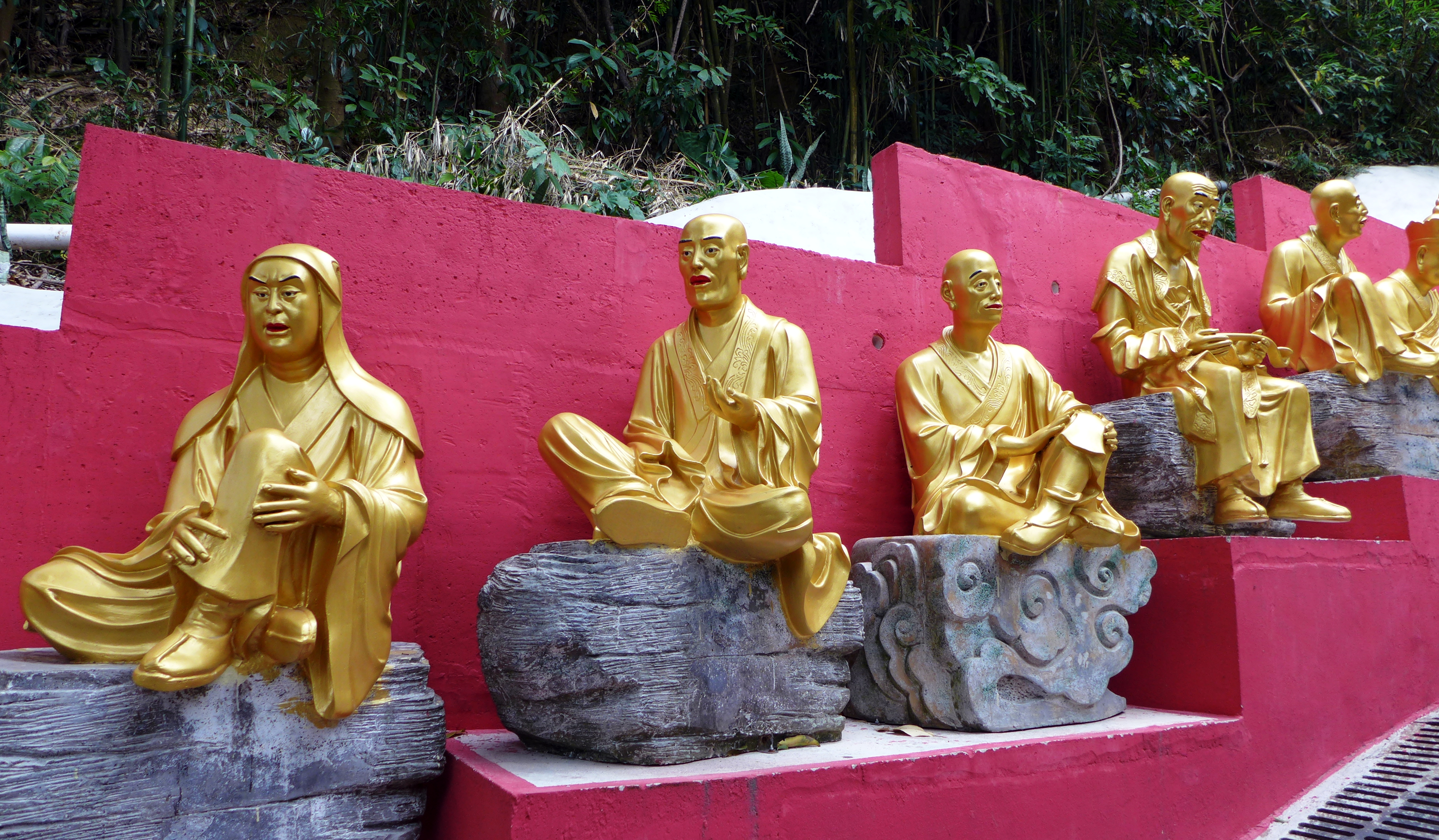
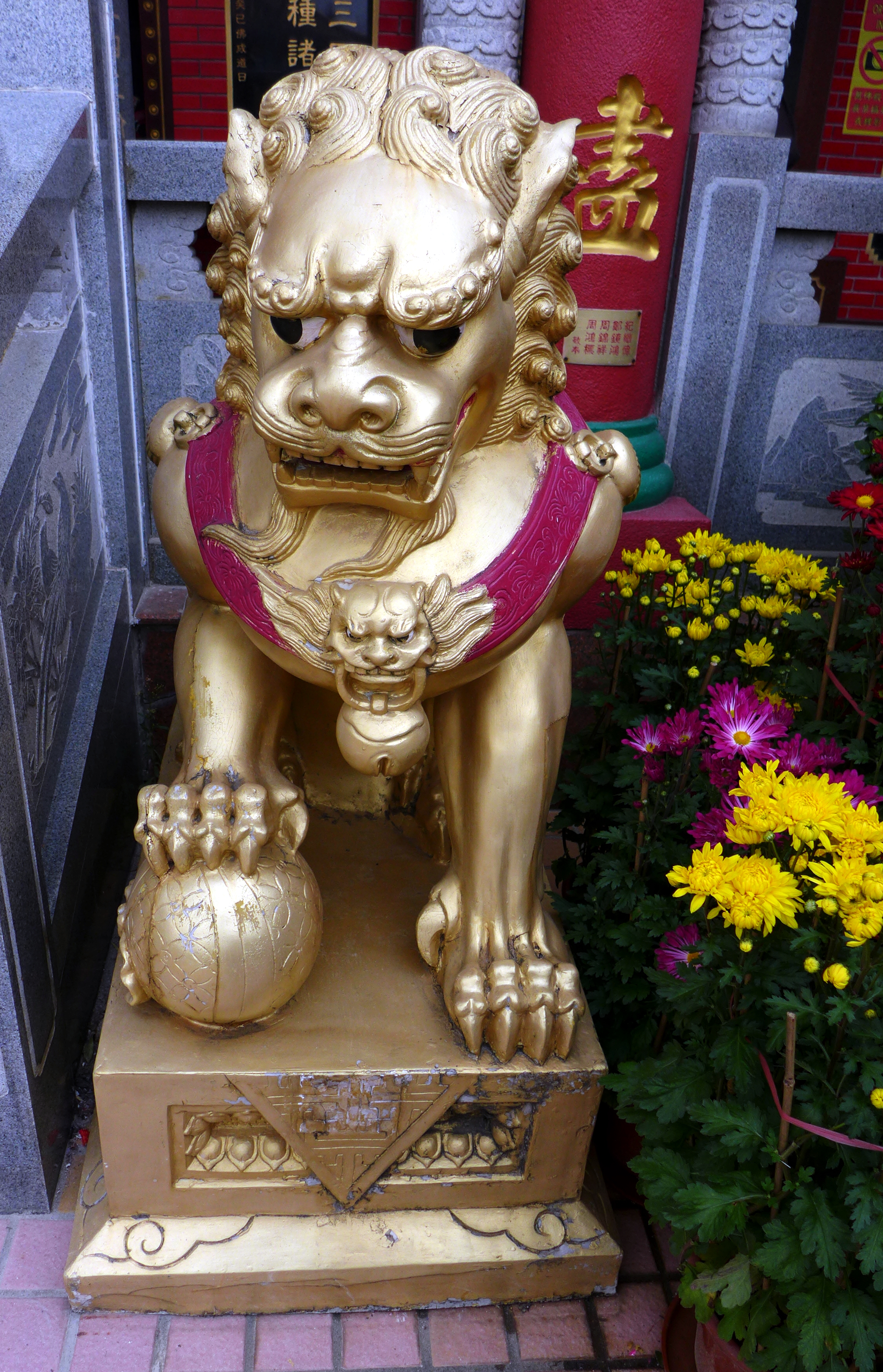
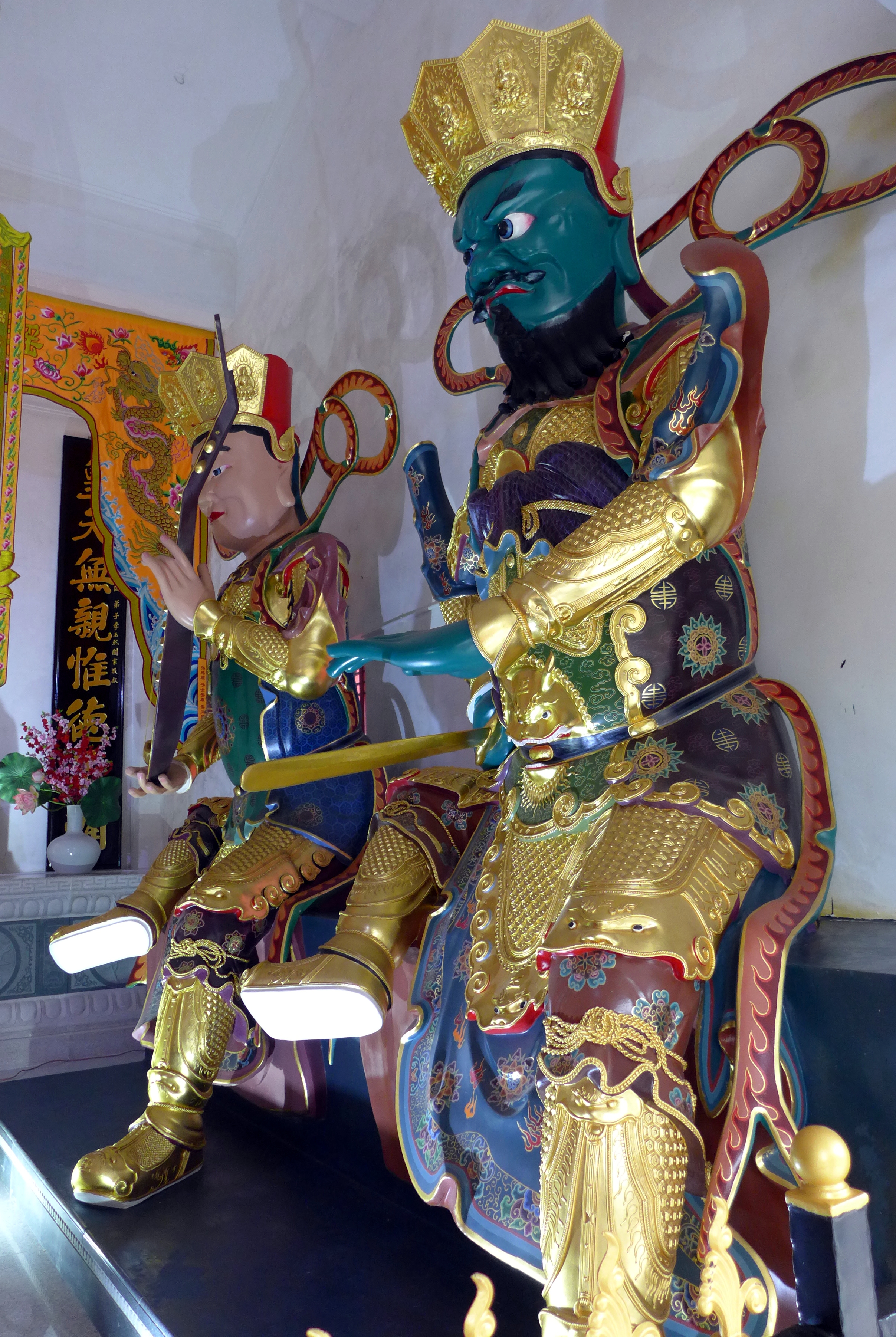
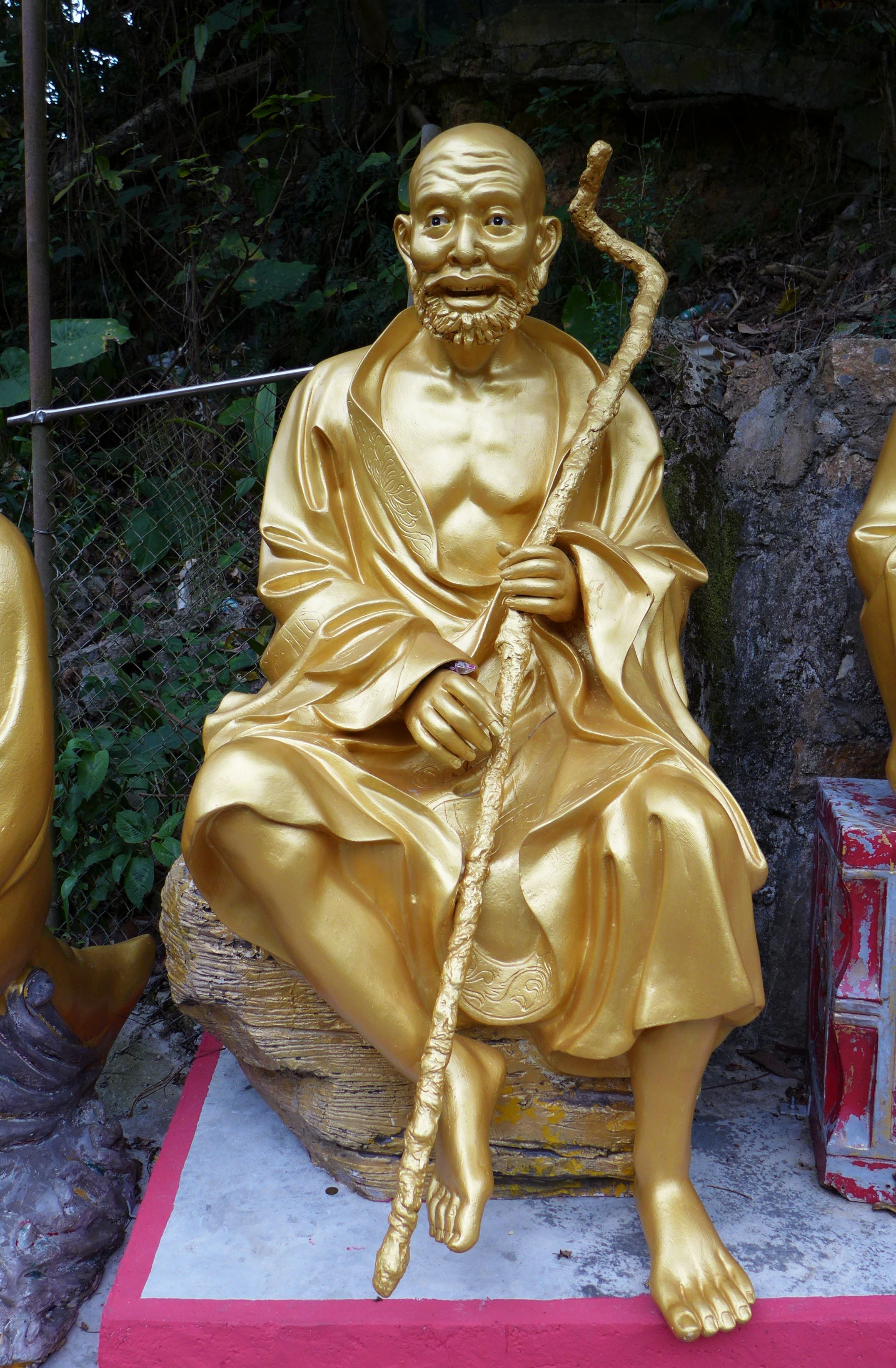
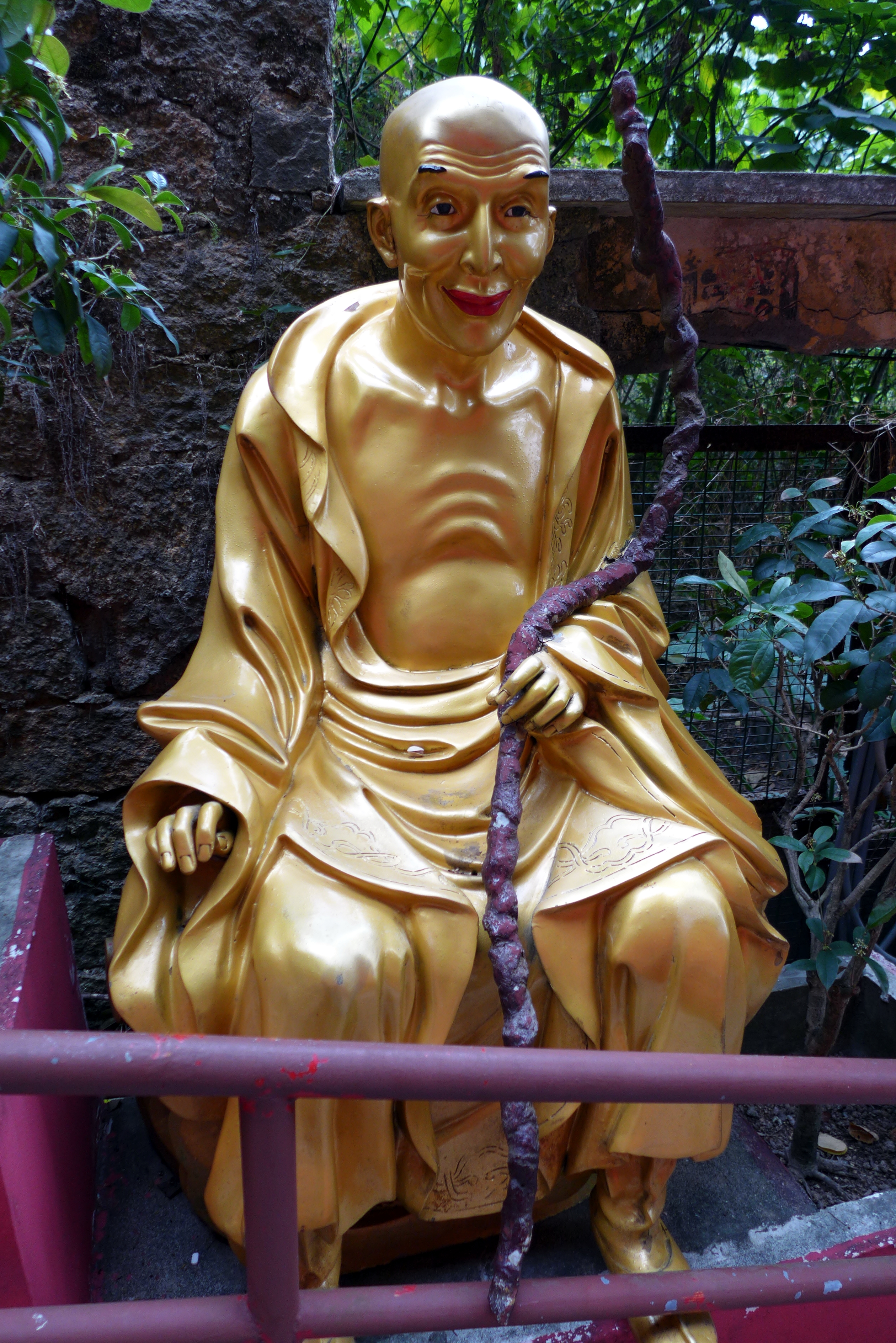
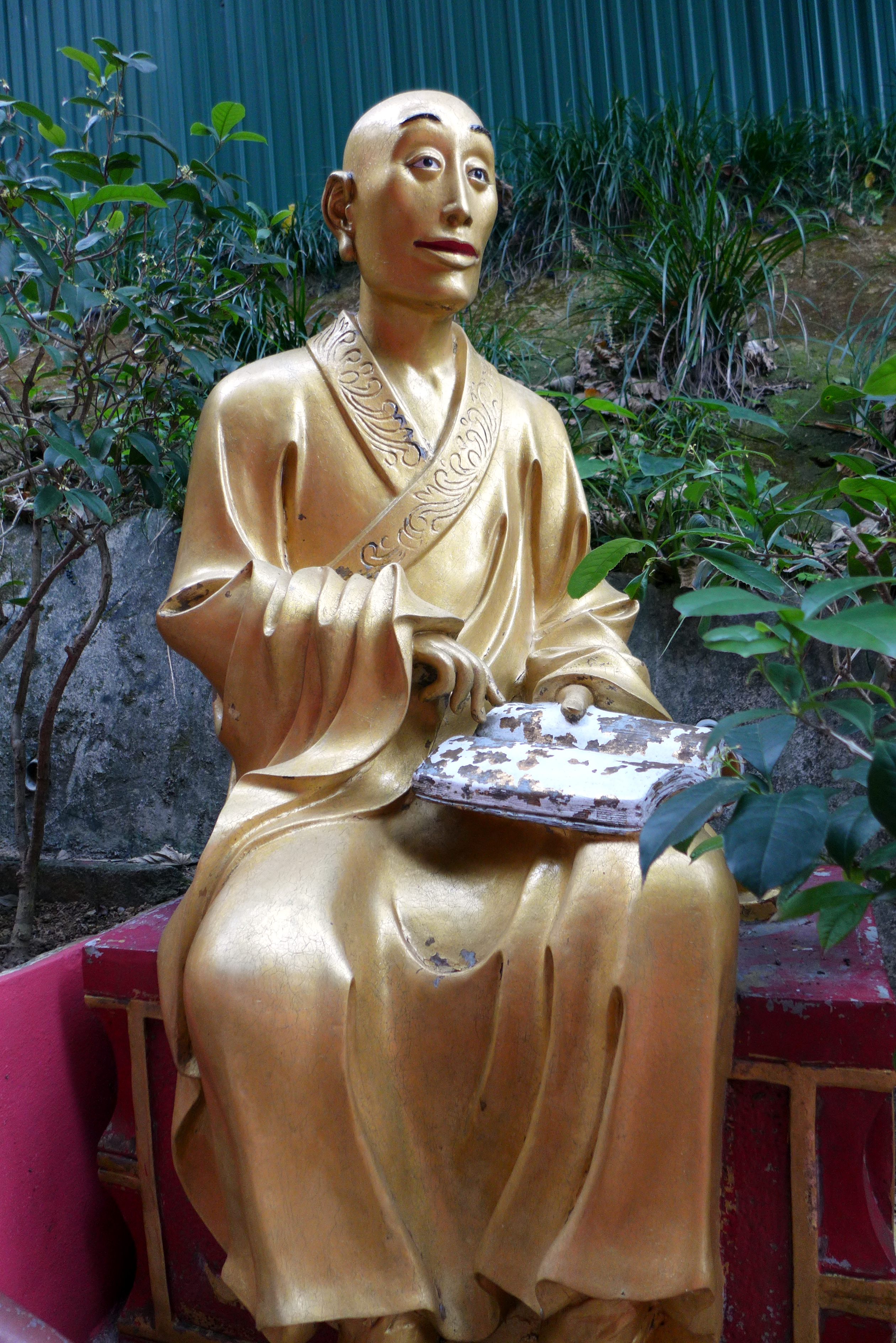
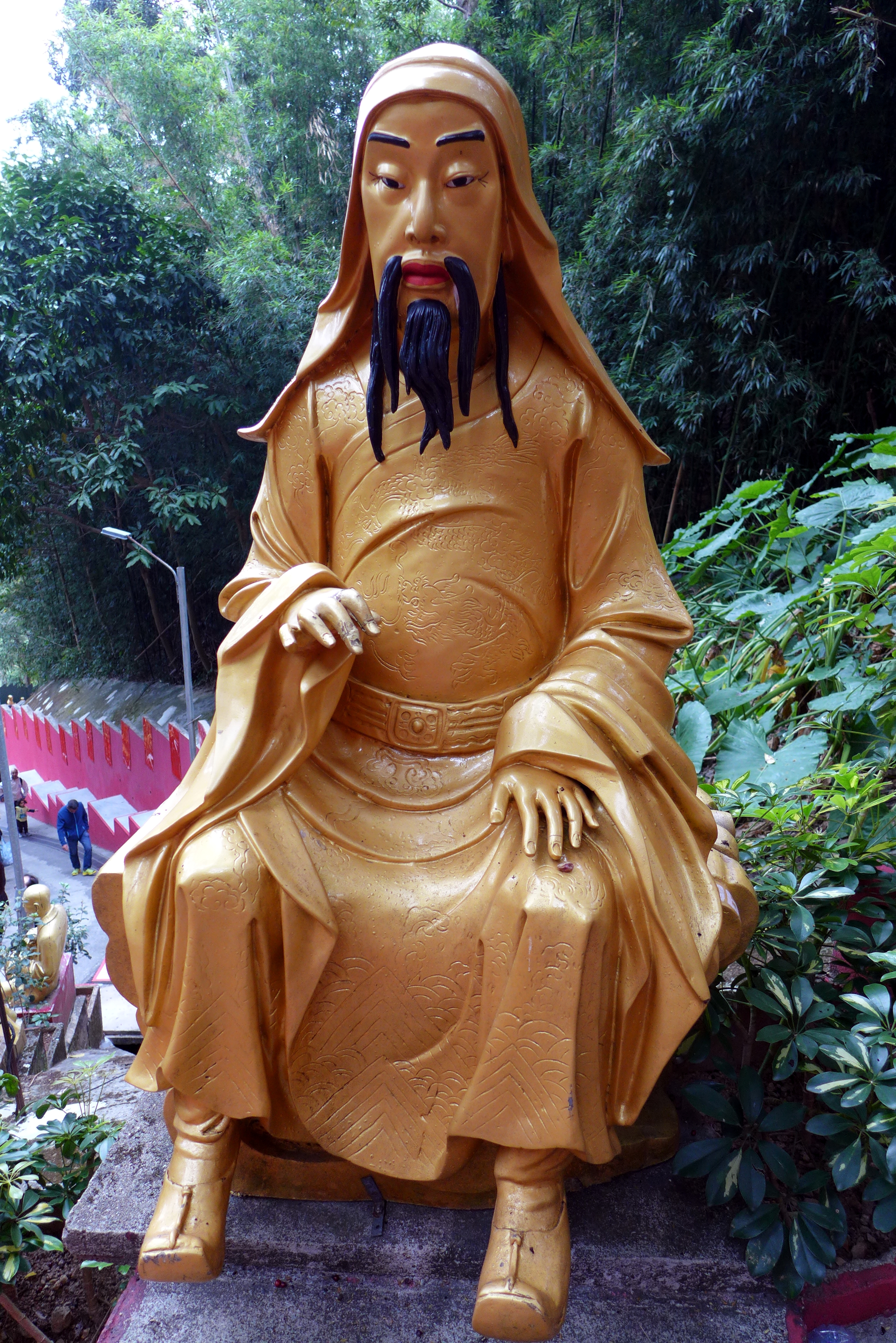
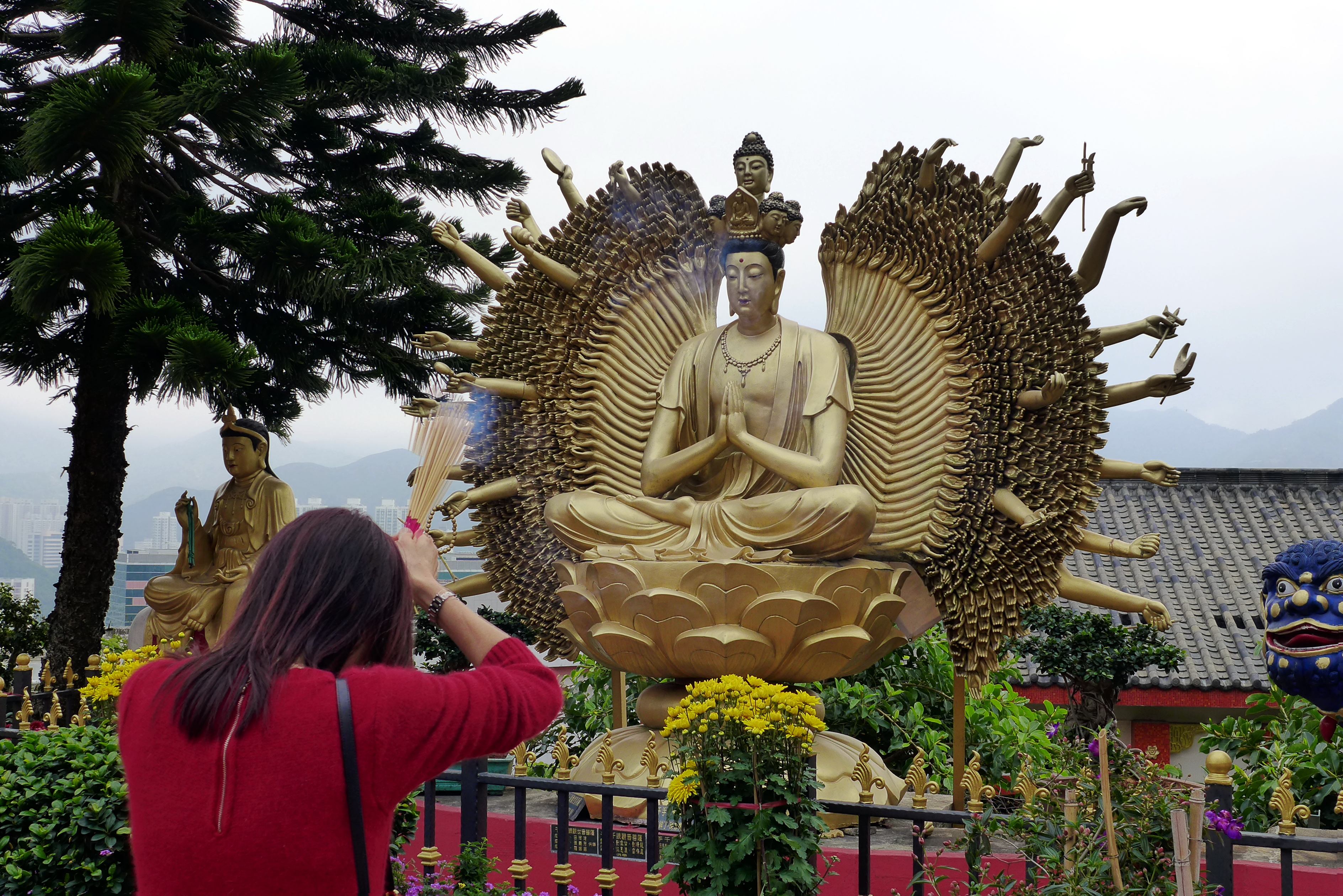
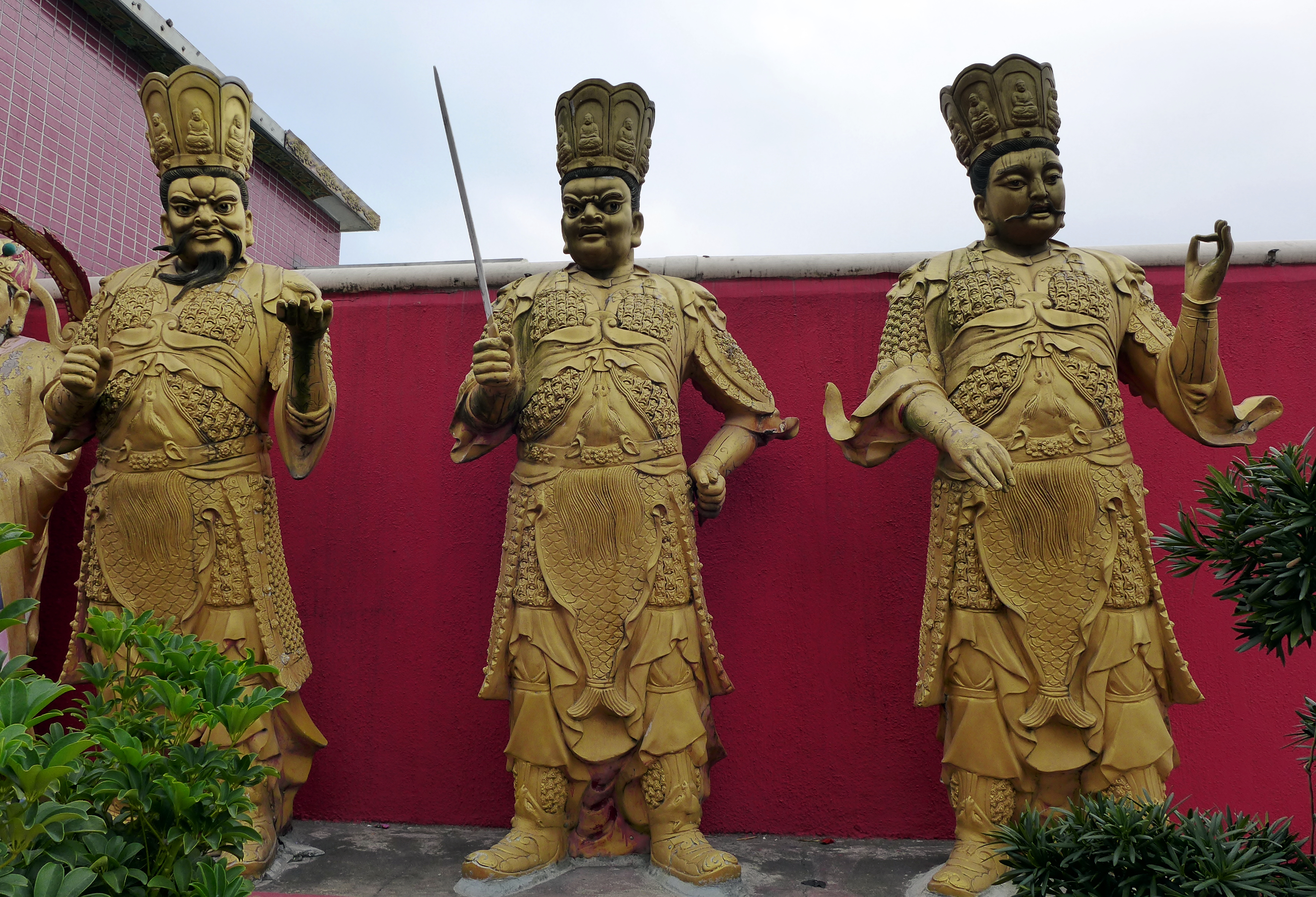
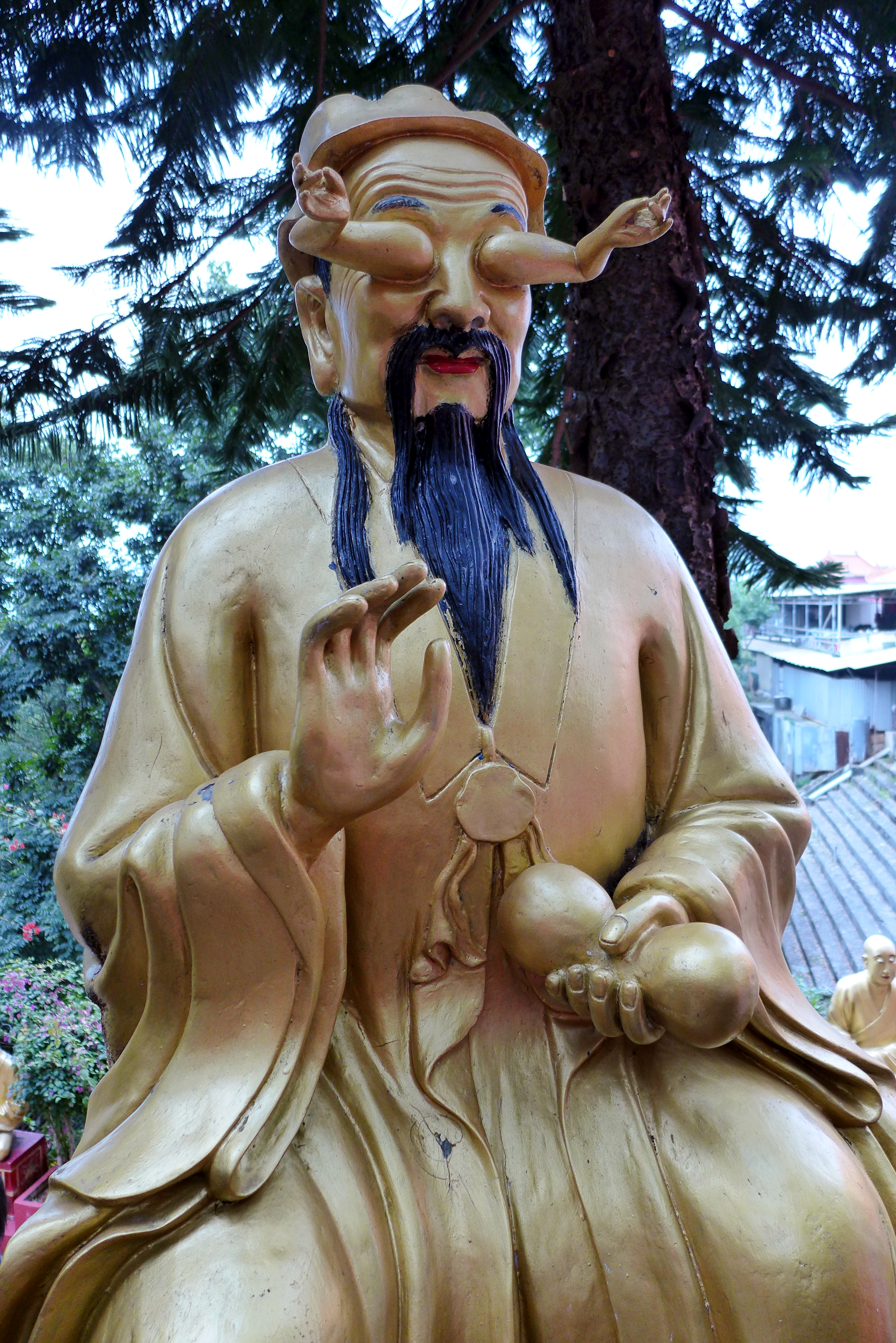
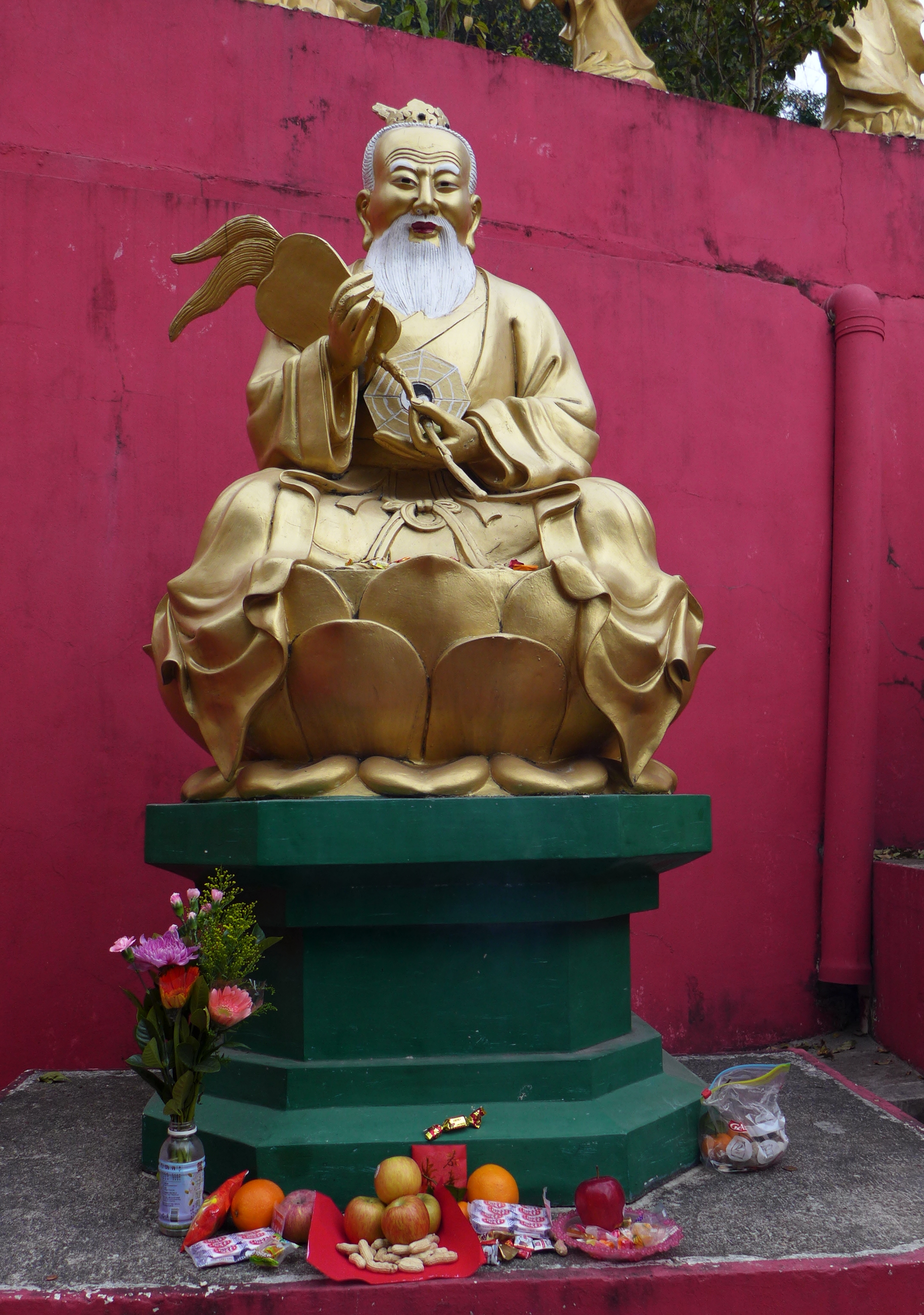
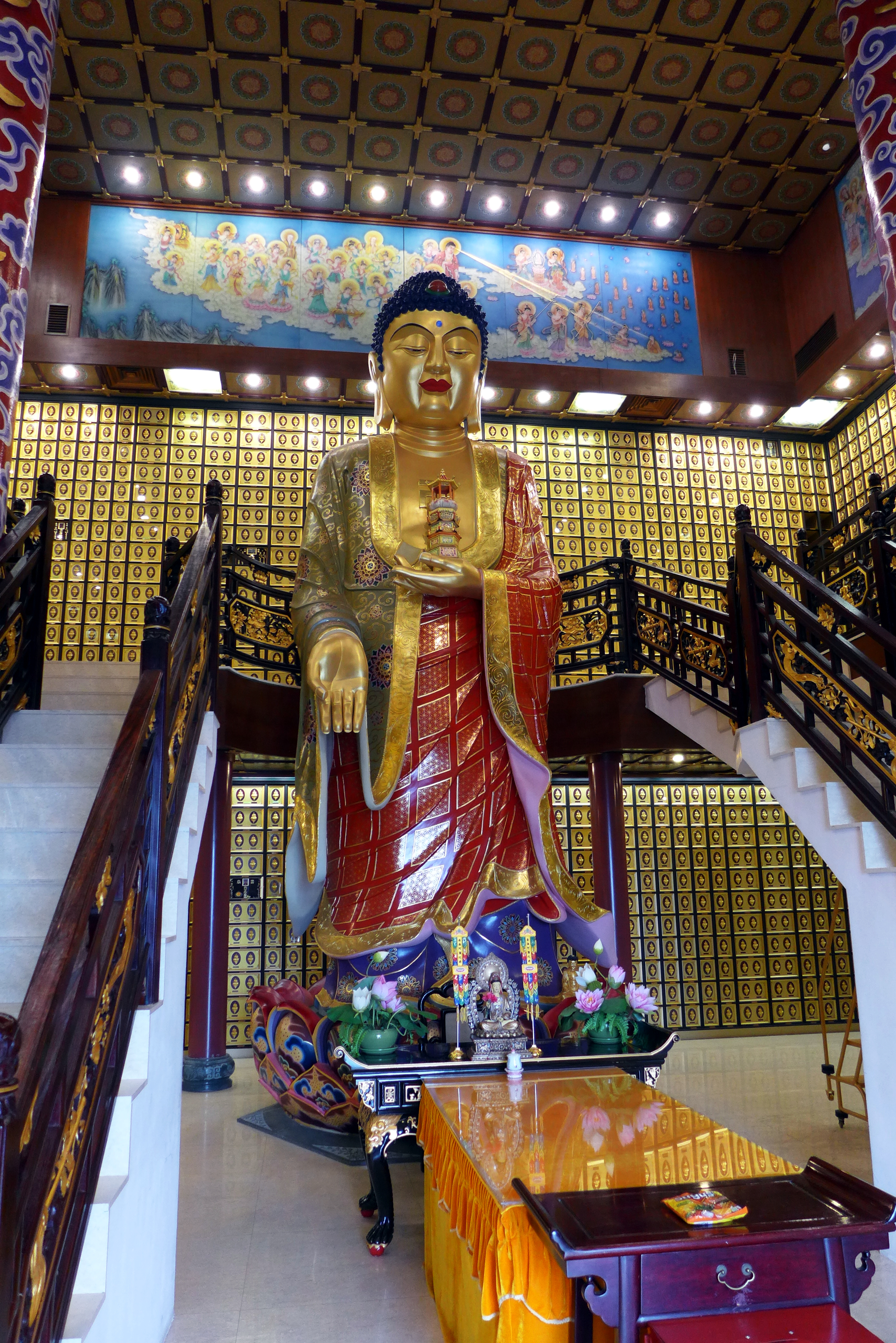
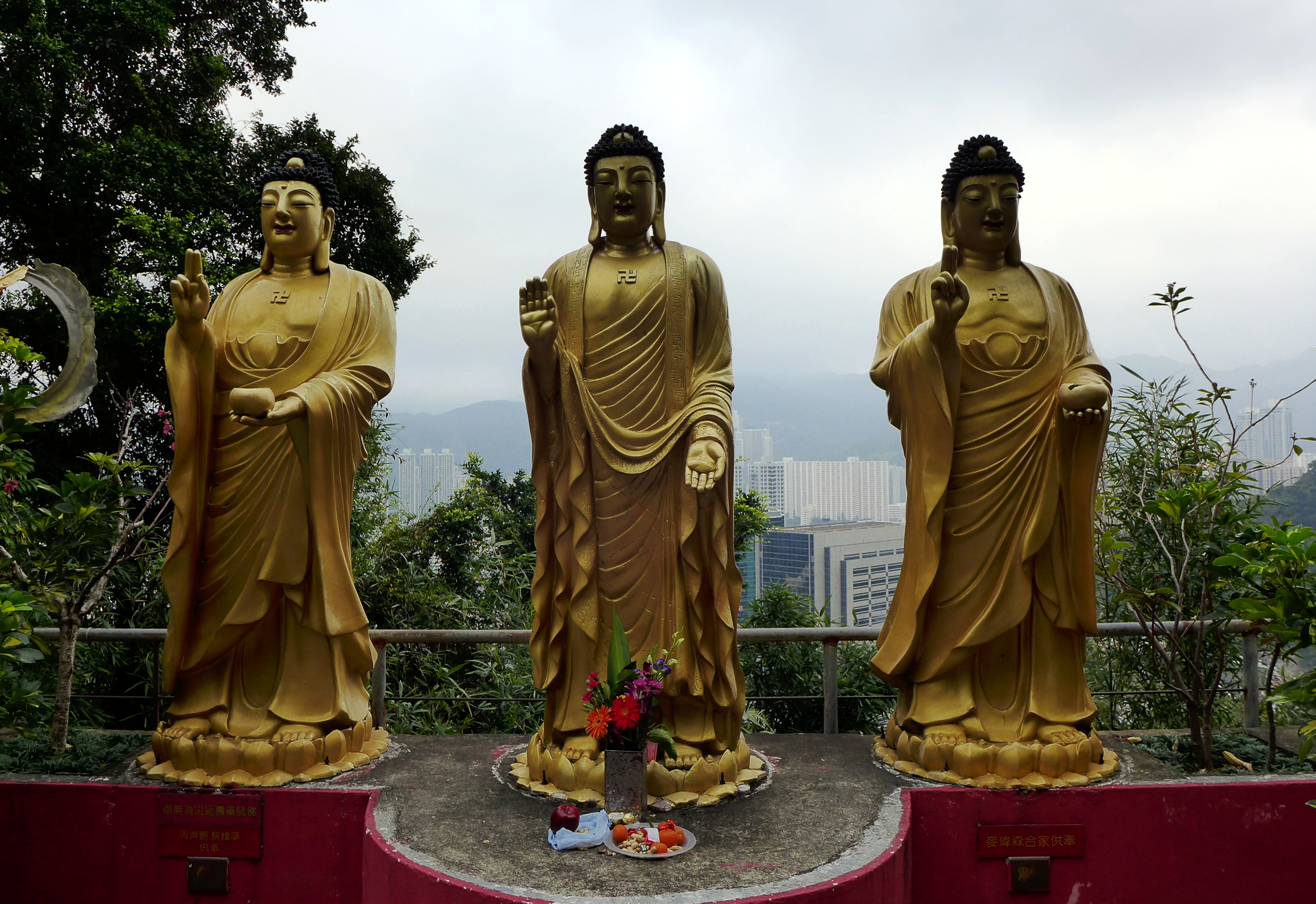
If you like Buddhas, go no further, this is the peak, the pinnacle of Buddhaness. They’ve got big ones, small ones, ones as big as your head, and ones much bigger than that. This is the Ten Thousand Buddhas Monastery, which has even more than 10,000 Buddhas, clocking in at an amazing 12,800 statues of Buddha. This monastery is not an ancient site but one worth visiting despite its youth, as the visual aspect is fantastic though lacking a colourful history.
P1050492P1050491P1050504 P1050493 P1050495 P1050499

The Ten Thousand Buddhas Monastery, 萬佛寺, was constructed in 1951 by Yuet Kai, a Buddhist monk. Yuet Kai studied philosophy at university before deciding, at age 19, that he would dedicate his life to Buddhism. To prove his commitment to the faith he cut off his left ring finger and little finger and used that burning flesh to light 48 oil lamps in front of a Buddha statue. He was pretty keen on the Buddha.

P1050508 P1050519 P1050520 P1050523 P1050543 P1050513 P1050510

Yuet Kai came to Hong Kong in 1933 and quickly gathered a following. A wealthy follower, impressed by his teachings, donated his estate and Yuet Kai decided to use the gifted land to build the monastery. He, along with his disciples, personally carried the building materials of the monastery up the mountain. It took 8 years to complete the buildings and a further 10 years to finish the 12,800 statues. Yuet Kai’s body is mummified, lacquered in gold, and sits in a case in the main hall.
P1050528P1050502P1050500P1050503P1050536 P1050538 P1050544 P1050546

I have attempted to determine why Yuet Kai felt the need to construct over 10,000 Buddha statues when most monks are happy with one, or at least one really big one, but alas the internet has failed me. I can only assume that he had far too much money and couldn’t spend it on anything that wasn’t Buddha related.
P1050611 P1050610 P1050609 P1050608P1050548

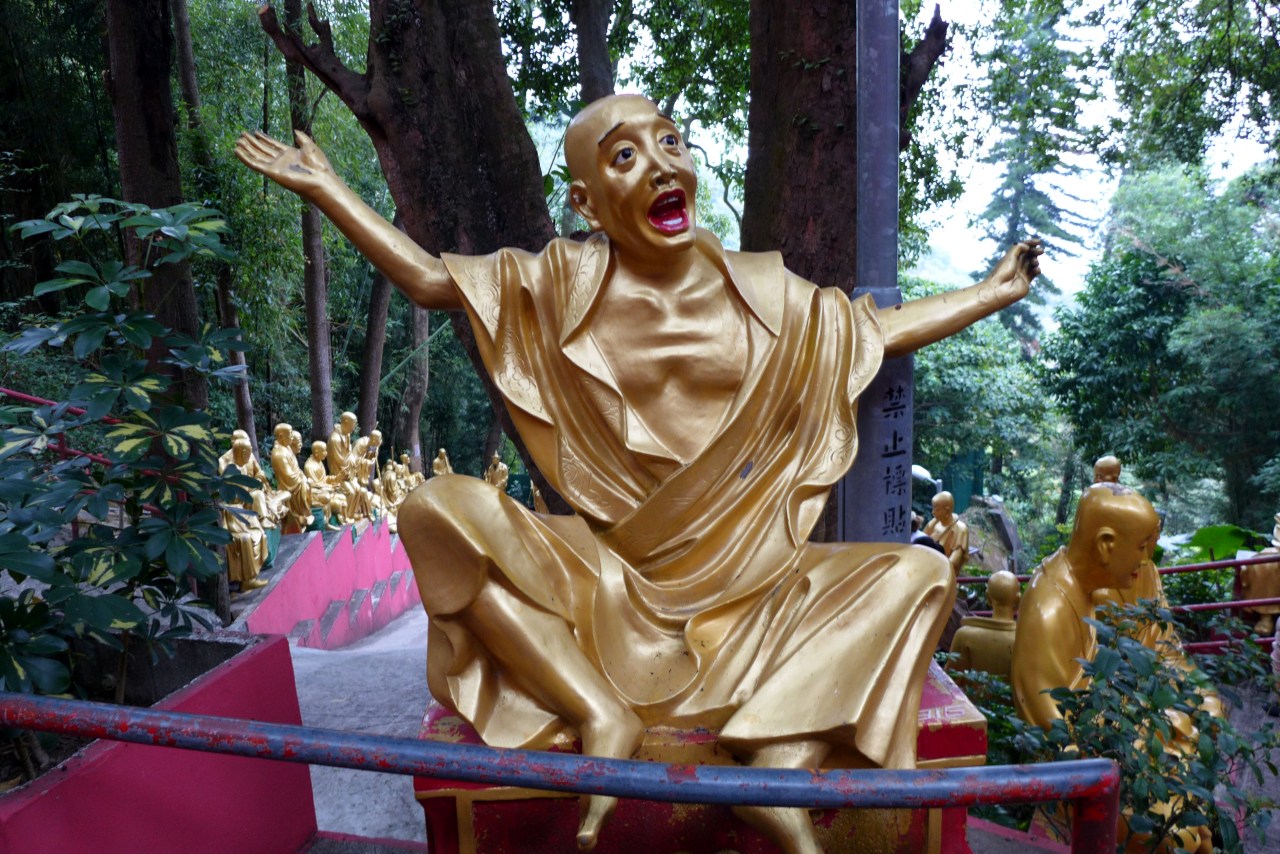
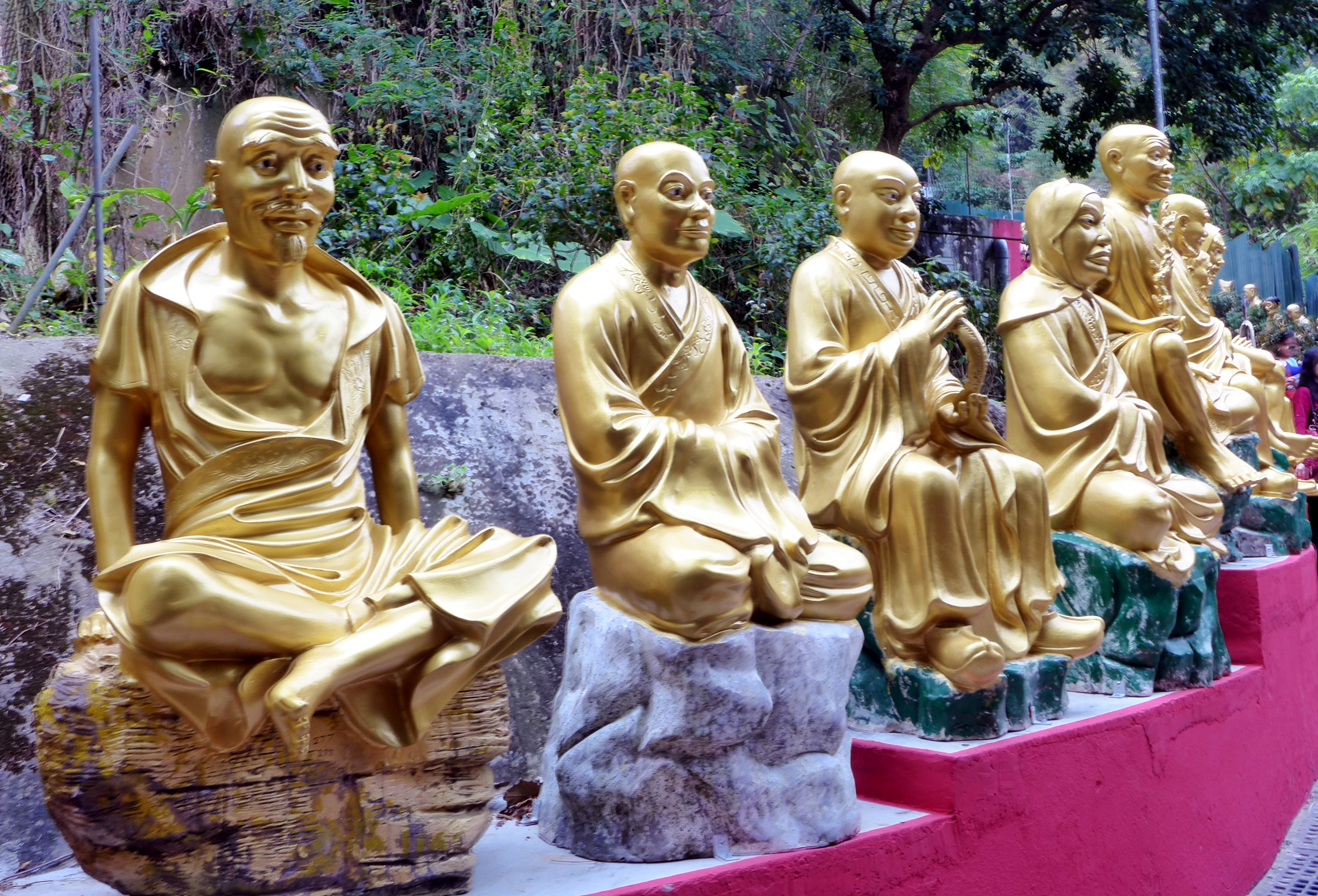
The monastery itself is located on the mountain so the walk up is pretty long. Luckily we visited in relatively cool weather but I can imagine that in the summer it becomes very uncomfortable and exhausting. The path up the mountain to the monastery is flanked by golden statues of Buddha, of all varieties, like a Buddhist version of Fushimi Inari, the thousand gate shrine in Kyoto. Some seemed suitably pious whereas some were relaxing, playing or posing. There is probably some deep Buddhist lesson here about many paths to enlightenment but I, along with most visitors, just found the more quirky ones amusing. I’d like to think the disciples had to pose for the statues and became increasingly more creative in their interpretation of Buddha.

P1050507P1050634 P1050633 P1050632 P1050631 P1050619P1050630 P1050629 P1050627 P1050626 P1050625 P1050624 P1050621

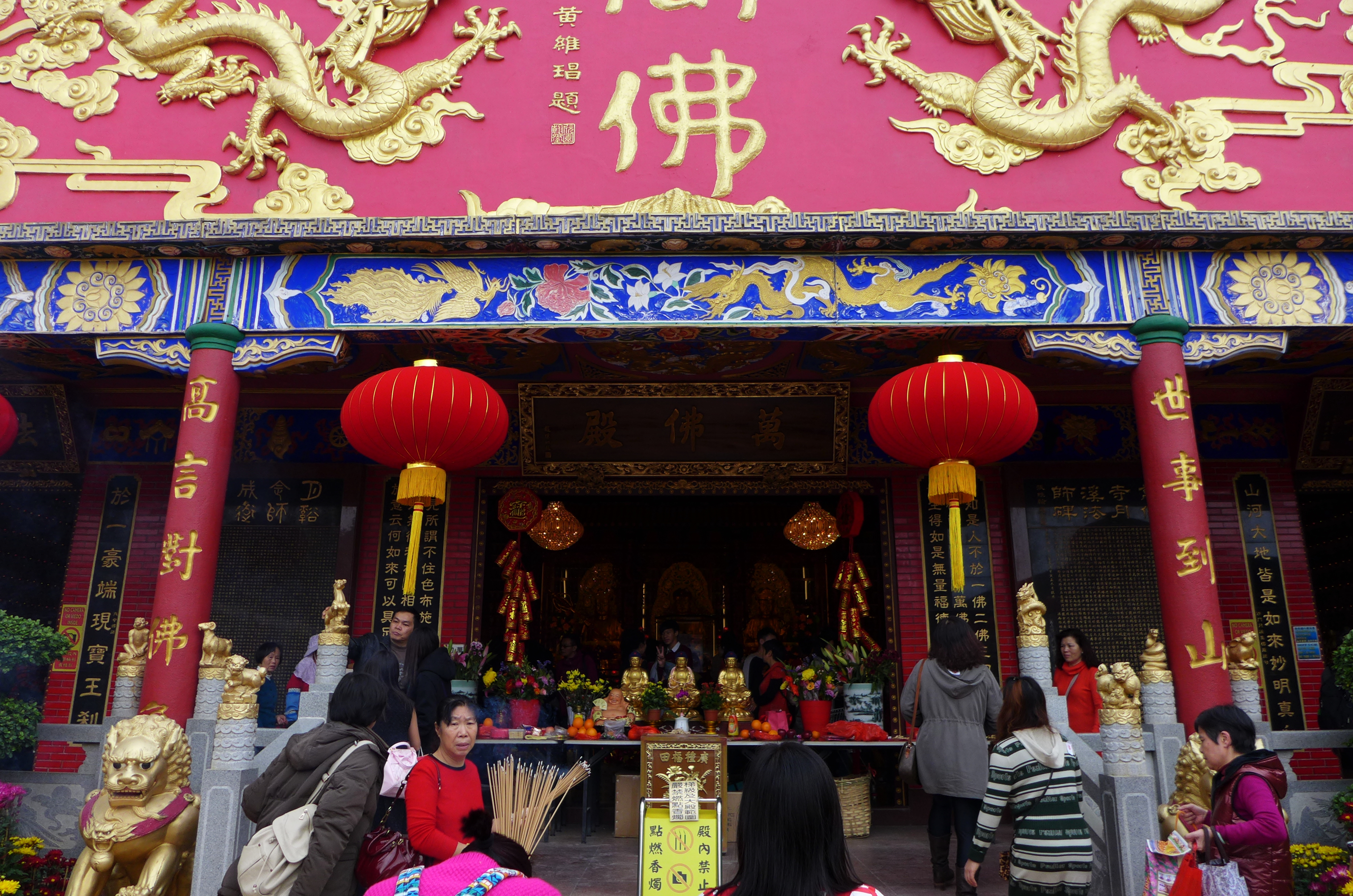
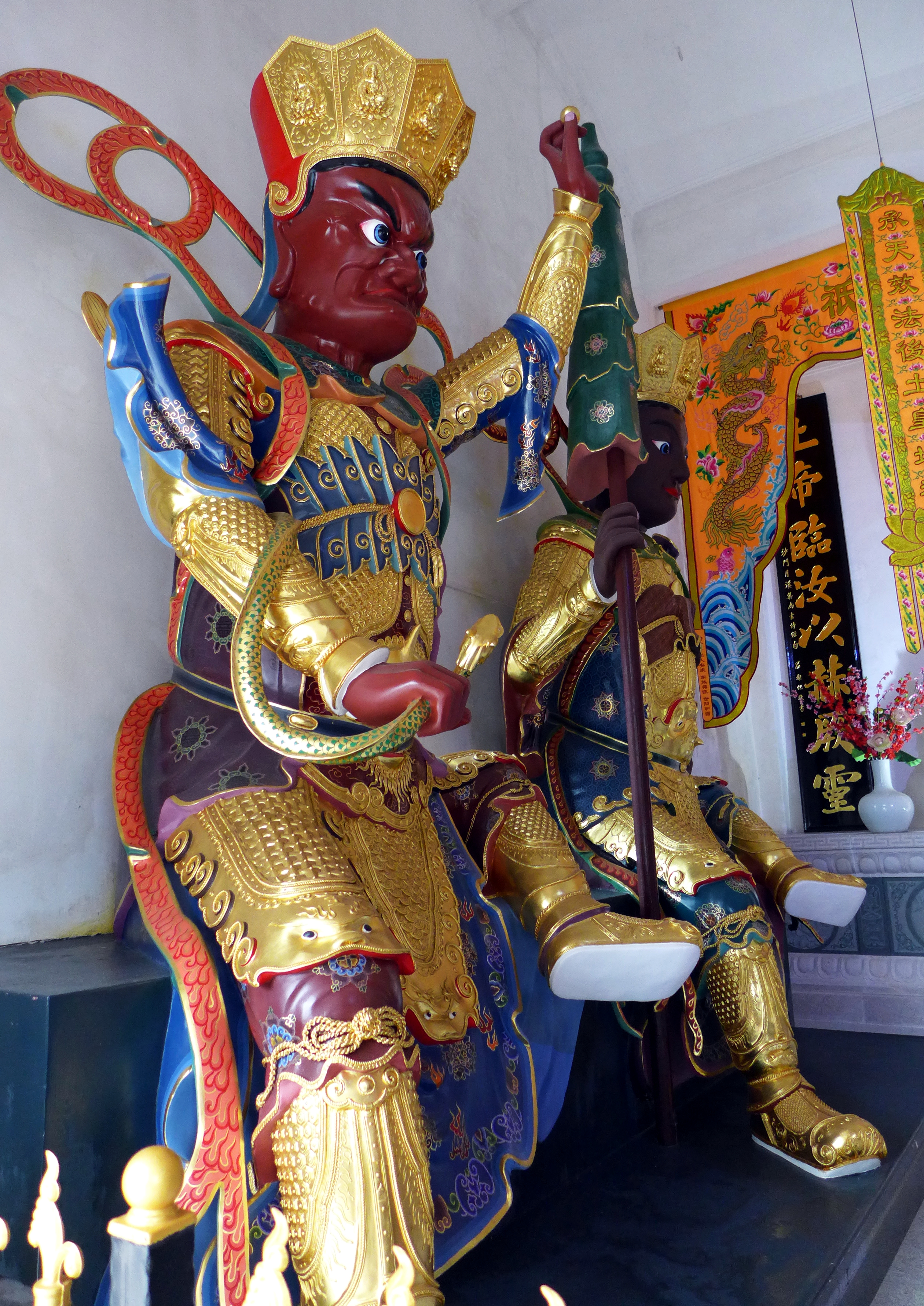
The monastery has several levels. The first level contains the pagoda, several statues and the hall that houses Yuet Kai’s blinged-out body. Here we wandered around and I was approached by a few women, not sure what nationality, who asked for pictures with me as though I too was an attraction. They seemed pretty excited so I said yes but it was a strange experience – I’ve got used to being pointedly ignored in Japan by everyone except small children.

P1050552 P1050555 P1050554 P1050557 P1050558 P1050560 P1050564

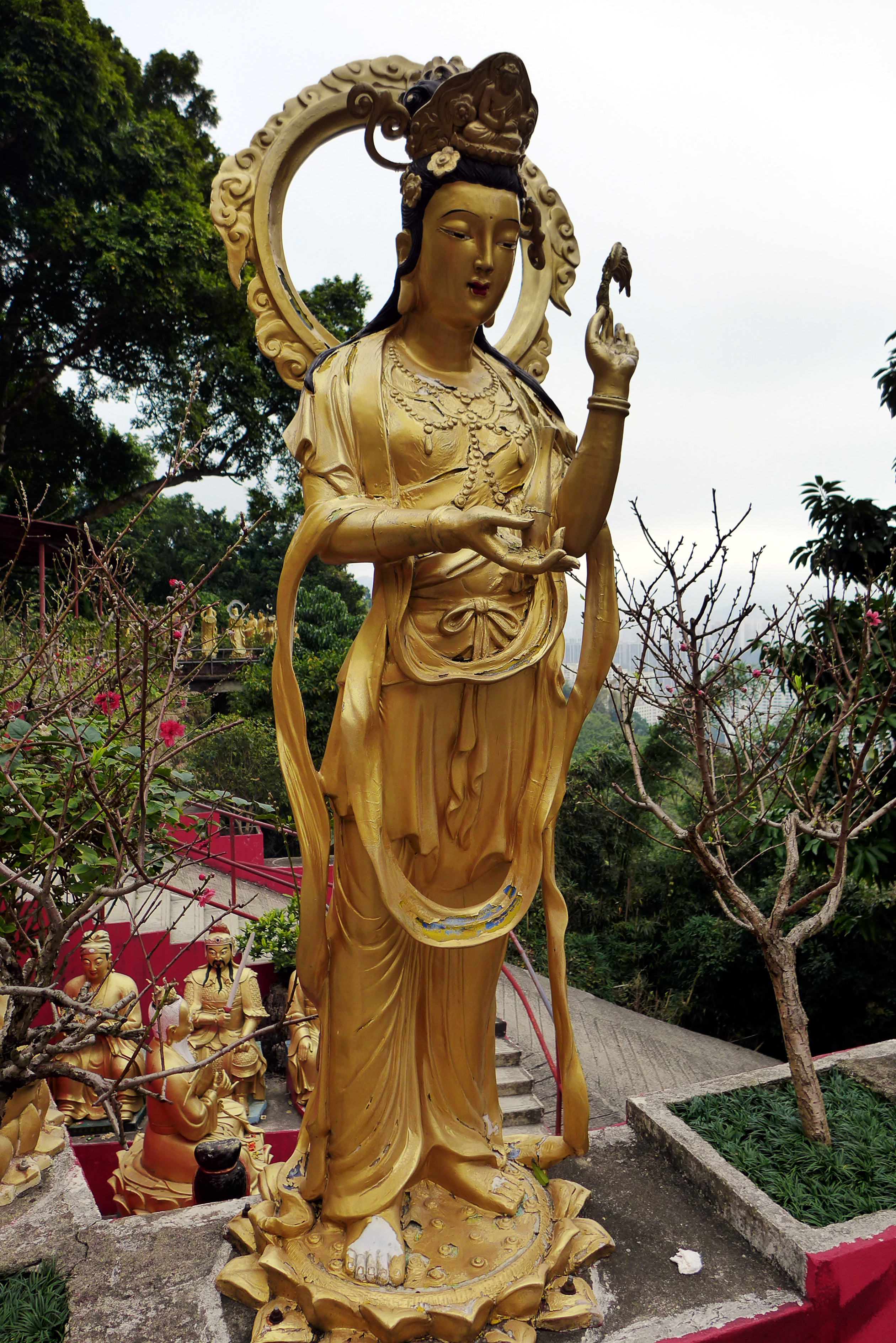
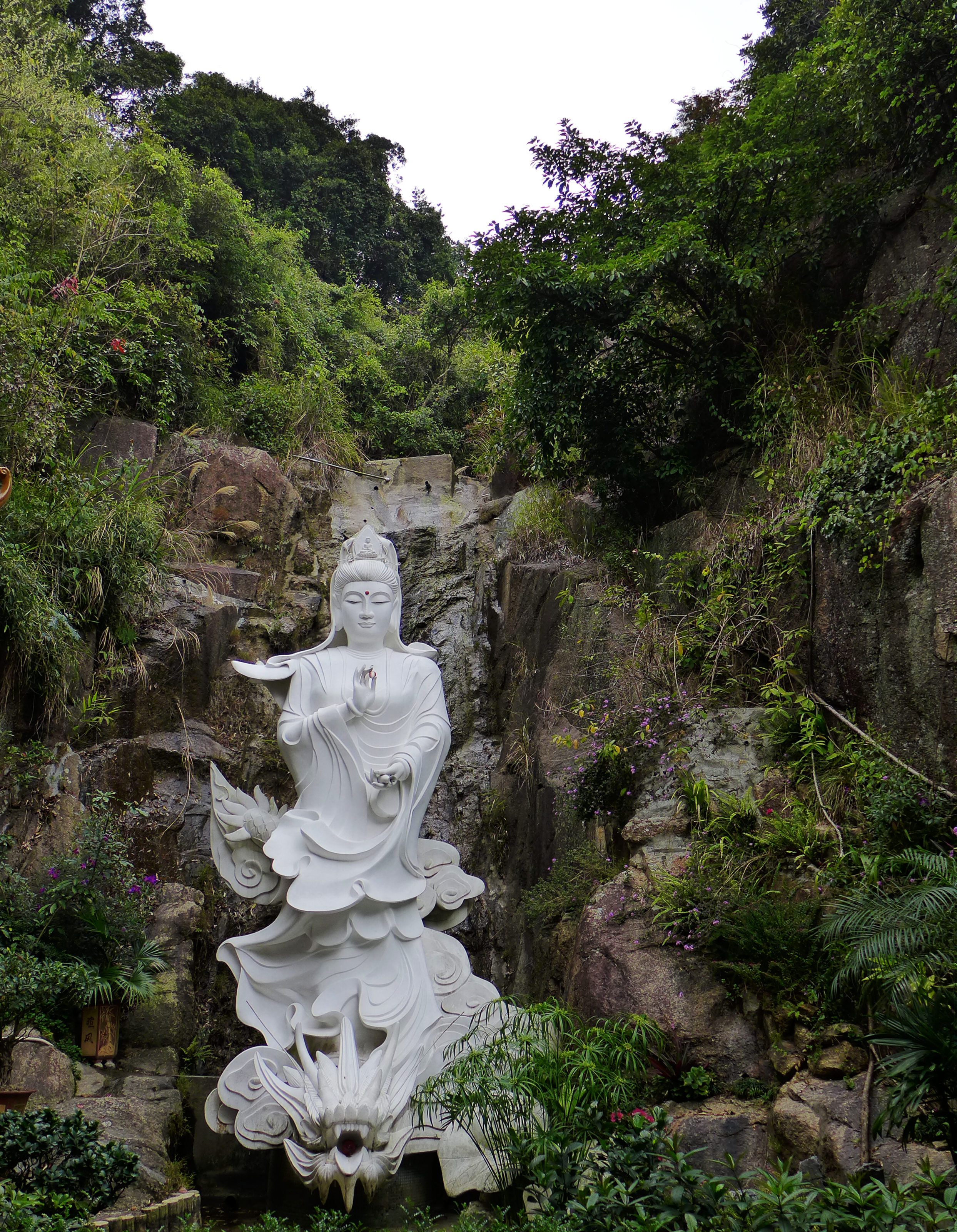
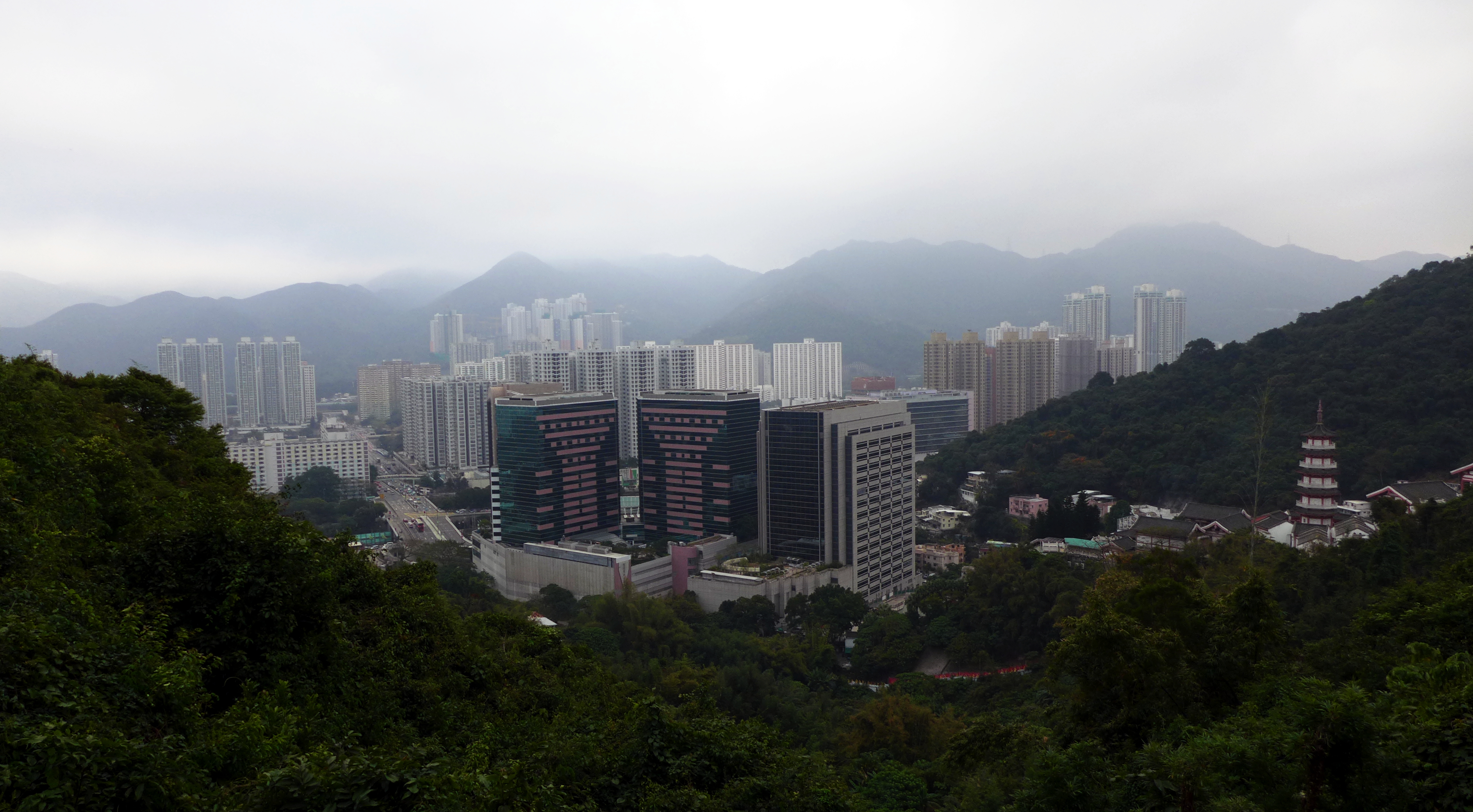
Walking higher up to the second level of the monastery we found several more small shrines and halls dedicated to various Buddhist deities and a lovely view, albeit a hazy one. We also found some turtles hanging out in one of the ponds below a beautiful white statue of Kwun Yam, the Buddhist goddess of mercy. Inside the halls dedicated to Buddha were, what a surprise, walls and walls of tiny Buddha in cases. It never ends.
P1050568 P1050573 P1050575 P1050577 P1050583P1050592P1050587 P1050596 P1050602

The Ten Thousand Buddhas Monastery is definitely worth a visit for a full-on Buddhatastic experience and a great walk up the mountain. The monastery itself is free – there are ‘monks’ begging on the way up but the monastery is currently run only by laypersons, these monks are scam artists.

曼殊院 White Stone Rivers

When you live in Kyoto temples have a tendency to blur into one-another. It’s easy to get into the mindset that once you’ve seen one you’ve seen them all. Hopefully through my blog you’ve learned that actually almost all the temples in Kyoto have an interesting history or quirk that makes them special. They also have their unique stamp of course. That being said, the act of visiting a temple is often the same; have a wander around, get a stamp done, take pictures of things that look interesting and then on to the next one, so it’s always pleasant when you find something truly different, or just something you haven’t done before. On Saturday I found one of those temples.

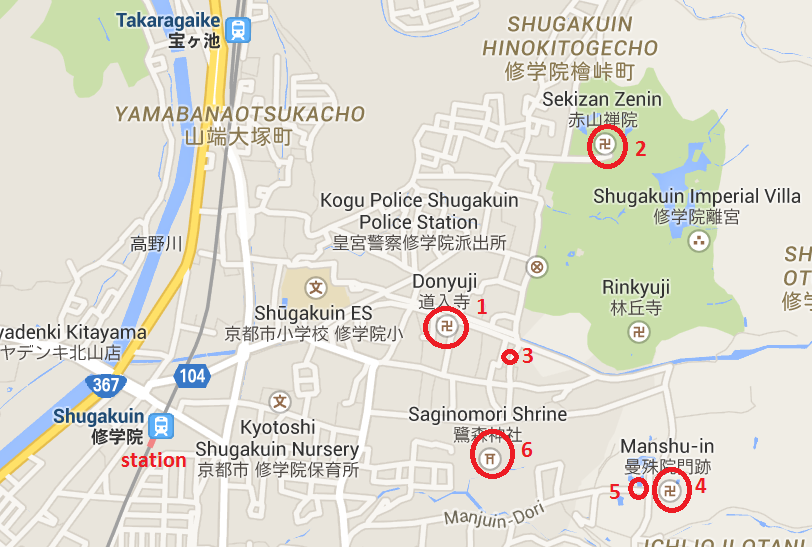
map

Manshu-in 曼殊院 is a temple near Shugakuin and was number 4 on our ‘temple trail’. It was the only temple that we paid an entrance fee for and it will certainly stick in my memory. The reason being that this is one of those wonderful sprawling temples with passageways and rooms and a zen garden; you pay your money and then you go into the temple itself in your socks to explore.

In Japanese houses and temples you certainly don’t wear shoes, ever, but the temple floors were very cold! They had a basket of very warm looking knitted socks at the entrance but I didn’t realise that they would be necessary until my feet were already turning to ice. Despite my feet complaining at the unforgiving freezing wooden floor, I really enjoyed looking around and seeing all the artwork, artifacts and architecture the temple had to offer.

P1040493 P1040462 P1040455

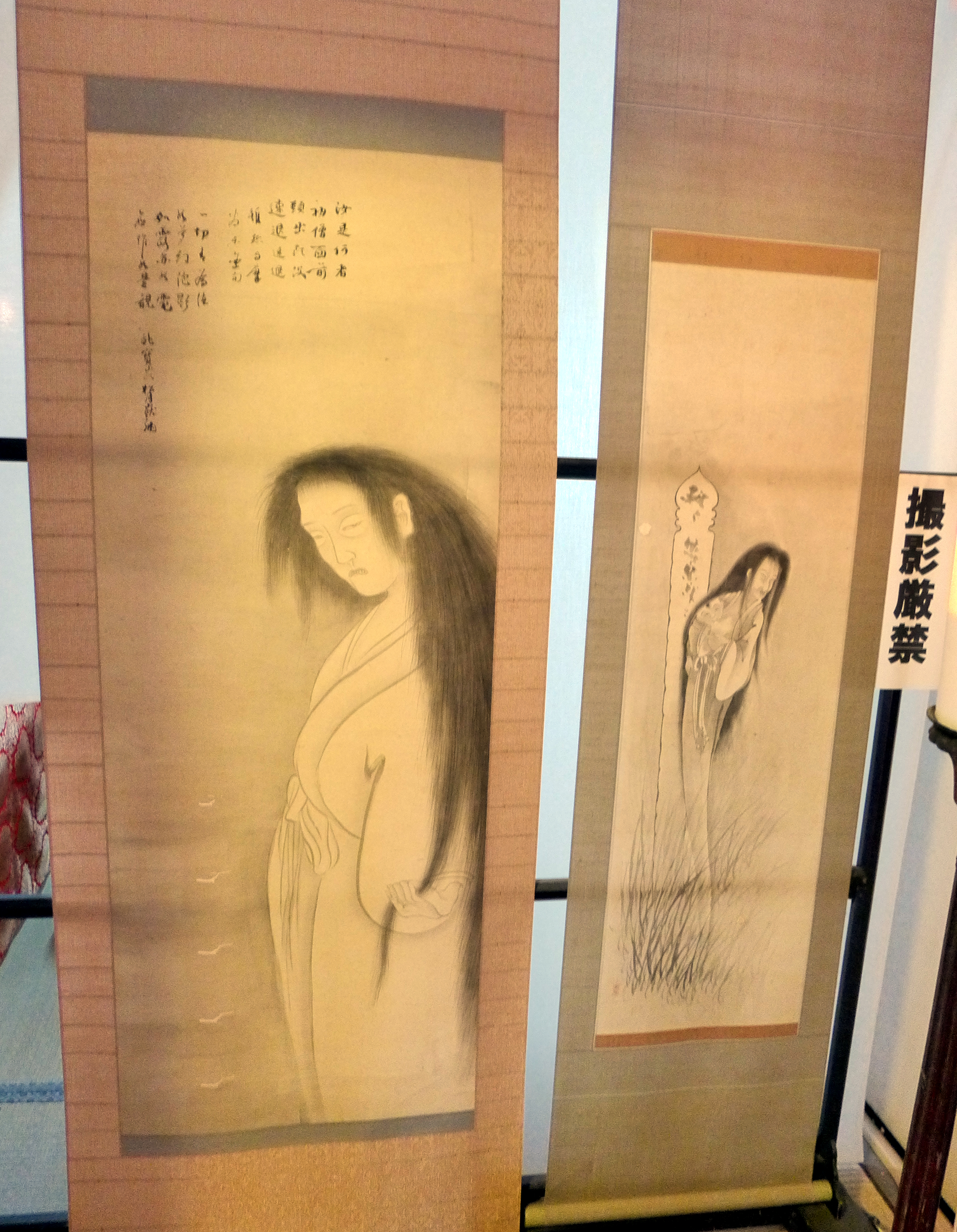
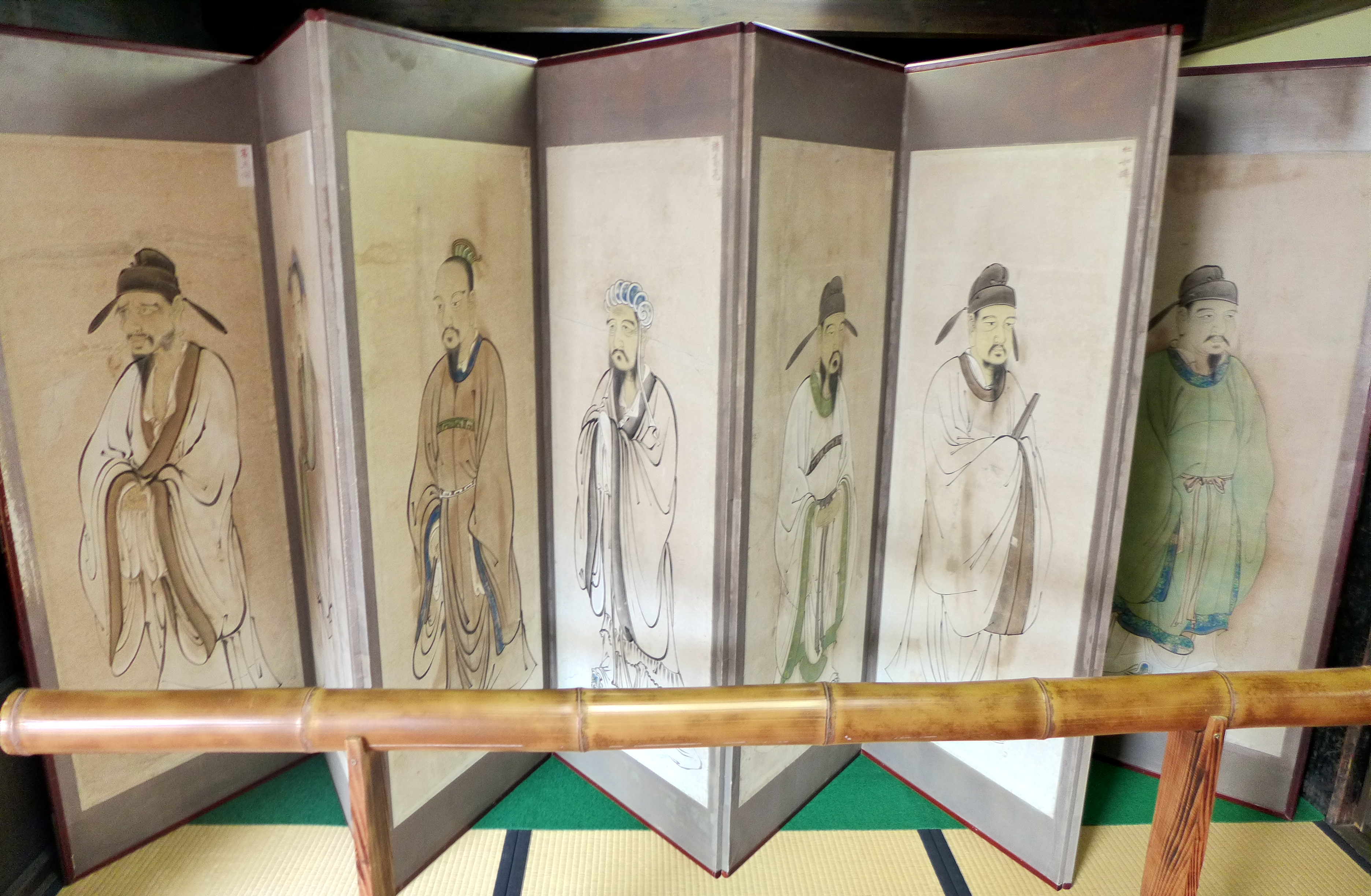
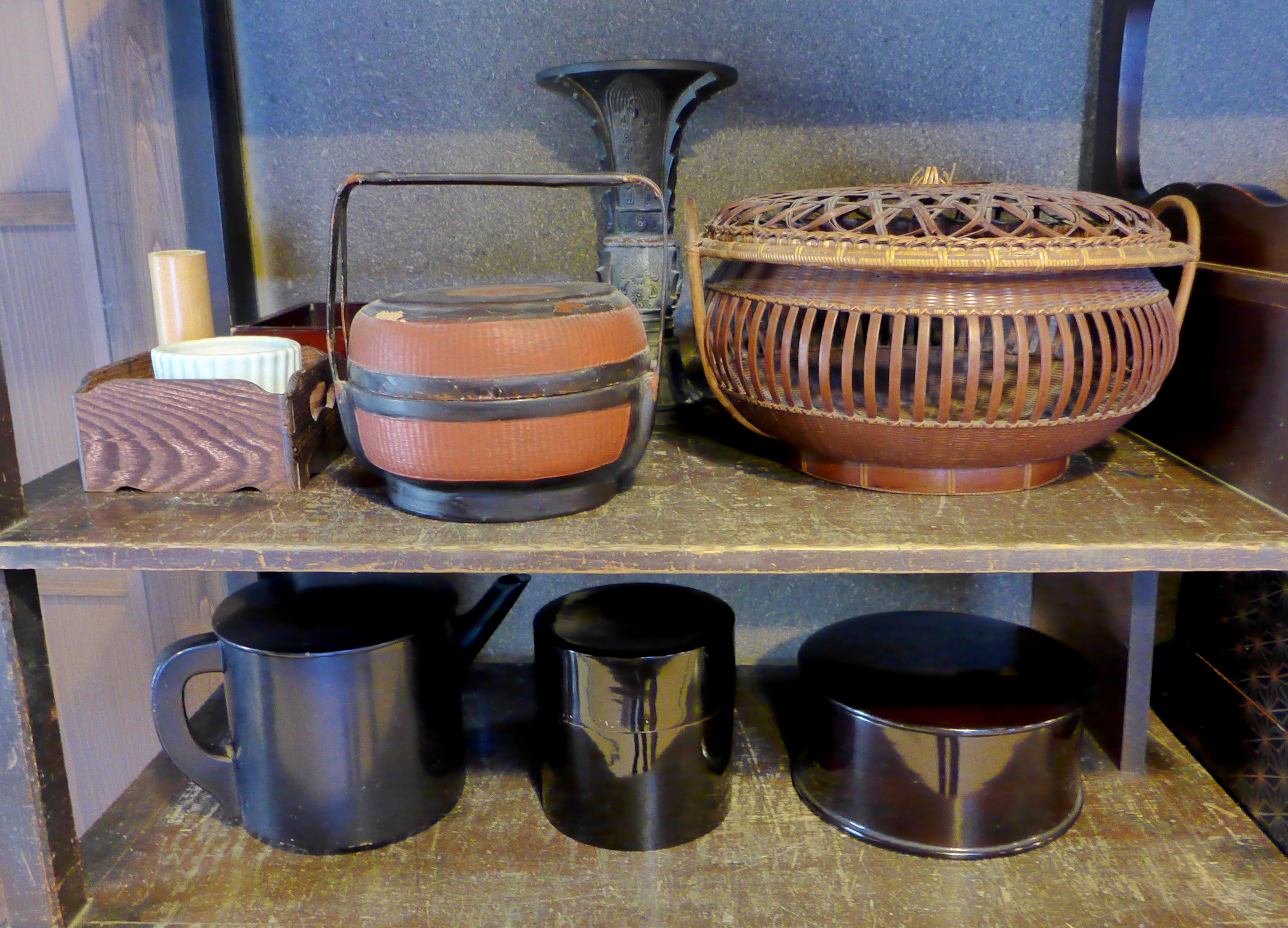
This temple allows you to take photos of the garden but does not allow photos of the inside or artwork. I only realised this after I’d taken some pictures and I’m sure they won’t mind too much if I share them with you – after all you may choose to visit after seeing them! Manshu-in has screen paintings done by several very famous Edo period artists, such as Kano Tanyu, Kano Eitoku and Kanyu, each with their own distinct style. The screens were beautiful and definitely worth going to see. There were also several Buddhist artefacts as well as a collection of old cooking equipment. There were a few signs in Japanese explaining the exhibition but not very much and nothing in English. Bear in mind that there were far more screens and objects than those pictured here as due to aforementioned photo-ban I didn’t take pictures of most of them.  In fact the writing in photo number two to the right of the screen reads ‘photography prohibited’ in Japanese… whoops!

P1040459 P1040453 P1040449 P1040452

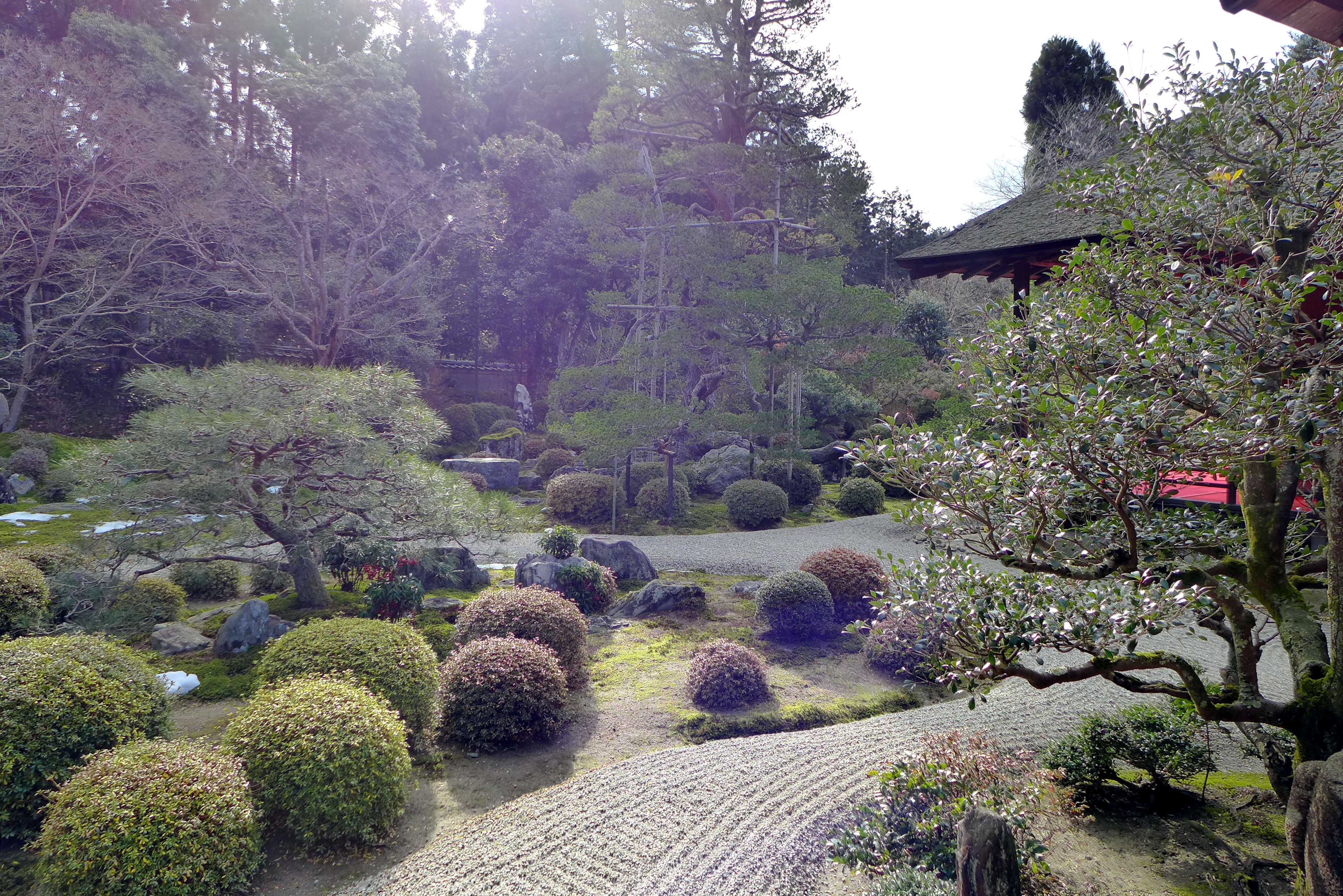
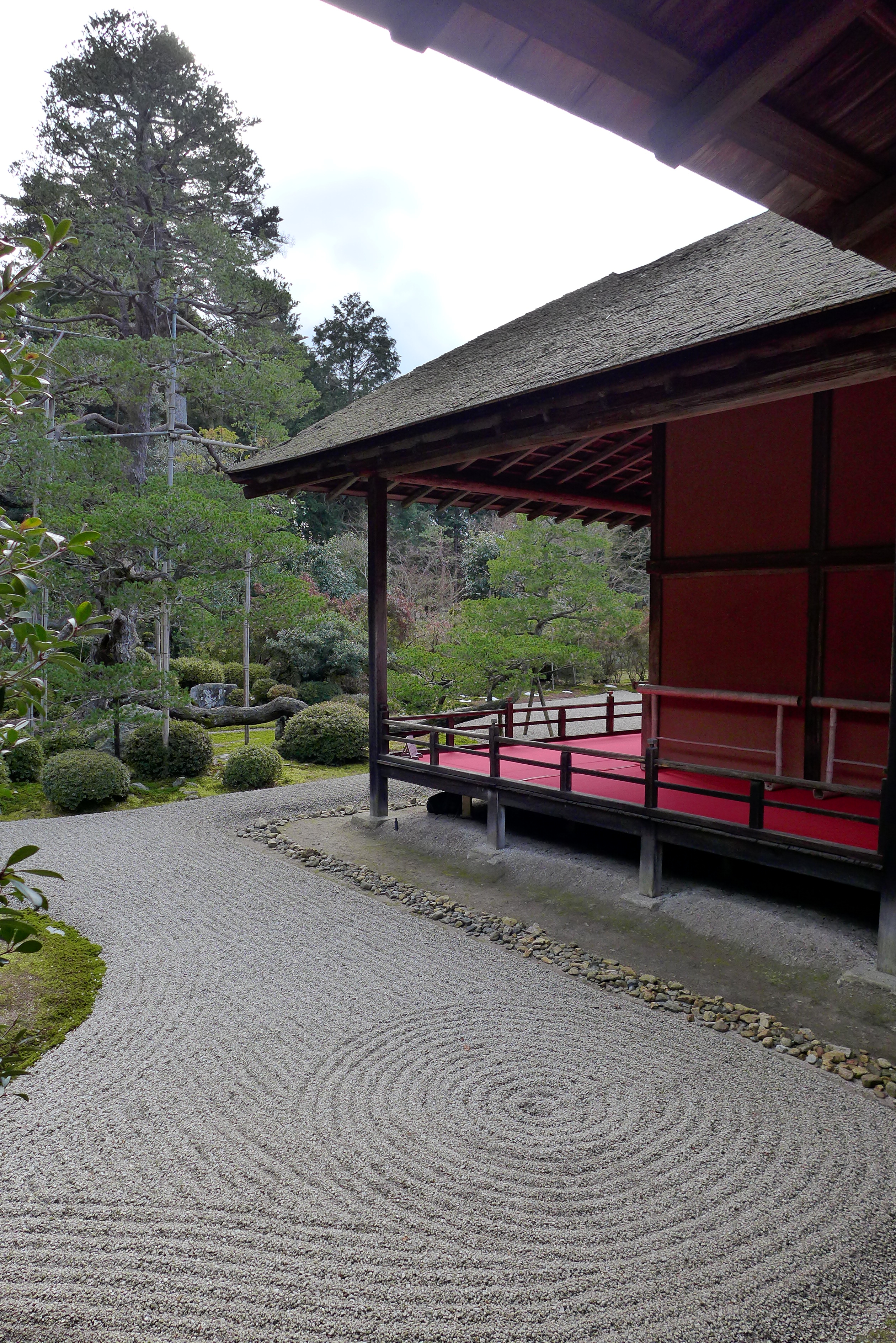
All around Manshu-in is a beautiful Zen garden, complete with raked gravel, rocks and trees. In fact, it has an ancient spreading white pine tree that is 400 years old! It’s being propped up but seems to still be going strong. The gravel parted the islands of greenery like a river and the red matting on the temple decking made me feel like I was on the set of a Japanese historical drama. Unsurprisingly this garden has been designated a national place of scenic beauty. Unlike a lot of Zen temples you are not allowed to sit on the outer decking to contemplate the gravel, but to be honest in the winter you wouldn’t want to expose your backside to the cold that your feet are already going through. These photos are guilt-free as you are allowed to take pictures of the outside.

P1040477 P1040475 P1040470 P1040468

Manshu-in was founded in the 8th century but it was moved to its present location in 1656. It is often called Manshu-in Monzeki 饅衆院門跡; Monzeki is a honourific granted to a temple if it traditionally has a member of the royal family as a high priest and Manshu-in’s first head priest was the Emperor’s nephew.

It is also linked to Buddhist royalty as it was founded by Saicho, the founder of the Tendai school, a great figure in Japanese Buddhism. I even had to write an essay on him in my first year of university. He travelled to China (like a lot of monks did, remind you of my previous post?) to bring back Buddhist texts. Two of the ships sent to China sank but Saicho’s made it, sealing the future of Japanese Buddhism.

P1040461 P1040458

Tendai is still one of the main schools of Japanese Buddhism and (without going into specifics because I really don’t understand all the varying Buddhist strands) they believe in a comprehensive approach to Buddhism, supporting all ways to reach enlightenment while also reconciling Shinto beliefs with Buddhsim by declaring that Shinto gods are simply a representation of universal Buddhahood and therefore acceptable to worship. Apparently Saicho was also the first to bring tea to Japan, which if it’s true was pretty monumental and probably as important as bringing Buddhist teachings (depending on who you ask).

P1040472 P1040465P1040527

We also met a very nice cat outside Manshu-in which would not stop meowing. Very pretty cat. I think cats like temples because I see them around temples a lot. Or maybe it’s because I live in Kyoto and temples are everywhere.

P1040480

Definitely a fun temple to wander round at your leisure, looking down passageways and coming across tiny courtyards with gardens in the middle as well as the garden round the outside. The temple entrance fee was 500円 (£2.80) and worth it in my opinion – being allowed to walk around the inside of a temple is fairly rare and were the artwork in a museum you’d probably pay the same just to see the paintings without the garden or the temple.