伏見稲荷大社 A Fresh White Canvas

Due to the holiday season my blog has suffered somewhat, for which I apologise. Hopefully now that I’m settling back into university after the New Year I can continue updating a little more regularly and frequently. I spent the whole holiday period in Japan, my first Christmas away from my family, and got to see how Christmas and New Year are celebrated over here. Today I want to talk about New Year in Japan, specifically the ritual of hatsumode, 初詣, or ‘first shrine visit of the year’.

P1040054 P1040112 - Copy P1040142 - Copy P1040072

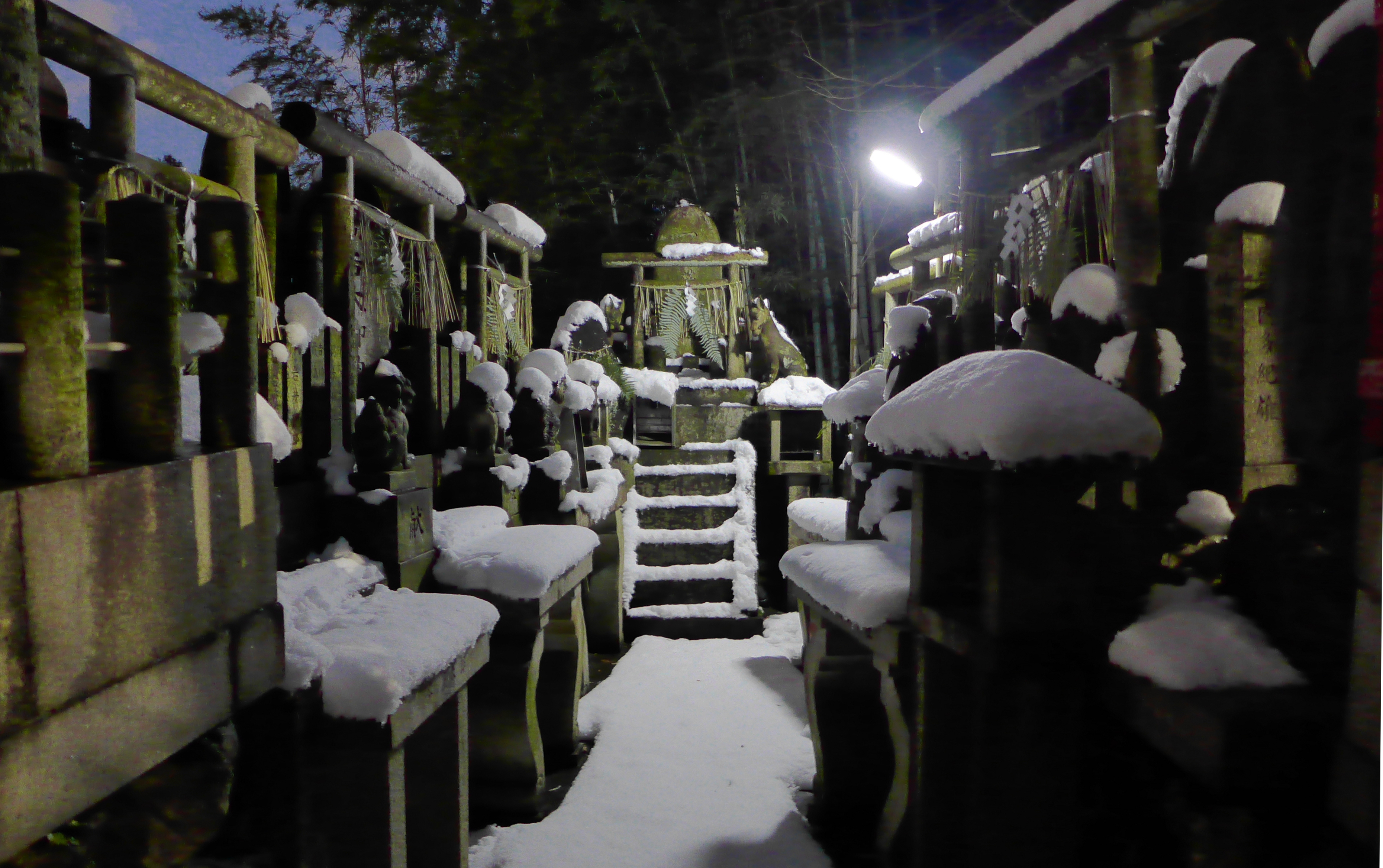
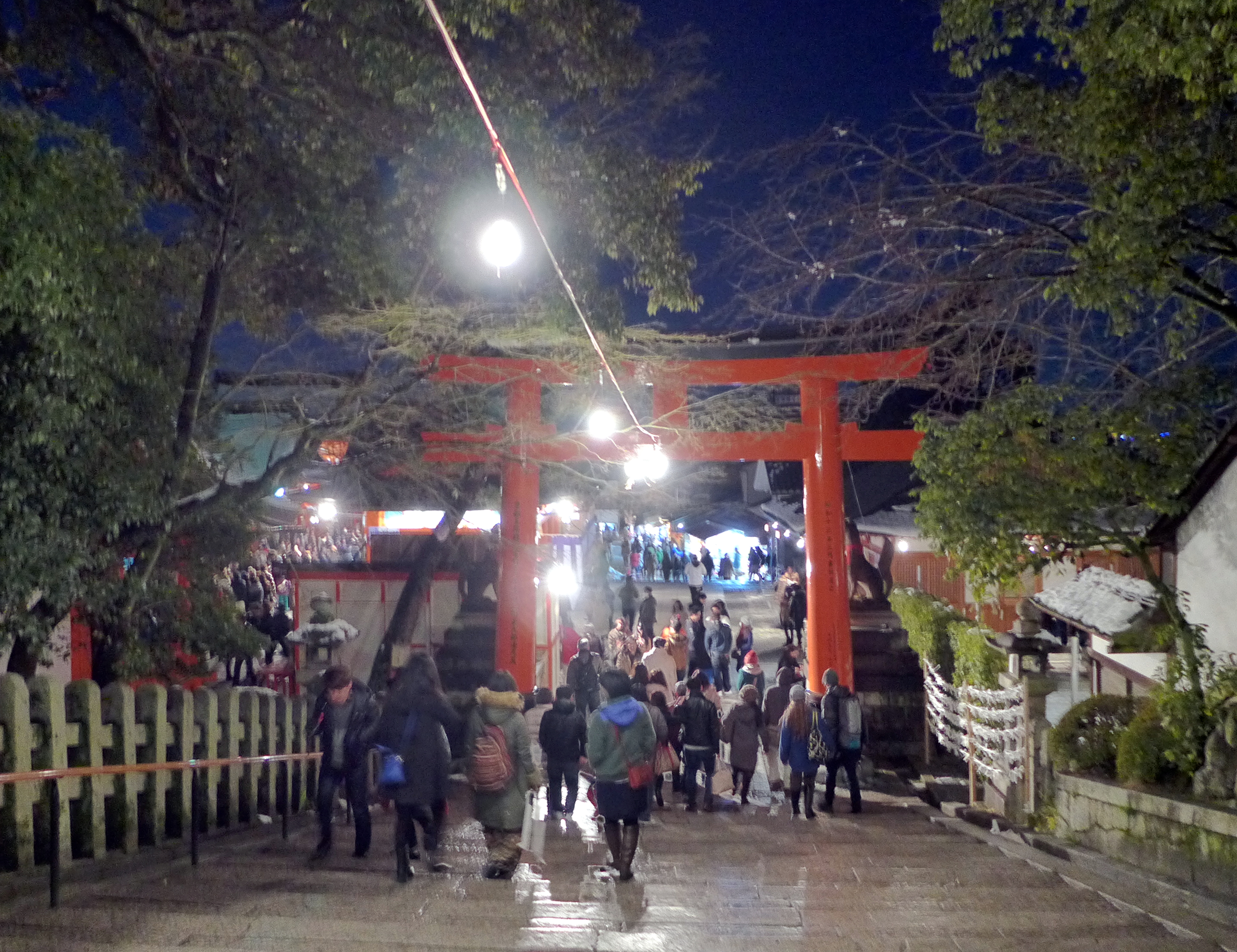
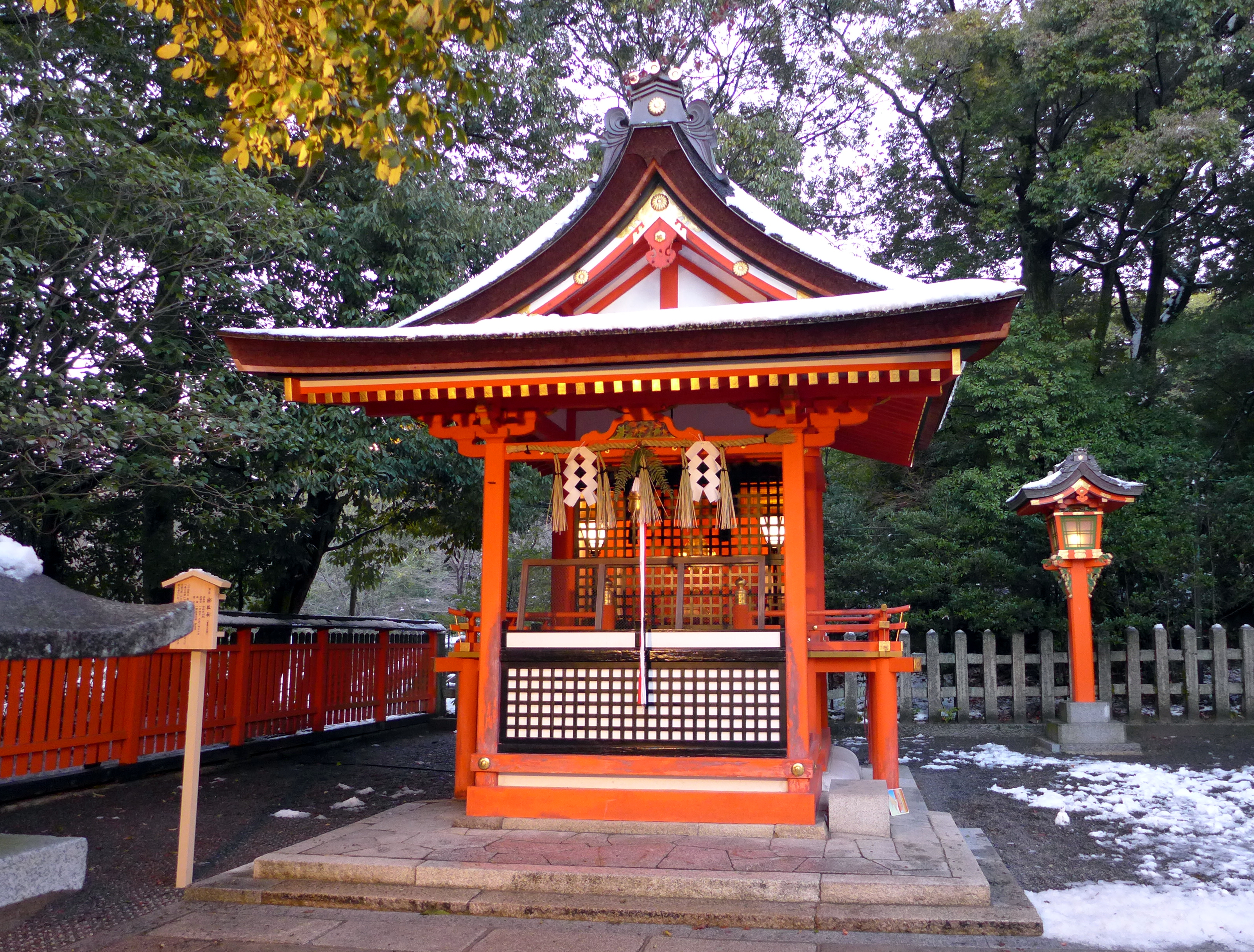
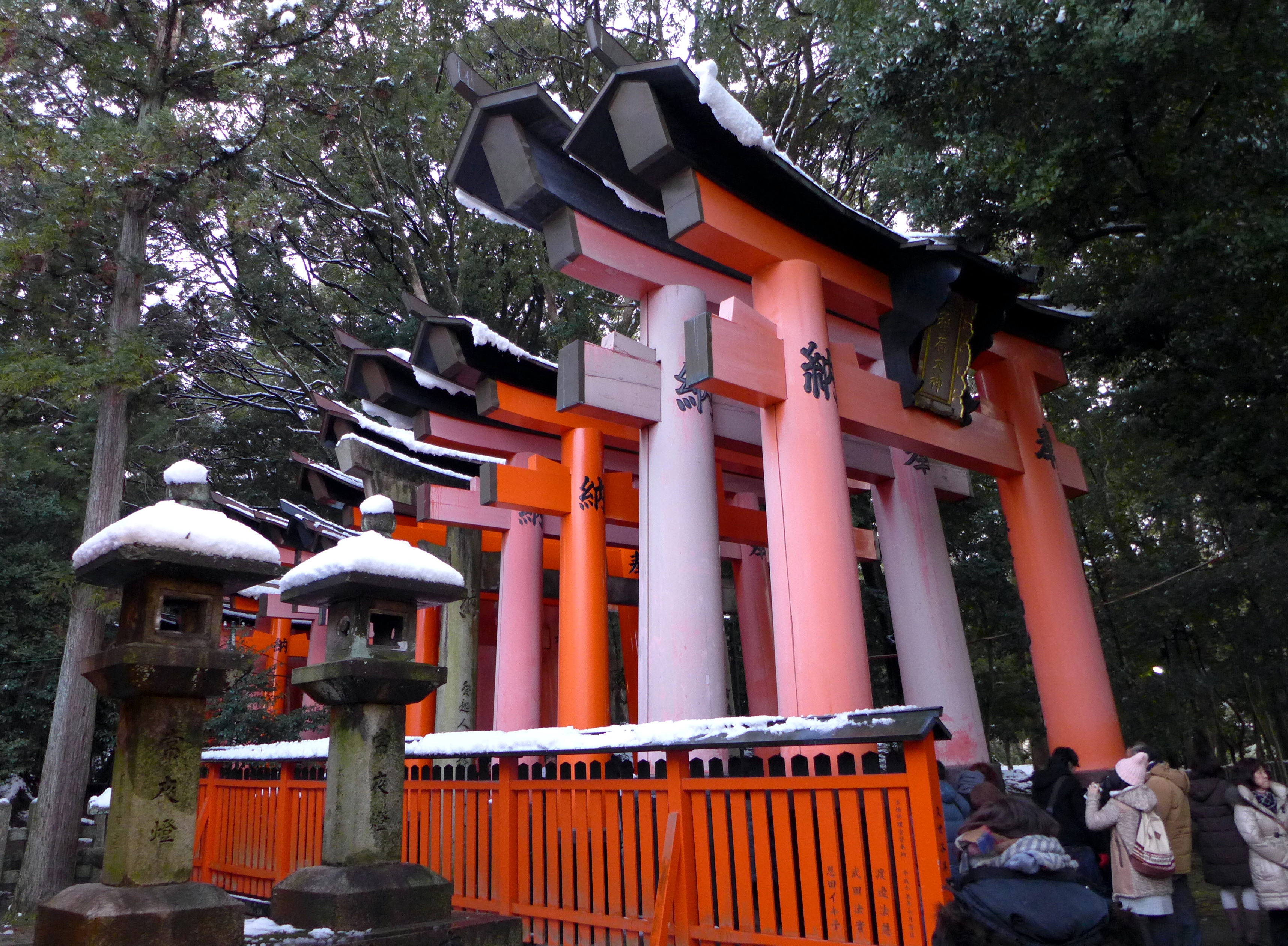
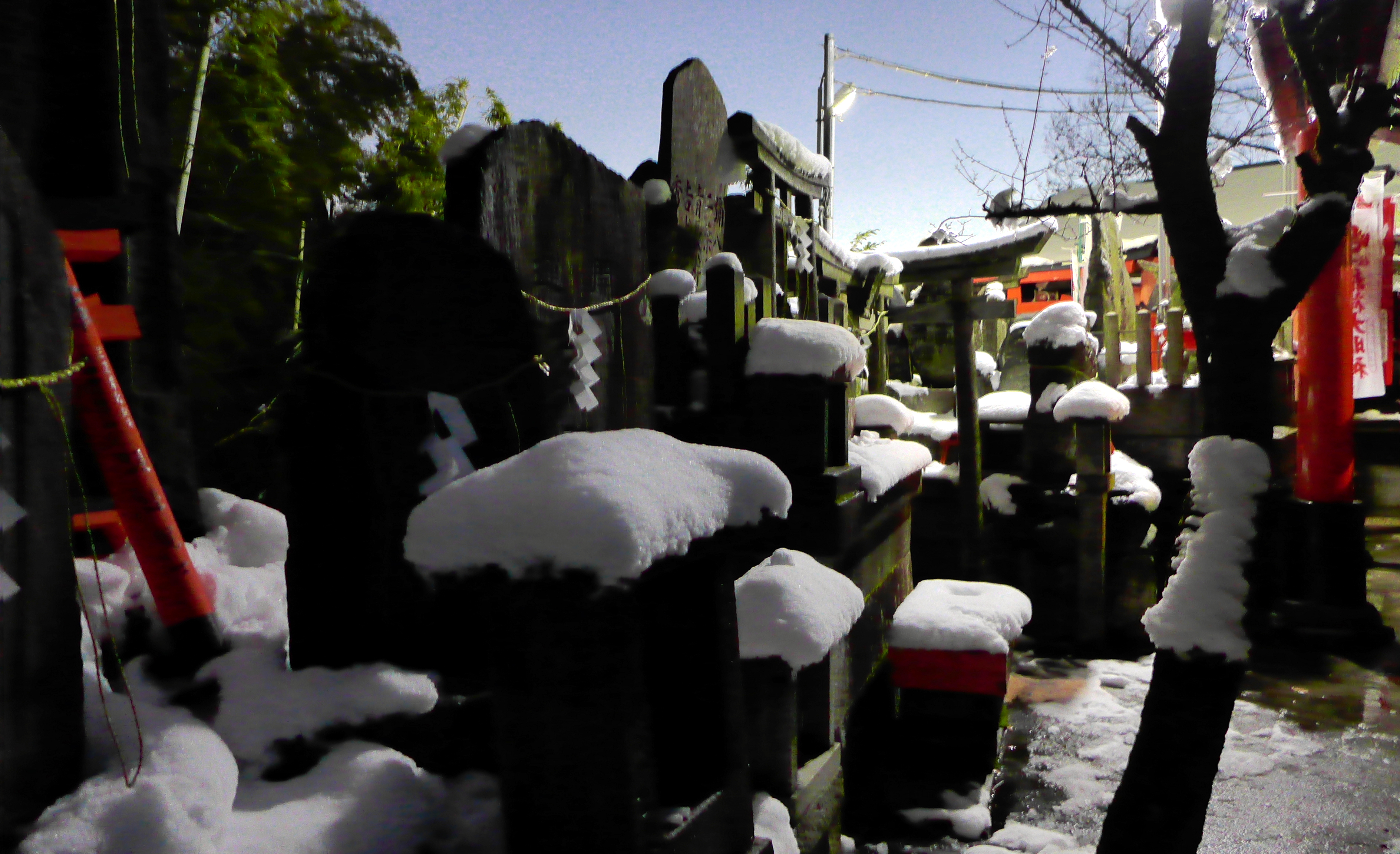
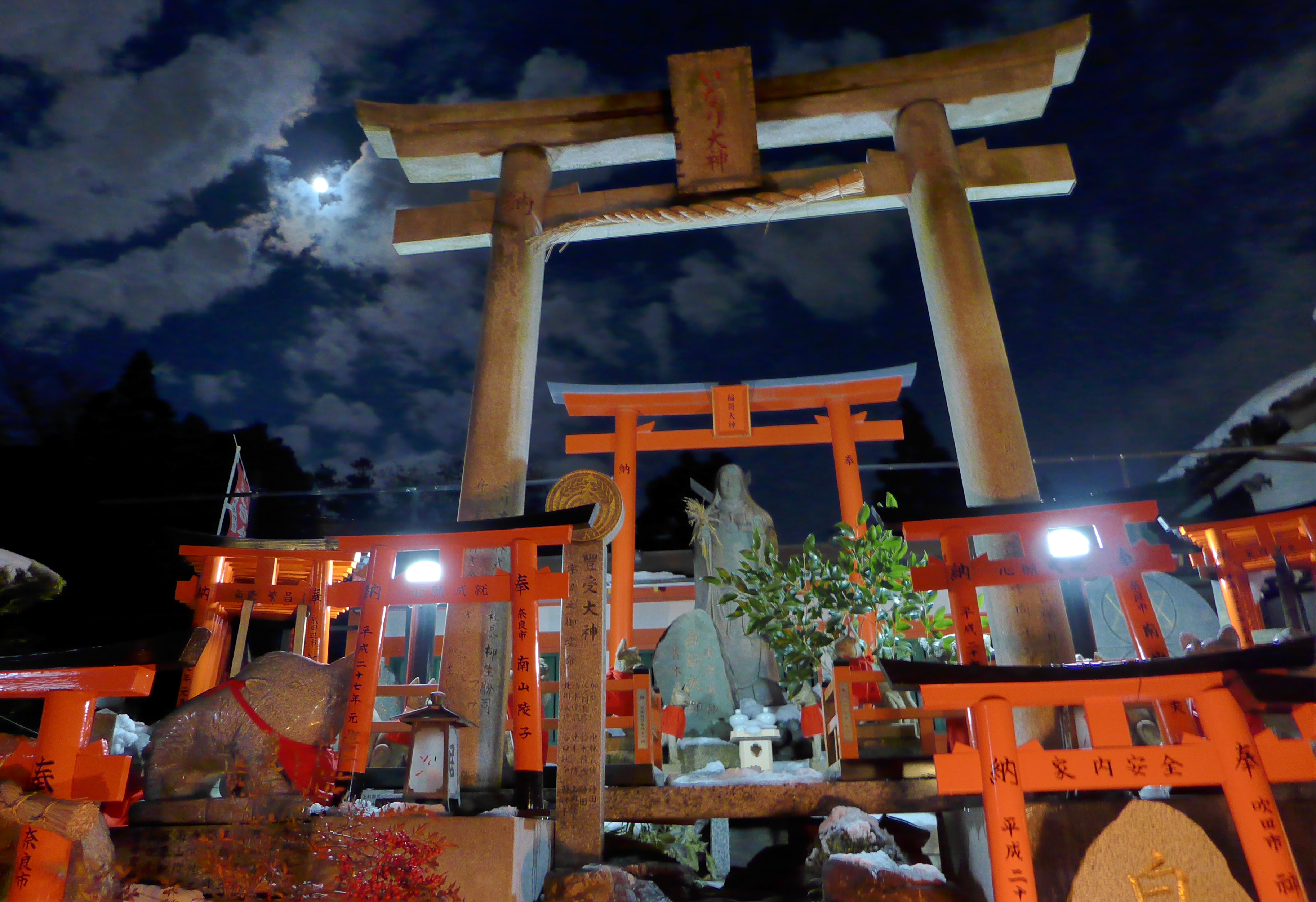
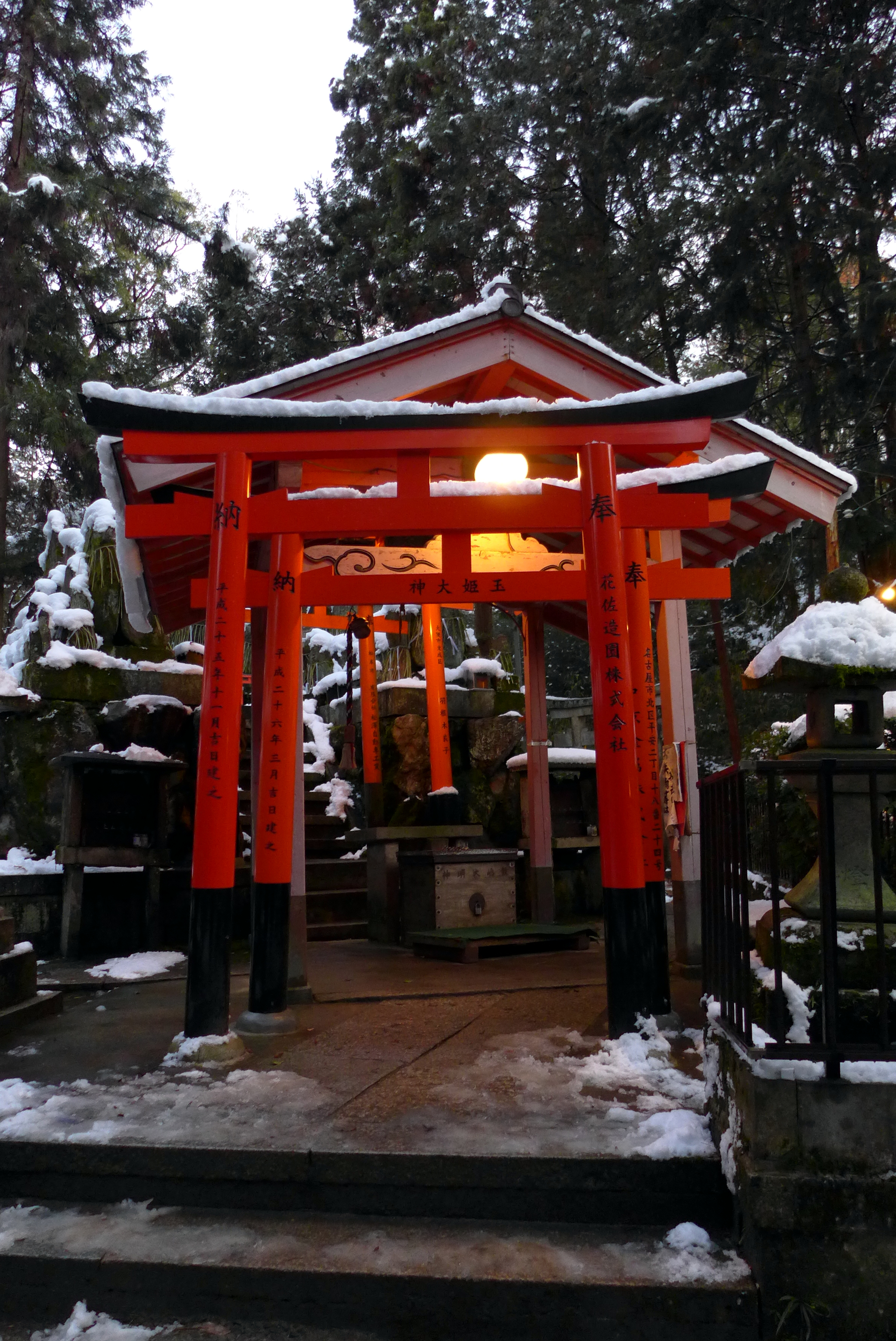
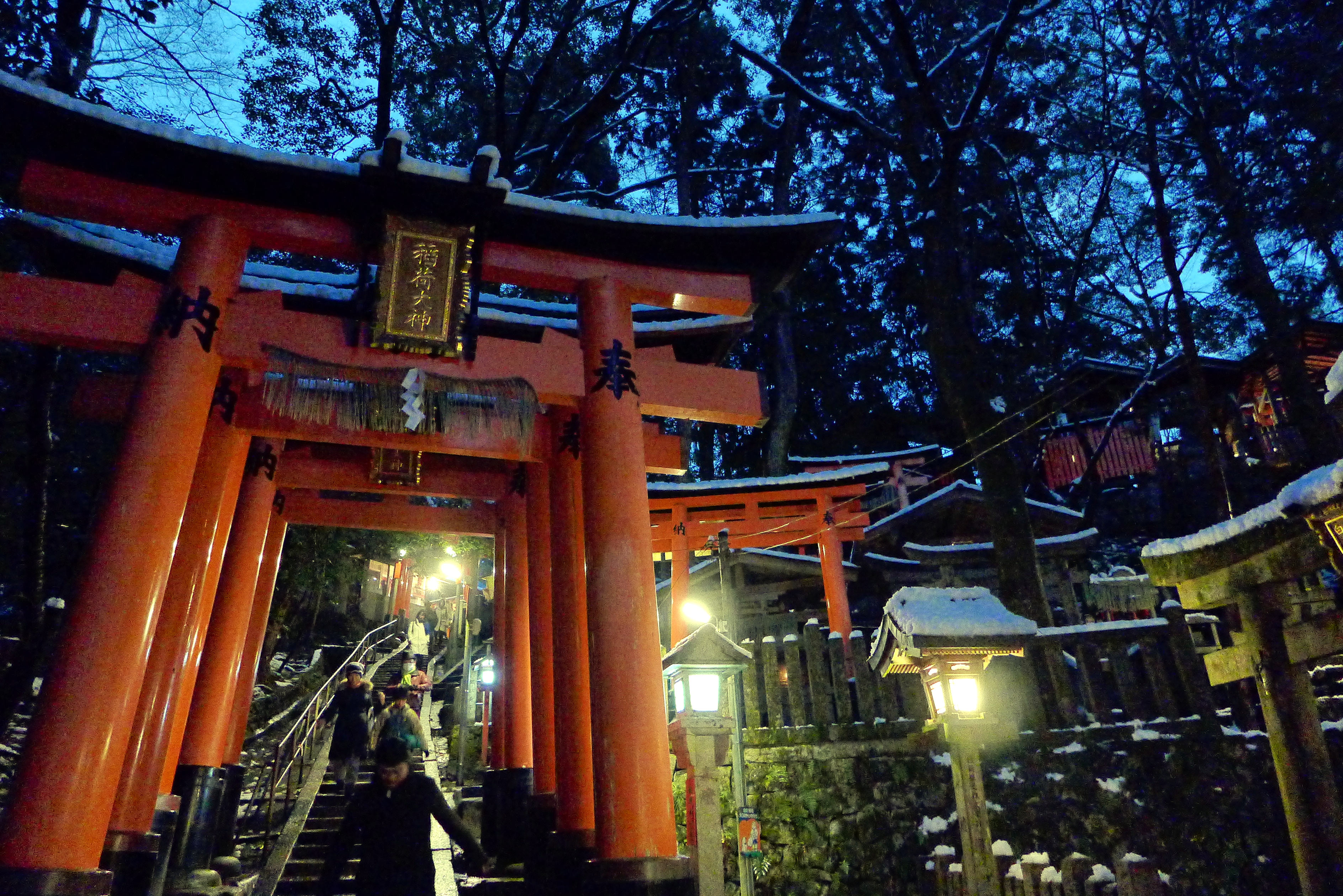
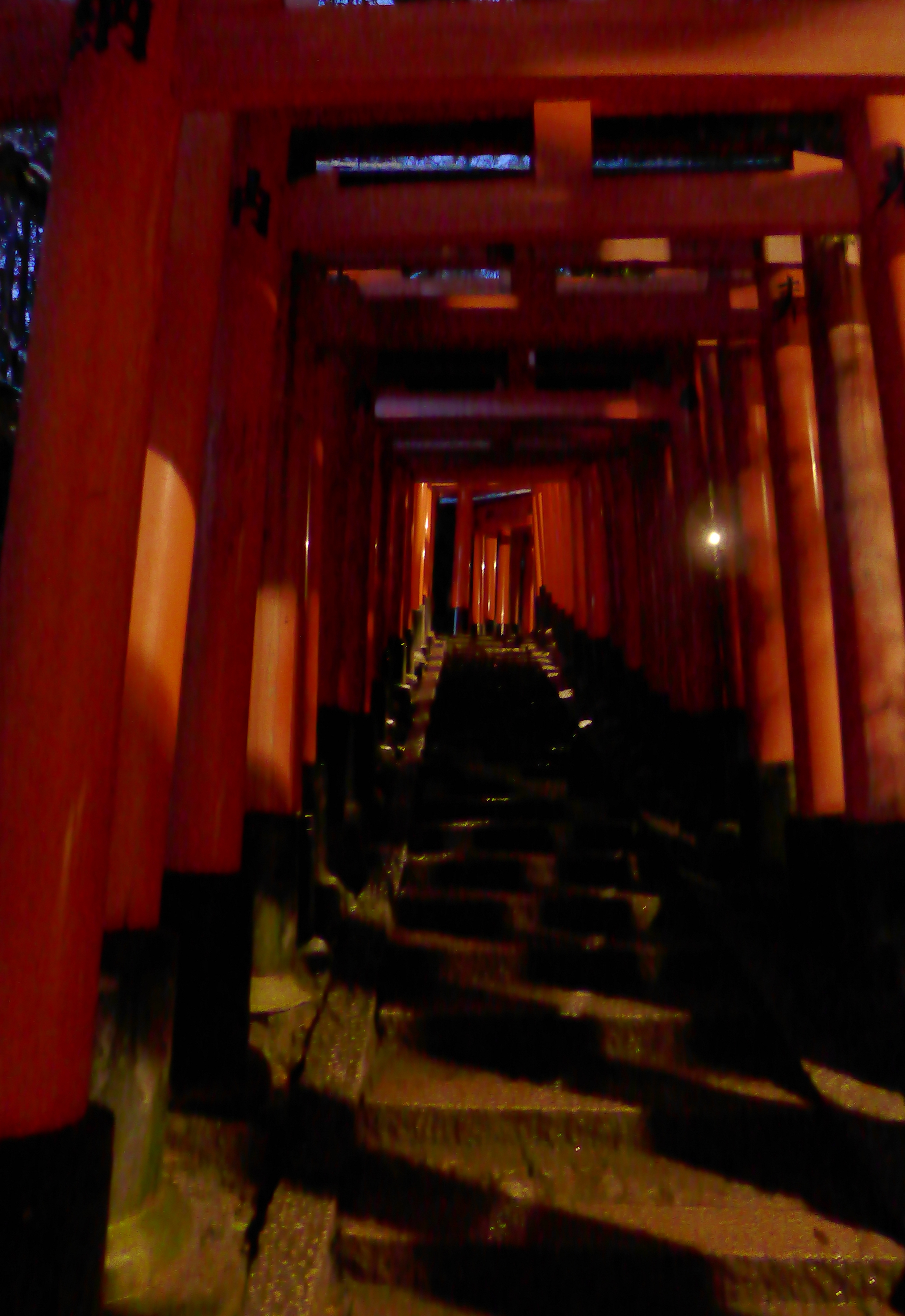
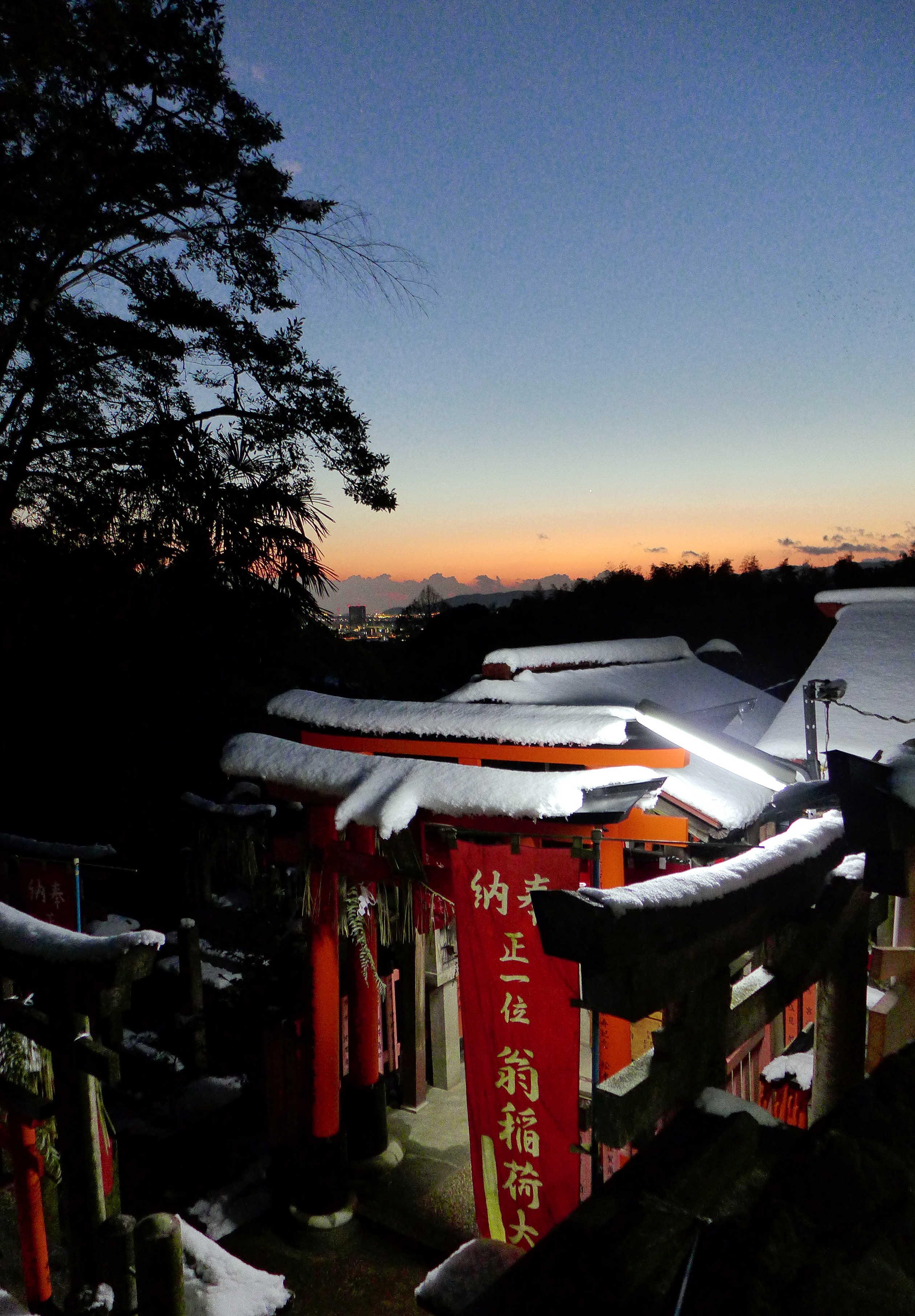
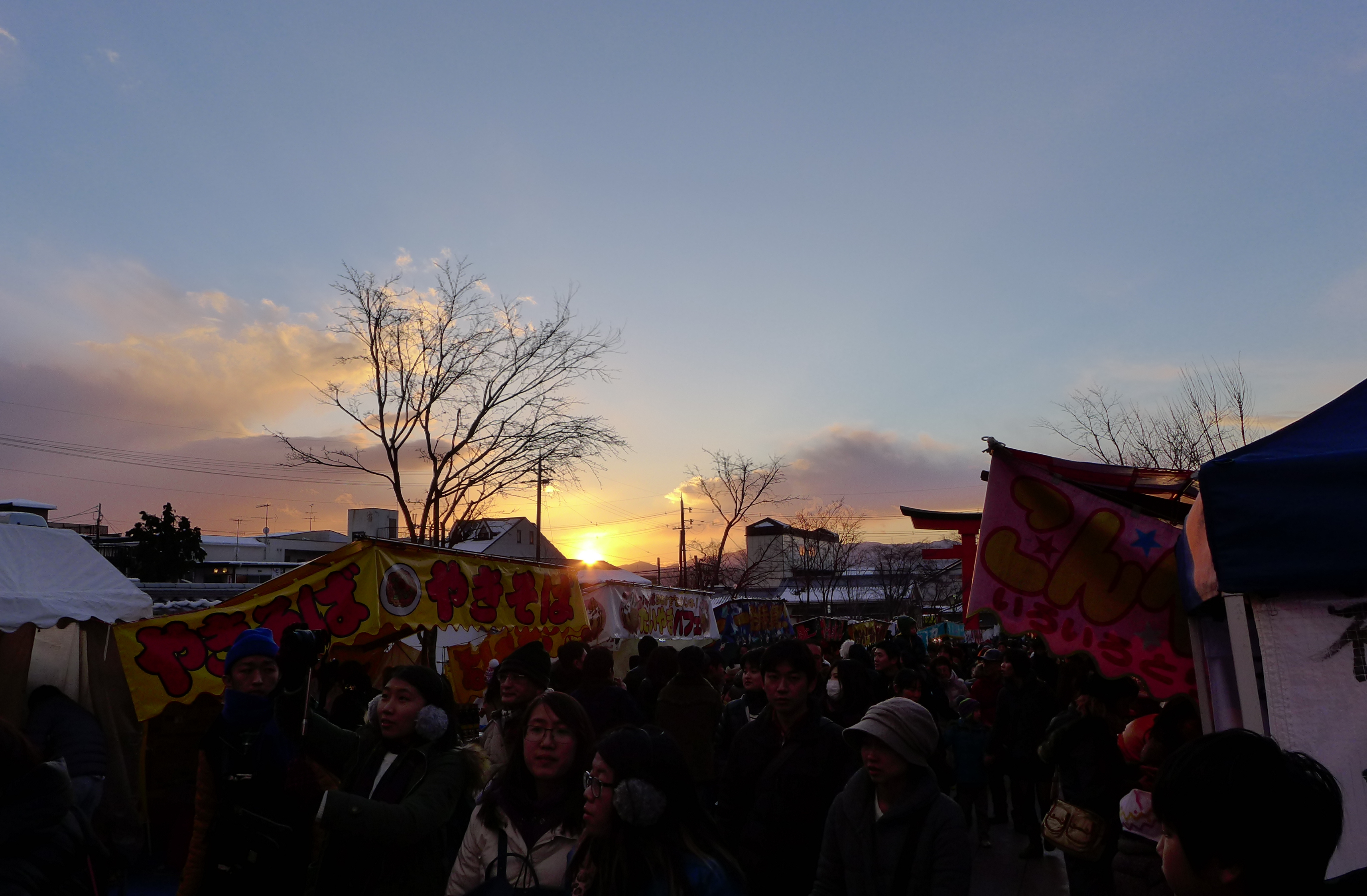
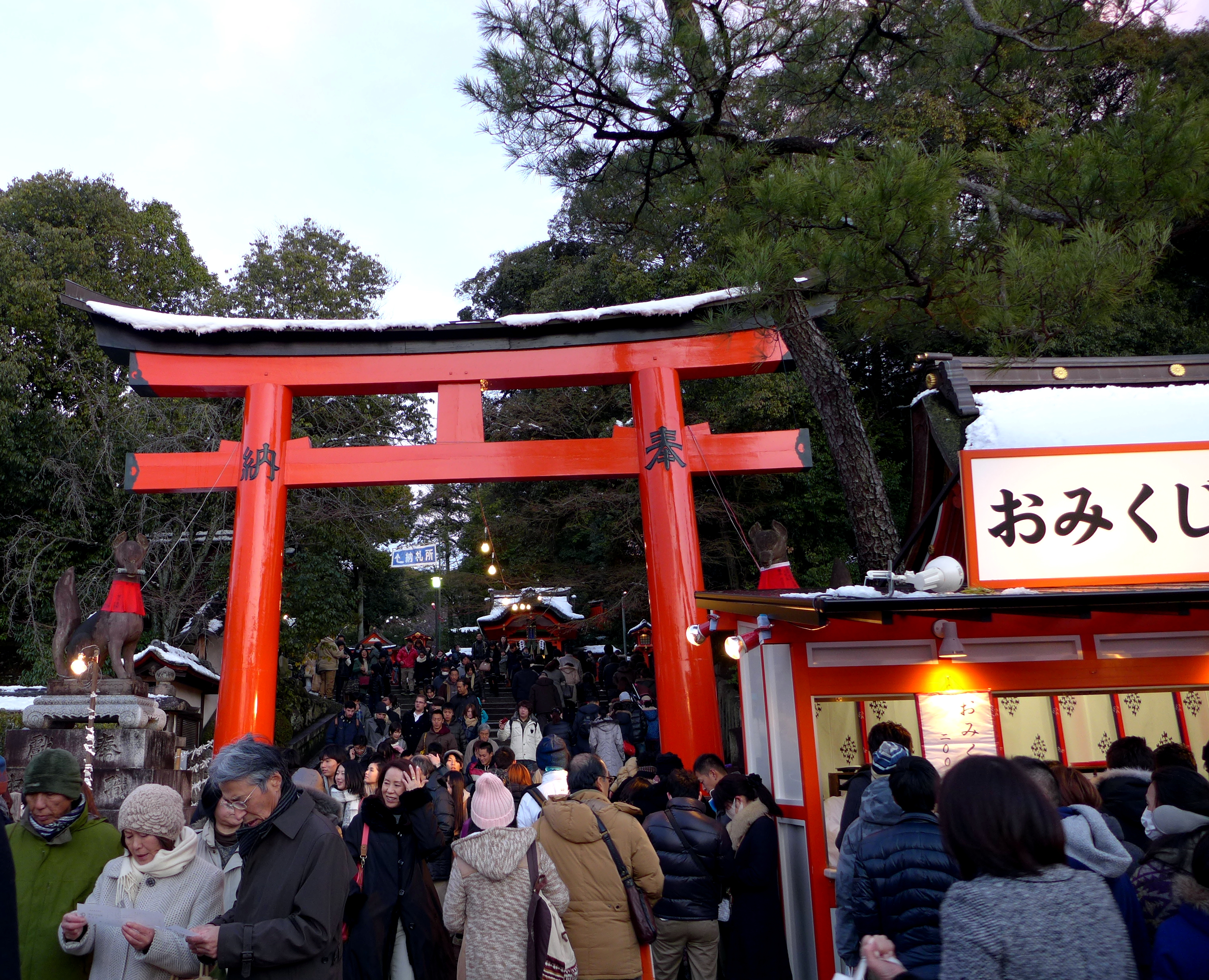
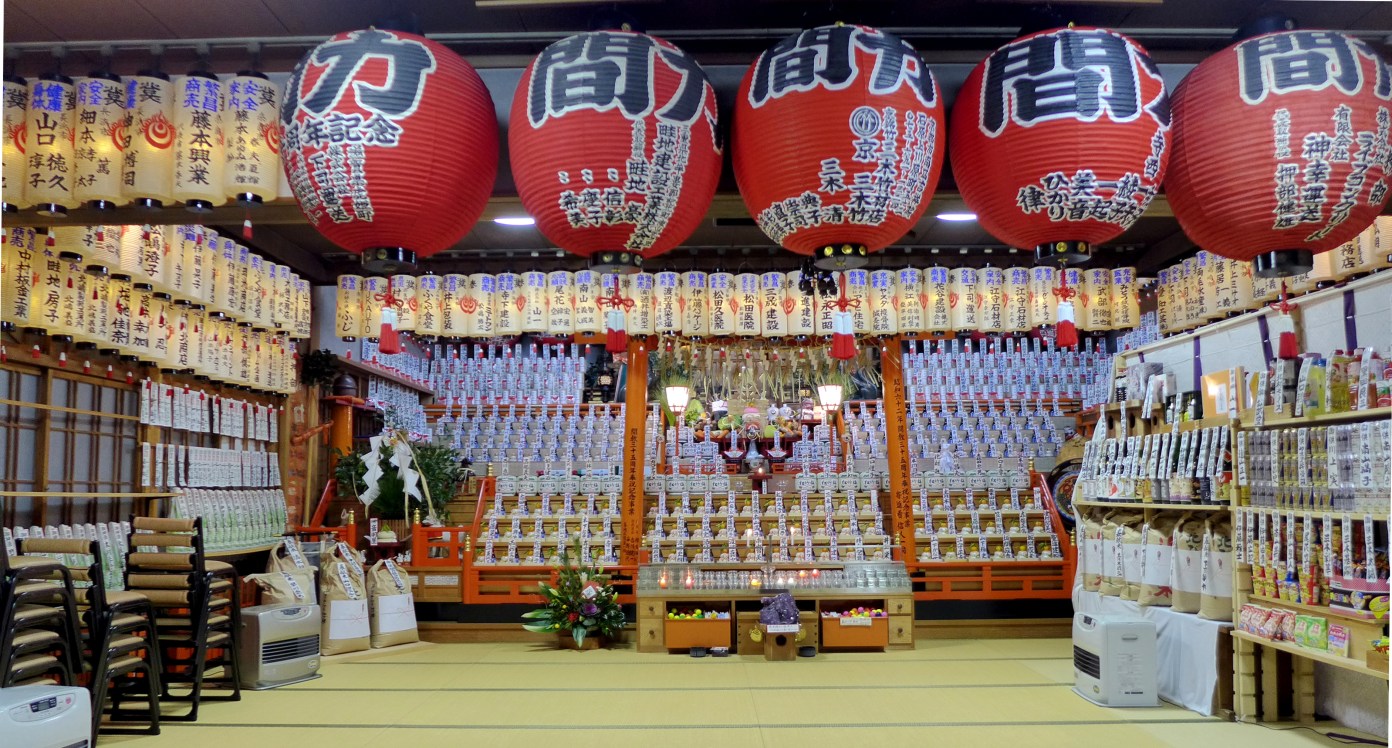
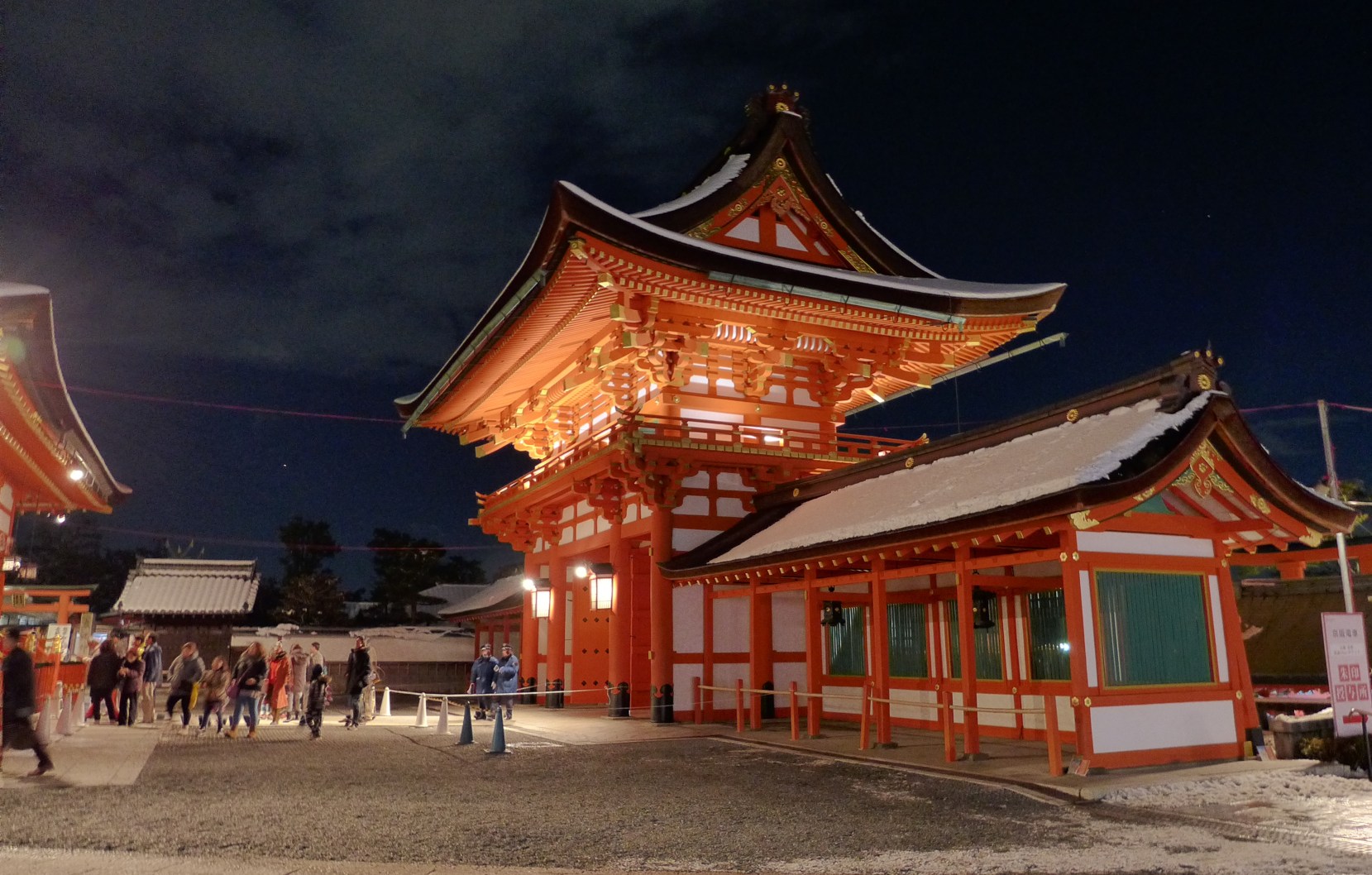
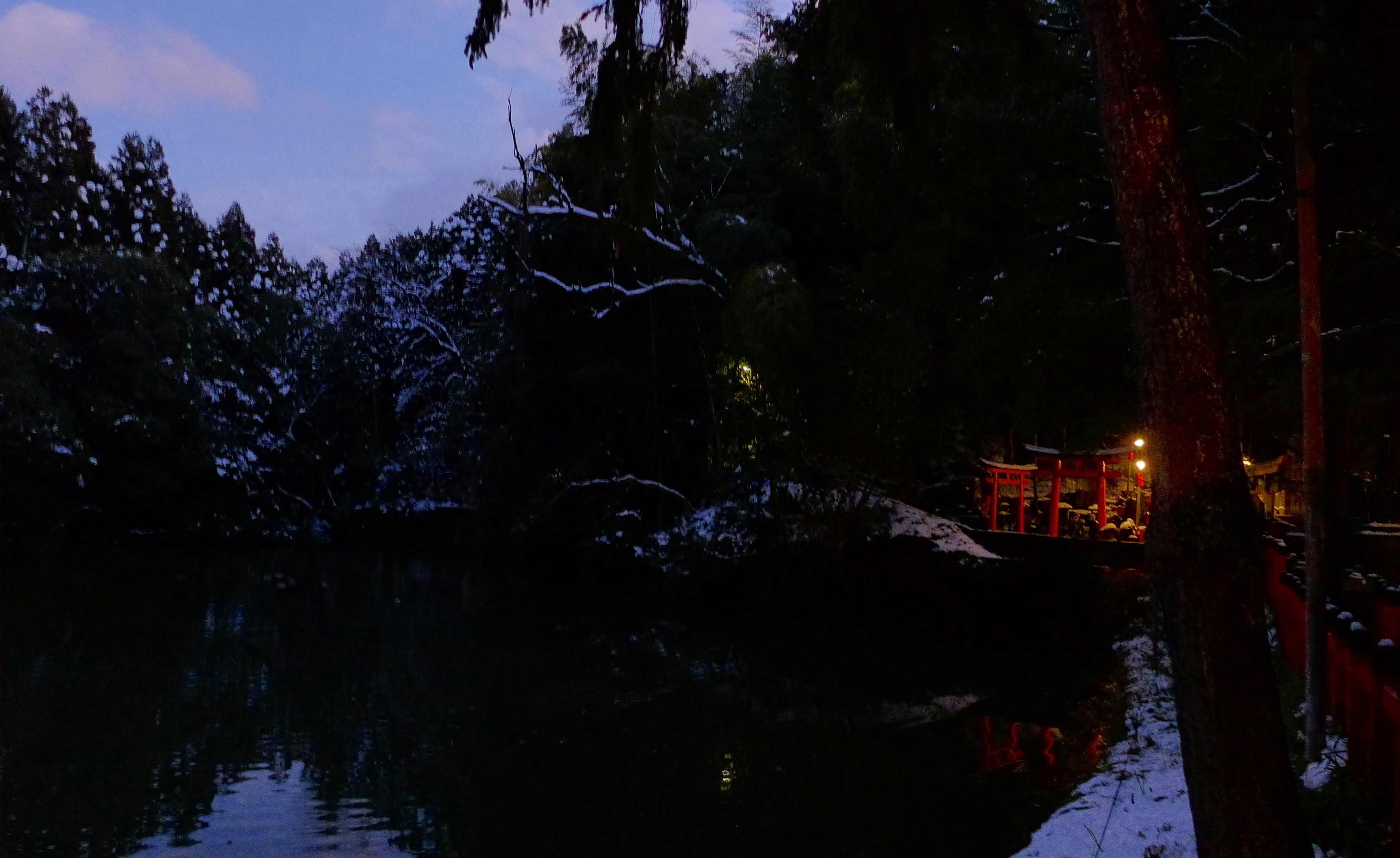
My friend and I visited Fushimi Inari 伏見稲荷大社 on January 2nd, making it my hatsumode, though I did not engage in the Japanese customs. I have visited Fushimi Inari before (see here), but this time it was very different for several reasons; first, it had snowed a record snowfall in Kyoto which made it very pretty; second, it was new year and filled with people, and third it was getting dark when we arrived so I got to experience the shrine at night. It’s quite poetic that it snowed on the first day of the new year, adding to the sense of renewal that Japanese new year carries with it.

Also last time I went I hadn’t yet got my Shuin (stamp) book, so this time I got to get my stamp.
P1040080P1040108 - CopyP1040197 P1040231P1040285

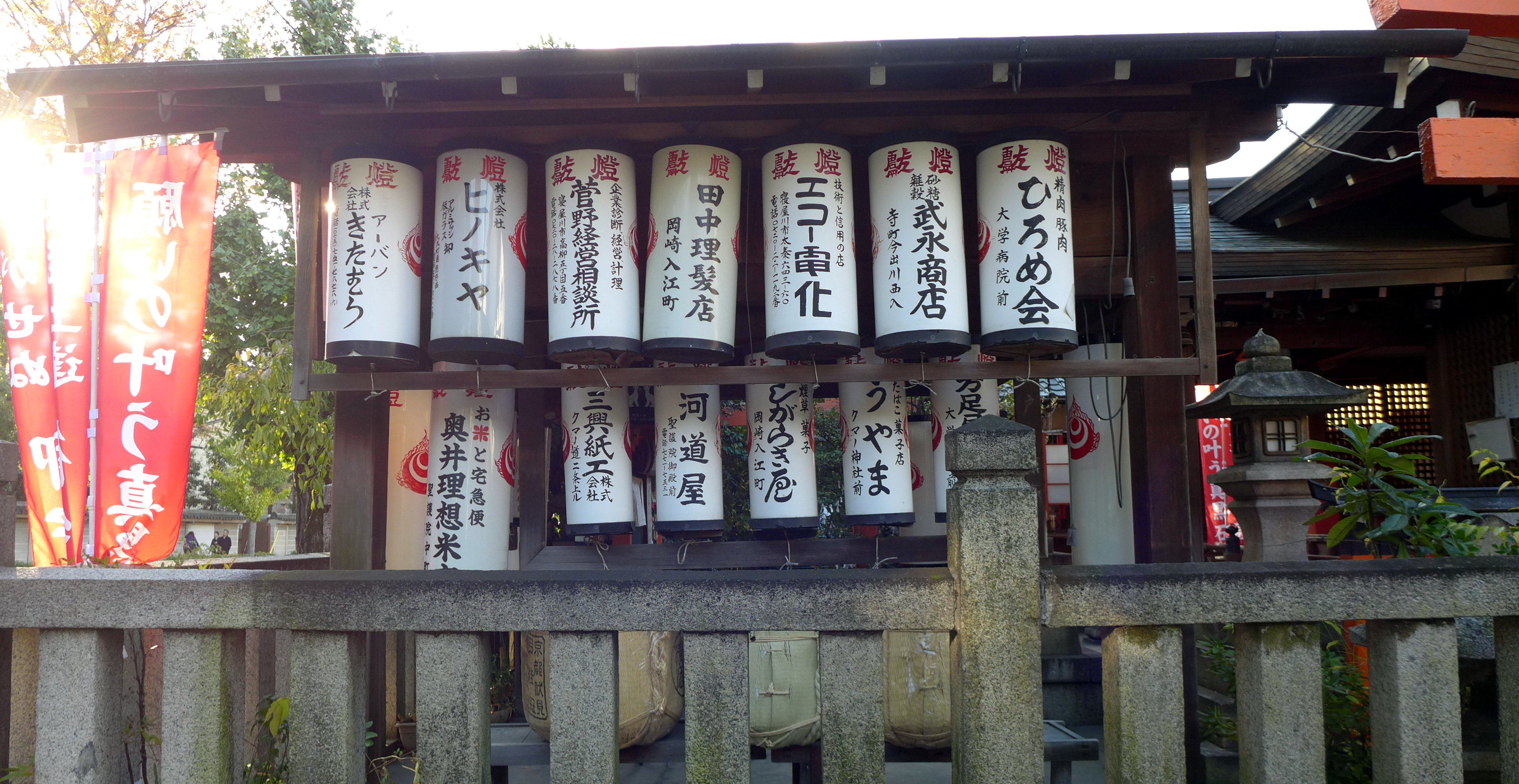
The express trains were stopping especially at Fushimi Inari station on the Keihan line, which is very unusual and only happens at new year. This is because over the first few days of the new year, Fushimi Inari shrine is visited by around 2.7 million people. This shrine is said to bring good business and so business owners and those working in the financial sector visit especially to pray for good business in the year to come. The thousands of gates that give Fushimi Inari its iconic status have all been donated by businesses hoping to gain luck in their ventures and at new year companies donate food and goods to the kami of the shrine. As I am not running any business ventures I don’t think it will have harmed me too much to have not done the visit ‘properly’.

P1040093eP1040097 - Copy P1040103 - CopyP1040121 - Copy P1040122 - Copy

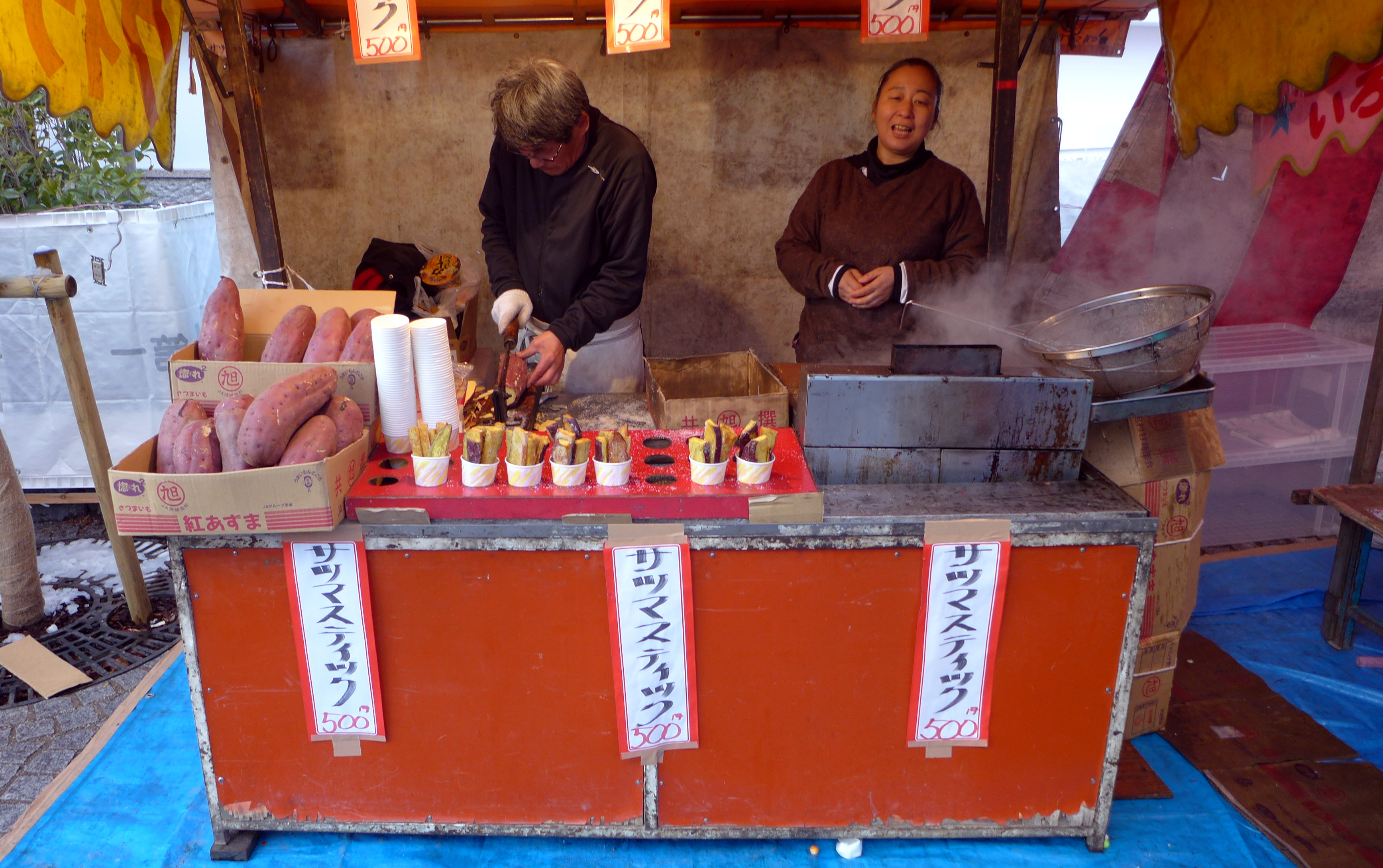
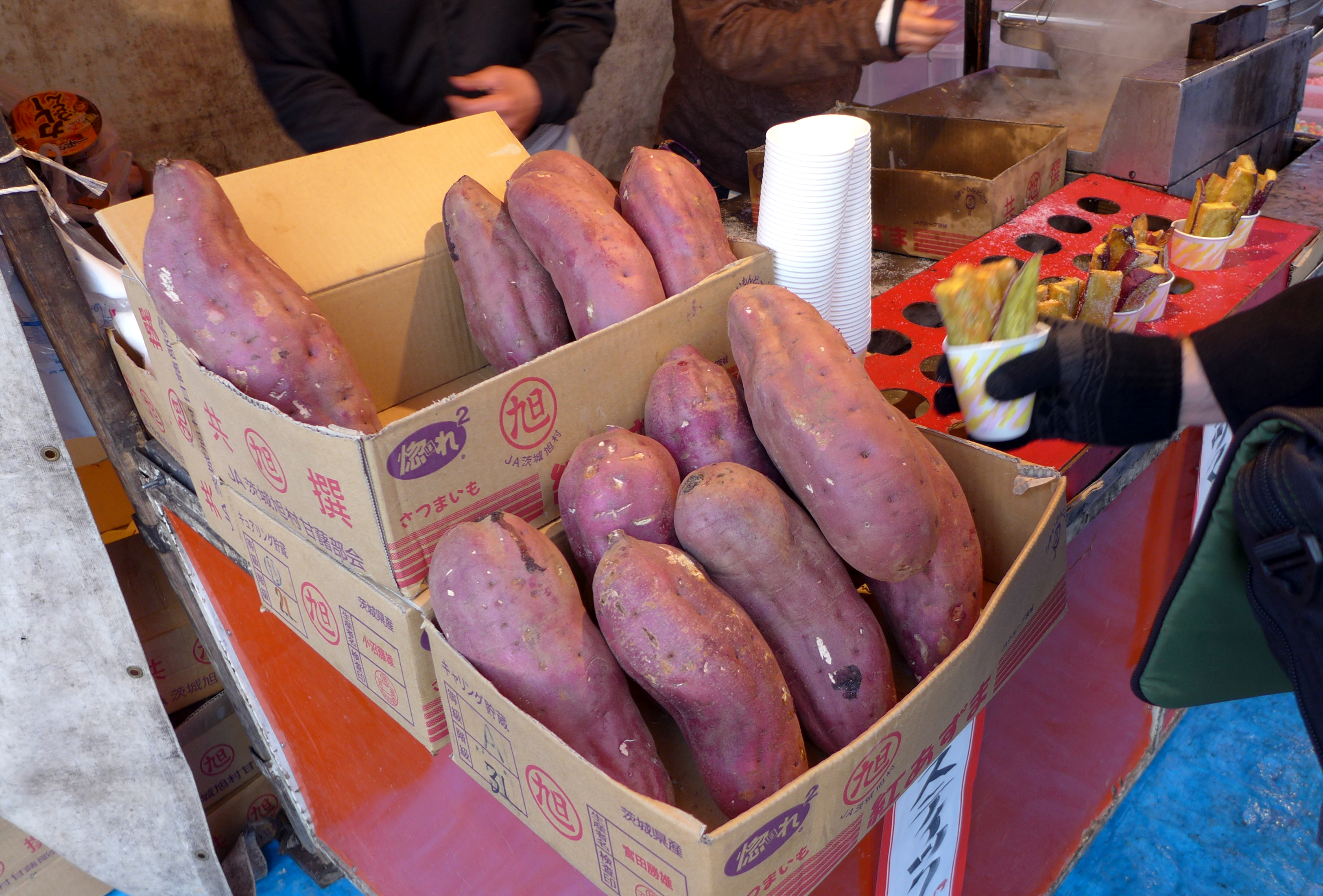
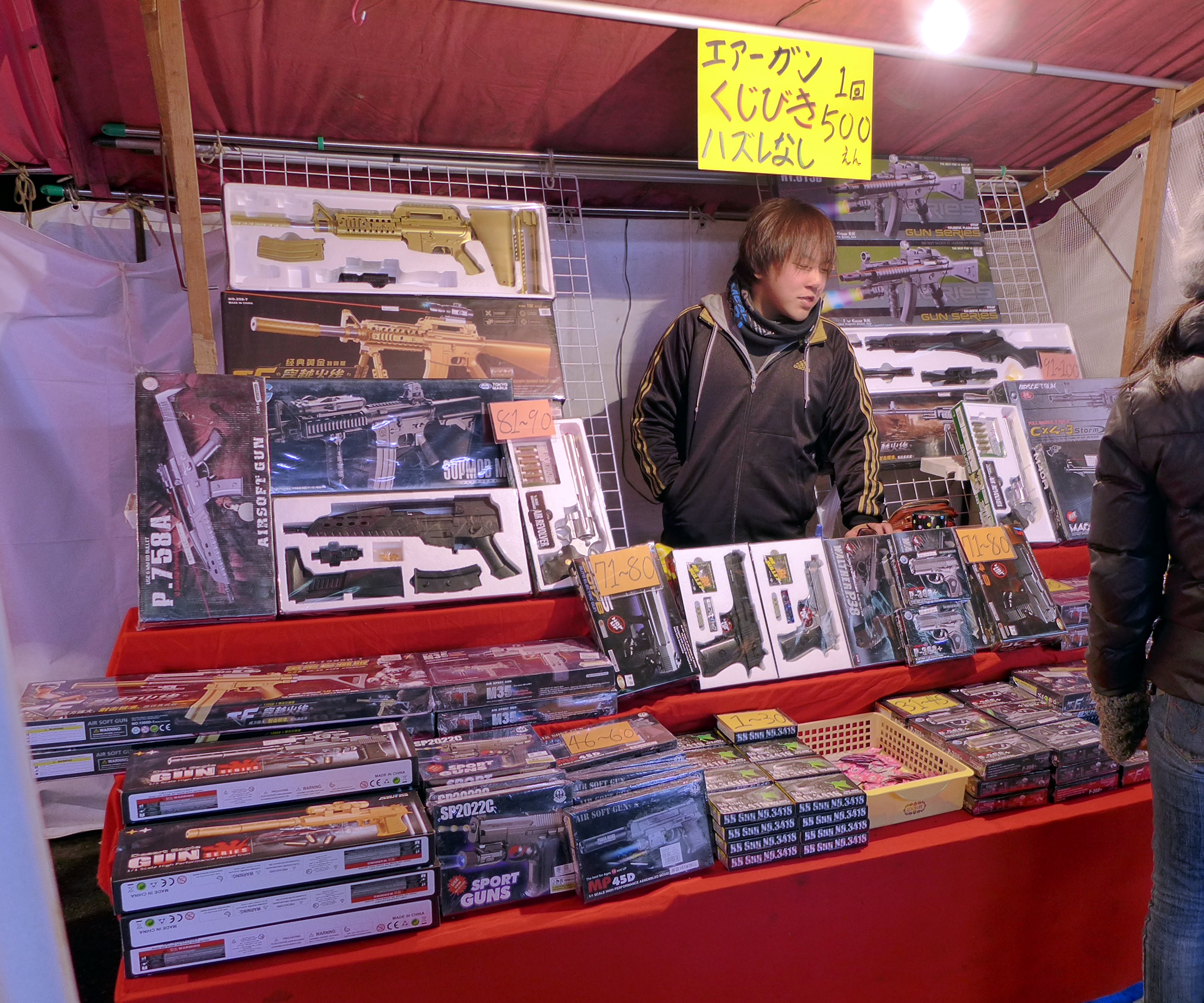
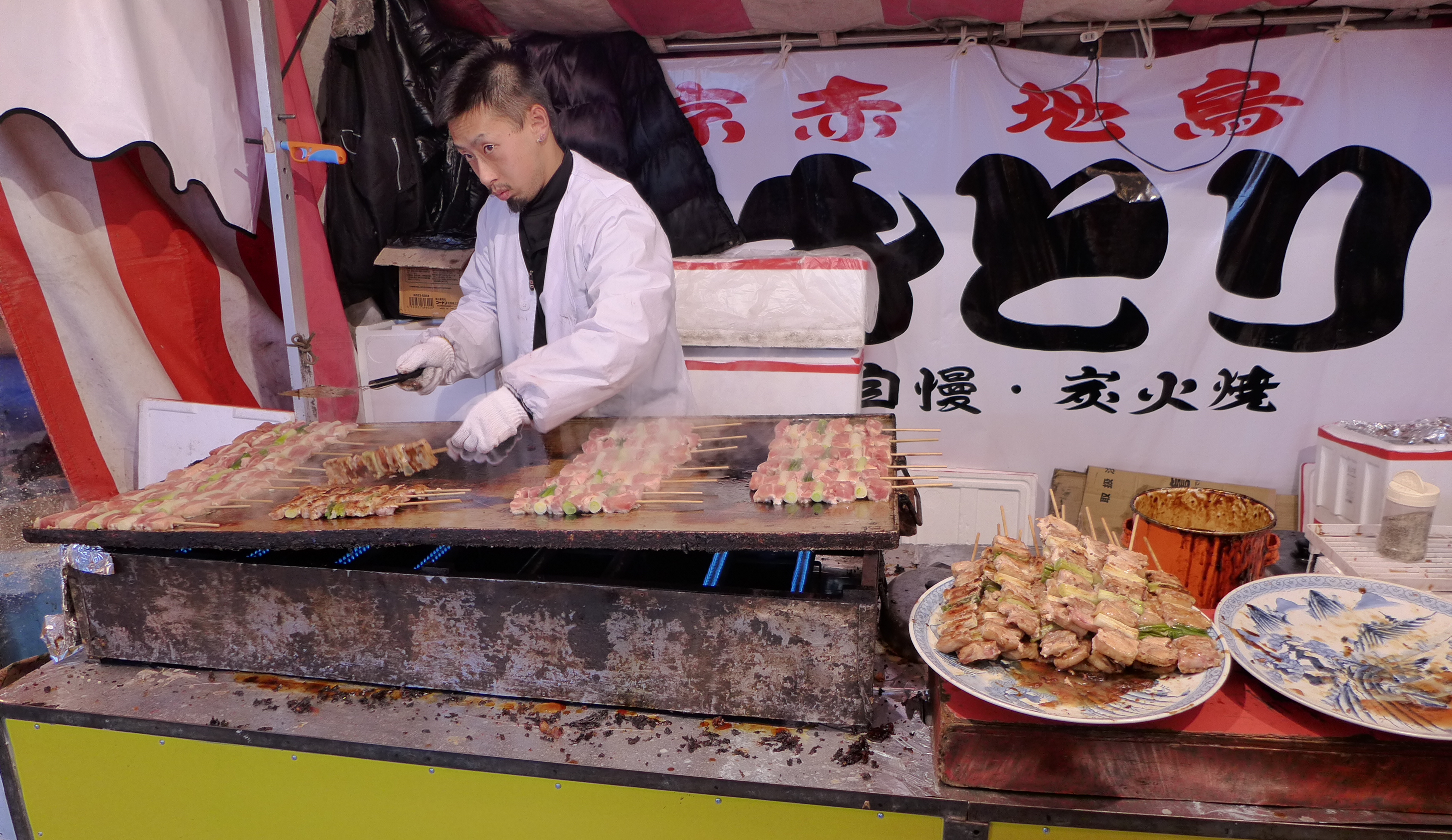
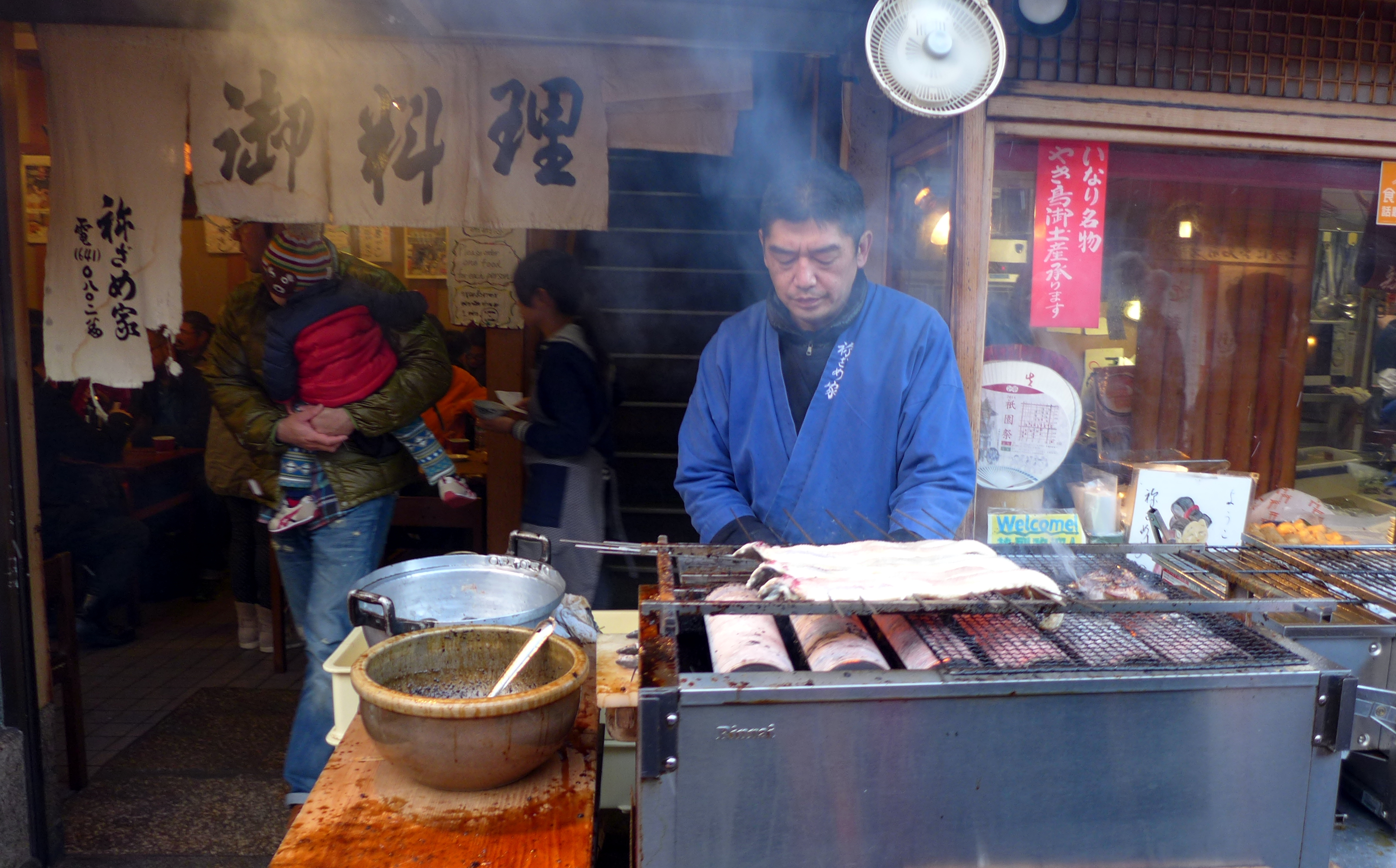
Catering to the millions of people visiting the shrine over the first week of January were many stalls selling a huge range of Japanese street food. Between us we had takoyaki (octopus balls), sugared sweet potato, wieners on a stick, yakitori (fried chicken skewers) and crepes. You can easily eat enough for a full meal there, and the food is not that expensive (ranging from around 300円 to 600 円, which is around £1.60 to £3.30). There were also stalls offering fortunes, selling DS games, soft toys and even one selling airsoft guns.
P1040049 P1040059 P1040065 P1040067 P1040068 P1040238 P1040078P1040243 P1040245 P1040250

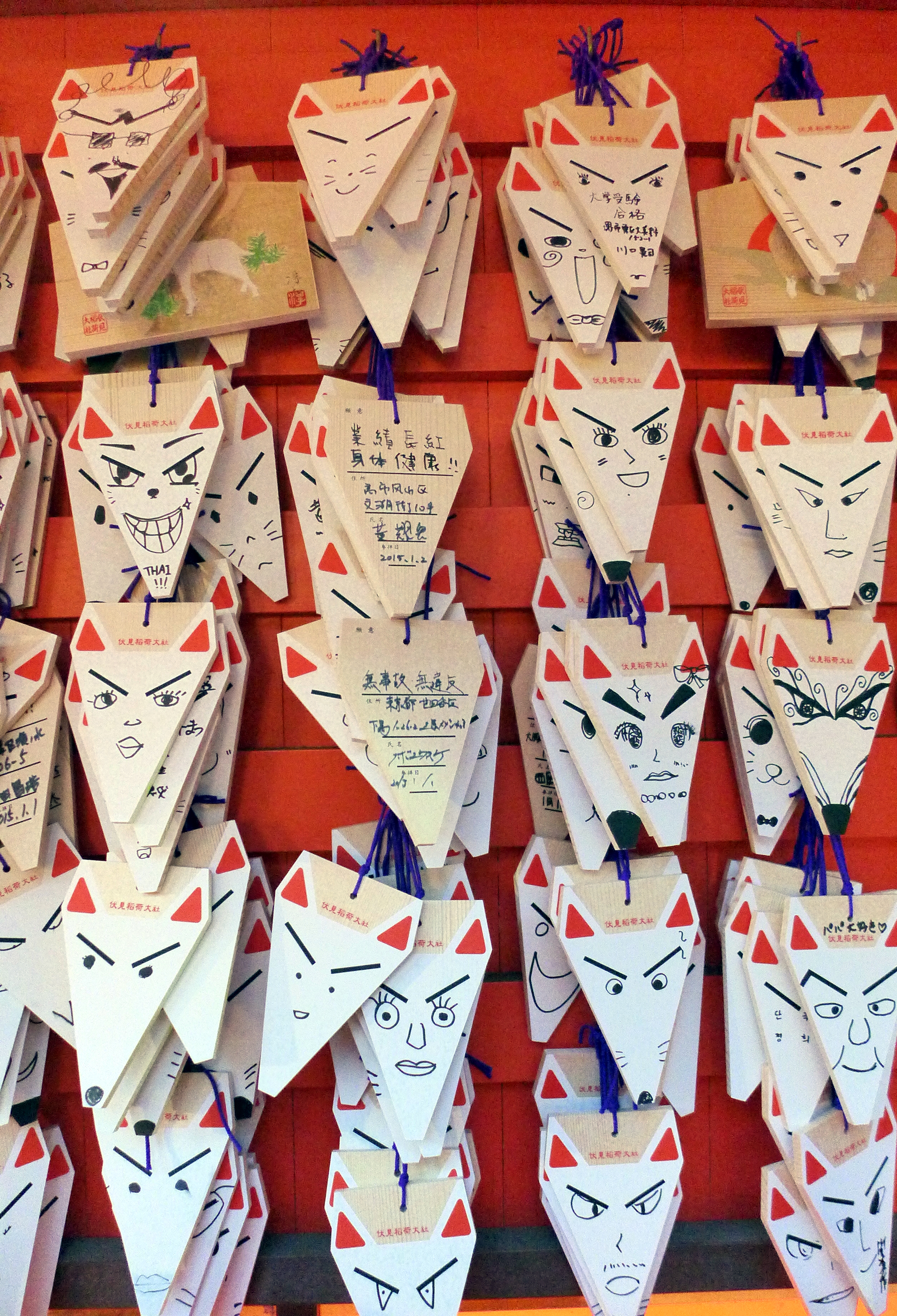
The proper way to do Hatsumode at a shrine is (as far as I am aware), to bring all the old luck amulets you purchased the last year to be burned by the shrine, purchase new ones, pray for good health and prosperity in the year ahead and get an omikuji, おみくじ – a fortune drawn at random that tells you your luck for the year ahead. If your omikuji is bad, or even the worst luck 大凶, Daikyo (best to be a hermit for the next year to evade certain disaster), you tie the fortune onto ropes at the shrine so the bad luck does not follow you for the new year. If you get a good luck, or even the best 大吉, Daikichi (go buy a lottery ticket), then you can take your fortune with you to keep the luck.

There are 12 levels of luck in total, from 大凶 to 大吉, and the slips of paper also indicate a more detailed fortune in terms of love and business among other things. This way of telling fortunes has been present in Japan since the Kamakura era (1185 – 1333) but the concept of a lottery to show the gods wills dates back even further than that.

P1040085 P1040146 - Copy P1040170 P1040200 P1040206 P1040211 P1040215

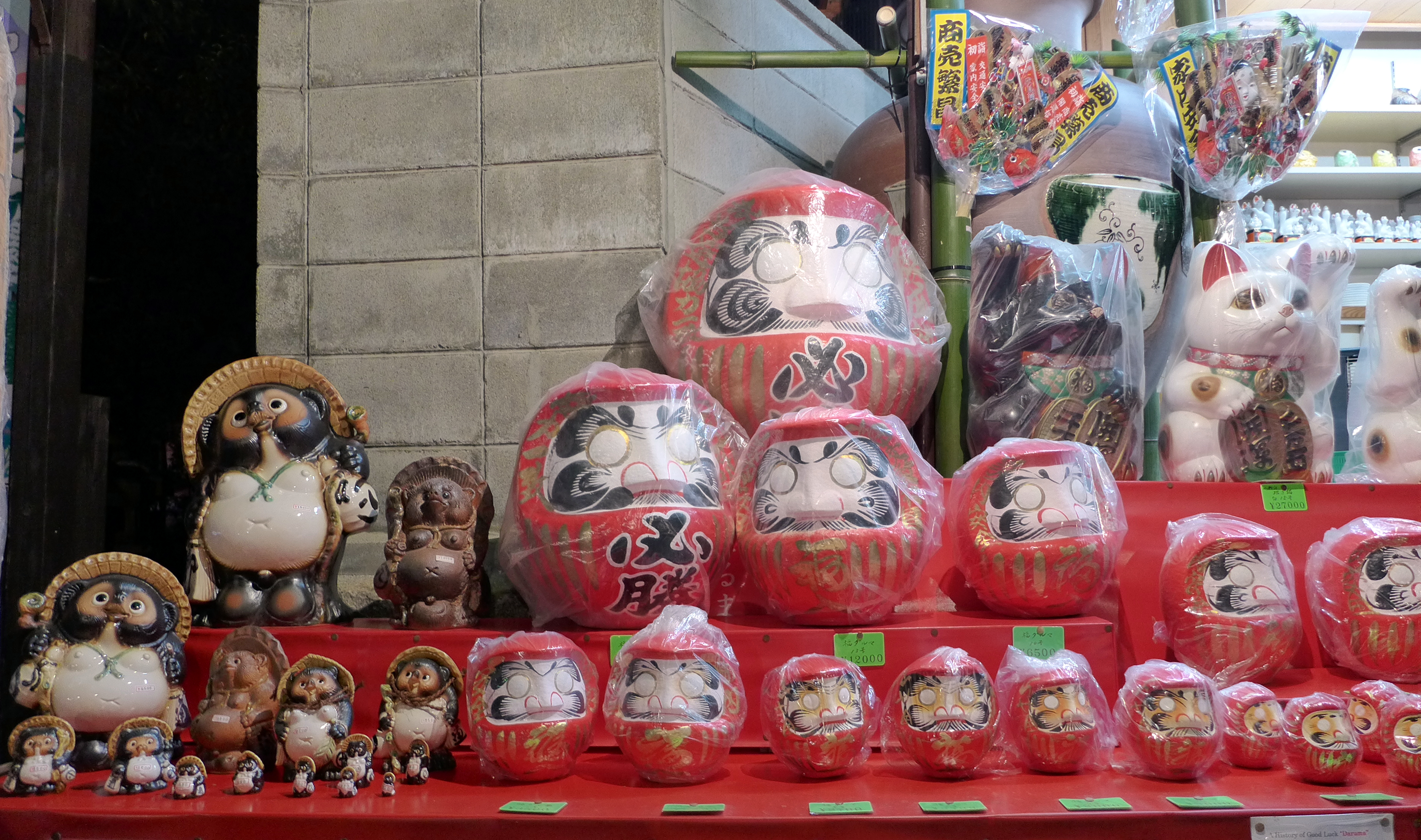
Another custom that I think is acutally very good is the use of daruma 達磨. These are squat little figures with two big blank eyes, they are weighted and round in shape so that if you knock them over they will always return to their upright position, representing the ability to rise and succeed despite adversity. The idea is that you set yourself a goal, such as “I will sell this much of my product” or “I will lose this many kilos” or “I will get this grade in piano” and then you colour in one of the eyes. You then put the daruma somewhere you will see it frequently and it stares at you with its one eye. This is a good reminder that you have your goal and that you should try working towards it. When you complete your goal you can colour in the other eye. It works best for non-time-limited goals, as then it can stare at you indefinitely until you achieve it.
P1040236 P1040233

I had daruma for my first and second years of university, the goal being to do well and try my best throughout the year. I do think they motivated me to try harder. Traditionally at the end of the year daruma are burned and new ones are purchased, with new goals for the new year, much like new years resolutions. I, however, keep mine because it reminds me that I can achieve if I put my mind to it.
P1040225P1040234P1040229P1040222

The shrine was initially very busy but as we climbed past the main shrine, where everyone was conducting hatsumode activities, it became a lot quieter and it steadily grew darker. We could hear crows all around us outside the tunnel of red gates and lamps. I certainly would not want to walk the whole route at night (over 3 hours walk), as it was eerie and felt like the set up to a Japanese themed horror film.

P1040159e P1040157 P1040155 P1040171 P1040174 P1040180P1040175 P1040177

I would certainly recommend visiting Fushimi Inari at new year, despite it being one of the busier shrines. Perhaps visiting at dusk is wise as there are fewer people around (most were leaving as we went in). The snow added an extra magical element to the experience, and I feel very lucky to have been able to experience that. Of course, the shrine is great any time of year and is one of the classic temples to visit in Kyoto.
P1040181e P1040185 P1040187 P1040191

I hope you had a lovely new year and a happy Christmas (or whatever you like to celebrate). I wish you a great 2015, wherever you are in the world and I hope you continue to enjoy reading about my time in Japan!


京都 Snapshots: November

And so we plunge into December, and I begin to freeze in my woefully lacking-in-central-heating room. My air con does heat, but it also doesn’t seem to know what 21 degrees is and aims for more like 30 degrees, leaving me perpetually too hot or too cold.It seems Japan  missed the memo that central heating is actually a pretty good idea.

This minor issue aside, I look forward to my first Christmas in Japan, and it seems Japan’s looking forward to it too – there are Christmas lights and decorations everywhere. Hopefully my next month will be filled with fun things to write about even though its getting cold.

Also exciting news blog-wise: I now have my own domain – Japangie.com! I had to buy a storage upgrade because of all the pictures I’m hosting on here and it came with a domain which is pretty cool.

For now lets mop up those bits and pieces from last month that have been sitting by waiting their turn for some attention. This will be a miscellany of temples, interesting buildings, Christmas lights and food, so I hope you enjoy some snapshots of what I’ve been up to.

紅葉 Autumn is Ending

Here are a few more pictures of the koyo (turning of the leaves) in Kyoto. This month was definitely koyo month for my blog – beautiful red leaves everywhere. Sadly it rained recently and most of the red leaves were blown away, so no more picturesque temples with autumn colouring I’m afraid.

These pictures were taken in the park nearby, by the Kamo River and near the Heian Jingu.

P1020049P1020095 P1020037 P1020029P1020046 P1020057 P1020091

 武道センター The Kyoto City Budo Centre

I came across this building on my way to Heian Jingu. I initially thought it was a temple and went in to check it out. It turns out it’s actually a dojo, and not only that but its the oldest martial arts training hall in Japan, built in 1899. At this dojo  you can train in most Japanese martial arts – Akido, Judo, Kendo, Karate etc. as well as ping-pong for some reason. Apparently they are pretty foreigner friendly (though they don’t speak English you’re still welcome to go) and offer one-off classes, so if you’re into martial arts you can train in a beautiful old dojo as part of your trip to Japan!

P1020088

 妙傳寺 Myoden-ji

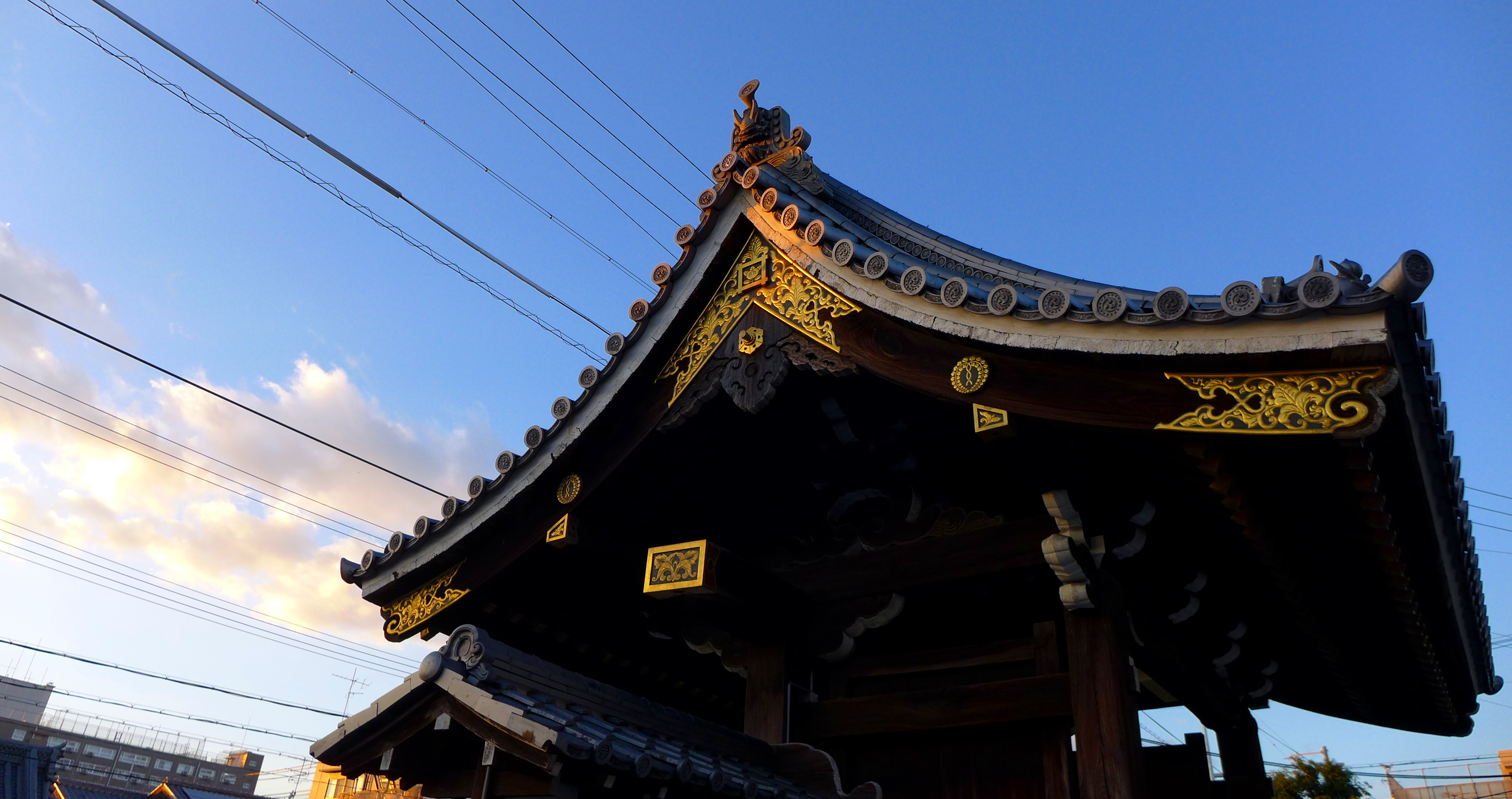
This is yet another interesting building I found when I was wandering around Heian Jingu. This is a temple belonging to the Nichiren sect of Buddhism, founded in the 15th Century. It has been rebuilt several times – monks from Enryaku-ji burned down Myoden-ji in 1536 as part of Tenbun Hokke no Ran which was basically a war between the three main sects of Buddhism in Kyoto. The Tendai monks burned down temples like Myoden-ji for their affiliation to Nichiren Buddhism (Nichiren Buddhism was in competition with Tendai for taxing the people and owning land). In the process they also burned down over half of Northern Kyoto and a lot of Southern Kyoto too. So much for the peaceful teachings of Buddhism…

The current Myoden-ji was built in 1708. I couldn’t find anyone to stamp my book (it was after hours) but I had a quick look around.

P1020306 P1020309P1020315P1020318

御辰稲荷神社 Otatsu Inari Shrine

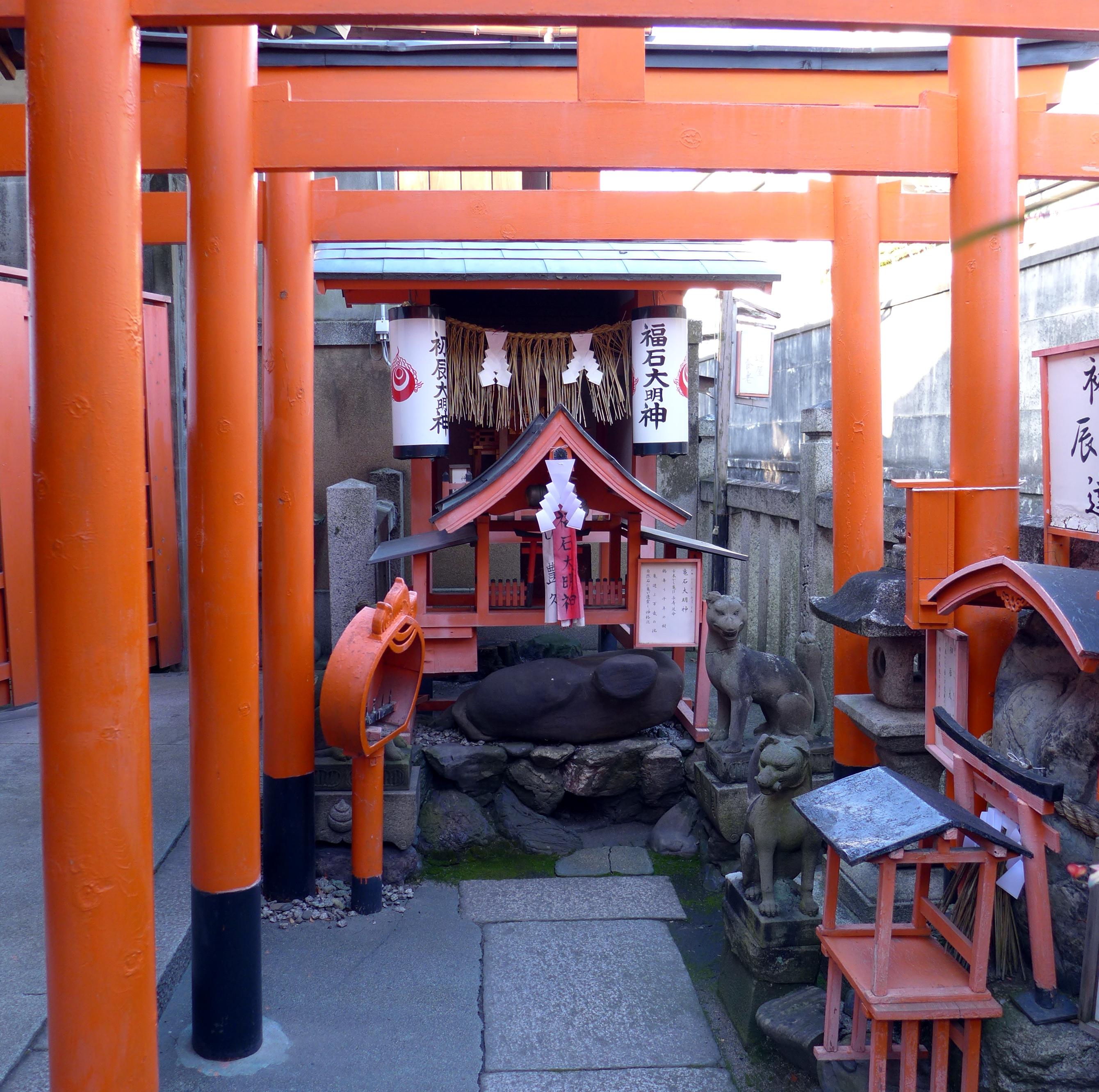
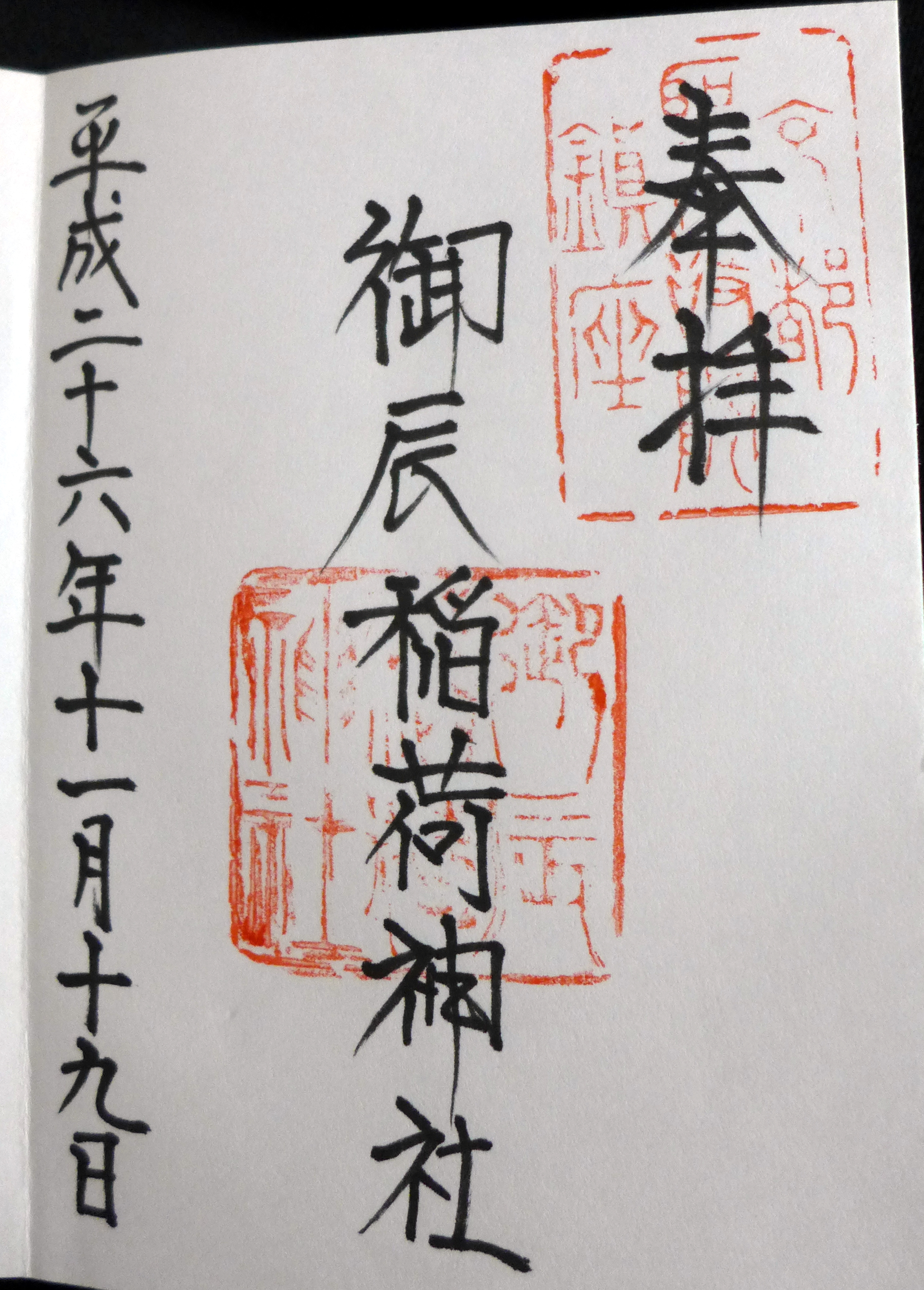
This small shrine is opposite Heian Jingu, and I don’t think it gets many visitors as everyone wants to see Heian Jingu instead. I decided to go in and have a look because I think even small shrines are interesting to look around. This is one of the many sub-temples dedicated to Inari, the god of foxes and rice (the god of Fushimi Inari). The temple did have a Shuin so I got my book stamped. As it is a smaller temple the stamp is very simple – just the name of the shrine, the word ‘worship’ and the date – no fancy calligraphy but still nice to remember the shrine.

P1020066 P1020067 P1020070 P1020079 P1020322

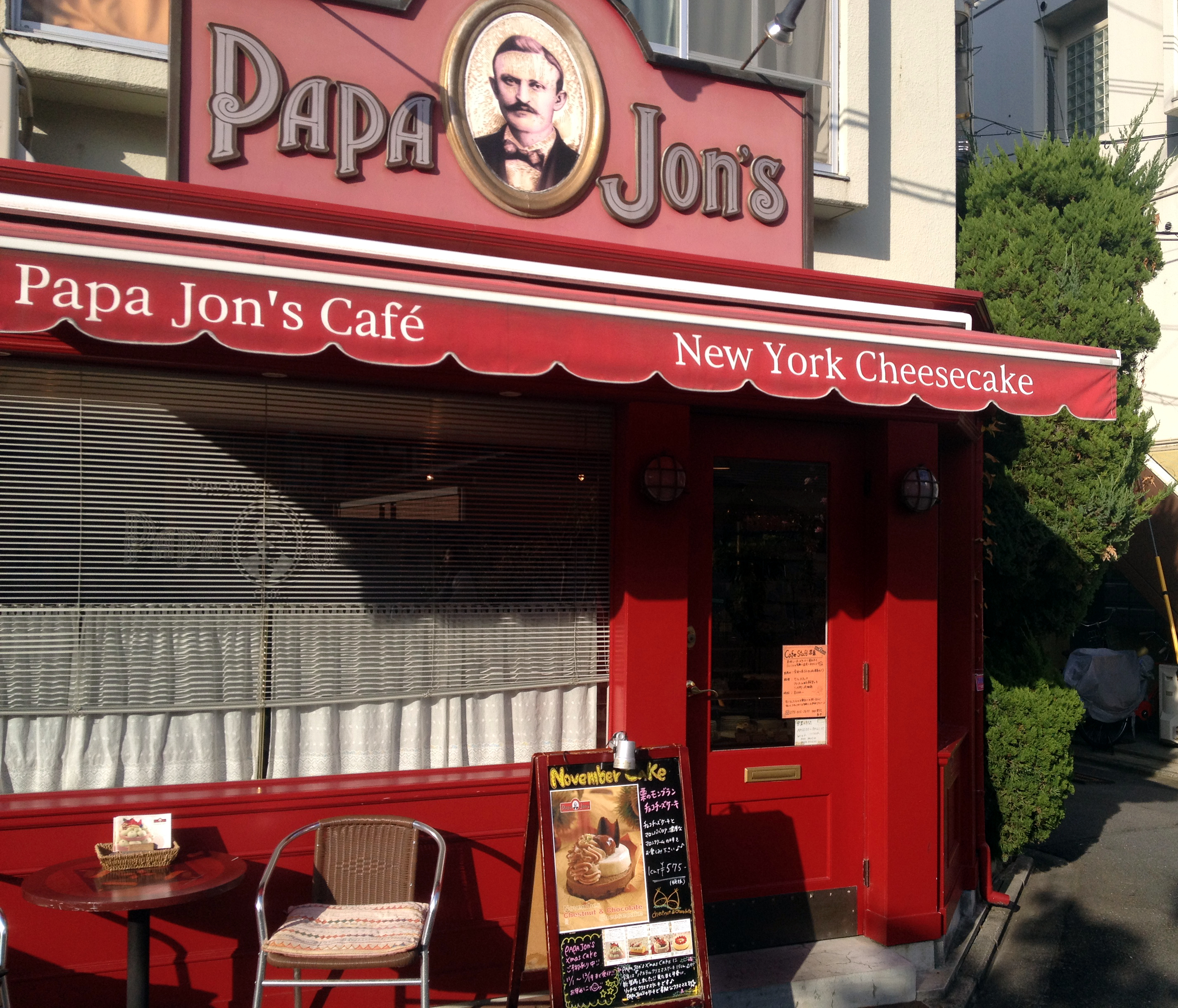
Papa Johns Cheese Cake Company

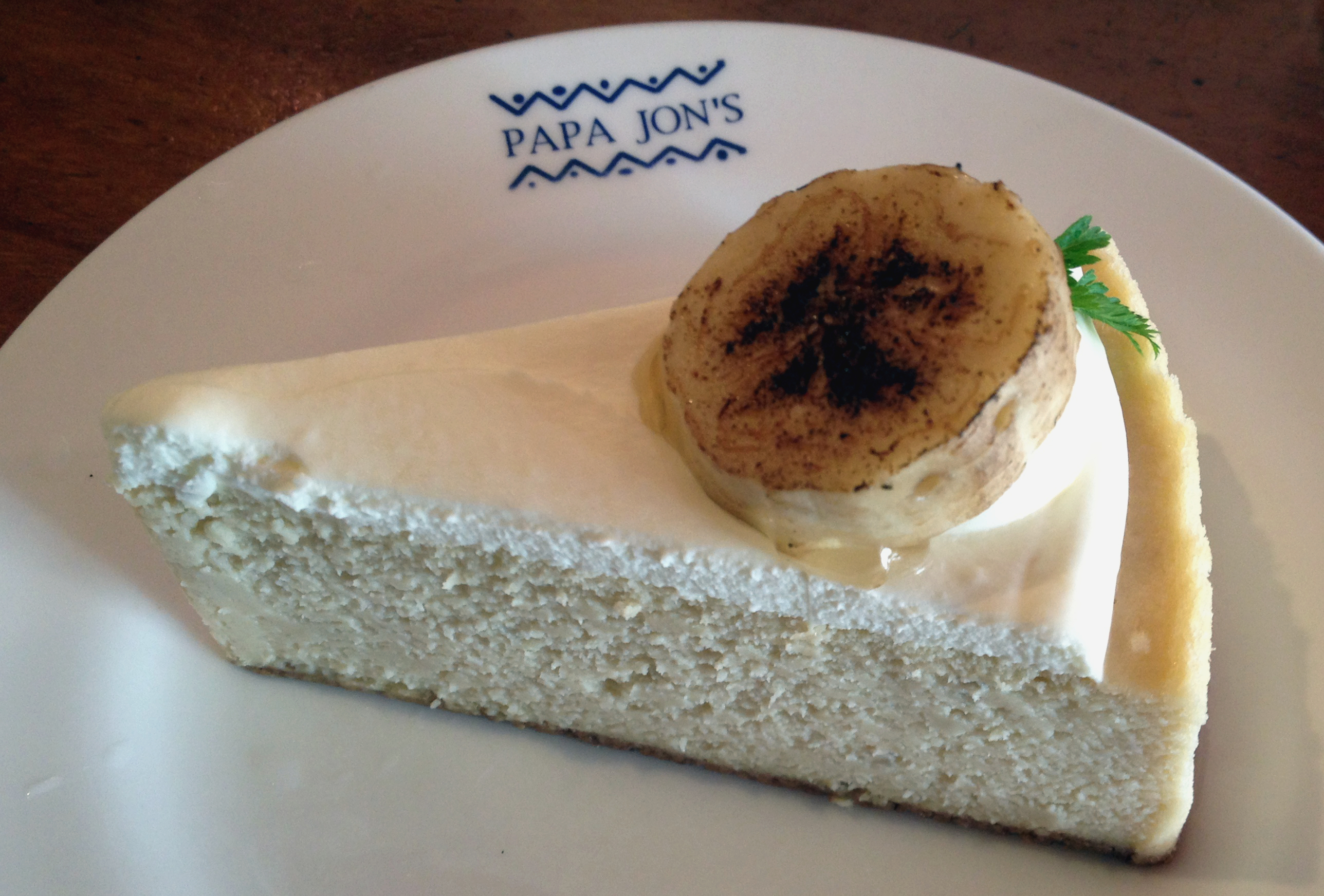
This is a small shop just behind Doshisha University’s Imadegawa campus. I love cheesecake so I was happy to find that we have a shop so close. The cheesecake was absolutely delicious and the shop itself feels cosy. I would recommend it if you are living in Japan and craving cheesecake. I really like fruit cheesecake so I got a banana slice and a raspberry one, both were superb. Yes, two slices, sometimes you just can’t decide, and maybe you shouldn’t have to.

Photo 11-11-2014 2 49 52 pm Photo 11-11-2014 2 53 33 pm Photo 11-11-2014 2 53 37 pm

Cafe-Creperie Le Bretagne

I got some really nice crepes at this place in Sanjo Teramachi doori. They also have this creperie in France so you know its going to be good, though it is a little pricey for students (around 1500円, £8, for most of the dishes).  My crepes were scrambled egg, ham and some onion mustard. They were really tasty. I would definitely recommend this place if you feel like some non-Japanese food for a change.

P1020599

土支社エーブ Doshisha Eve

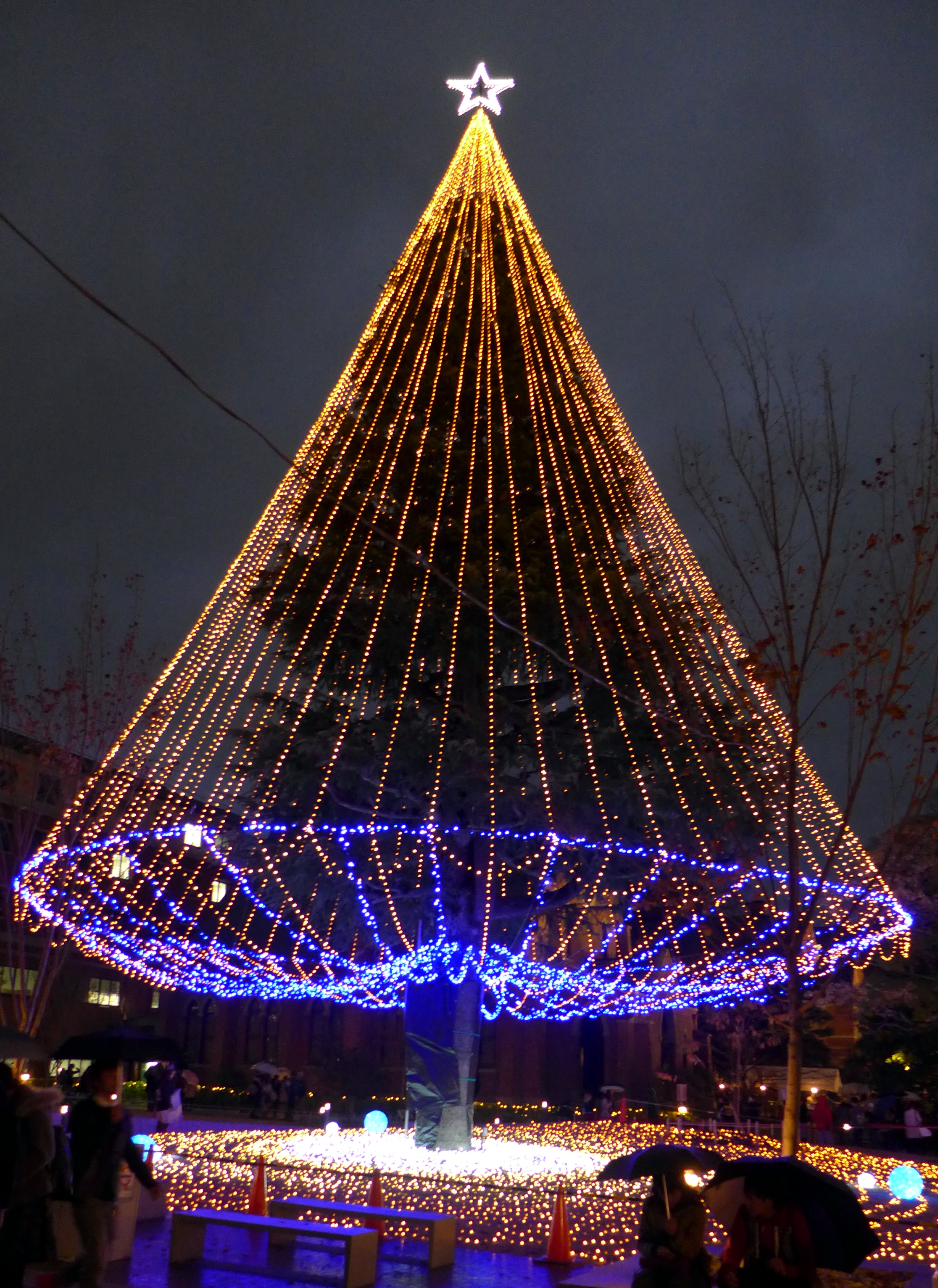
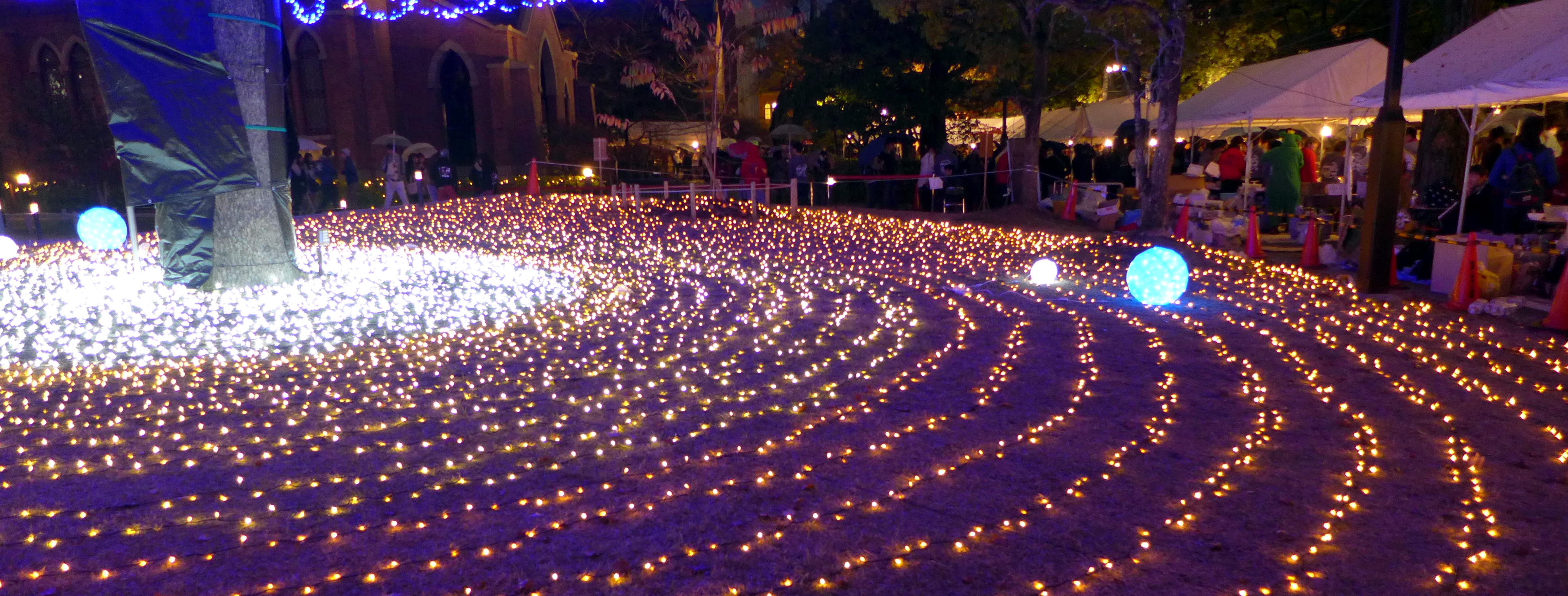
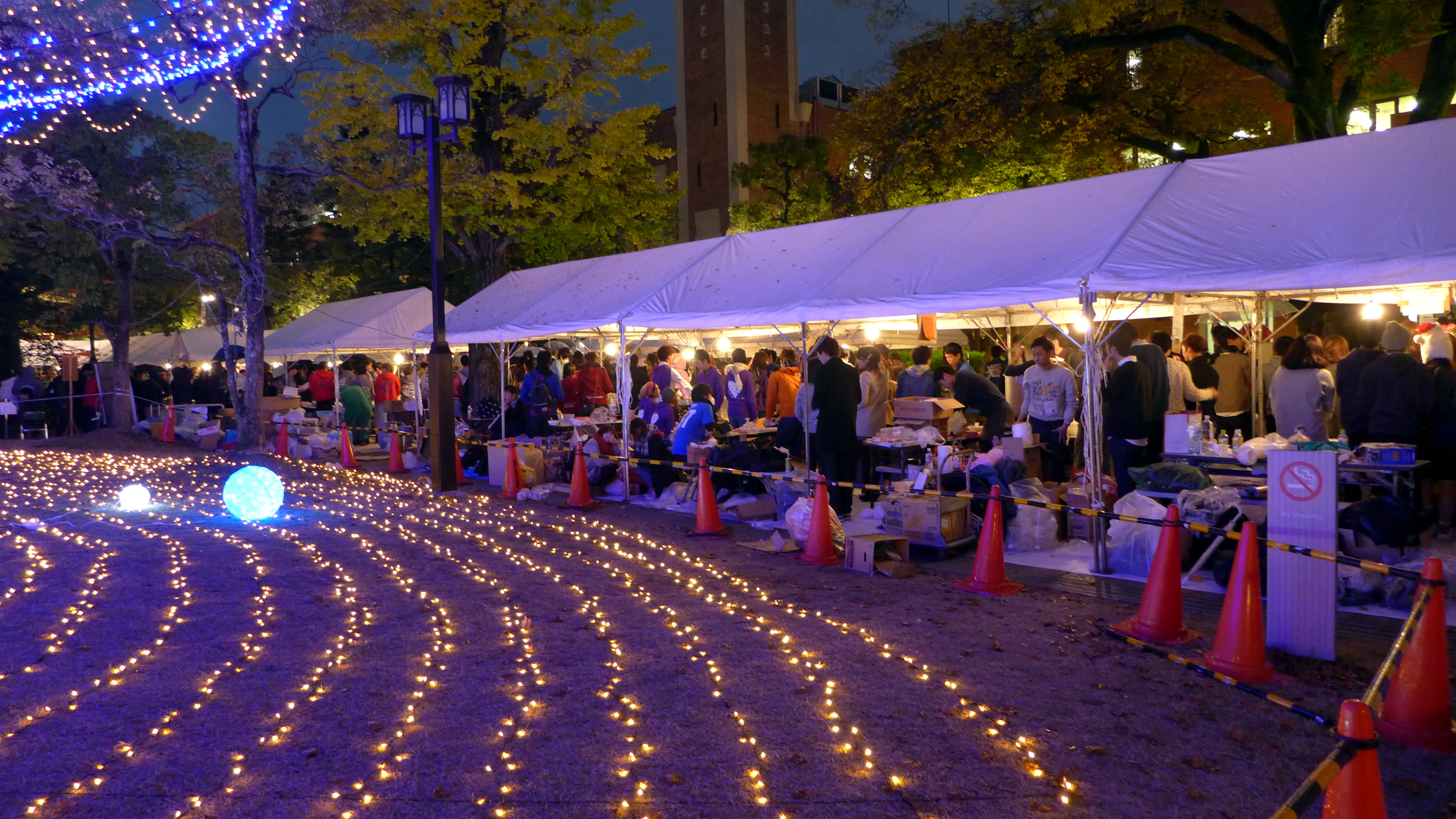
Japan really likes Christmas, or at least Christmas decorations. My university gave us 3 days off for ‘Doshisha Eve’, the university’s cultural fair where clubs create stalls and they get acts to perform to the students. I dropped by briefly but I was mostly doing other sightseeing stuff (like Kobe, or Kiyomizudera). The Christmas tree they’ve installed is pretty impressive and almost makes up for them making us go to class on both Christmas eve and Boxing day. Almost.

P1020585 P1020586 P1020587

花 Flowers

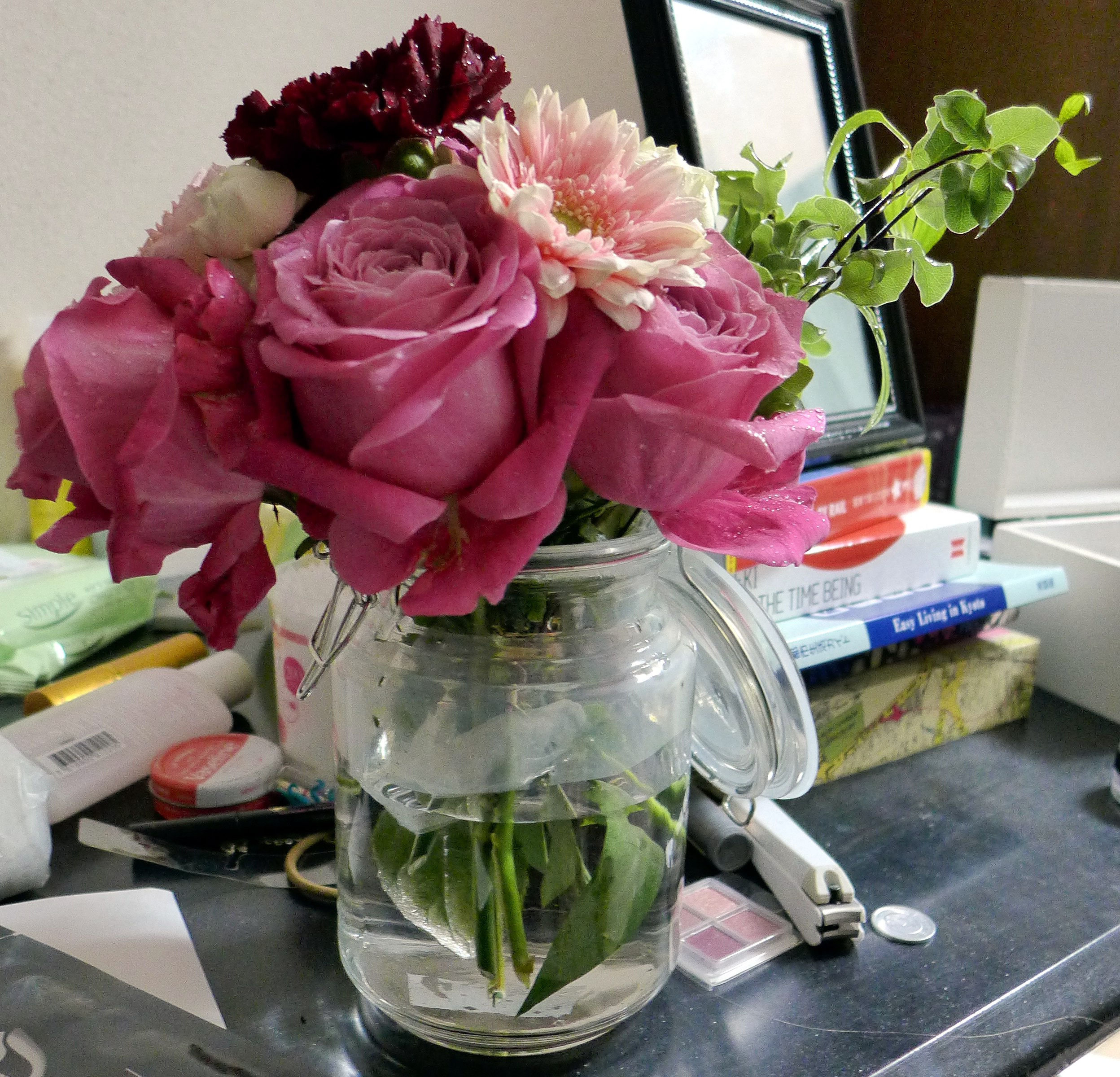
I have recently got a job at Tadg’s Gastropub, which serves hard-to-find foods such as decent fish and chips and chicken pot pie. They also do craft beer and ale, so it’s basically a perfect job for me. Last week we had a wedding party book up the pub and at the end they left us some of the flowers to say thank you. I got to take some home, they’re still alive even a week later! I hope the couple have a long and happy marriage.

P1030461 P1030464 P1030467

I hope you all had a lovely November and have sufficient jumpers to get you through the colder months coming up! Next month we’ll look at Christmas and New year in Japan, and if I’m lucky, maybe it’ll even snow!