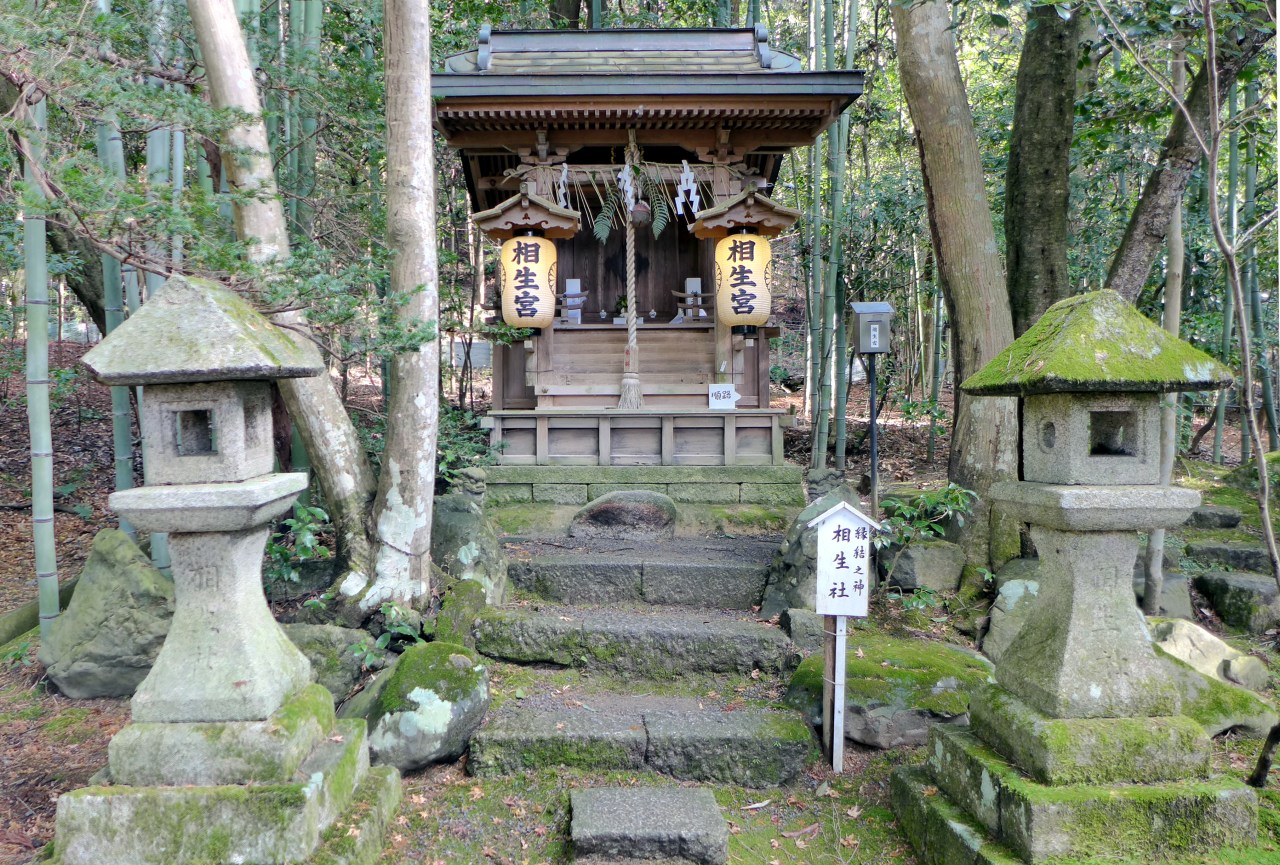
修学院 Gods of the Guiding Stars

On Saturday my friend and I elected to take the day off from worrying about the upcoming end-of-term exams (next week), and went on the hunt for temples. I had recently bought “Exploring Kyoto: on Foot in the Ancient Capital” by Judith Clancy, which has 30 different walks all around Kyoto. These walks cover loads of temples and contain a lot of information about the temples and even recommends places to eat. I would strongly recommend this book for people visiting or living in Kyoto. We decided to follow the Shugakuin area walk, and although we ended up deviating from it quite a bit this book was definitely a great starting point; I hadn’t heard of any of these temples before.

P1040530

Today I will talk about two of the temples we saw and soon I’ll write about the rest; we visited 6 temples and got 4 stamps which is probably a personal best for me! It also only took about 3 hours to go round all of them. Observe my wonderful map to see where we went.
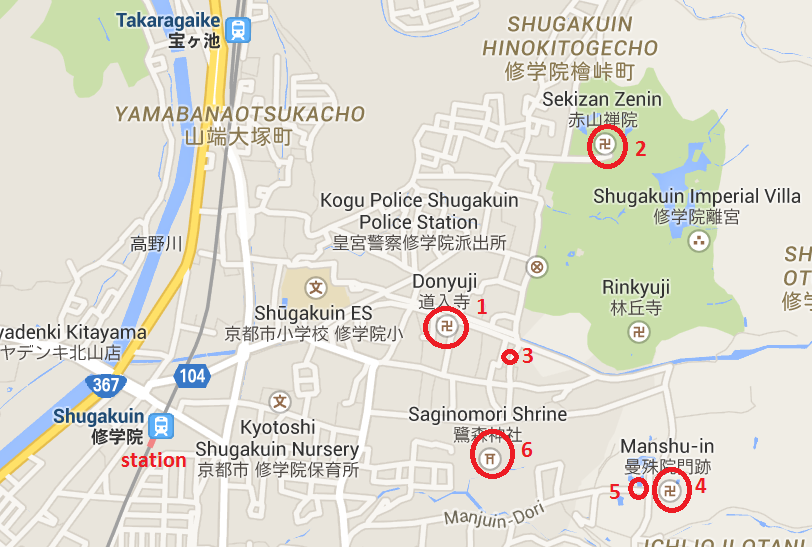
map

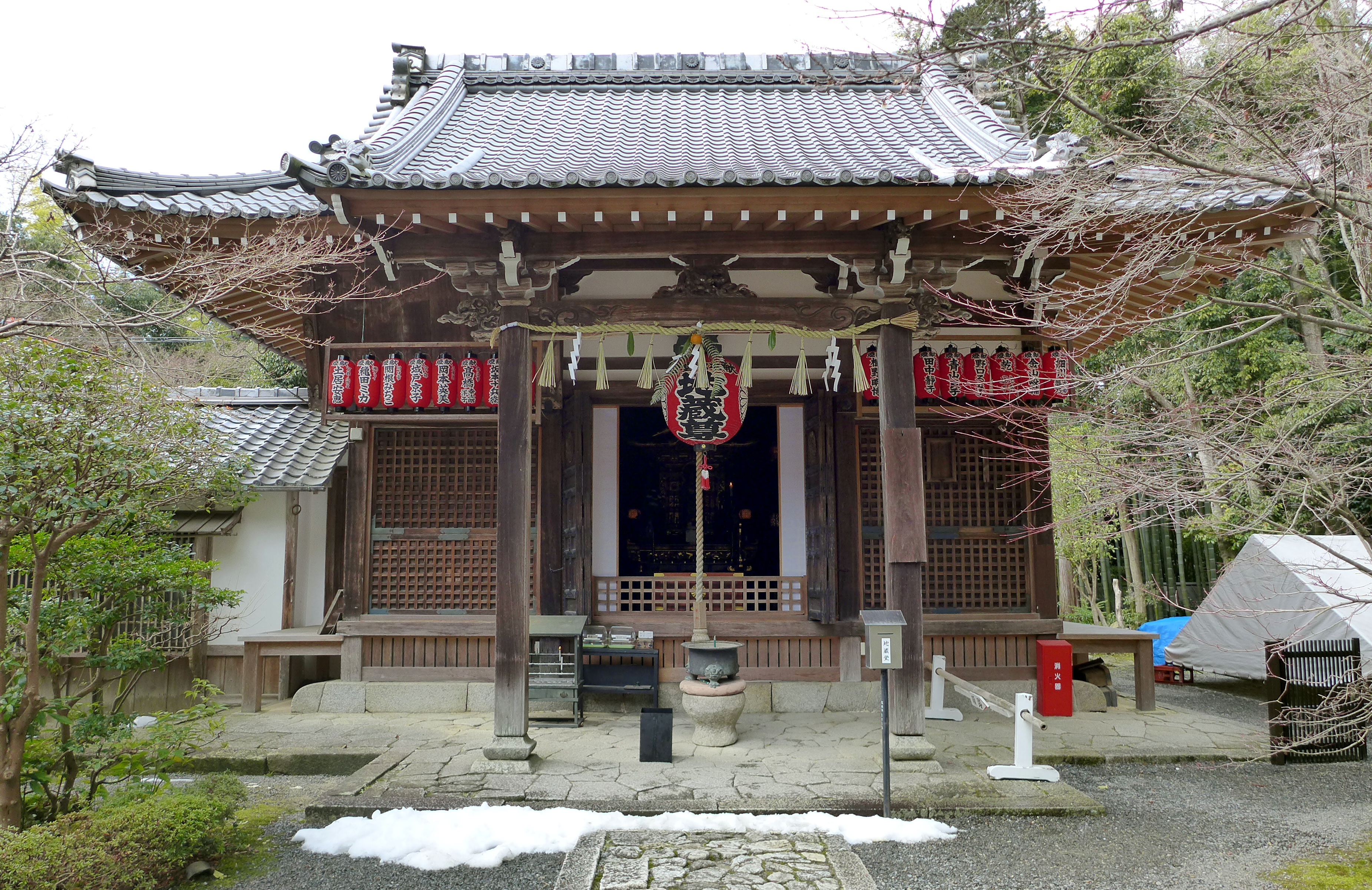
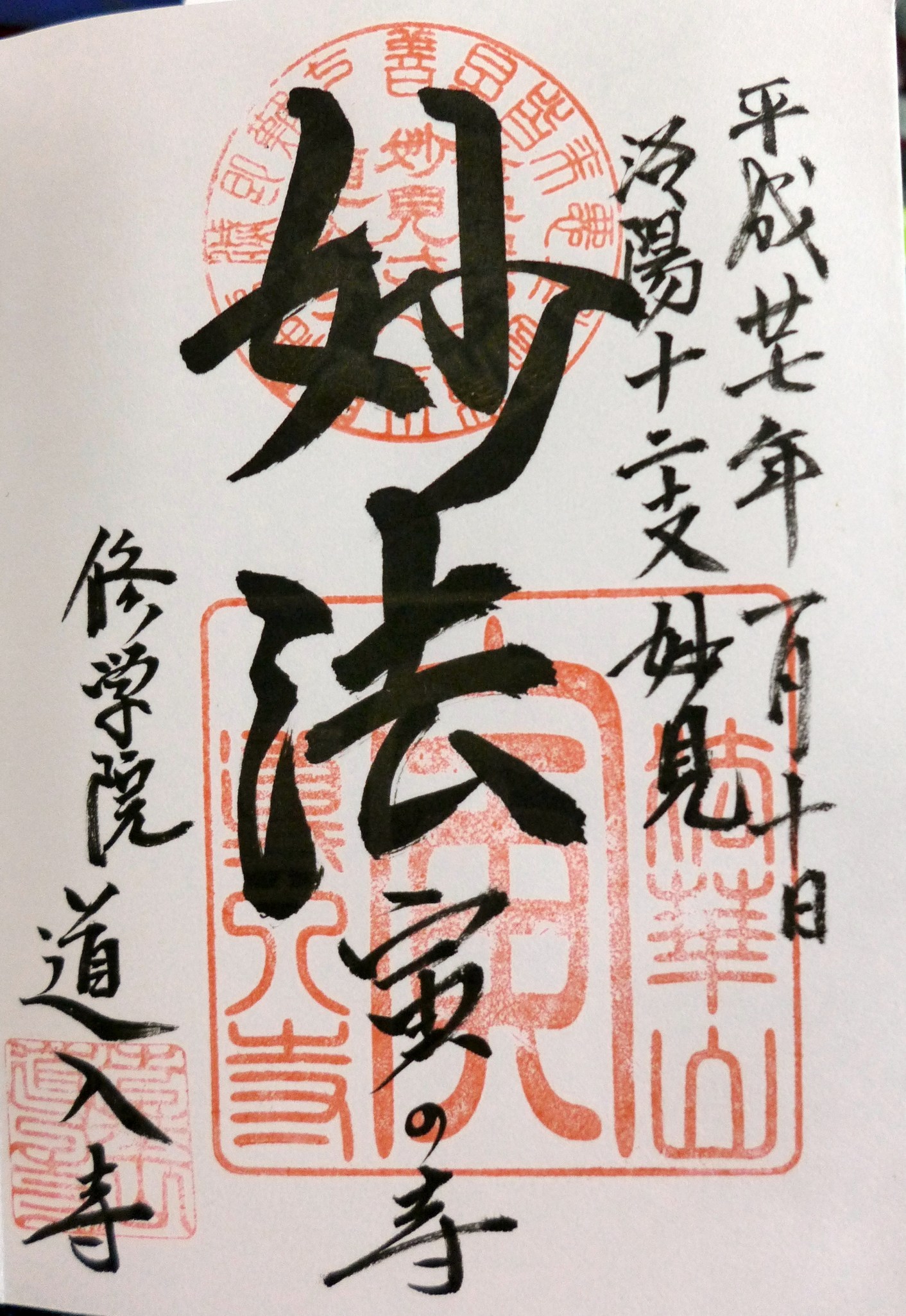
The first temple we went to wasn’t actually on the walk route at all, but google maps informed me it was nearby, and as we were keen to see as many temples as possible, we stopped to check it out. This temple was Donyu-ji 道入寺, a temple dedicated to the tiger, the third animal of the Chinese zodiac. This temple is part of a 12 temple pilgrimage around Kyoto, with each temple dedicated to one of the animals of the Chinese zodiac.
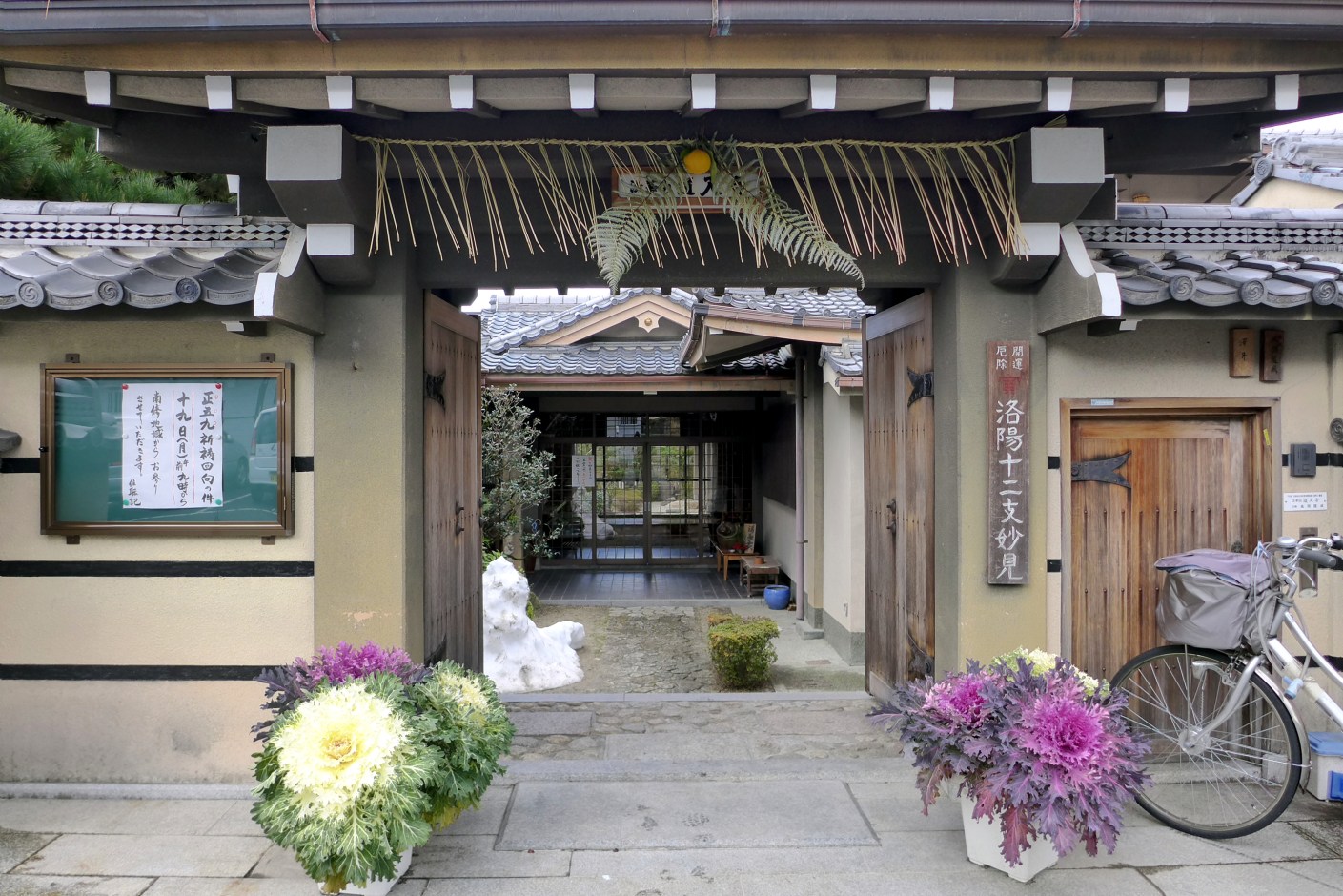
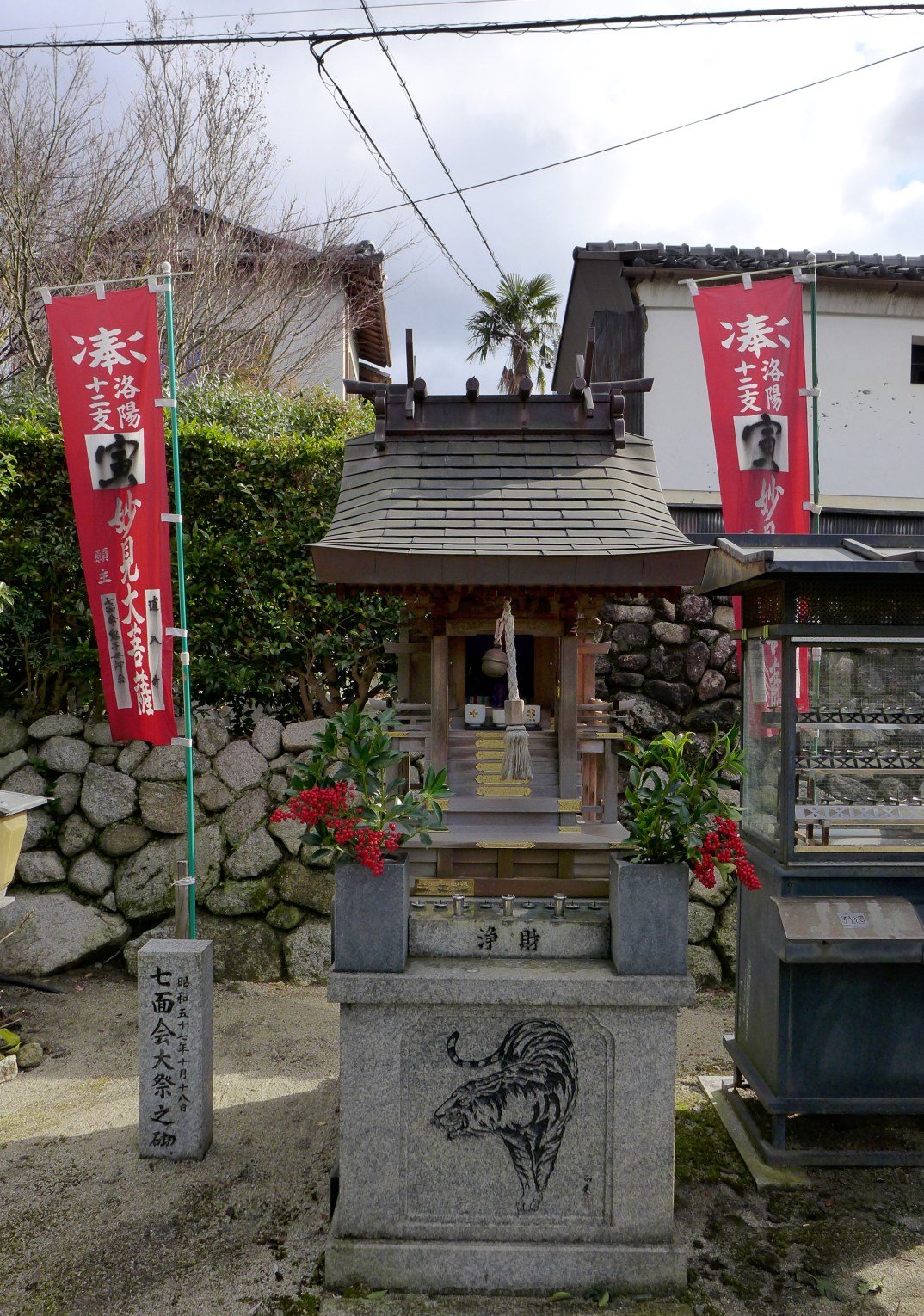
P1040318P1040327

The purpose of the pilgrimage is to honour the god Myoken, the bodhisattva that is the incarnation of the North star. This was a popular pilgrimage prior to 1868 but its practice waned with the anti-Buddhist campaigns in the early Meiji period (see this post for more information on the division of Shinto and Buddhism in 1868). This practice was revived by the Nichiren Buddhist sect in 1986 and is now a relatively popular pilgrimage circuit in Kyoto.

P1040322 P1040319

The idea is that you start your pilgrimage at the temple of your birth sign, I would be the rooster as I was born in 1993. You can also start it on the current Chinese zodiac year, which is currently the year of the horse (it will become the year of the sheep in February). I failed to start on either so I haven’t done it properly and probably won’t get any long life or happiness out of it. I would still like to visit all the temples, as I like the animals. The temples on the pilgrimage route sell a scroll that you can get stamped at each temple on the pilgrimage, it cost 3,500円 so I decided to pass.

P1040334 P1040529P1040326P1040323

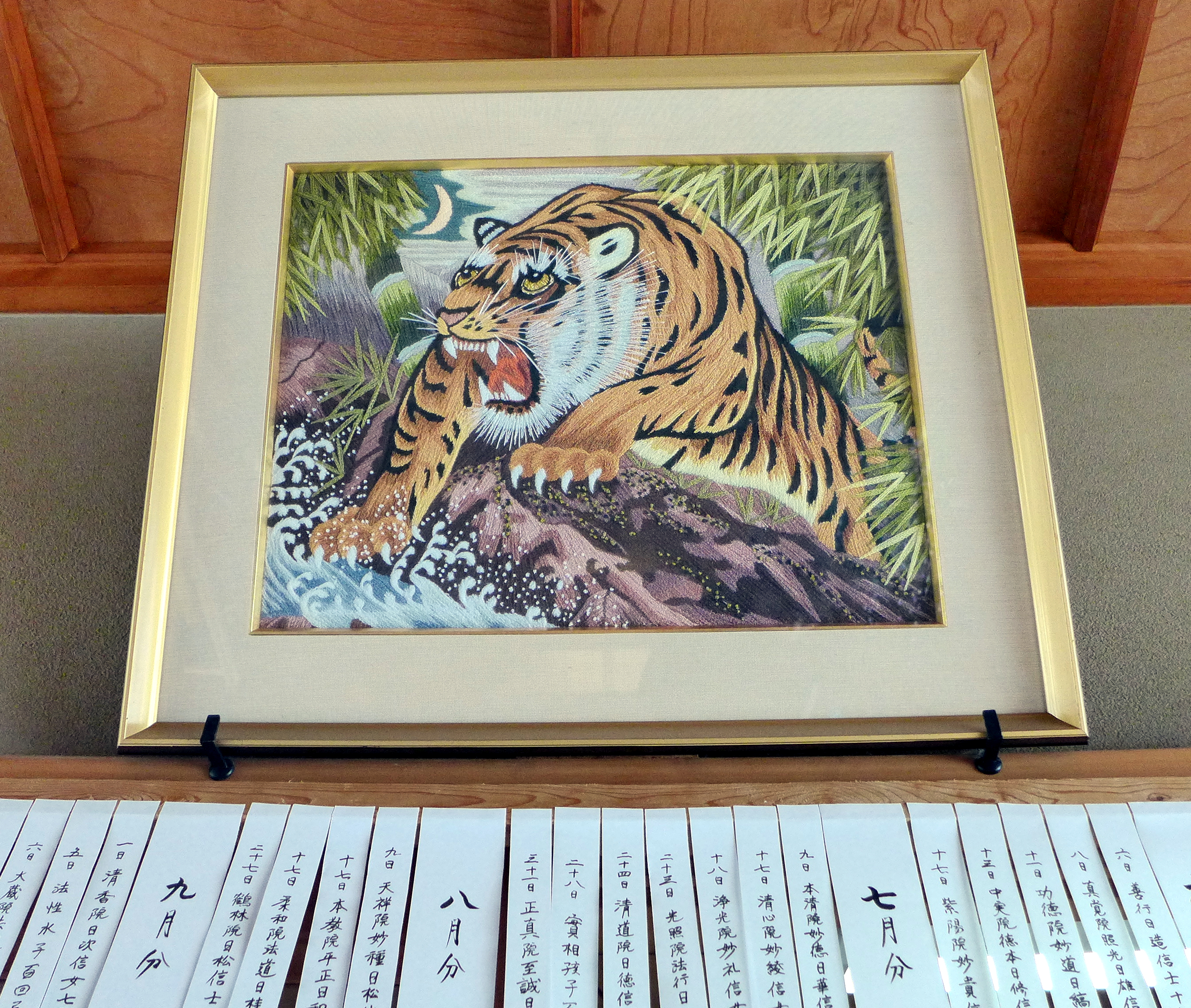
There were quite a few tiger pictures in the temple and a very nice garden out the back. We had to ring the bell to get our stamps done but the lady was very nice and complemented us on our Japanese as old ladies are wont to do.
P1040525

The fat tiger statue in the entranceway was supposed to bring long life and happiness. I’m not sure if fat tigers in the wild have long happy lives, perhaps those in captivity do though. I’m sure there’s a poignant message on today’s society or the meaning of life there somewhere.

P1040330P1040332

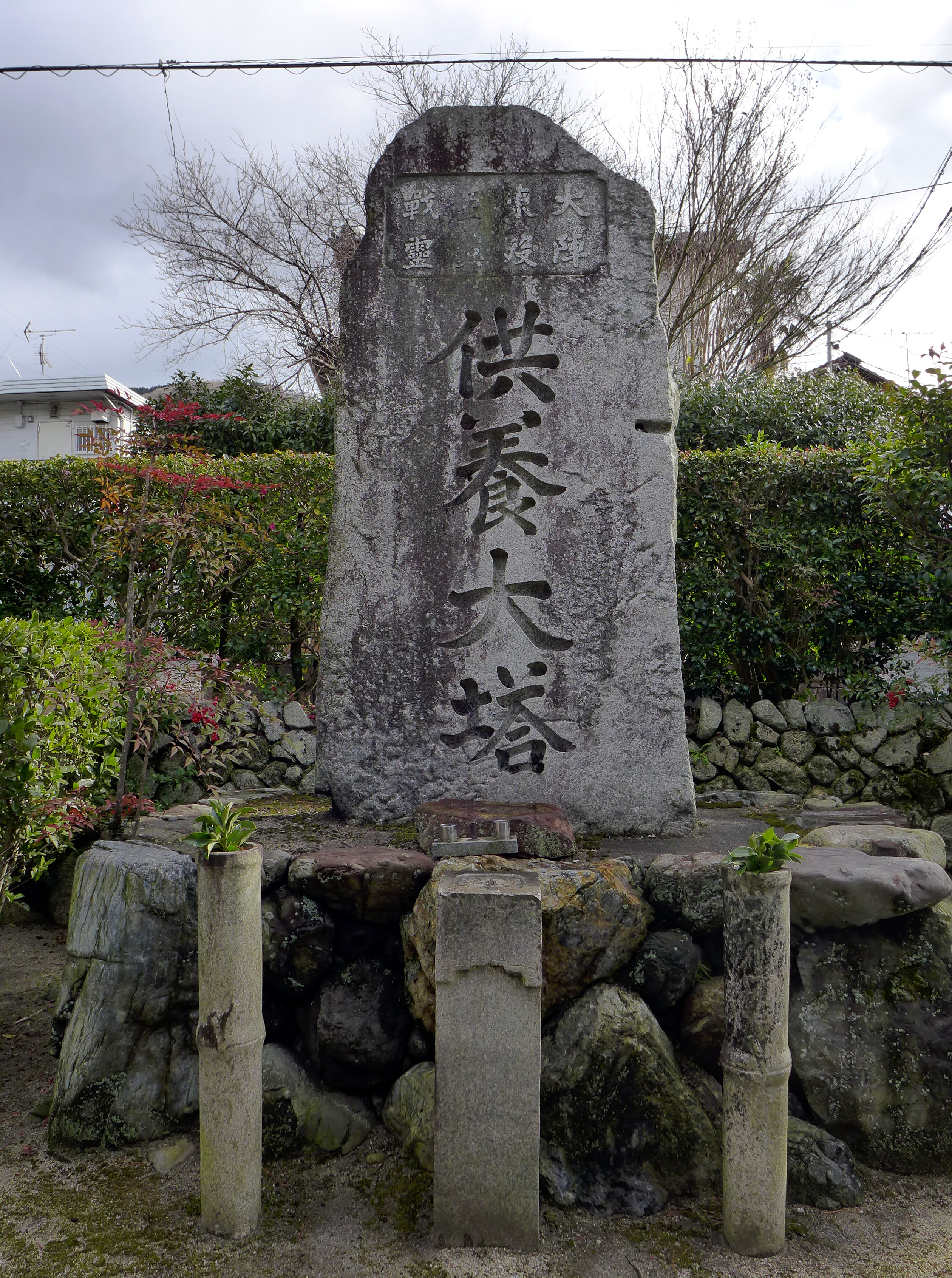
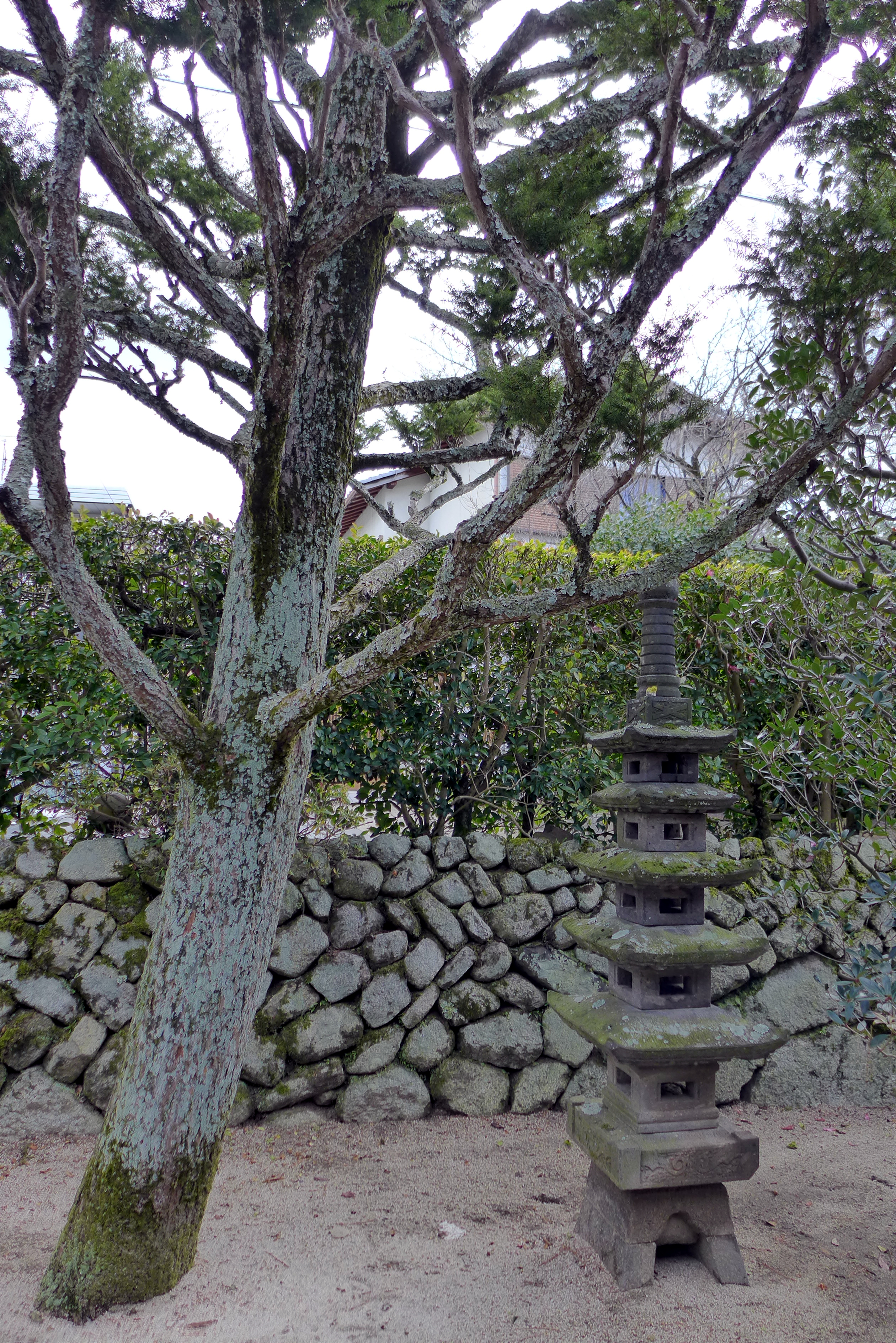
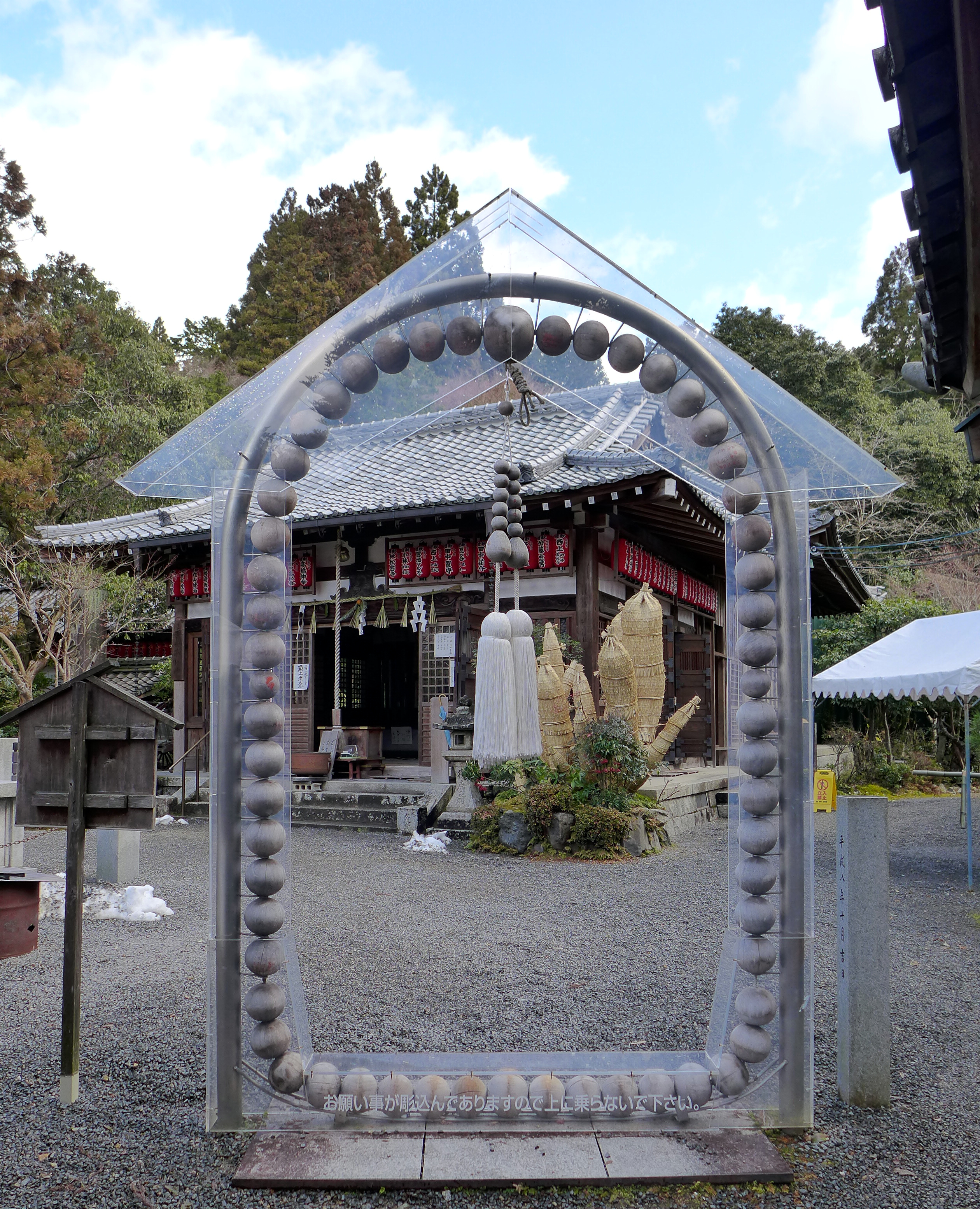
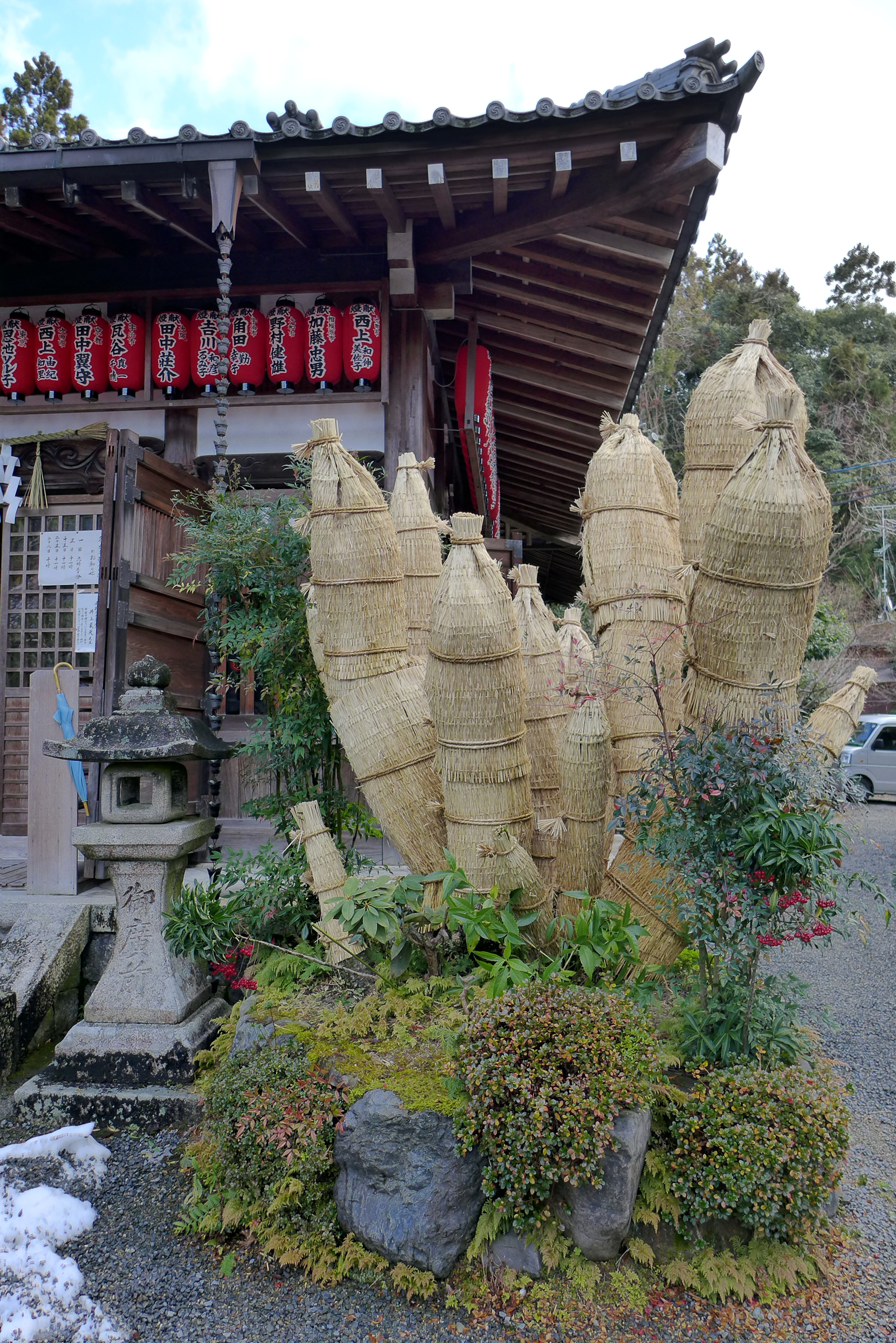
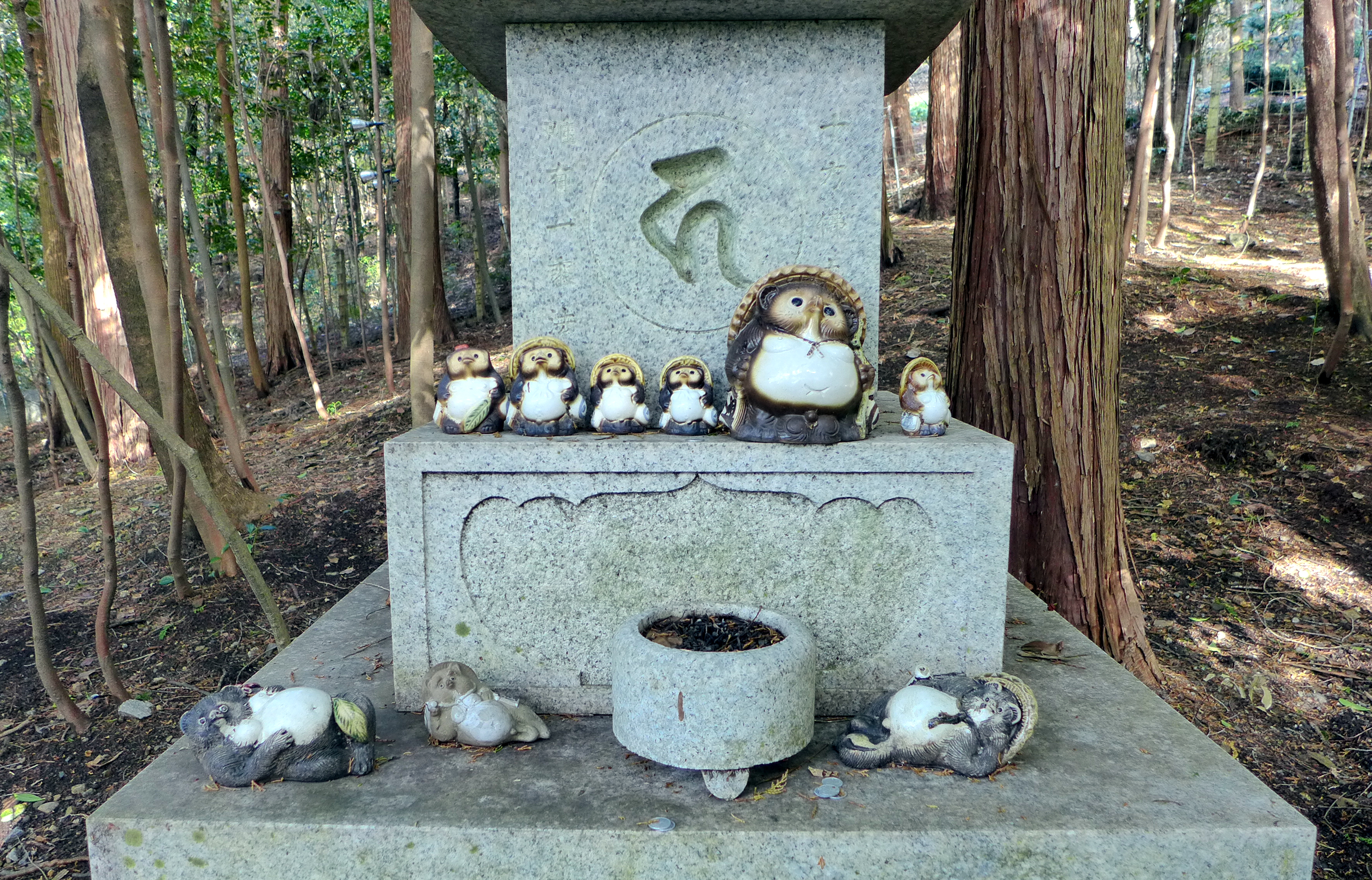
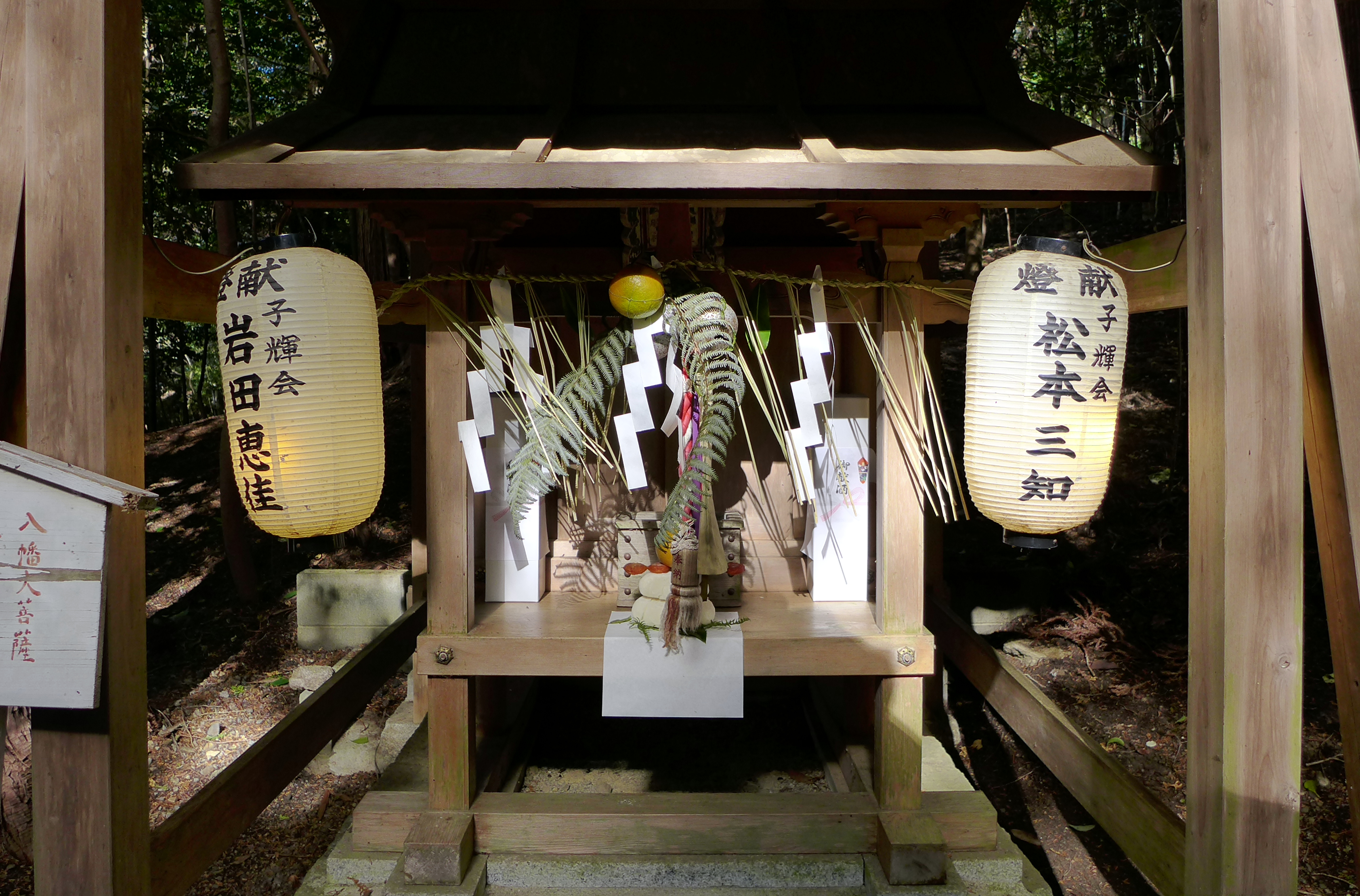
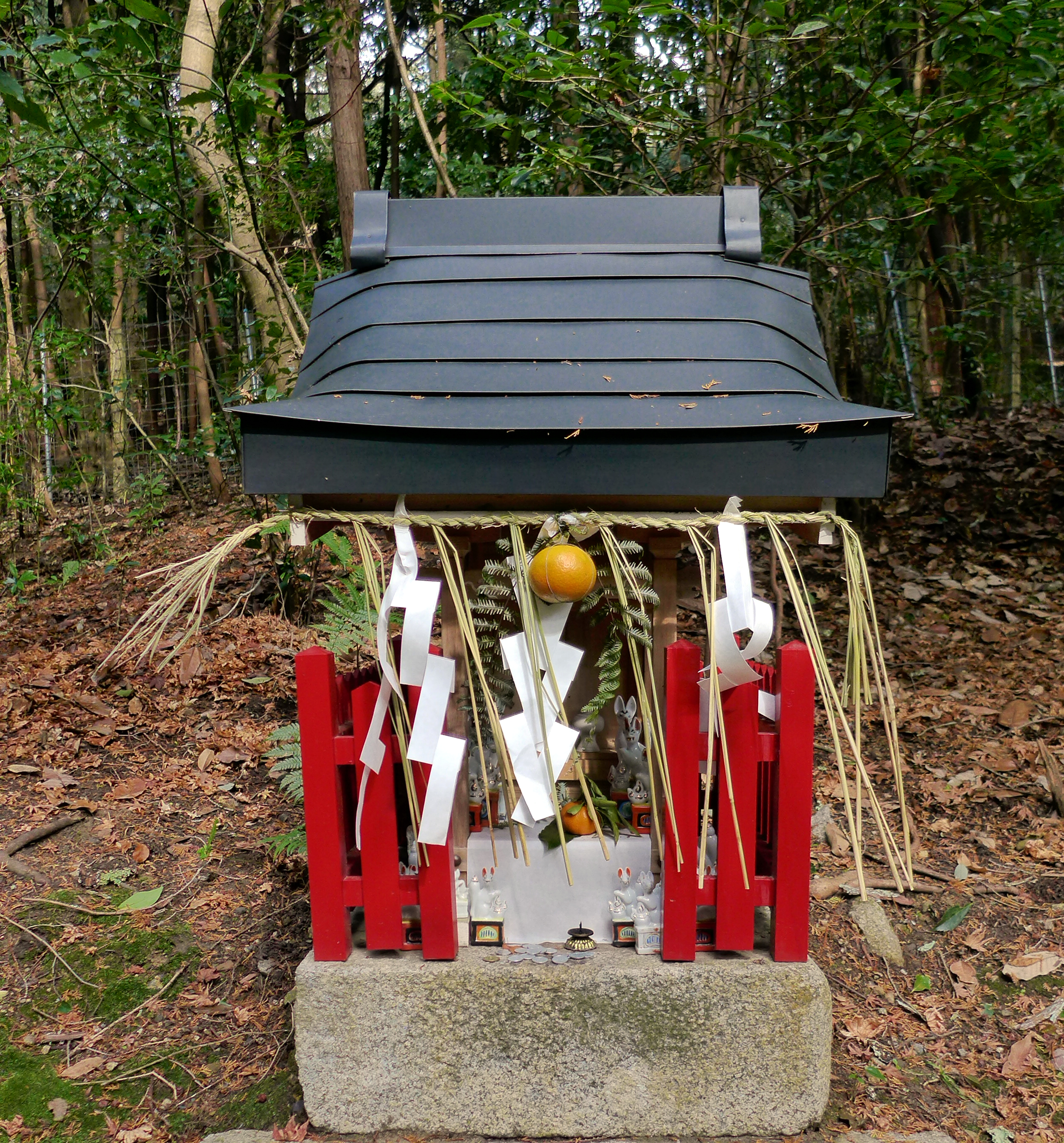
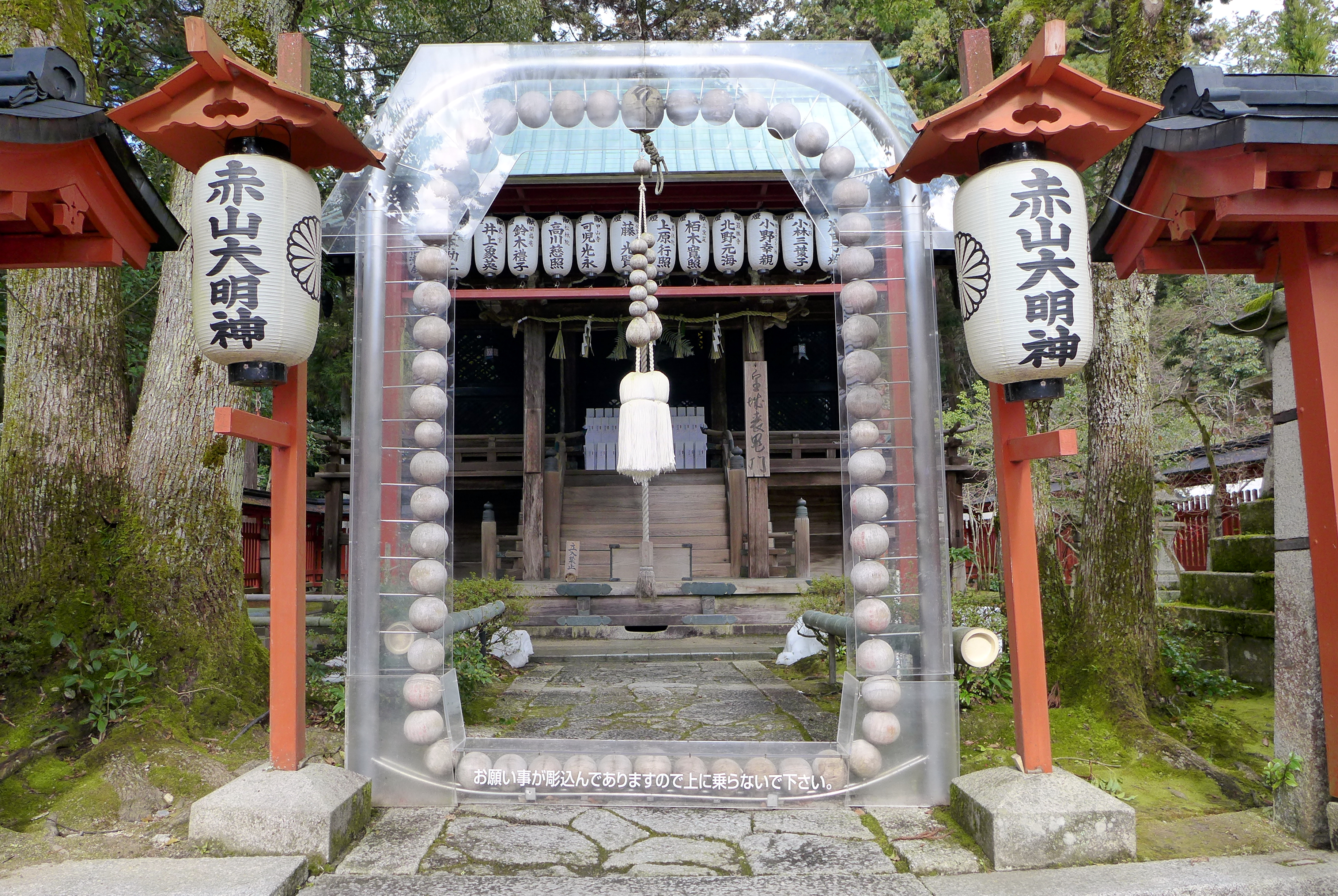
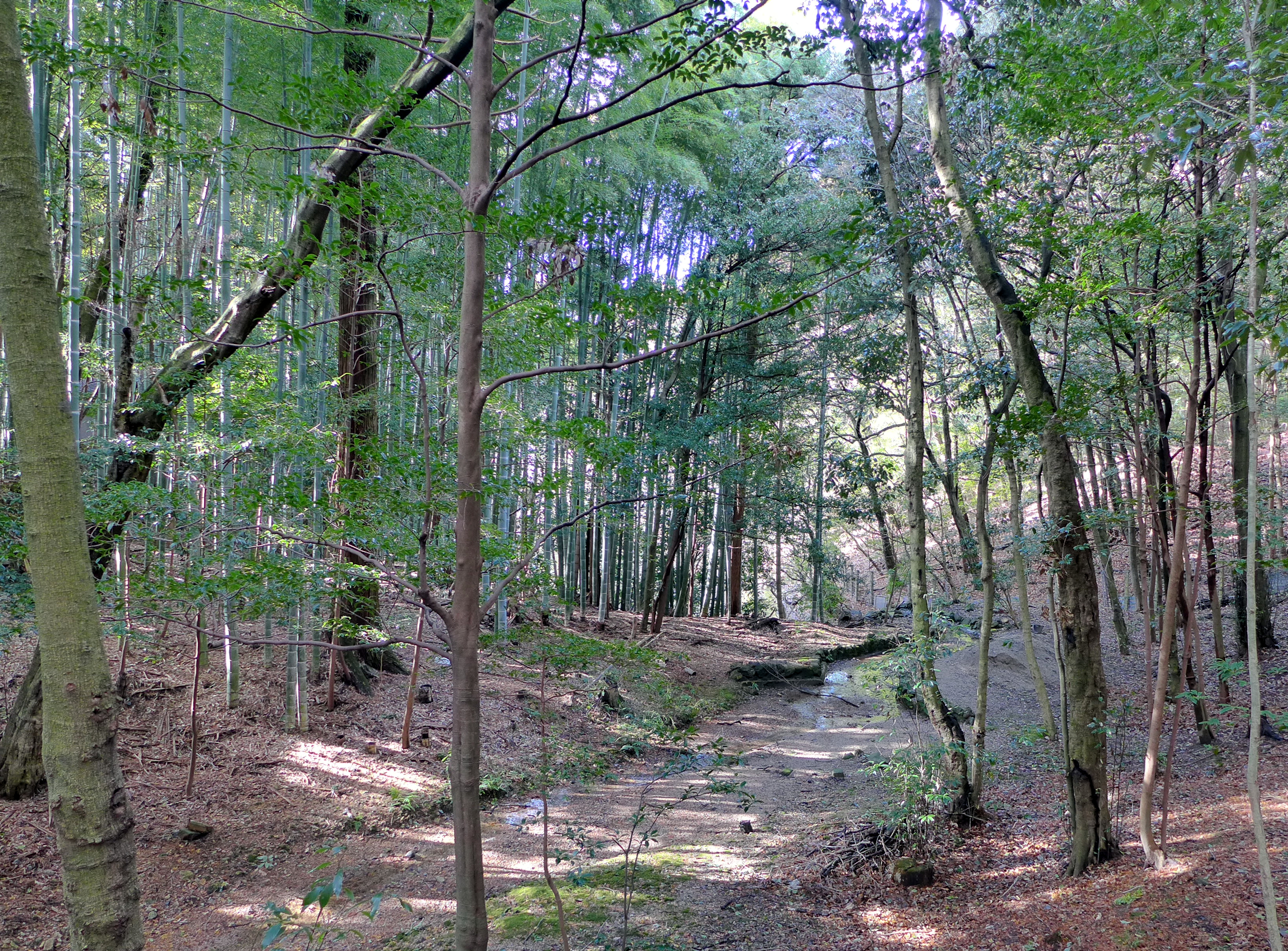
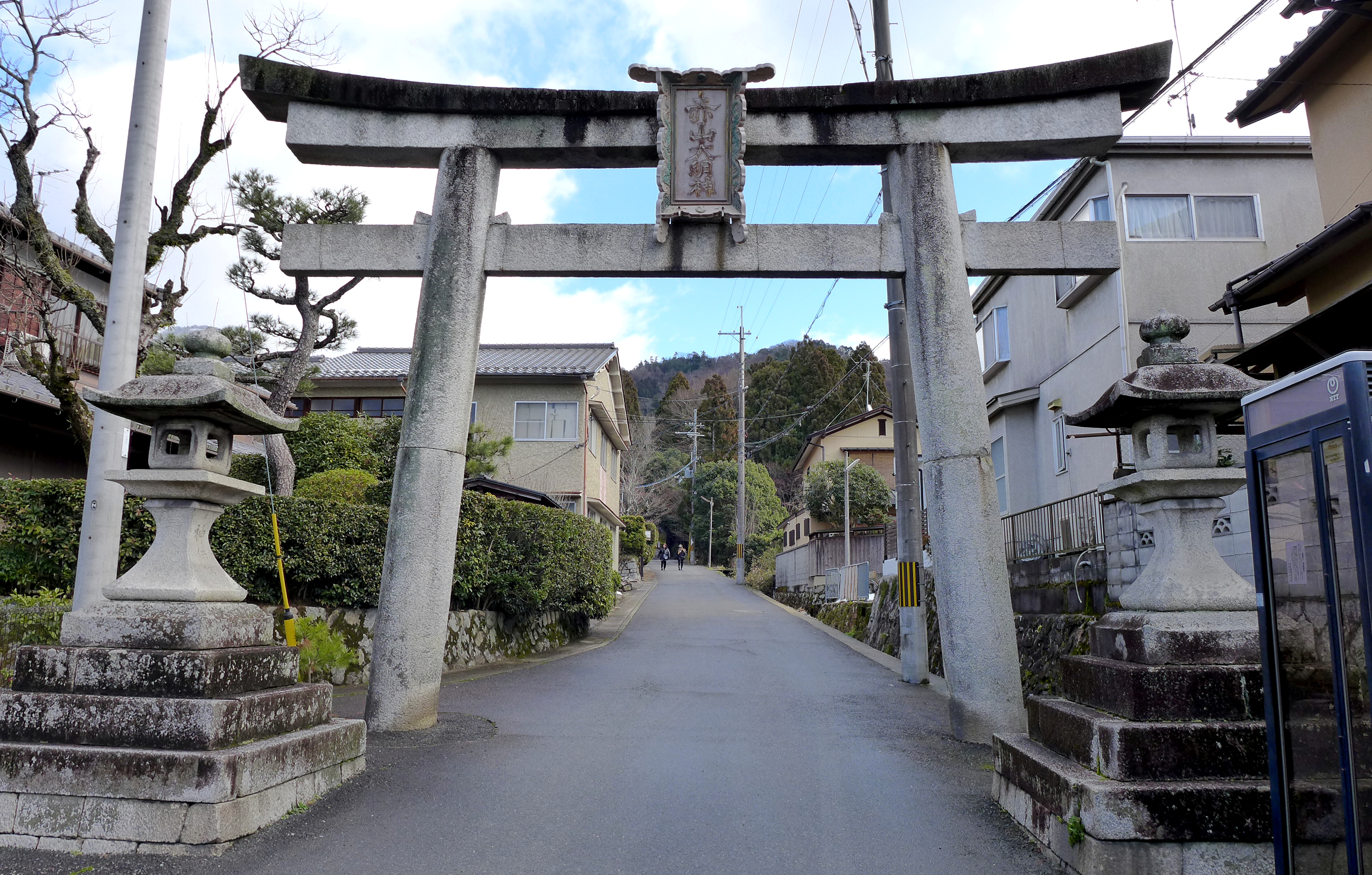
The second temple we visited was North of Donyu-ji, and was much larger. I kept calling it the ‘mossy temple’ when I was sorting my pictures for this post because it was very lush and green everywhere around the temple. It was slightly higher up towards the mountains and was submerged in nature in a way that temples in the town are not. It is located in the North-East, the so called ‘Devil’s Gate’ 表鬼門 direction, infamous in Chinese tradition for letting in bad luck and evil spirits. This temple is said to guard the city from these spirits.
P1040339 P1040340 P1040352 P1040354P1040356P1040359P1040360P1040362P1040368P1040370

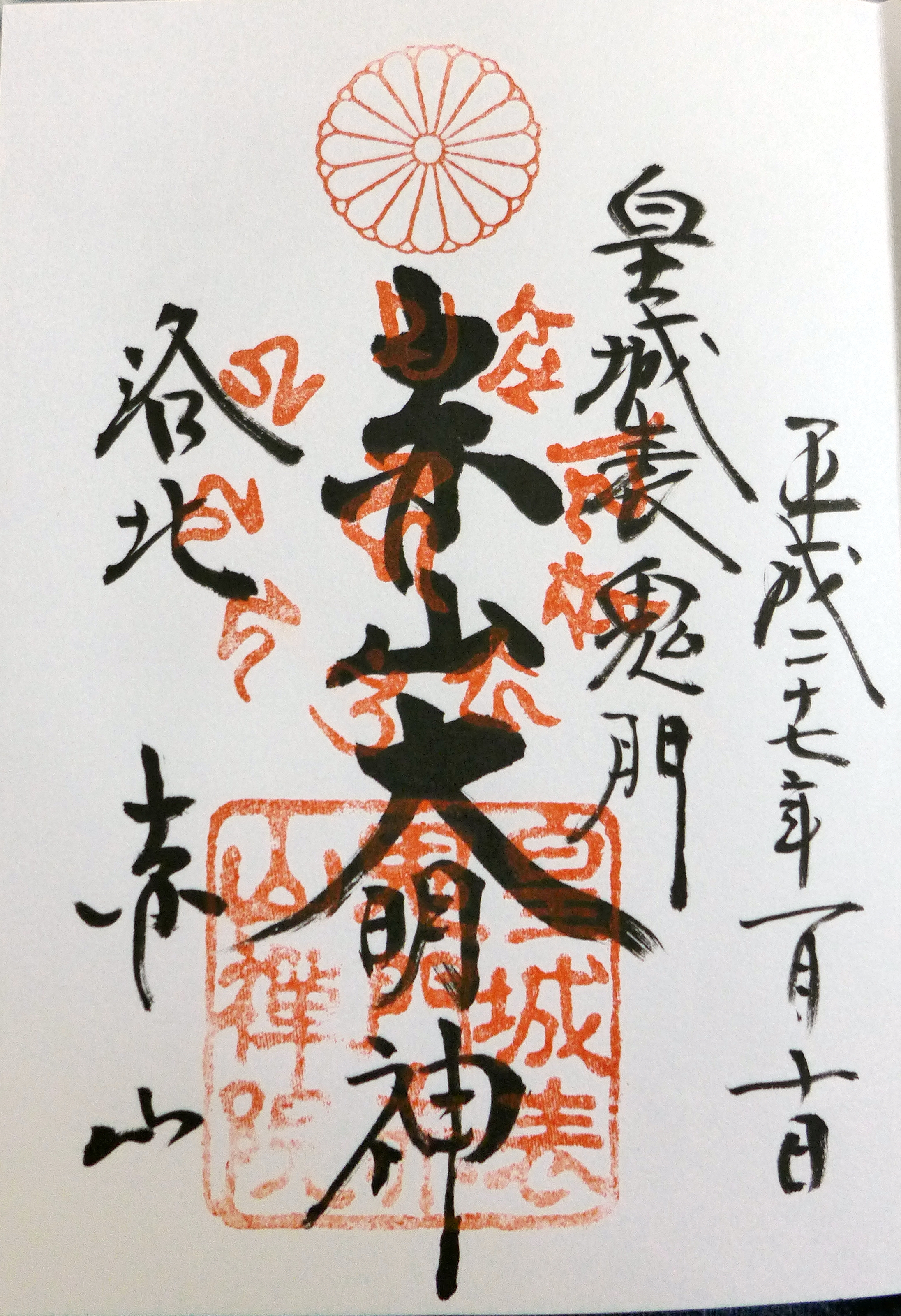
This temple was Sekizan Zenin 赤山禅院, a Buddhist temple belonging to the Tendai sect, which was founded in 888. Like most temples it has its foundation story. The famous monk Ennin, a great priest of the Tendai school, travelled to China to bring back important Buddhist texts. Upon his return his ship was turned back twice by terrible storms. Desperate to return to Japan alive, Ennin prayed to the god Sekizan Myojin, a Chinese god, promising that should he return safely to Japan he would build a temple in the god’s honour.
P1040378 P1040377 P1040376 P1040373P1040351P1040386 P1040390P1040395P1040398P1040372

Ennin returned safely to Japan on the third try but he became busy with Tendai business and failed to construct the temple to the god that had helped him. On his deathbead he requested that a temple be built in Sekizan Myojin’s honour, resulting in the construction of Sekizan Zenin. Some scholars question the existence of a Chinese god of that name and suggest that the god Sekizan Myojin was made up in the conflict between the mountain and temple schools of Tendai Buddhism; the temple branch already exclusively had the god Shinra, so perhaps Sekizan was invented to even up the playing field.

P1040344P1040348P1040413 P1040407 P1040345P1040408 P1040403P1040379P1040380

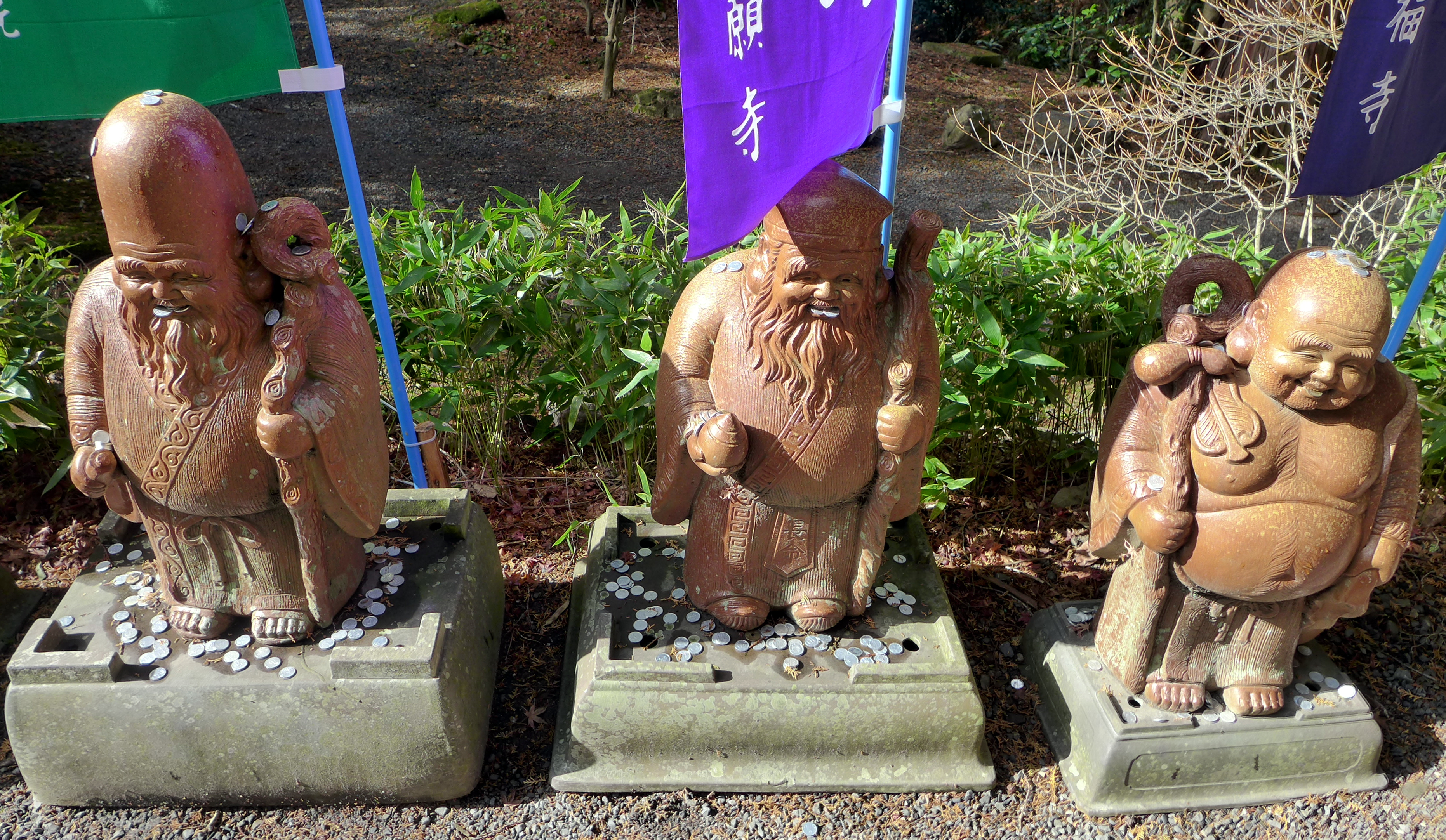
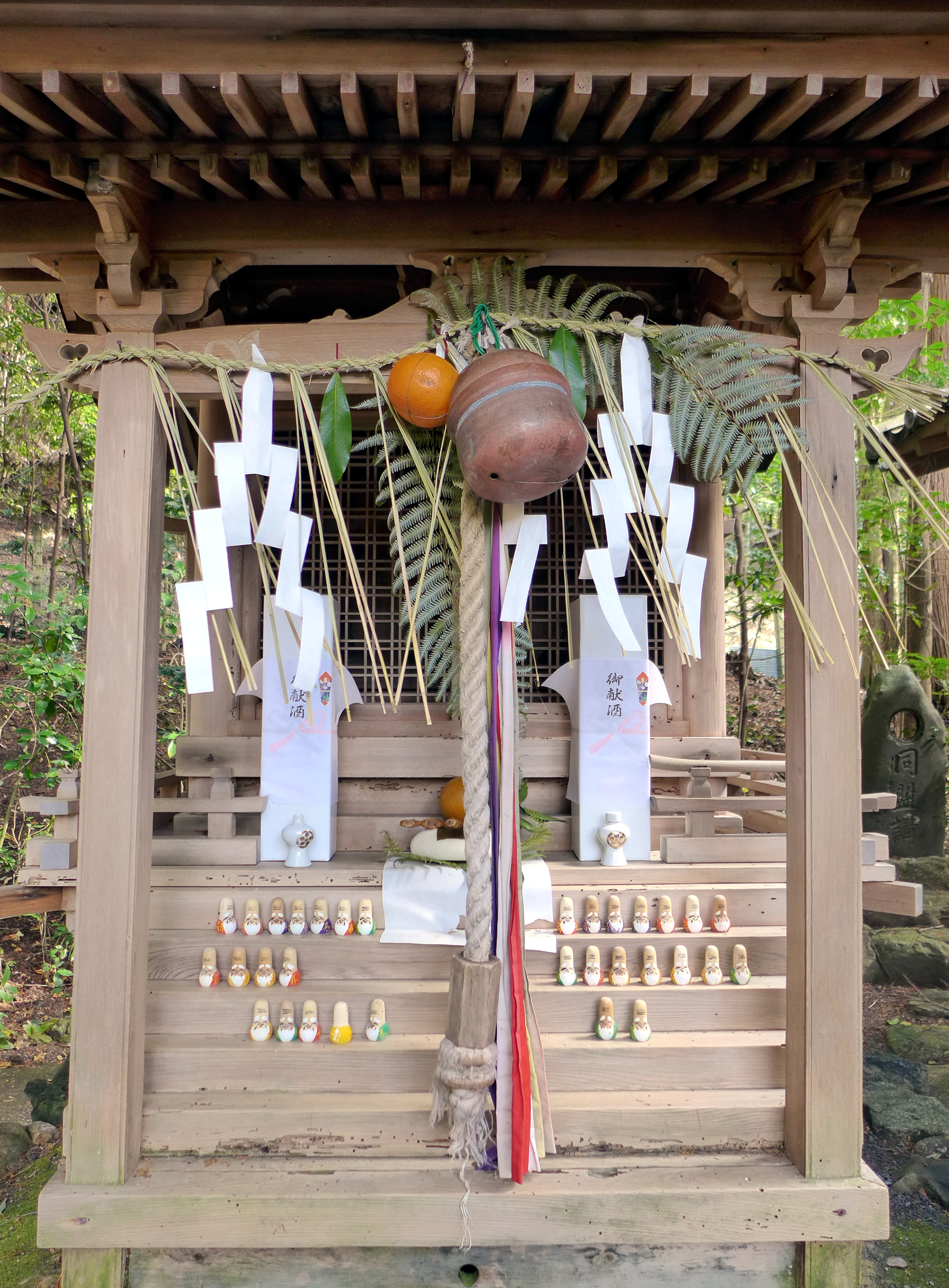
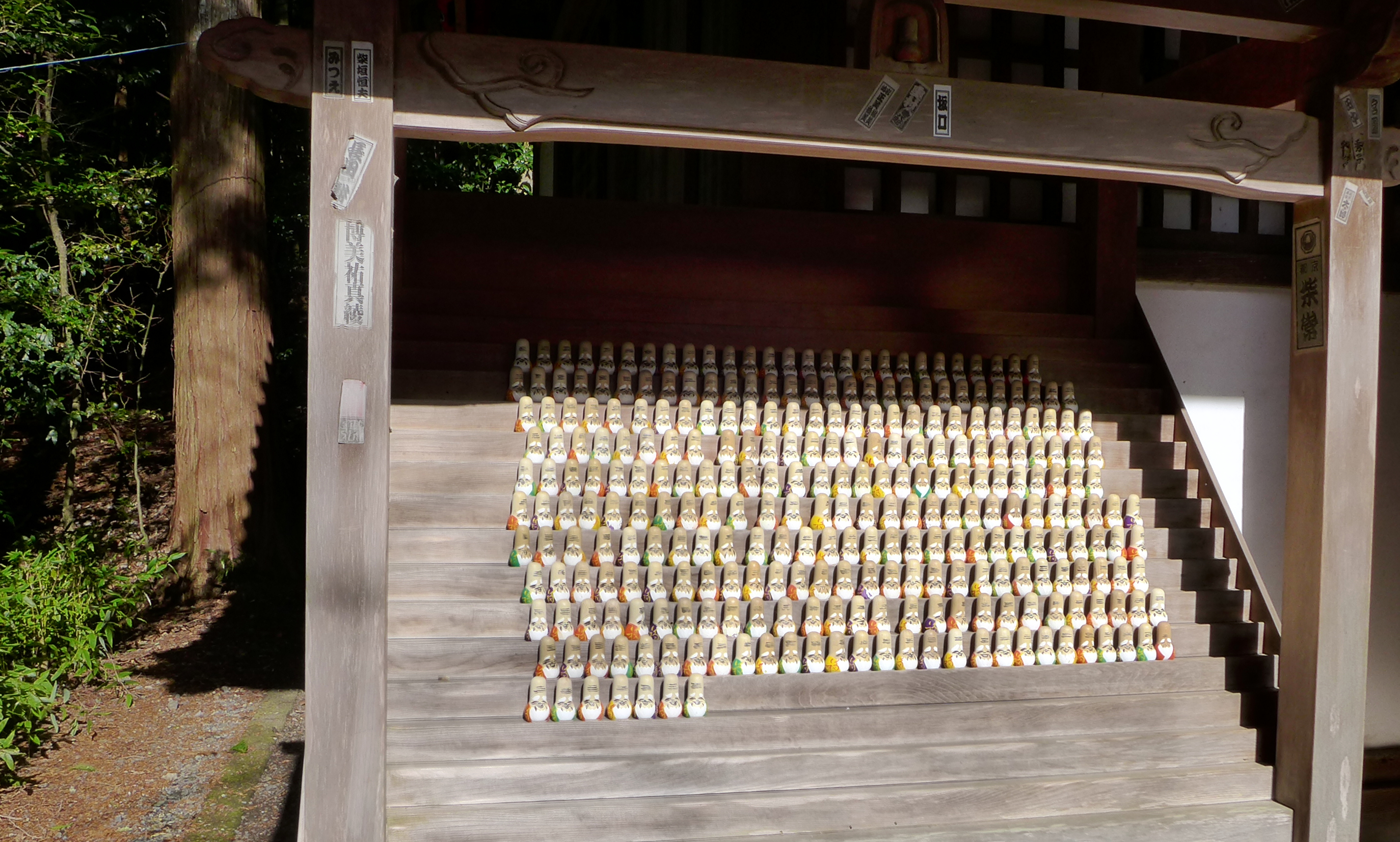
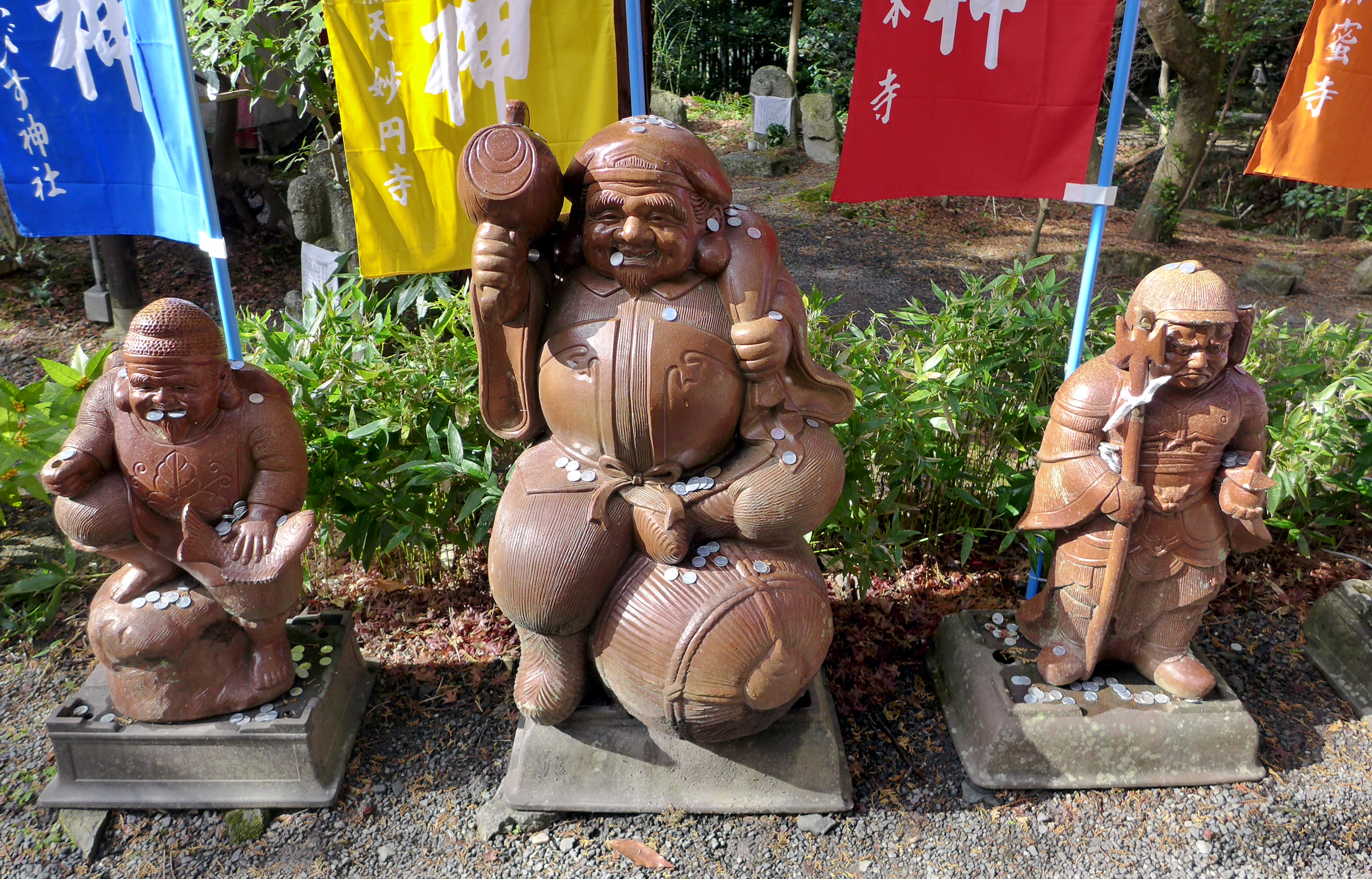
 In addition to the god Sekizan, the temple is also dedicated to the god Fukurokuju 福禄寿, the god of longevity. His name literally means ‘happiness’ 福 ‘Wealth’ 禄 and ‘longevity’ 寿. He is the opposite of our friend Myogen of the Zodiac, in that he is the incarnation of the Southern Pole-star. He is probably an amalgamation of the Chinese three pole star gods, Fu, Lu and Shou, that also represent happiness, wealth and longevity. Fukurokuju is often depicted carrying a book which is said to contain the lifespans of every person. He is represented by animals that symbolise longevity, a crane and a turtle, as well as a black deer because deer are said to go black if they are over 2000 years old (probably because they are zombies). There were statues of Fukurokuju and his friends, the other 6 gods of fortune, everywhere in the temple. I  think his rather phallic head is meant to represent how wise he is, though if I were him I’d get a brain scan or something just to be safe.

P1040353 P1040393 P1040394 P1040385 P1040382P1040402P1040401P1040396Sekizan zenin

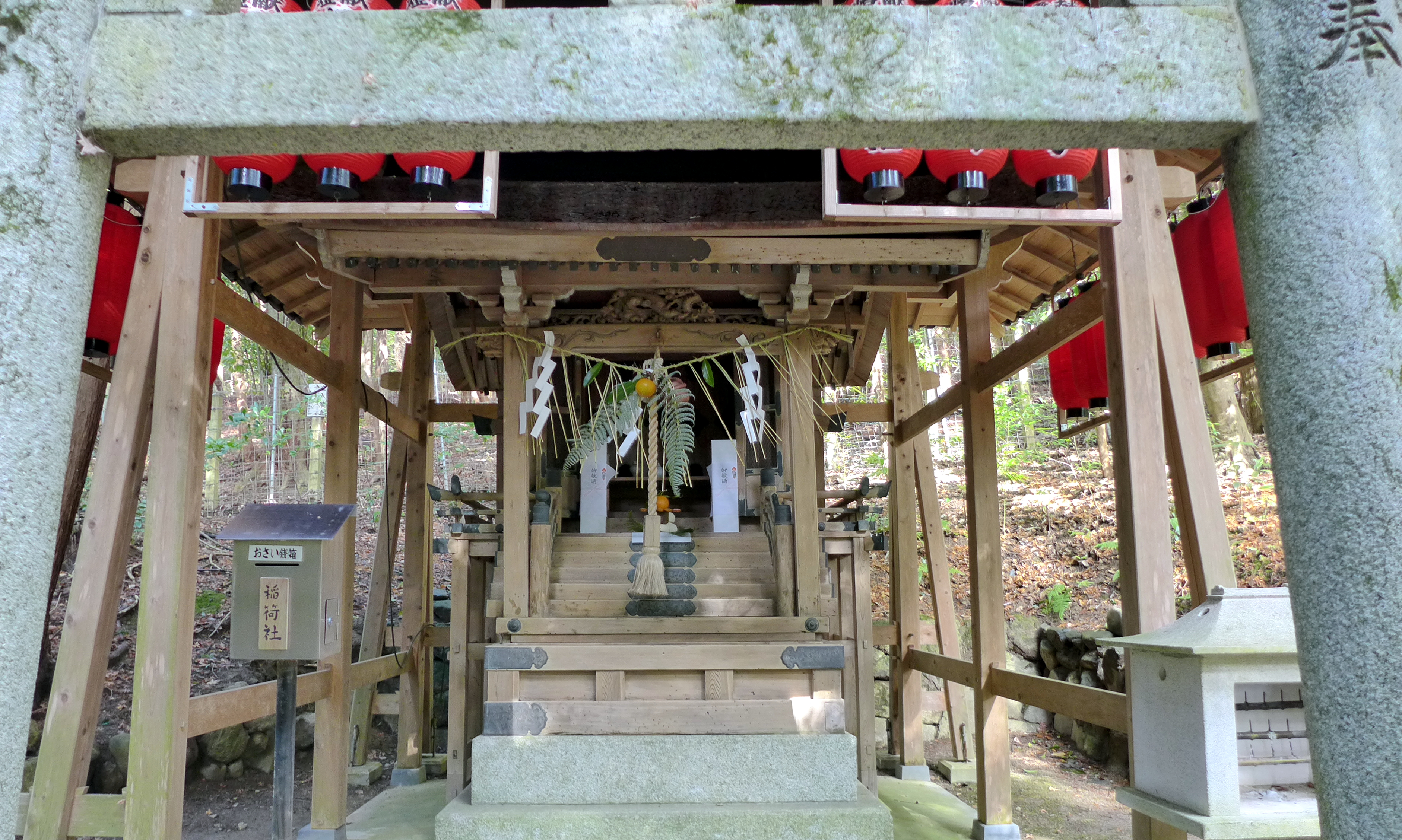
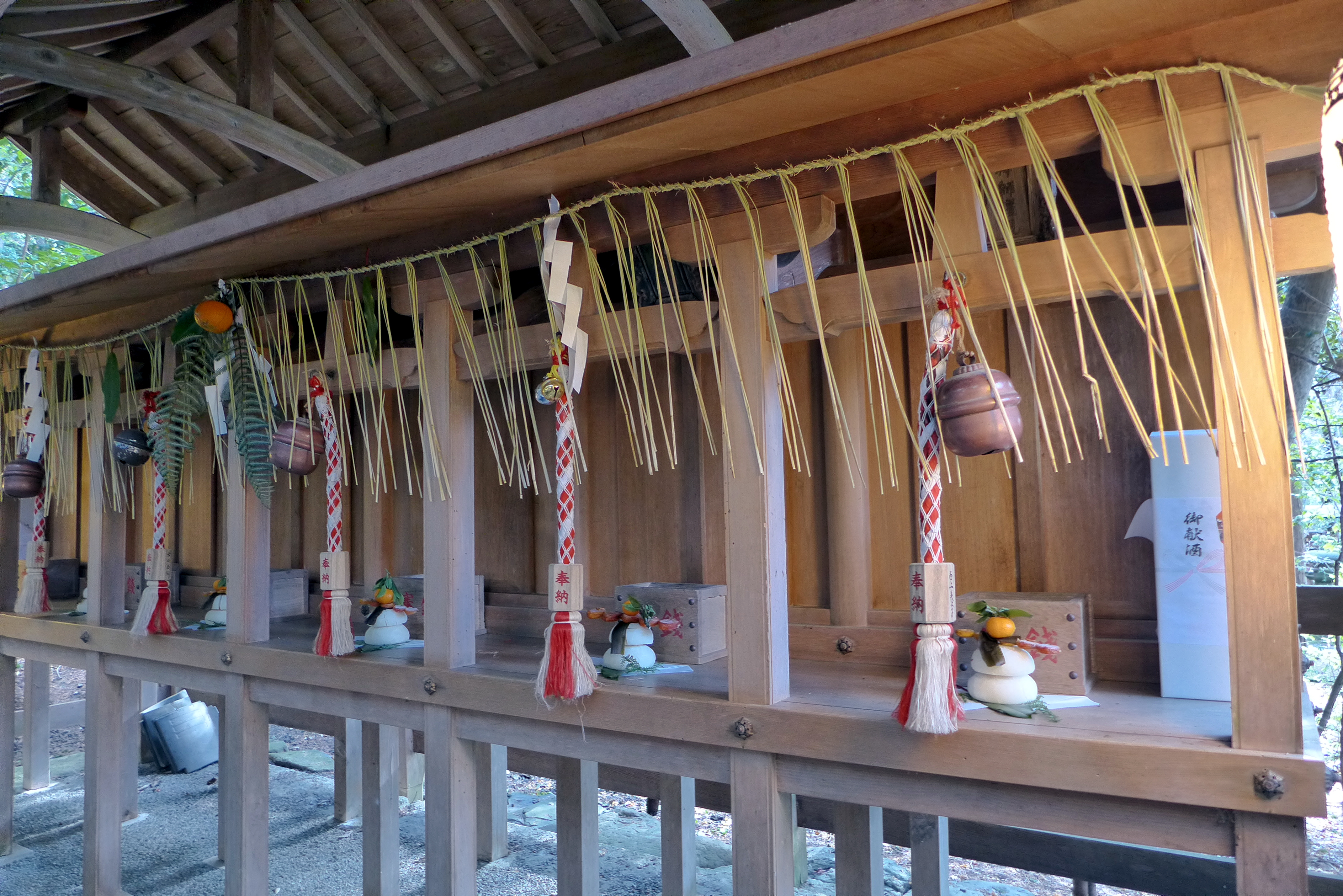
The temple was fun to explore with many small shrines in the woods as well as some larger buildings. The architectural styles were both Shinto and Buddhist, showing that they used to be intertwined religions. Definitely a good temple to visit as there is lots to see, all surrounded by a beautiful forest which is presumably fantastic in Autumn. Also its free!
京都 Lucky Dip!

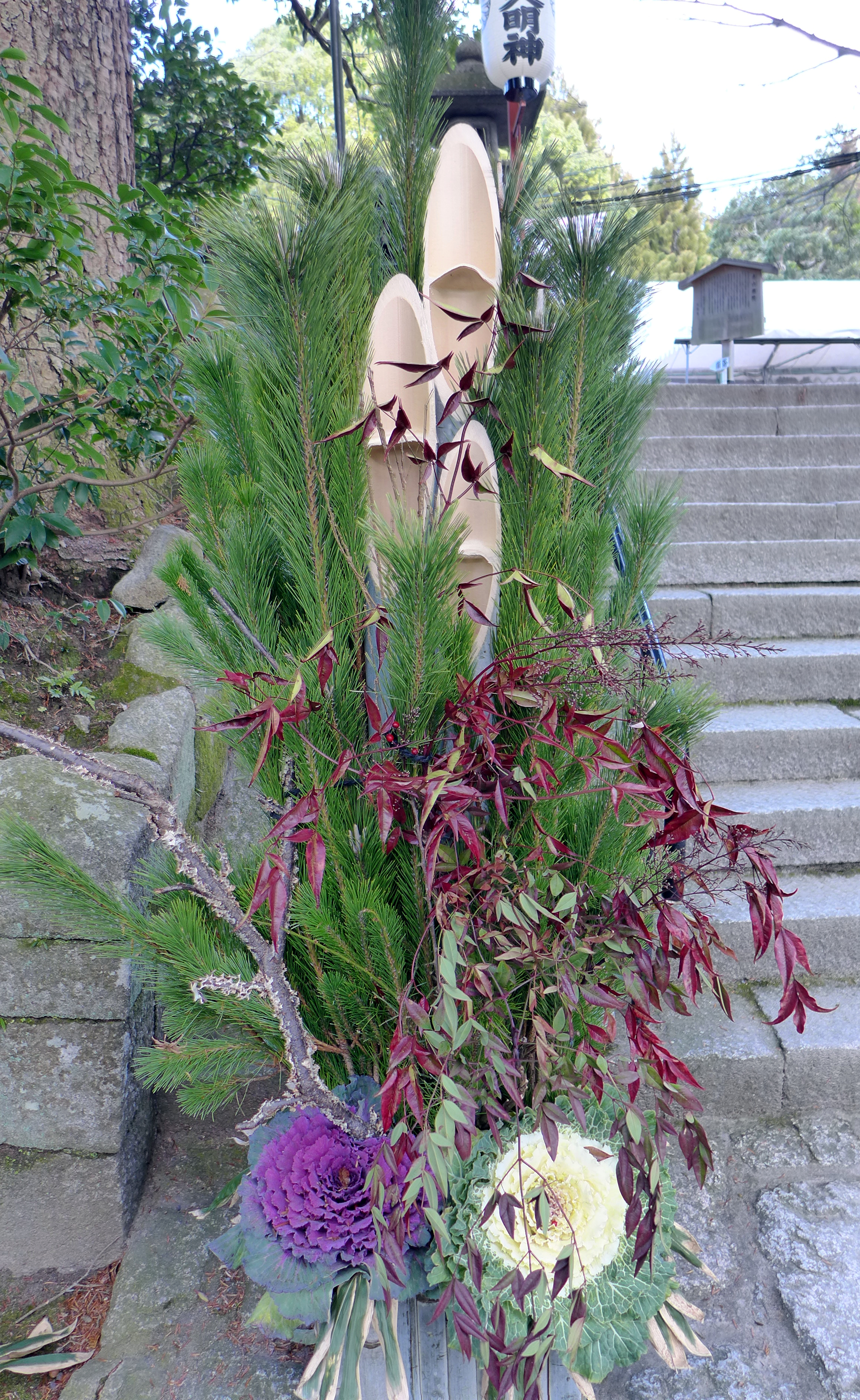
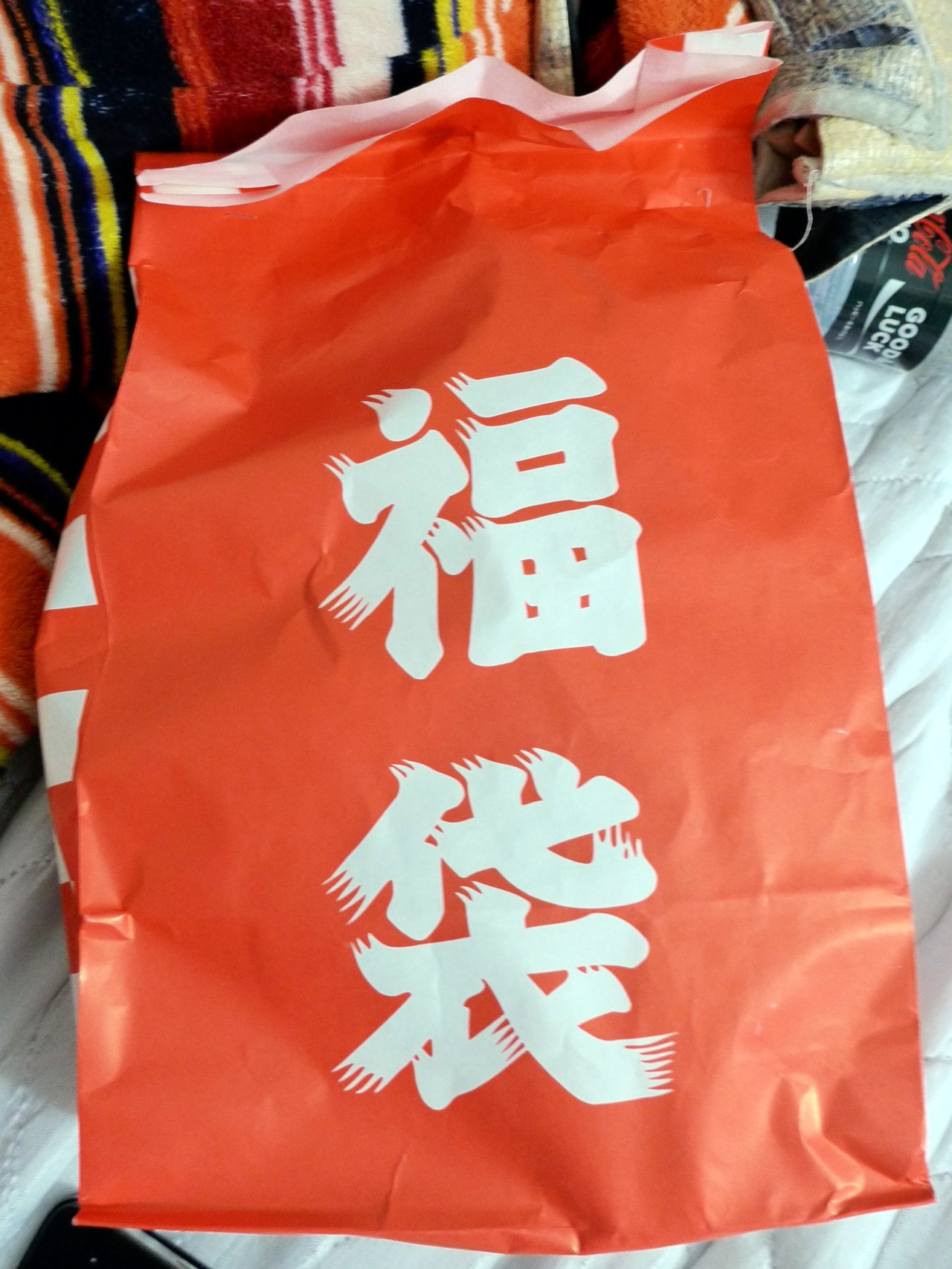
Japan’s traditional shinto new year leaks into many aspects of life during January, one such quirk is the appearance of fukubukuro 福袋 or ‘lucky bags‘ in shops everywhere. This extends the tradition of getting your lottery at New Year in a commercial sense; you pay a fixed amount (anywhere from 500円 to 100,000円+, £2.70 to £550+) and you get a bag with unknown items inside. These items will usually be double the value of what you paid for the bag, so they are a pretty good deal. The bags are a good way of shops to get customers to try their products as well as get rid of merchandise from the previous year. There is a Japanese superstition that you must get rid of old things from the previous year and start afresh (such as burning old amulets and purchasing new ones), and this appears to extend to stock in shops.

Fukubukuro have been sold in Japan since the late Meiji period (1868 – 1912), so while they are not necessarily traditional, they have their roots in traditional concepts.

I like the mystery of the bags and it feels rather like you are buying yourself a present. I thought I was too late to get any fukubukuro, as most are sold within the first few days of January, but I managed to buy two. I will go through what I got in both, as I think it’s a nice way to see normal Japanese products that you might not see at home.

P1040303

My first bag was from Mister Donut, a shop next to the supermarket I go to. I paid around 2000円 (£11) for it, and thought it might contain doughnuts. I was wrong. It contained lots of cute items, and once I had got over the initial disappointment of not having any doughnuts to eat, I was pretty pleased with my purchase. This is what I got:

P1040302P1040301P1040300P1040299P1040298 P1040297

So that is:

  • A miffy towel (nice and big, with poppers so you can wrap it around your waist and it stays. Though that would only work if your waist or hips were exactly the right width so we shall see. It’s cute anyway). Miffy (warning website plays noise and is generally obnoxious) is a Dutch cartoon which is popular in Japan for some reason. Hello Kitty probably copied Miffy as it looks basically the same, just a cat rather than a rabbit.
  • A Mr Donut calendar, printed on fairly flimsy low-quality paper, but decent. I am still going to buy a nice calendar because this one would just make me hungry all the time as it taunts you with doughnuts on every page – clever marketing trick.
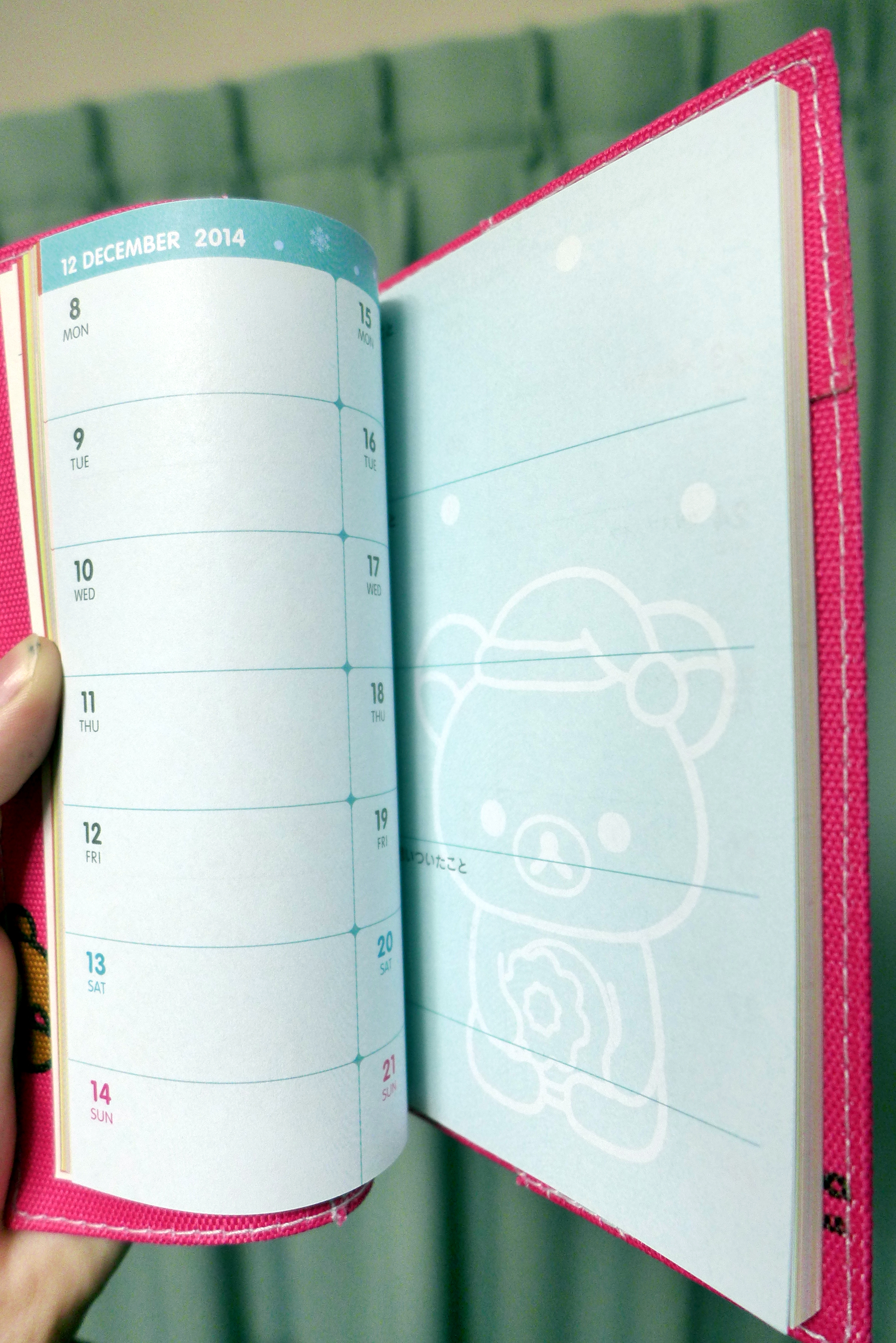
  • A Rilakkuma calendar diary. Rilakkuma is a very popular brand in Japan and is usually pretty expensive, so this was a pretty good gift. The diary is cute and looks useful so I will probably actually use this. Good quality cover and paper, unlike the calendar.
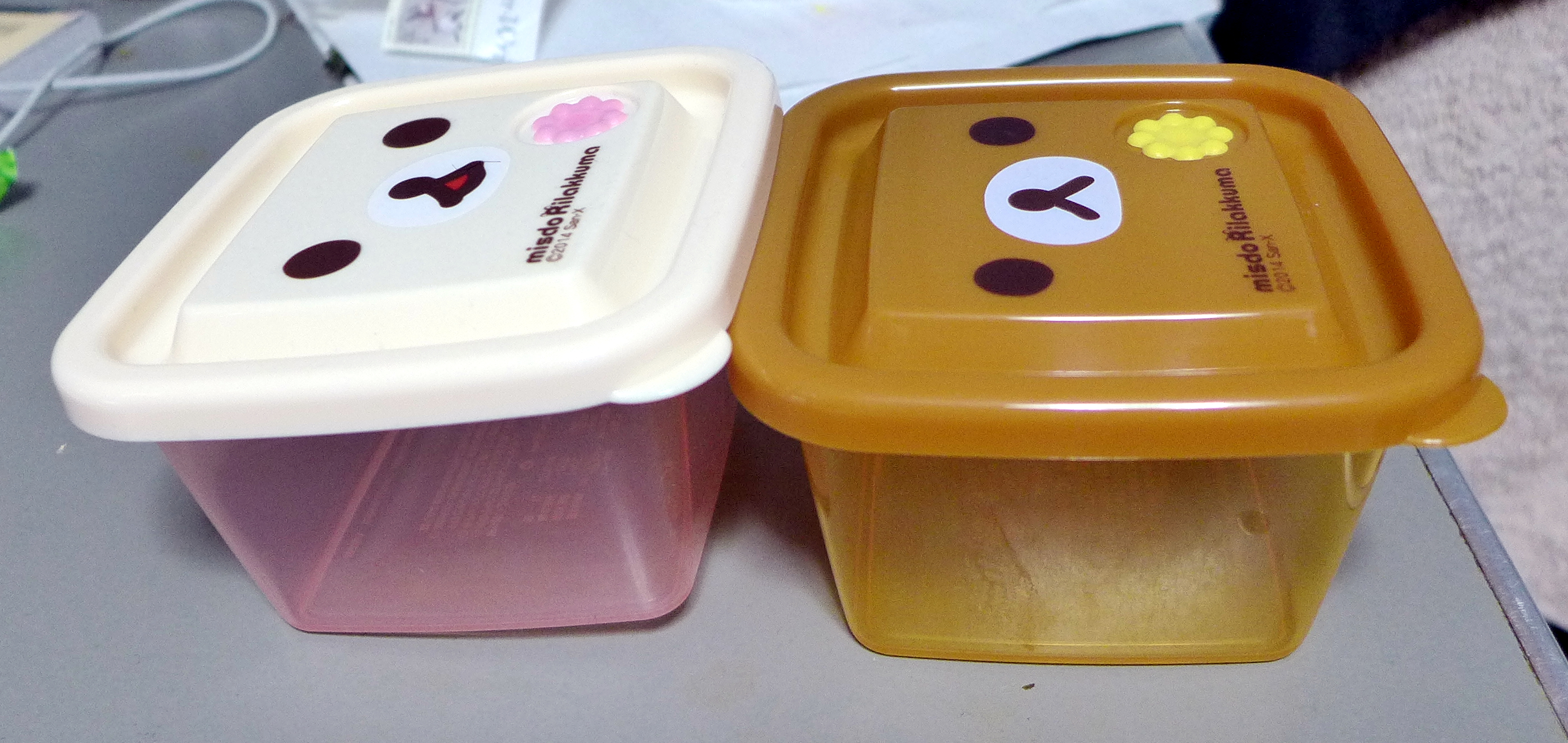
  • Two Rilakkuma bento boxes. Bento is a Japanese packed lunch and these two are a good size for lunch or storing leftovers, also adorable. Definitely pleased with these two as well.
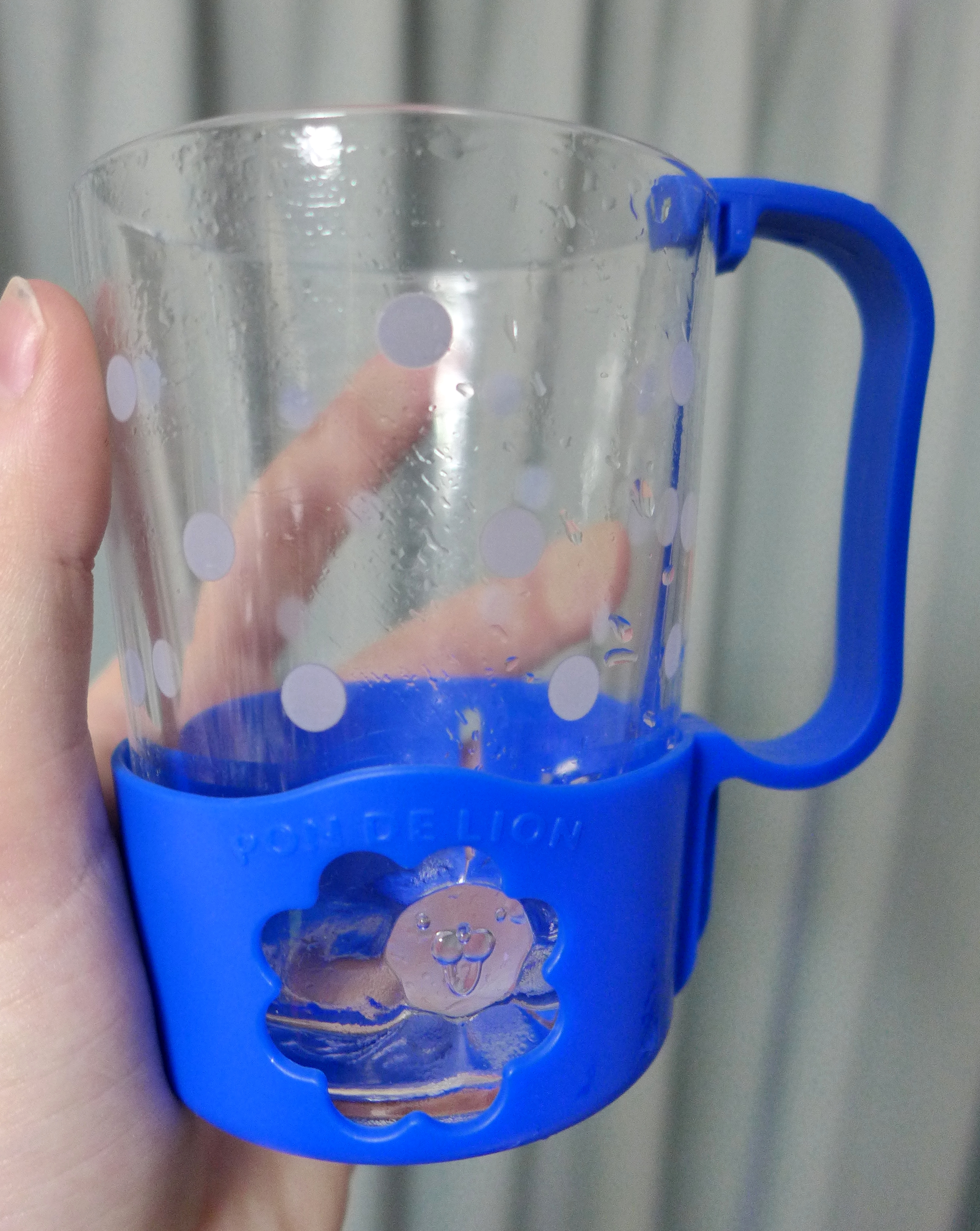
  • A glass mug-cup-thing. This is nice and I’ve already been using it, a good size and fairly robust. The lion face on it is the Mister Donut mascot, ‘pon de lion’.

P1040287

The second bag that I got was from my university’s snack shop. This was full of random sweets and snacks, which is good because I’m usually reluctant to buy random products to see what they are and this got me out of my comfort zone a little. It was 500円 (£2.70) and definitely good value for money insofar as the amount of snacks in the bag. They were stapled shut so you cant peek inside before you buy them. I have now tried everything in the bag so I can tell you what was good and what was less good.

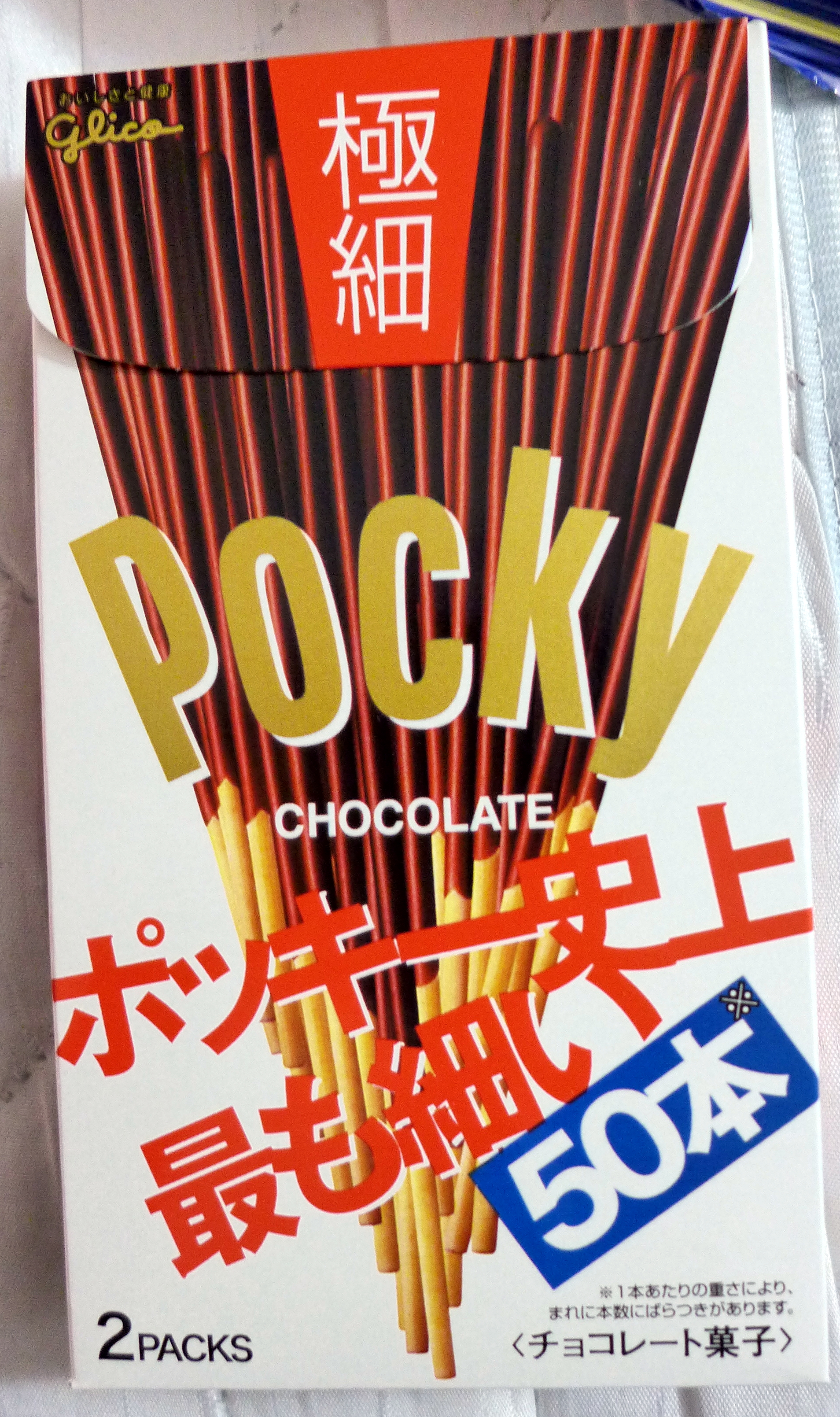
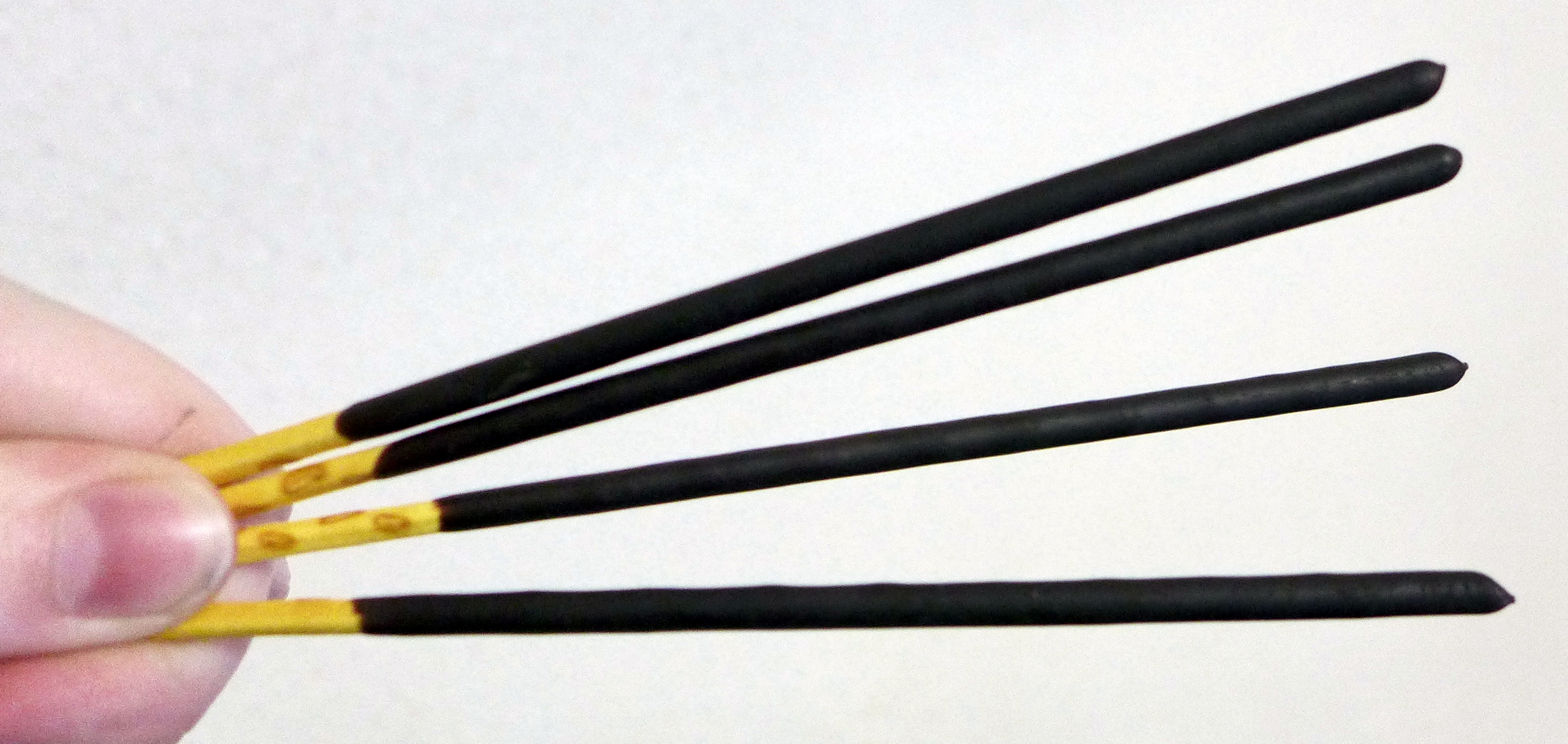
P1040289P1040305Pocky: The first item in the bag I was already familiar with and is also sold in the UK under the name Mikado. These are chocolate coated biscuit sticks and they are delicious. No weird taste, just chocolatey goodness. They come in a variety of flavours but I got the standard chocolate ones. 

P1040292P1040307Funwari Bamu: The first word, ふんわり means ‘fluffy’ but I’m not entirely sure what bamu is meant to mean, my dictionary has not helped. Either way it was a creamy layered cake thing with chocolate on either side which irritatingly comes off on your fingers as you eat it. It was pretty tasty though and nice and moist. ★★

P1040290 P1040311

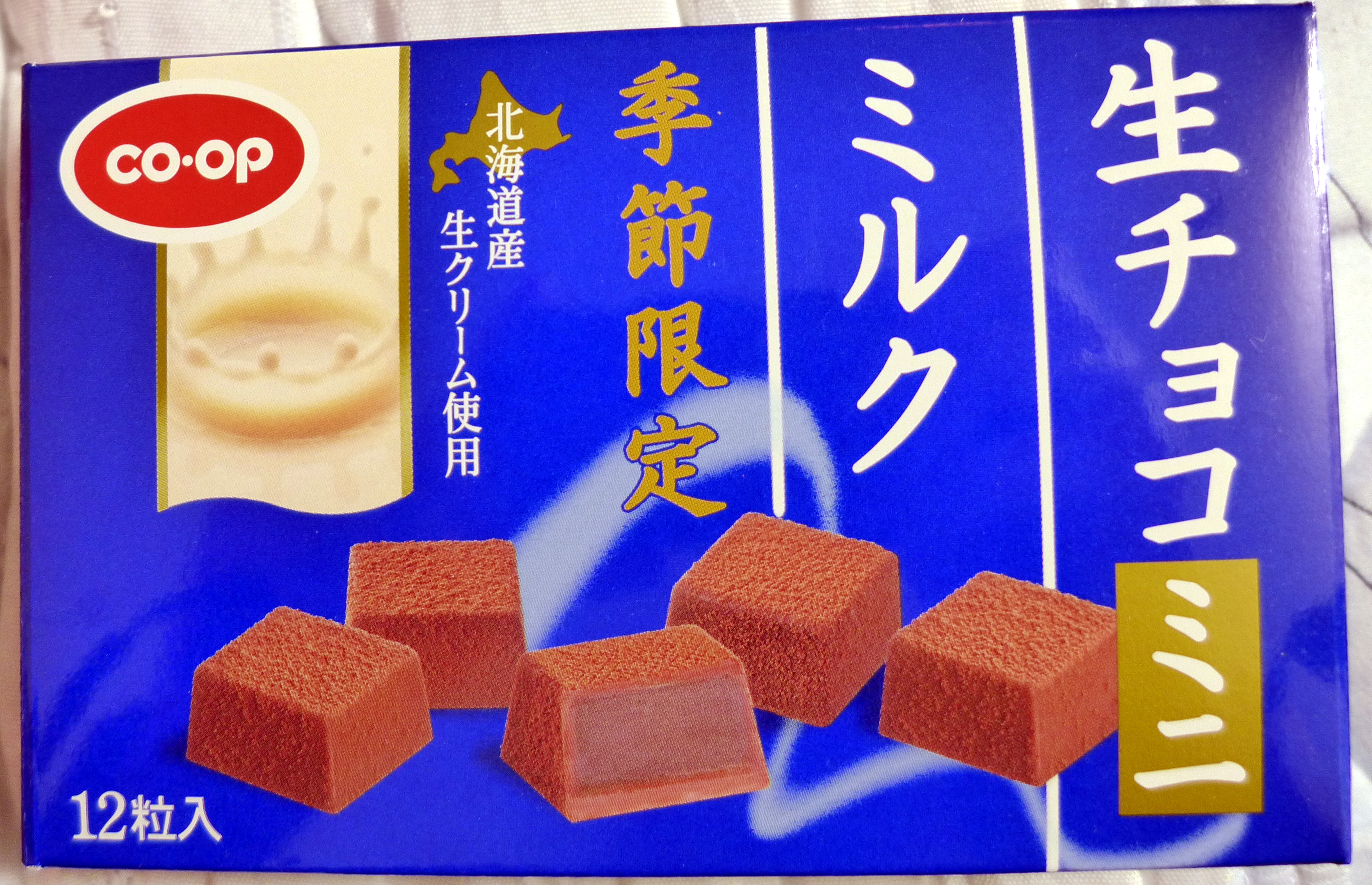
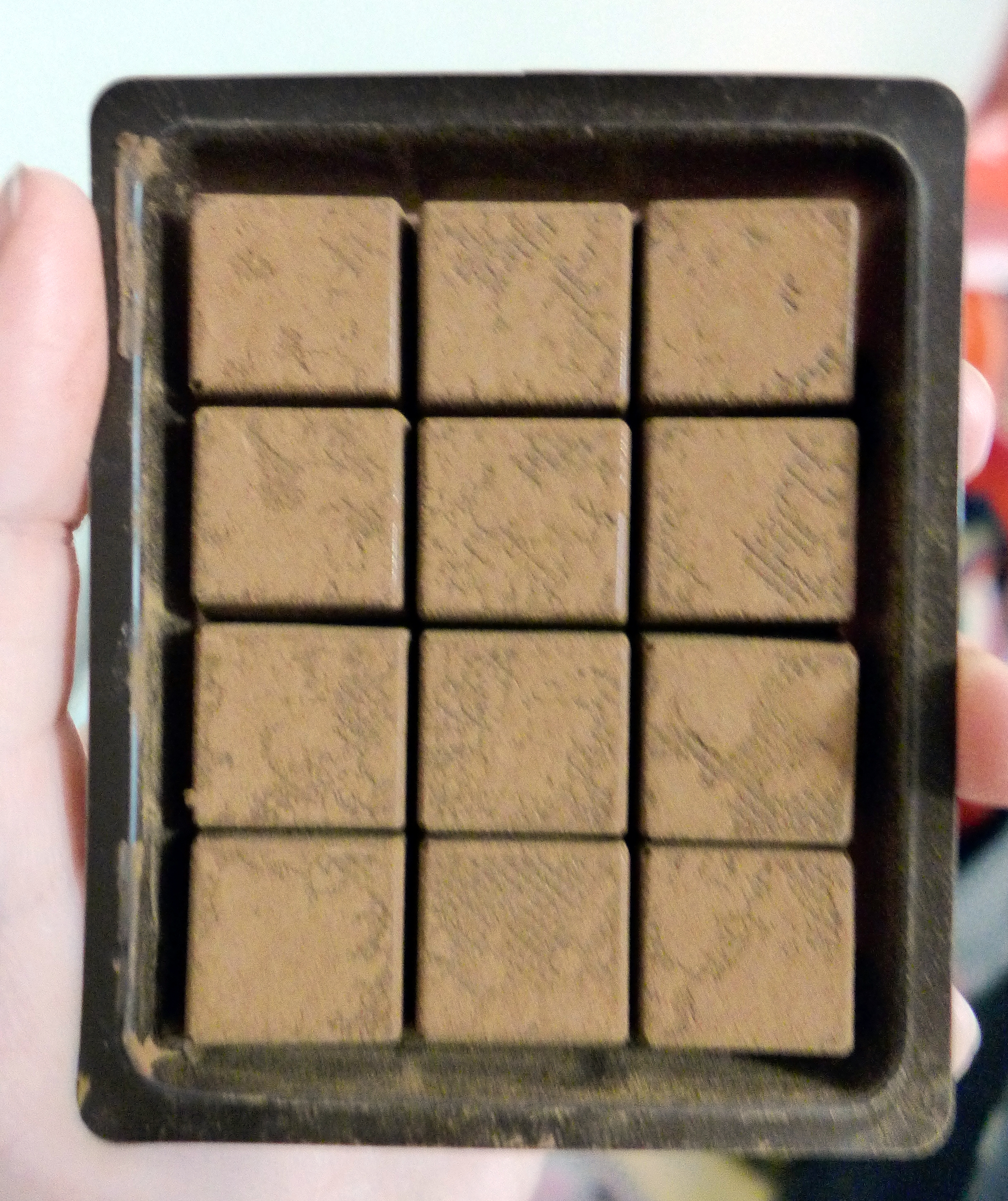
Milk ‘raw’ Chocolate: In Japanese it says 生チョコレート, which literally means raw chocolate. The chocolate was coated in bitter cocoa but was creamy and melty on the inside. I didn’t particluarly like the cocoa part and it gets all over your fingers. the packet does come with a small fork for stabbing the chocolate but even then it seems a bit silly. The chocolate tasted nice and creamy though. ★★★★

P1040288P1040309

Fried rice biscuits: I don’t really like fried rice but these were okay to eat as a mindless snack. They taste like all fried rice snacks taste, slightly smokey and a bit weird, but the texture was pretty good as usually these things hurt your mouth or go everywhere. These had good structural integrity and broke up well, not a particularly tasty snack though, will not be buying again. ☆☆☆

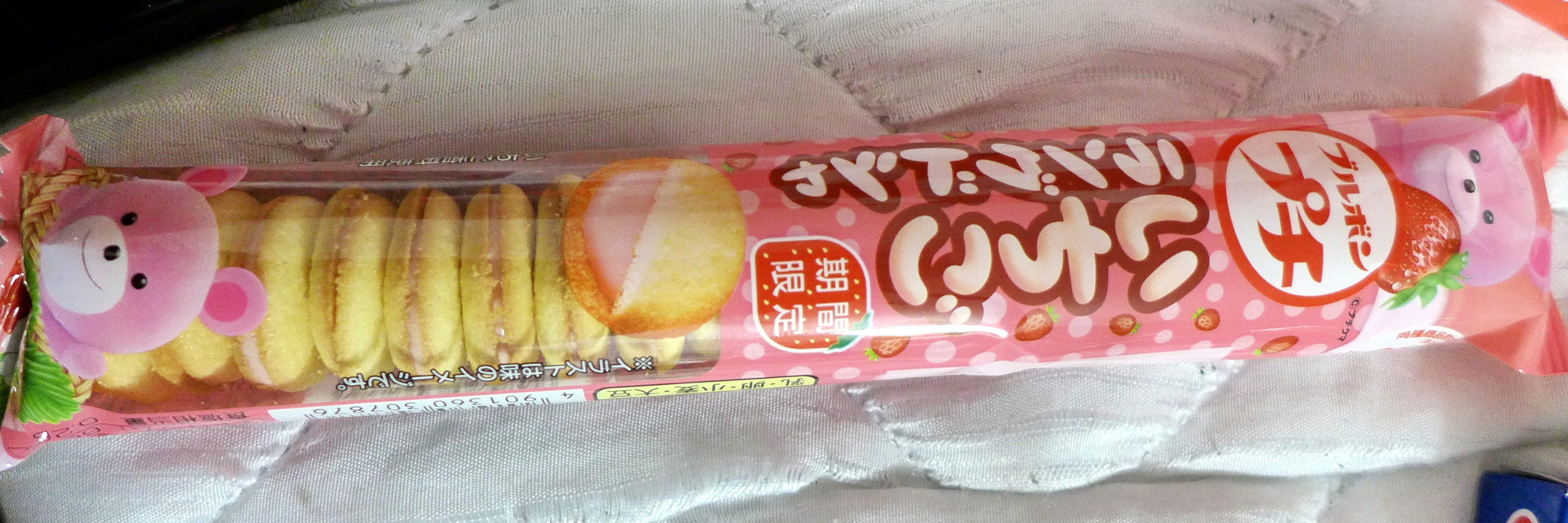
P1040291P1040310Strawberry Biscuits: these were pretty good, they are melty shortbread-type biscuit with strawberry filling; good if you have a sweet tooth. The biscuit melts in your mouth slightly and the strawberry isn’t obnoxiously overpowering. I feel like New Year in Japan is strawberry-time – I see strawberry flavoured sweets everywhere at the moment. Not that I’m complaining, they’re delicious. 

P1040293P1040314

Chicken Dumpling Cream Soup: This is clearly not a snack or a sweet but I’ll let it slide. This allegedly has chicken in it, it also allegedly has dumplings,  neither of which I found in the actual broth. It tasted okay, slightly creamy, a bit too salty and fairly thin, but the rehydrated vegetables were alright and it makes a decent snack. If it was just ‘vegetable soup’, I would rate it higher for not lying to me. 

This post may have been pretty dull for you, apologies. Hopefully you found the products mildly interesting and it may have dispelled any notion you have that Japanese snacks are all weird and green-tea flavoured. I do like the idea of fukubukuro – finding out whats in the bag is pretty fun. Usual temple programming will resume shortly.