

And so we plunge into December, and I begin to freeze in my woefully lacking-in-central-heating room. My air con does heat, but it also doesn’t seem to know what 21 degrees is and aims for more like 30 degrees, leaving me perpetually too hot or too cold.It seems Japan missed the memo that central heating is actually a pretty good idea.
This minor issue aside, I look forward to my first Christmas in Japan, and it seems Japan’s looking forward to it too – there are Christmas lights and decorations everywhere. Hopefully my next month will be filled with fun things to write about even though its getting cold.
Also exciting news blog-wise: I now have my own domain – Japangie.com! I had to buy a storage upgrade because of all the pictures I’m hosting on here and it came with a domain which is pretty cool.
For now lets mop up those bits and pieces from last month that have been sitting by waiting their turn for some attention. This will be a miscellany of temples, interesting buildings, Christmas lights and food, so I hope you enjoy some snapshots of what I’ve been up to.
紅葉 Autumn is Ending
Here are a few more pictures of the koyo (turning of the leaves) in Kyoto. This month was definitely koyo month for my blog – beautiful red leaves everywhere. Sadly it rained recently and most of the red leaves were blown away, so no more picturesque temples with autumn colouring I’m afraid.
These pictures were taken in the park nearby, by the Kamo River and near the Heian Jingu.


武道センター The Kyoto City Budo Centre
I came across this building on my way to Heian Jingu. I initially thought it was a temple and went in to check it out. It turns out it’s actually a dojo, and not only that but its the oldest martial arts training hall in Japan, built in 1899. At this dojo you can train in most Japanese martial arts – Akido, Judo, Kendo, Karate etc. as well as ping-pong for some reason. Apparently they are pretty foreigner friendly (though they don’t speak English you’re still welcome to go) and offer one-off classes, so if you’re into martial arts you can train in a beautiful old dojo as part of your trip to Japan!

妙傳寺 Myoden-ji
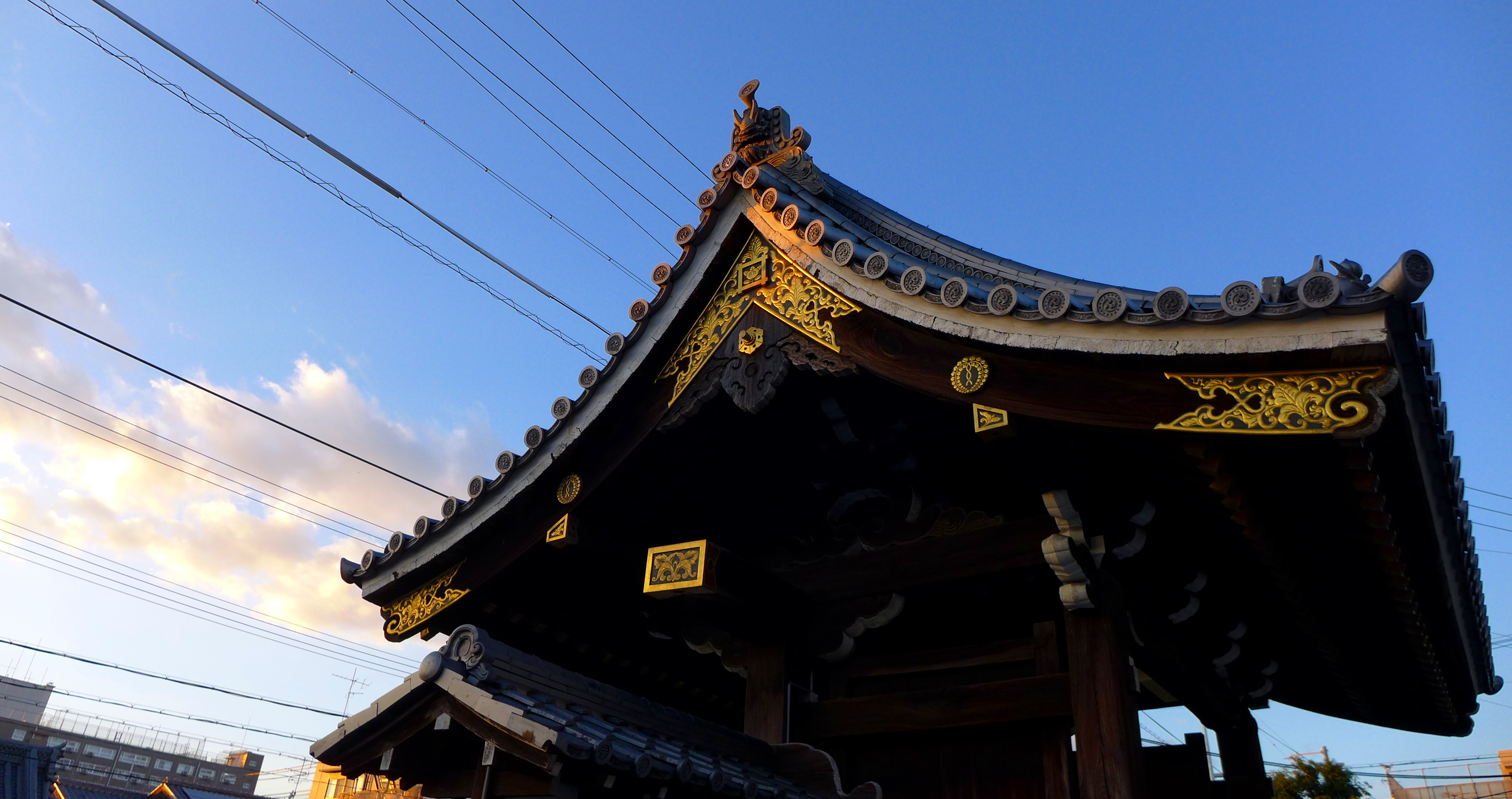
This is yet another interesting building I found when I was wandering around Heian Jingu. This is a temple belonging to the Nichiren sect of Buddhism, founded in the 15th Century. It has been rebuilt several times – monks from Enryaku-ji burned down Myoden-ji in 1536 as part of Tenbun Hokke no Ran which was basically a war between the three main sects of Buddhism in Kyoto. The Tendai monks burned down temples like Myoden-ji for their affiliation to Nichiren Buddhism (Nichiren Buddhism was in competition with Tendai for taxing the people and owning land). In the process they also burned down over half of Northern Kyoto and a lot of Southern Kyoto too. So much for the peaceful teachings of Buddhism…
The current Myoden-ji was built in 1708. I couldn’t find anyone to stamp my book (it was after hours) but I had a quick look around.

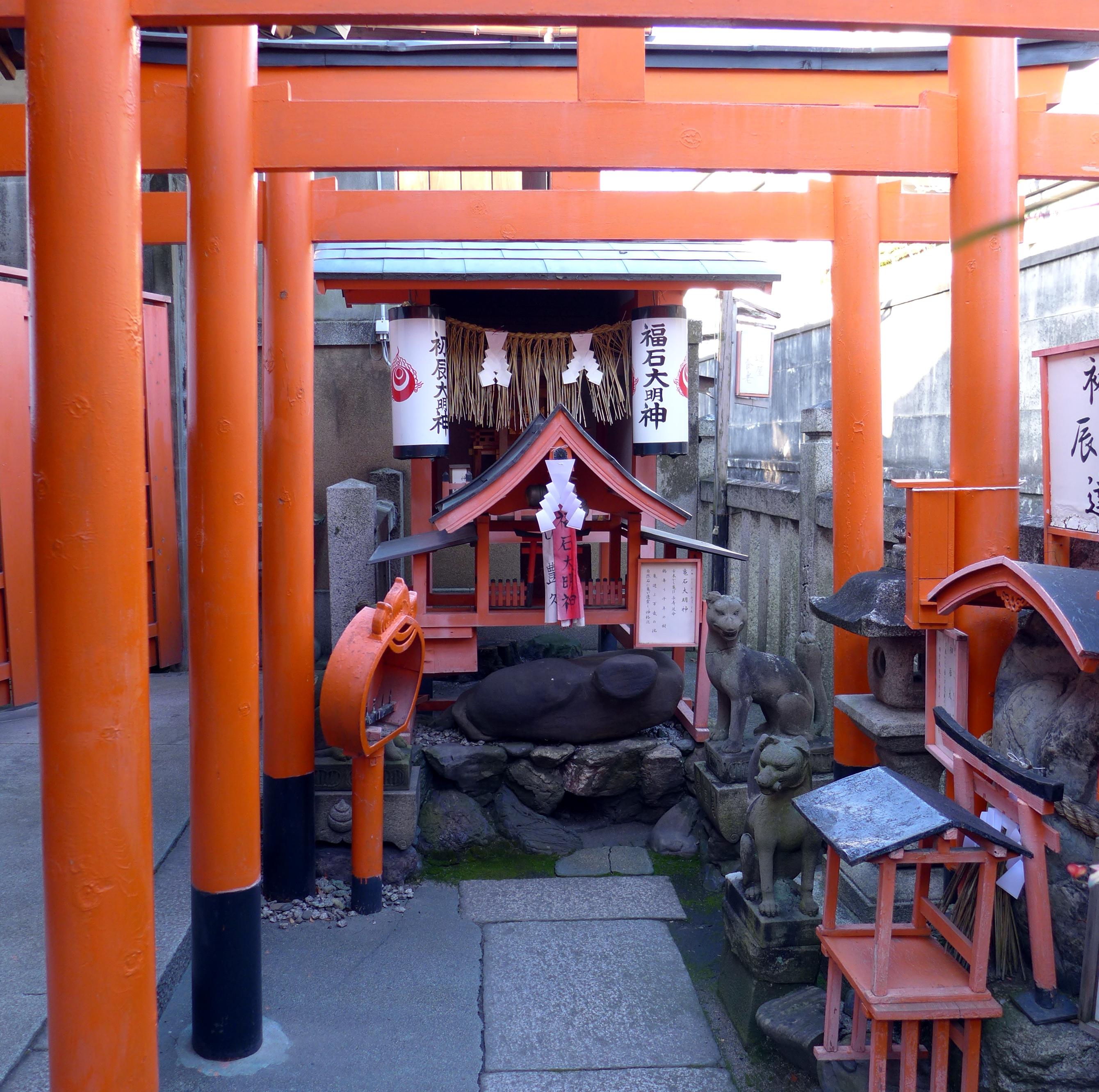
御辰稲荷神社 Otatsu Inari Shrine
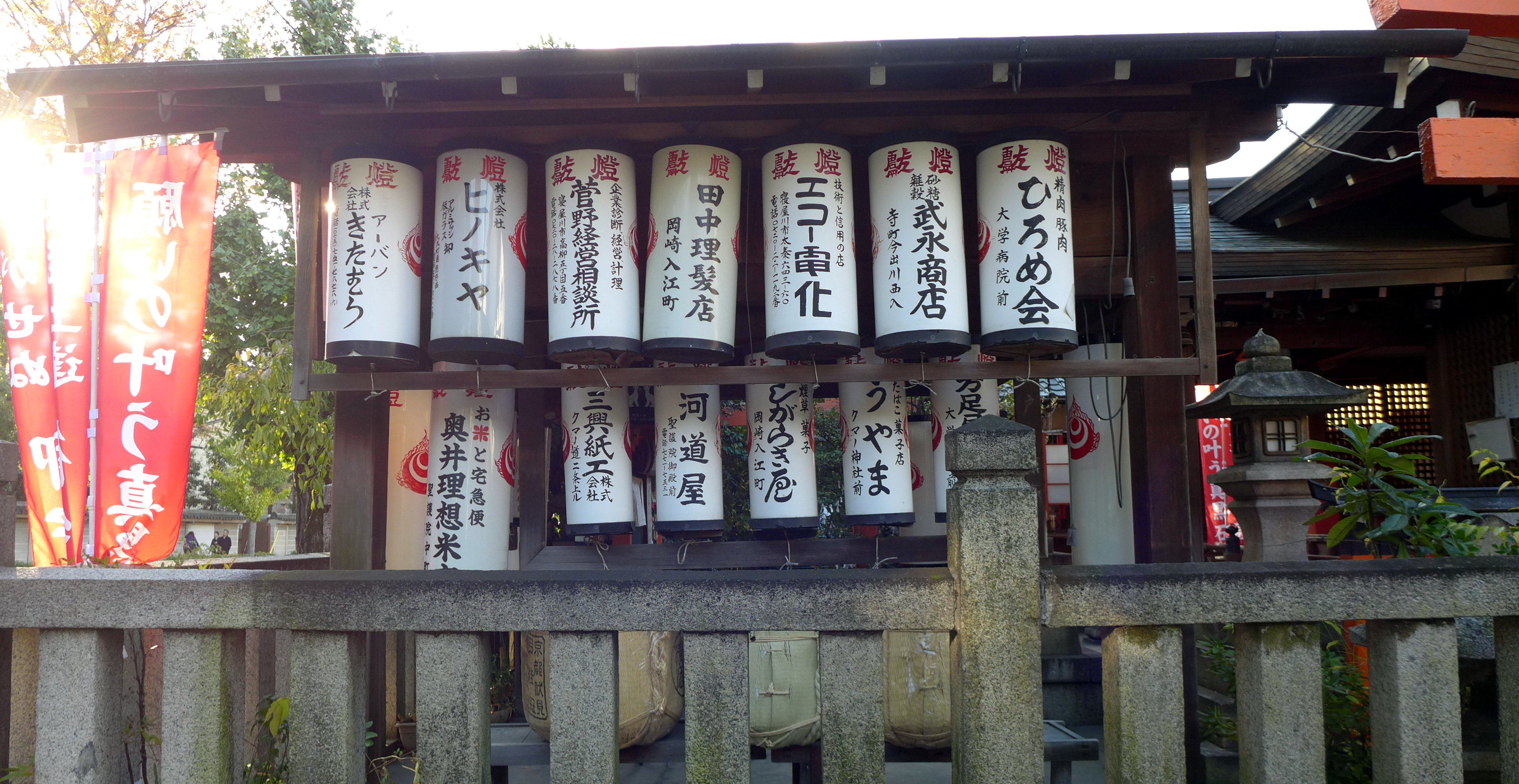
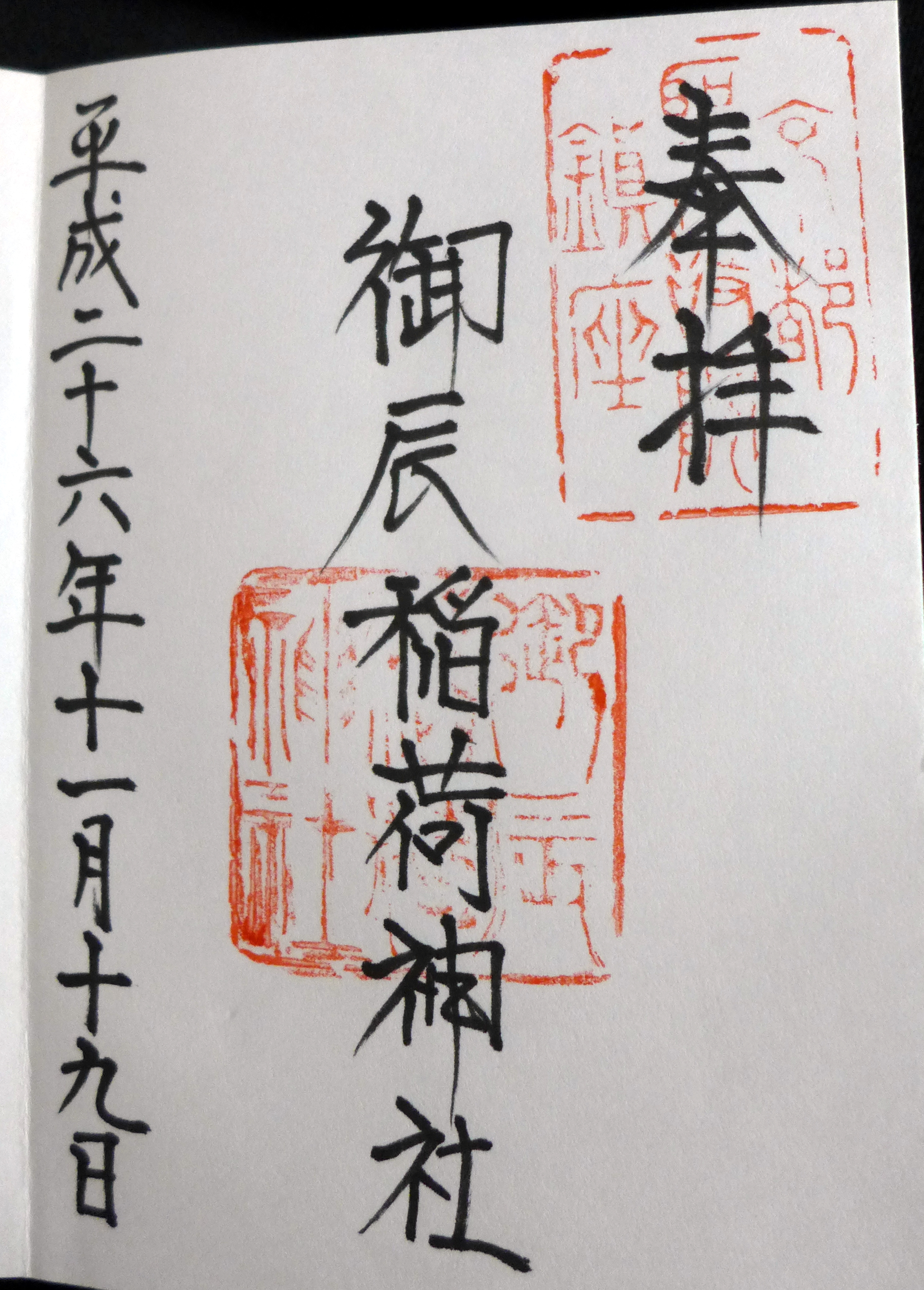
This small shrine is opposite Heian Jingu, and I don’t think it gets many visitors as everyone wants to see Heian Jingu instead. I decided to go in and have a look because I think even small shrines are interesting to look around. This is one of the many sub-temples dedicated to Inari, the god of foxes and rice (the god of Fushimi Inari). The temple did have a Shuin so I got my book stamped. As it is a smaller temple the stamp is very simple – just the name of the shrine, the word ‘worship’ and the date – no fancy calligraphy but still nice to remember the shrine.


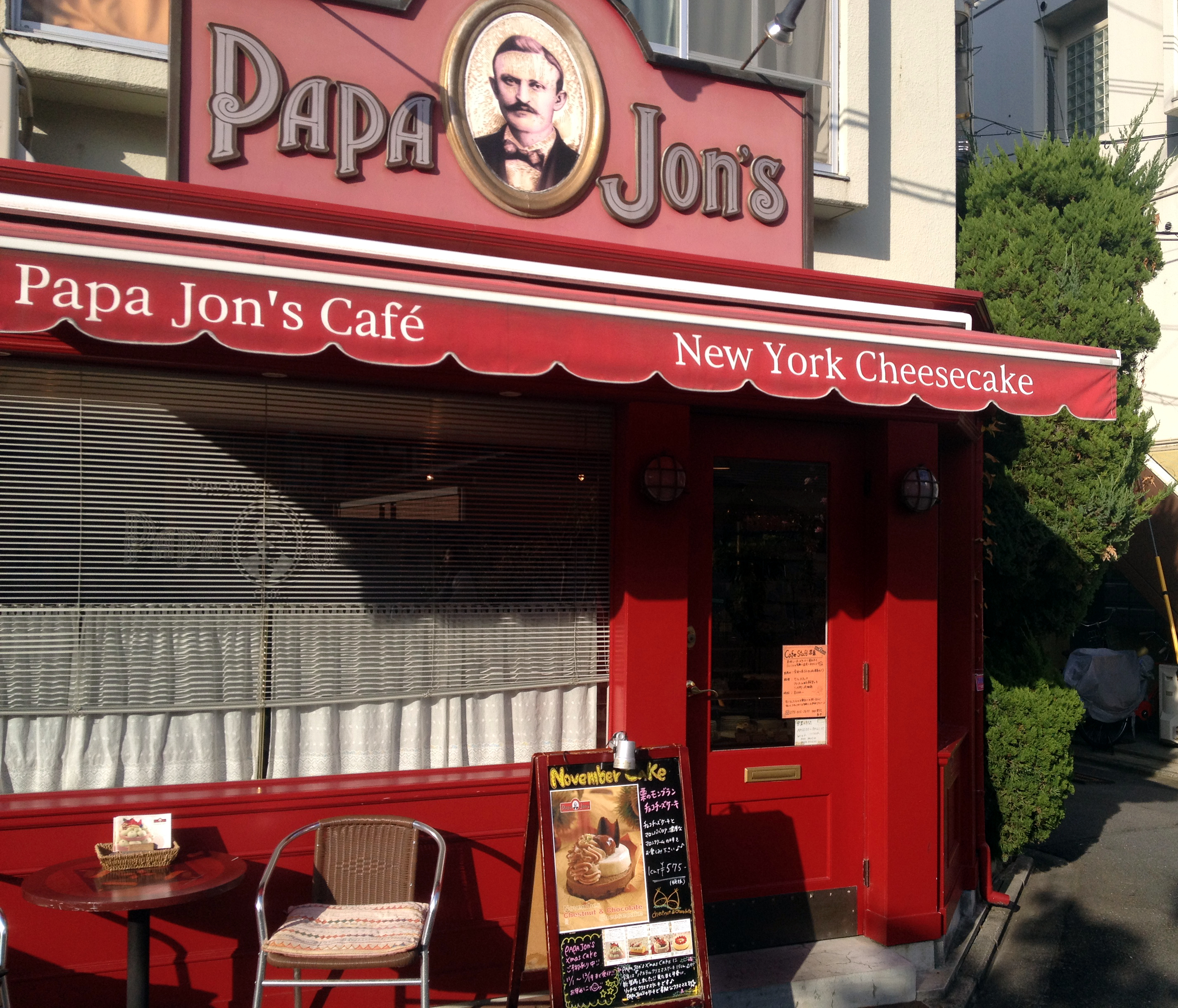
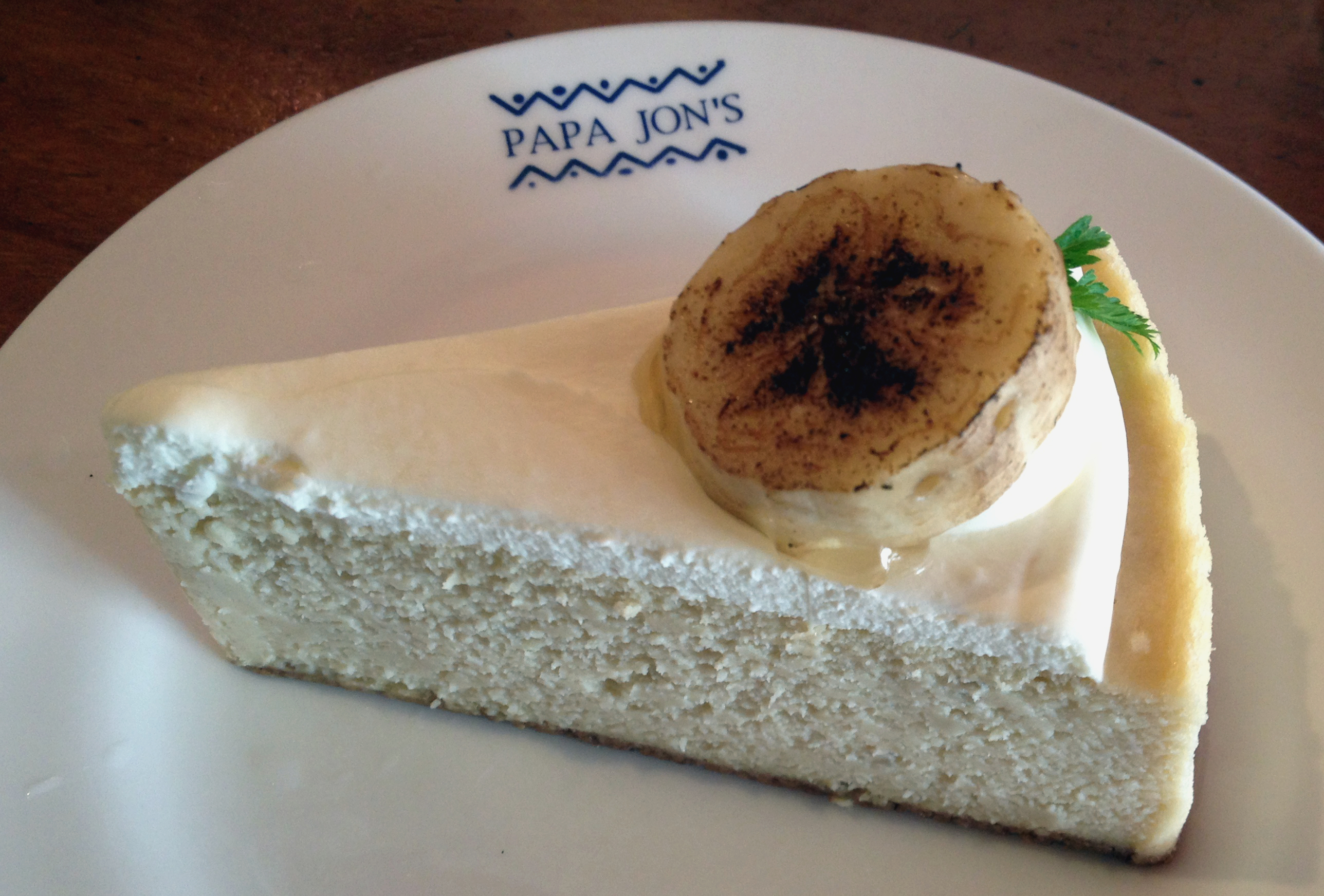
Papa Johns Cheese Cake Company
This is a small shop just behind Doshisha University’s Imadegawa campus. I love cheesecake so I was happy to find that we have a shop so close. The cheesecake was absolutely delicious and the shop itself feels cosy. I would recommend it if you are living in Japan and craving cheesecake. I really like fruit cheesecake so I got a banana slice and a raspberry one, both were superb. Yes, two slices, sometimes you just can’t decide, and maybe you shouldn’t have to.

Cafe-Creperie Le Bretagne
I got some really nice crepes at this place in Sanjo Teramachi doori. They also have this creperie in France so you know its going to be good, though it is a little pricey for students (around 1500円, £8, for most of the dishes). My crepes were scrambled egg, ham and some onion mustard. They were really tasty. I would definitely recommend this place if you feel like some non-Japanese food for a change.

土支社エーブ Doshisha Eve
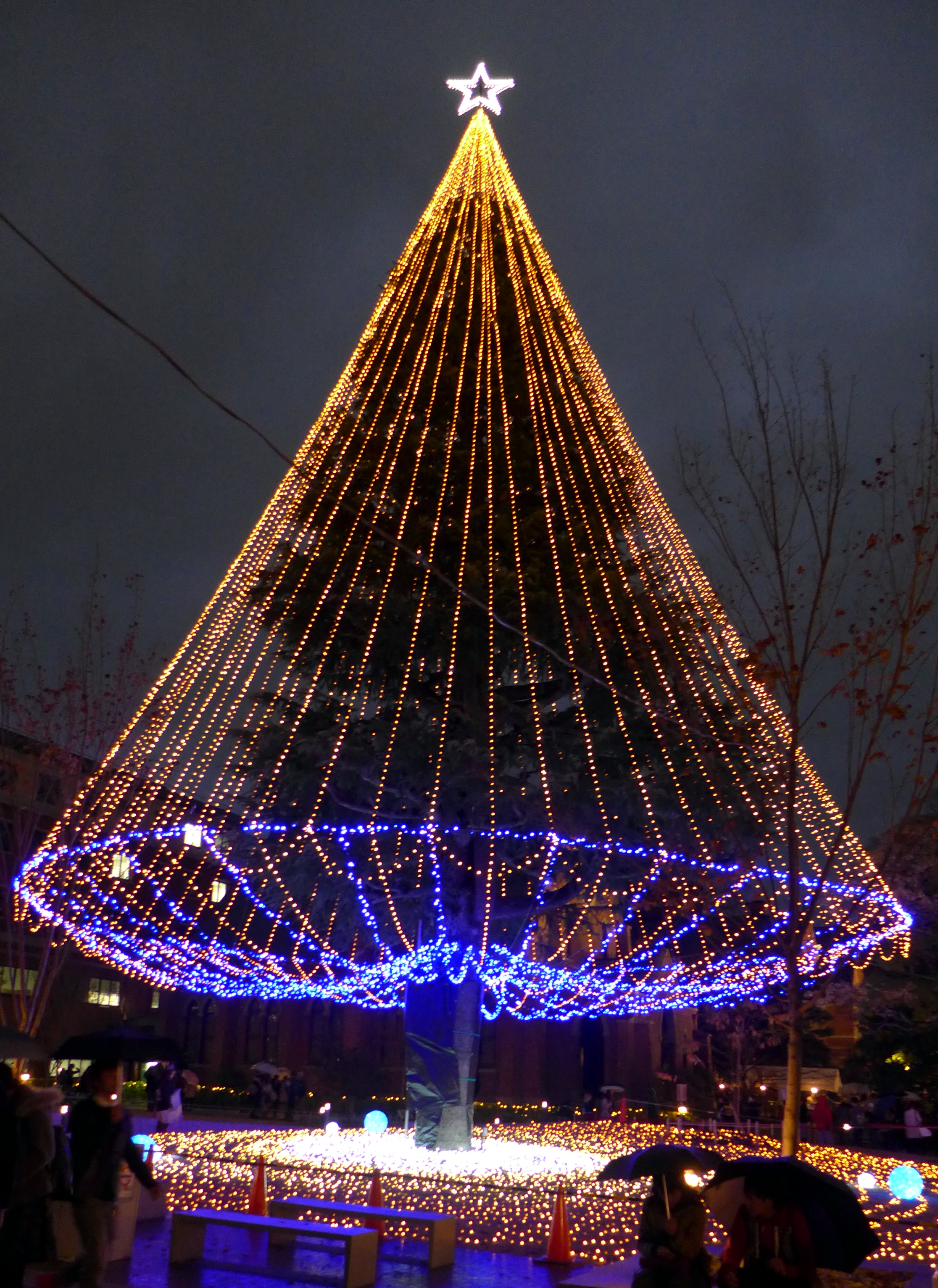
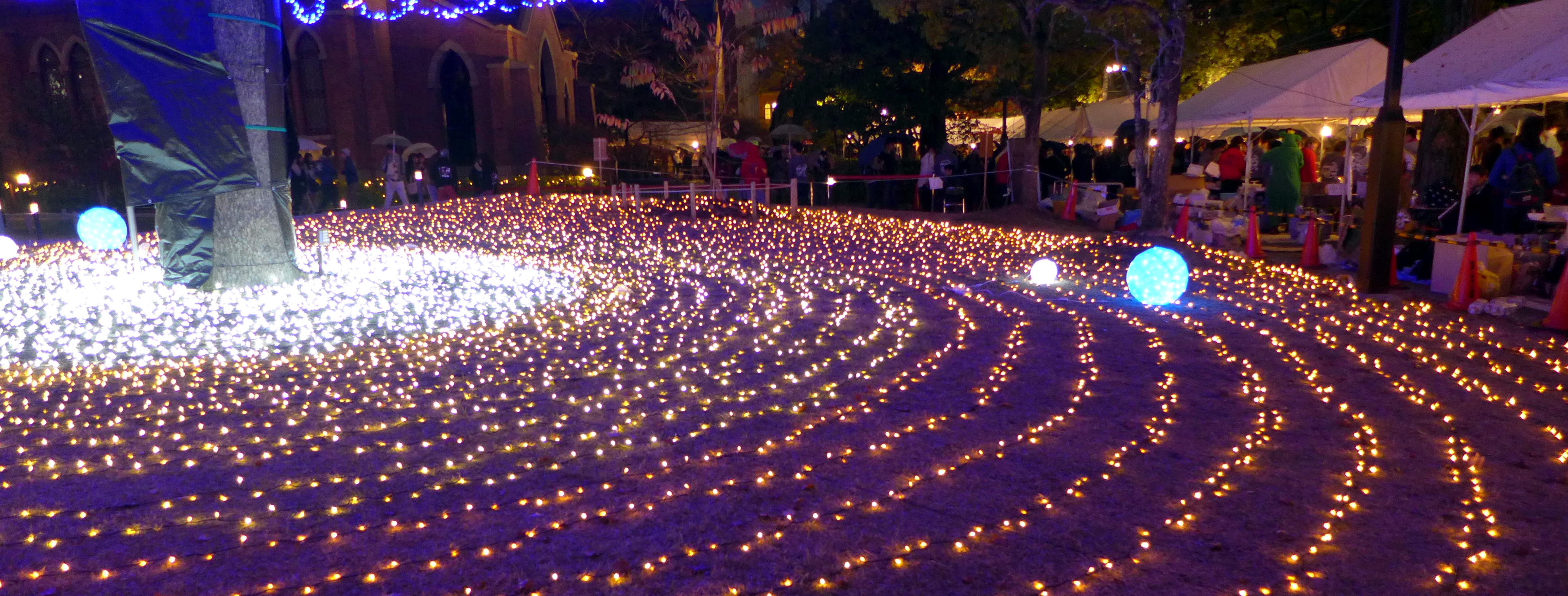
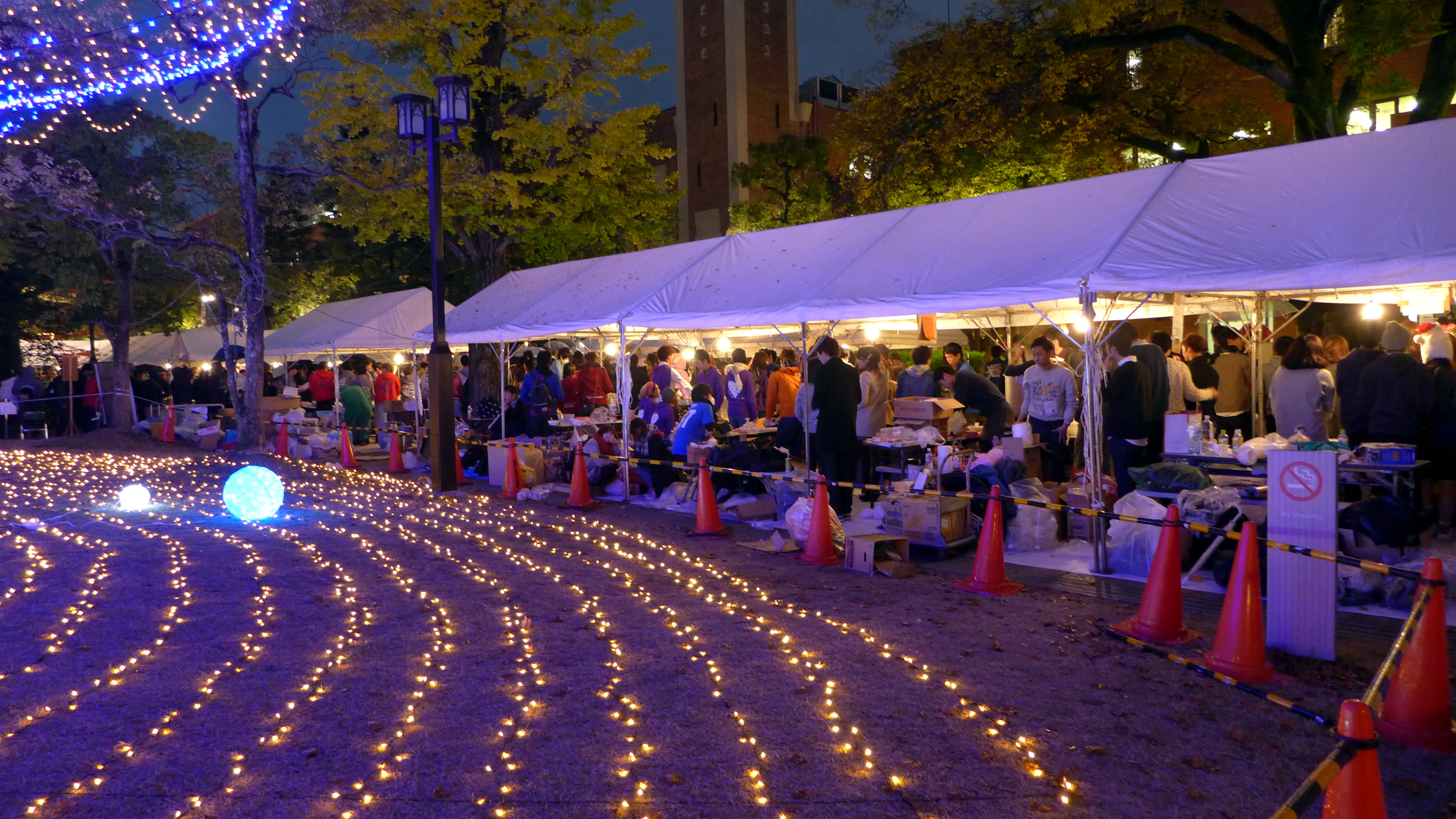
Japan really likes Christmas, or at least Christmas decorations. My university gave us 3 days off for ‘Doshisha Eve’, the university’s cultural fair where clubs create stalls and they get acts to perform to the students. I dropped by briefly but I was mostly doing other sightseeing stuff (like Kobe, or Kiyomizudera). The Christmas tree they’ve installed is pretty impressive and almost makes up for them making us go to class on both Christmas eve and Boxing day. Almost.
花 Flowers
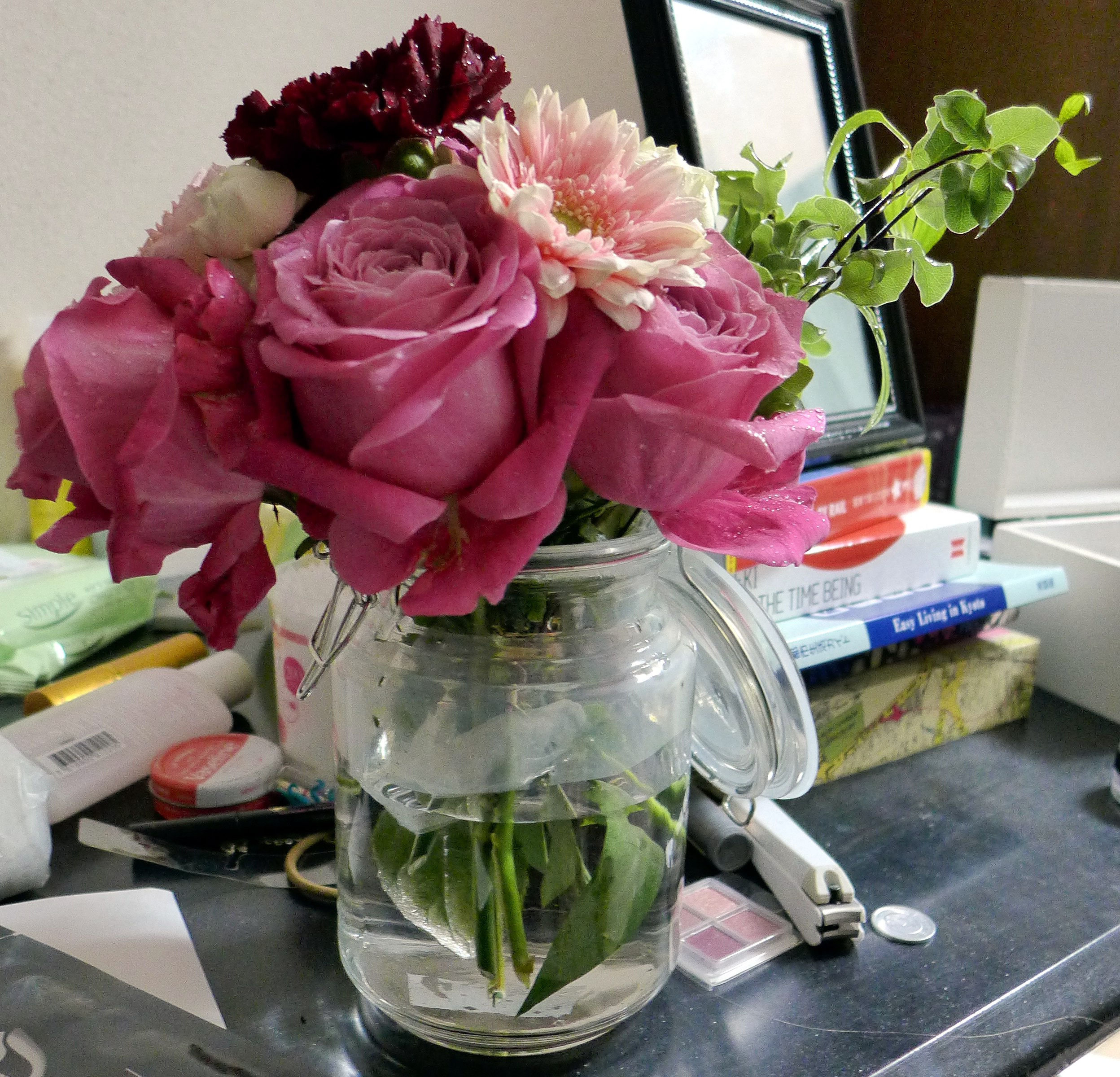
I have recently got a job at Tadg’s Gastropub, which serves hard-to-find foods such as decent fish and chips and chicken pot pie. They also do craft beer and ale, so it’s basically a perfect job for me. Last week we had a wedding party book up the pub and at the end they left us some of the flowers to say thank you. I got to take some home, they’re still alive even a week later! I hope the couple have a long and happy marriage.


I hope you all had a lovely November and have sufficient jumpers to get you through the colder months coming up! Next month we’ll look at Christmas and New year in Japan, and if I’m lucky, maybe it’ll even snow!



 japangie