

This week I’ve had the pleasure of having my parents visit me. This is particularly good for my touristy activities which, aside from the odd temple visit, have been on the back-burner because of university work – by the time I’m done in the afternoon I’m a bit too tired to go out. Having my parents visit has made me realise that I can go out in the afternoons after lectures instead of going back to my room and napping away the valuable sunlight hours (it gets dark around 5:30 now). While we’ve visited several places that I’d been to before this week, I’ve also seen some new parts of Kyoto. On Sunday we took the train from Demachiyanagi Station (出町柳駅) up to Mount Hiei (比叡山). I had seen that you can get cable cars up the mountain and I’d been keen to check it out for a while.
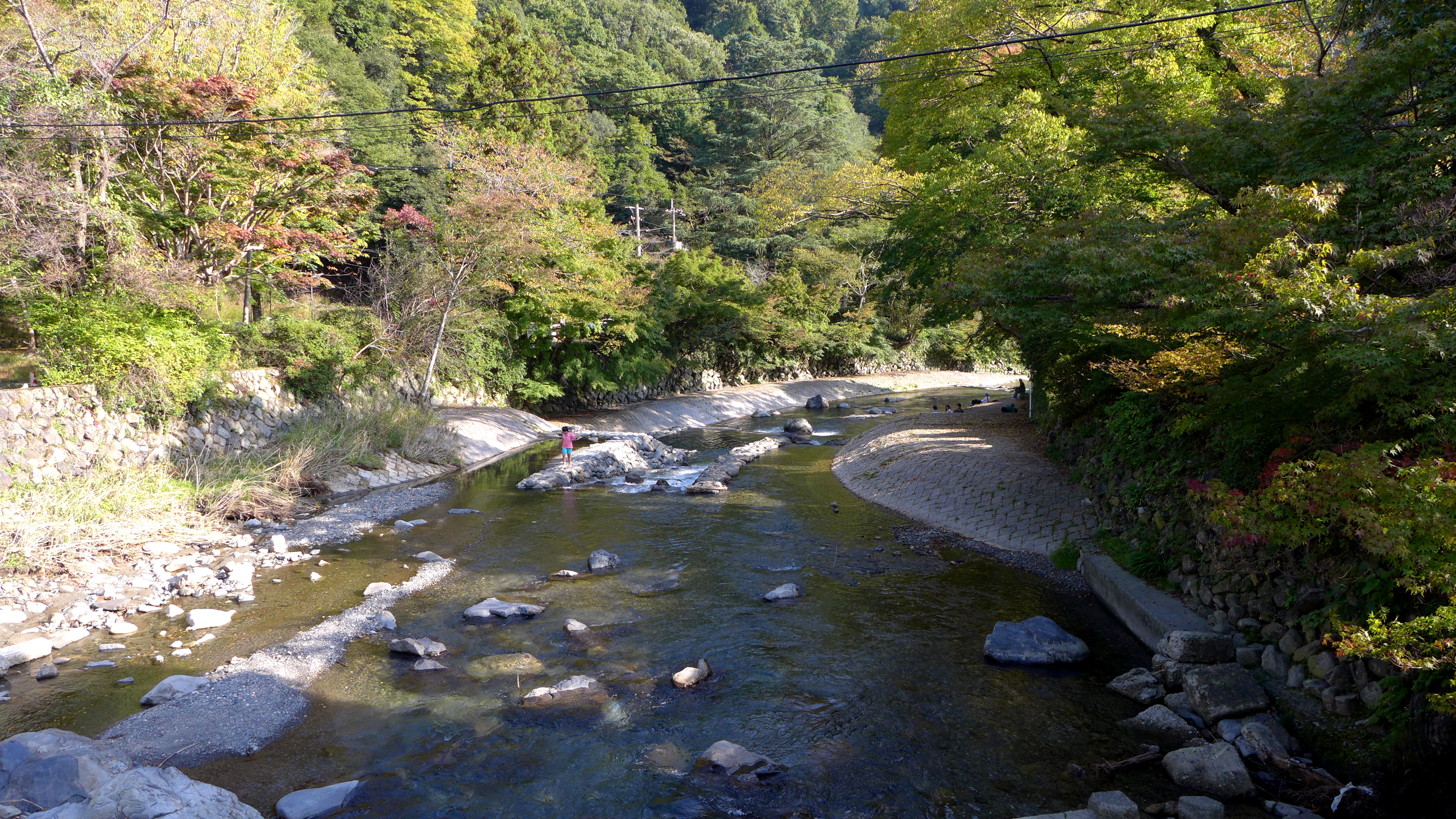
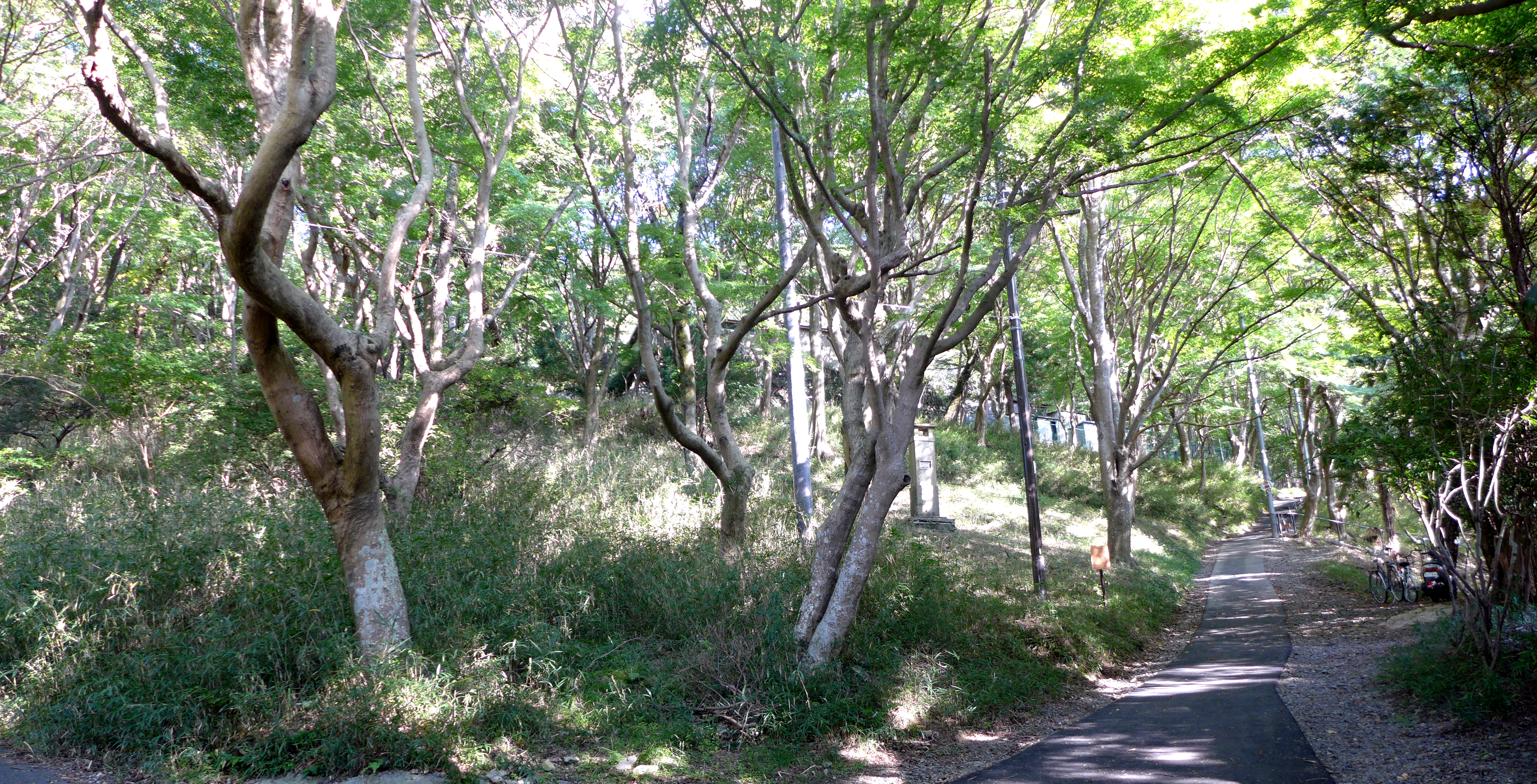
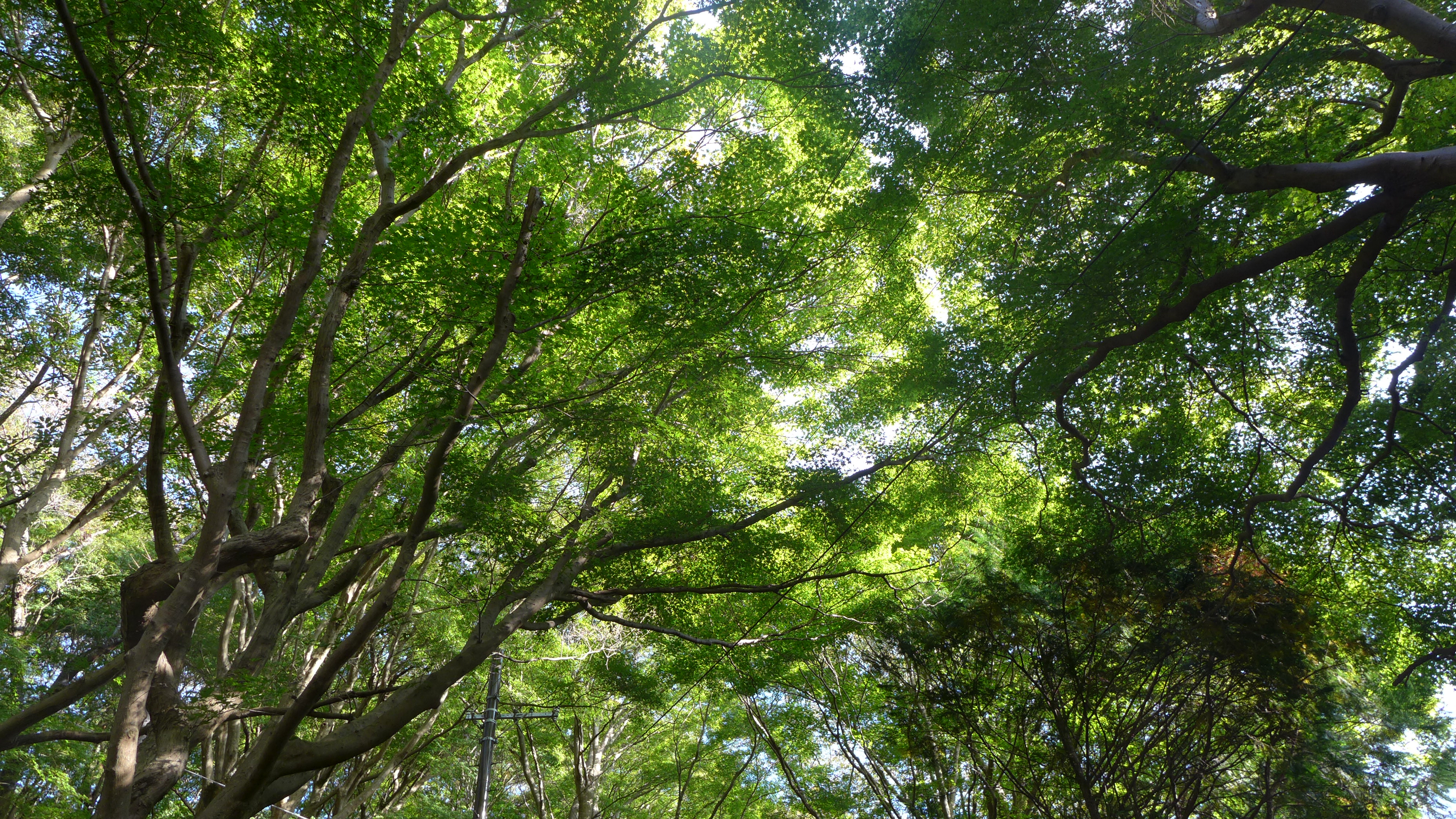
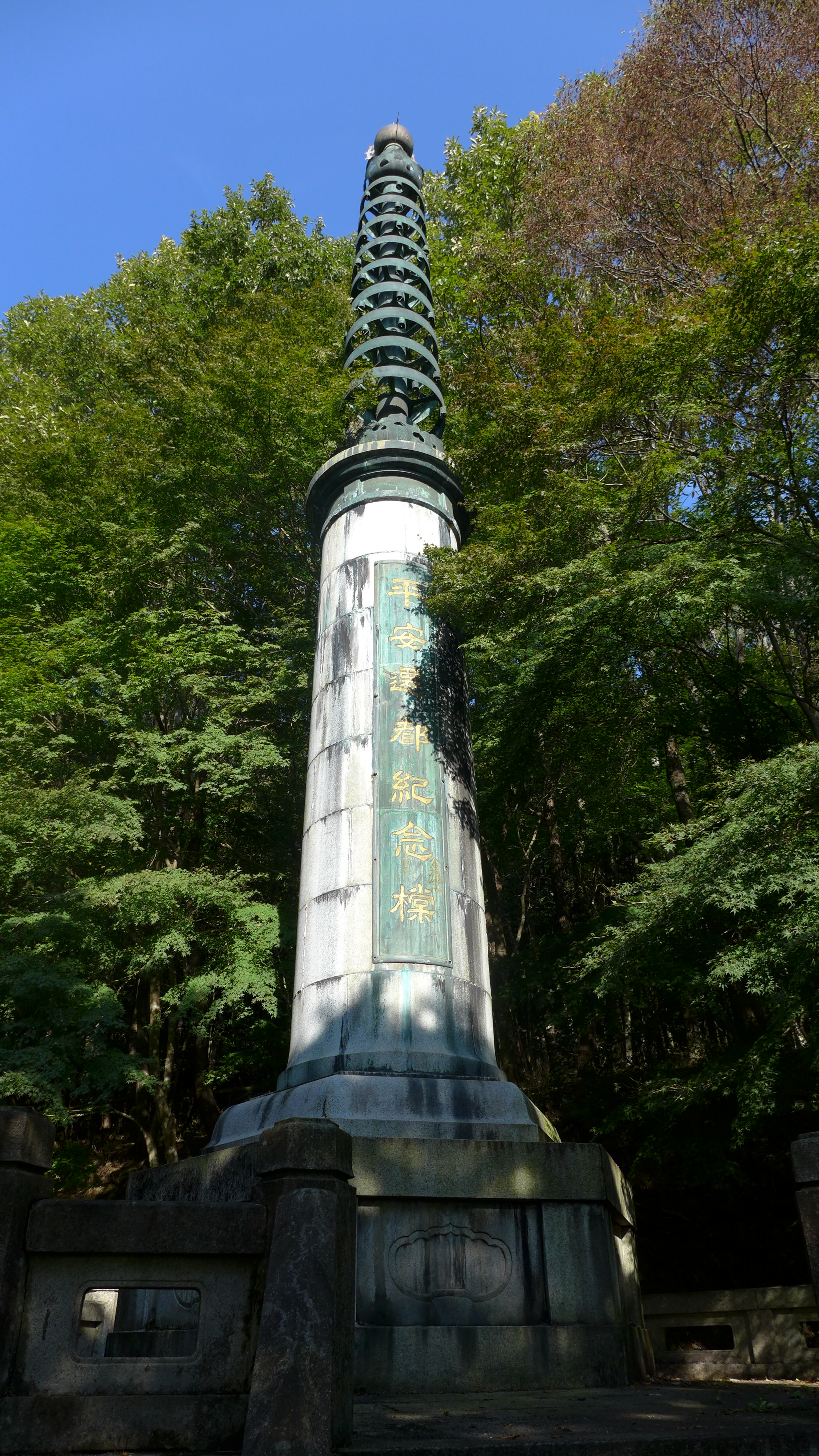
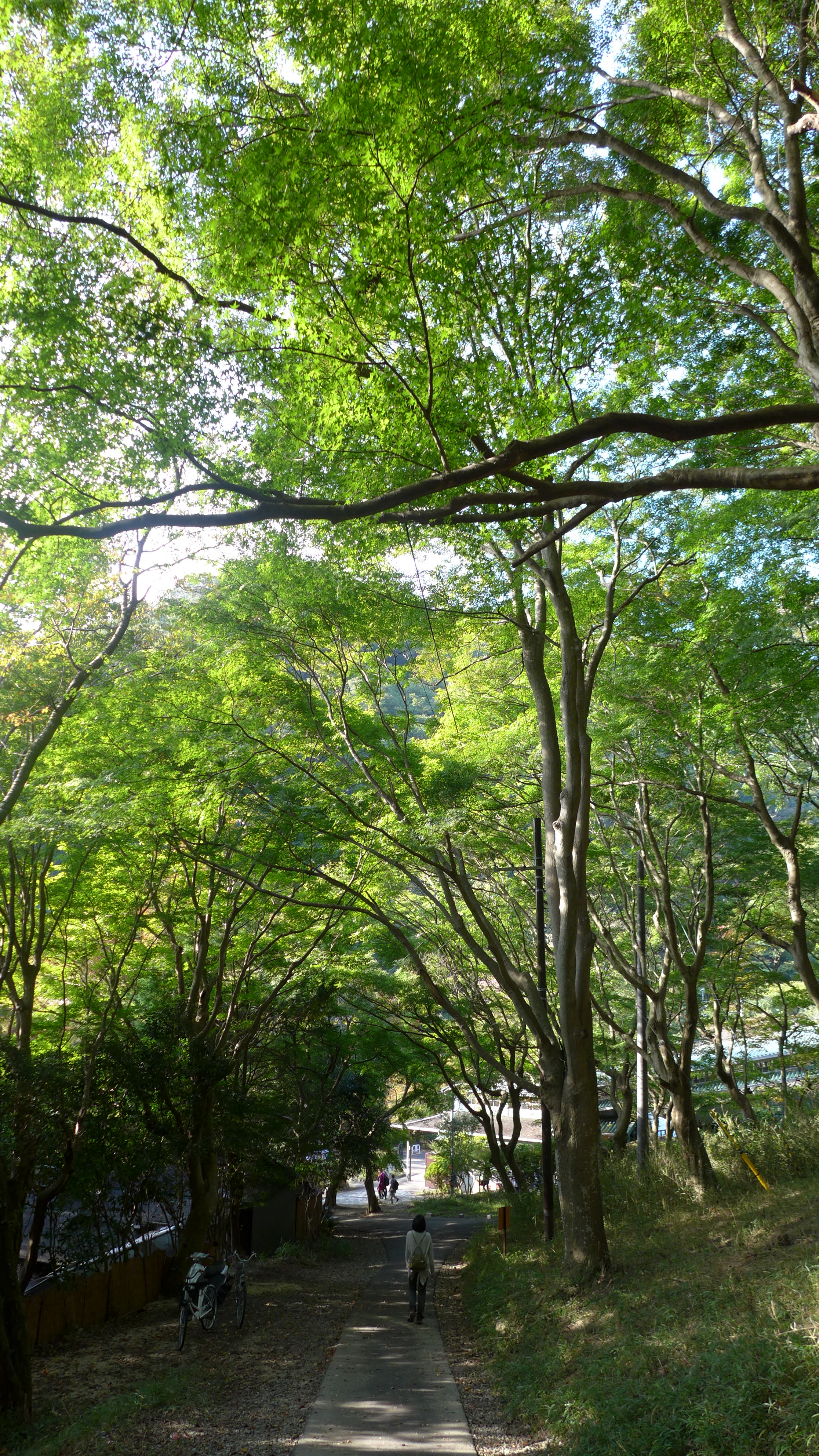
The train to Yasehieizanguchi station (八瀬比叡山口駅) only takes around 15 minutes and costs 240円 (£1.30). The train takes you out of Kyoto to a small town surrounded by mountains with the Takano river (高野川) running through it (the same river carries on through Kyoto). The cable car is very close to the station and runs on both weekdays and weekends – I think its more frequent on the weekends, running every 20 minutes or so. While we waited for the cable car dad and I had a look around the town, walking up to a monument that appears to be celebrating the founding of the ward that is occupied by Mt Hiei. In any case, it was a pleasant (very short) walk up to the monument and back. The walk was through a small forest of maple trees which will look spectacular in a few weeks when Autumn hits Kyoto.

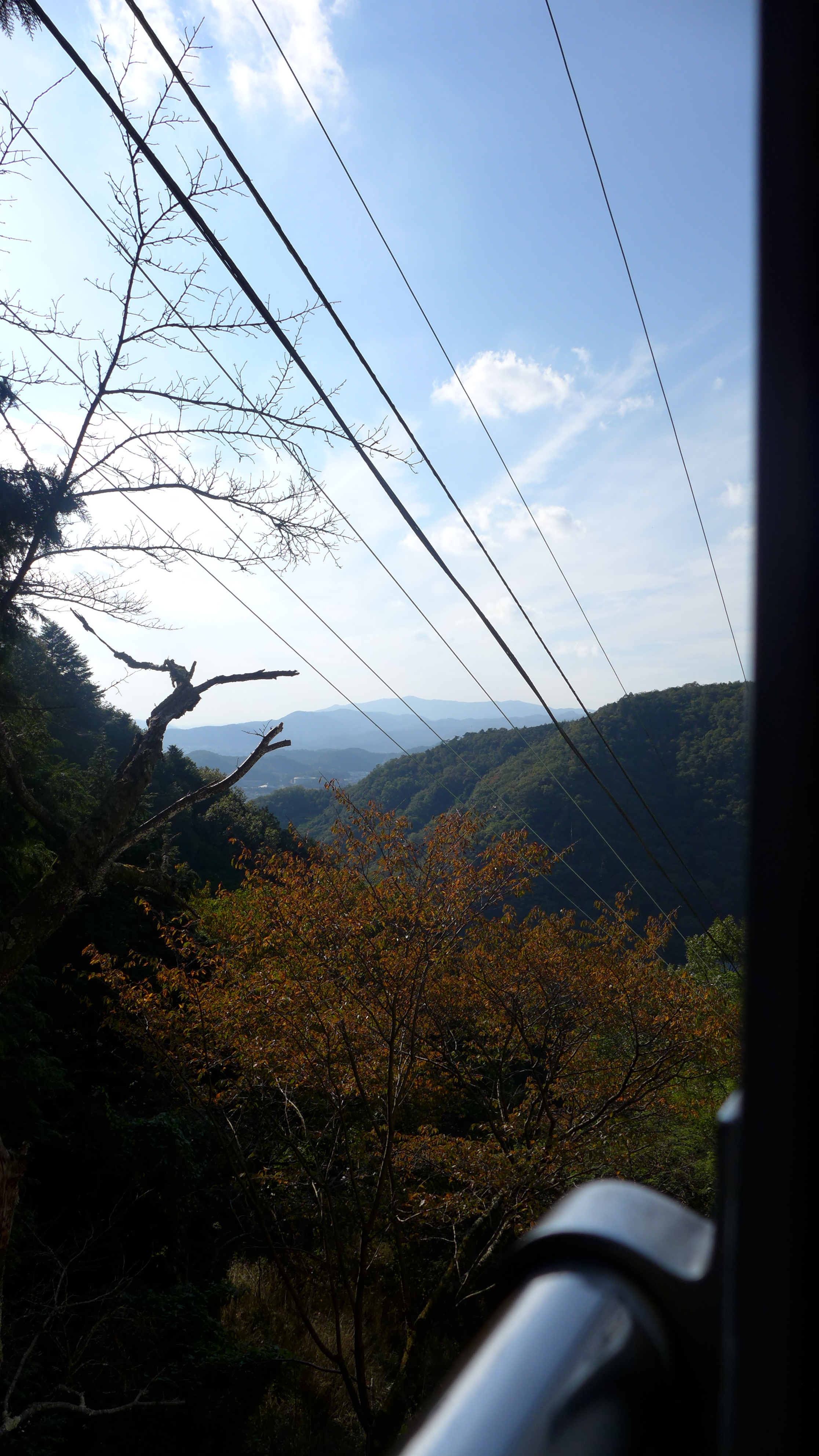
We then got the Eizan cable car (叡山ケーブル)followed by the ‘Ropeway’ (叡山ロープウェイ) up to the top of the mountain. The cable car is essentially a tram up the mountain while the ‘Ropeway’ is a suspended cable car. The first cable is very long and definitely necessary and the second covers the short distance to the top – it is possible to walk up to the ropeway from the top of the cable car, it probably wouldn’t take that long but it is pretty steep. The cost of a return ticket from the bottom to the very top, including a ticket to the garden museum, is 2100円 (£12). It is definitely worth getting the ticket with the garden museum included (if you plan to go) at the bottom of the mountain as the museum ticket is only about 400円 extra and at the top the tickets cost 1000円. The time between the cable and the ‘ropeway’ is only about 5 minutes (so efficient) so you can’t really spend a lot of time looking at the view before boarding (obviously you could wait and get the next ropeway if you wanted to).
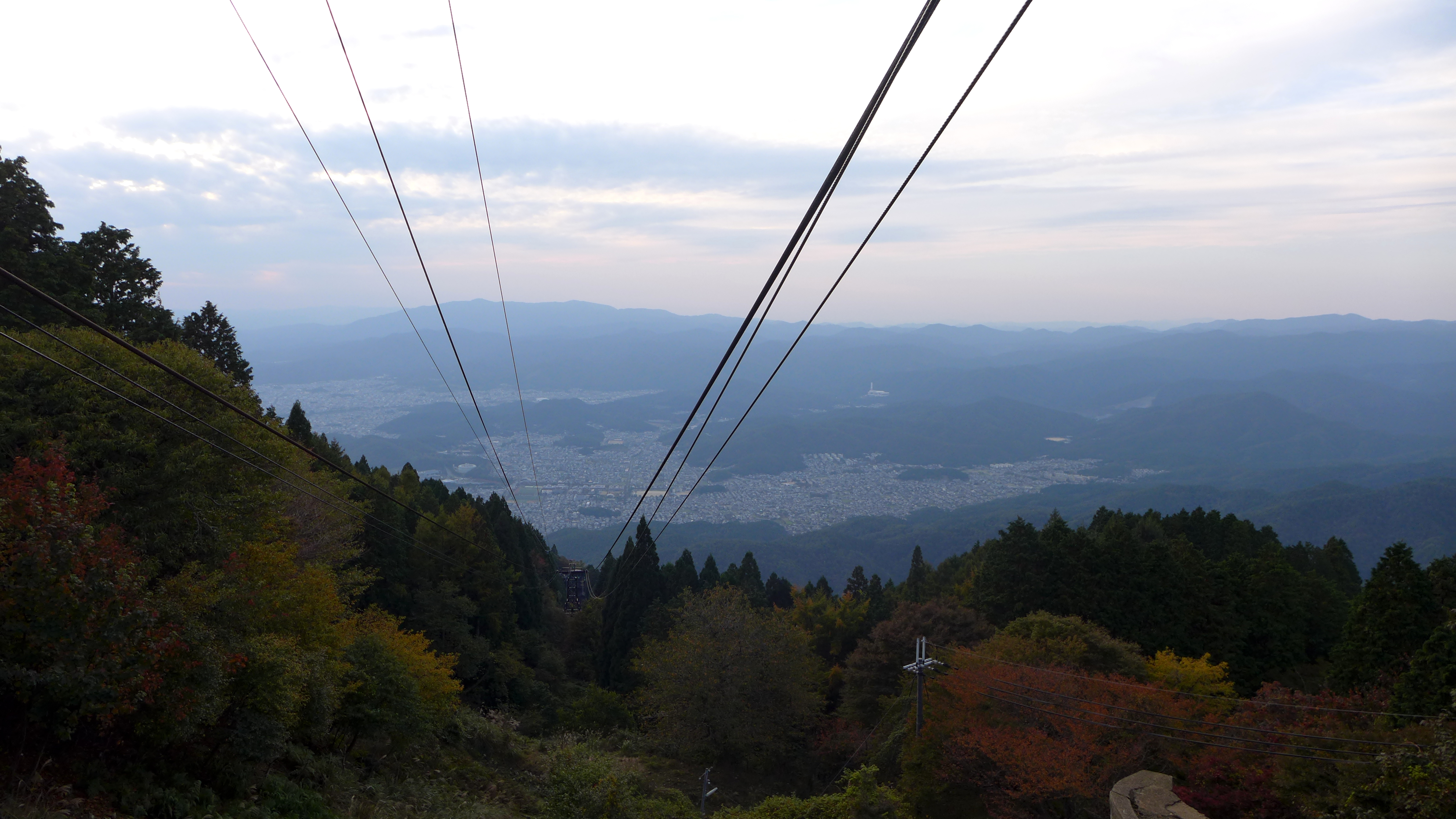
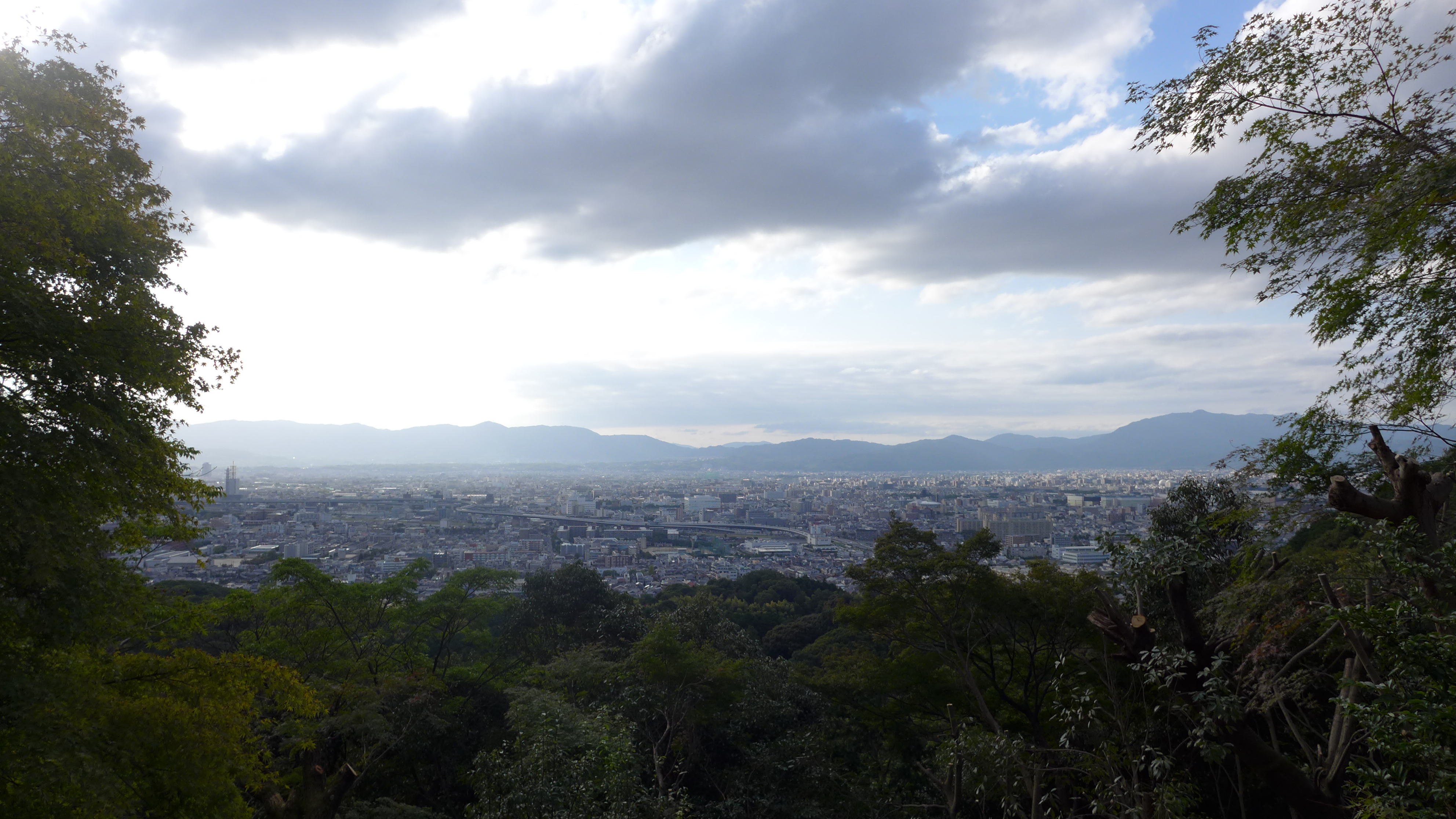
The views from the cable car and the top were spectacular – you can see the whole of Kyoto from the cable and when you get to the top you can look over the other side of the mountain at Lake Biwa (琵琶湖), the lake over the mountains to the East of Kyoto. It’s worth a journey up the cable for the views alone, we were lucky to go on a clear day so we could see the mountains fading into the distance – they looked like giant rumpled up cloths stretching into the haze, it was spectacular.
An interesting aside about Mt Hiei: while I was looking up more about the mountain this evening I learned that some monks do a thousand day marathon walk around Mt Hiei over the period of 7 years (doing stints of 100 or 200 days at a time), covering the same distance as walking round the whole world! Only 13 monks have completed this since WWII. Here is the article on it if you want to check it out, pretty interesting stuff.
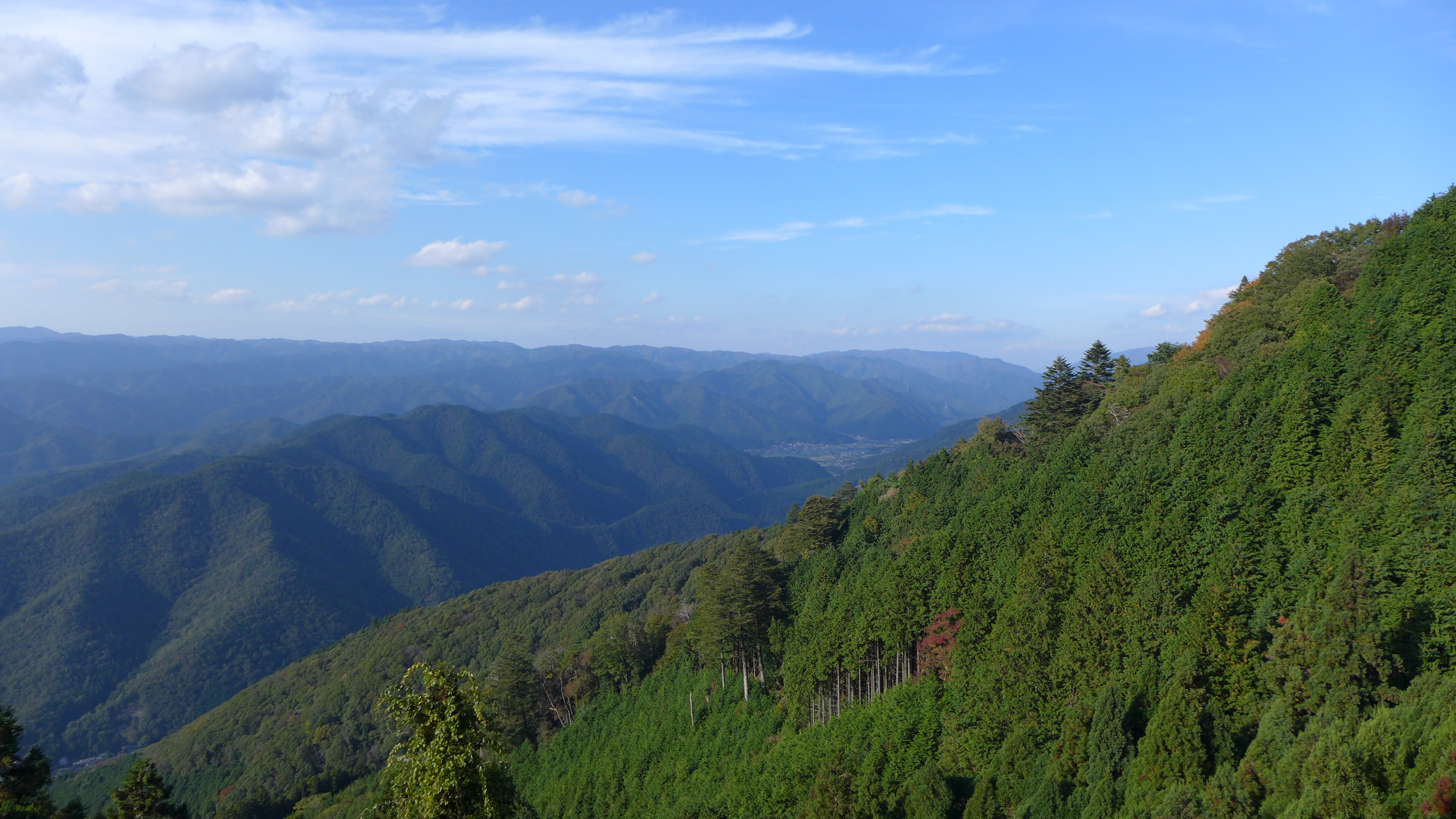
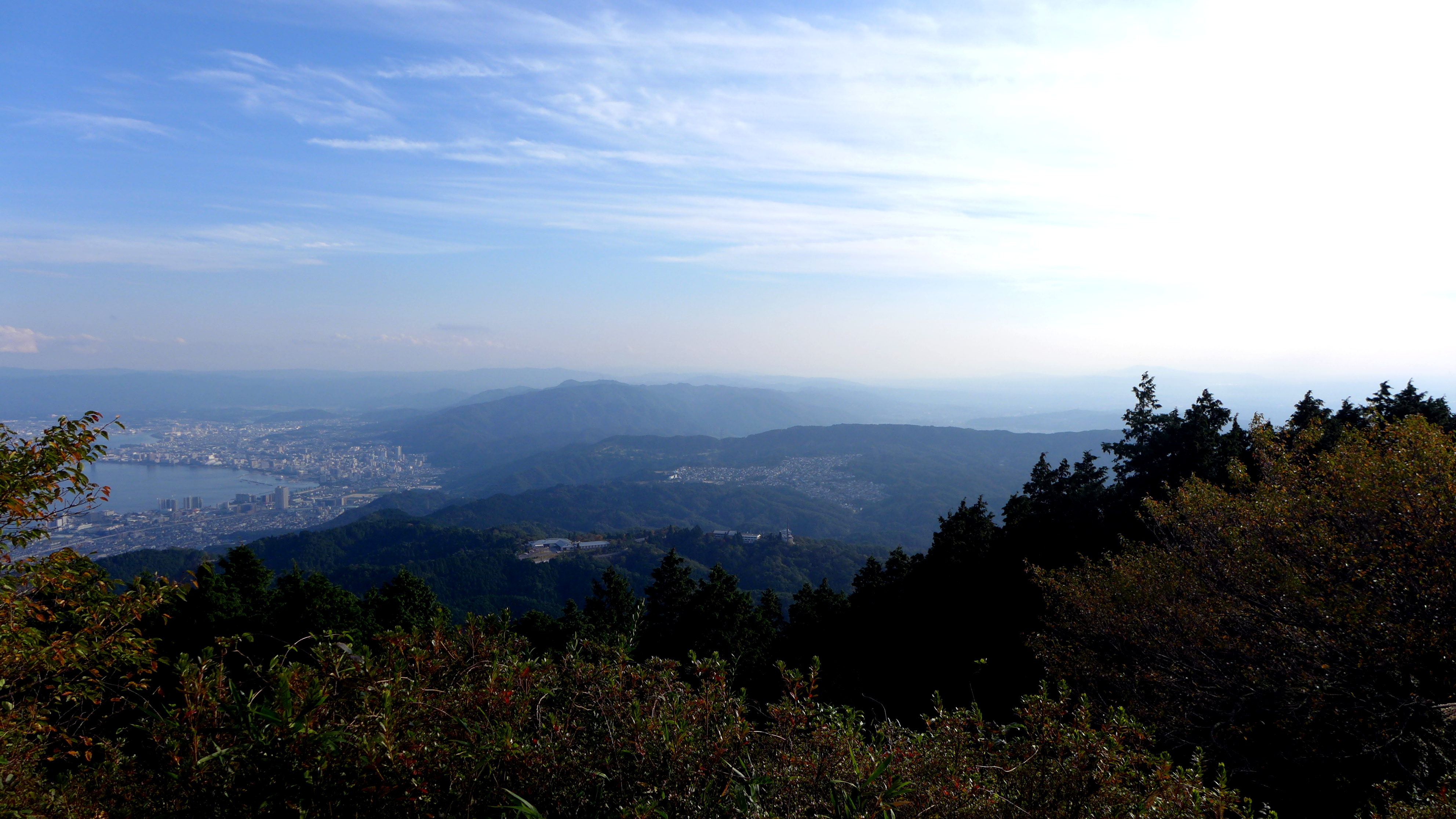
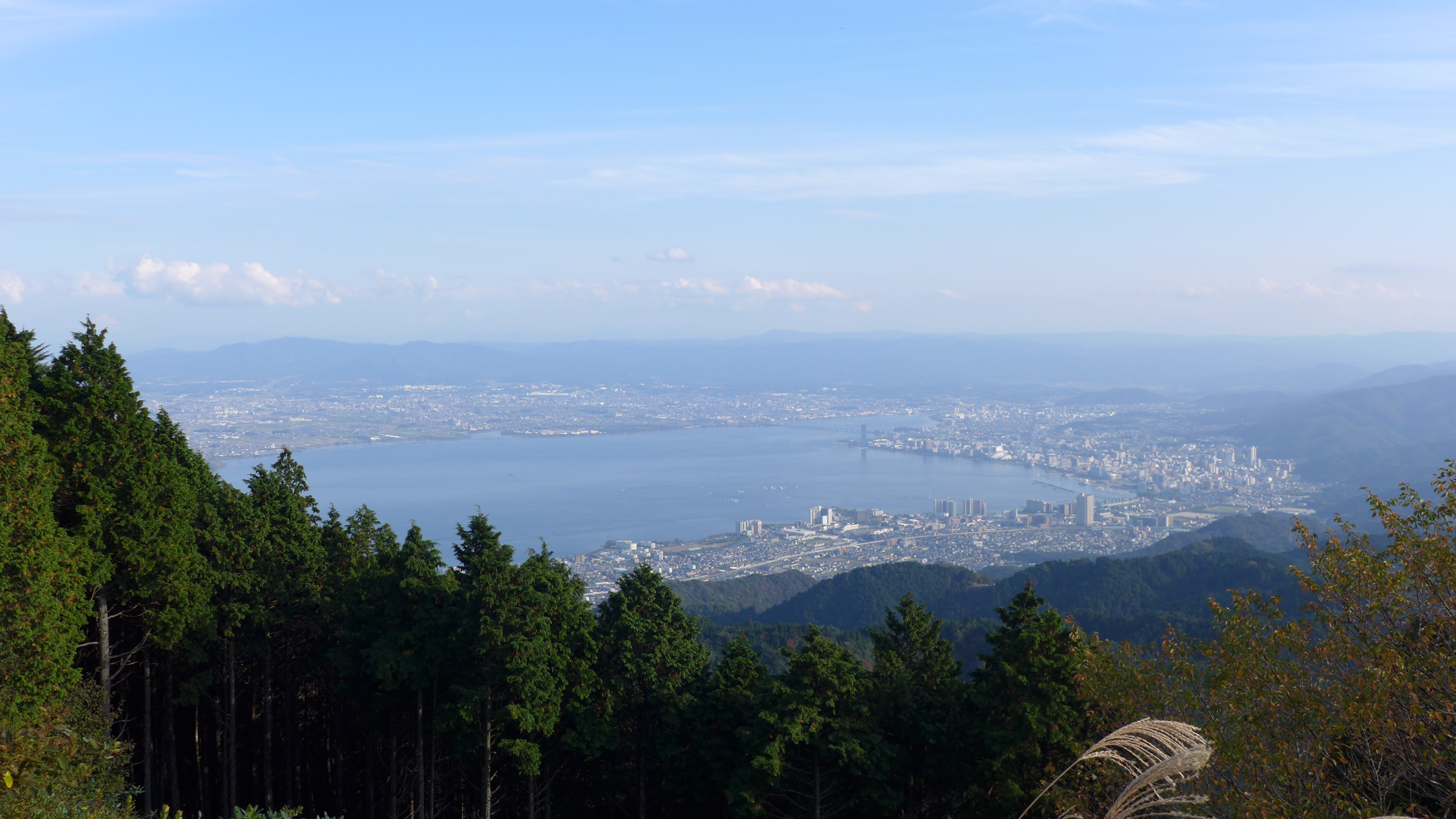
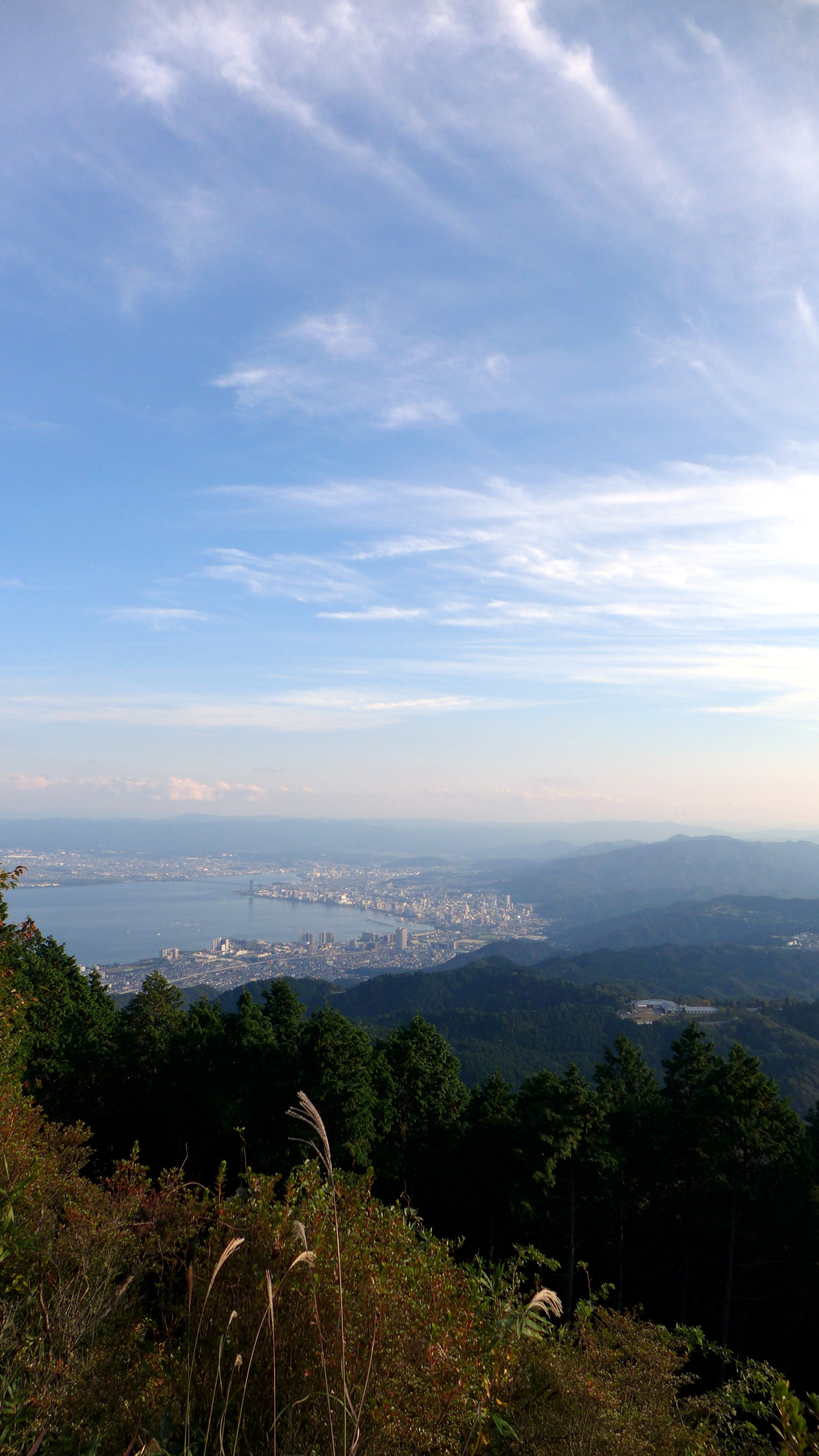
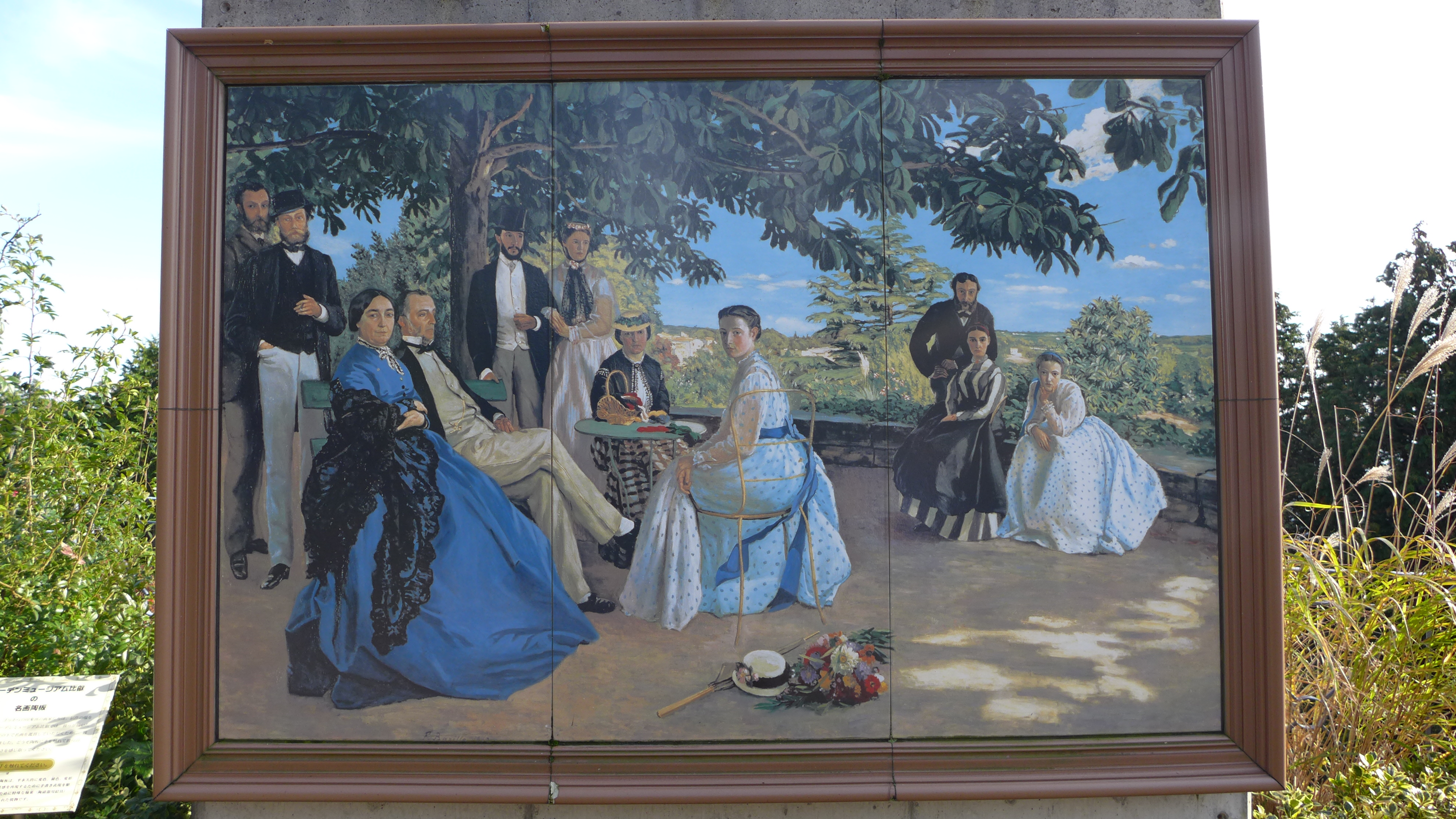
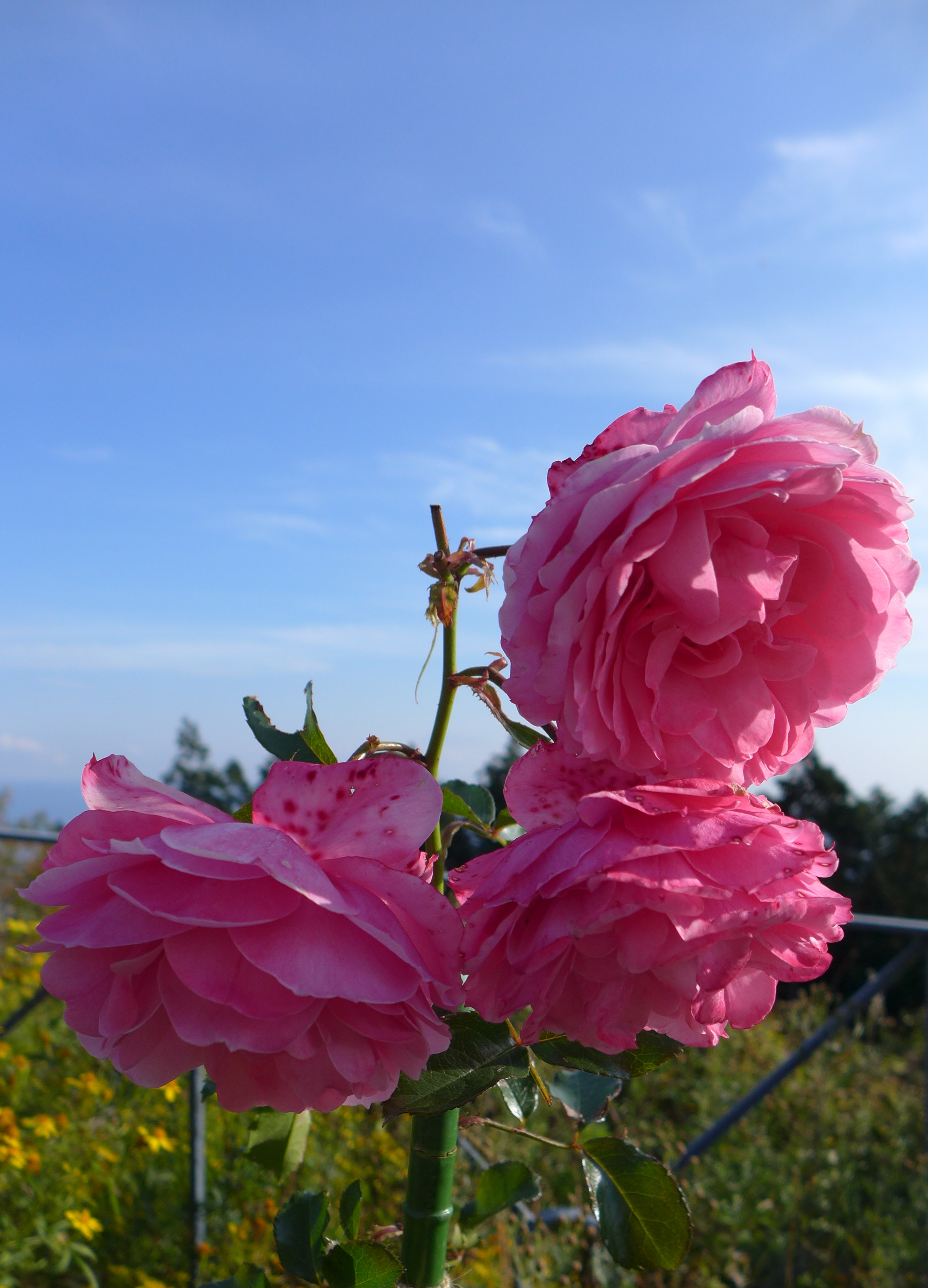
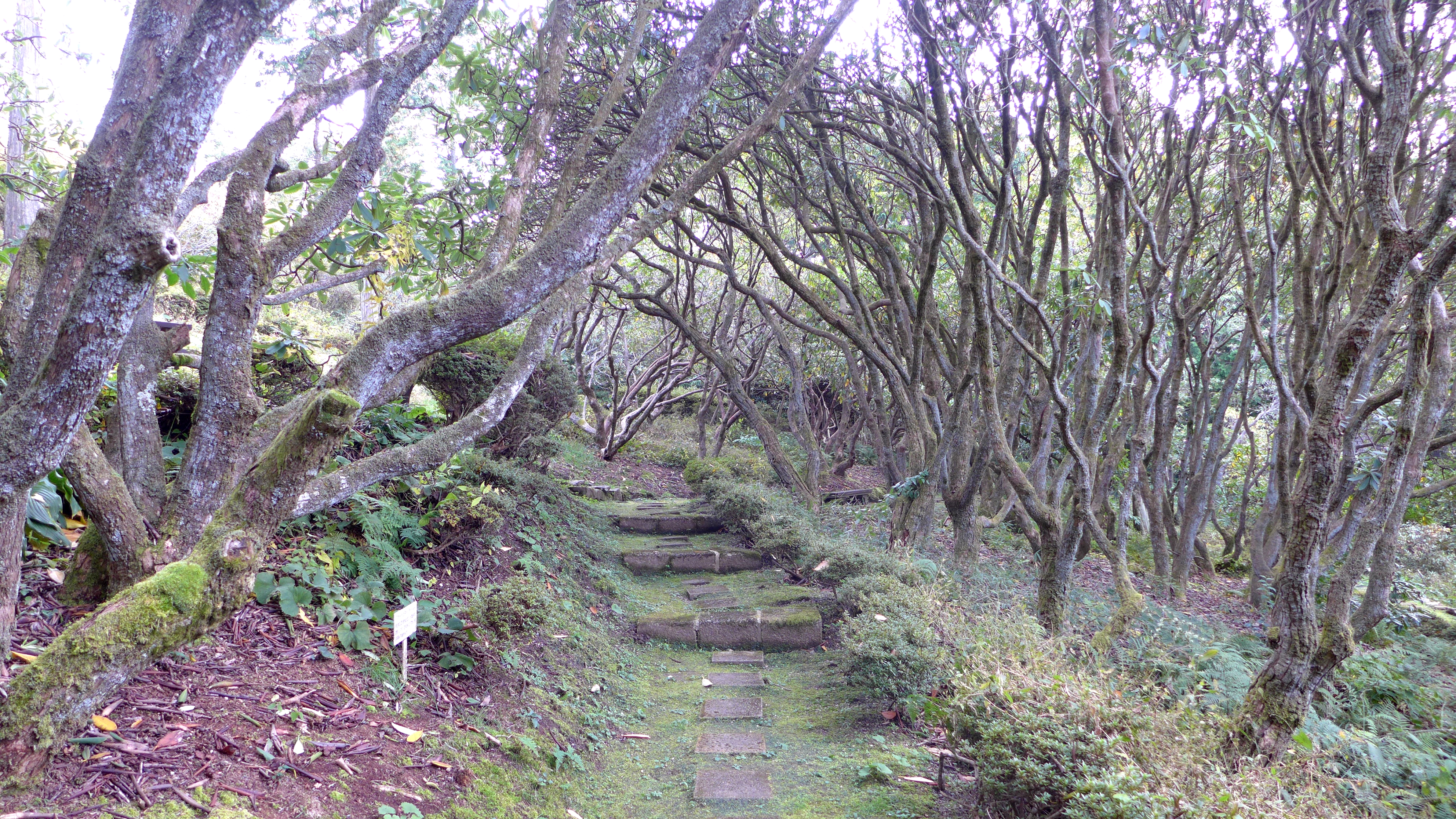
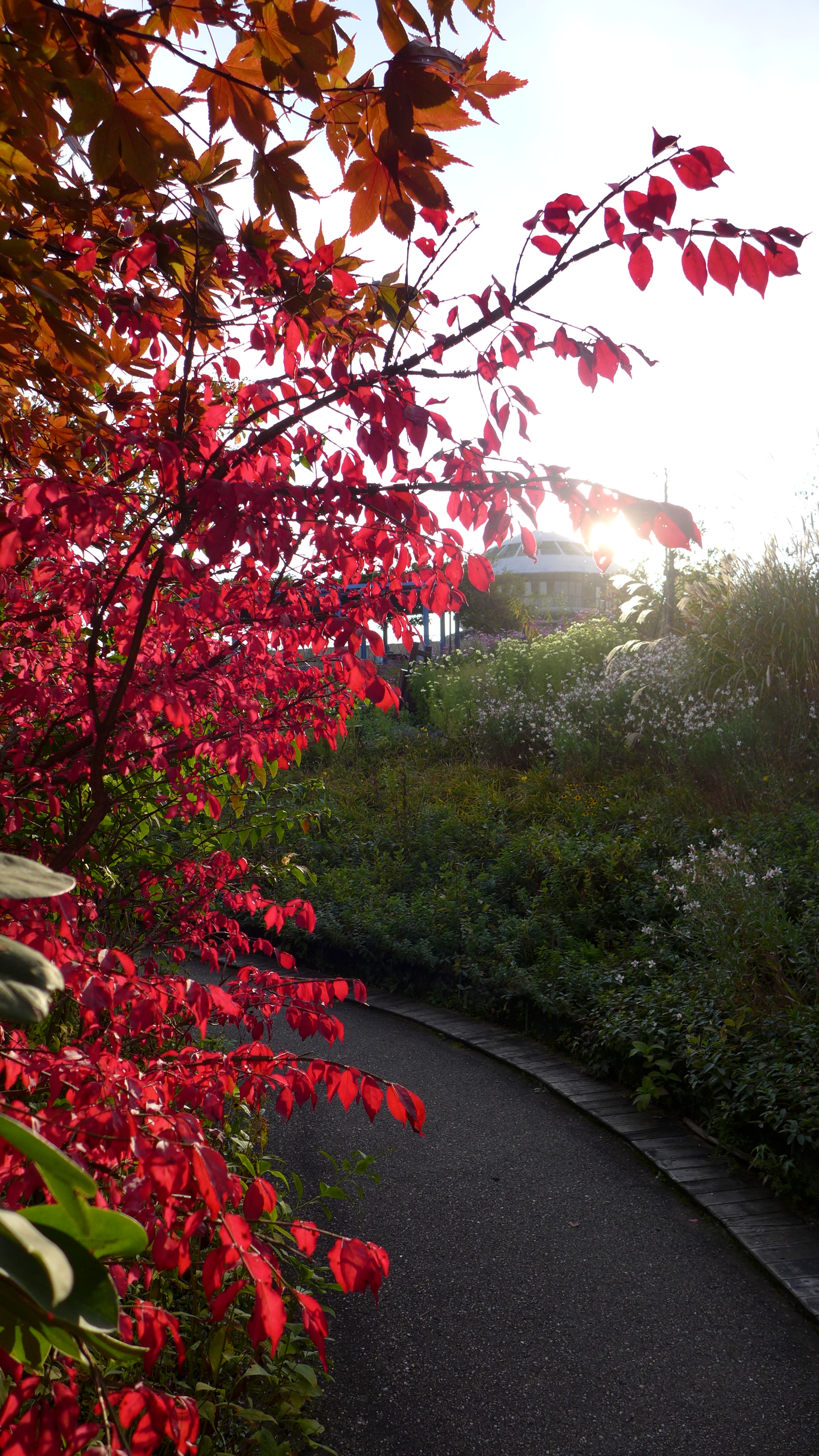
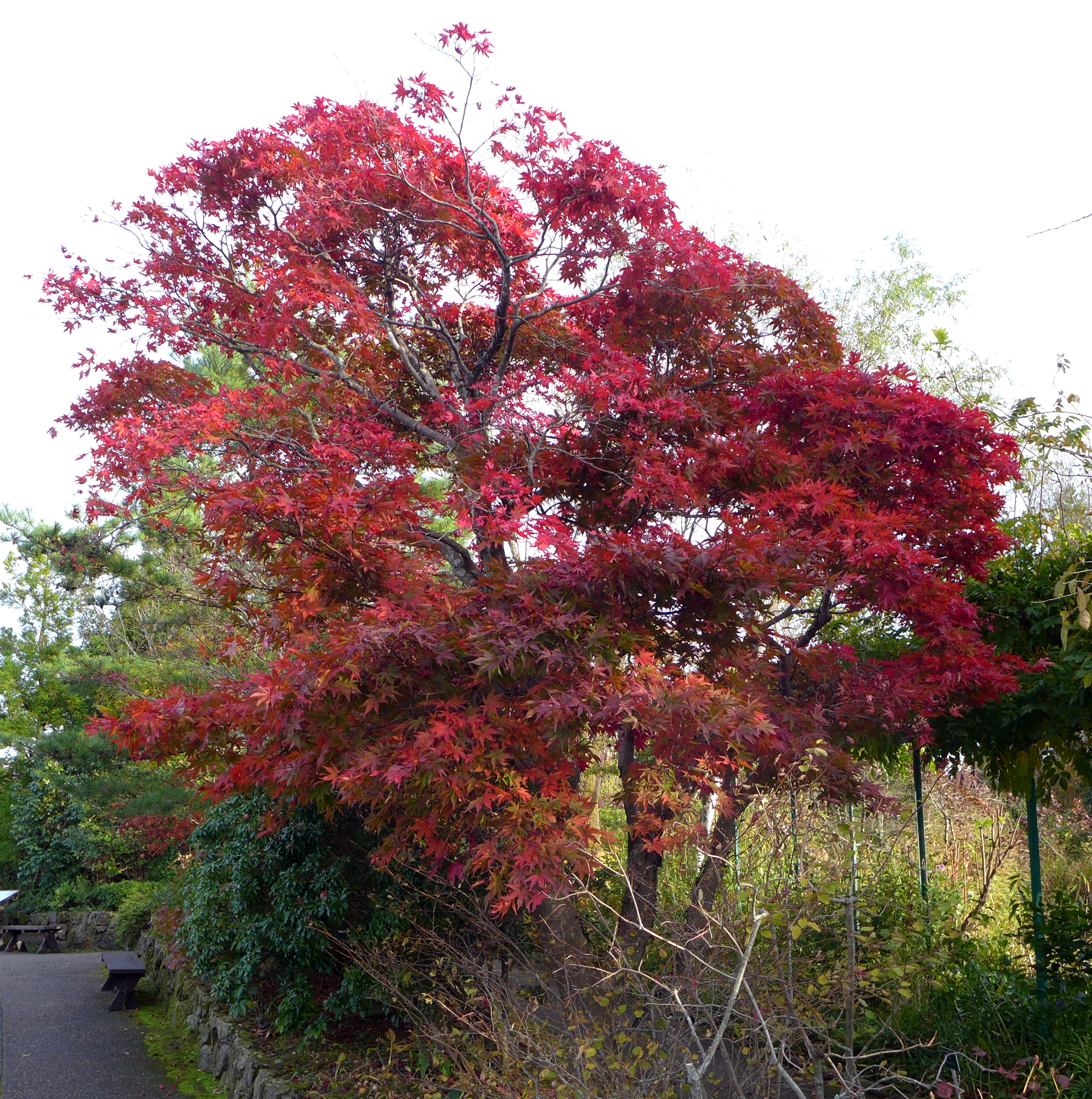
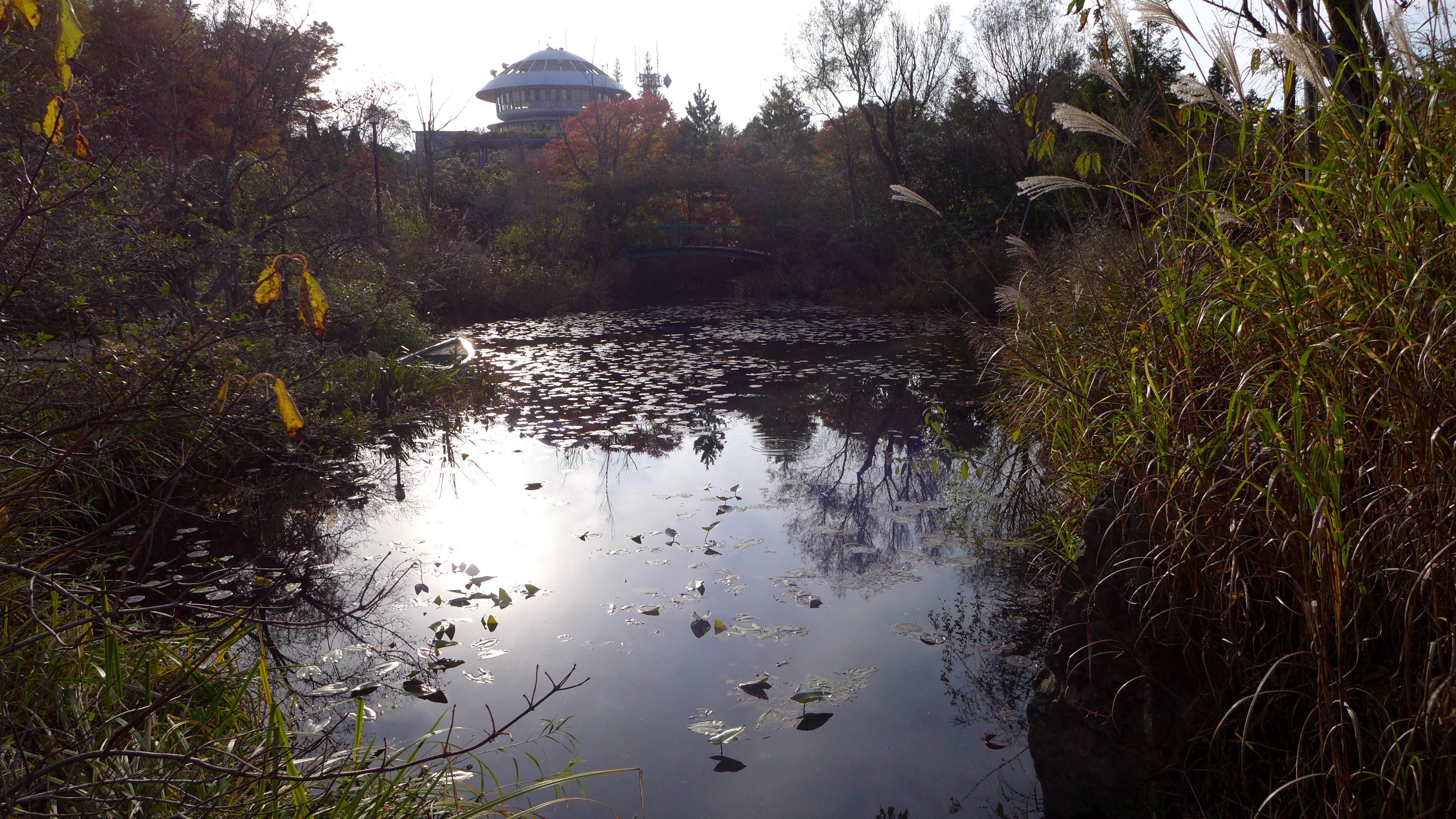
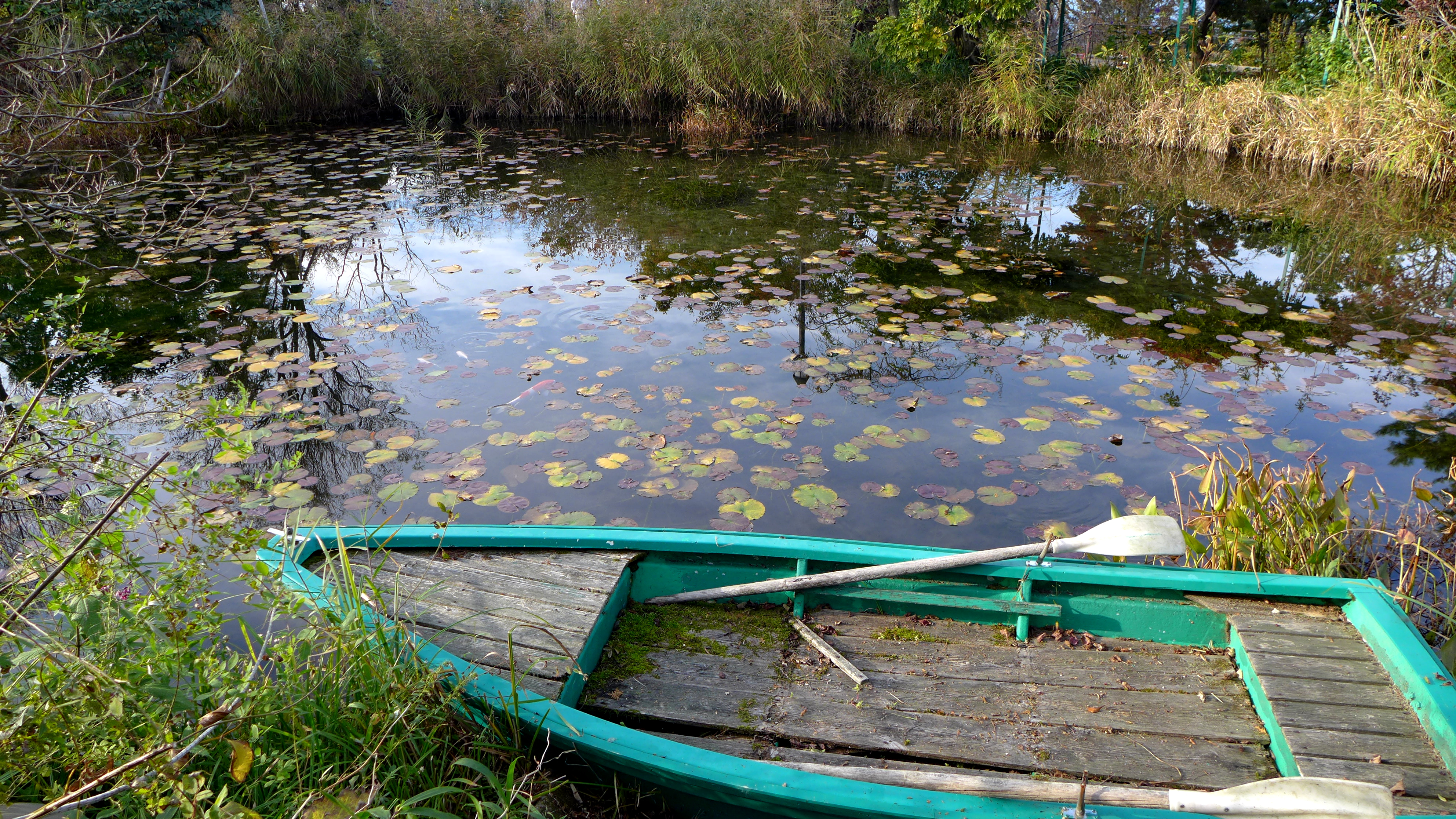
Very near to the top exit of the ‘Ropeway’ is the entrance to the ‘Garden Museum’ (ガーデンミュージアム比叡), a European-style garden designed to reflect the works and subjects of Cezanne, VanGogh, Renoir and other impressionist painters. At this time of year it was amazingly colourful and quite the contrast to the stark rock and tree oriented Japanese traditional gardens. They had also dotted around prints of the aforementioned artists’ works, probably to evoke a more ‘European’ atmosphere and remind us of the source material. As it is at the top of the mountain you can enjoy the flowers and the views at the same time. In a few weeks it will be even better with the Autumn colours – there was a bit of red but you can tell that in a few weeks the mountain will be cloaked in the robes of Kyoto’s Autumn.
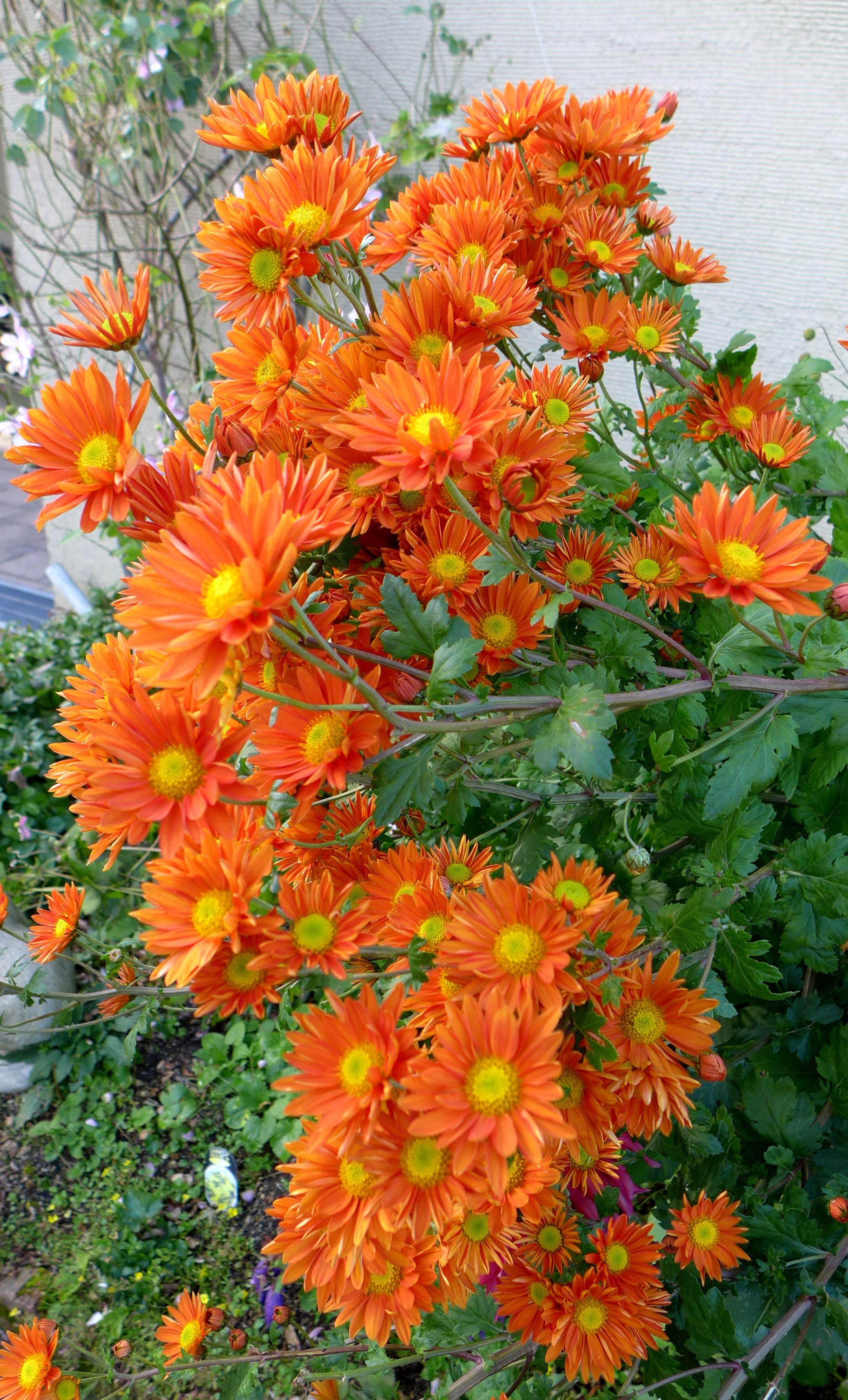
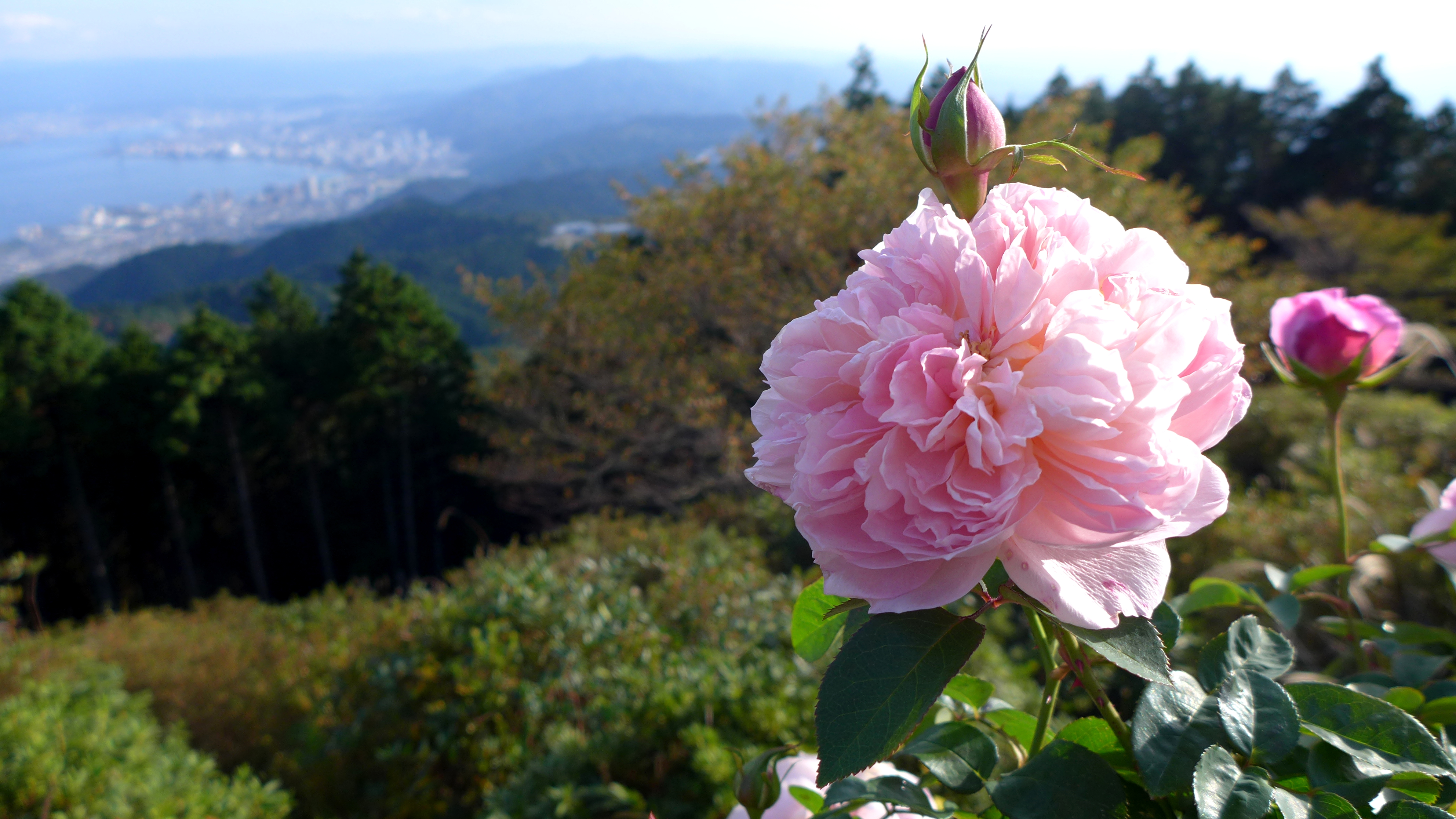
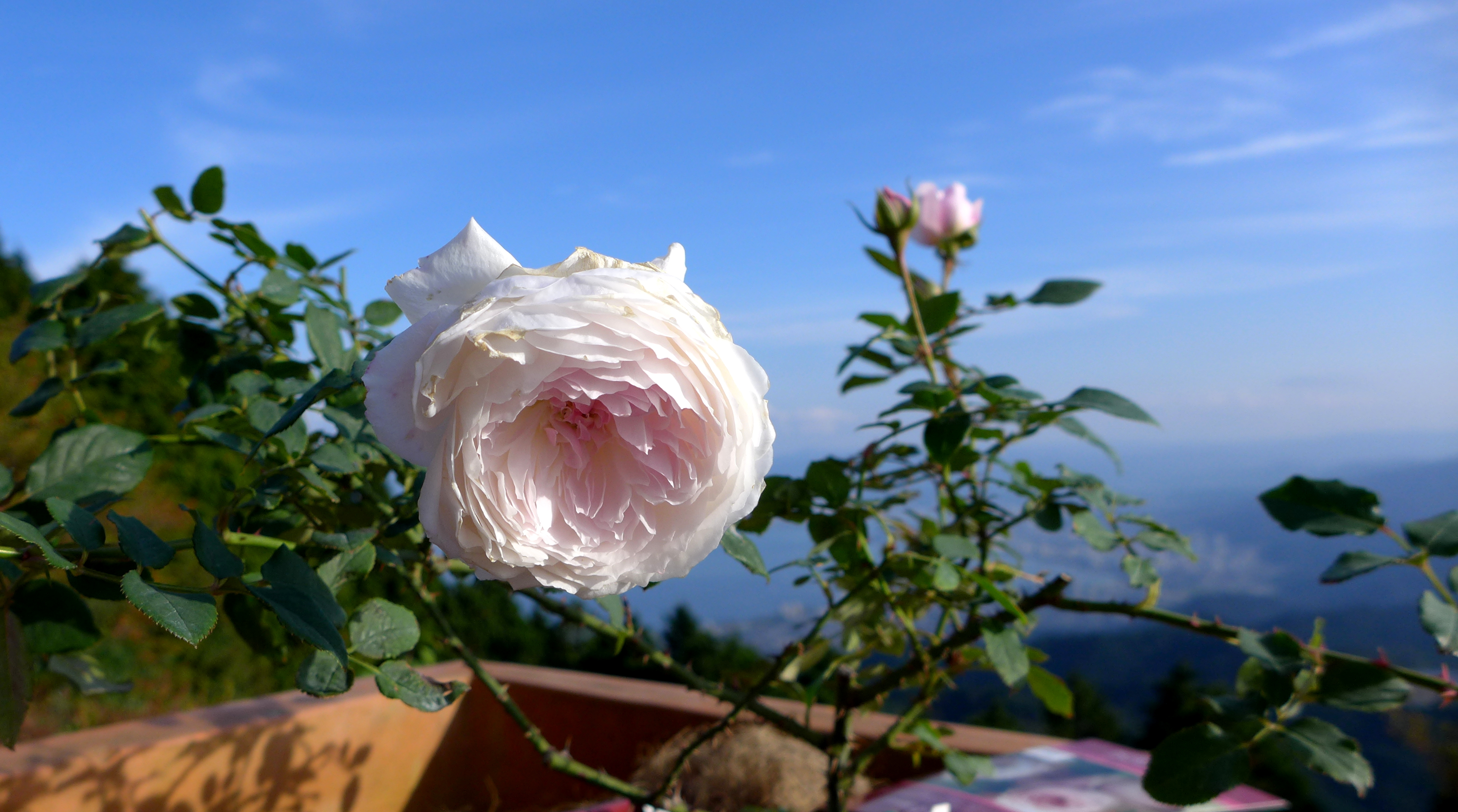
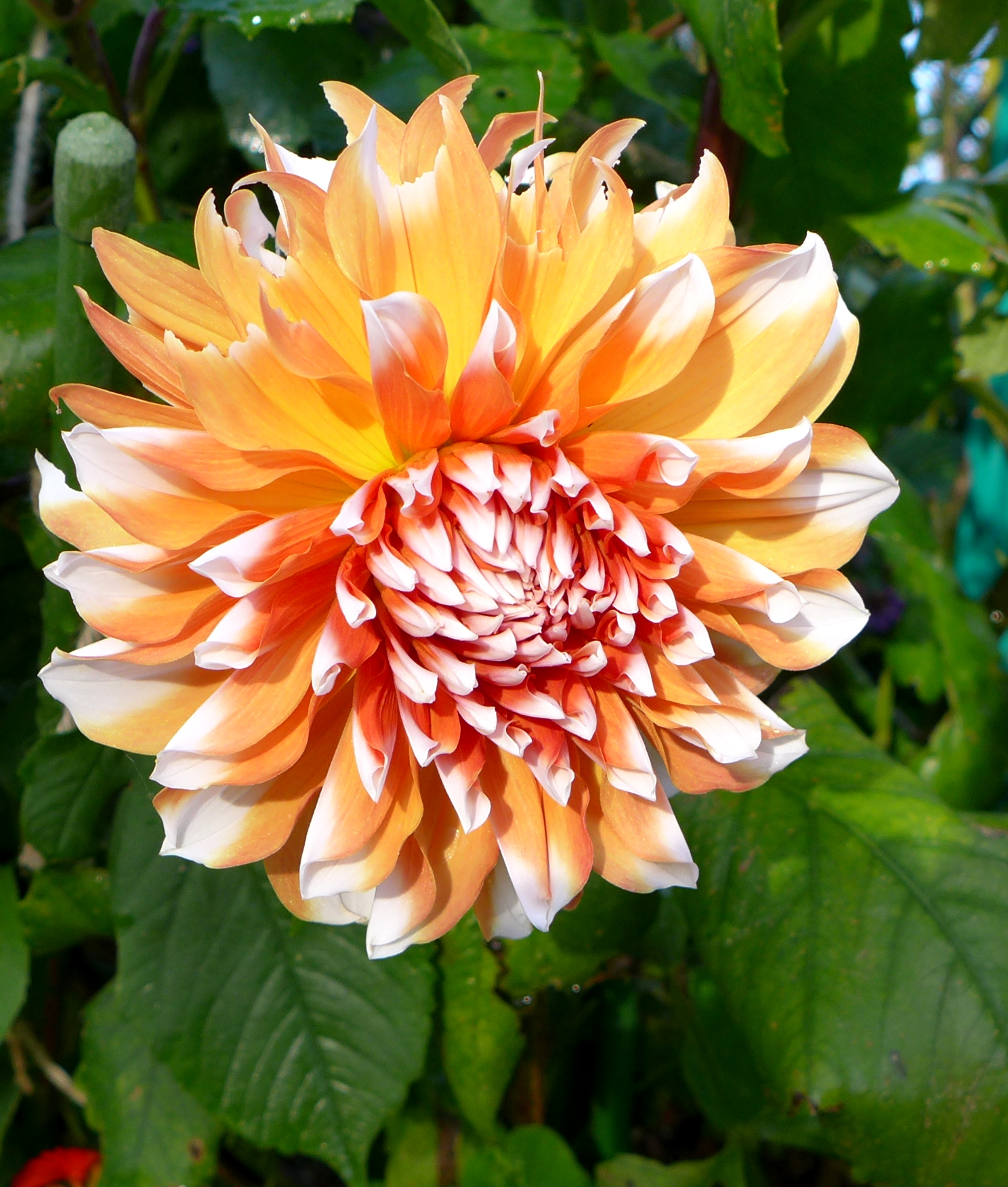

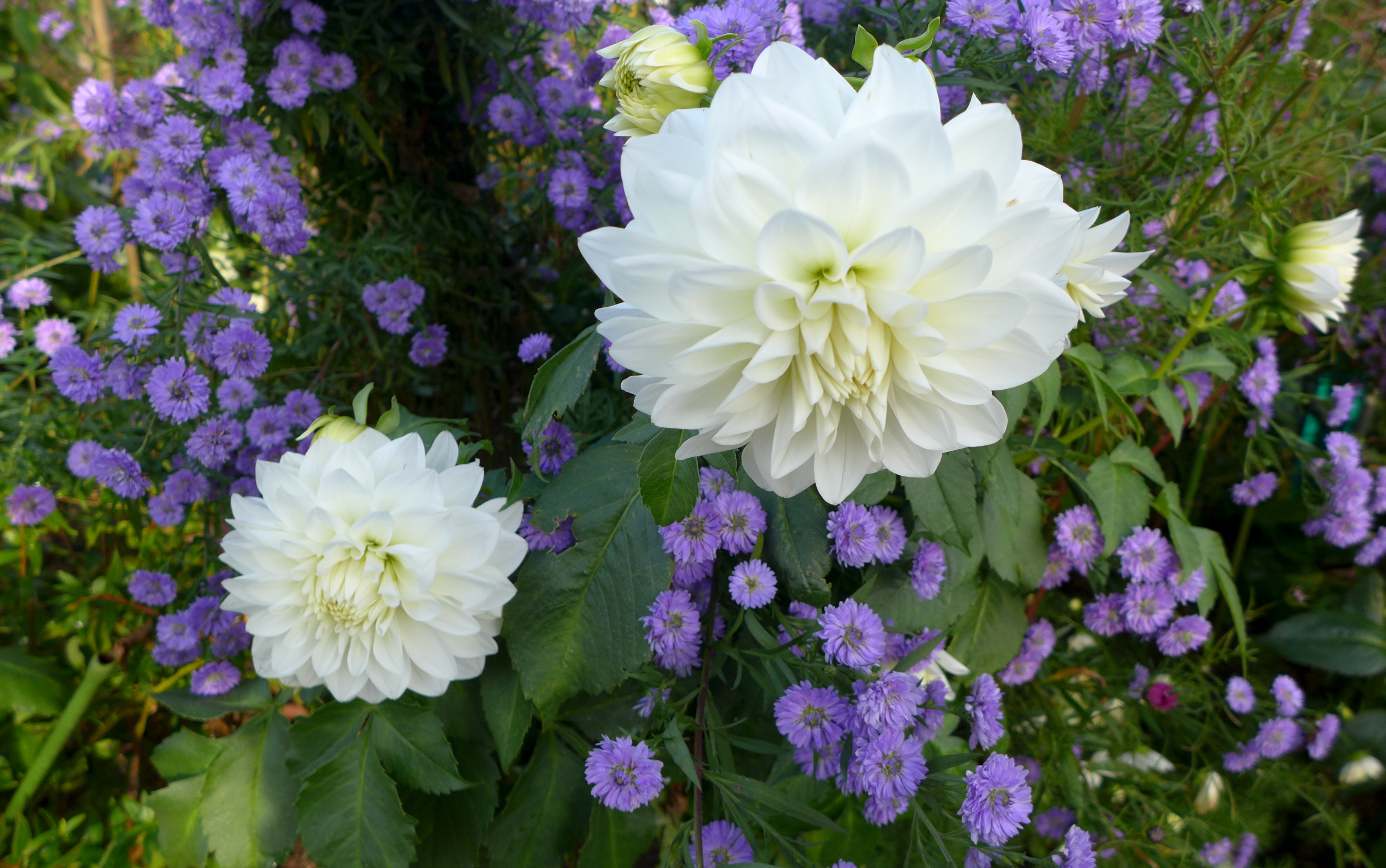
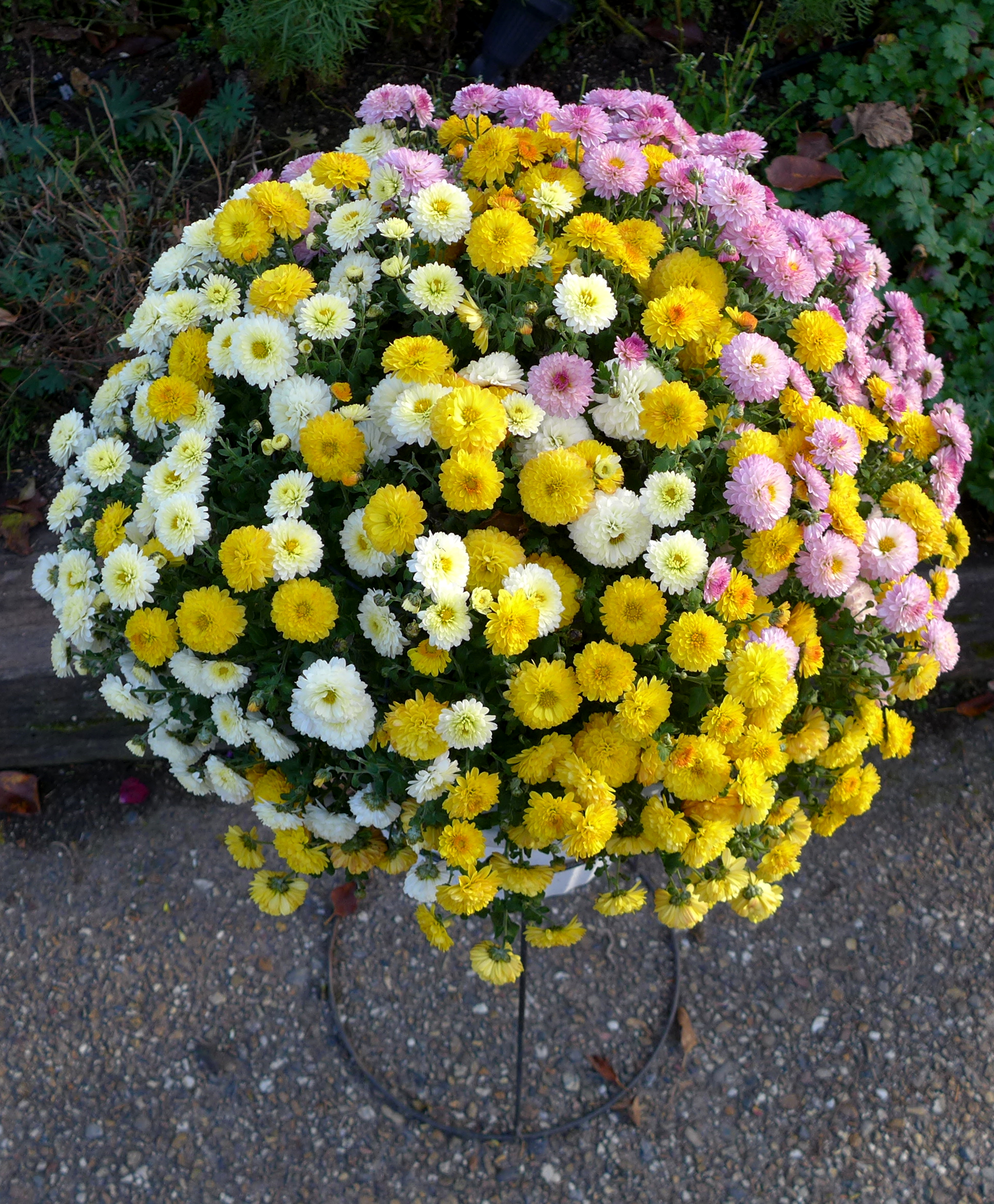
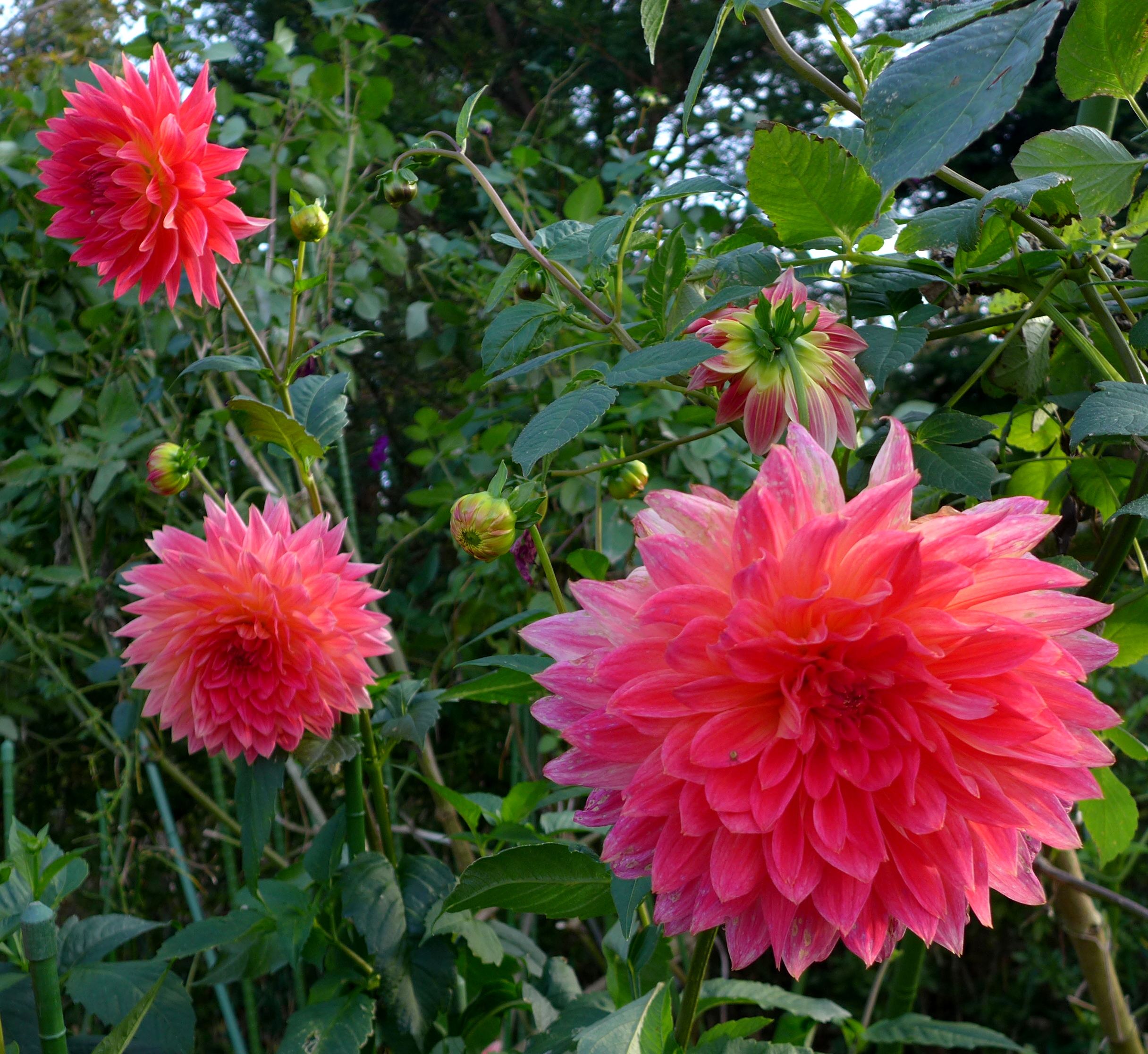
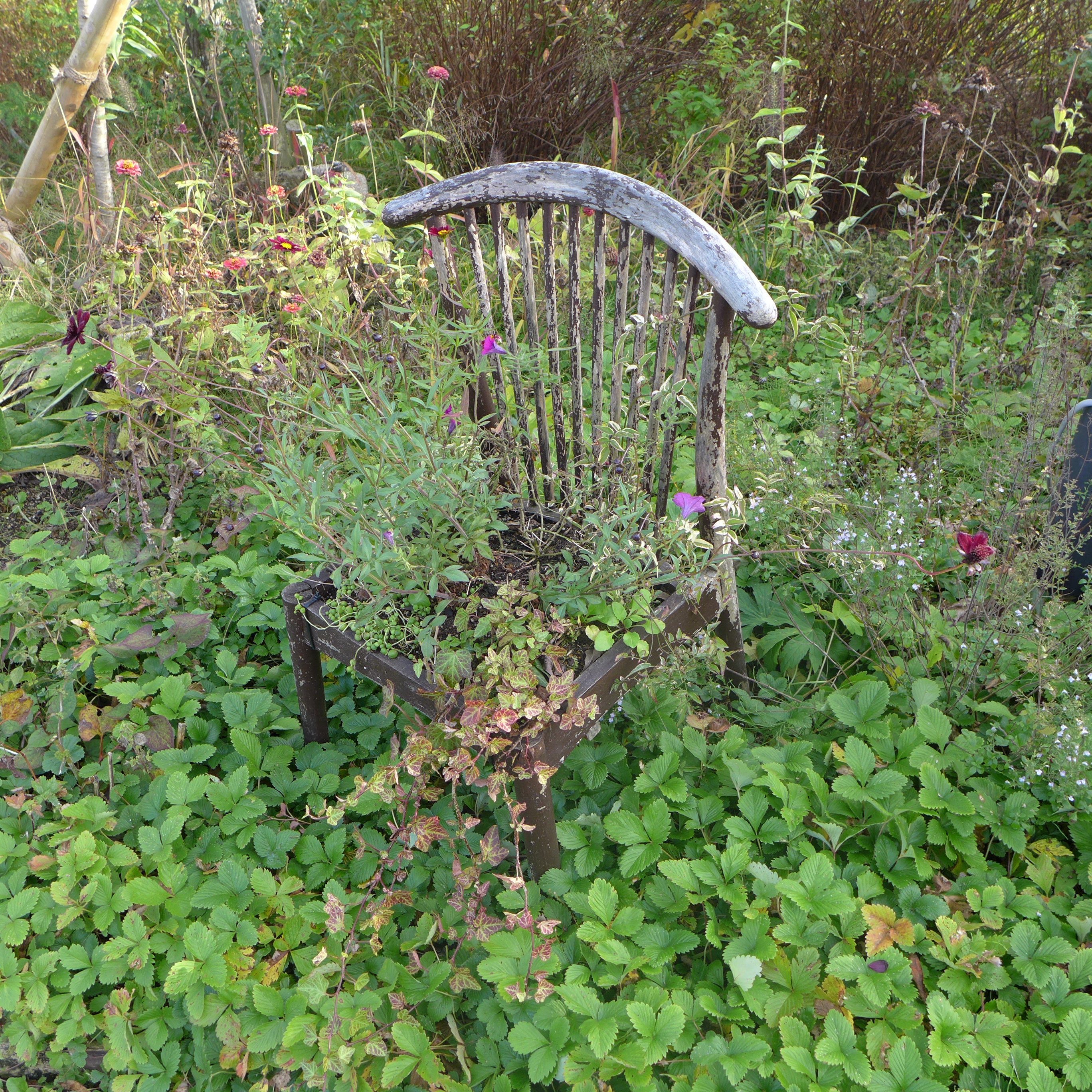
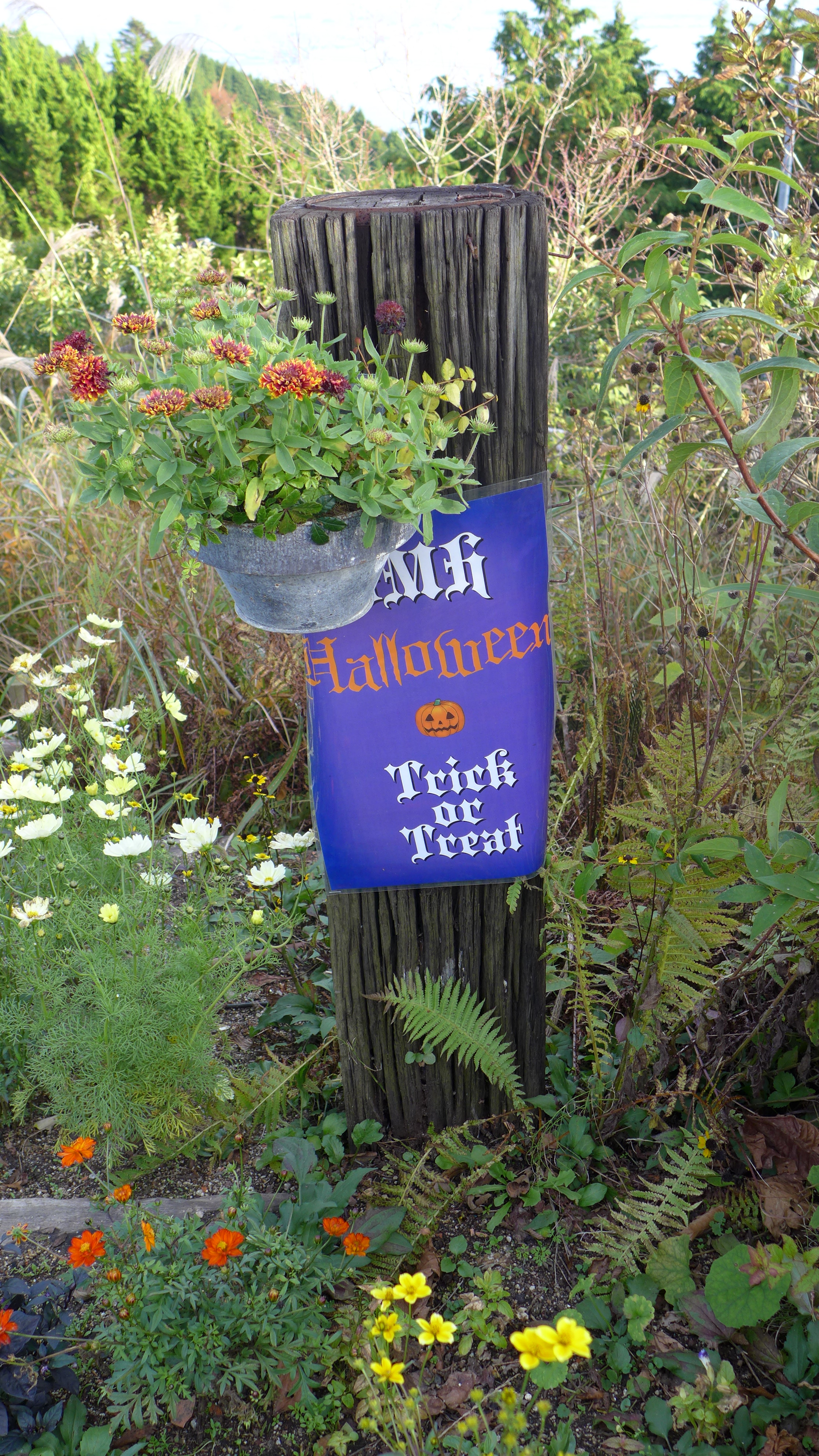
They also had a special Halloween theme at the garden which meant that they had some pretty large pumpkins (big orange ones, not tiny green Japanese ones) and ‘trick or treat’ posters dotted around the park (which looked pretty out-of-place). Japan has gone pretty Halloween-crazy in general – there have been Halloween decorations in all the shops for weeks and the Halloween-party-period seems to have started last weekend and carries on over this weekend coming. I hate to think what the buildup for Christmas will be like – I’ve already seen a guy dressed as santa (though I fear it was a Halloween costume) and some snowy wreaths out and we have over 2 months to go!
 I’ve just noticed they didn’t do their pumpkins properly – they seem to have used marker pens to make the faces instead of cutting them out. Sub par.
The gardens were fantastic and fairly empty – a good trip away from the maddening crowd. Most people travel up to Mt Hiei to visit the temples (which I will do next time!) and totally ignore the garden. There is also a cafe (Cafe de Paris, no less) which does really nice cakes, proper tea (with milk), coffee and probably does a decent lunch.
We headed down just before sunset (the last cable down is at 6:04) in search of dinner, enjoying the view of Kyoto on the way down. I would allow around 2 or 3 hours to properly appreciate the gardens and the view. Combined with one of the temples you could easily spend a whole day on the top of Mt Hiei.






 japangie