横須賀 The False Fuji

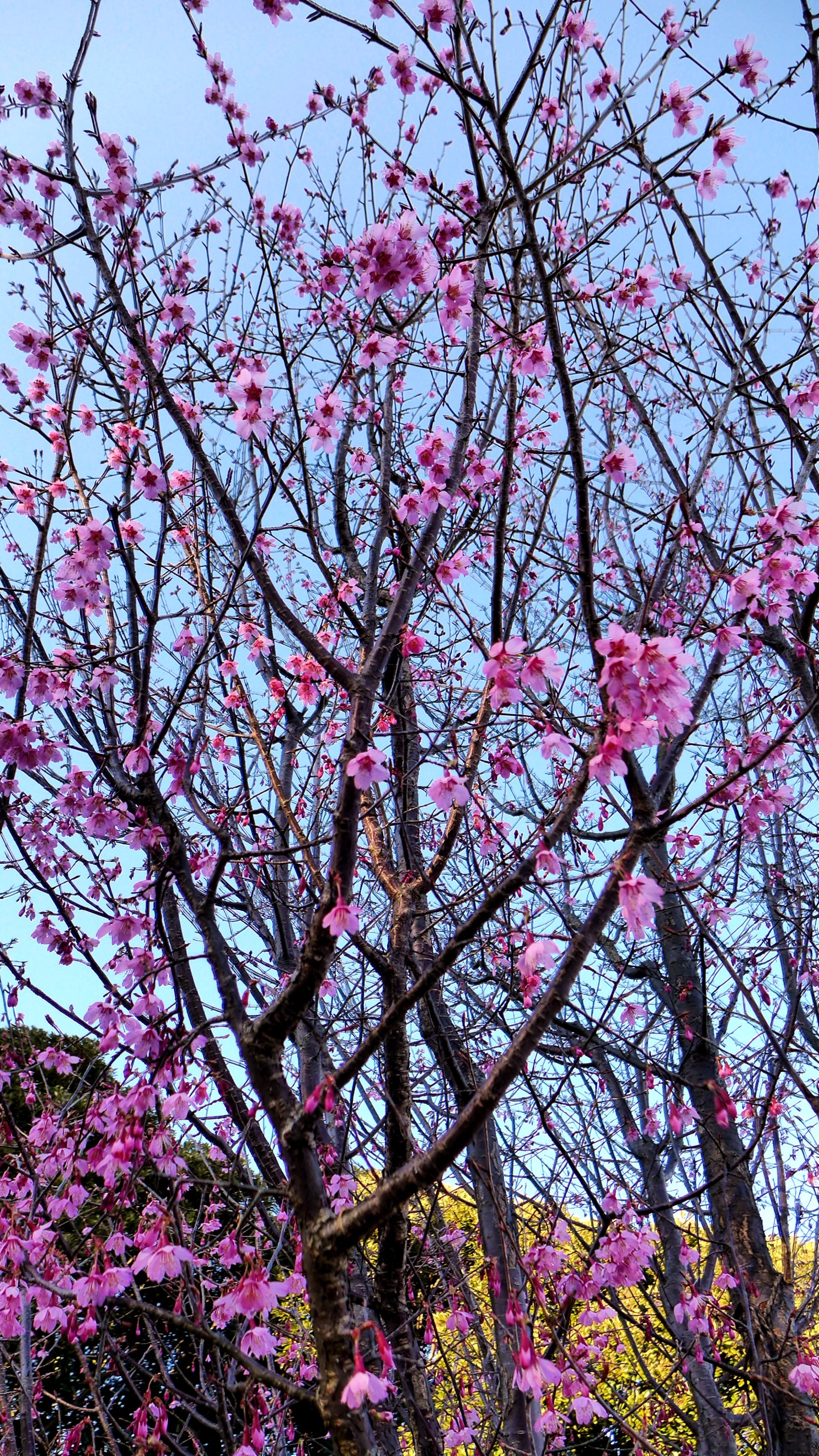
久しぶり!It’s been a long time! (久しぶり, hisashiburi, is something you say in Japan when you meet someone you haven’t seen in a while). You can blame my absence on my parents – they visited me from the 1st until yesterday (the 9th), and that, combined with the start of the spring semester at my university has left me with no time to write. I have been to see loads of cherry blossoms and I’ve nearly filled up my stamp book, so look forward to lots of blog posts in the near future!

Today I will pick up where I left off, in Yokosuka visiting my friend in March. I may choose to mix up the next few posts and alternate between Yokosuka and Kyoto, but we shall see what takes my fancy. This will be the story of the False Fuji.

When visiting Yokosuka I looked at Google maps for inspiration for a day out, something I do a lot and has led me to a lot of great adventures. I noticed a mountain to the south of us called 富士山, Mt Fuji. Clearly the real Mt Fuji is not in Yokosuka, I checked it was in its proper place myself when I passed it on the Shinkansen on the way there. But there it was, Mt Fuji the 2nd. The lesser, the pretender. As I am nowhere near physically fit enough to make the 12 hour trip up the real Mt Fuji, we thought it would be fun to check out this one. That way I can honestly say that I have climbed Mt Fuji, just not the one everyone thinks about.
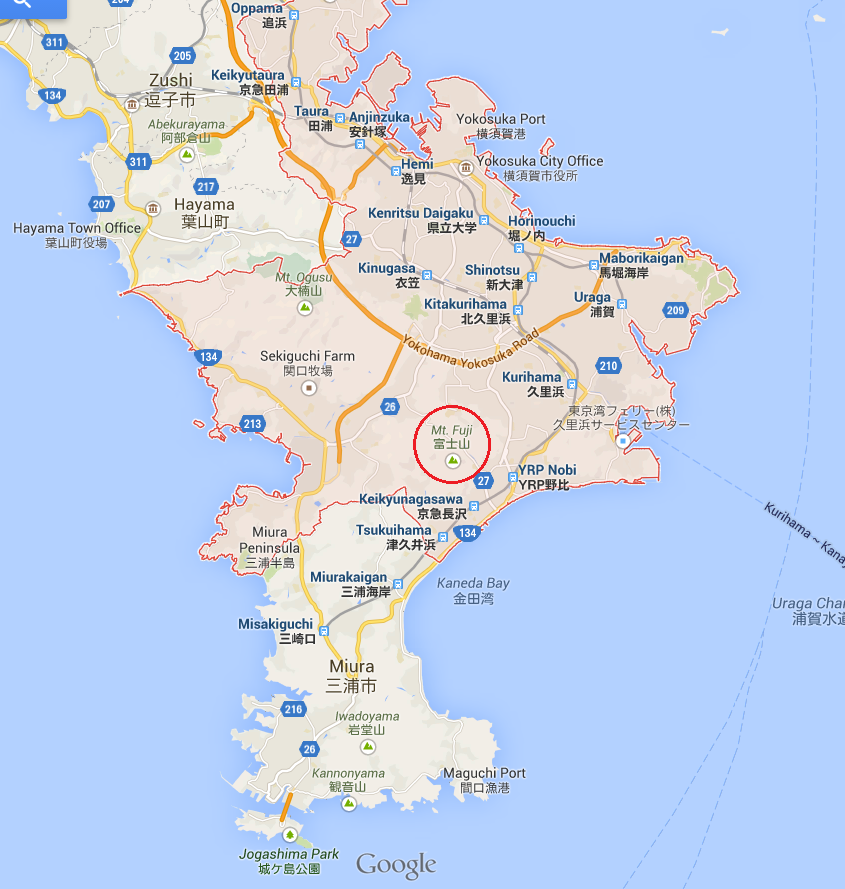
Photo 28-02-2015 11 46 17 am (1)fujifake

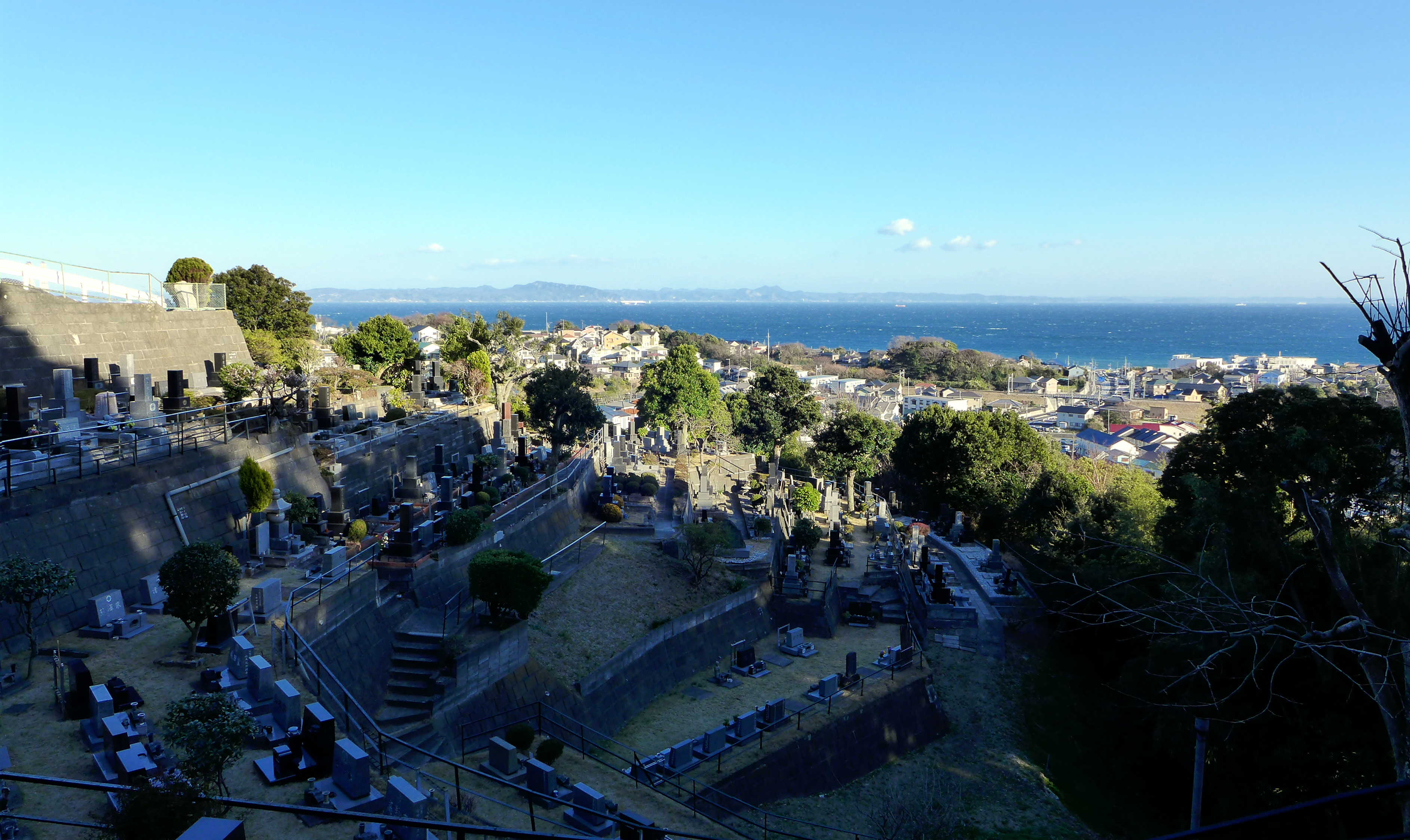
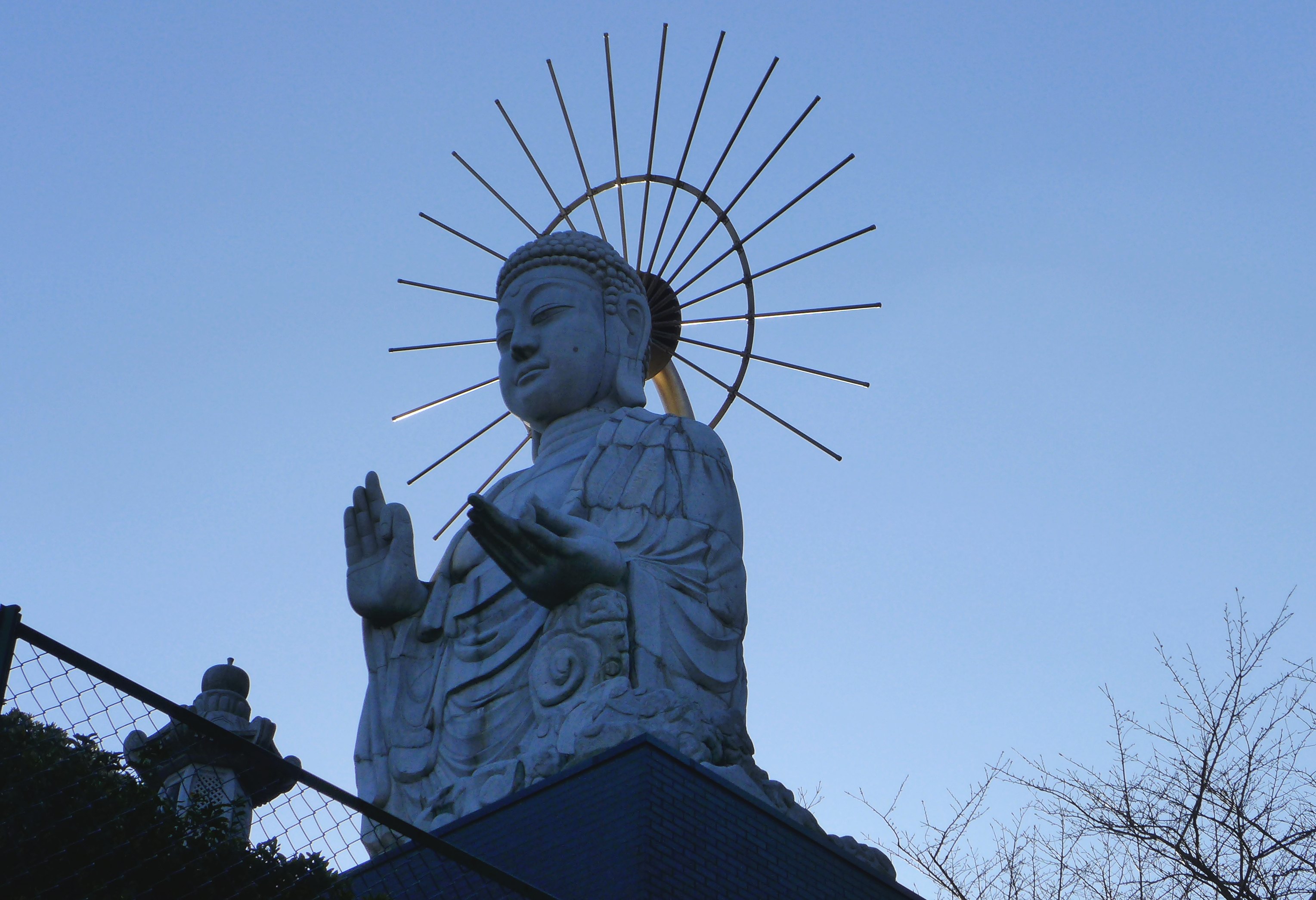
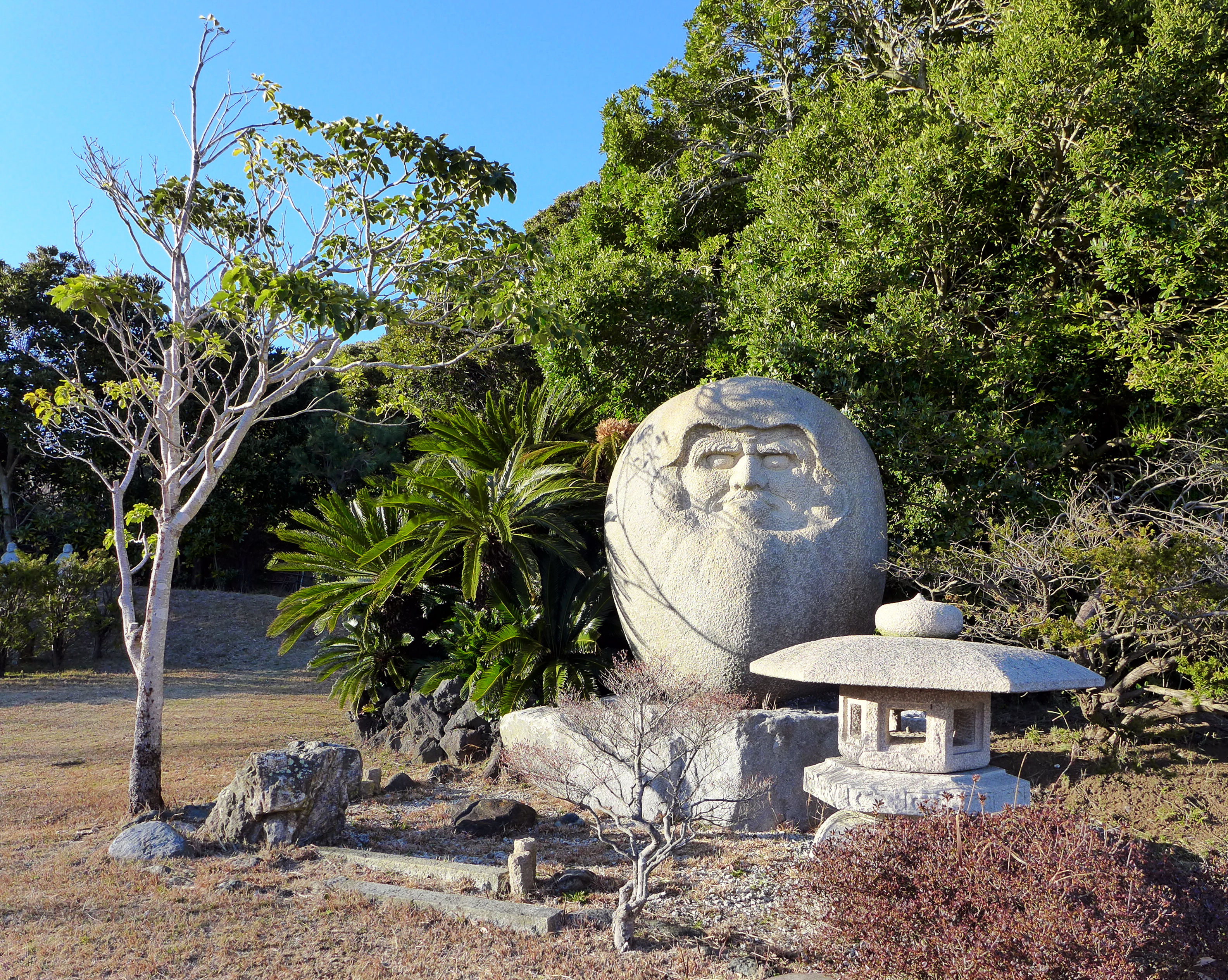
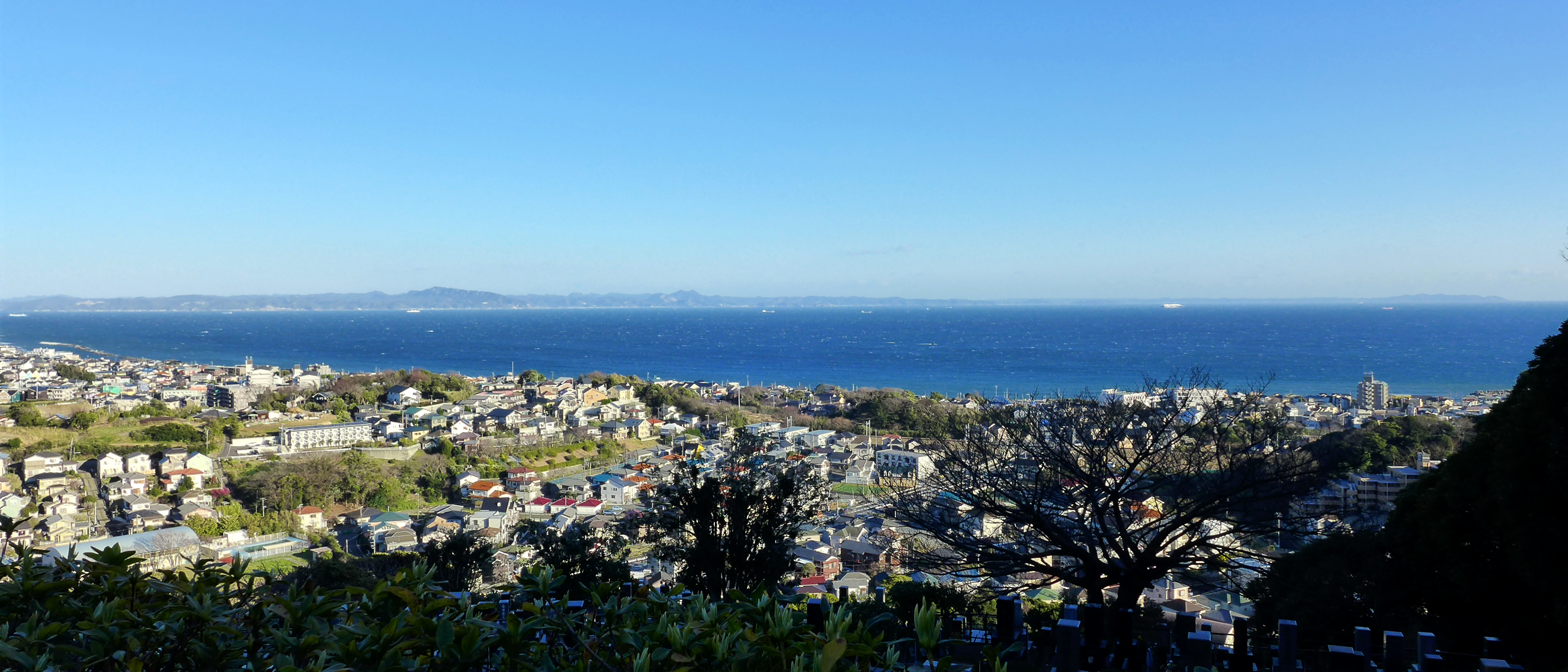
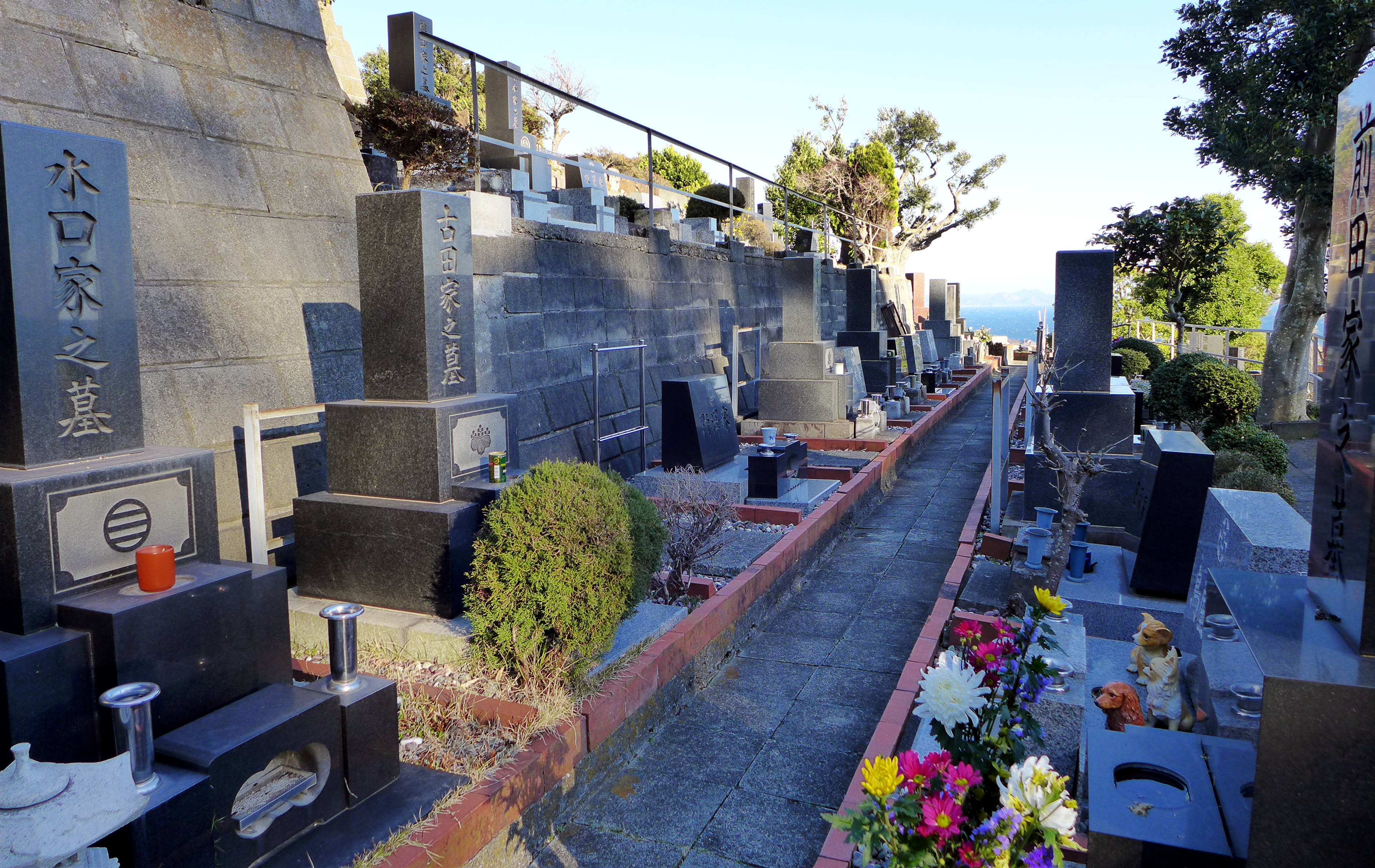
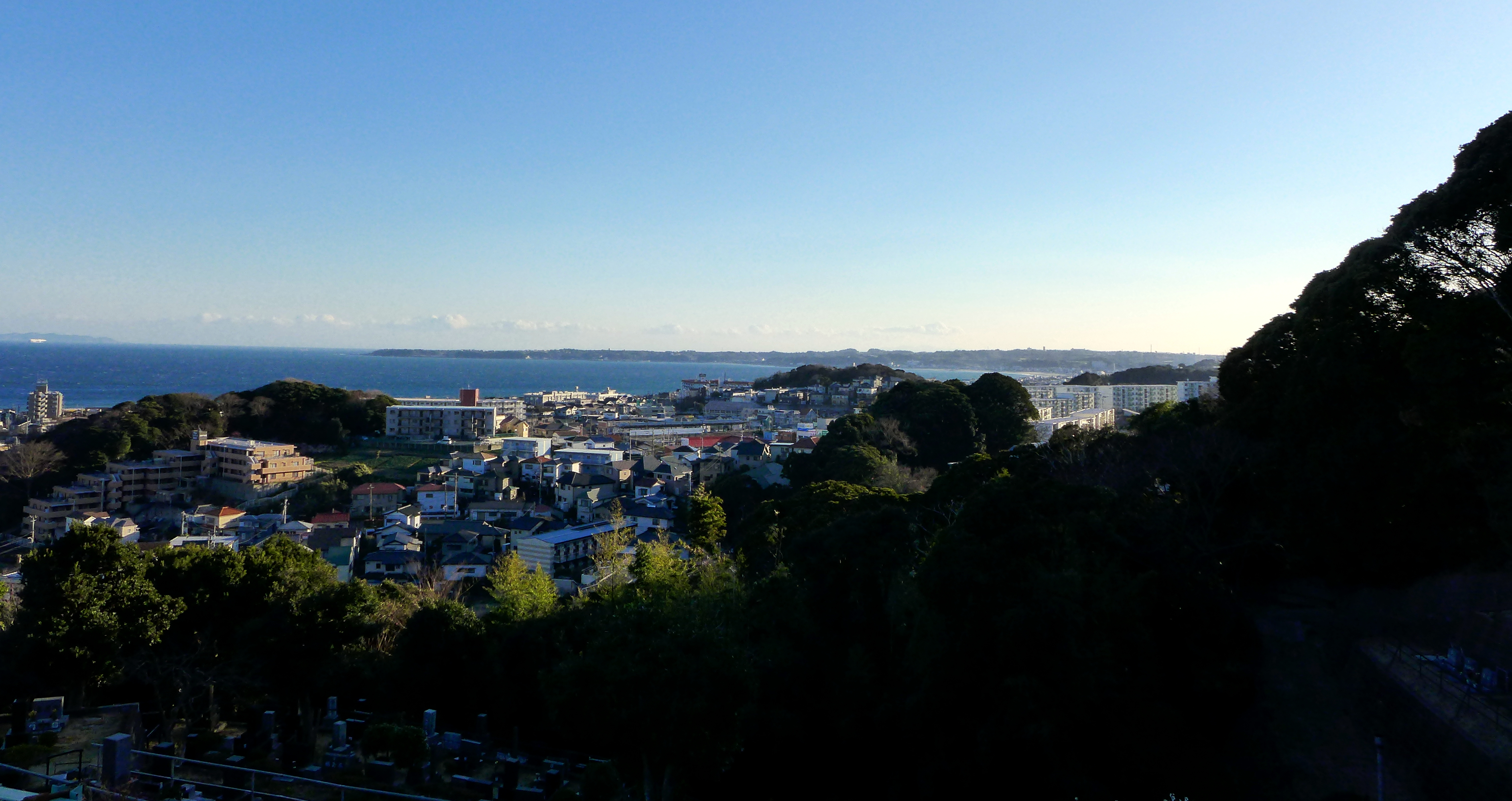
We made our way to the vicinity of Fuji 2.0, walking towards the mountain and looking for a way up. We noticed that sat atop the mountain was a figure. A rather familiar figure by now, it was yet another giant Buddha. This is my third giant Buddha since coming to Japan (one of which I saw in Hong Kong, the other in Kamakura). We managed to find the entrance to the way up the mountain, and discovered that it was a large mountainside graveyard. Undeterred, we climbed up to the Buddha anyway, enjoying the view from the path.
P1060463 P1060455 P1060458 P1060464 P1060467 P1060468

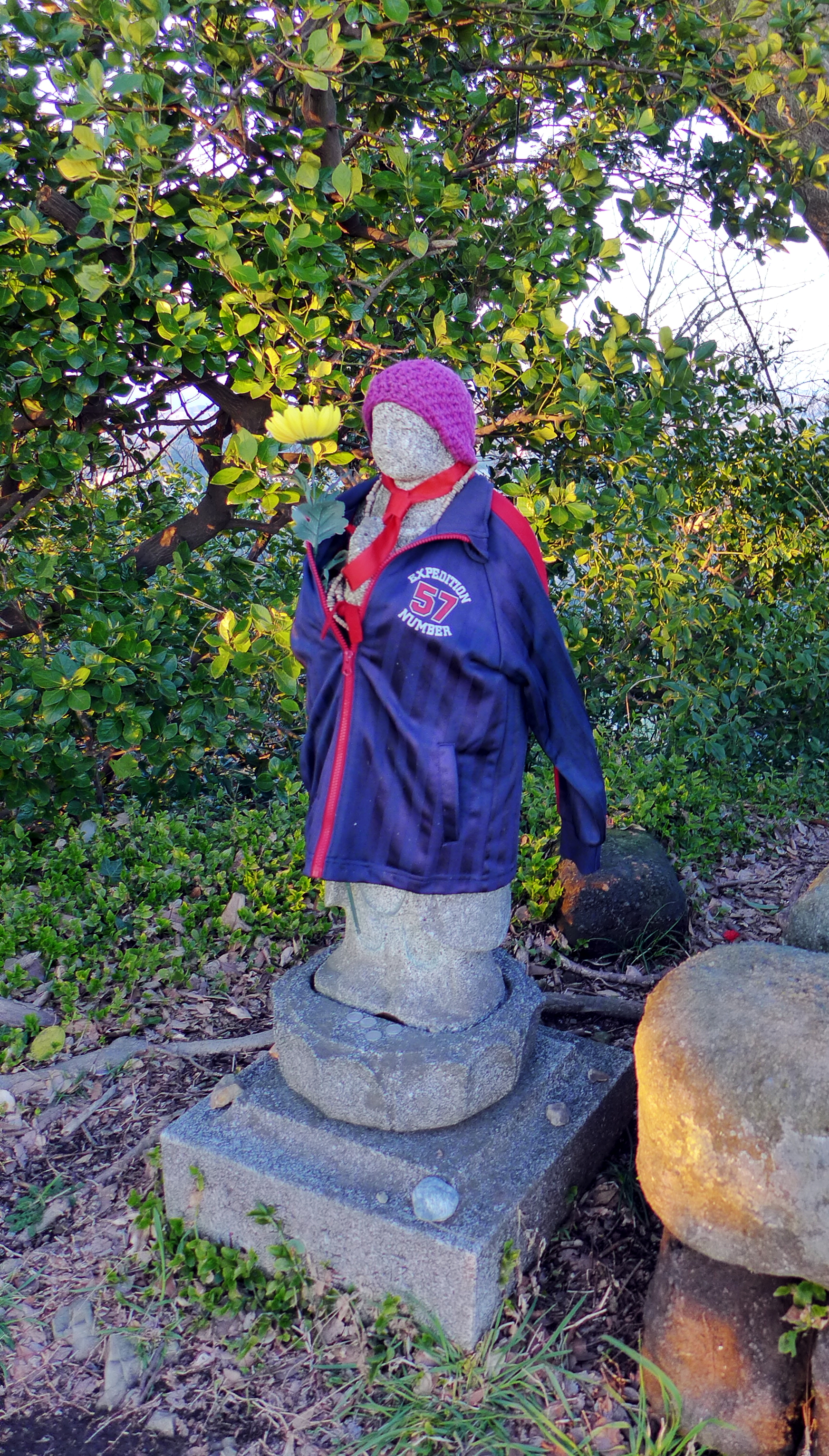
Japanese graves are not the same as those in the West; They  are often a small stone tower with wooden markers sticking out the back, and offerings of flowers and sake in front. I did some research into what the wooden markers signify and it turns out they are actually new names given to the deceased. The idea is that if you are given a new name when you die, if someone says your name you won’t come back to life (presumably as a terrible zombie). Temples charge for these names, and the higher your donation the more elaborate and cool-sounding your post-departure name is. One’s real name is also written on the gravestone, and sometimes even the name of one’s spouse is engraved while they are living to save money (one engraving is cheaper than two). The spouse’s name is painted in red to signify they are still living, and the red paint is removed when they die. It probably isn’t a great feeling to know your name is already written on your grave-stone, waiting for you.

P1060469 P1060471 P1060472 P1060477 P1060476

The graveyard was fairly uniform, which is hardly surprising as 91% of funerals in Japan are Buddhist. Japanese funeral customs are unique, and while a foreigner will probably never have to partake in a Japanese funeral, these customs are felt in every day life. There are a few things you should be careful to avoid doing in Japan, as they are considered a social faux-pas, and are very easy to do.

For example: Your mum wants to try some food on your plate, so you pass her the food from your chopsticks to hers. This reminds Japanese people of passing bones chopstick-to-chopstick in traditional Japanese post-cremation ceremony, so don’t do this. Later you go to a Ryokan, a traditional Japanese hotel, and you are given a yukata, a lightweight kimono-style garment, to wear. You cross the two flaps over right over left, not thinking about it. Soon, a Japanese person sees you and helps you correct it to left over right. This is because only the dead wear their kimono right over left. In addition, sticking your chopsticks vertically into your rice is also reminiscent of offerings of food to the dead, which is offered with the chopsticks in this position, so best to avoid doing that as well. As you can see, you learn a lot about Japanese funeral customs from daily life in Japan without ever going to one. 

P1060475 P1060490P1060481P1060486 P1060488P1060491P1060493P1060473

I would recommend the film Departures (おくりびと) for anyone who wants to know more about Japanese funeral customs. While it is a morbid topic, it’s interesting seeing how other cultures deal with death, and the film itself is actually light-hearted, funny and has beautiful cinematography. I strongly recommend it, even if you have no interest in the funeral practices, and it’s won several awards, so I’m not alone in this recommendation.
P1060503 P1060506P1060484P1060487x

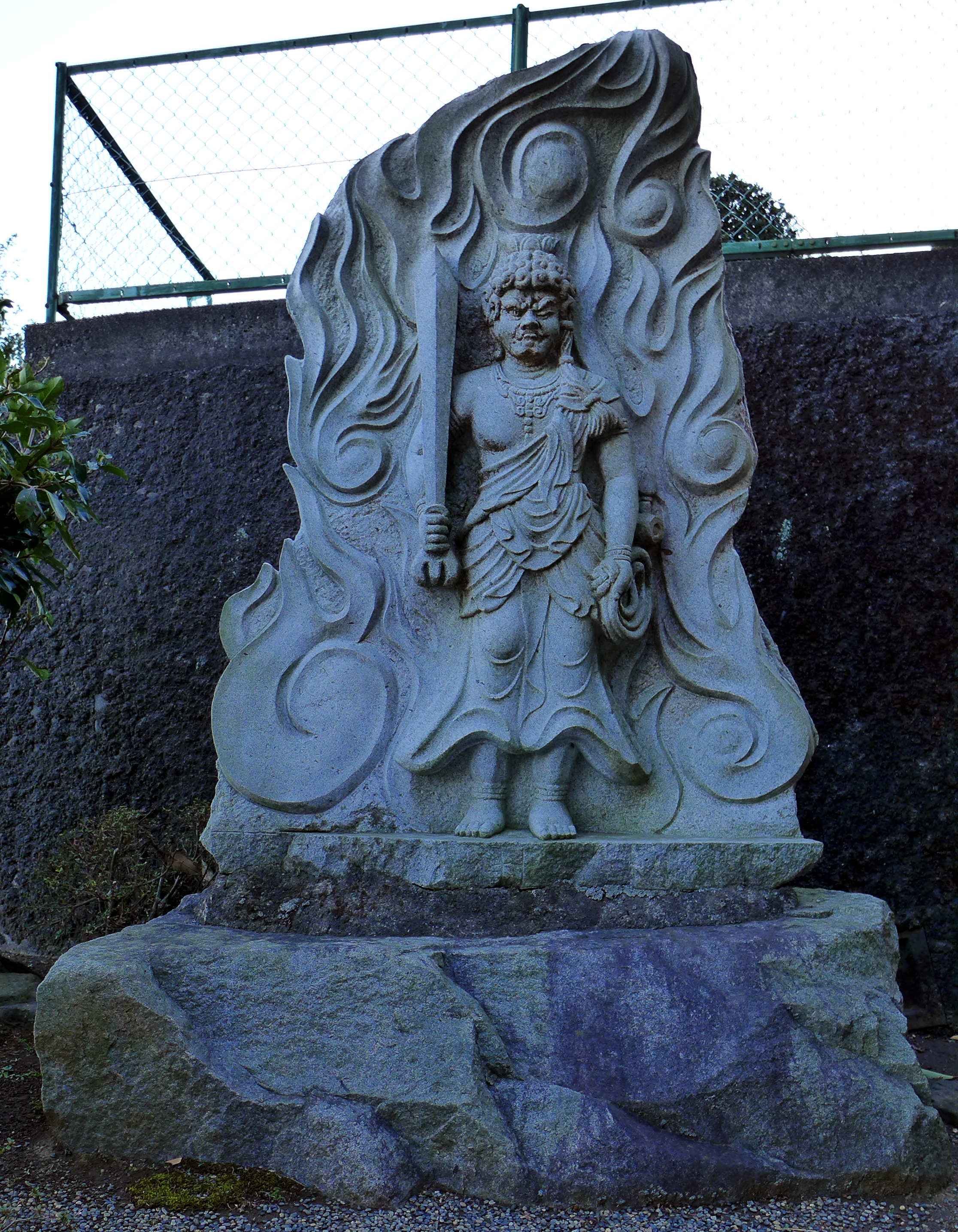
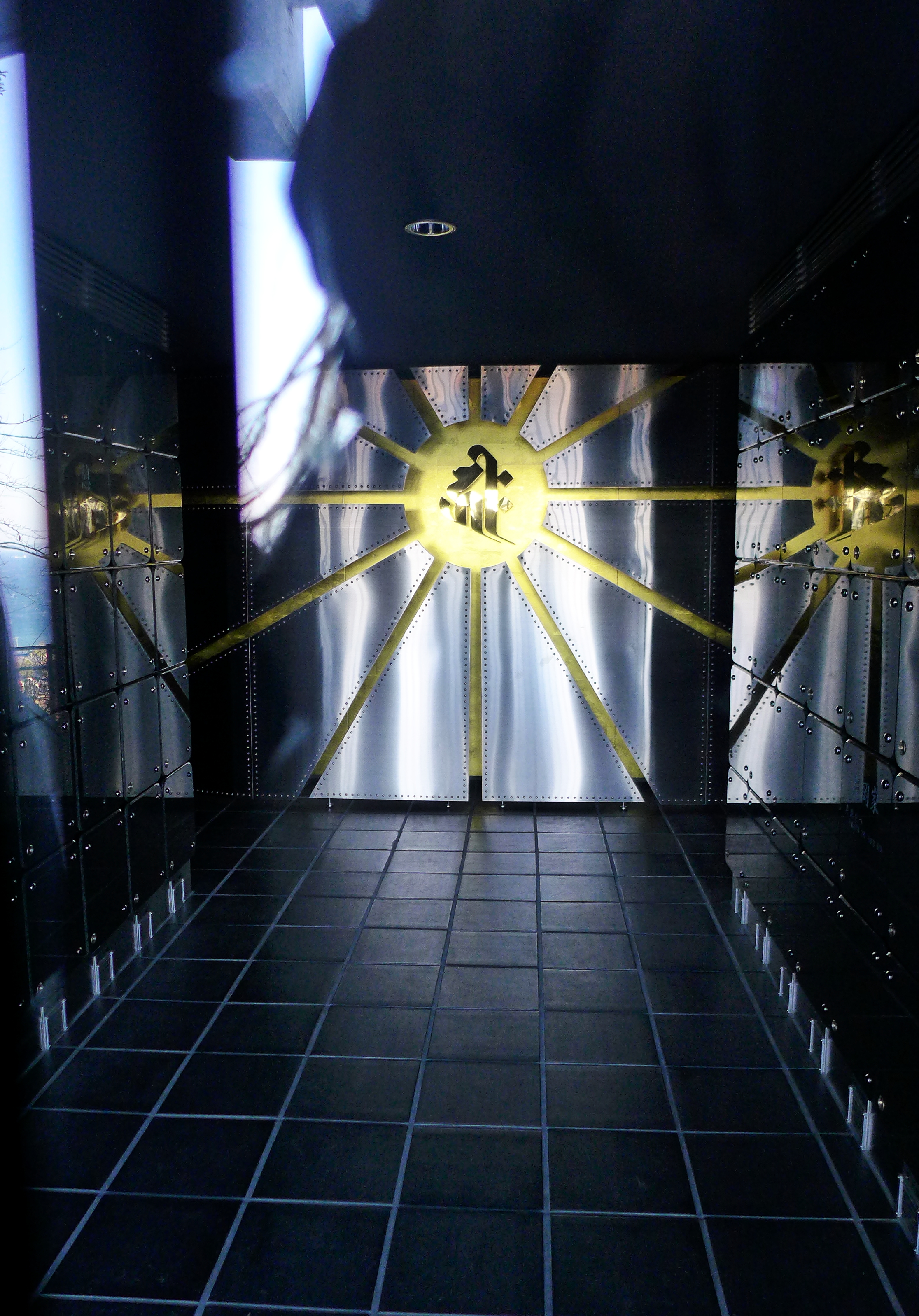
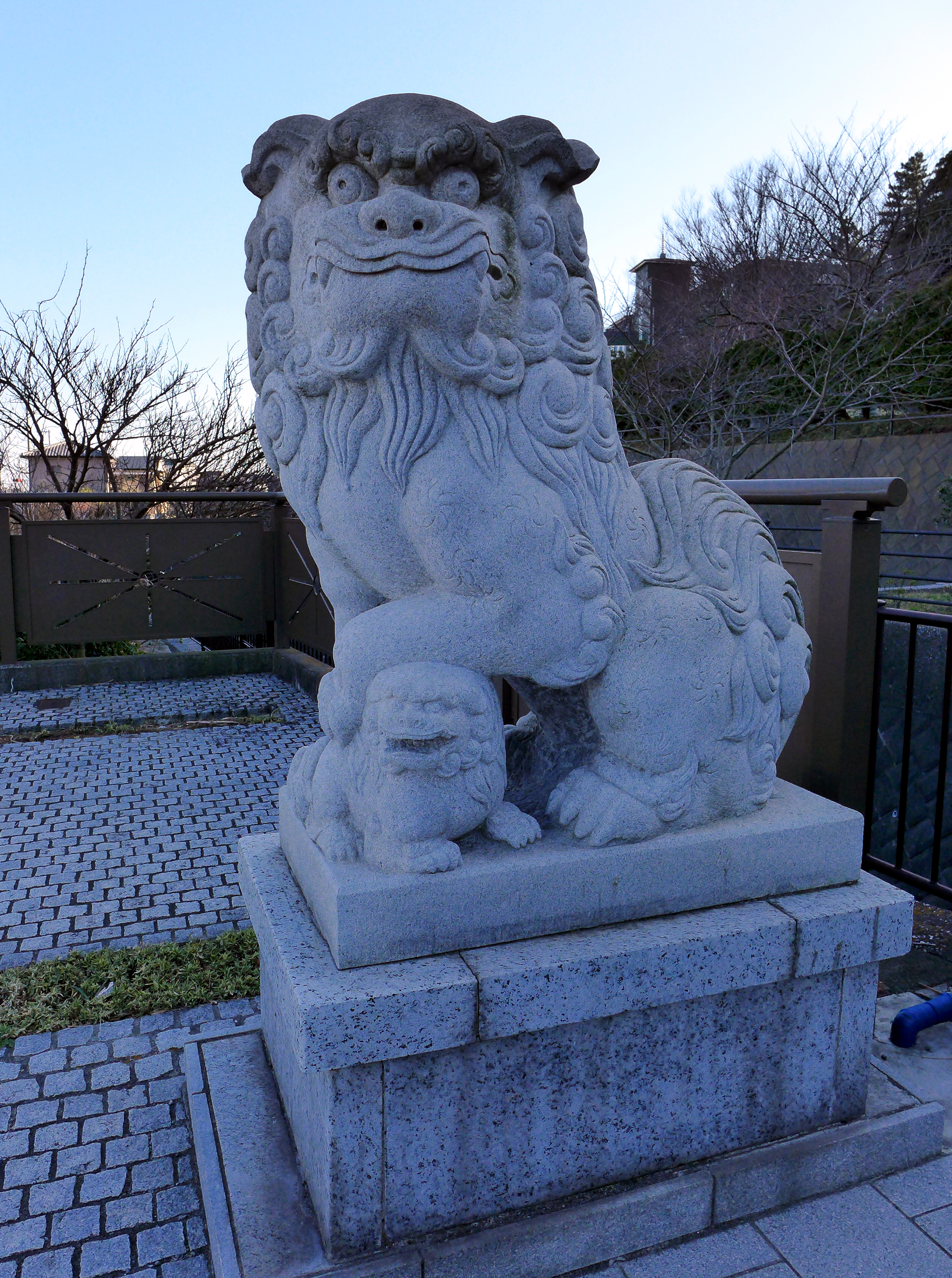
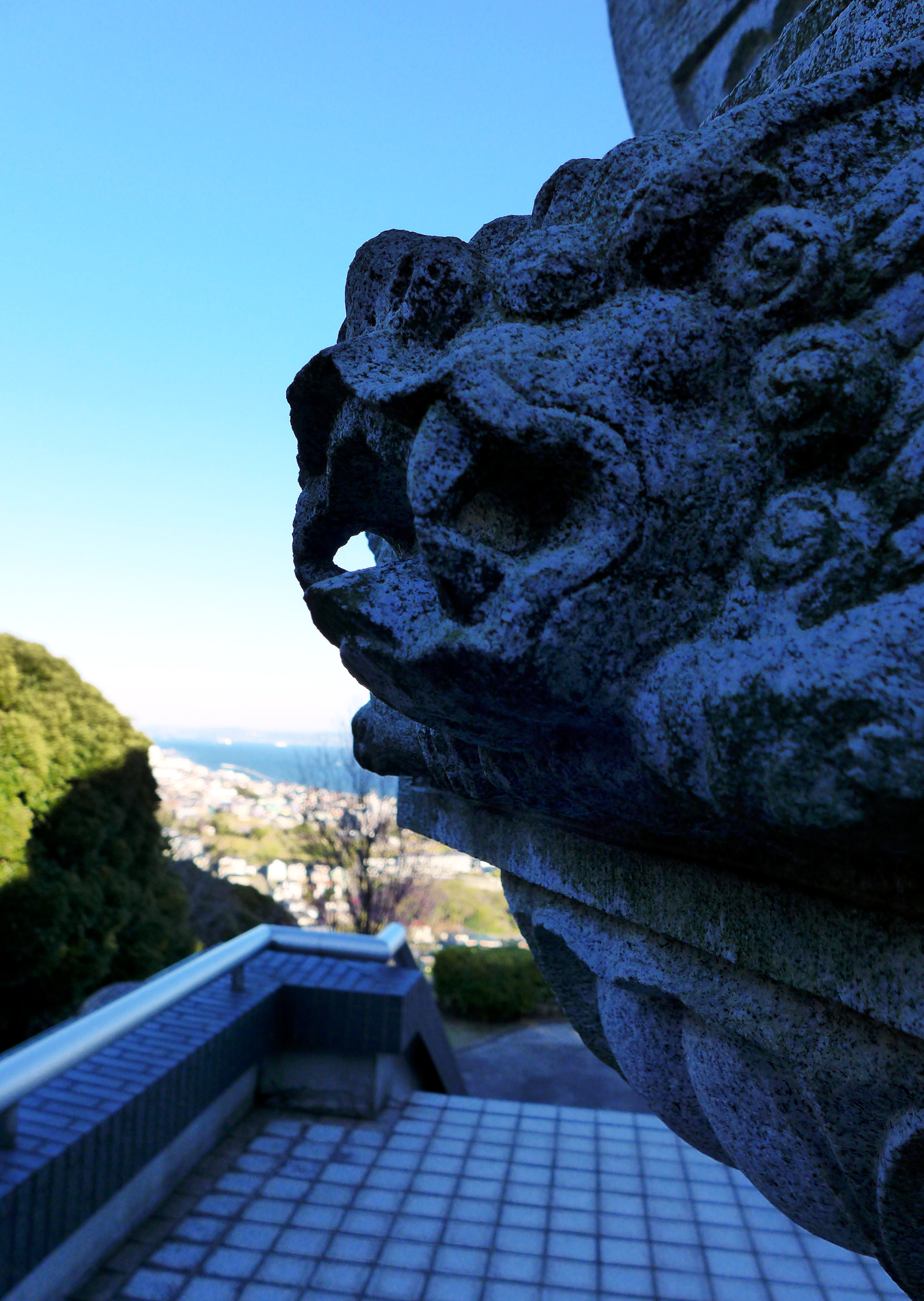
We made it up to the top of the hill and discovered a pagoda and the large Buddha statue. The statue watched over the graveyard and looked out to sea, giving the sense that the graveyard was in safe hands. Under the Buddha was a gated hall, and the inside seemed to be a well kept lobby or a vault. We were unsure what was inside but it seemed like it could be a secret spy den, or illuminati related. Or something related to Buddhism and funerals, but I still think it was suspicious. It was guarded by two demon-like statues that seemed determined to keep people out.
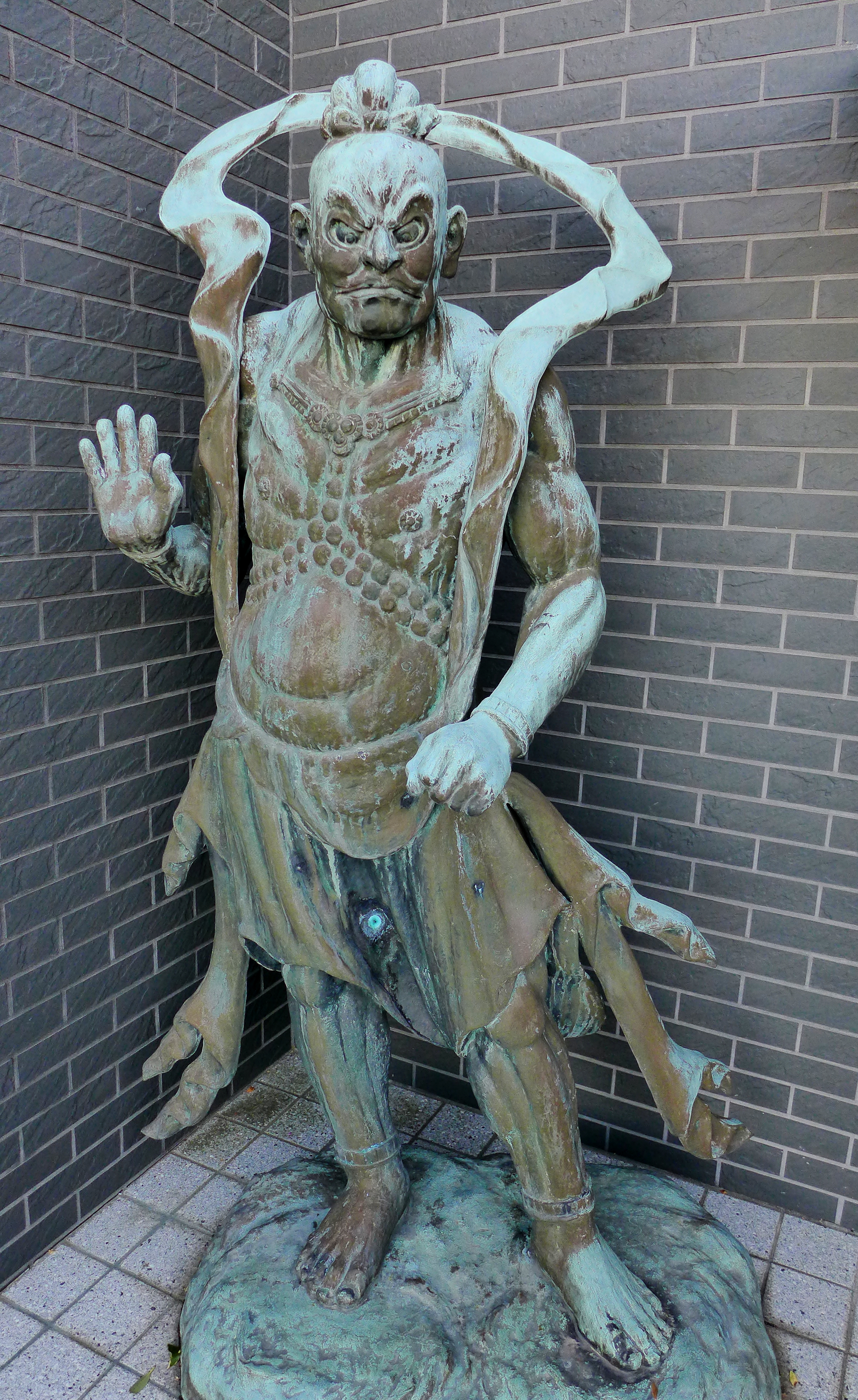
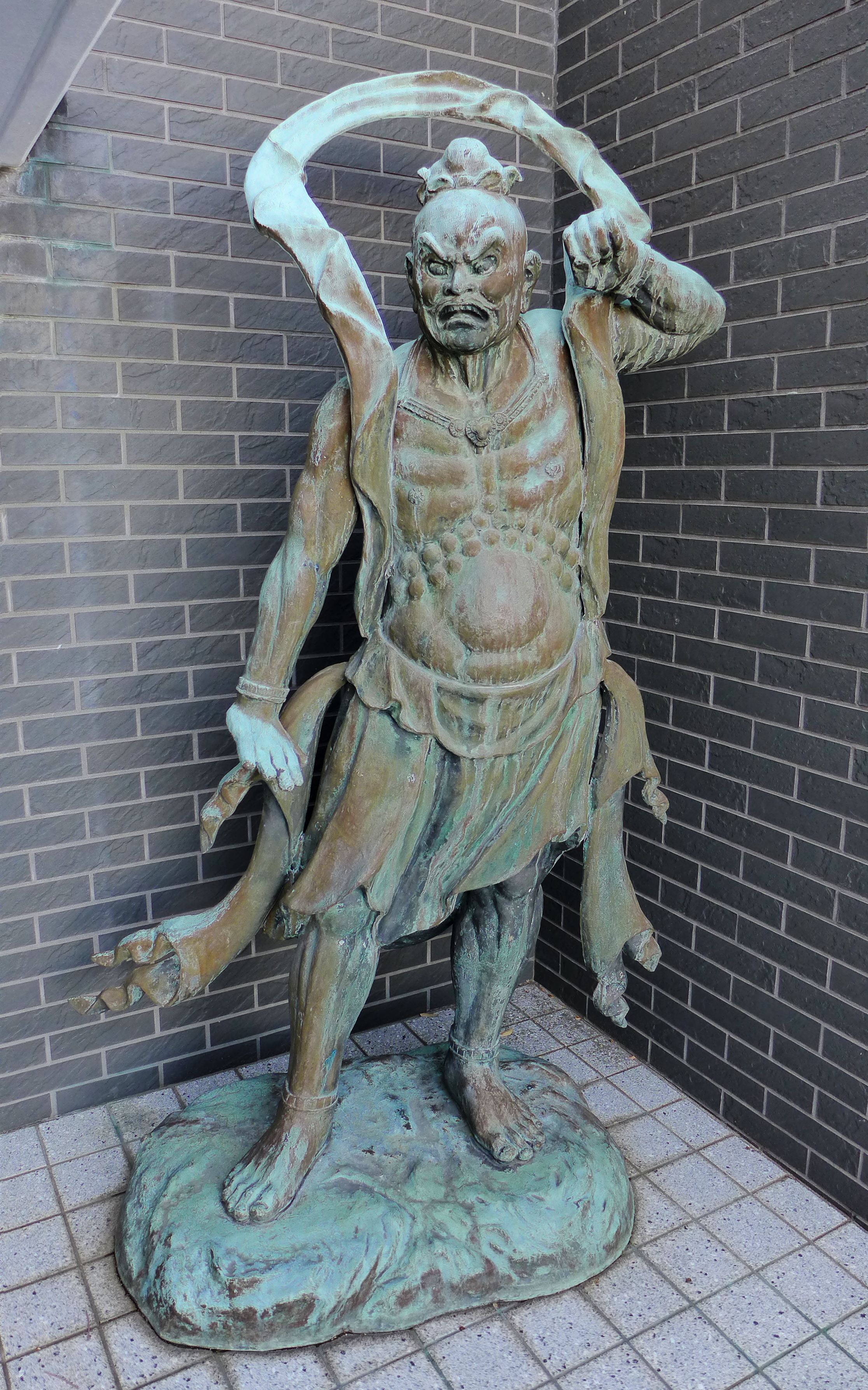
P1060495 P1060496 P1060497 P1060499

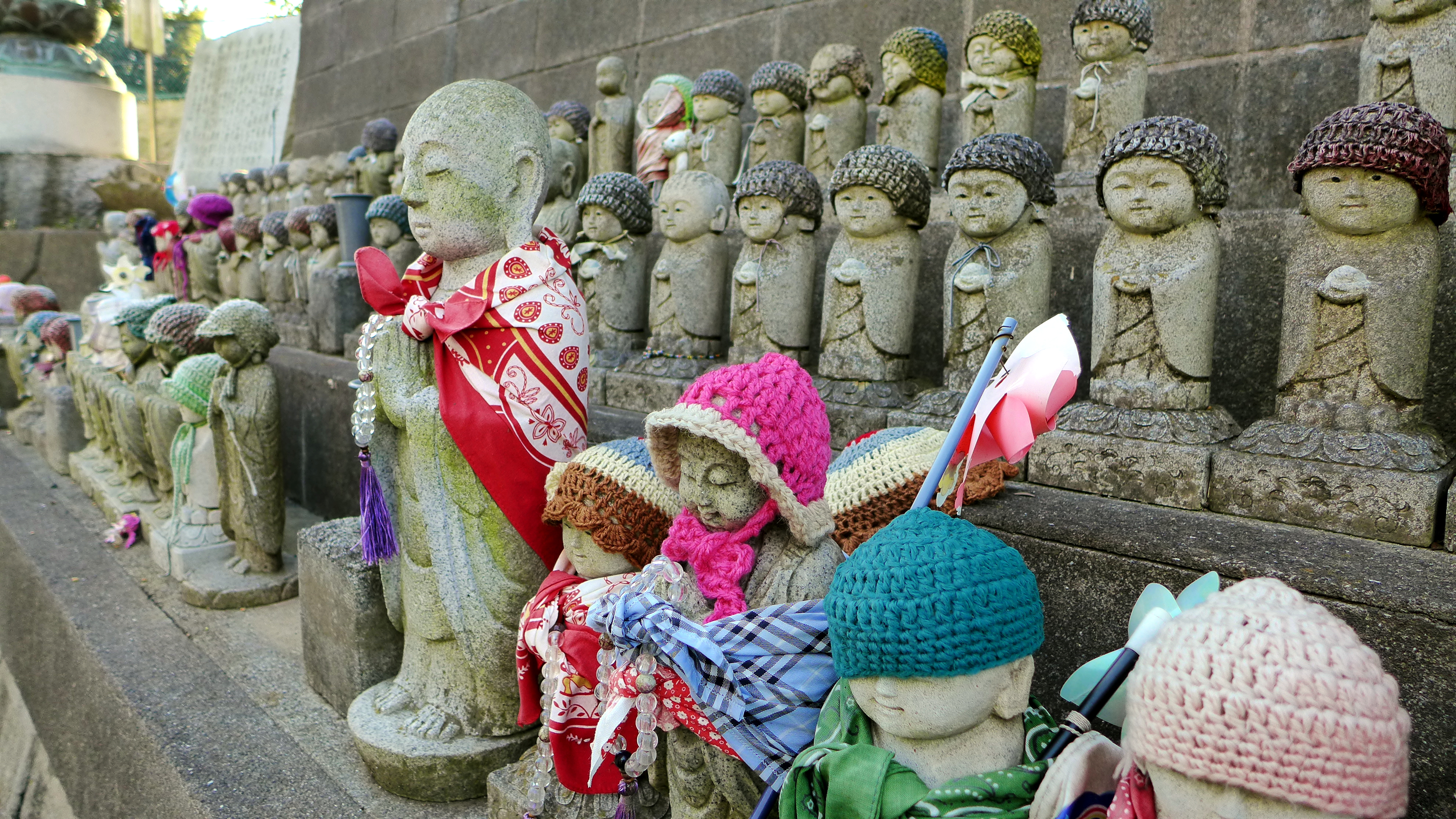
They even had a memorial for pets, which was a really nice thing to see, though it made me sad, as my family dog, Jasper, died a few weeks prior. The inscription just says ‘thank you, thank you’ and there was a memorial wall next to it with pets’ names and the date. It was a lovely way of remembering pets and the joy they brought their families.

P1060509

Once we’d climbed that mountain we decided to head round to see if there was another path up. On the way round we came across a place that made statues – graves, statues for gardens, and a pair of rather… intimate, statues. I’ll let you spot them.
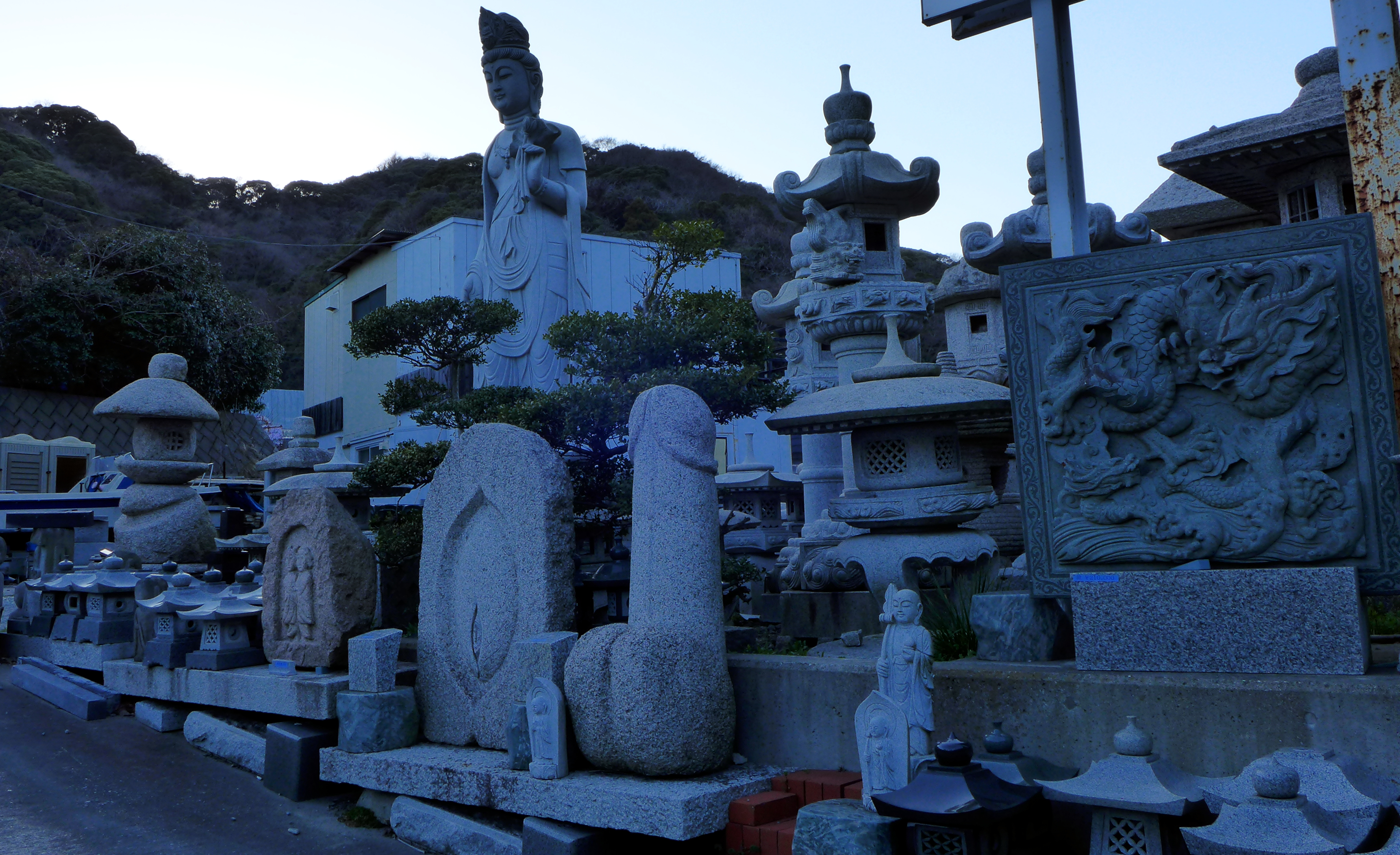
P1060513P1060510P1060511P1060512

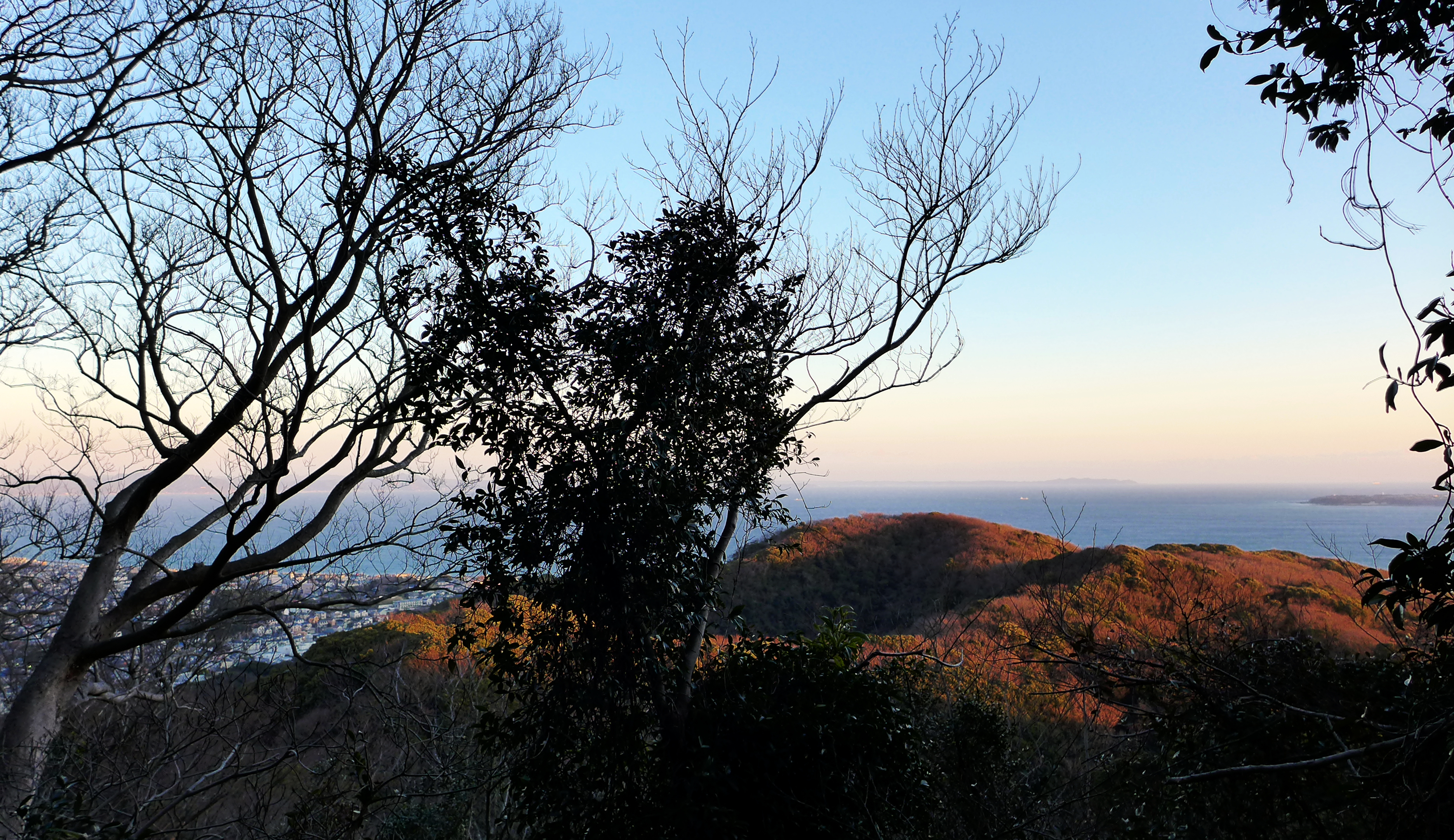
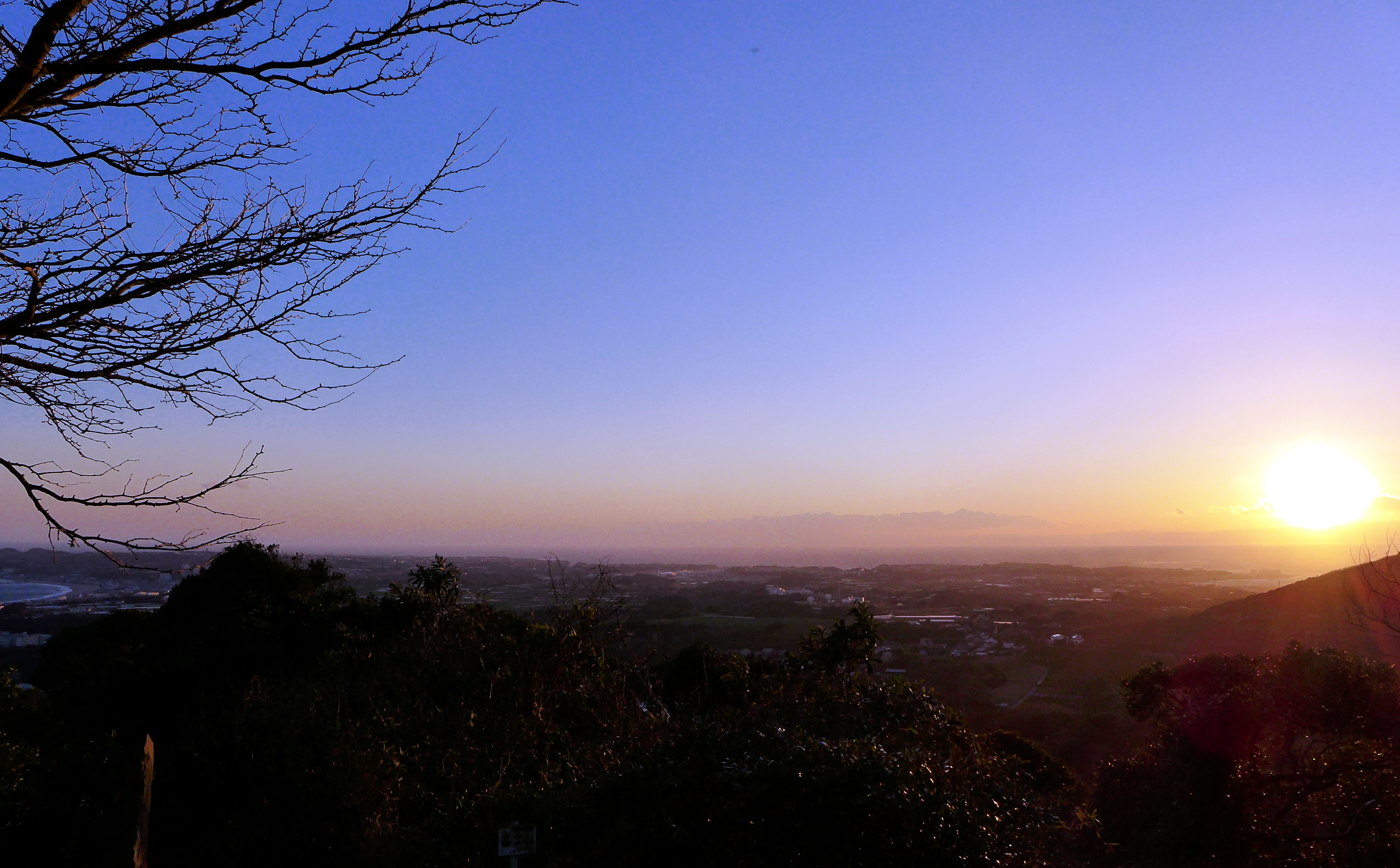
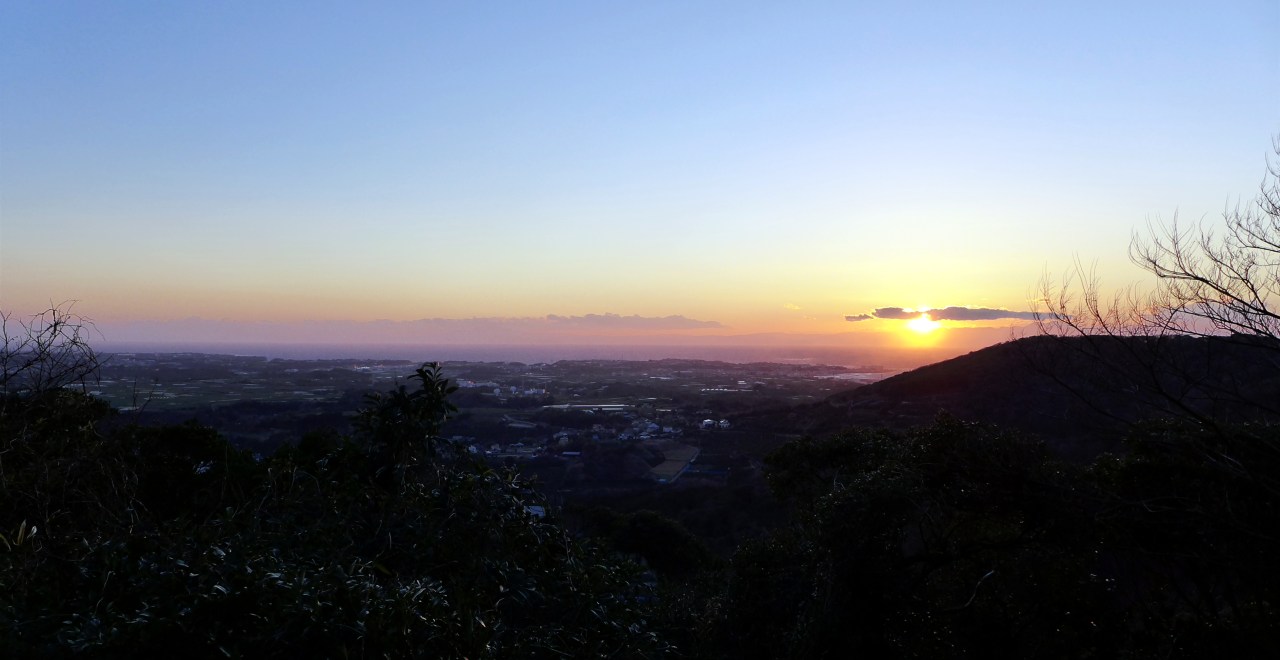
I wanted to see the shrine that was on the other side of the mountain (according to Google maps), but it turned out to not be a real shrine but a collection of old statues in the woods and a stone alter at the peak. We climbed up False Fuji, a little slowly as it was steep, muddy, and I’m pathetic, making it up in time to see the sunset from the top. I think had the sun been out of the way, we would have been able to see the real Mt Fuji from the top. Many mountains in Japan are named ‘Fuji’ or have ‘Fuji’ in their names if you can see the famous mountain from the top.
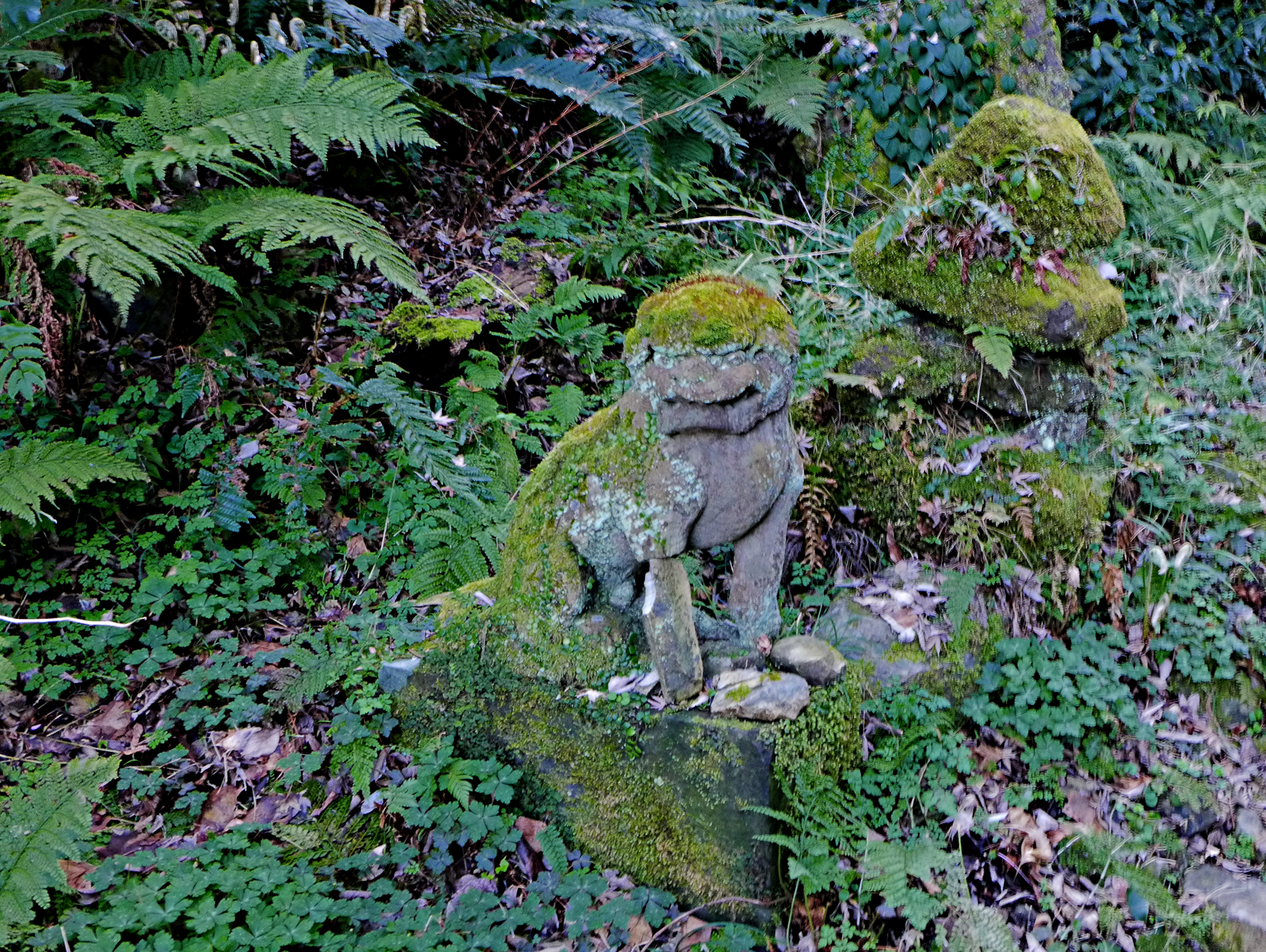
P1060515 P1060518 P1060521 P1060522 P1060523P1060528 P1060525P1060529

We made it down the mountain just before it got really dark, taking it slowly as the steps were uneven and very muddy. I really enjoyed getting off the beaten track and going on an adventure, especially as it turned out to be a great experience.
横浜 Aquarium Island and A Reptilian Tea Party

While in Yokosuka we decided to check out the nearby Aquarium near Yokohama on Hakkeijima (a small island just south of Yokohama). I really enjoy aquariums – I find the ambient music, dim lights and gently swimming fish to be very relaxing. Also in Yokohama was one of Japan’s many animal-themed cafés. Unlike the cat-cafe obsessives, I, being allergic to most fluffy cute things, found a reptile café for us to visit. This will be a post about the two animal adventures we had in Yokohama.

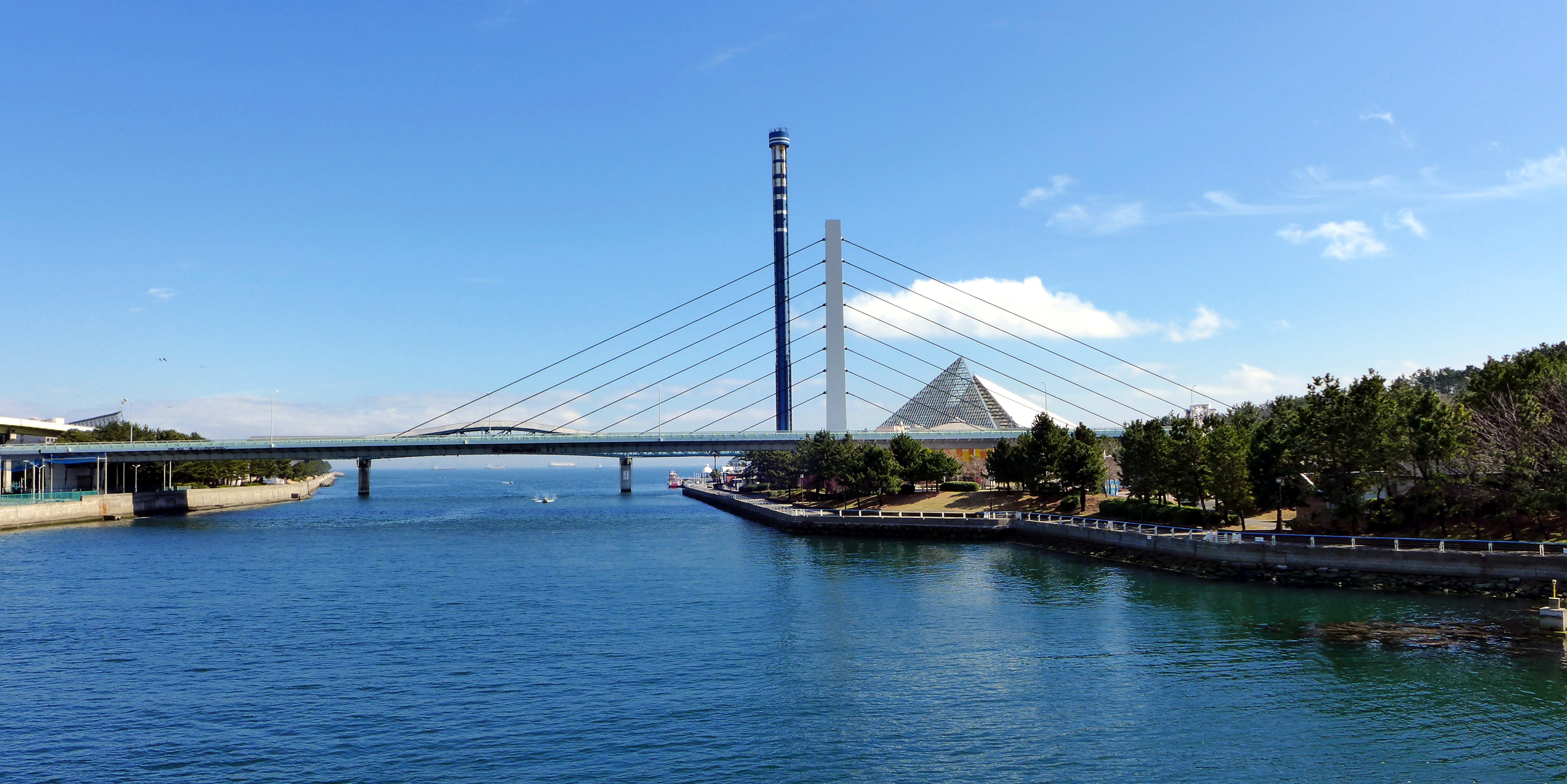
The aquarium we visited was Hakkeijima Sea Paradise, which can be accessed by train or car. It is an entire theme-park island, with roller coasters, an aquarium and several other sea-related attractions. It was a really beautiful day which made it even better.

P1060150 P1060151 P1060154

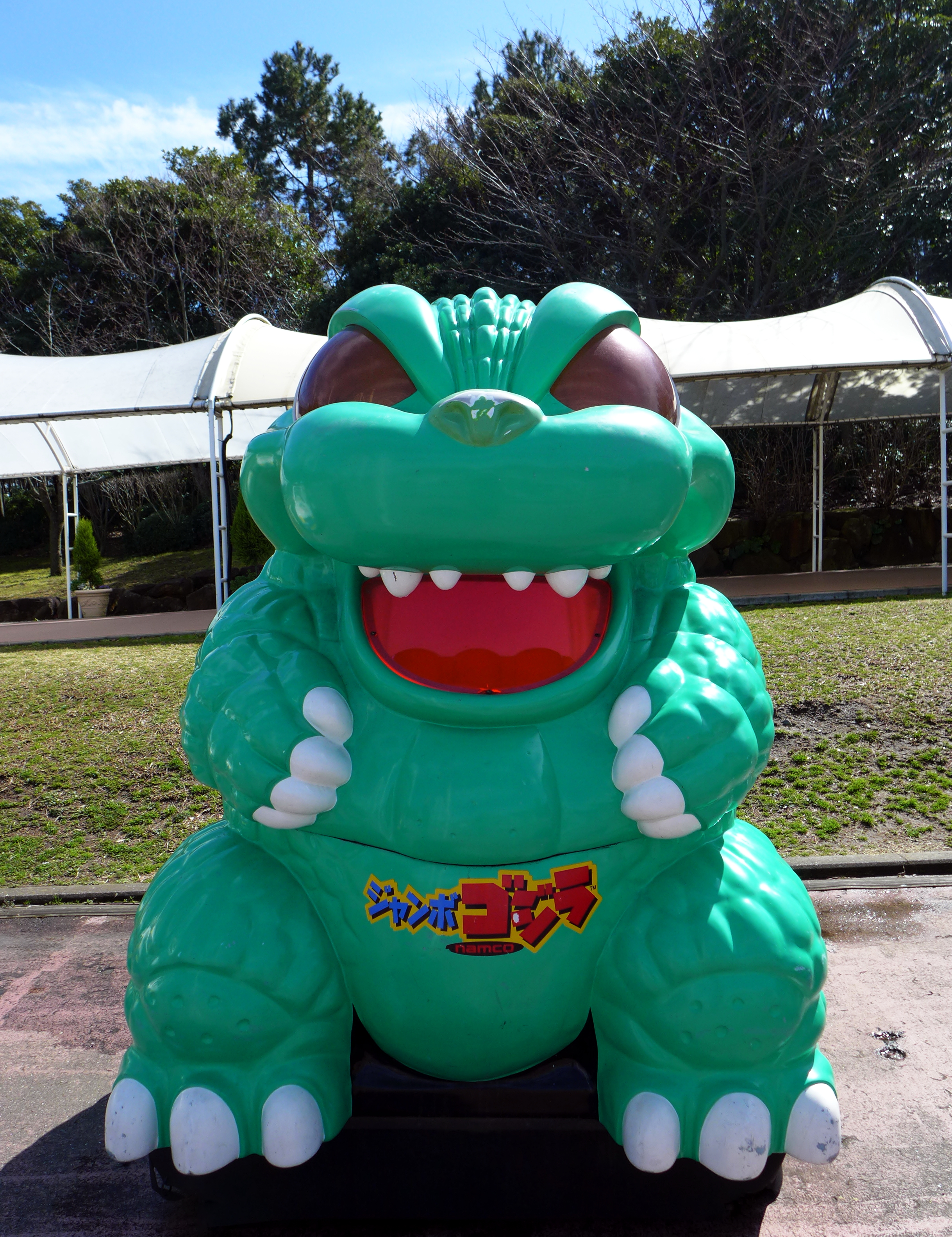
On the way into the island were some retro children’s’ rides – a pikachu pokemon game, several mini-rides, and a Gojira (Godzilla) game which we simply had to play. We squished inside Gojira and mashed the buttons as Gojira killed the evil hydra that was attacking Japan (at least we think that’s what was going on), the ride swayed from side-to-side as we played and we eventually won. It was a lot of fun.

P1060159 P1060156

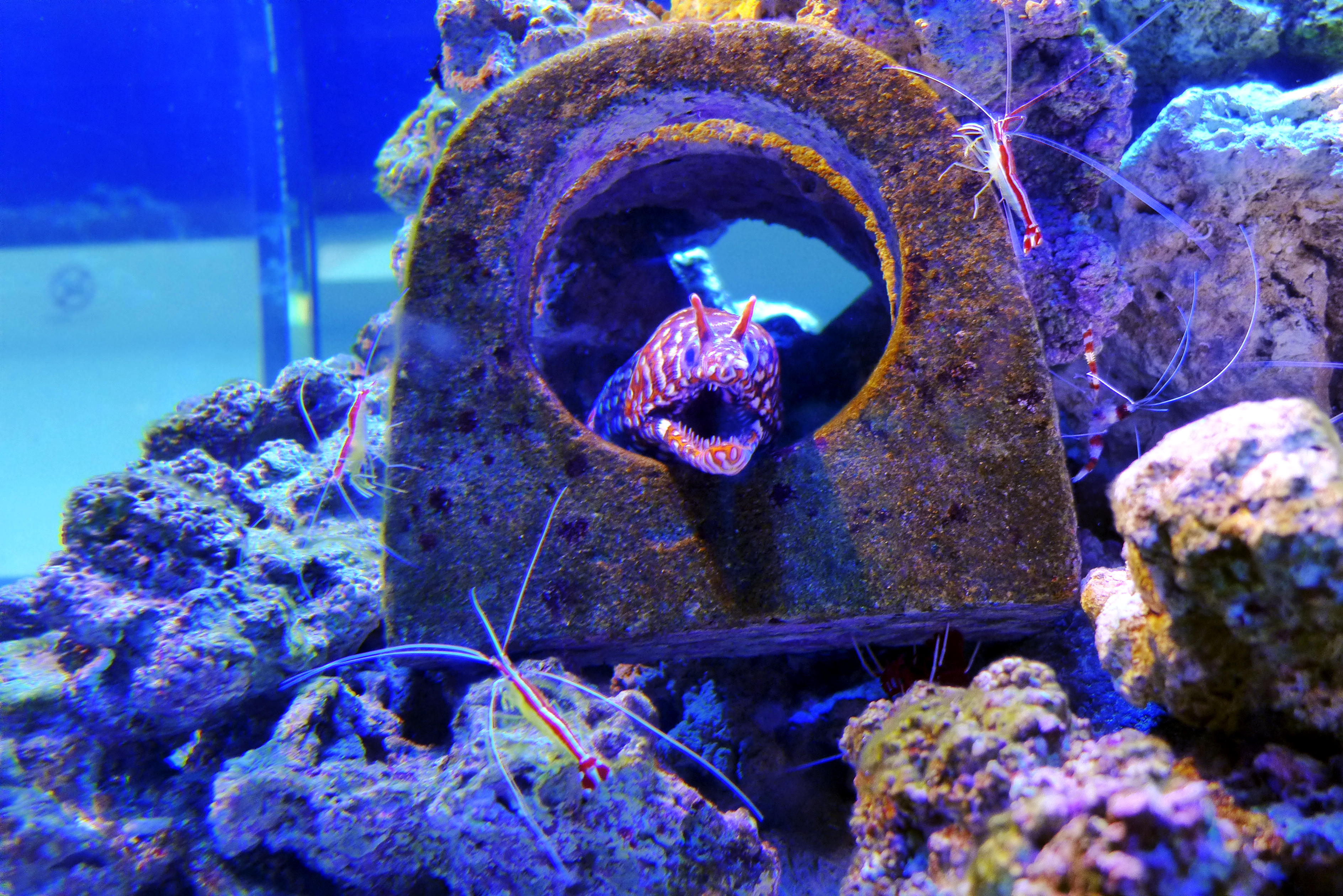
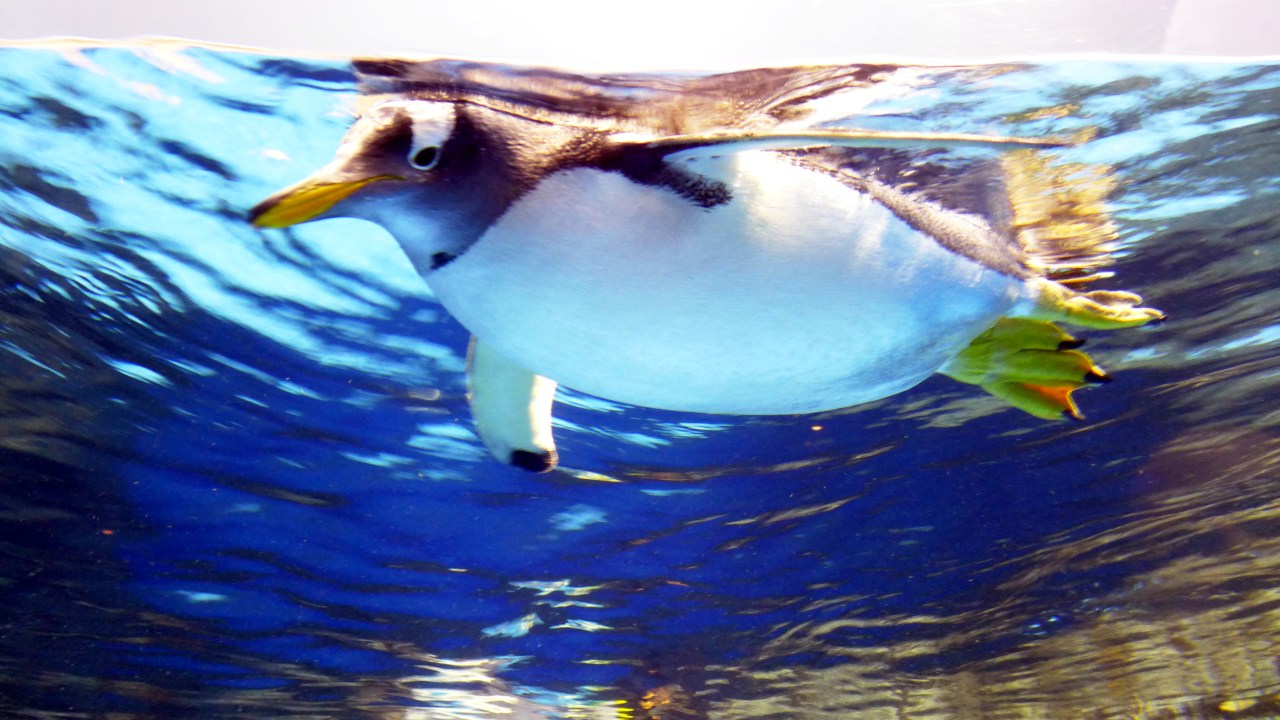
We started with the aquarium, as that’s what I wanted to see the most. It cost around 3,000円 each (£17) and that granted us access to the main aquarium as well as the outdoor aquarium and two other aquarium-esque attractions. The main aquarium covered 3 floors, with a huge variety of animals. There was one rather sad looking polar bear which I wish I could have freed or something – his enclosure was far too small and he looked miserable. Aside from the polar bear the animals seemed to be in good sized enclosures and happy.

P1060160 P1060166 P1060184 P1060182 P1060176 P1060178

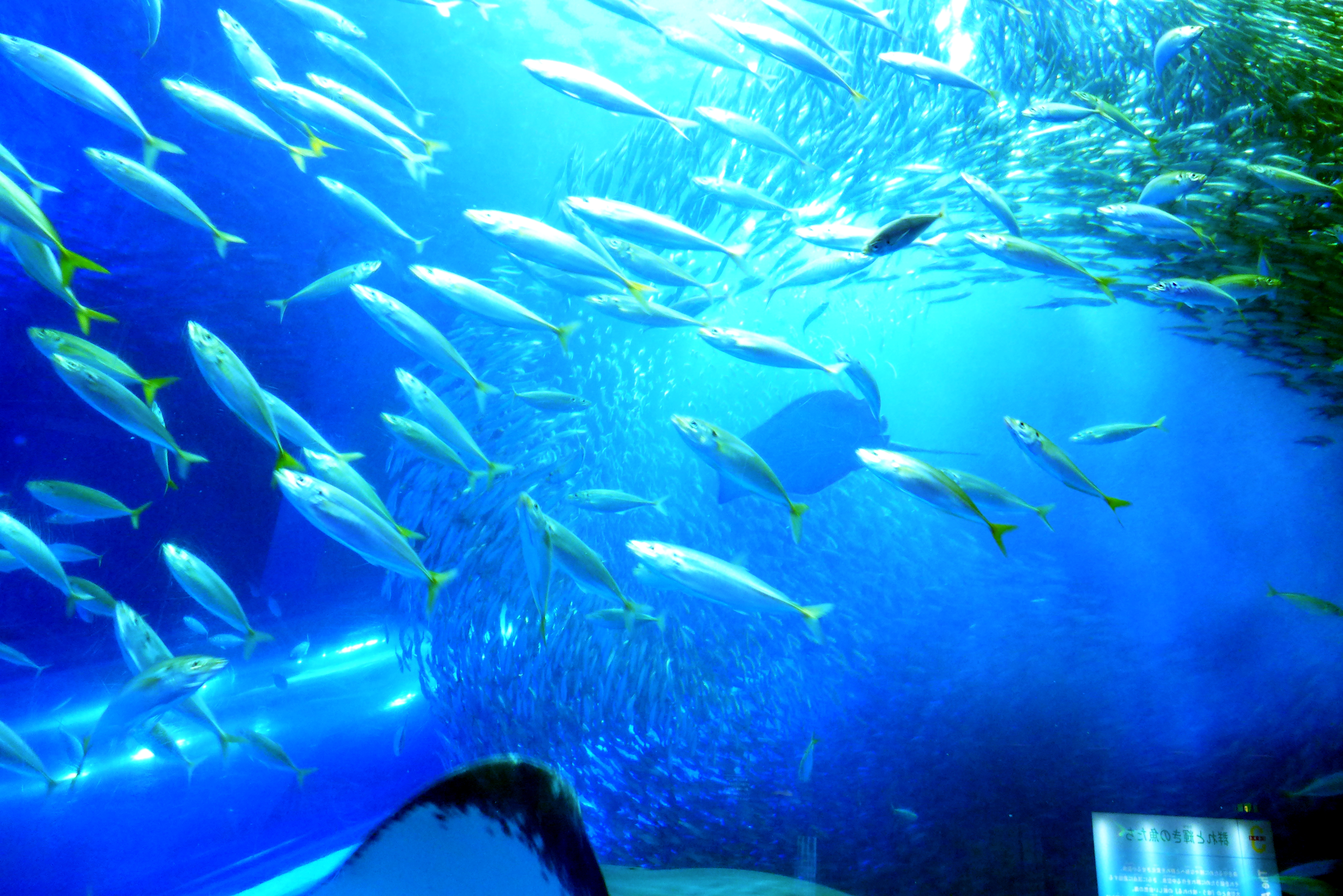
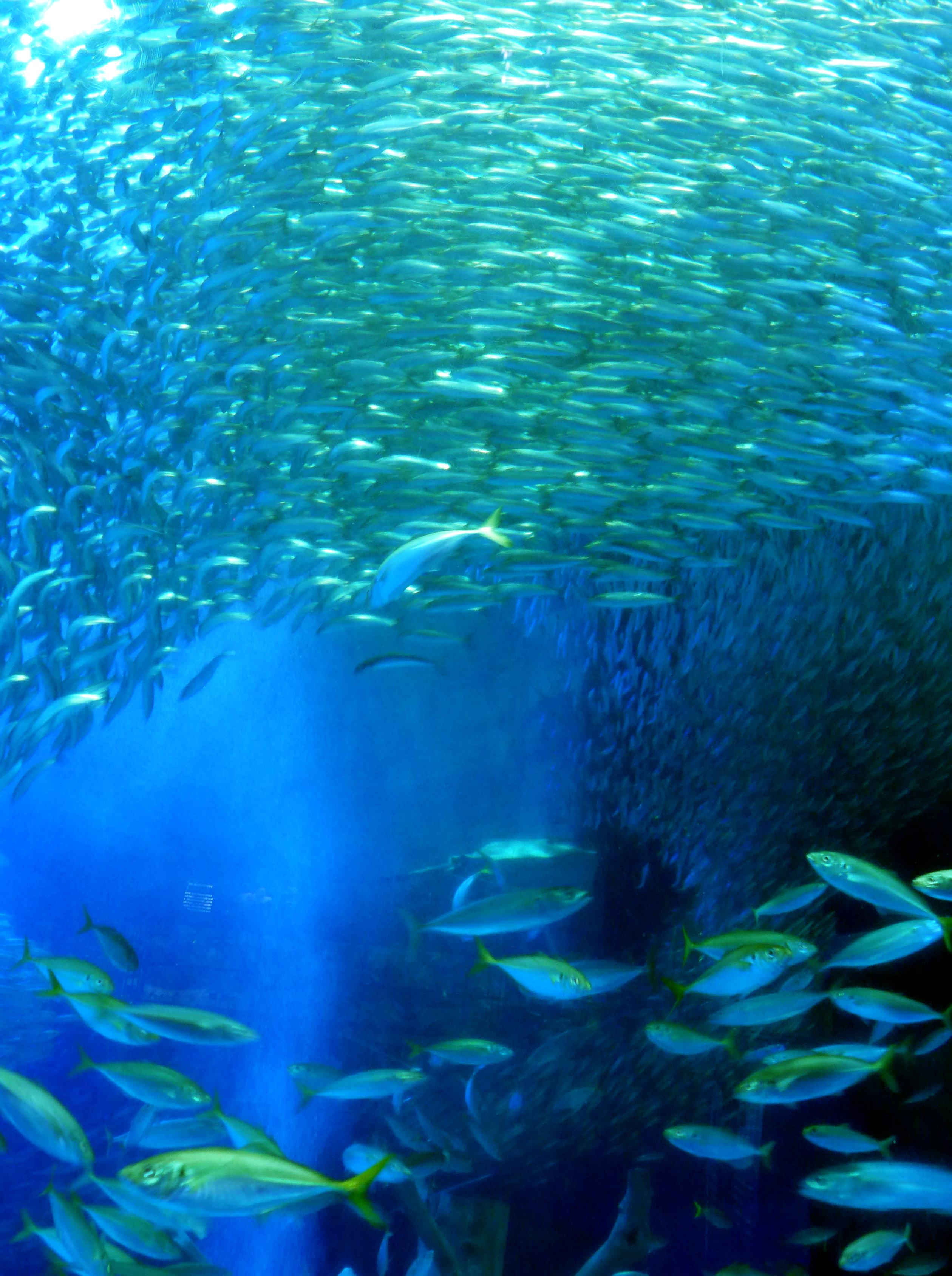
I saw walrus up close for the first time which was really cool. We were looking down on the tank from upstairs during feeding time and the attendant noticed us watching. He gave the walrus some ice and put a long tube in its mouth, the walrus blew out and the ice was fired at us! There was glass in the way so it bounced off, but it was a pretty amazing experience. I didn’t take pictures as I was too surprised and  generally enjoying myself too much to take lots of pictures. The aquarium had a cool escalator through a tunnel in one of the tanks which was surrounded by a hypnotic shoal of fish that acted as if they were one organism. The rays kept swimming through, dividing the shoal into spirals and circles.

P1060173 P1060175 P1060185 P1060186

Once we’d made our way through the inside of the aquarium we came out into an outside area which had various fish and ducks, including piranhas in an open tank. Though there were big ‘do not put hand in‘ signs, it seemed a little weird that it was left open in a place where so many children visited. We watched a kaleidoscope of Koi being fed by a kid and bought some feed ourselves to feed the ducks.

P1060190 P1060187

There was an announcement for the aquatic show, so we made our way to the large stands to check it out. There was a whale shark swimming around the big pool, but he didn’t seem bothered by the show going on around him. There were dolphins, sea-lions and a walrus in the show, and it was really spectacular. There were also some weird clowns but I didn’t really find them funny – I probably had to understand all of what they were saying to really get it.

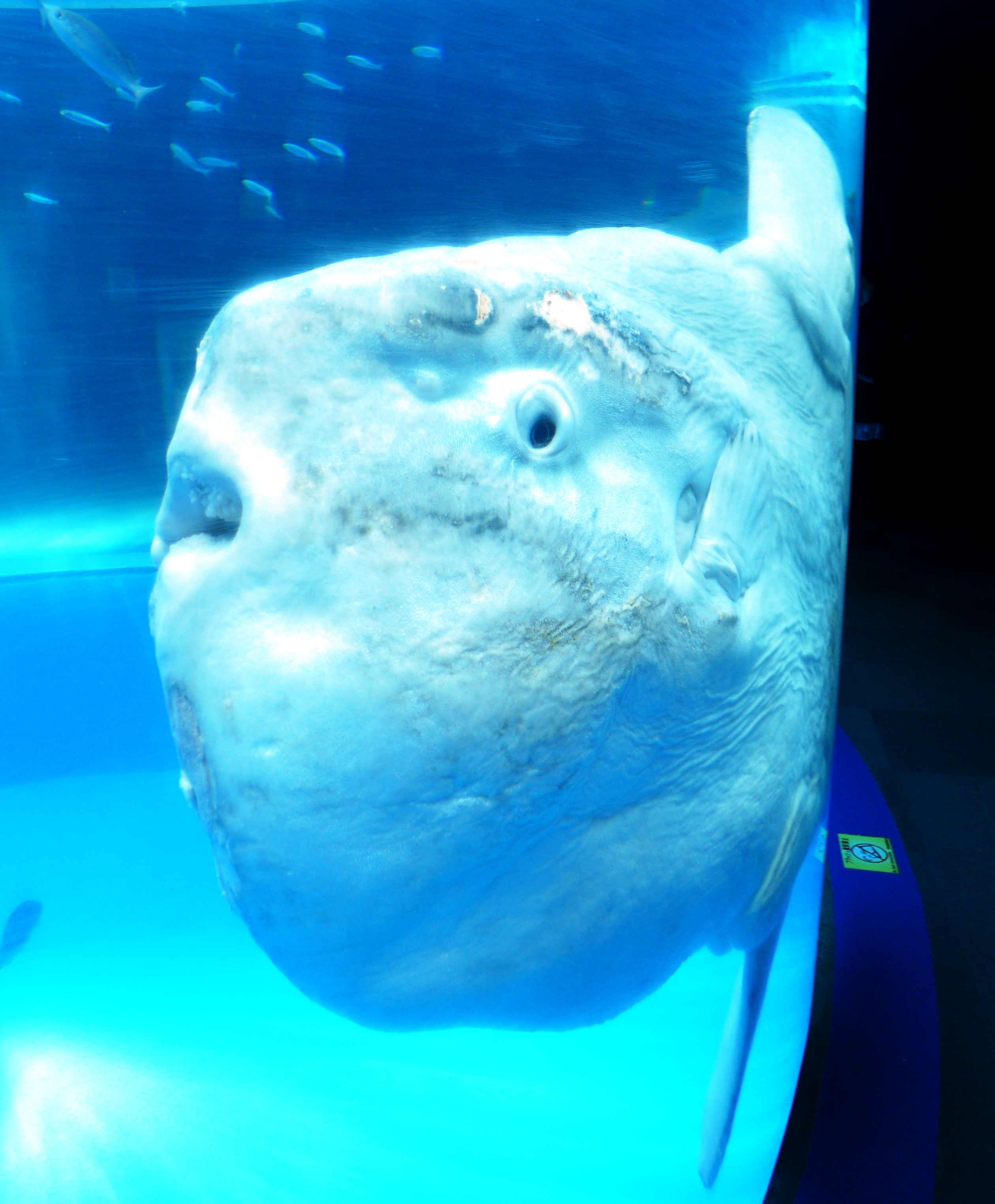
We then made our way to one of the sub-aquariums which was called ‘dolphin paradise’ or something. It had a few dolphins in a big tank with a tunnel through it, but the surprise was at the end of the tunnel. In a large circular floor-to-ceiling tank there was a huge, white, flat, ugly fish. This was a sun fish. I don’t know how I knew the name, I think I owe my knowledge to David Attenborough. It was amazing to see, not sure how ethical it is to keep it in an aquarium though. Apparently it is not safe to keep them in a square tank because they can’t manoeuvre very well and end up rubbing up against the walls, hence the circular tank.

P1060193

We also visited the outdoor aquarium which had a number of dolphins, beluga whales and seals. We got to stroke a dolphin and a beluga whale, which was really amazing. There was one seal which seemed to have a fascination with eating ice cubes and then spitting them out so that it could eat them again. It was pretty weird behaviour but it seemed to enjoy slurping up the ice. I couldn’t find any information on the internet as to why it would be doing that.

P1060197

There was also an outdoor area that looked like a series of pontoons connected together. This was a fishing area where you could catch your own fish and the shop in front would cook them for you. We elected not to do this as neither of us enjoy fishing or killing things.

Once we were finished with the aquarium we had a wander around the island and had a go on the roller-coaster, which was really fun if a little scary! The roller-coaster extended over the water and had really low bars over the tracks, so if you put your hands up at some points you’d break your arms. We quickly learned this and kept our arms down. The sun was setting when we rode it, making it even more fun.

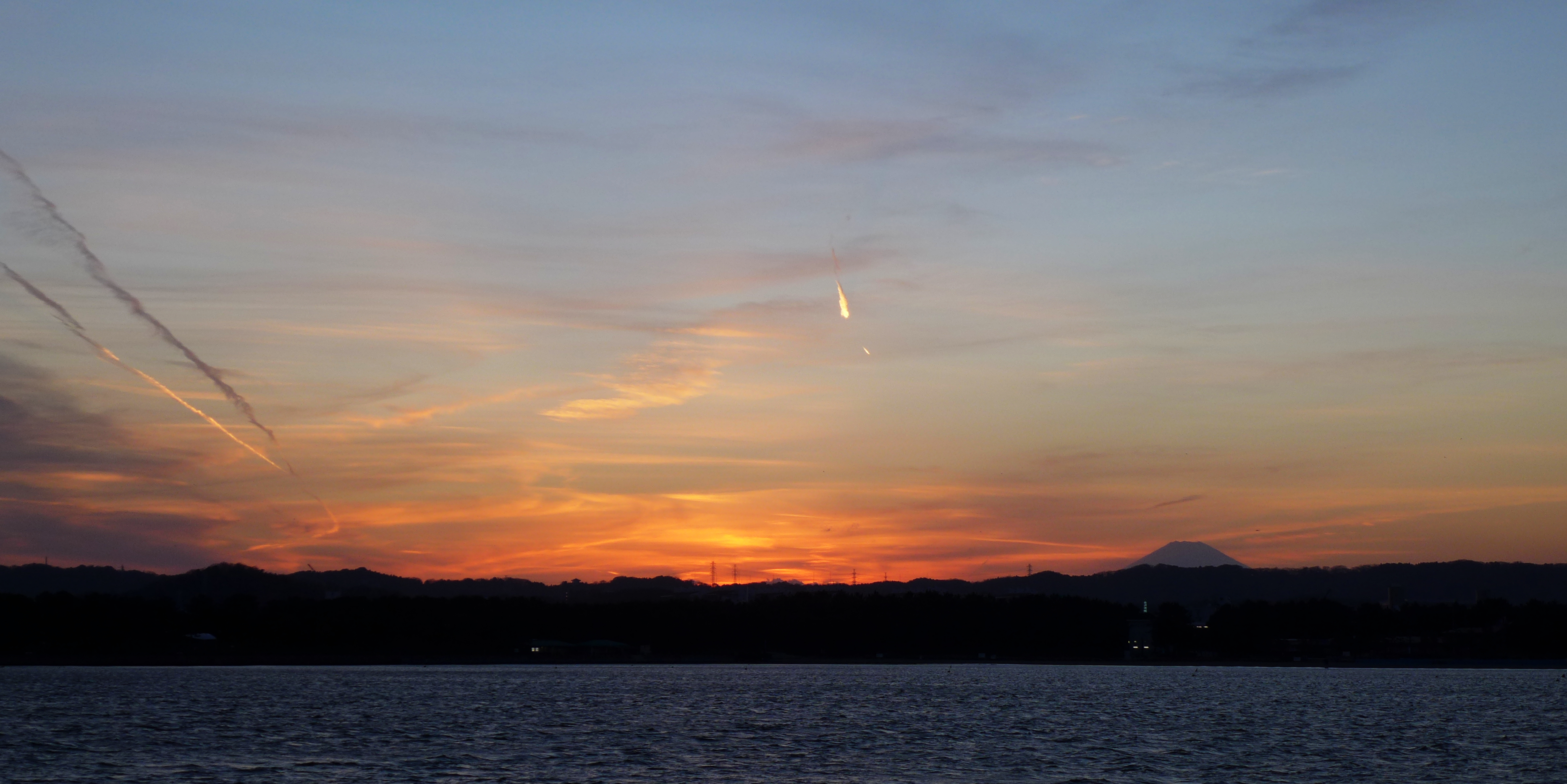
As we were leaving the island the sun was setting and we could see Mt Fuji in the distance. It was probably one of the best sunsets I’ve seen in Japan.

P1060202

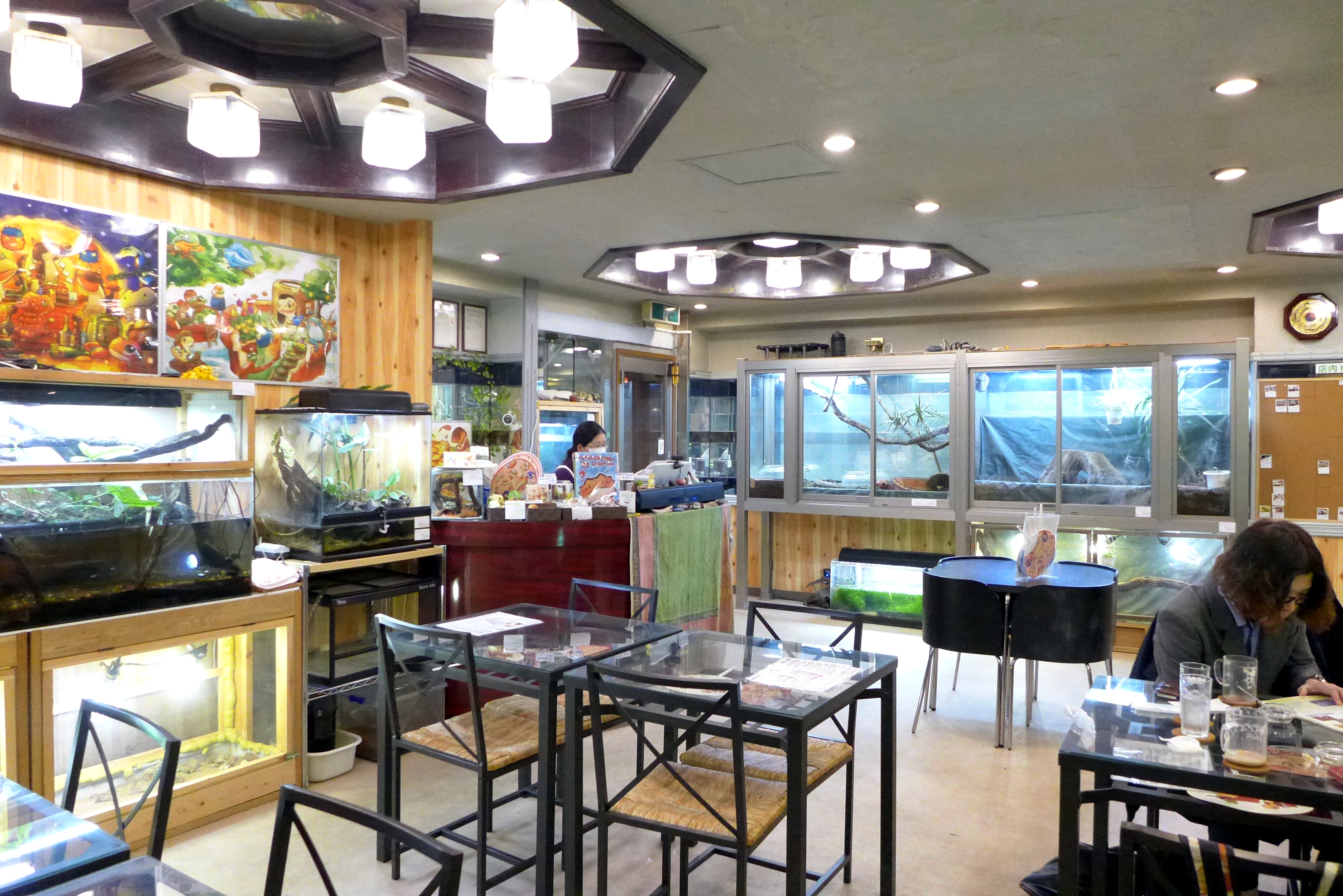
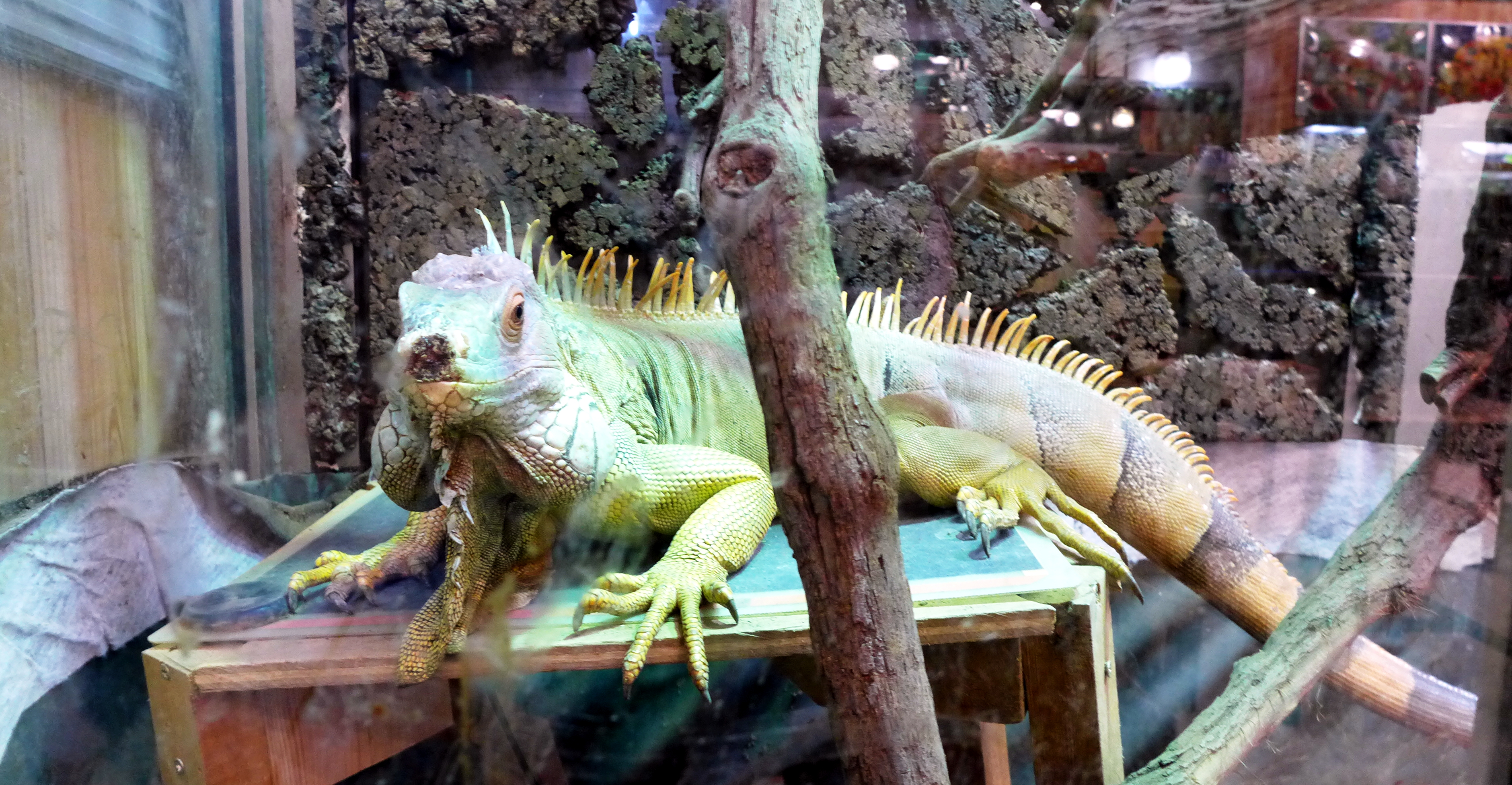
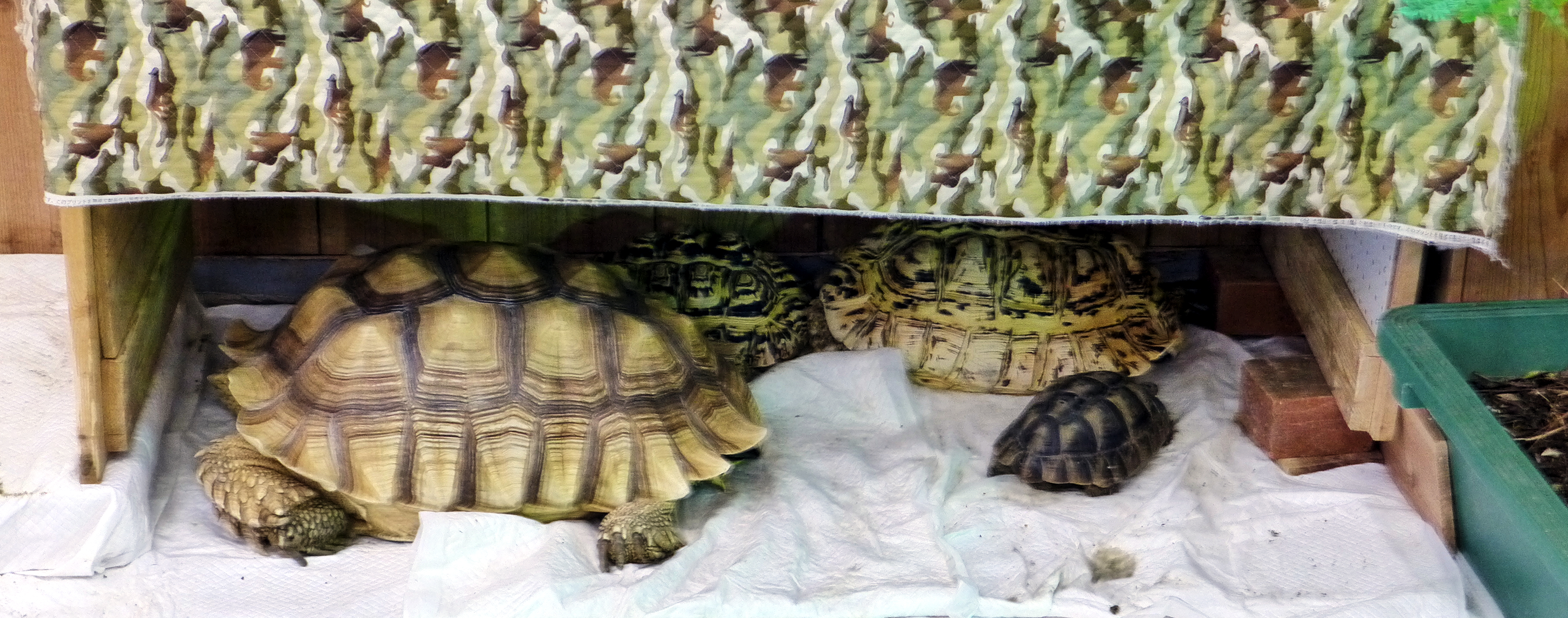
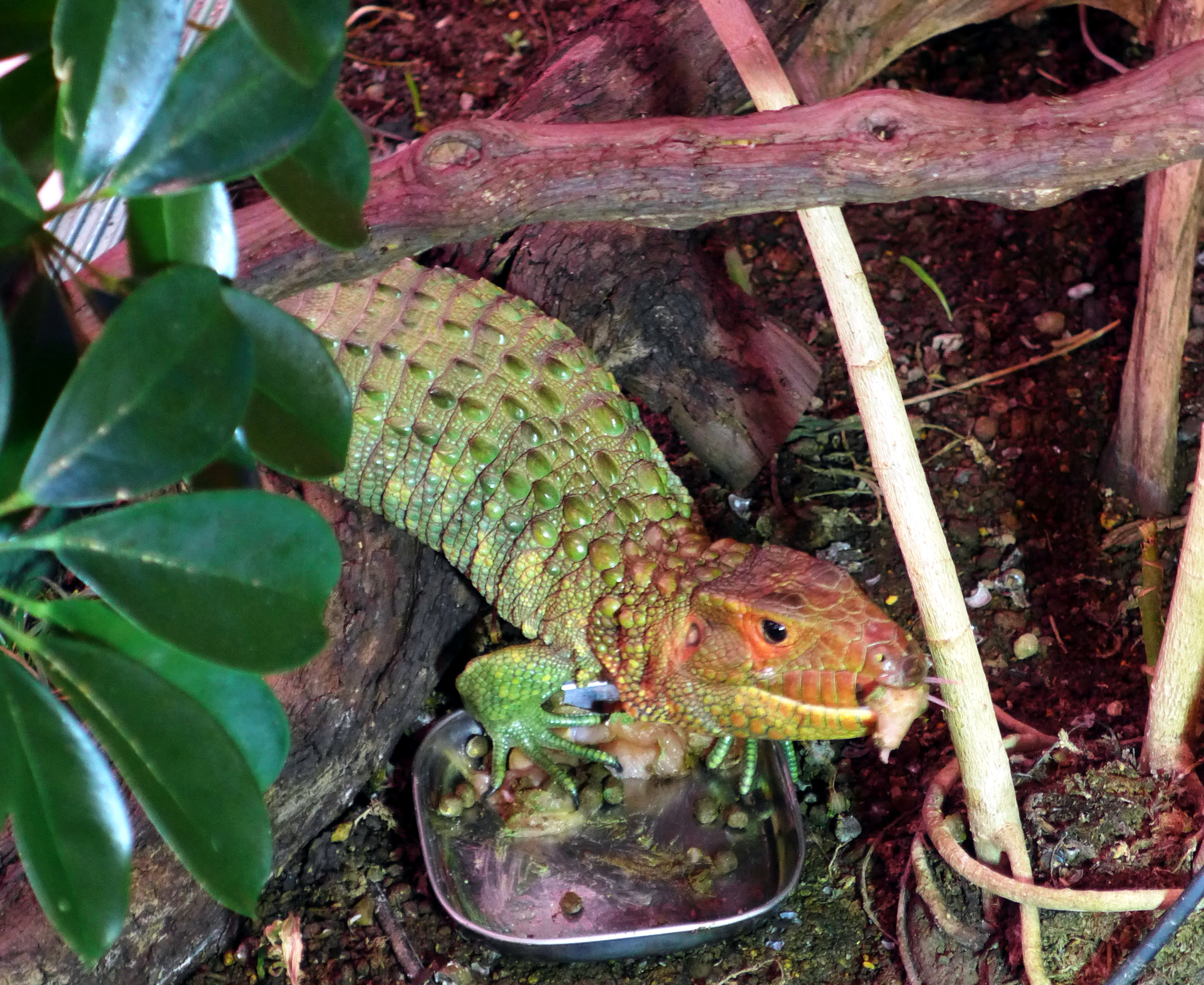
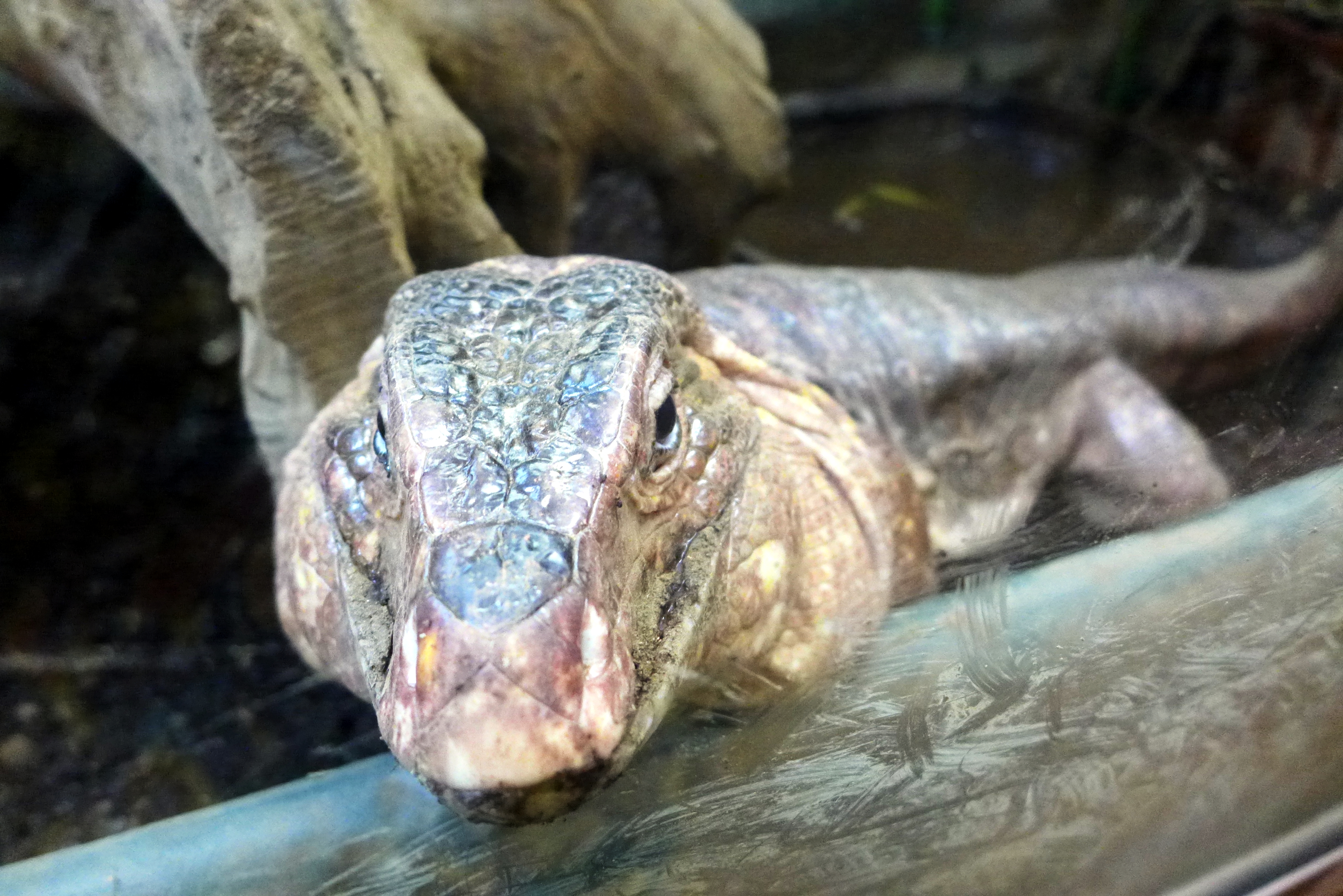
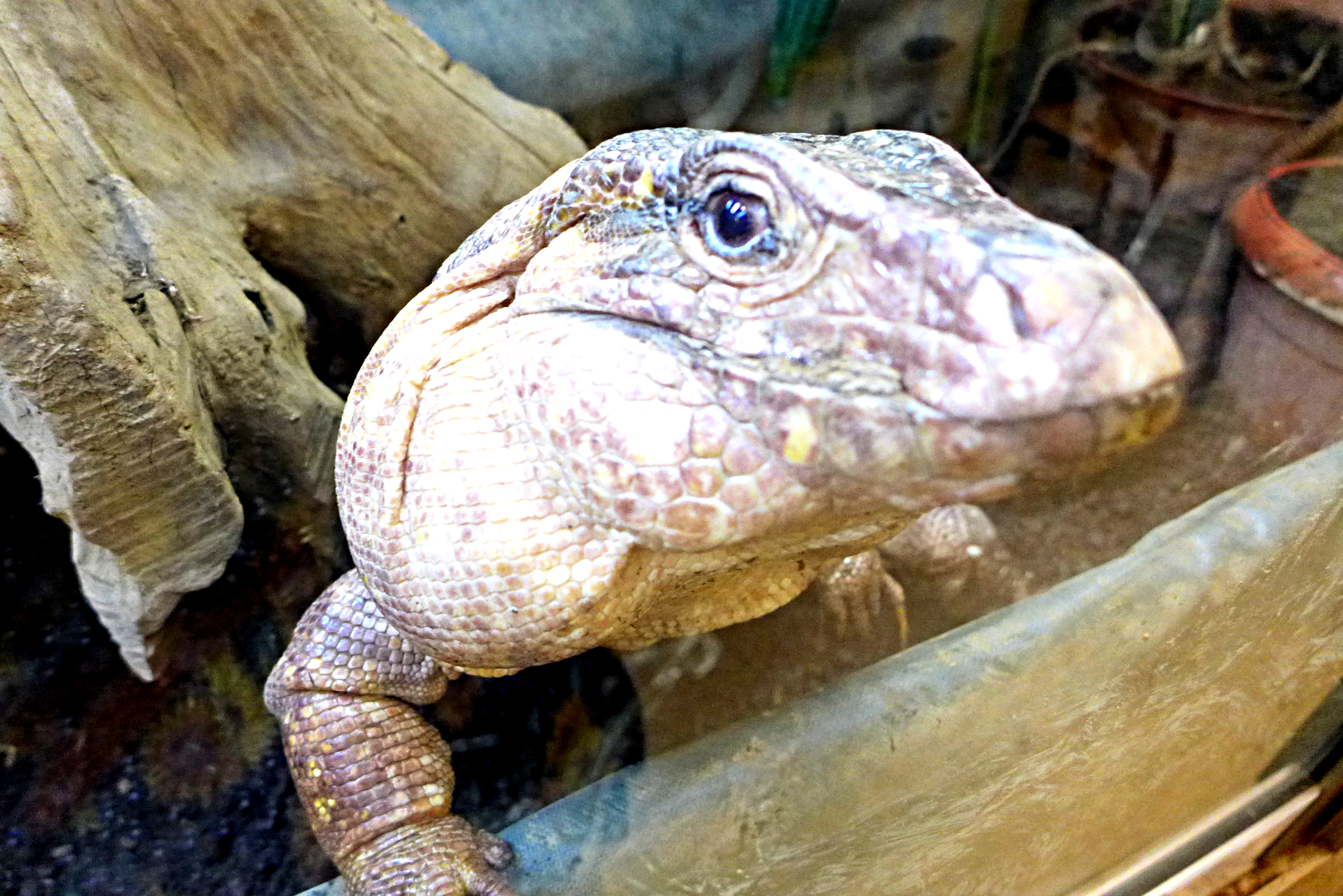
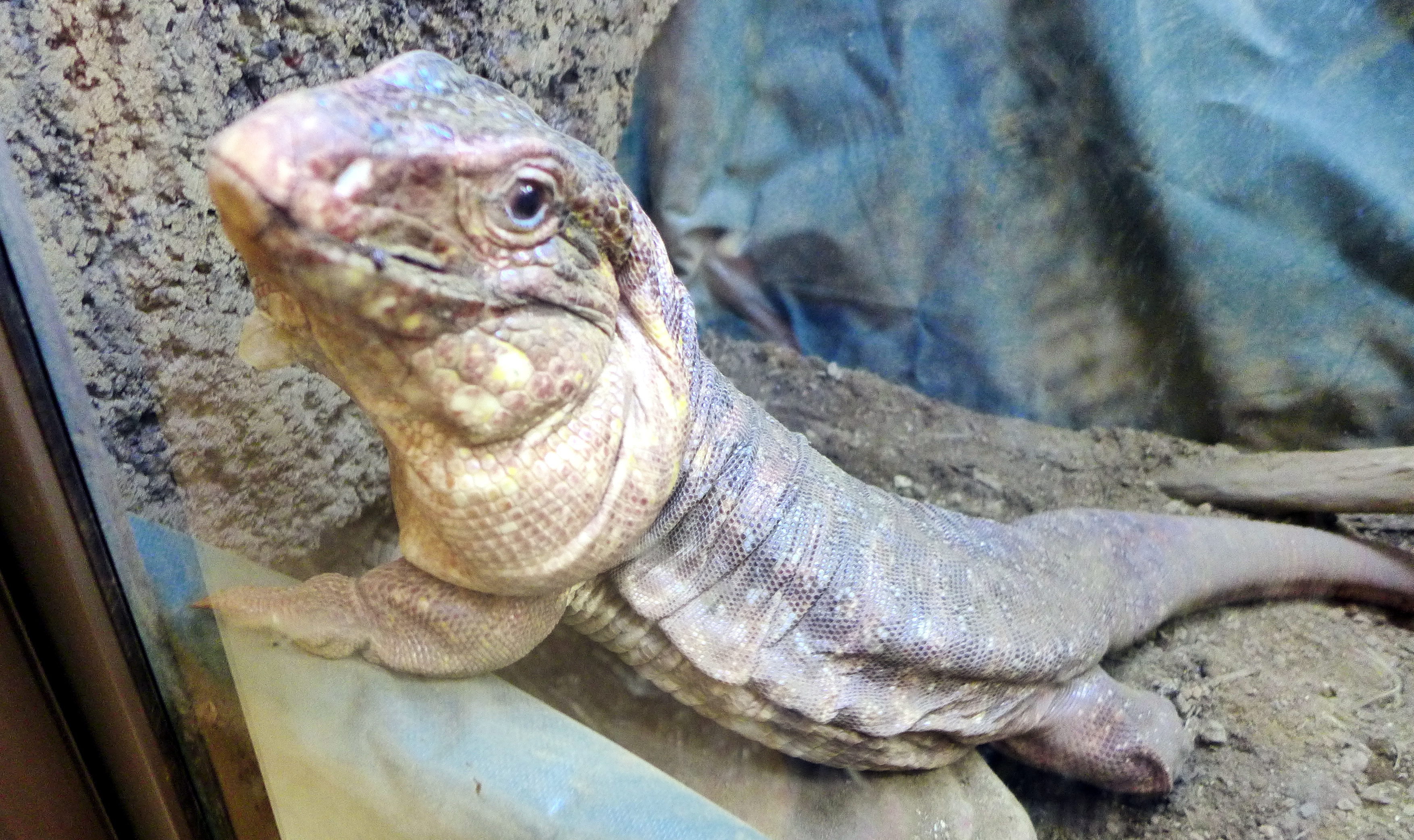
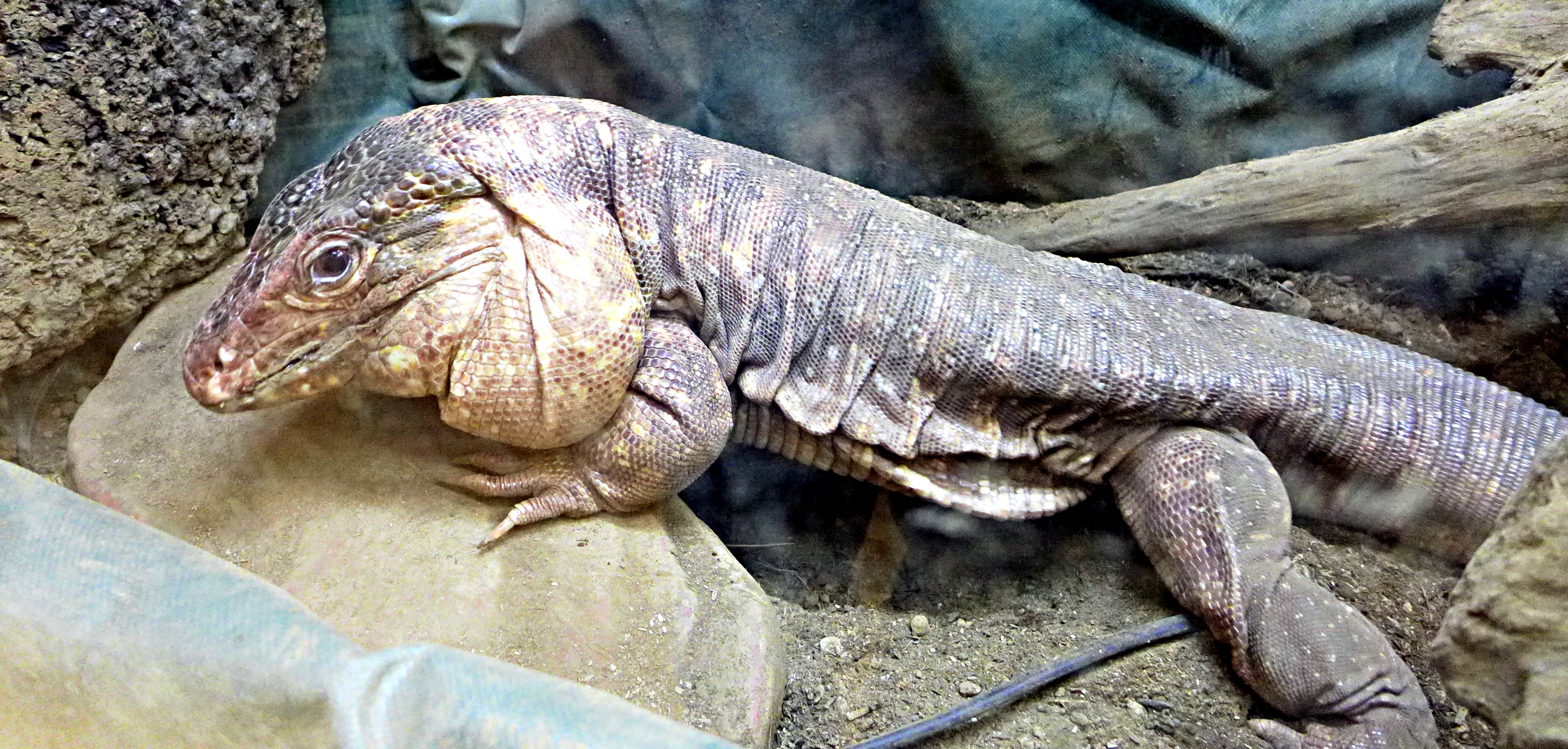
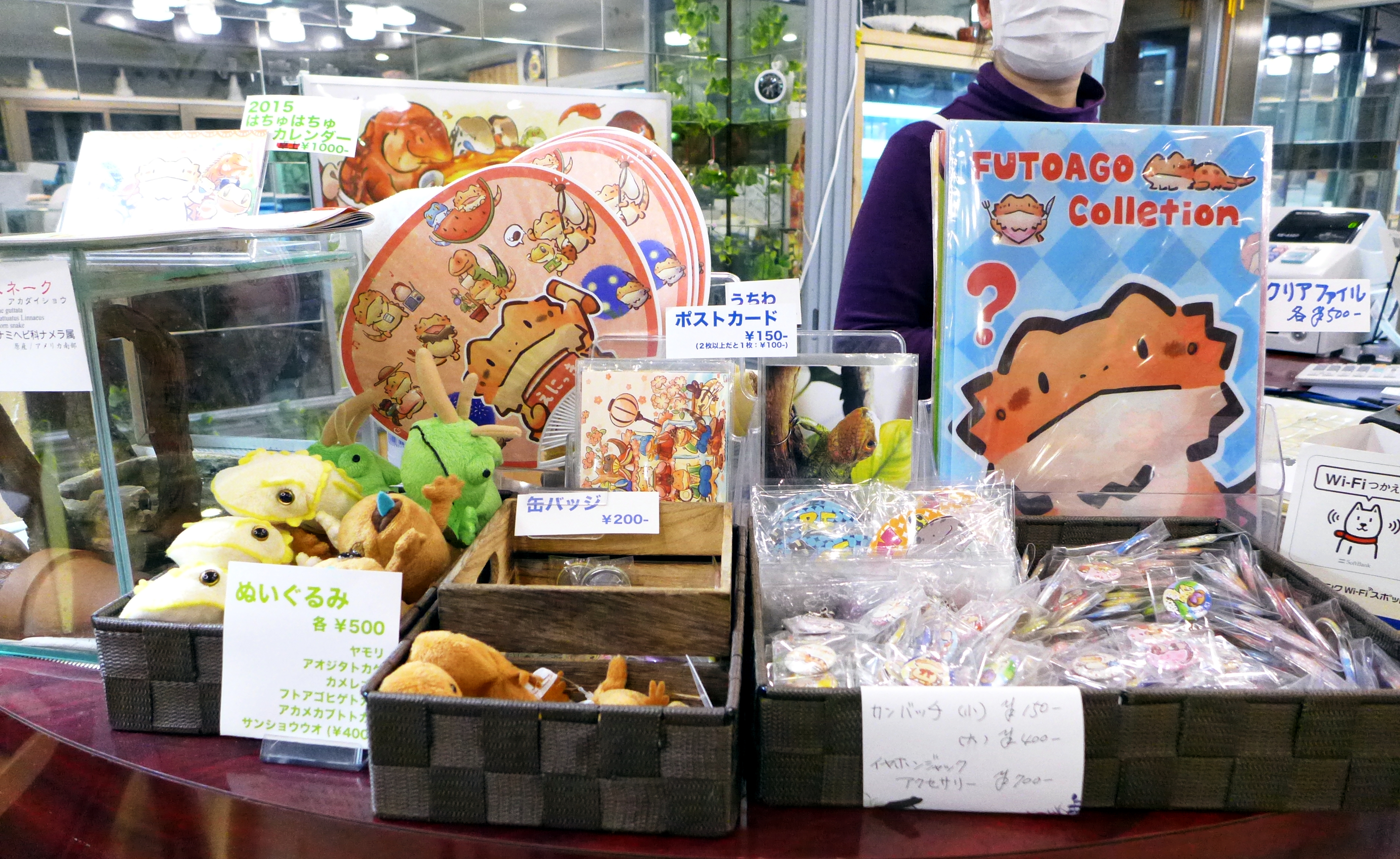
Our second animal adventure was a far more low-key affair. We visited Yokohama’s Subtropical Teahouse Reptile Café 横浜亜熱帯茶館. It was on the second floor of a normal building on a normal street and there wasn’t a big sign so we nearly missed it! The café consisted of a large room with tanks and cages around the room containing various reptilian life. There was also a low-walled ‘play area’ with a number of tortoises and some trees with lizards perching on them.

P1060291 P1060275 P1060204 P1060210 P1060218P1060312P1060324P1060270

We arrived at the café at 5, which meant the ‘play area’ was already closed (it shut at 5) but the café was open until 7 so we sat, drank Japanese tea, and watched the animals. The cafe policy was that you had to buy one drink but there was no hourly fee or entrance fee or anything, which was nice (most animal cafés do have a fee on top of the drinks). A lot of the lizards and snakes weren’t doing much, but a few came up to see us when we looked into their tanks. One even nodded his head at us when we nodded at him. The tea was really good, and had refills, so I had around 5 cups. The cafe was empty apart from us and one couple, so we could see all the animals easily. It was a really nice and relaxing way to spend the afternoon.

P1060208 P1060227 P1060233 P1060299P1060300P1060288P1060279P1060327

I would definitely recommend both the aquarium and the lizard café. The aquarium was impressive and the café fairly low-key, but both fulfilled my wish to see animals. I hope to go to more animal cafés in the future – there are goat, penguin and owl cafés too!