神戸 Summertime Samba

Yet again apologies for my prolonged absence, I’ve been very busy lately and needed a break from my blog due to a bit of writing fatigue. I return this week and will hopefully get through a lot of posts I’ve been meaning to write for ages. The problem with visiting lots of temples is processing which temples were where and what their history is. Soon I will have ‘broken the knot’ so to speak, and will hopefully churn out a load of temple posts!

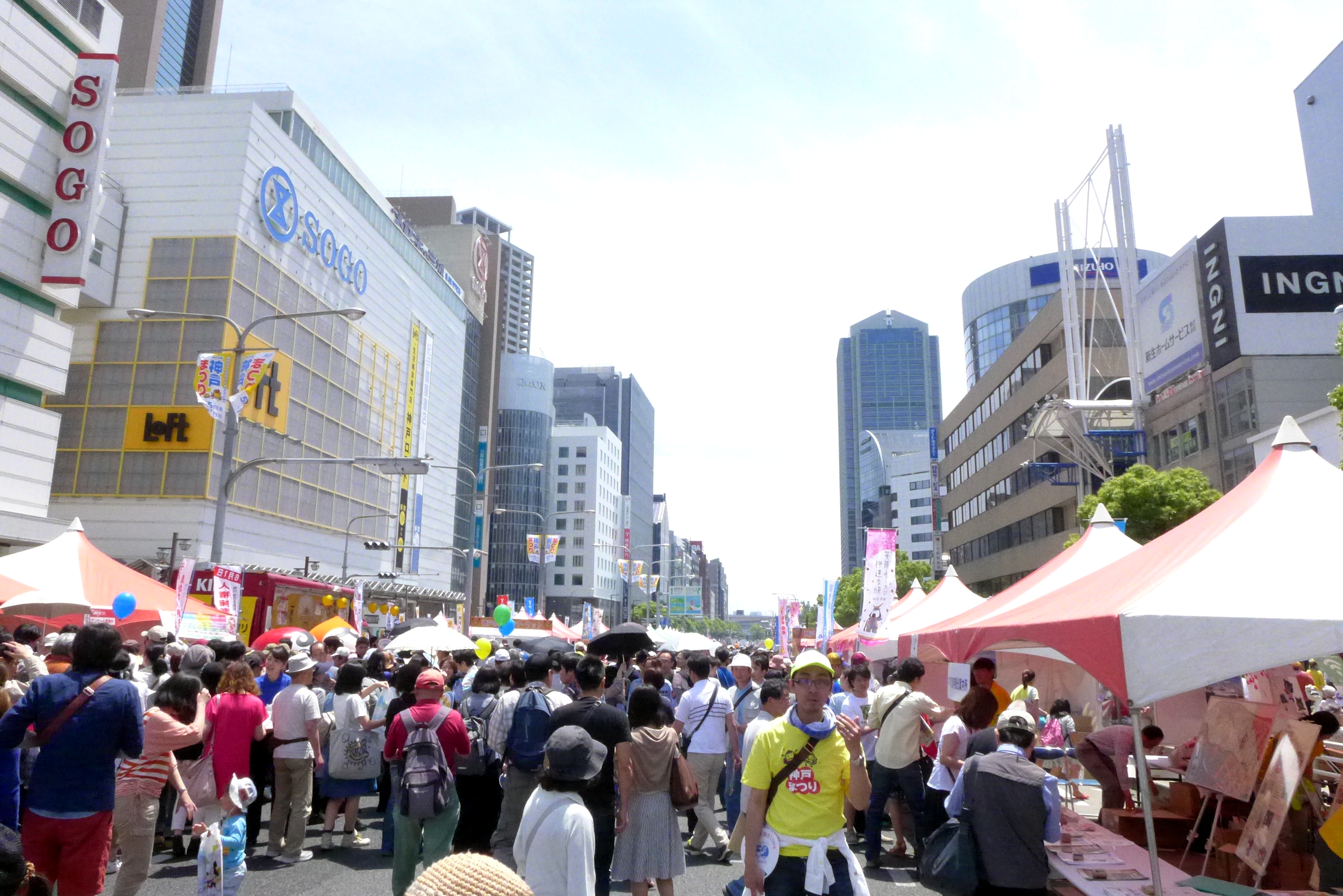
I want to talk about where I went today on this post. Today I went to Kobe Festival 神戸まつり (Kobe Matsuri), an annual event held in Kobe (near Osaka and Kyoto) on the 17th of May. I have visited Kobe before (see here) but this time it was rather different. All the streets in the centre of town were pedestrian and there was music and food everywhere. I had a fantastic time.
P1080747

Kobe festival originated in 1933 as Kobe Port festival, becoming Kobe festival in 1971. It celebrates the products of Kobe and surrounding towns, as well as welcoming other prefectures to share their produce with the people of Kobe. The Japanese, as a people, are pretty much obsessed with food, a trait I greatly admire. I got to try loads of different foods!

P1080752 P1080751

I started with some simple kara-age から揚げ, Japanese-style fried chicken. At 600円 (£3.20) for a bag, it was a little pricey but very tasty and warm. Could have done with a bit more spice. Family Mart chicken is cheaper and just as good if not better, but I really love Family Mart chicken. ★★★✩✩
P1080786

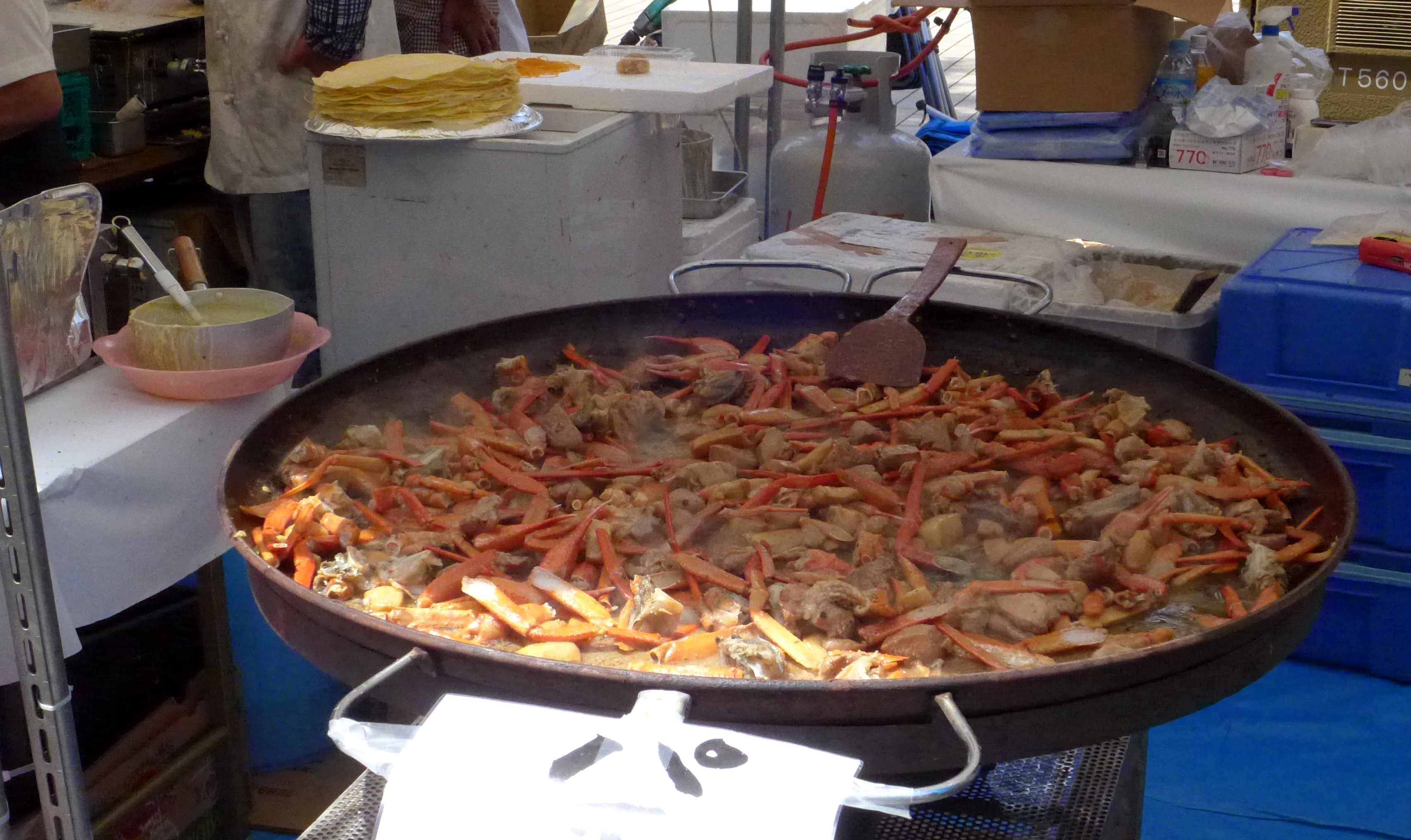
My friend got some Paella, which was pretty good. Full of crab, but she had trouble eating it as the crab meat is hard to reach. Sadly it ended up abandoned as it was just not as tasty as everything else. ★★✩✩✩
P1080789

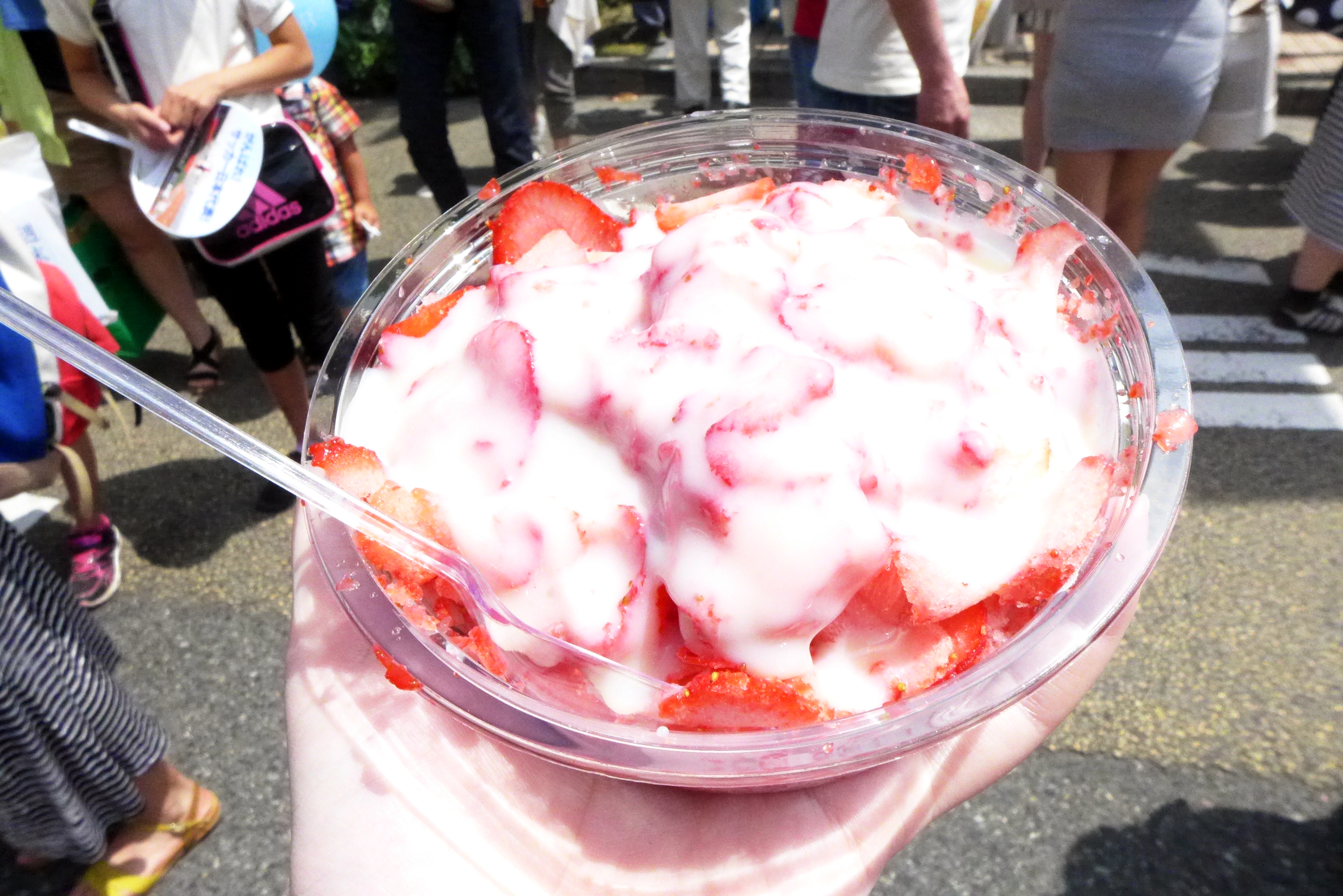
Frozen shaved strawberries and some kind of white chocolate sweet sauce. Really tasty especially as it was a really hot day. Large portion for 600円, very much worth it. ★★★★✩
P1080785P1080783P1080784

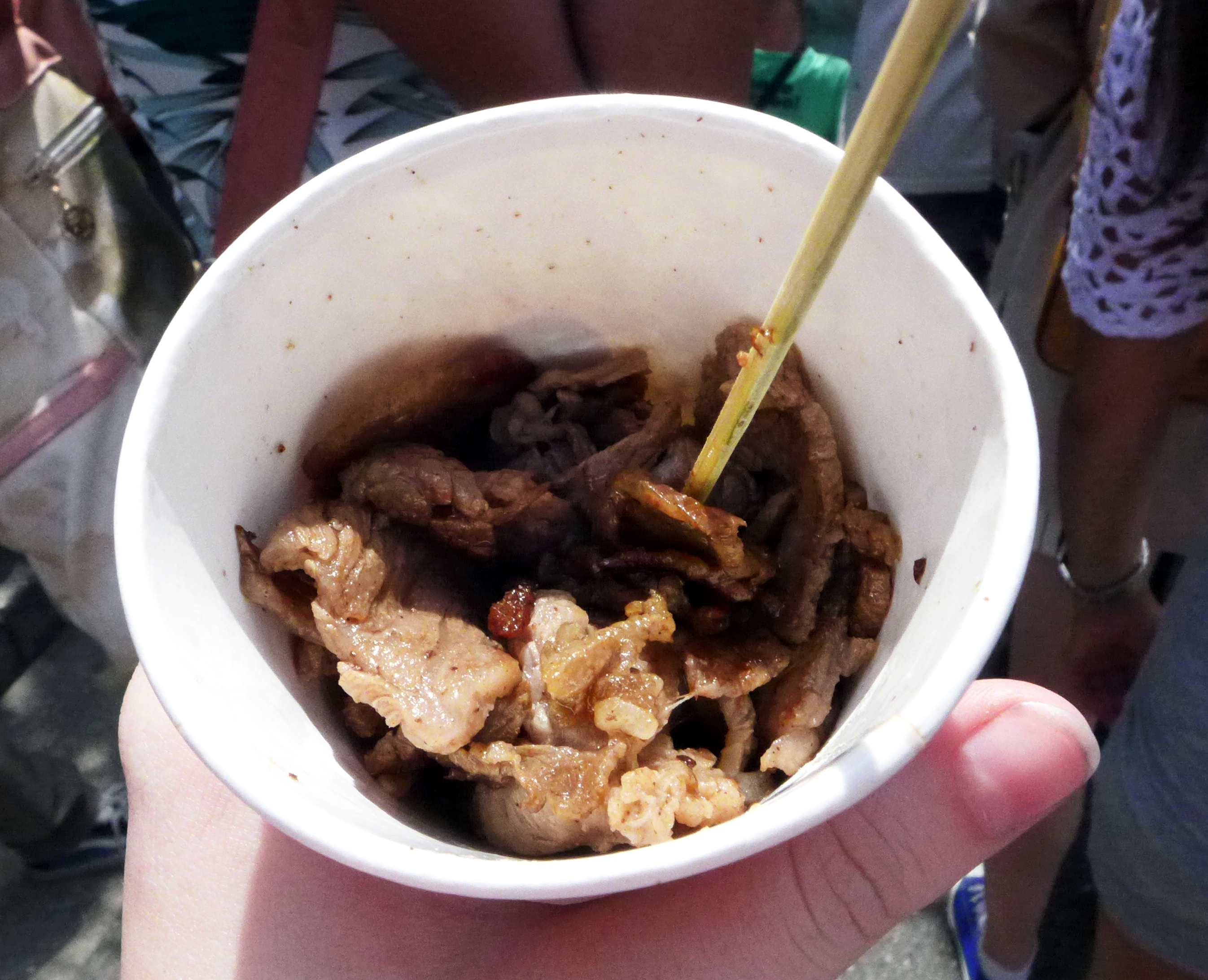
The star of the day food-wise, was definitely the Kobe beef cup I shared with my friend. I have never had beef so melt-in-your-mouth amazing. It was only 1000円 (£5.30) for a cup, which is amazing considering Kobe beef will usually set you back three times that amount at least. Kobe beef is famous throughout Japan and the world for its delicious texture and juicyness. Cattle were introduced to Japan in the 2nd century, though they were used as working animals rather than food. These Japanese working cattle were bred with European cattle in the 18th century, when beef consumption was on the rise. This gave rise to the Taijima breed of cattle, the Kobe beef cattle. Kobe beef must meet certain quality levels and fat content minimums in order to qualify as Kobe beef. It’s delicious. You may not think that fatty beef is delicious but you should seriously try it. Just wow. ★★★★★

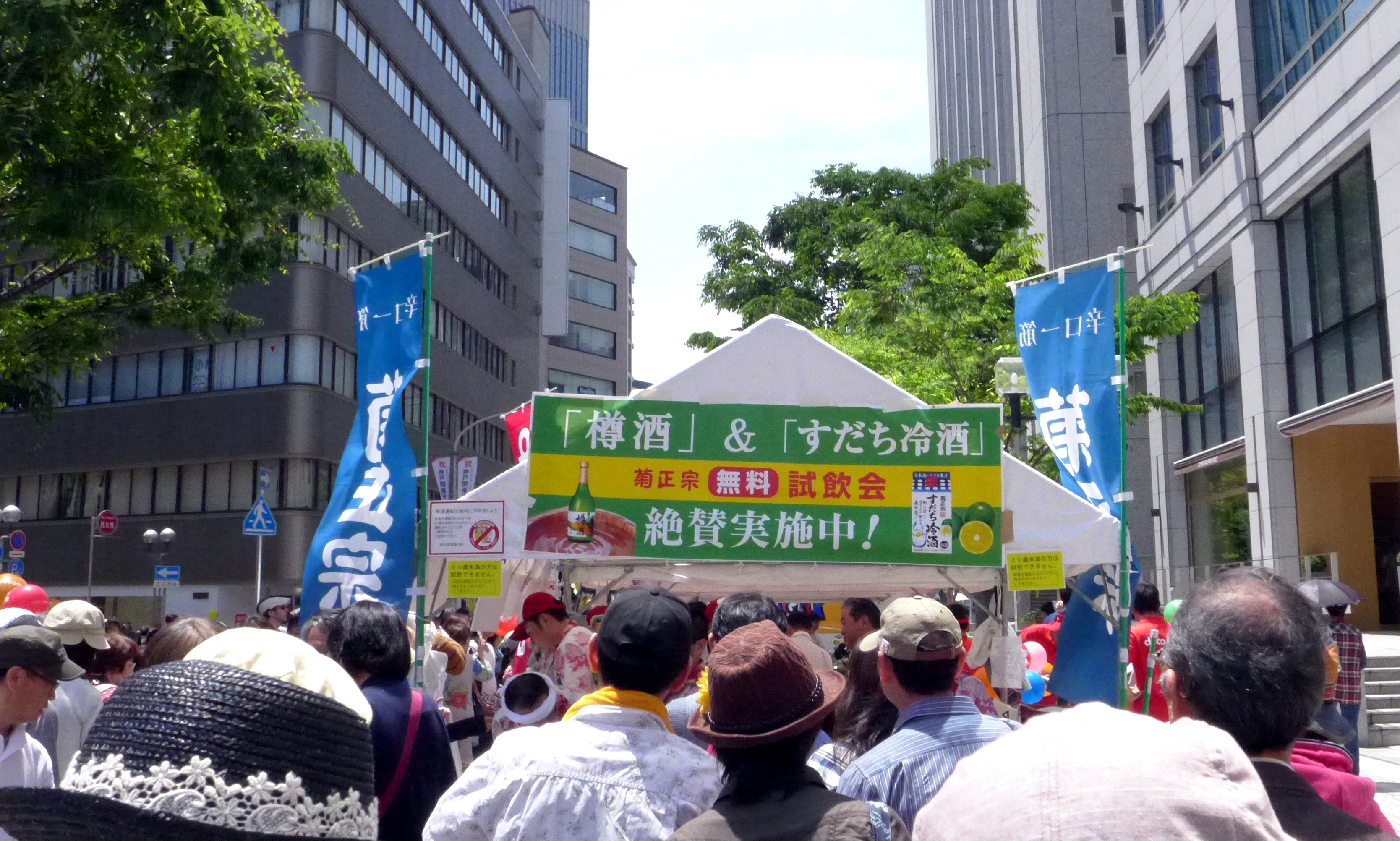
Not pictured are a melon soda float (★★★✩✩) and a beef kebab (★★★★✩). Truly food heaven. We also got given some free plum wine and some lime flavoured liquor, which was really disgusting ★✩✩✩✩. Don’t trust free drinks.
P1080753

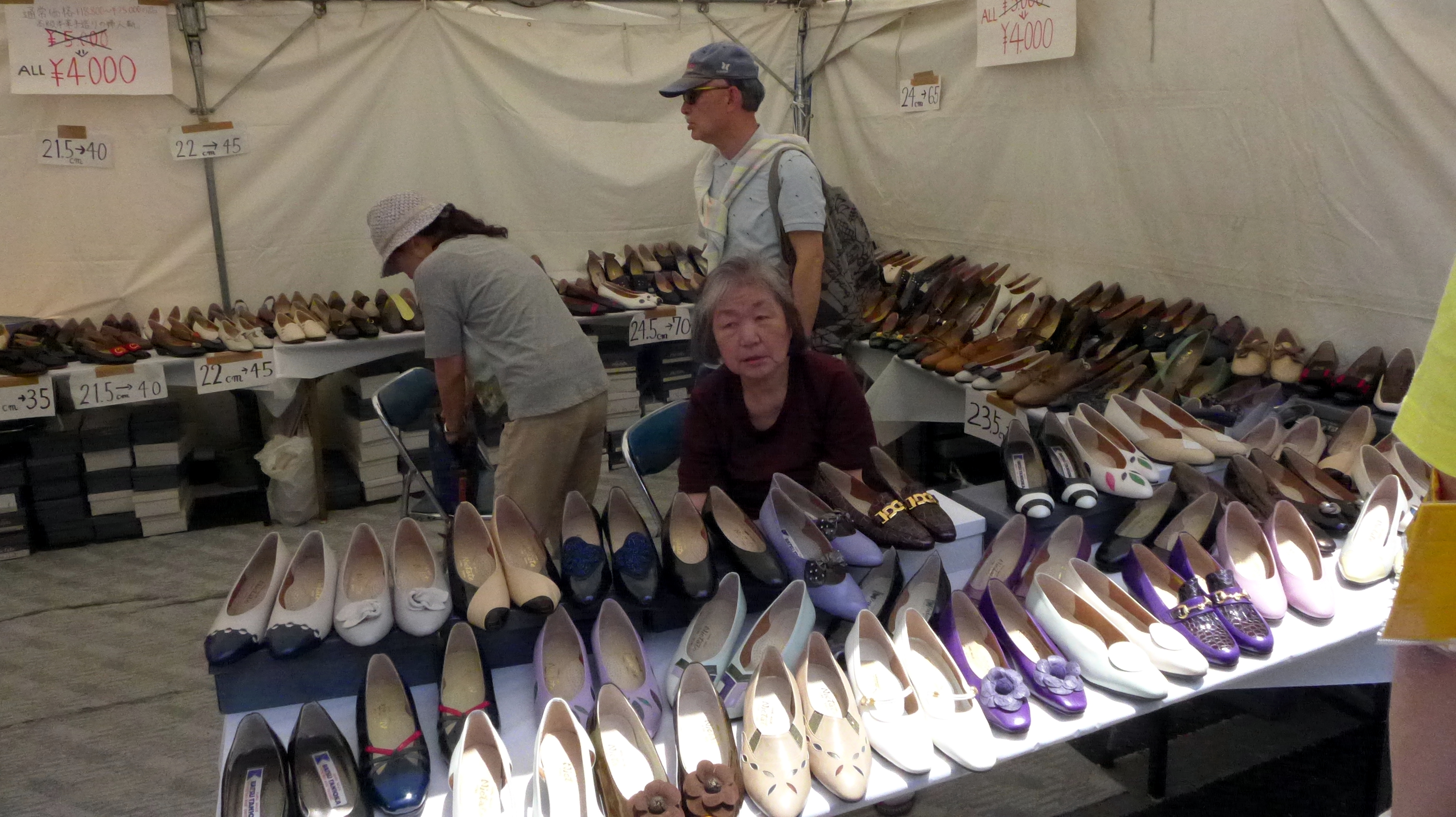
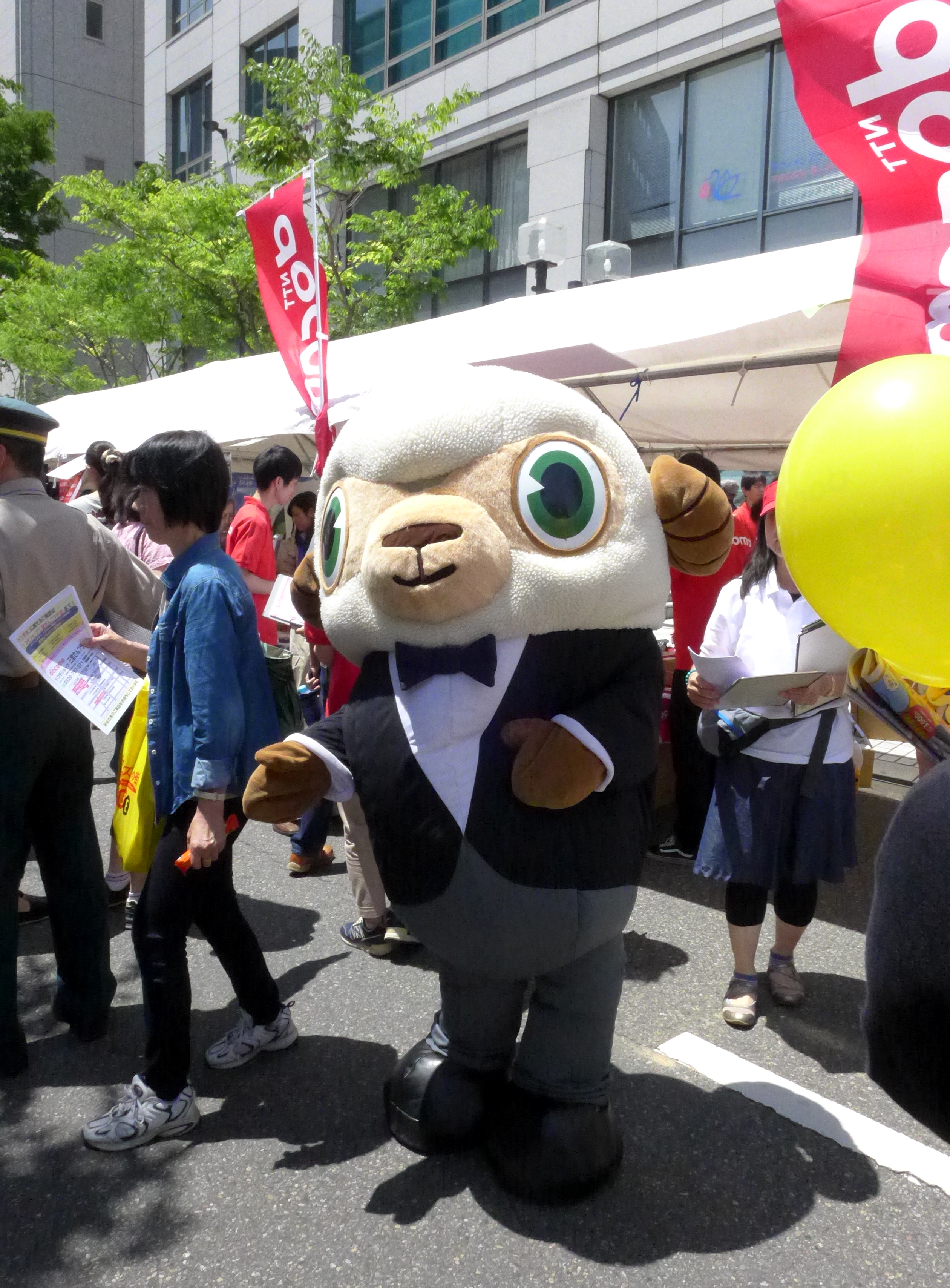
In addition to food stalls there were several places offering leaflets on other prefectures’ attractions and strangely several shoe shops. The streets were really busy so trying on a shoe didn’t seem the best idea. There were also several great mascots that must have been so boiling hot in those suits. I fulfilled my until then unrealised life goal of getting a picture with a man dressed in a radish costume.
P1080750P1080754

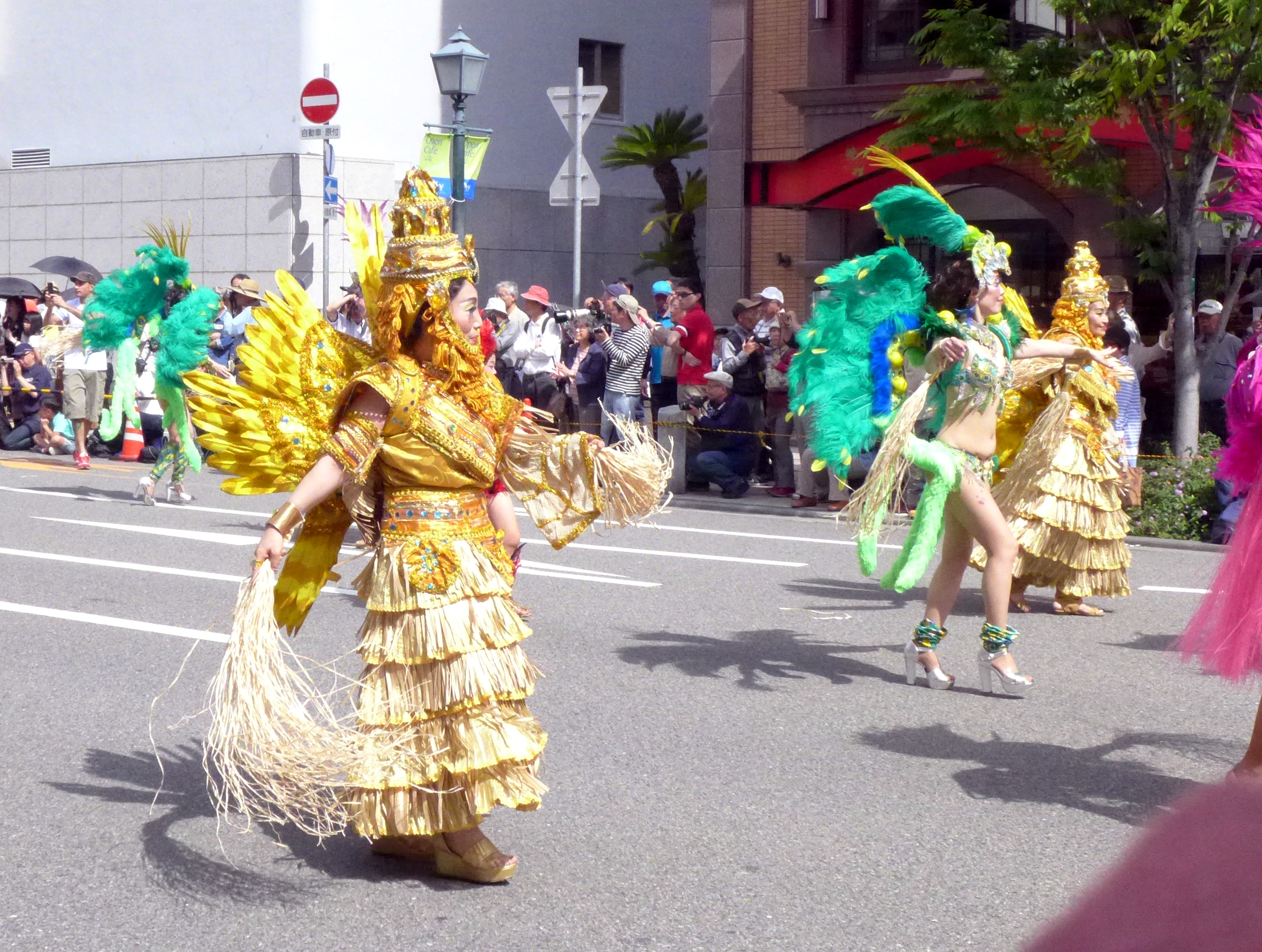
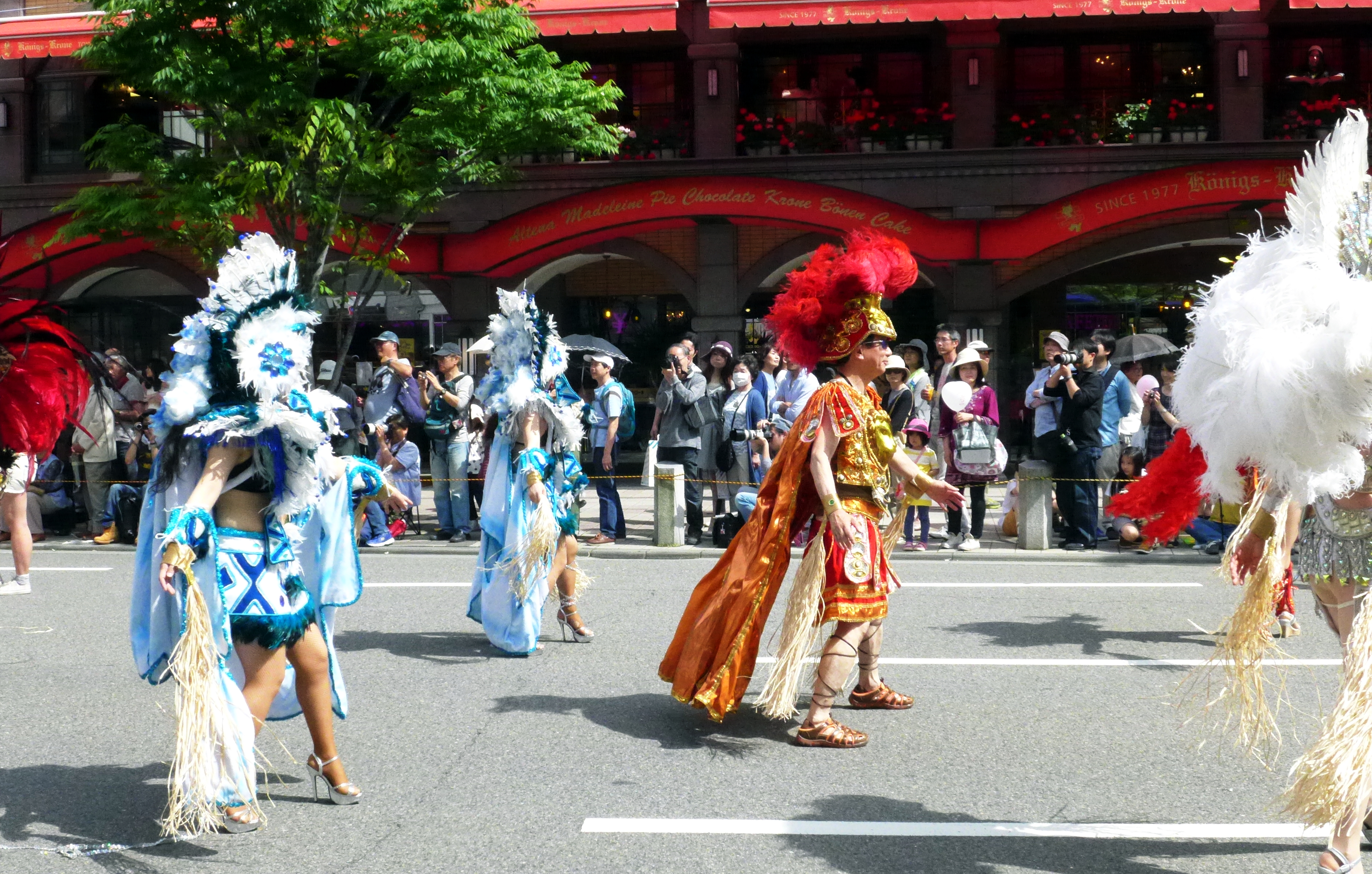
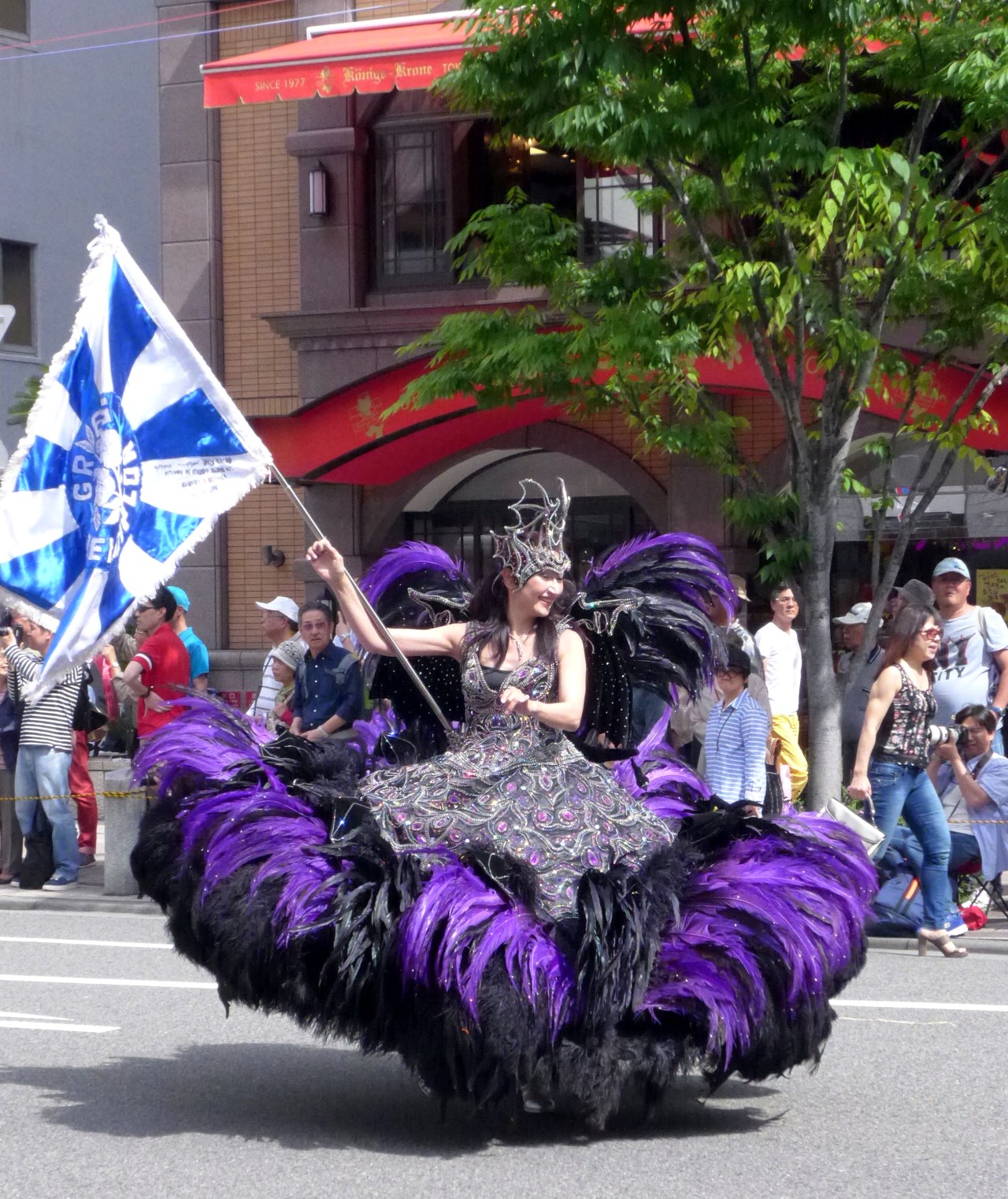
The festival also involved a lot of bands, baton throwers and samba dancers. I swear half the women of Kobe must be samba dancers, there were so many of them. Perhaps they are conscripted. The reason samba is so popular in Kobe is that Kobe is twinned with Rio de Janeiro. Or maybe they are twinned because samba is so popular, who knows. There were all sorts, from small children reluctant to dance around in the heat, to young women really enjoying it, to young women boiling hot and probably not enjoying it, to older ladies strutting their stuff. It was pretty spectacular.

P1080756 P1080761 P1080778 P1080803 P1080847 P1080856P1080868P1080878P1080883

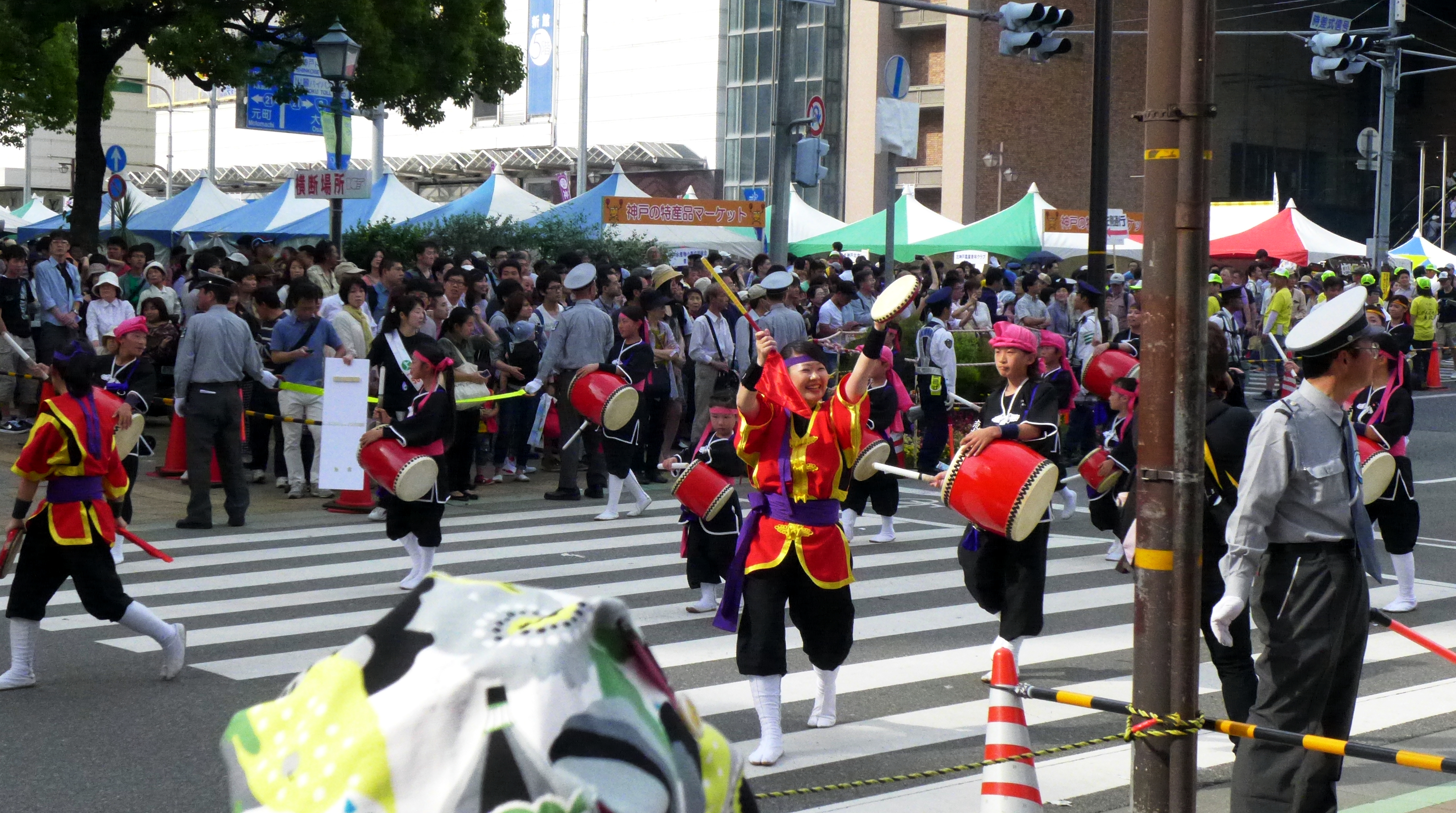
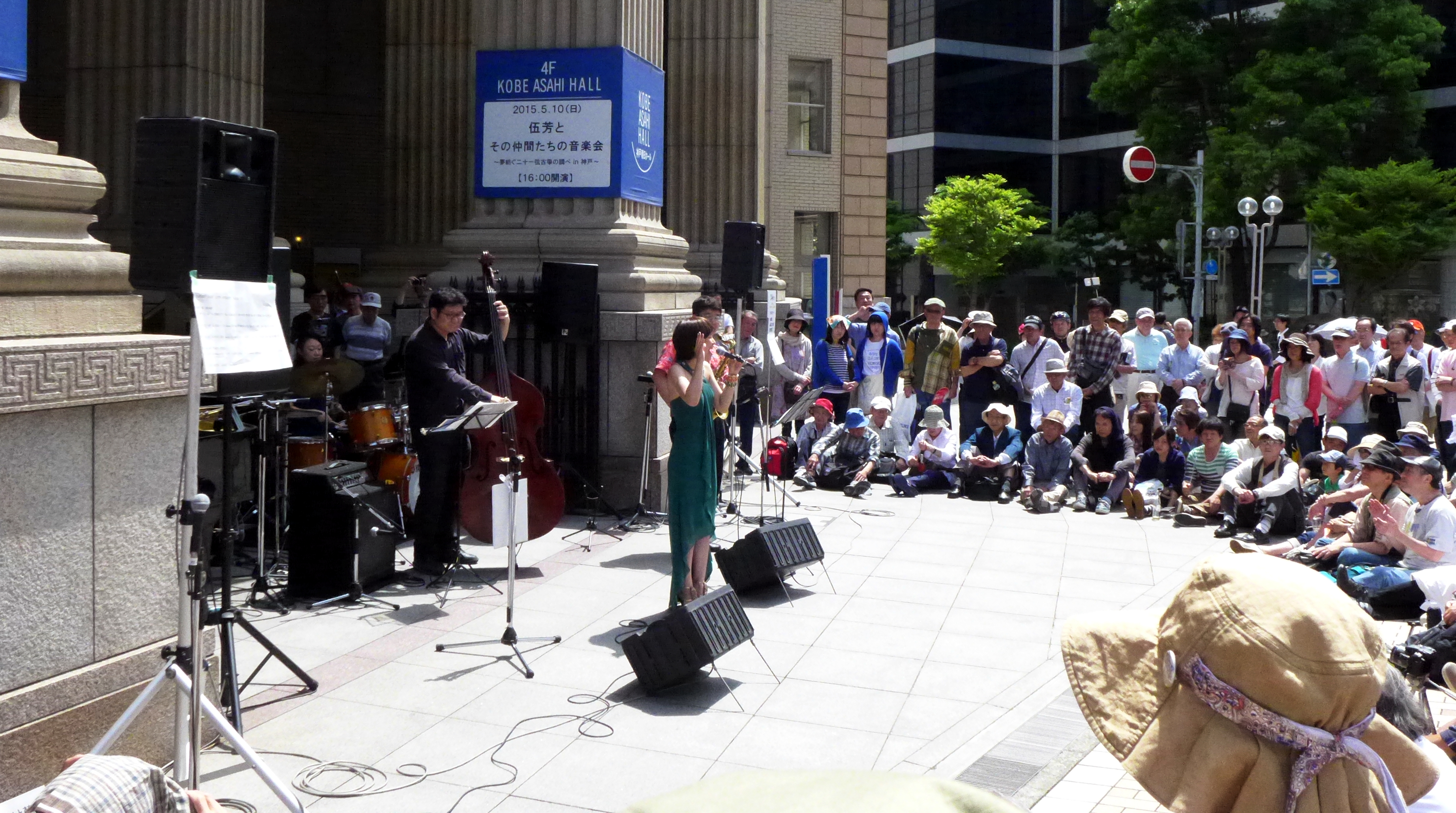
I really enjoyed the parades though it is inching towards full-on, hot Japanese summer, so I was rather warm. Not as warm as the dancers though. There were also several smaller dance troupes and a very good jazz band. Queues for crossing the road were very long. I really enjoyed the festival despite the massive crowds and would definitely go to it, or one like it, again.
P1080817 P1080825 P1080829 P1080830 P1080836 P1080839 P1080844P1080890P1080898P1080901P1080904

Hopefully I’ll get another post up soon! I have work tomorrow evening which may stop me publishing tomorrow, but we shall see. Stay tuned!

奈良 Buddha of Bankruptcy

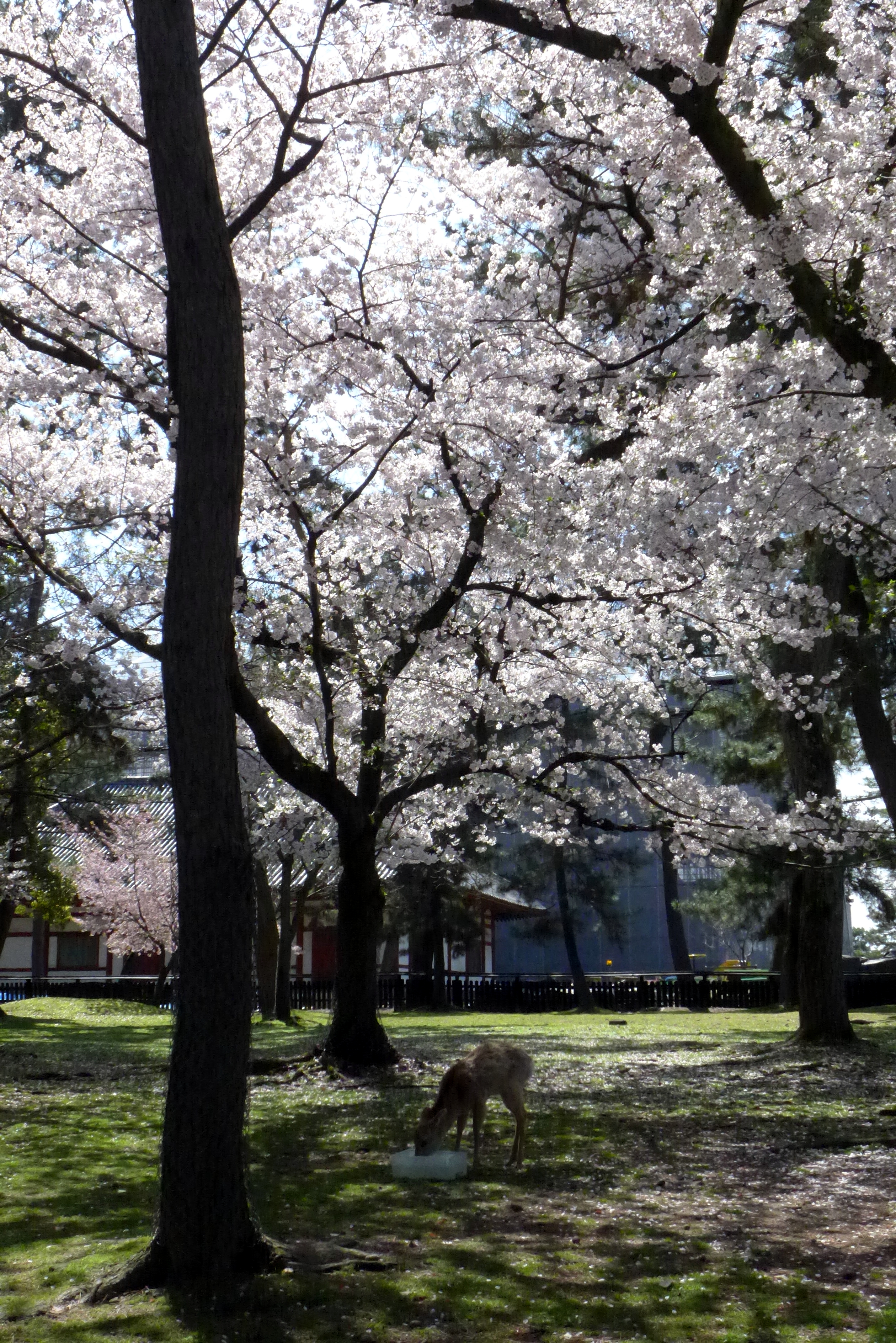
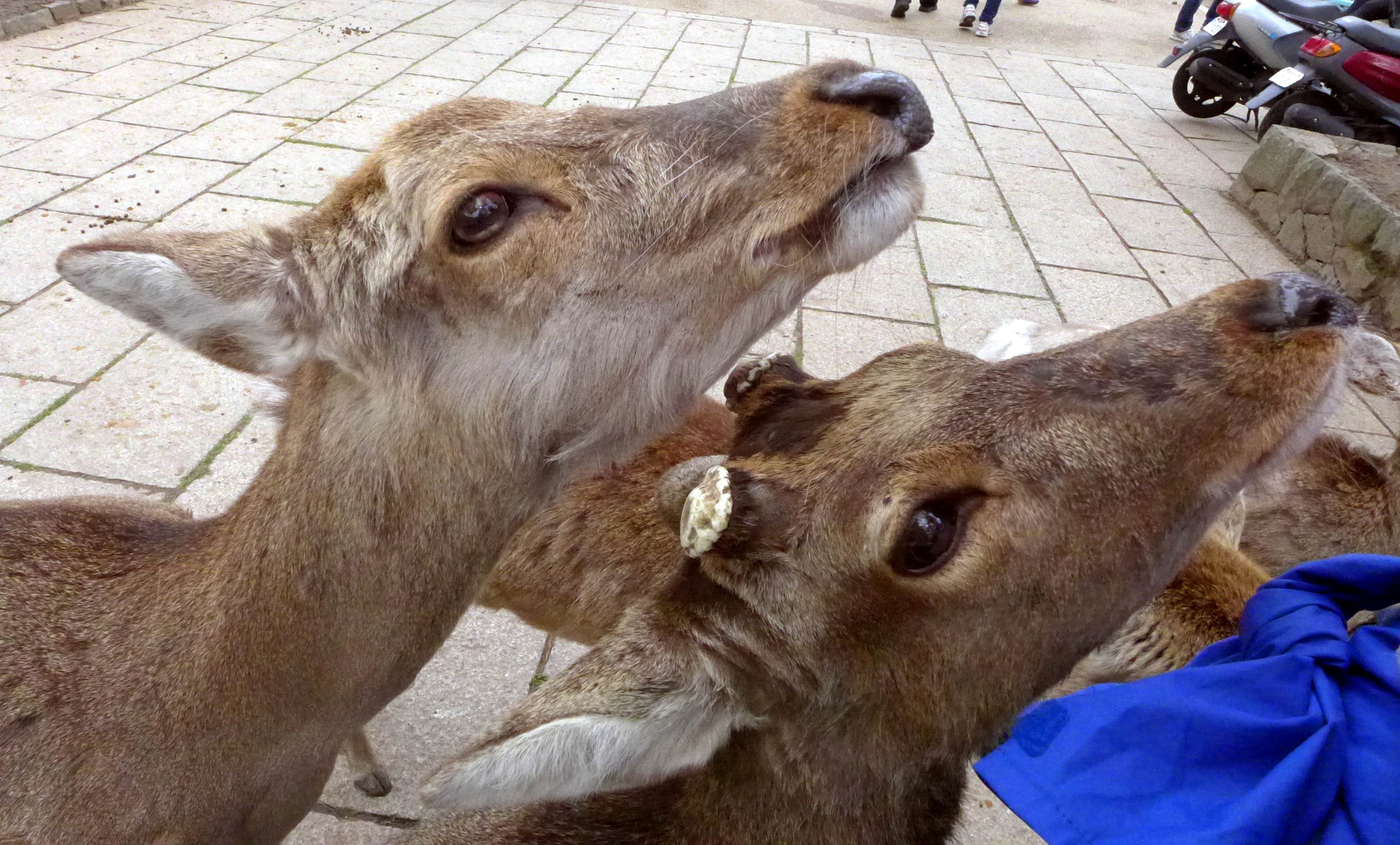
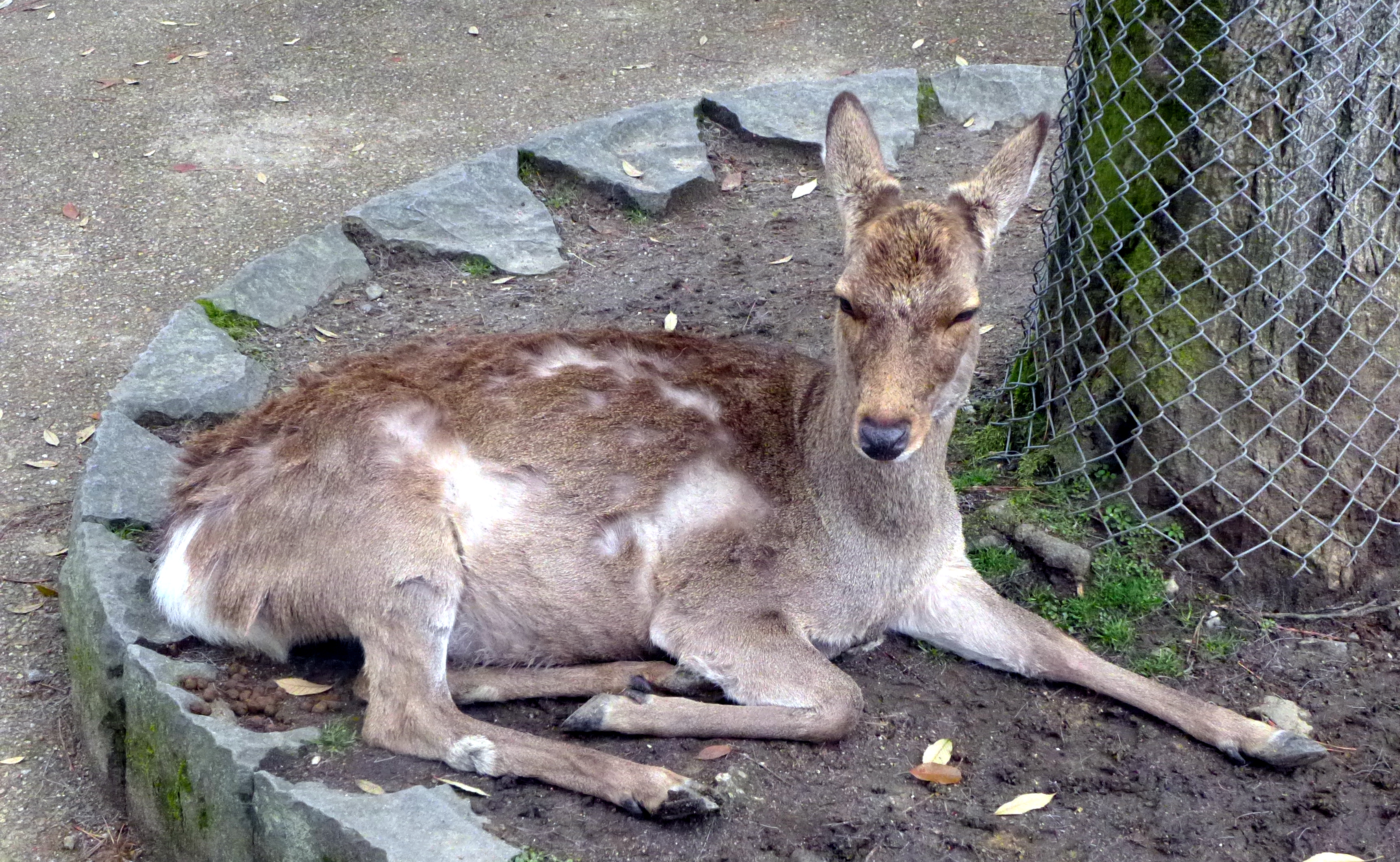
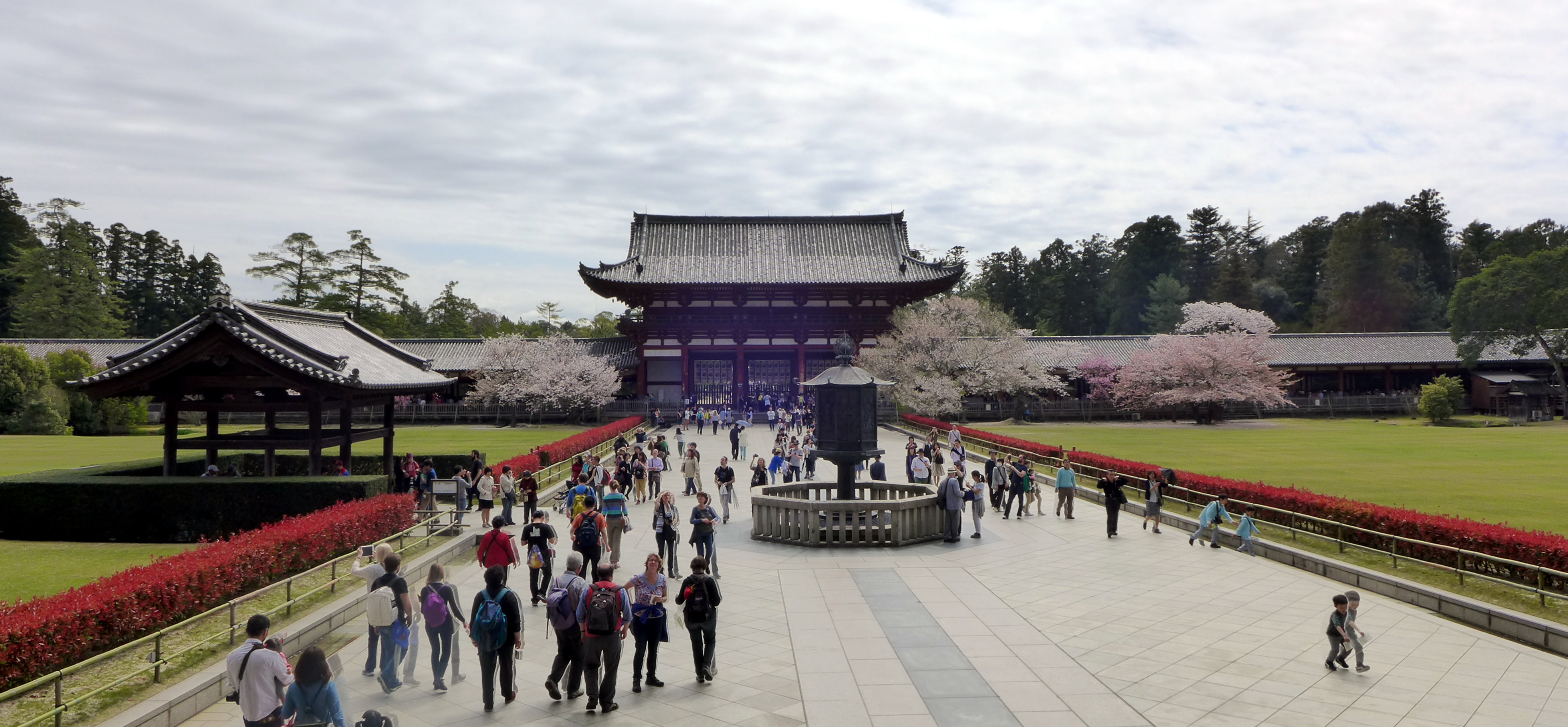
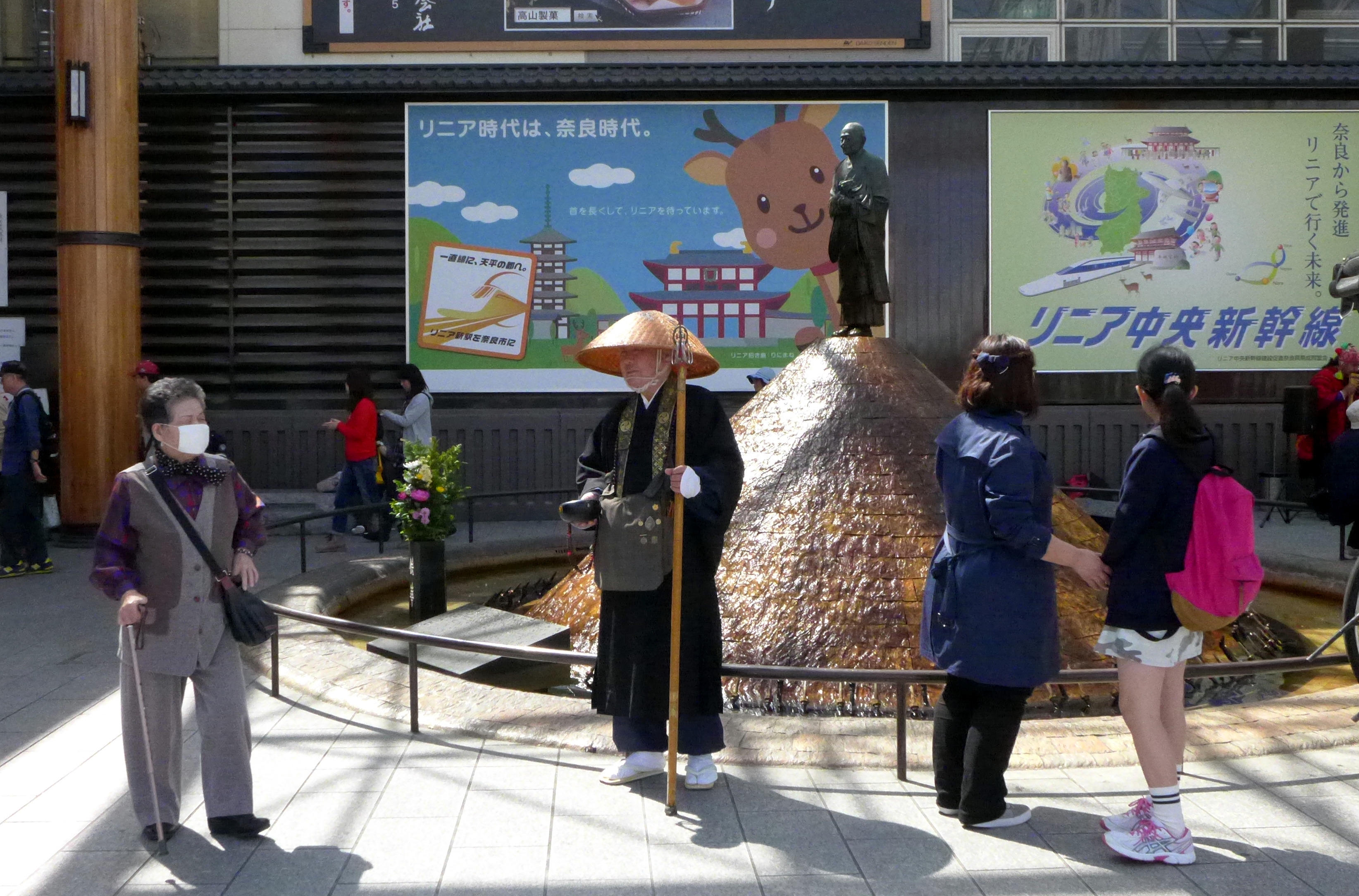
Let us begin our Buddhist side of my visit to Nara. If you were hoping for more cute deer, don’t worry, they were everywhere and I have countless deer pictures so I’ll include some more in this post too. The main Buddhist temple that we visited in Nara was Todai-ji, the temple that pretty much everyone who visits Nara goes to see.

P1070216 P1070220 P1070226 P1070232 P1070235

Todai-ji 東大寺, was once one of the seven great temples of Nara, a term that refers to the most powerful temples in Japan during the Nara period (710 – 794). The Nara period can be characterised by the flourishing of Buddhism and its influence upon the elite and the imperial family. Several members of the imperial family actually became monks, something that worried many people who saw Buddhism as a non-native invading religion. It was at Todai-ji that this imperial religious fervour reached a fever pitch.

P1070257 P1070266 P1070278 P1070282

Todai-ji was founded by Emperor Shomu in 728, quickly becoming a temple of influence and power. Emperor Shomu, worried by the large number of disasters during his reign, decided that in order to bring peace to the land he must ensure the spread of Buddhism. Therefore he issued an edict that promoted the construction of provincial temples throughout the land to counter the blight of rebellion, smallpox and poor harvests. I suppose when you’re in power and all of that happens you have to look like you’re doing something, even if realistically there’s not a lot you can do.P1070276 P1070288 P1070286 P1070294 P1070296

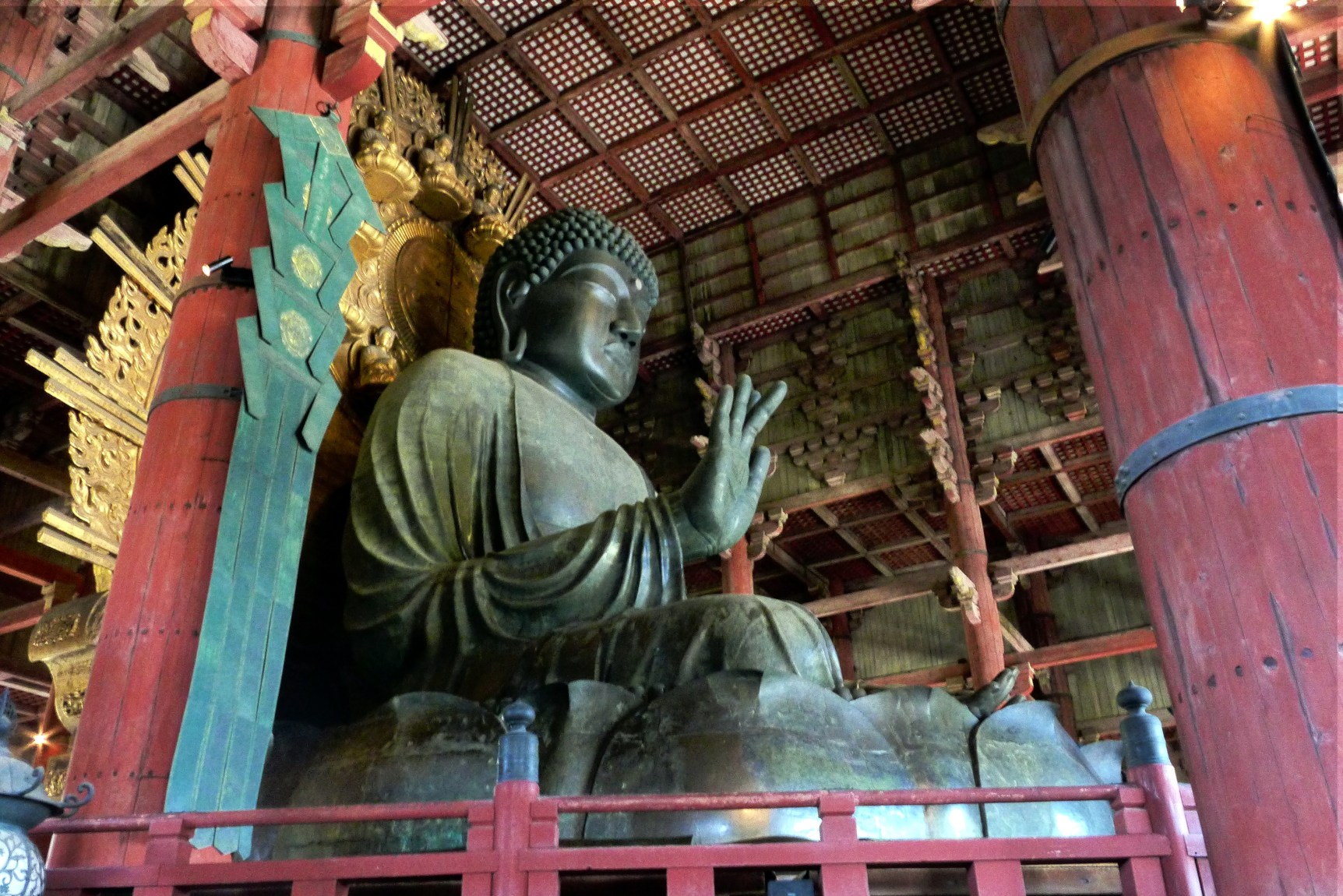
It was at Todai-ji that all Japanese monks of this period were ordained, making it one of the most important temples in Japanese history. In addition, this temple is where the Daibutsu 大仏, or great buddha can be found. This too was built by Emperor Shomu, who felt that he must construct a great Buddha to show the appreciation of the Buddha by the Japanese people. This is the largest bronze statue of the Buddha Vairocana, (there are other larger statues of different Buddha) in the world. Vairocana is the Buddha that represents the East Asian concept of ’emptiness’. The Buddha was constructed through donations of bronze and other materials that were persuaded out of the Japanese people, and it was gilded in imported gold. Many later accounts of the construction blame the construction of the Daibutsu for the subsequent near-bankruptcy of Japan and shortage of bronze. Rather amusing that the Buddha of emptiness also emptied Japan’s treasury…

P1070299 P1070302 P1070324 P1070318

The Daibutsu was finally completed in 745 and it is estimated 350,000 people worked on its construction. It weighs 500 tonnes and measures nearly 15m tall. Unfortunately around a century later, in 855, the head of the Daibutsu fell off and further donations had to be taken from the people in order to construct a more stable head. I am not sure if these were genuine donations or if they were ‘donations’ that were ‘requested’ by the Emperor. Shomu himself, in a final act of piety, became a monk upon his retirement.

P1070316 P1070308P1070327

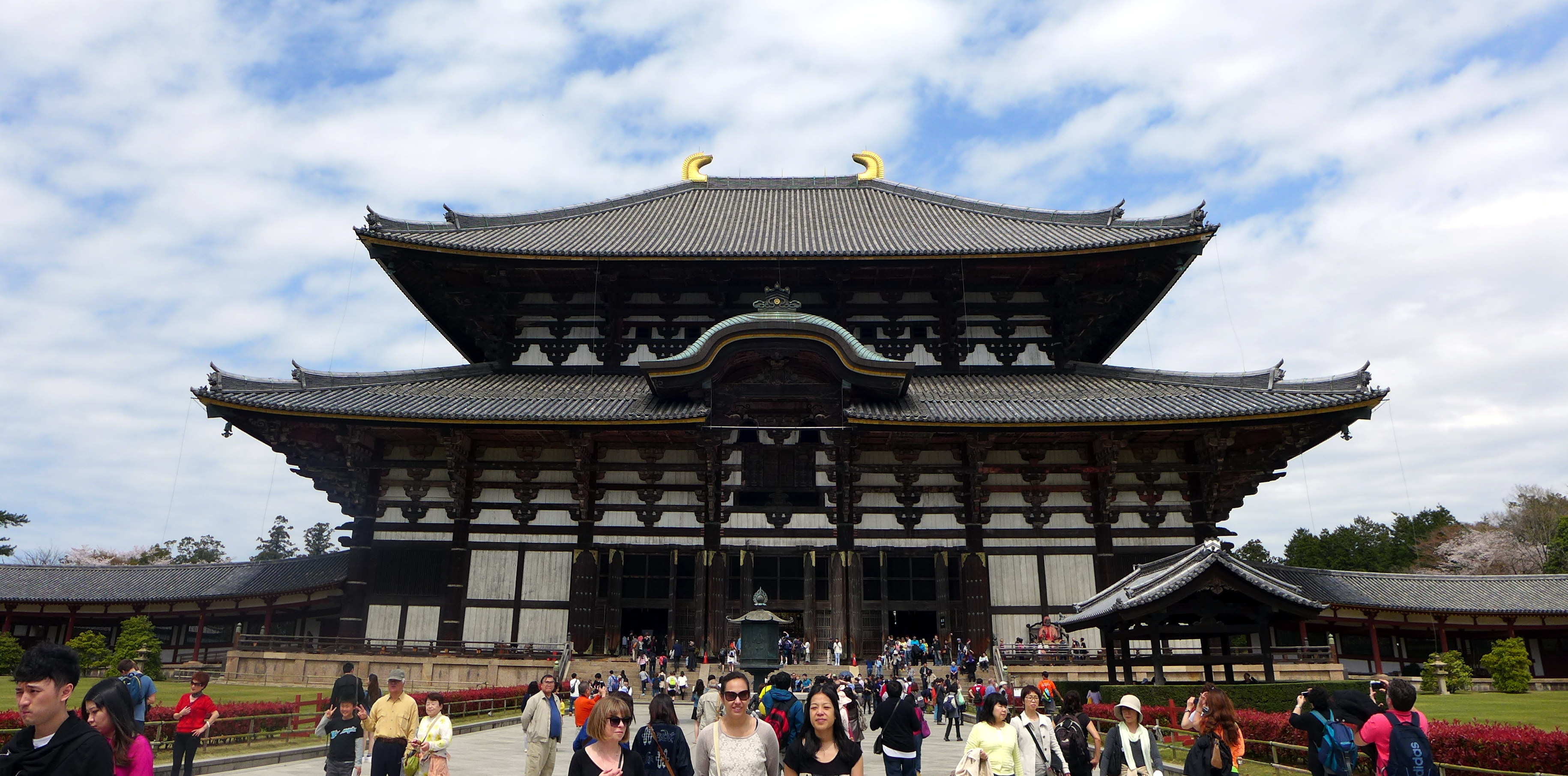
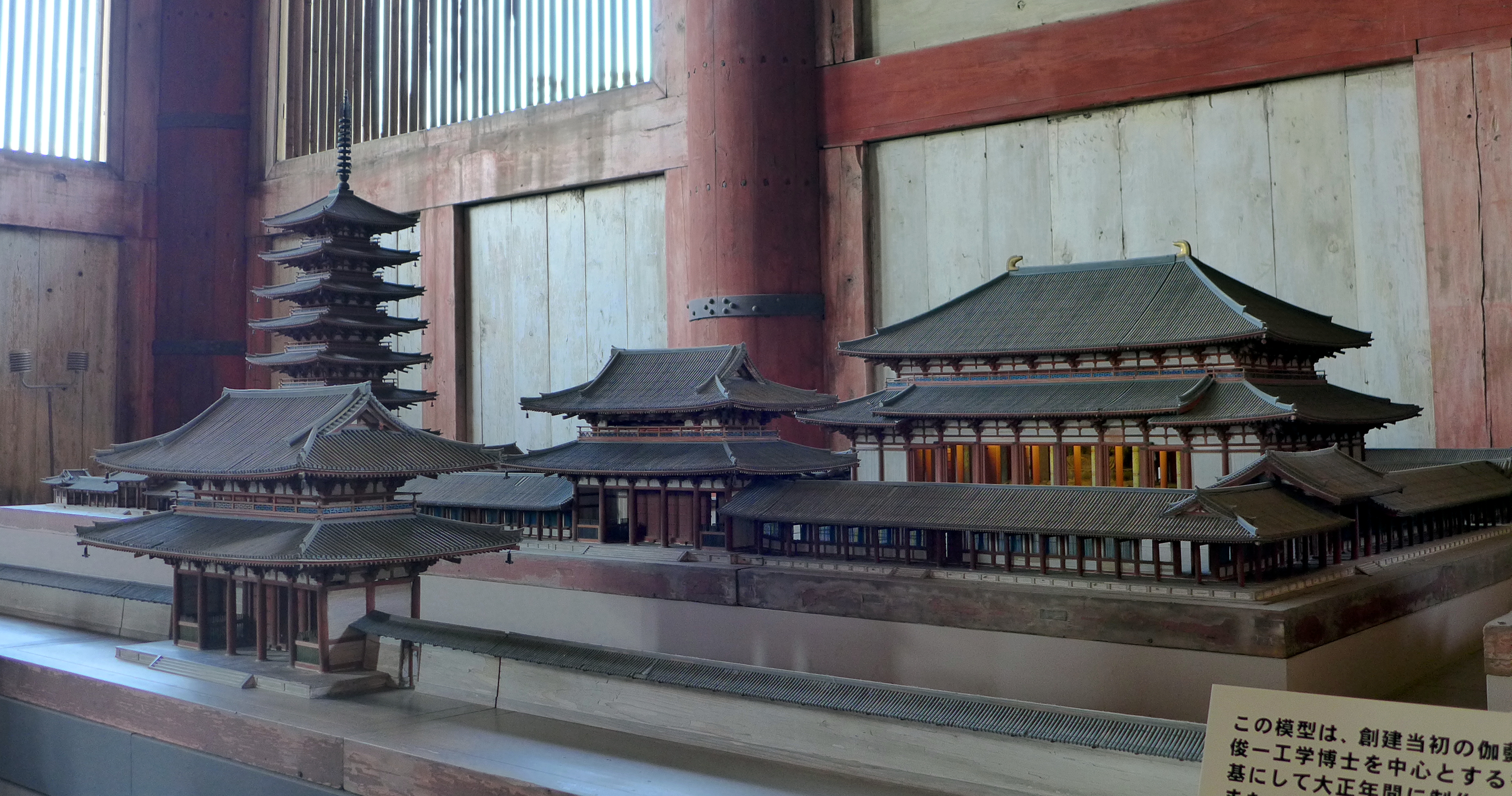
The current building of Todai-ji dates back to 1709; like most wooden temples in Japan the hall burned down several times. The current structure is actually 30% smaller than the original and lacks the two pagodas the original had. There was a small scale model of the original Todai-ji in the temple itself. The current structure was the worlds’ largest wooden building until 1998. It is now beaten by a Japanese baseball stadium among others. I really liked the gold horns on the top of the main building, they remind me of a samurai helmet. It’s certainly something different to other temples, something you start to appreciate when so many look similar.

P1070339P1070340P1070332 P1070334

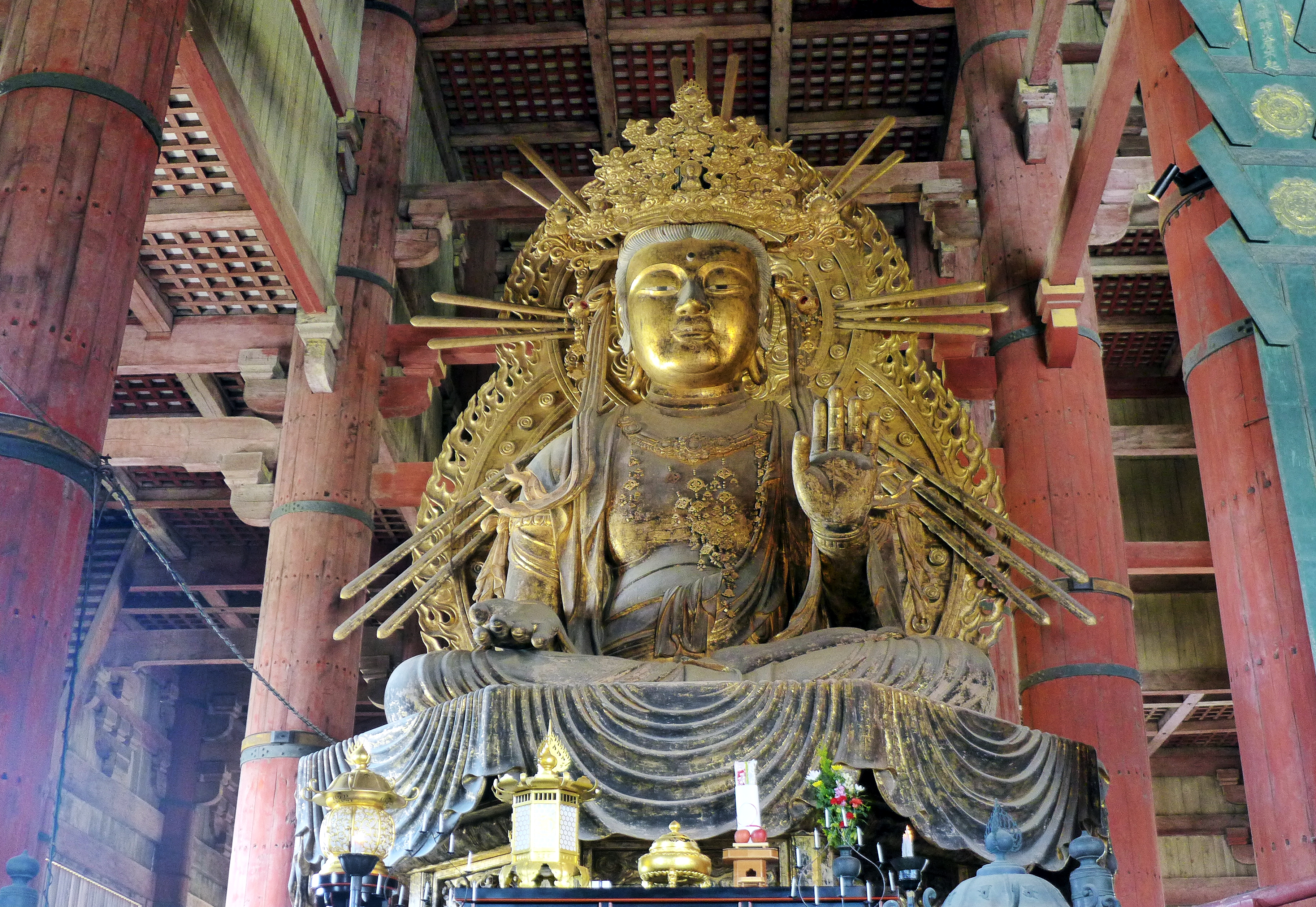
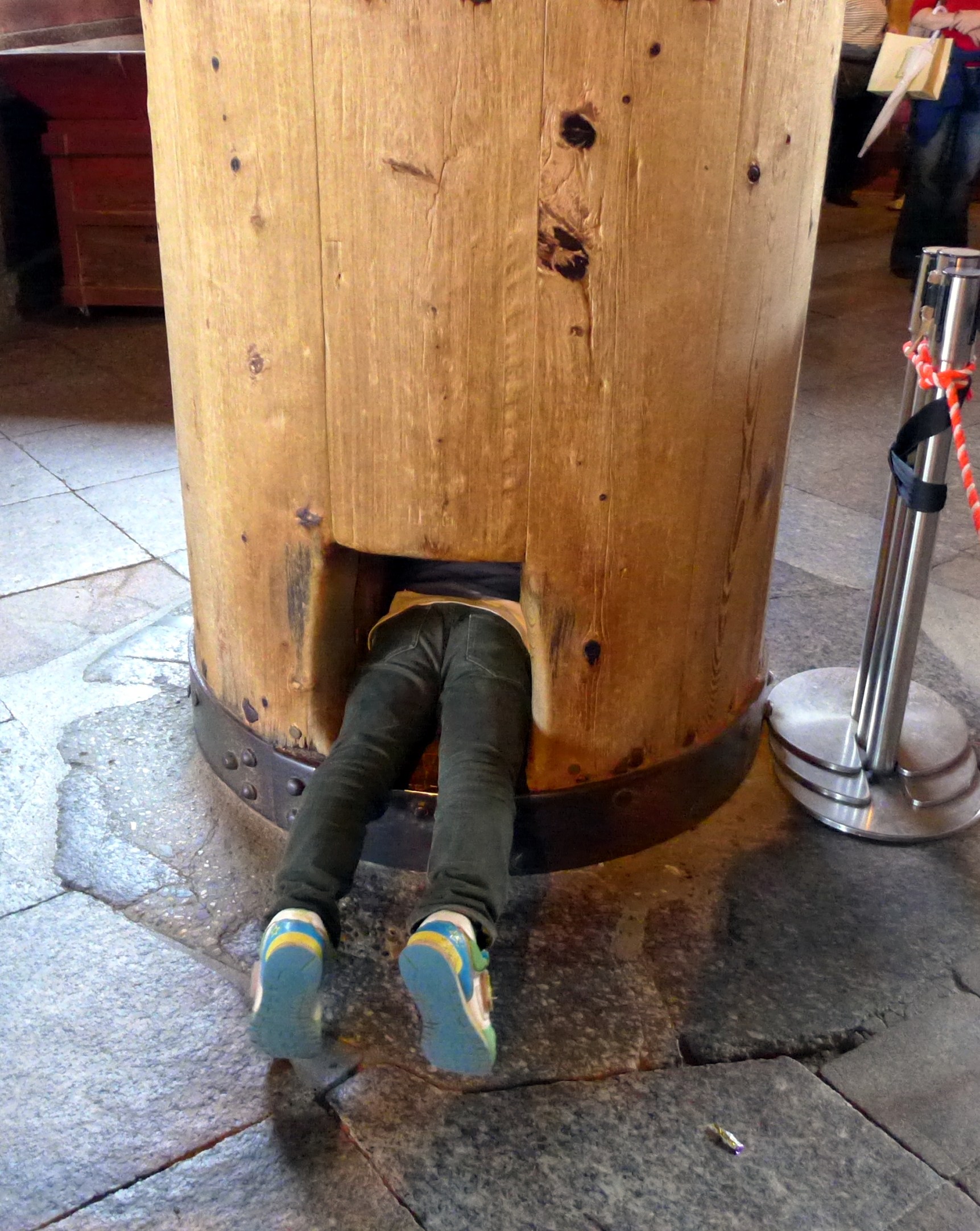
Inside the main hall was the main Buddha as well as a couple of rather large flanking Buddha. We saw a long queue of children with their parents waiting for apparently nothing, until I noticed that the children were taking it in turns to crawl through a small hole at the base of one of the wooden pillars and then have a photo taken stuck halfway through. This apparently ensures enlightenment later in life (the crawling, not the photo, one assumes). You can only do this as a child, unless you are very small, as most adults simply will not fit through the hole.

P1070344P1070335P1070338P1080061

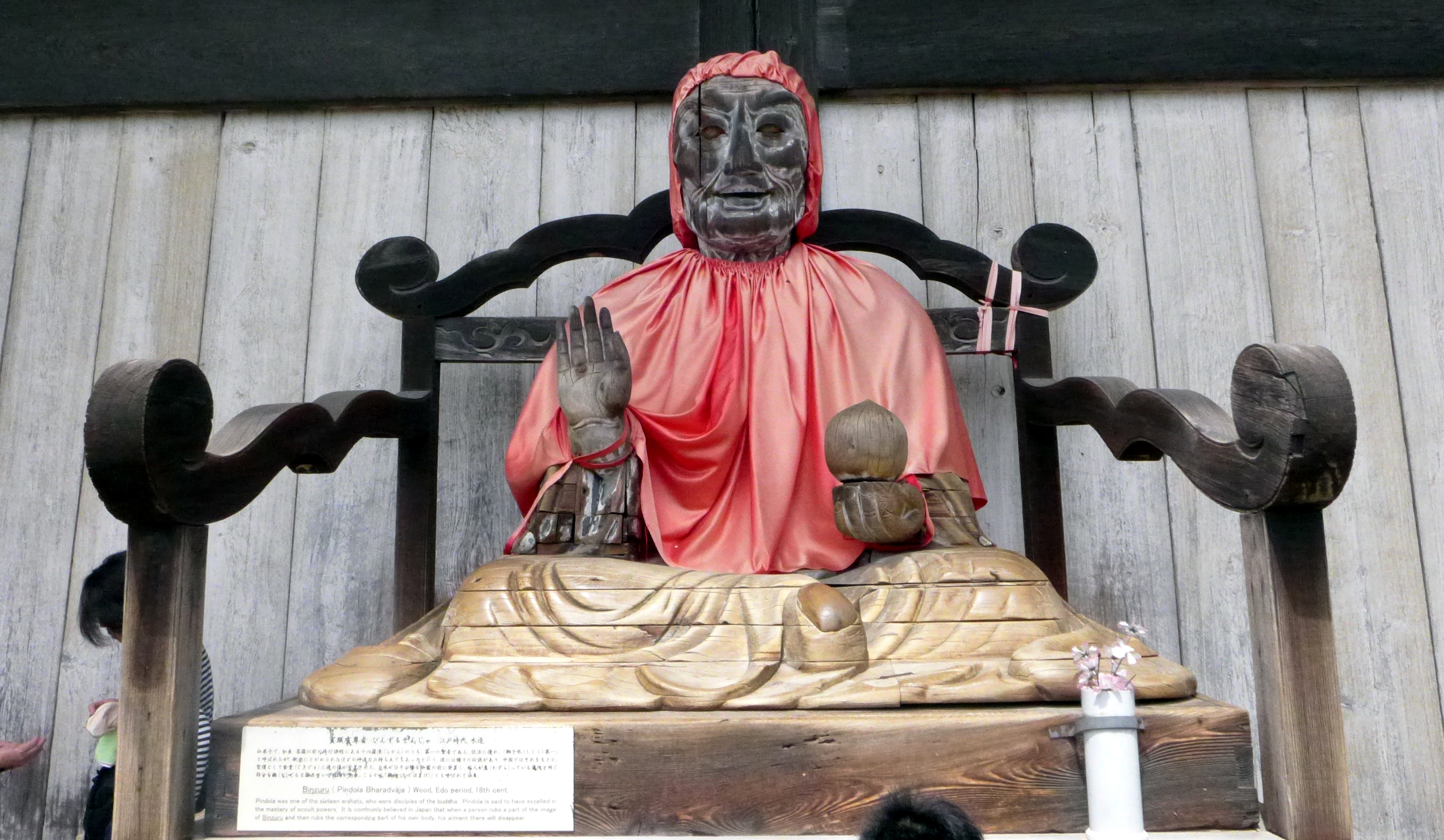
A small shrine outside was dedicated to what looked like a skeleton. The idea was that if you touched the figure where you were suffering from some kind of pain or disease, it would be cured if you prayed at this shrine. I had a go because I was very allergic at the time, though I feel that it was eventually the medicine that fixed me.

P1070347P1070353 P1070302P1070304

Todai-ji is an impressive structure and definitely worth seeing. It, along with Kasuga Shrine in my last post, is a designated World Heritage Site. Unlike the shrine, it did cost money to enter (around 500円 I think), but it’s definitely worth it.