京都 The Great Myth: Dining in Kyoto

Today I want to address one of the main stereotypes I heard about Japan when I was living in the UK. “Japan is so expensive!” people cried whenever I mentioned I was doing a year abroad there. I was worried, would I never eat out again? Would I be trapped in my room crying over overpriced ramen? Turns out this is totally a myth. You can eat out in Japan way cheaper than in the UK. In fact, it gets to the point that you feel like eating out is actually cheaper than cooking at home. In addition there is a huge range of restaurants in Kyoto – you can get pretty much any cuisine if you want it (though we have yet to track down somewhere selling Greek food).

Warning: this post might make you hungry, it certainly had that effect on me.

Let us go then, you and I, on an adventure into Japanese dining.

When you sit down to eat in Japan you are rapidly presented with a cup of tea (hot or cold) which is then refilled as often as you finish it throughout the meal, for free. I tend to judge a restaurant based on whether or not I like the tea – there is a huge variety. You can always ask for water (also free) if you don’t like it. In the UK this doesn’t seem to happen outside of Asian restaurants, which is a shame as tea costs basically nothing.

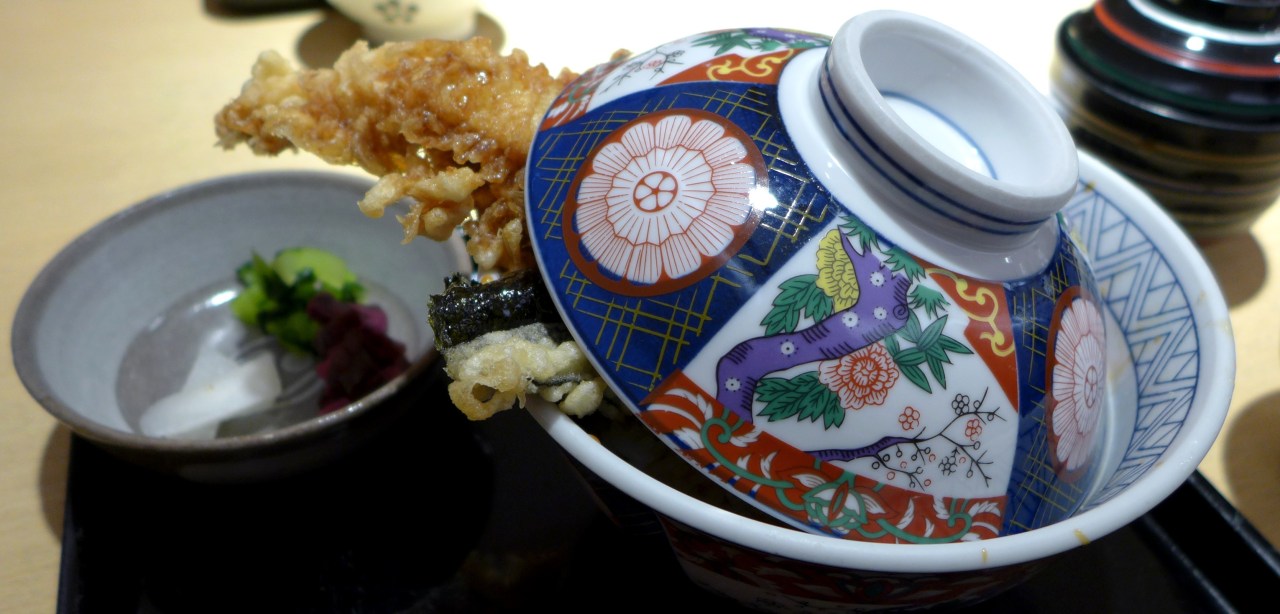
Japanese dining achieves new heights of affordability with the wonderful ‘Set Menu’ (定食 – Teishoku), which means that not only do you get free tea with your main, you also get miso soup, pickles and whatever else they’ve decided to give you. Compared to the normal menu items, set menus are usually only a few hundred yen extra (usually around £1.5o). This means that you can completely stuff yourself for around 1000円 (£5.40) and probably not want to eat much for the rest of the day (they are always very generous with the rice). Set menus can be found in almost any type of restaurant – not just those serving Japanese food!
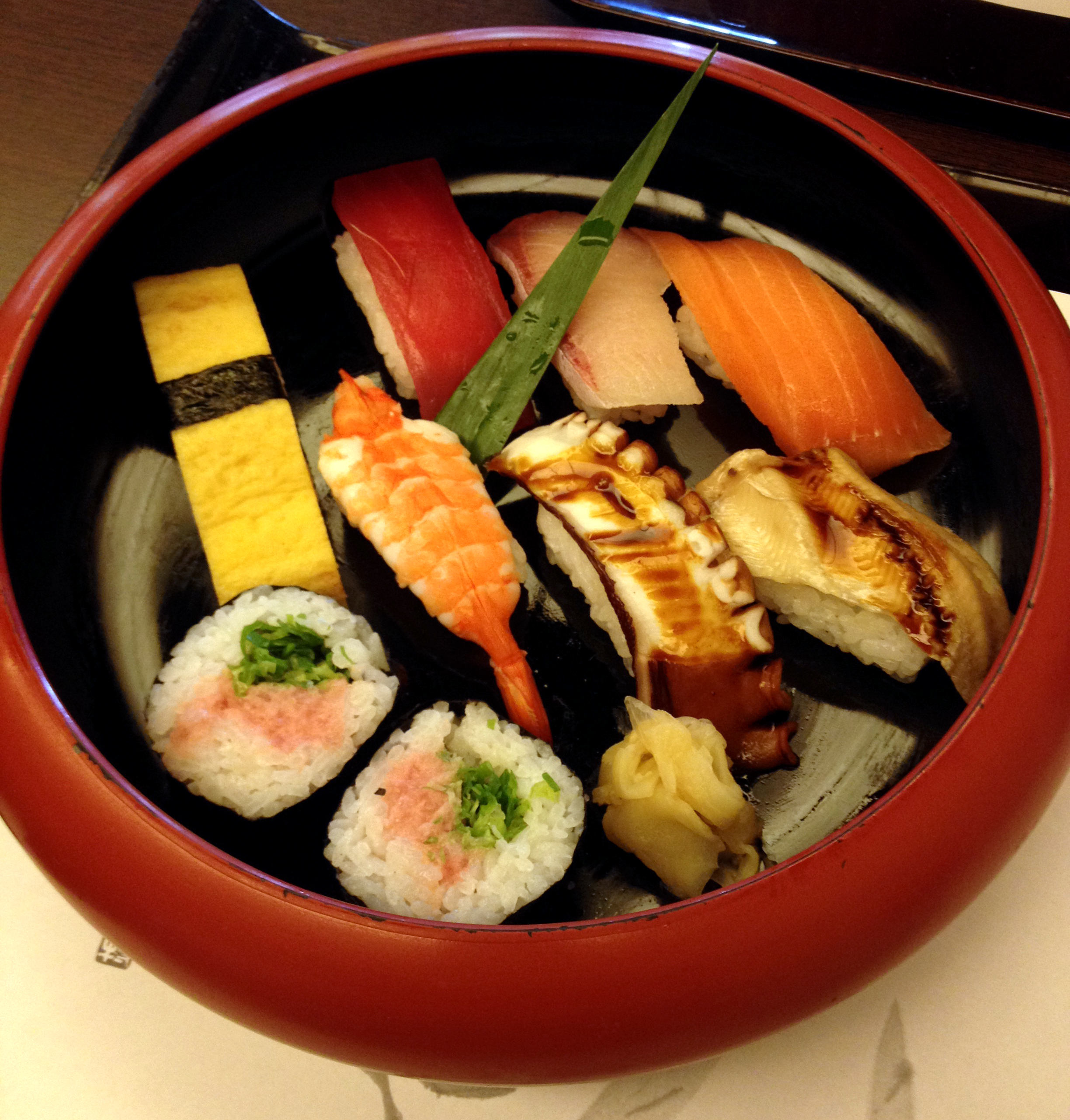
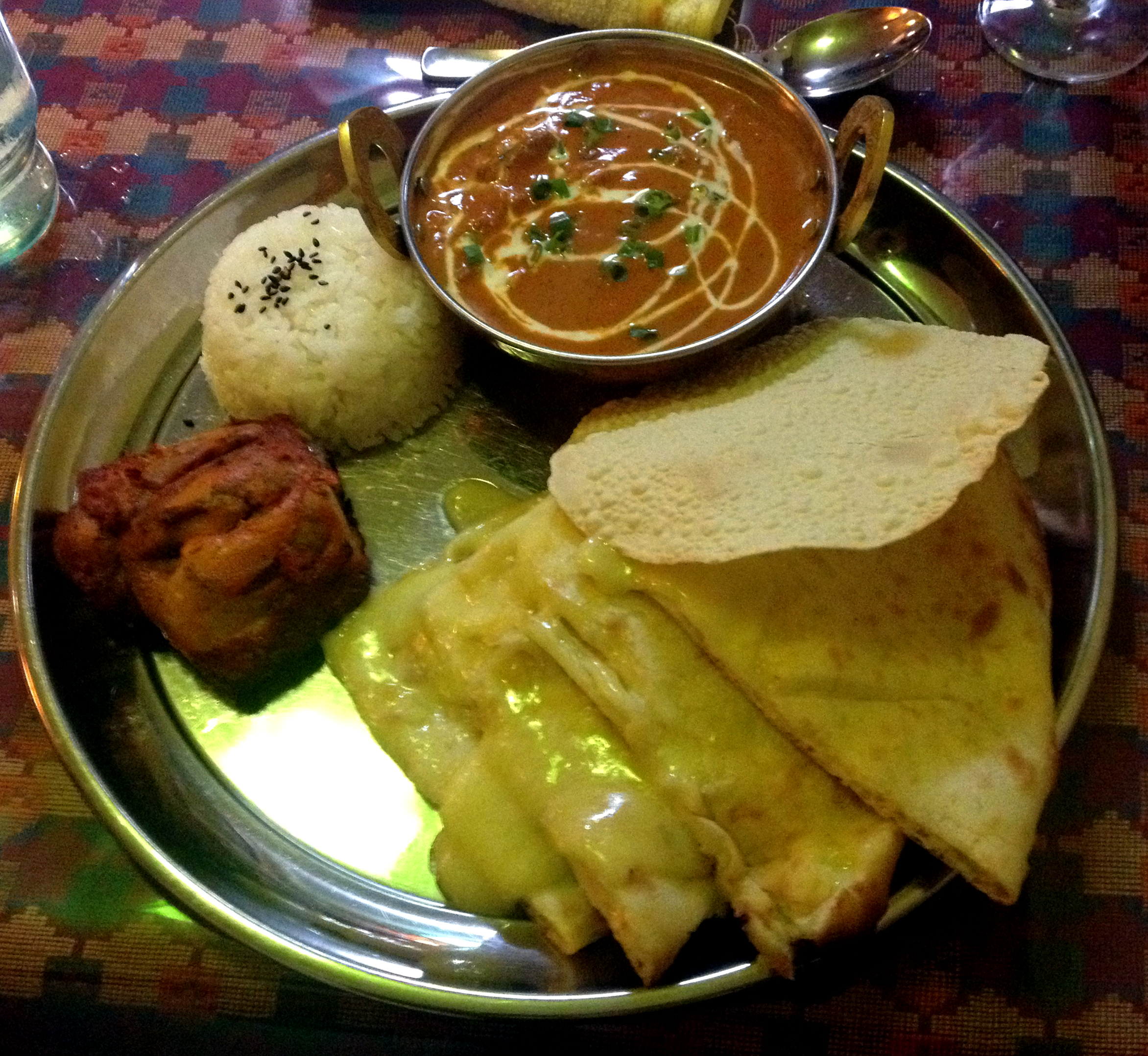
Photo 23-10-2014 1 15 10 pm Photo 05-11-2014 9 10 01 pm P1000306 P1000123P1000125P1000032

Thats right, almost all of these meals were under £10. I think the sushi was more like £14 but you get the idea. Also check out the tempura’d egg. The yolk was runny and everything. A lot of these restaurants can be found in the dining area below Kyoto station.

If you’re indecisive or fussy and won’t commit more than, say, £1.50 to a dish, Japan has the answer. That answer is Izakaya (居酒屋). The best way to explain izakaya is to say they are essentially pubs, but better (if you don’t mind one kind of lager). The cheapest izakaya have everything on the menu at the same price, usually around 280円 (£1.50). This means that all the food and drink is the same (amazingly cheap) price. The big beer and the small beer cost the same. The malibu mixer and the jug of warm sake cost the same. The gyoza and the chips cost the same. The questionable looking chicken gristle and the ‘camembert’ (think very mild, melty plasticy cheese) cost the same. This means that you can eat very well and get reasonably drunk for a very affordable price. I’d say we need these in the UK but I fear people would never leave.

A downside for non-Japanese readers is that you may end up with some odd dishes – izakaya have a lot of ‘things on sticks’, including but not limited to, chicken heart, chicken cartilage, chicken skin, chicken guts, as well as normal chicken. If you can’t identify the difference when ordering you may be in for a slightly unpleasant and unexpected snack (chicken heart is actually pretty good though). I don’t have many pictures of izakaya food because I was too busy eating all of it.

P1000038 Photo 03-10-2014 8 53 38 pmPhoto 03-10-2014 9 01 48 pm

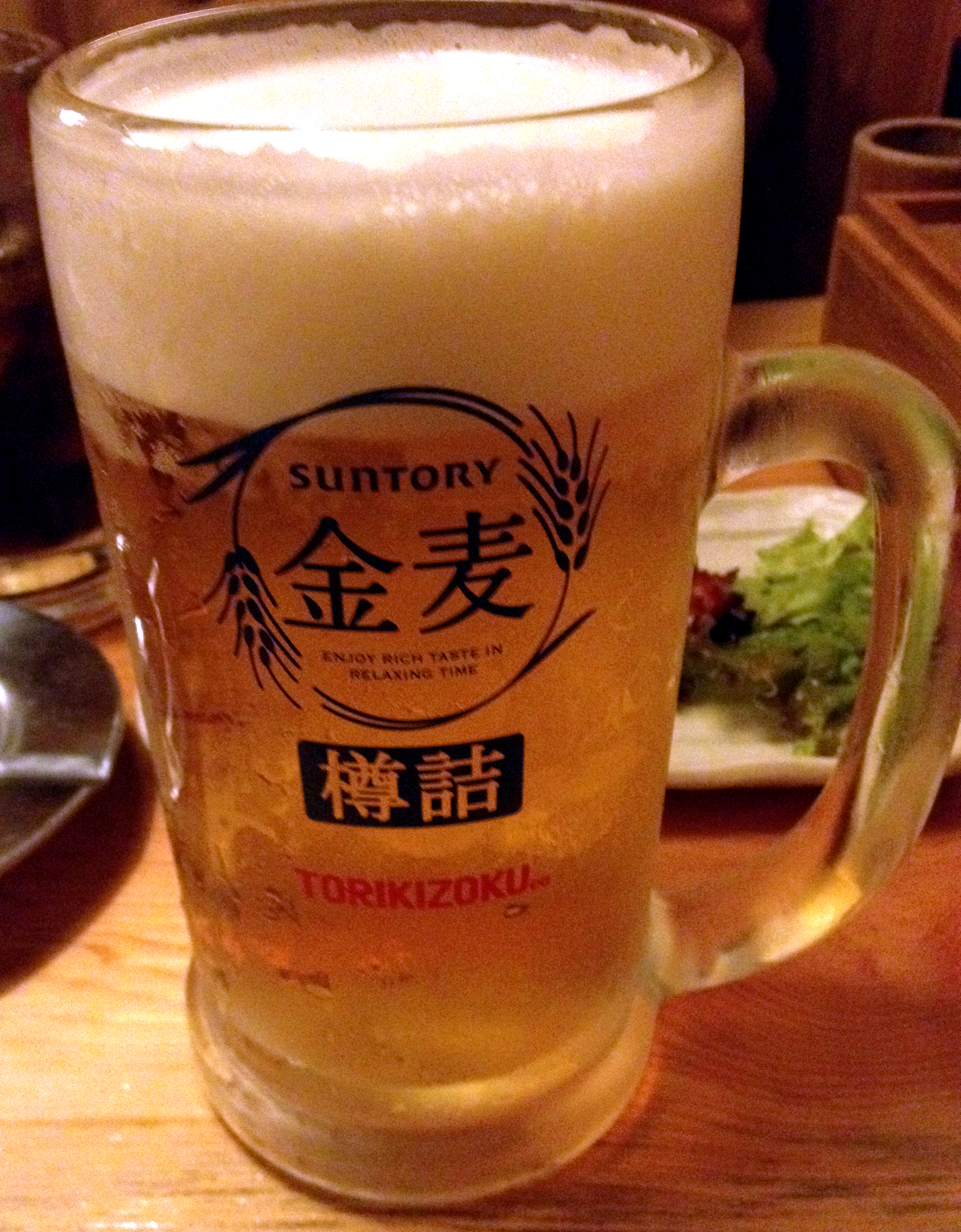
Yes, that big beer was only £1.50. I will cry when I next buy a pint in London.

The izakaya I would recommend is Torikizoku, a chain found all over Japan – all the plates are 280円 and the service is really fast. A downside to izakaya (and a mark of their success) is that on the weekend you often find yourself queuing to get in – most have an electronic sign in system where you input your group number and wait for a space. If you don’t want to queue, go early (around 6 or 7), especially if you are a big group. After about 9 or 10 most people in the izakaya have settled in for a night of drinking and are unlikely to leave and make room for your group.

Even cheaper than the izakaya, if you aren’t drinking, are the conveyor-belt sushi places (回転寿司- kaiten-zushi) where the price of a dish is usually between 100円 and 140円. I would recommend Musashi Sushi in Sanjo for a fantastic sushi expeirence – they have so many different dishes and the conveyor-belt is always threatening to overflow with plates even when they’re busy. There is also Kura Sushi in Imadegawa Horikawa which gives you the chance to win a toy every 5 plates (I haven’t won yet, I think its pure luck).

P1010653 Photo 11-11-2014 3 36 42 pm

But what if I want a nice meal? By this I assume you mean expensive, as in Japan even the really cheap stuff is good – I’m fairly confident you bring shame on your family by producing bad food in Japan. In that case, then yes you can spend 円円円 on the top Kobe beef and top-notch sushi, but honestly, it’s not necessary.

I ‘splashed out’ on my birthday, and by that I mean I spent more than a fiver on dinner. We got the 6 course menu each, costing a whopping 2000円 each (£10.80) and it was fantastic. We were the only customers in this beautiful old town house sat at the black and red lacquered counter (the kind where it looks like you’re sitting on the floor but there’s a hidden pit for your legs) and all of the food was beautifully presented. I was so full by the end. I only took pictures of a few of the courses because it feels a bit weird taking pictures with the guy that made the food standing at the counter in front of you.

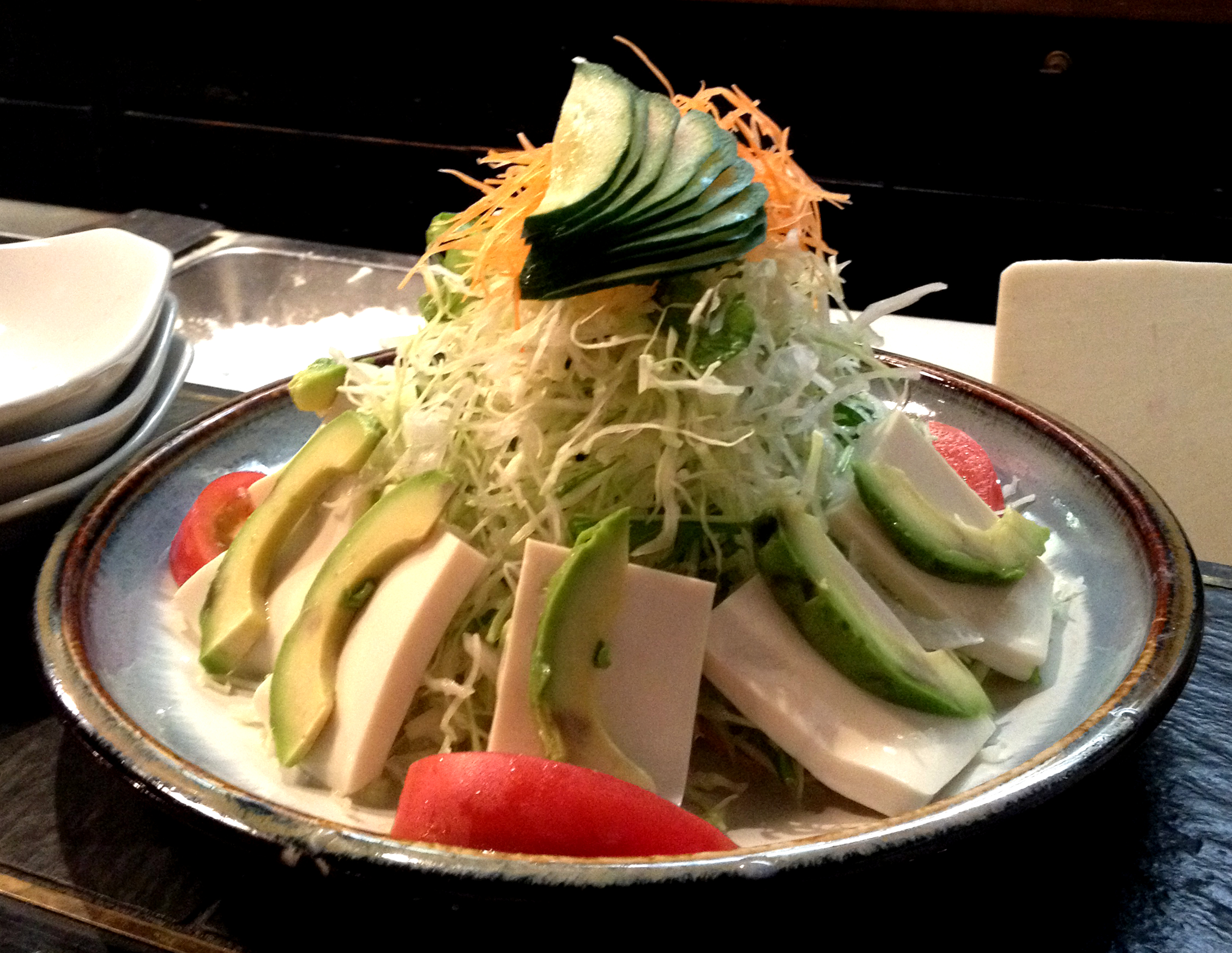
Photo 16-09-2014 7 44 25 pm Photo 16-09-2014 8 02 39 pm Photo 16-09-2014 8 35 59 pm Photo 16-09-2014 8 55 21 pm


I have a lot more to say on the topic of food so I will probably be writing more about specific places I’ve been to soon, but I thought that the view of Japan as ‘too expensive’ needed fixing. Though if you’re buying fruit in Japan be prepared to see a melon priced at £60.

Apologies if this made you hungry! If you have any ideas for posts, do let me know (anything you want to know about living in Japan?).

宇治市 Island of the Phoenix

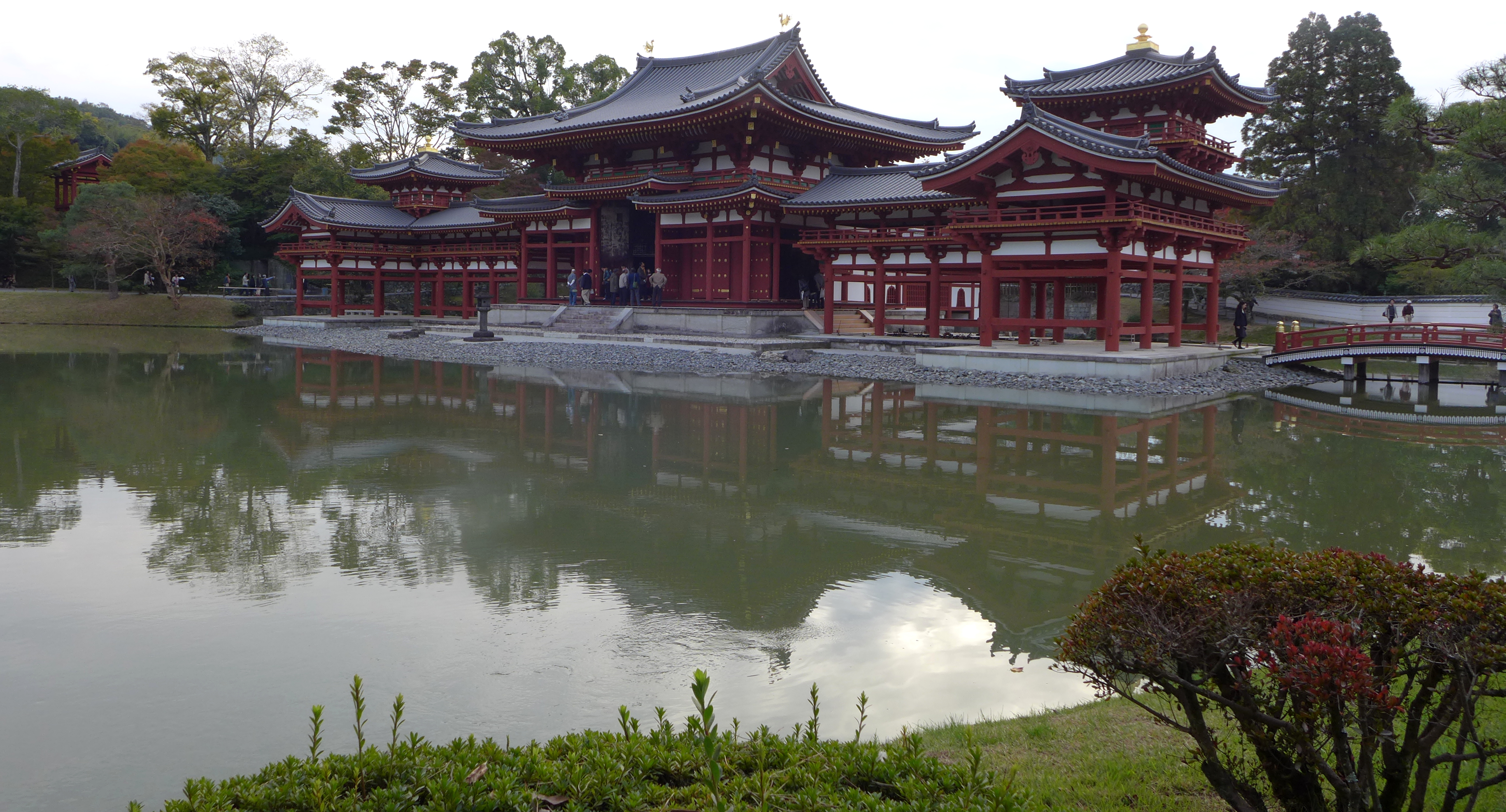
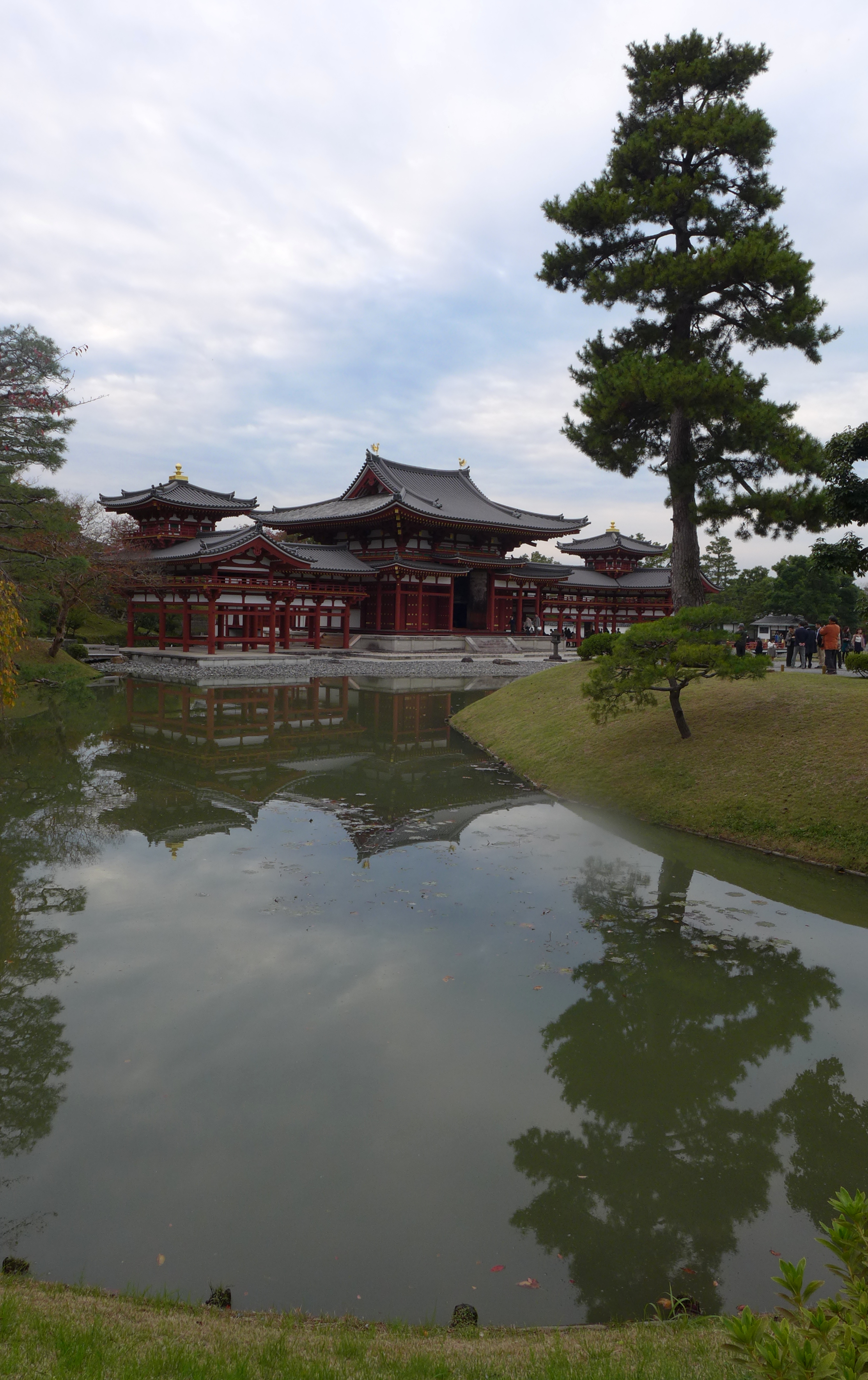
Yesterday I took a trip with some friends to Uji (宇治市), a town just outside of Kyoto. Uji is home to many temples as well as the Tale of Genji museum. This time we only went round Byodo-in, the main temple in Uji, but next time I hope to check out the other shrines and the museum. Byodo-in is one of Japan’s national treasures and is also a designated World Heritage Site, making it the second that I’ve visited in Kyoto. The main hall (phoenix hall) is also featured on the 10円 coin! Though it was a cloudy day I did my best to get some decent pictures.

Byodo-in (平等院), the characters literally meaning ‘equality’ 平等 and ‘temple’ 院, is home to the famous Phoenix hall which was constructed in 1053 by the politically powerful Fujiwara family. Prior to this the site was a manor house dating back to 998 but the rest of the buildings that made up the original compound were burned down in a civil war in 1336. If you’re curious, the civil war was due to the Kenmu Restoration in which the Emperor attempted to restore power to the Imperial line after centuries of military rule under the Kamakura Shogunate (1185 – 1333). Emperor Go-Daigo’s attempt at independent rule failed as he did not reward the samurai that supported him and he failed to address the urgent need for land reform (the major land owners were tax exempt and politically independent, creating financial crisis for the government). As a result there was a civil war in which Kyoto itself fell to rebel samurai. A new Shogun by the name of Ashikaga Takauji took power and Go-Daigo abdicated (and most of Byodo-in burned down), marking the start of the Muromachi period in Japanese history (1336 – 1573). This shows that the military control of government in Japan was not an unchallenged fact. The previous shogunate lost power to a promising new leader while the Emperor, despite his attempts at true imperial rule, had no real power beyond acting as a legitimisation system for the shoguns.

Phoenix hall is very beautiful but if you want to go in you have to pay extra and queue so we decided to just admire it from the outside. Inside it has a Buddha statue which is one of Japan’s national treasures so if you want to see it without waiting it may be a good idea to go on a weekday when it isn’t so busy (we were there on a Saturday). The temple also has a museum but as the temple shuts at 5:30 we didn’t have time to go round it (it also costs an extra 300円). Perhaps I’ll go back at some point and see the rest, though the outside of Phoenix hall is worth a trip in itself. Entrance to the Temple and its grounds costs 600円 and comes with an English-language leaflet explaining the buildings and grounds.

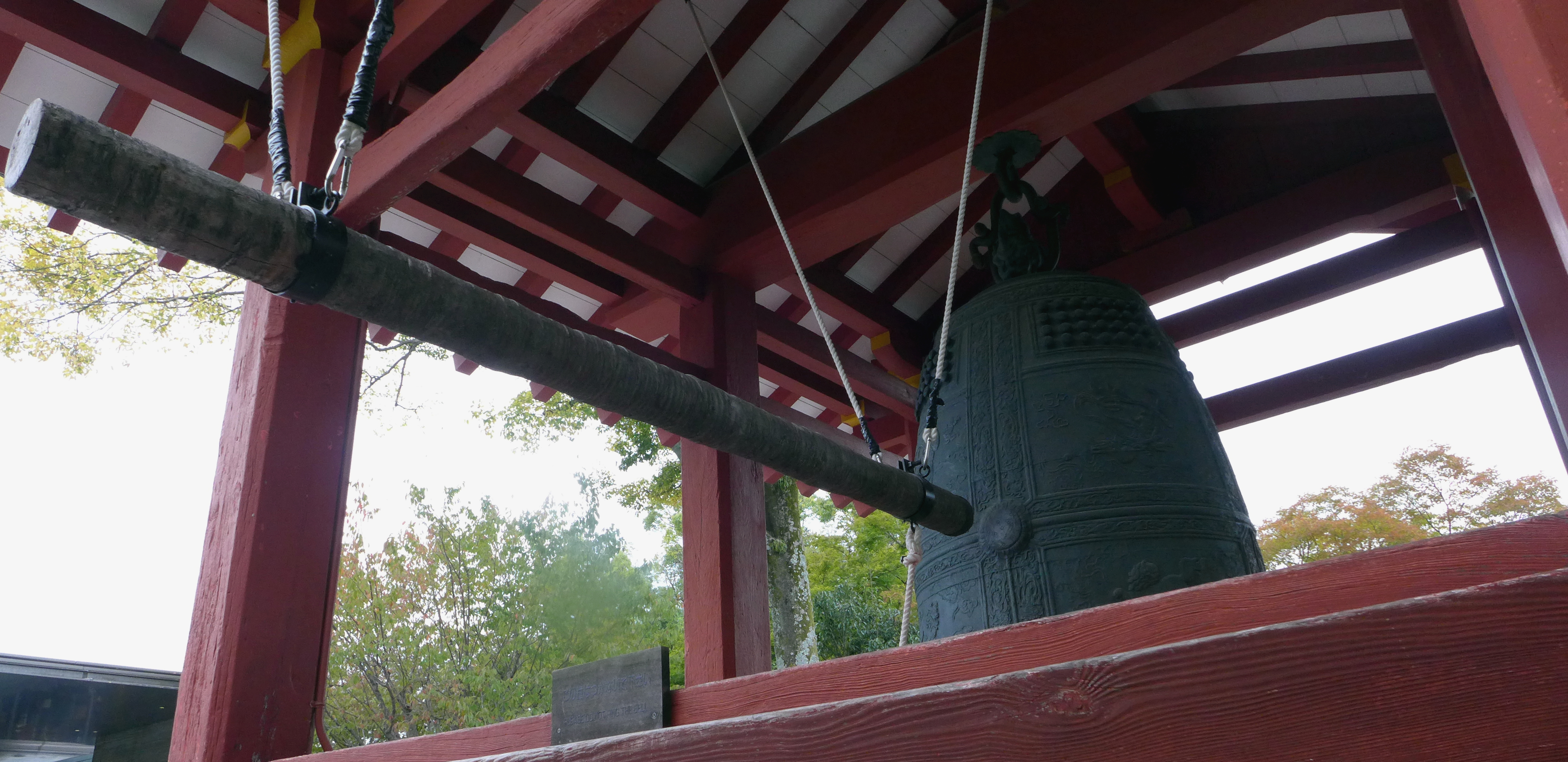
The hall itself is built on an island completely surrounded by a lake, giving a beautiful reflection on the water. I’m sure its even better when its actually sunny. There is also a bell tower on the hill overlooking the hall. You can do a circuit of the lake and outlying buildings without the museum in around 4o minutes. The grounds are not as huge as the map they give you seems to suggest.

P1010671 P1010678 P1010680 P1010690 P1010691EP1010709 P1010722

At the moment it’s Autumn in Kyoto and its just about time for 紅葉(Koyo – the turning of the leaves from green to red) which means that in a few weeks all the temple gardens will be a spectacular crimson (I hope). On Saturday there were a few trees just starting to turn though a lot are still half green, half yellowy-orange. The temple also had some lovely flowers in some of the less busy compounds.

P1010696 P1010703P1010713P1010726 P1010728

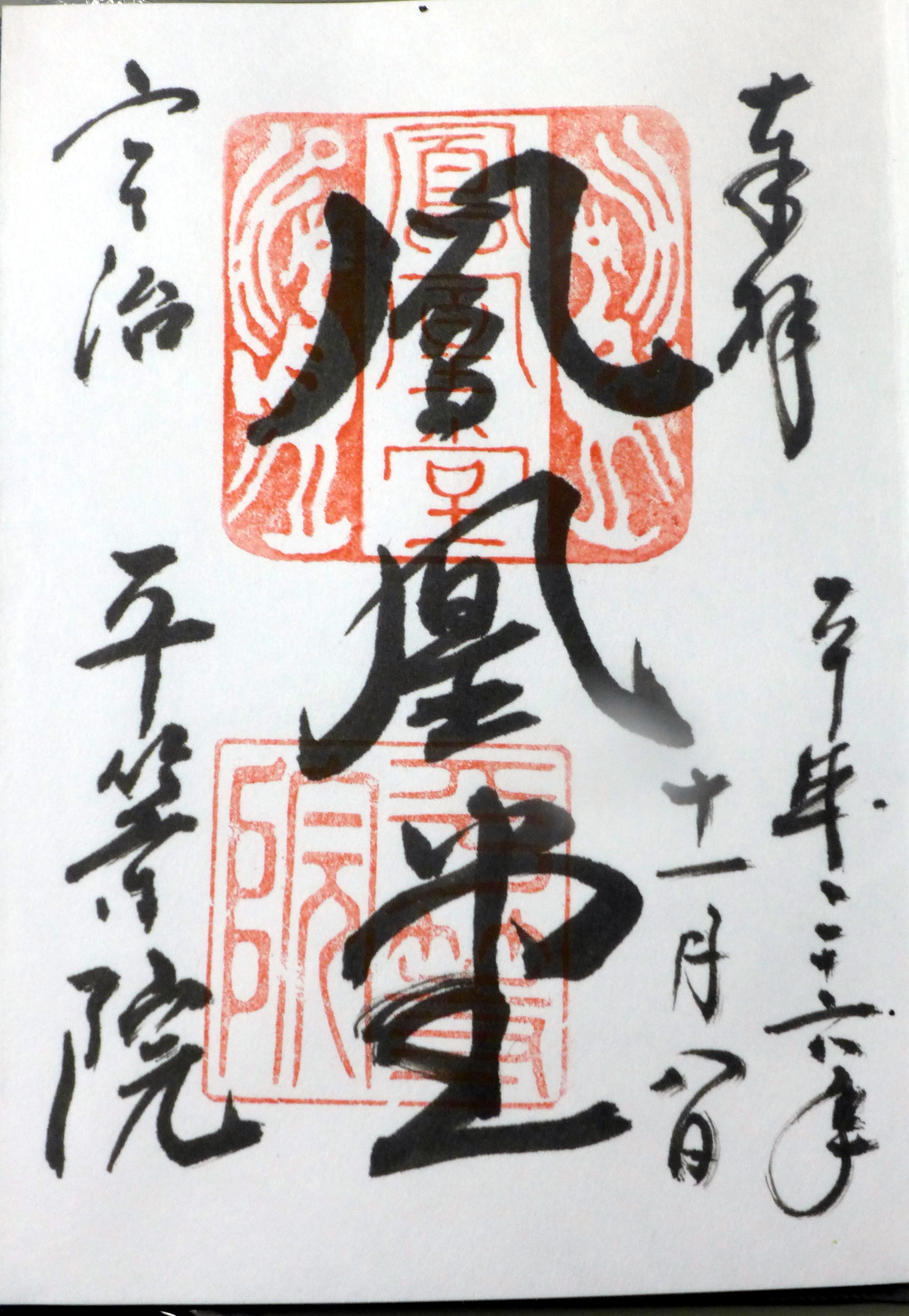
It was in these smaller courtyards that there were a number of graves of important samurai and the Temple’s administrative buildings. Here I got my Temple stamp done (朱印). This is the first stamp I’ve had done properly – the first one was already in the book and the second was pre-written. The lady let me choose from two different stamps before writing in the calligraphy with a 筆 (fude – Japanese writing brush). She then carefully blotted the paper and added the temple seals. The stamp cost 300円 which is pretty good value considering the skill required to properly write Japanese calligraphy.

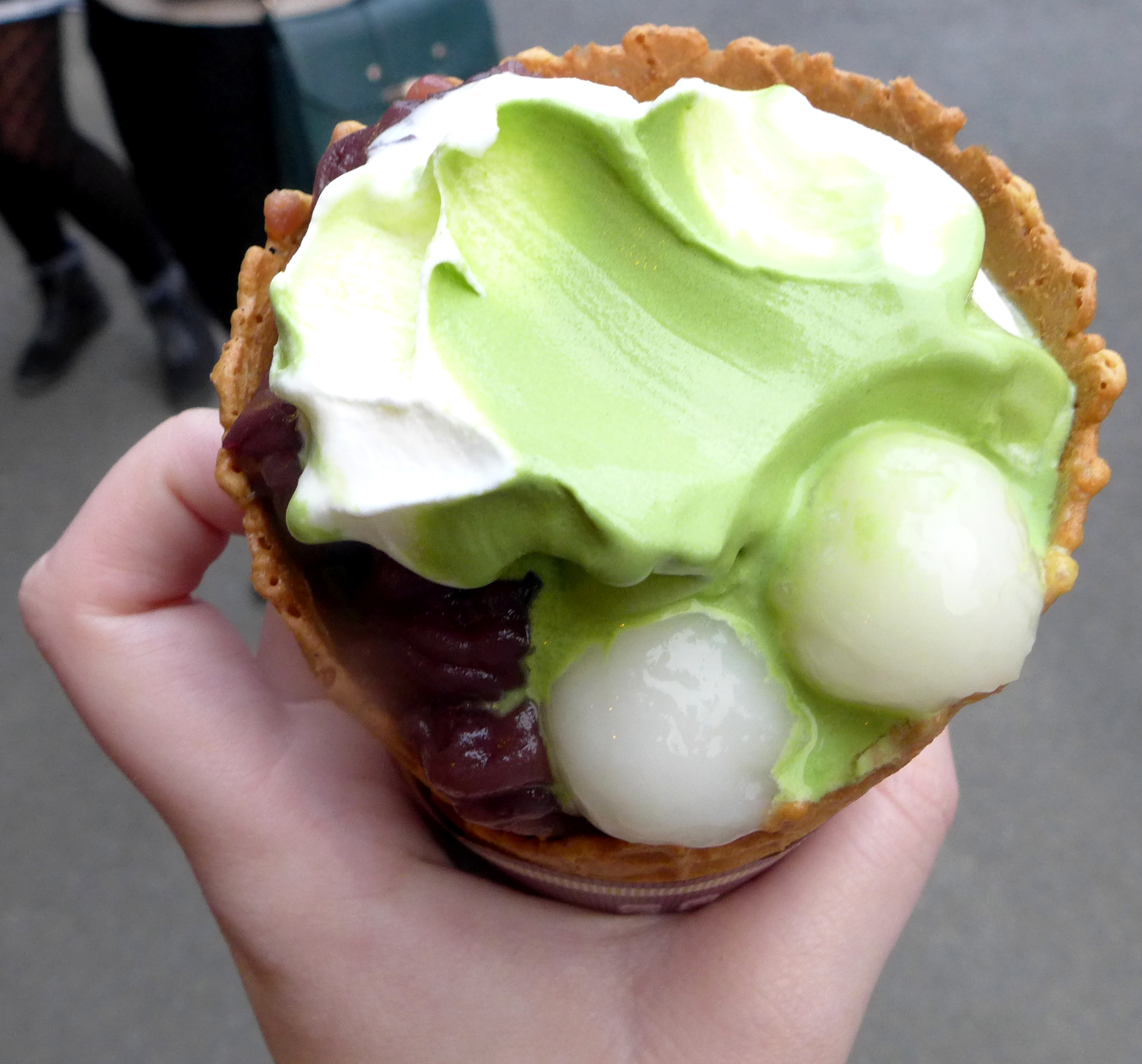
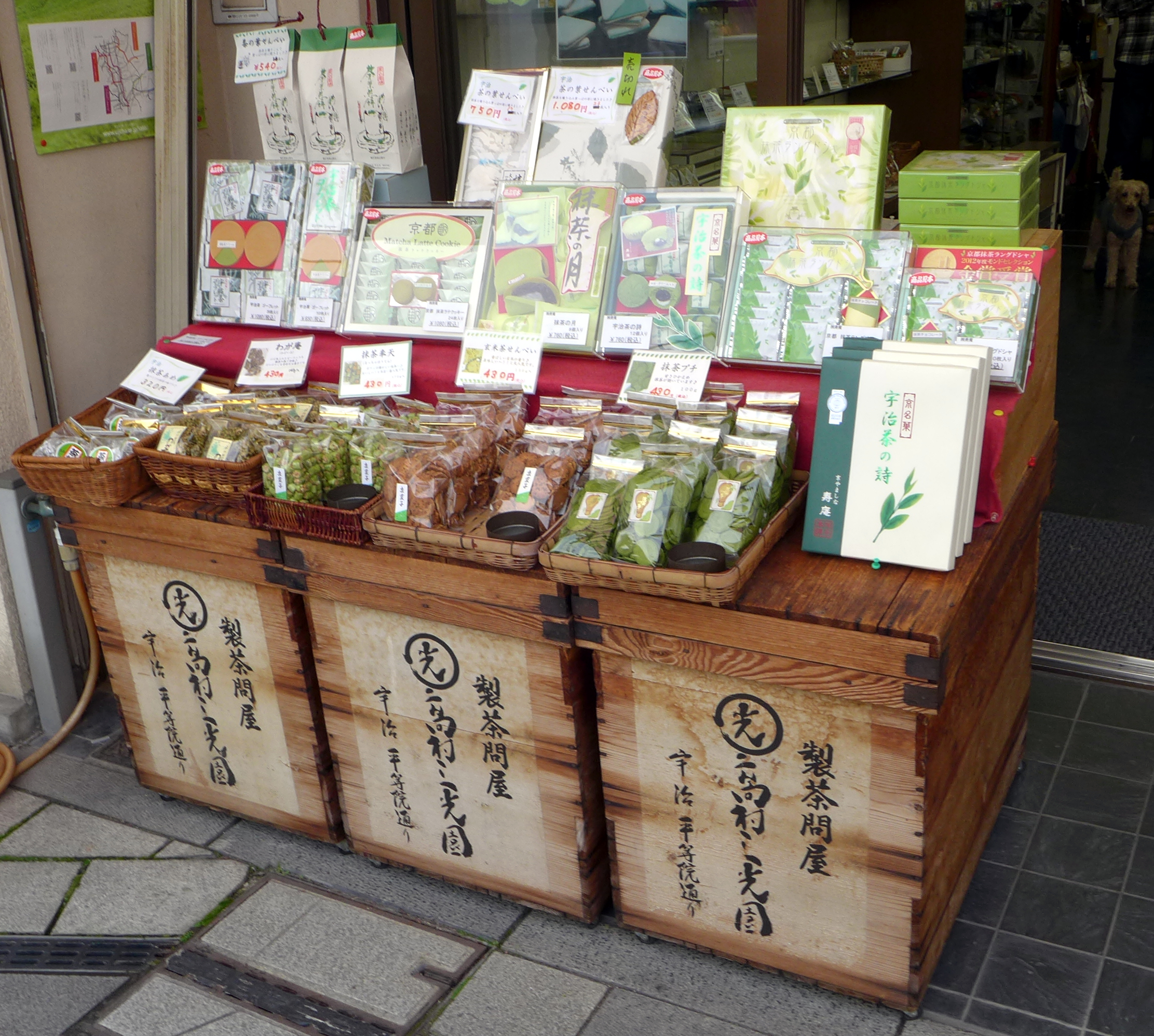
P1010746 P1010721 P1010717In japan areas and towns tend to become famous for a local specialty food. Uji’s is all things matcha (抹茶). Matcha is finely ground green tea and is featured in the Japanese tea ceremony. The street leading up to Byodo-in was lined with shops selling matcha flavoured ice-cream, cake and sweets among other things. One shop was roasting matcha and the smell permeated half the street. Obviously I had to get something so I got a vanilla and matcha ice cream which came with sweet beans and dango, which are sweet dumplings made out of rice flour. It was delicious. I forgot to take a picture before I attacked it because it looked so good.

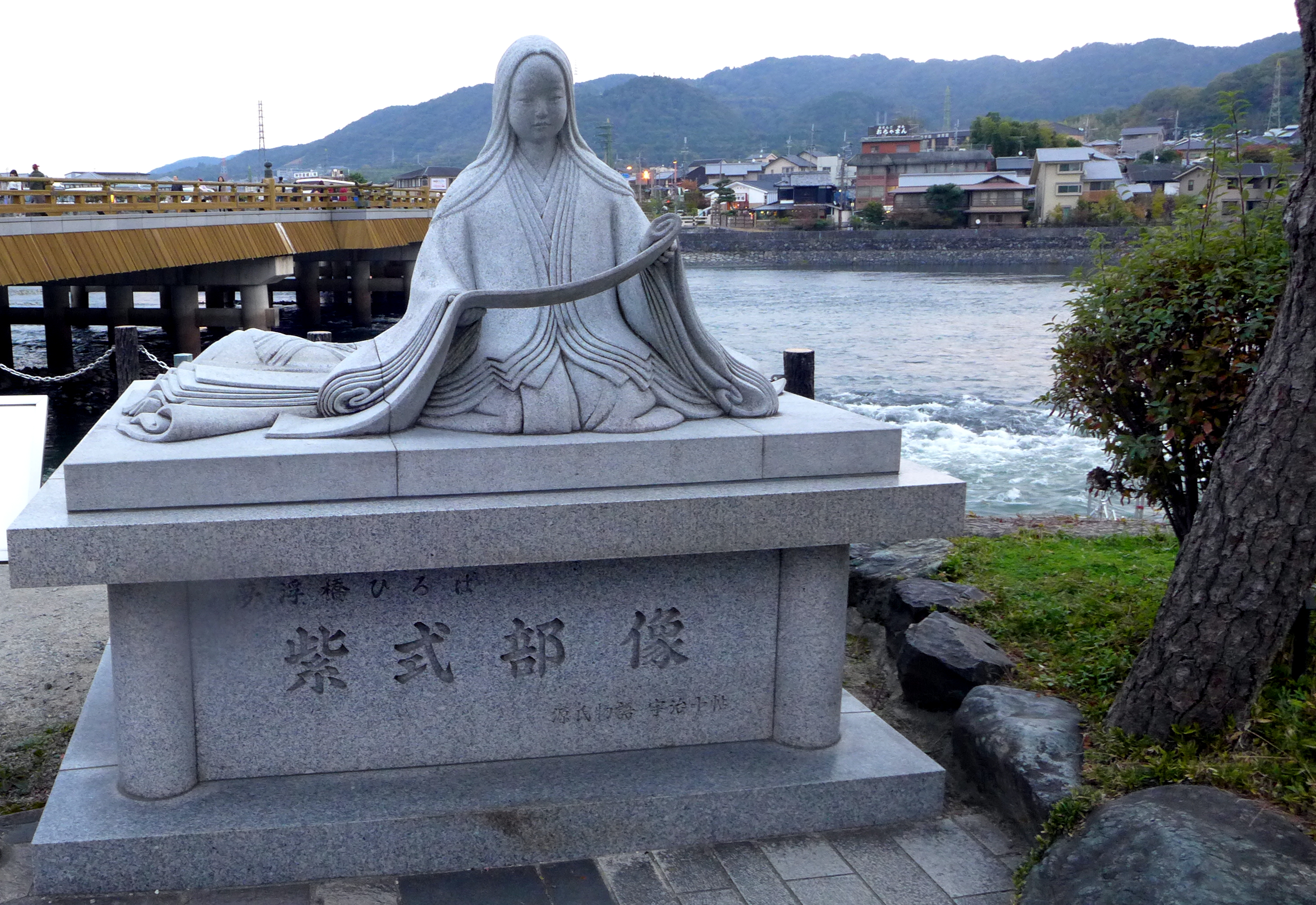
P1010730 P1010669 P1010668 P1010732On the way back to the station we passed the river. This is the Yodogawa (淀川) which flows from lake Biwa in the North East of Kyoto down to Osaka bay. It actually changes its name throughout its route and at Uji it is known as the Uji river (宇治川). By the river is a statue of Murasaki Shikibu, the author of the Tale of Genji – the final 15 chapters of the tale take place in Uji.

P1010733P1010735 P1010738Uji is one of those places that I definitely want to return to – there is a lot to do and to see, you could probably spend a whole day there. I would strongly recommend seeing Byodo-in even if it is a little pricey  – the Phoenix hall is really beautiful. You can get the train from either Kyoto station or from any station on the Keihan line in East Kyoto, costing about 240円 and taking about half an hour to forty minutes if you get the limited express train to Chushojima (中書島) and then change to the local train (the slow train all the way from central Kyoto takes forever).