萬佛寺 Pose, Pose, Karma, Baby

Here begins my adventure around Hong Kong. I still have one more post on Korea but as that is more general I will do that after I have finished the rest of my trip. In Hong Kong we did a few truly touristy things, so I will start with those – we took things more slowly as we had 10 days to explore rather than just four. I had a great time so I hope you enjoy reading about my experiences there!

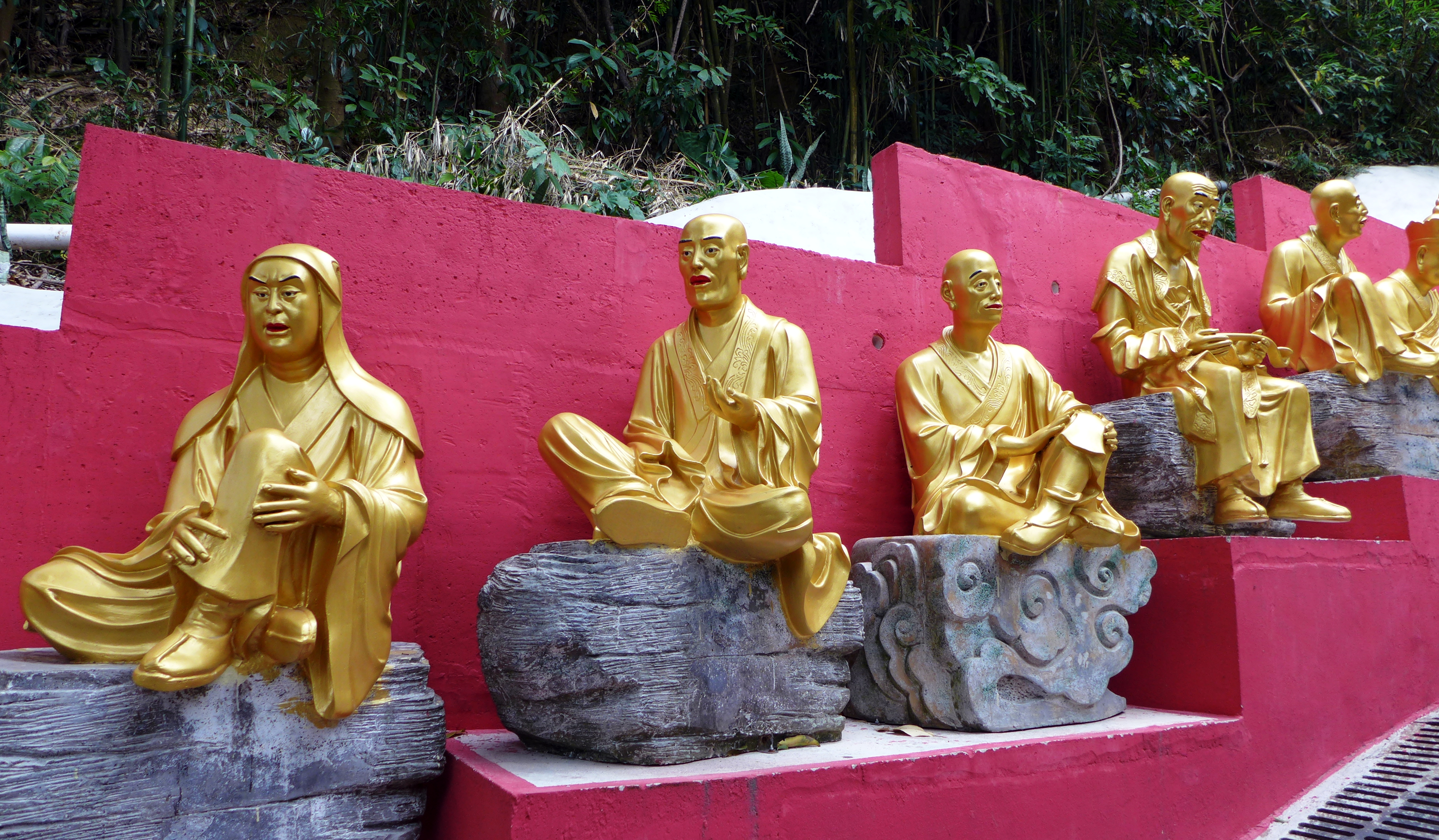
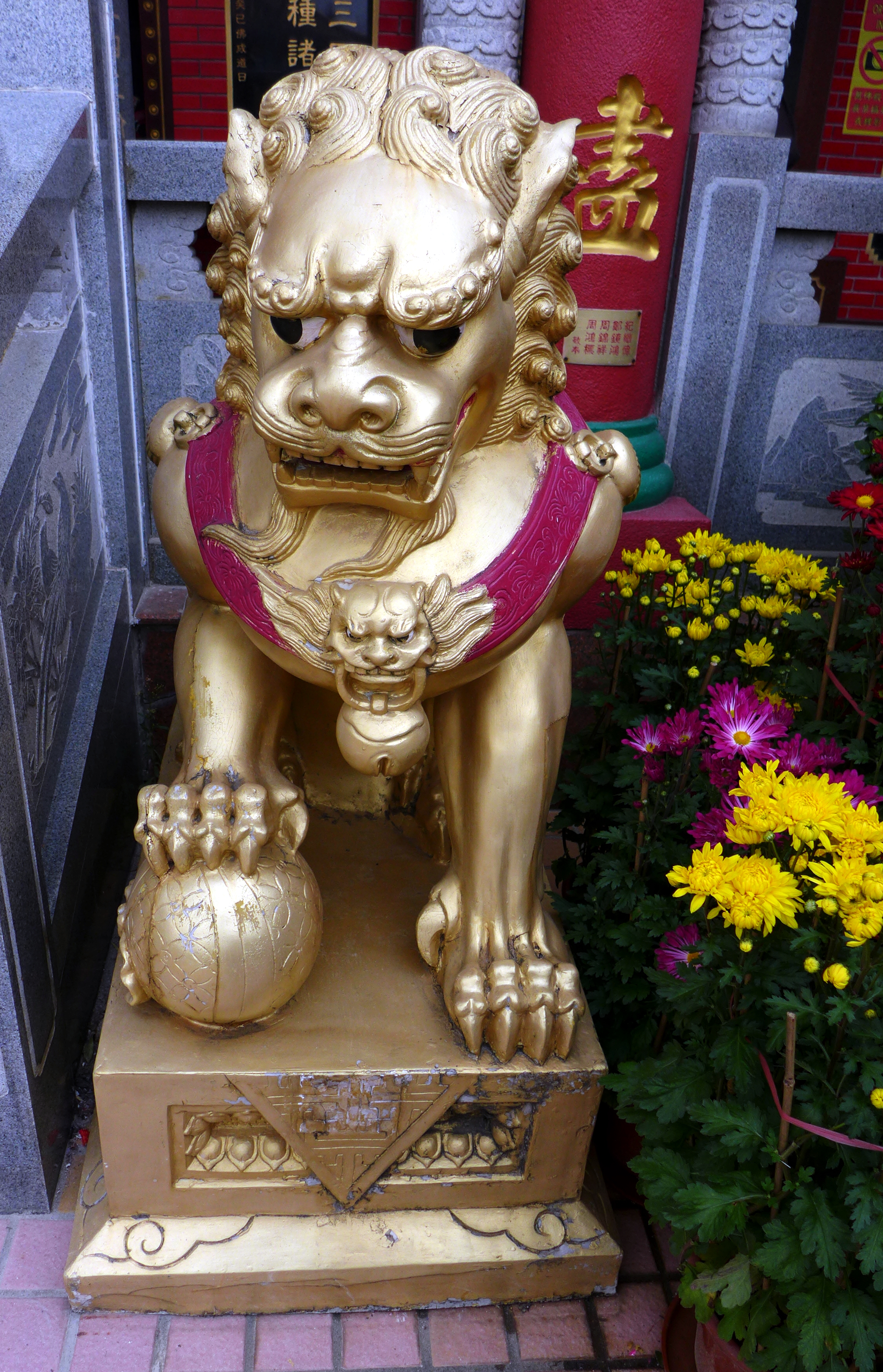
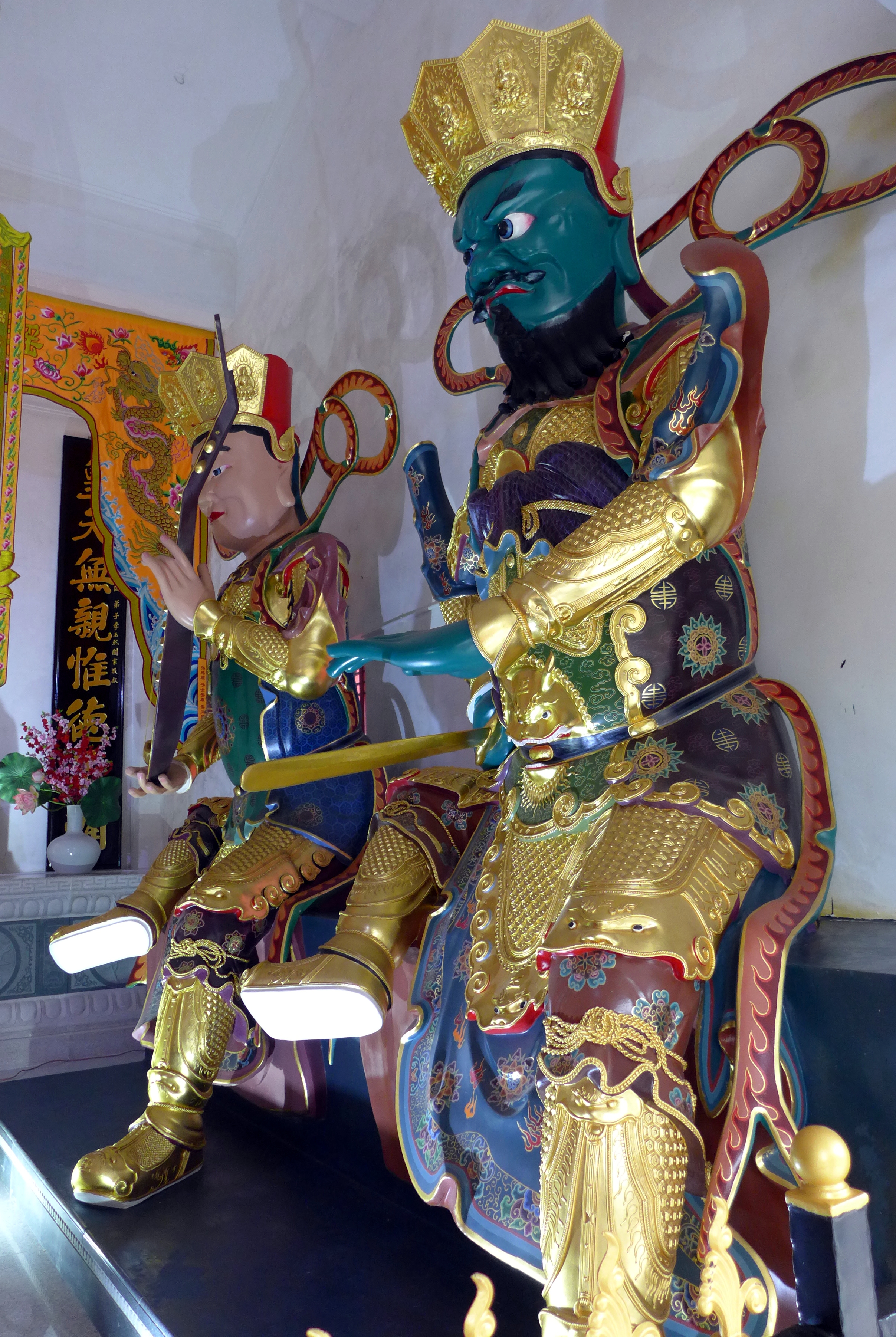
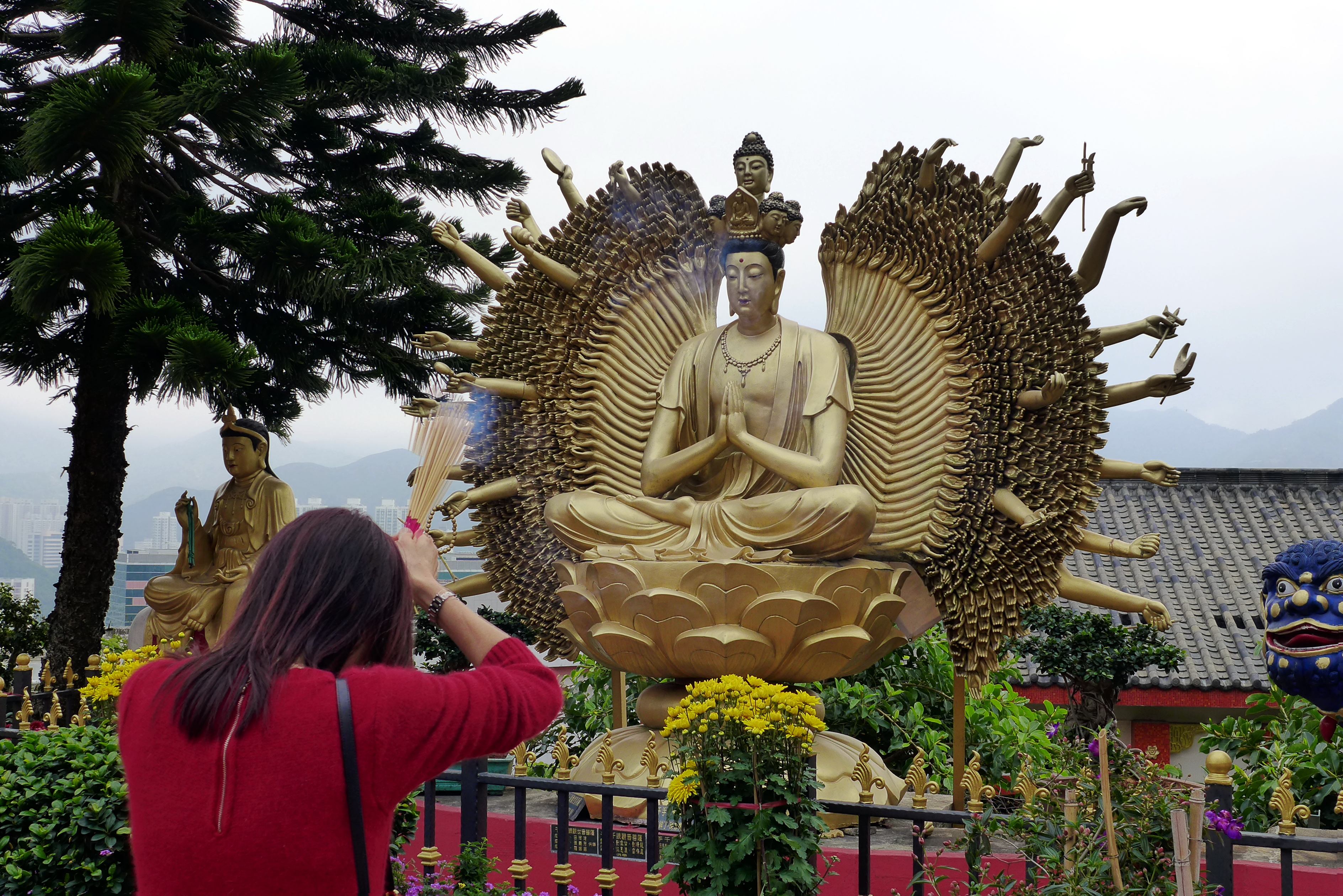
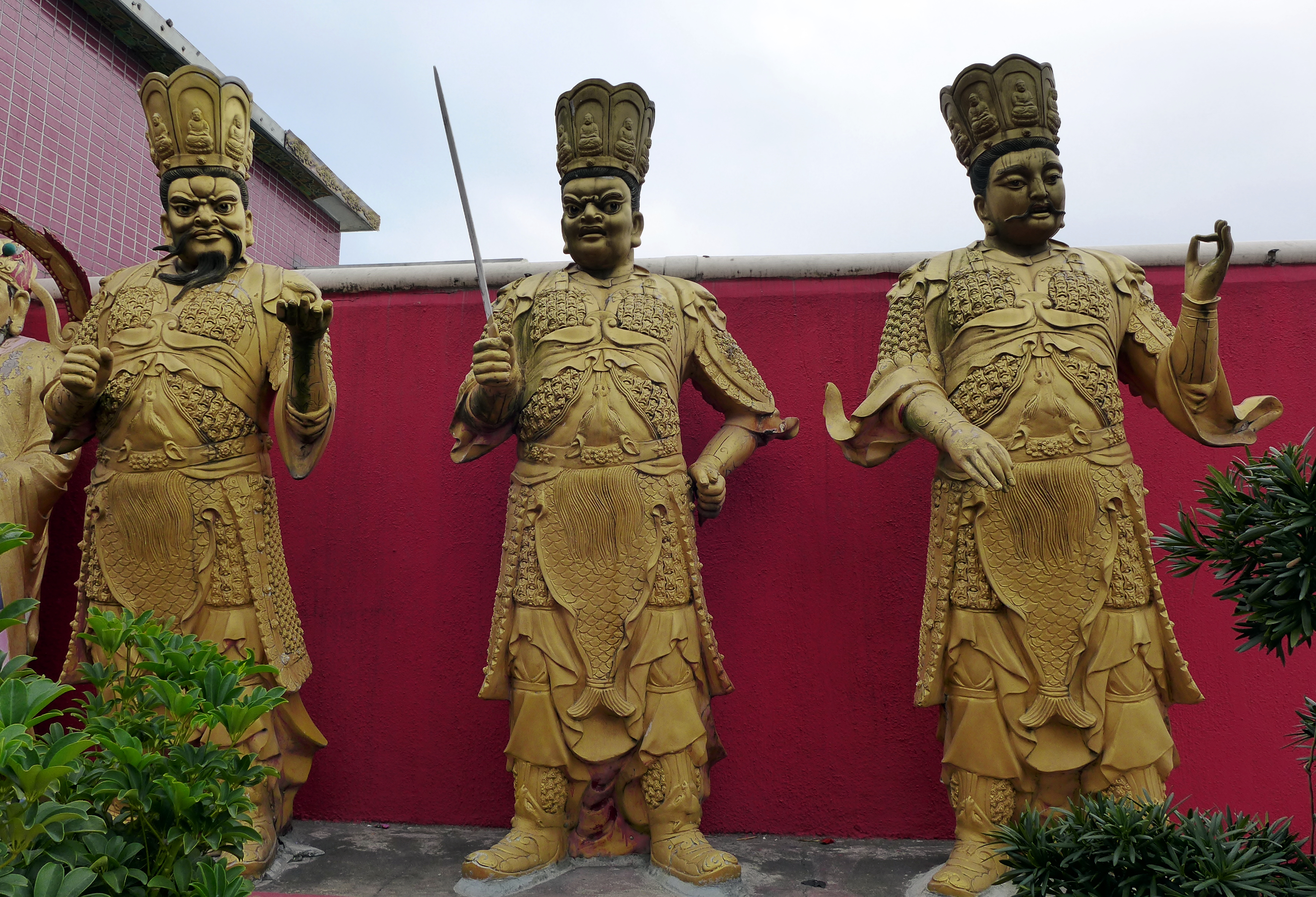
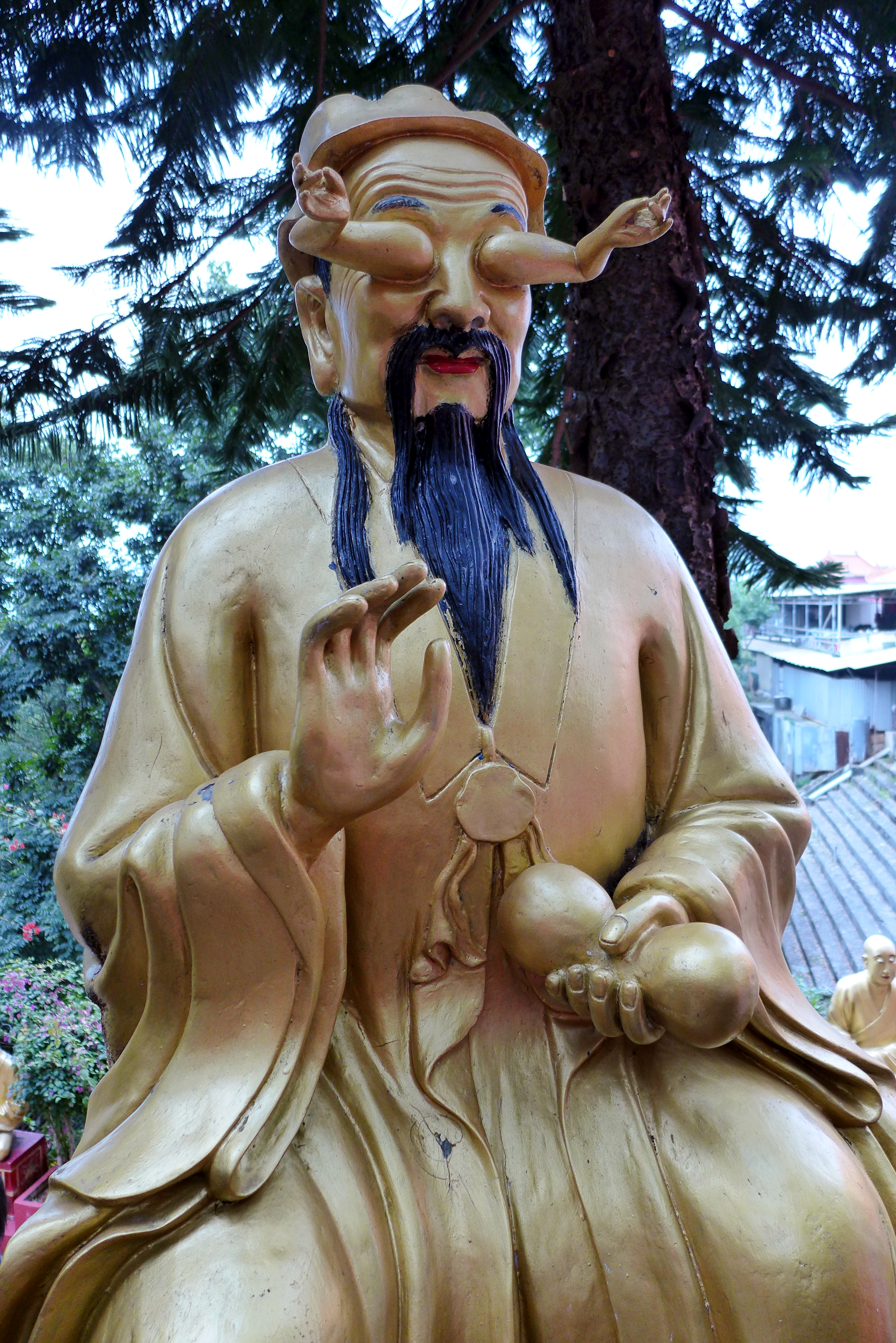
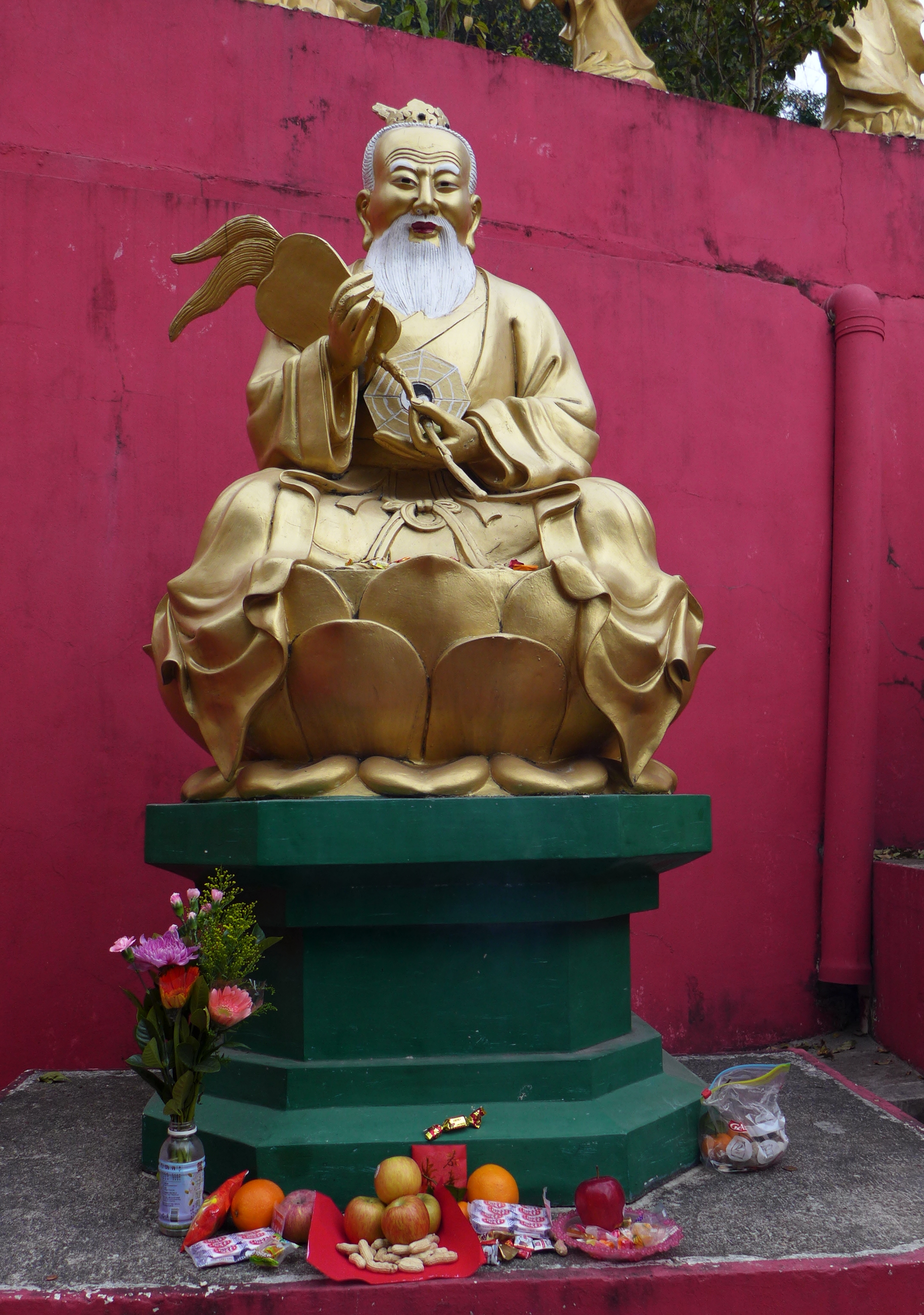
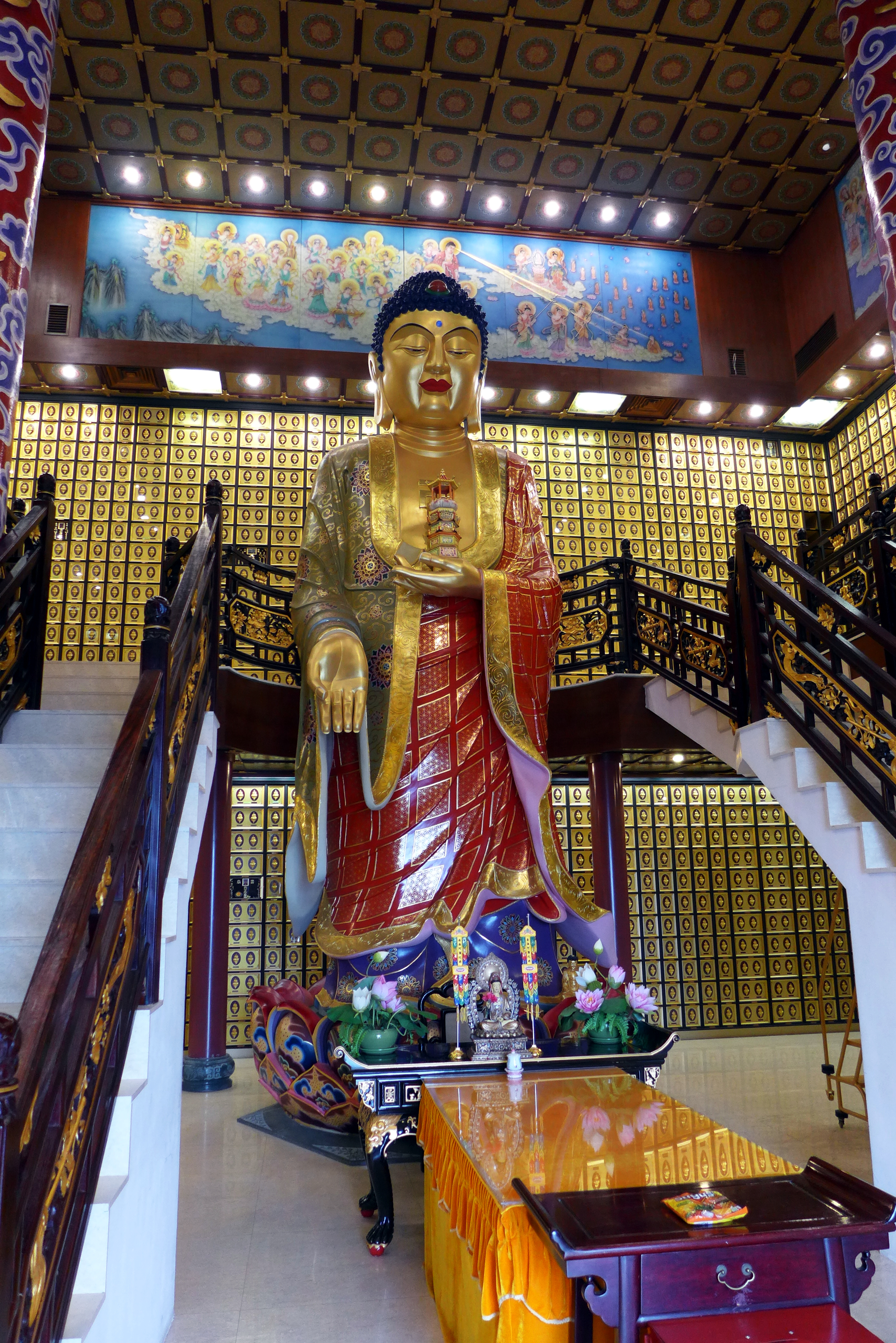
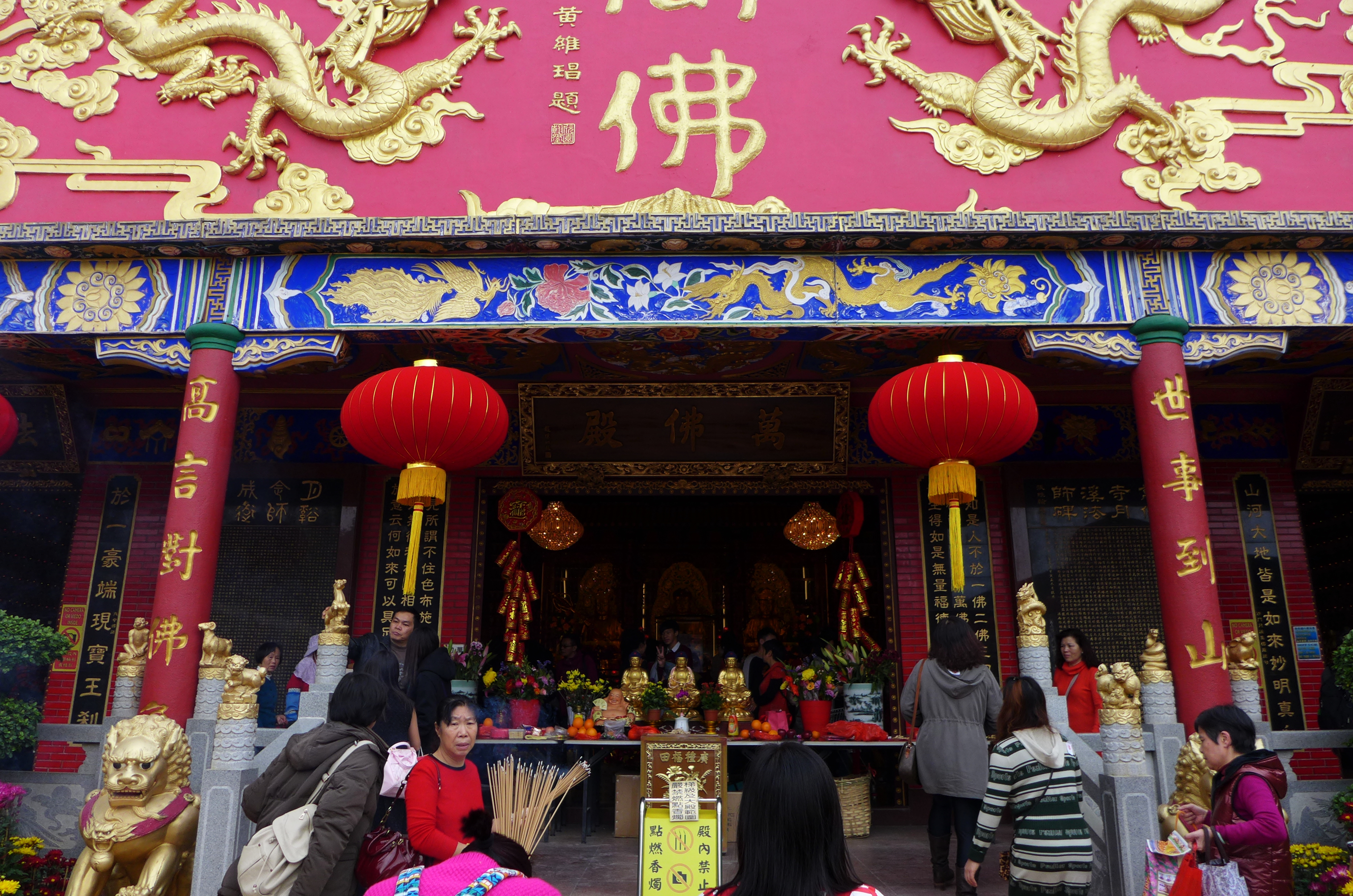
If you like Buddhas, go no further, this is the peak, the pinnacle of Buddhaness. They’ve got big ones, small ones, ones as big as your head, and ones much bigger than that. This is the Ten Thousand Buddhas Monastery, which has even more than 10,000 Buddhas, clocking in at an amazing 12,800 statues of Buddha. This monastery is not an ancient site but one worth visiting despite its youth, as the visual aspect is fantastic though lacking a colourful history.
P1050492P1050491P1050504 P1050493 P1050495 P1050499

The Ten Thousand Buddhas Monastery, 萬佛寺, was constructed in 1951 by Yuet Kai, a Buddhist monk. Yuet Kai studied philosophy at university before deciding, at age 19, that he would dedicate his life to Buddhism. To prove his commitment to the faith he cut off his left ring finger and little finger and used that burning flesh to light 48 oil lamps in front of a Buddha statue. He was pretty keen on the Buddha.

P1050508 P1050519 P1050520 P1050523 P1050543 P1050513 P1050510

Yuet Kai came to Hong Kong in 1933 and quickly gathered a following. A wealthy follower, impressed by his teachings, donated his estate and Yuet Kai decided to use the gifted land to build the monastery. He, along with his disciples, personally carried the building materials of the monastery up the mountain. It took 8 years to complete the buildings and a further 10 years to finish the 12,800 statues. Yuet Kai’s body is mummified, lacquered in gold, and sits in a case in the main hall.
P1050528P1050502P1050500P1050503P1050536 P1050538 P1050544 P1050546

I have attempted to determine why Yuet Kai felt the need to construct over 10,000 Buddha statues when most monks are happy with one, or at least one really big one, but alas the internet has failed me. I can only assume that he had far too much money and couldn’t spend it on anything that wasn’t Buddha related.
P1050611 P1050610 P1050609 P1050608P1050548

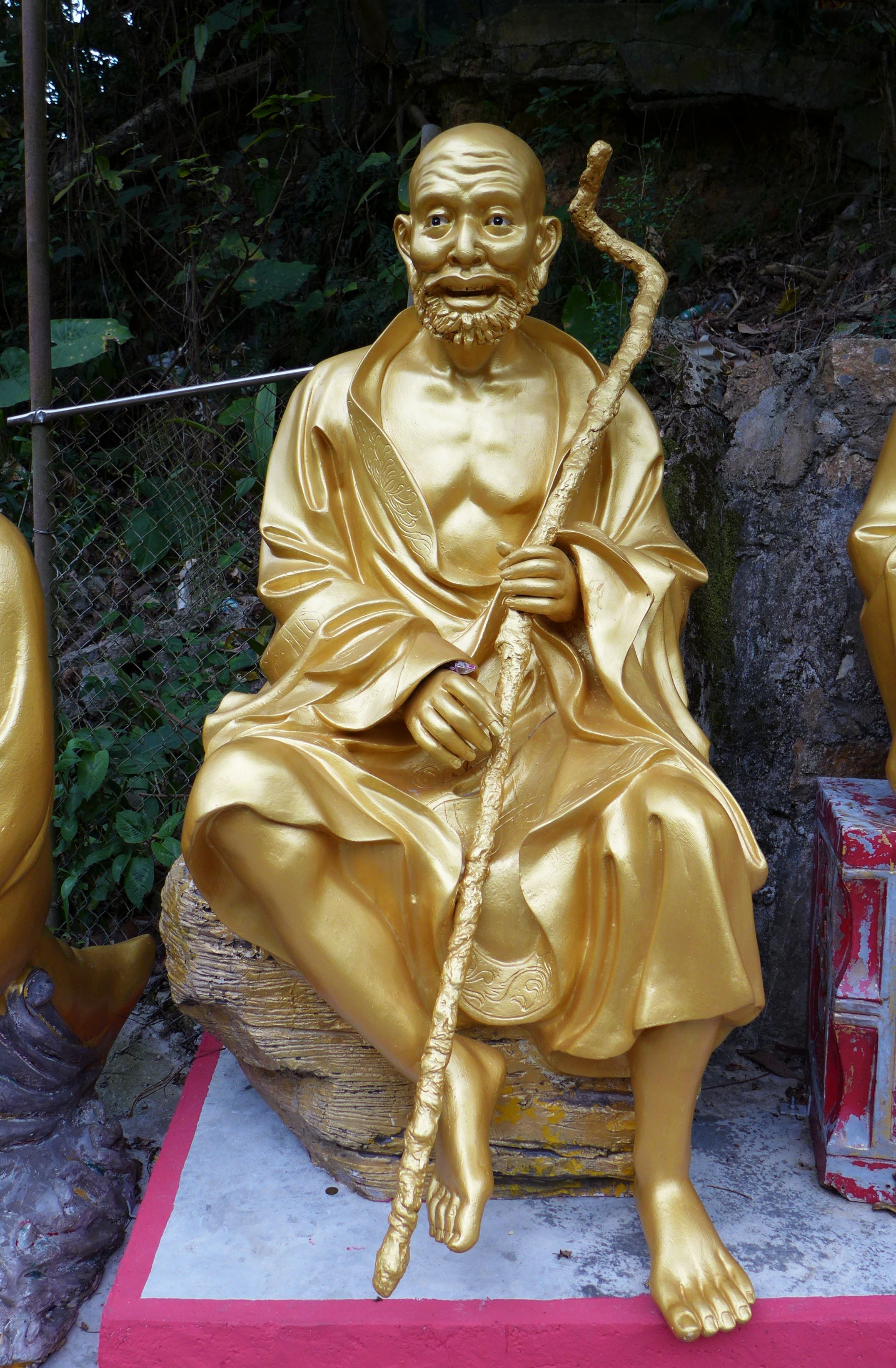
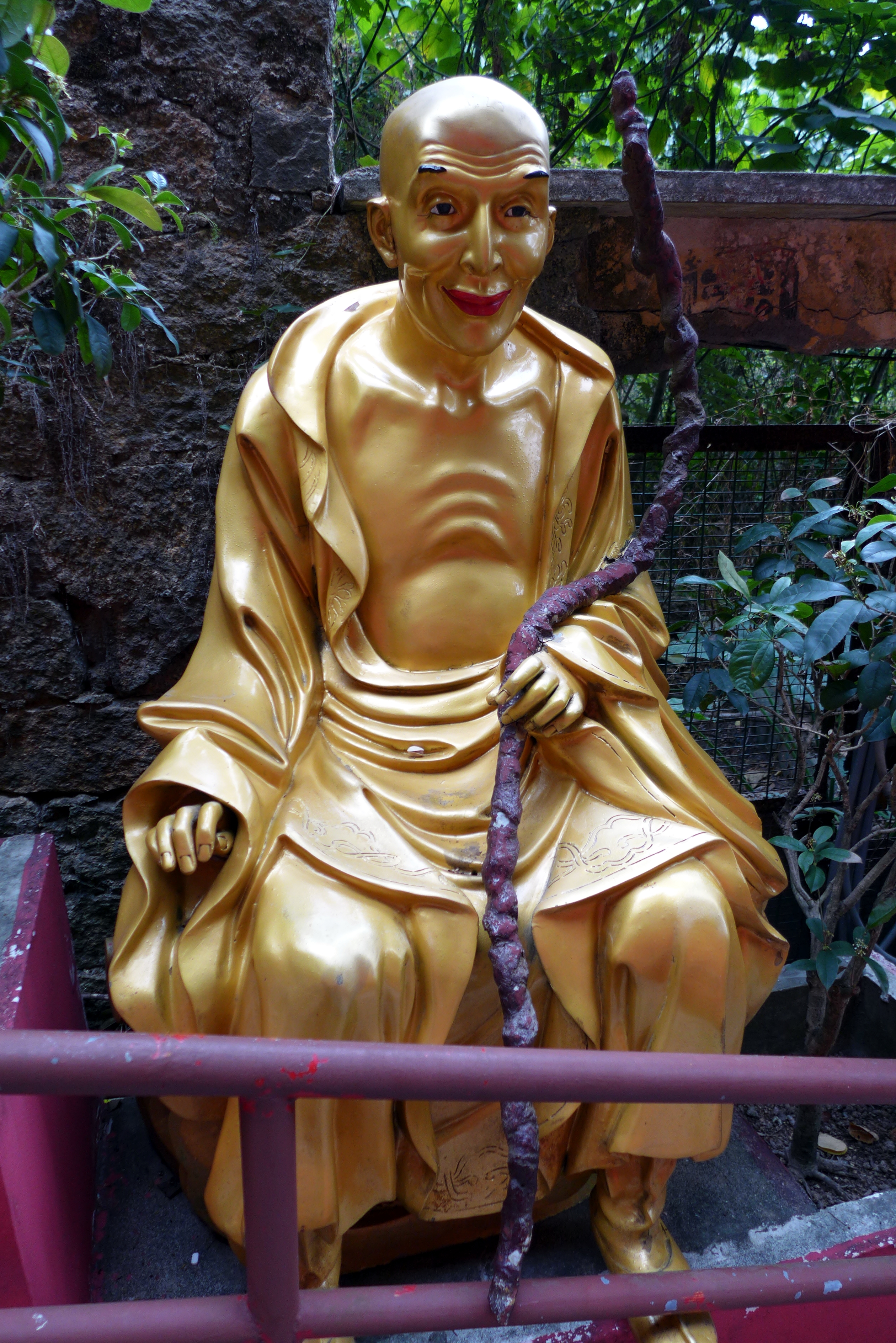
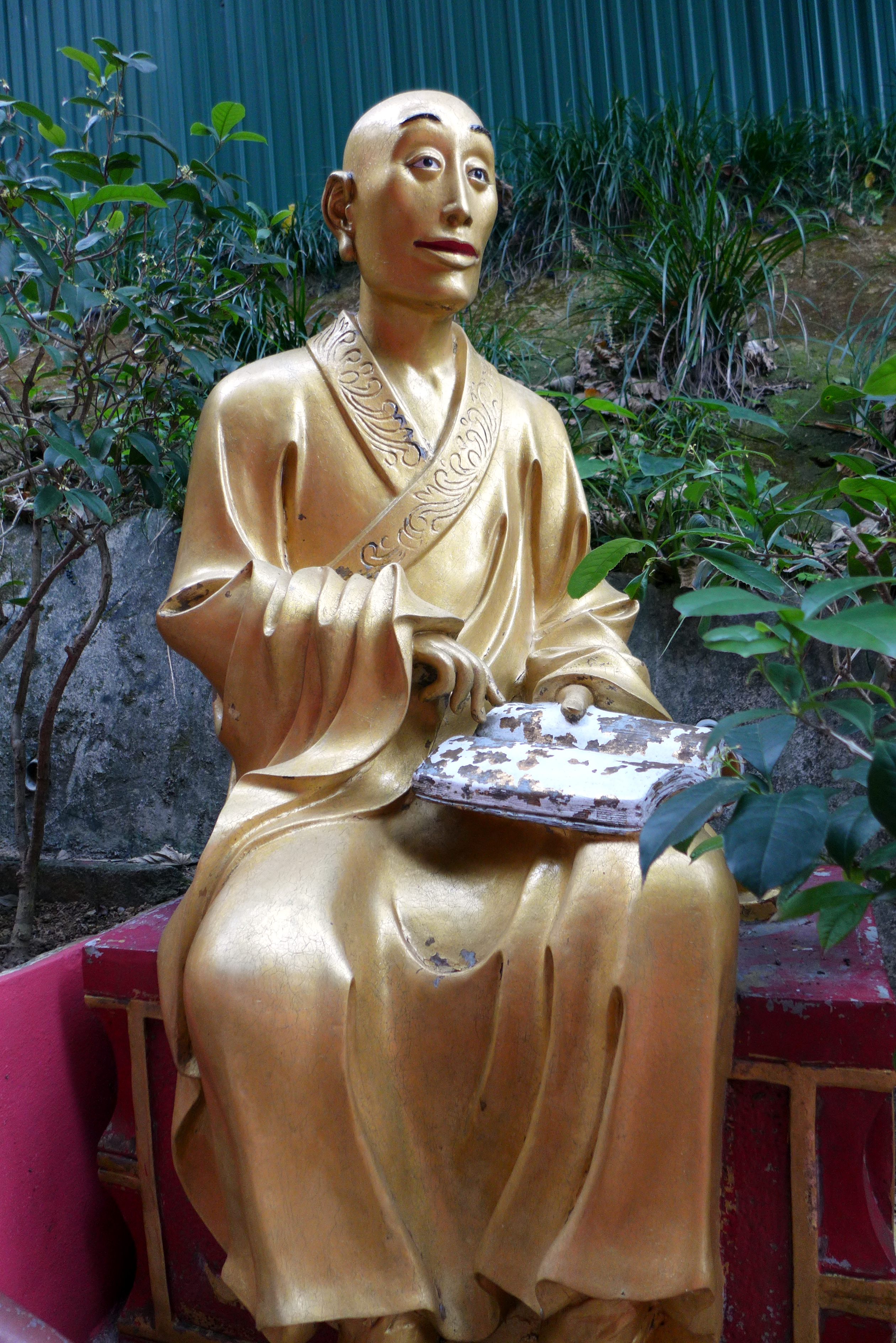
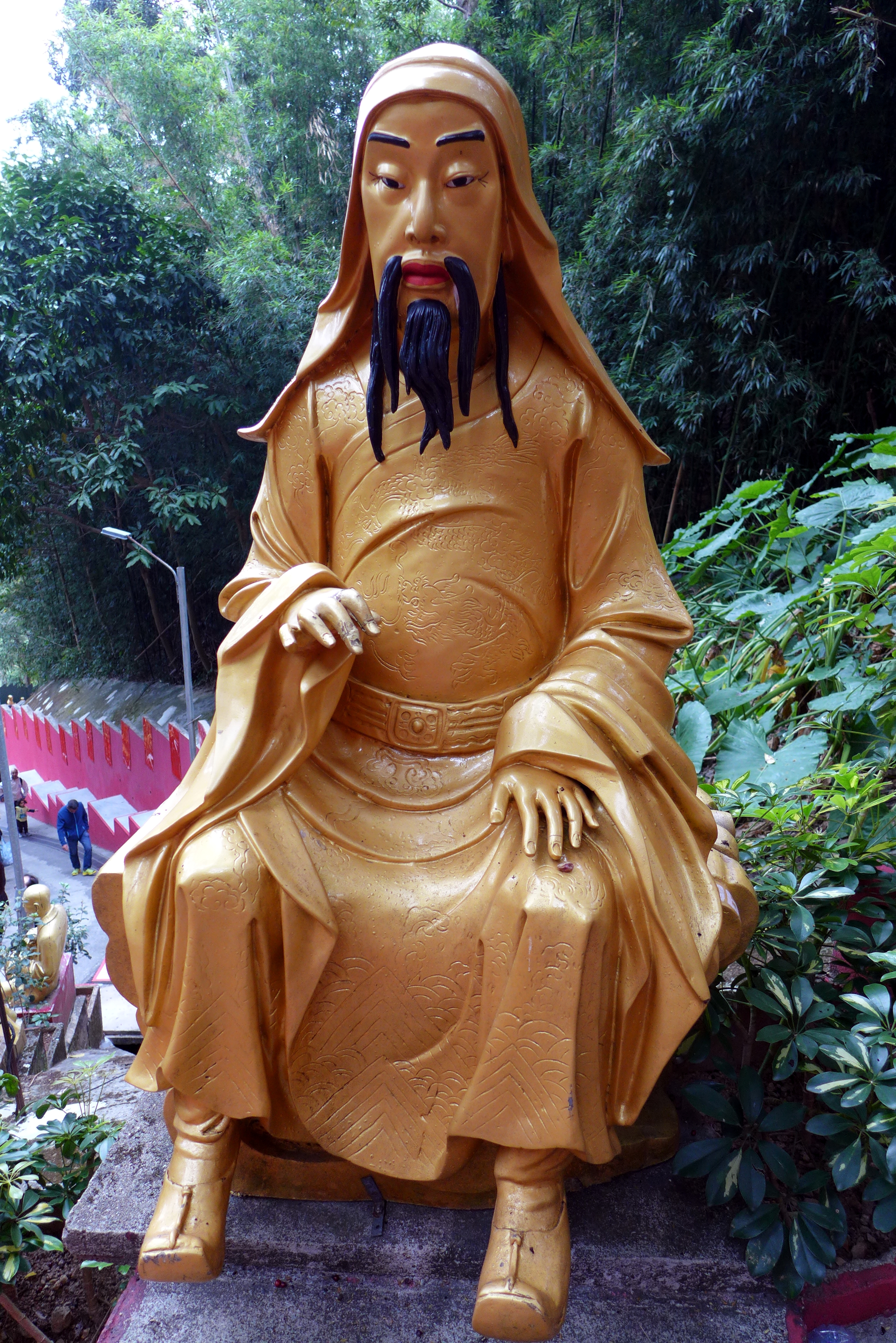
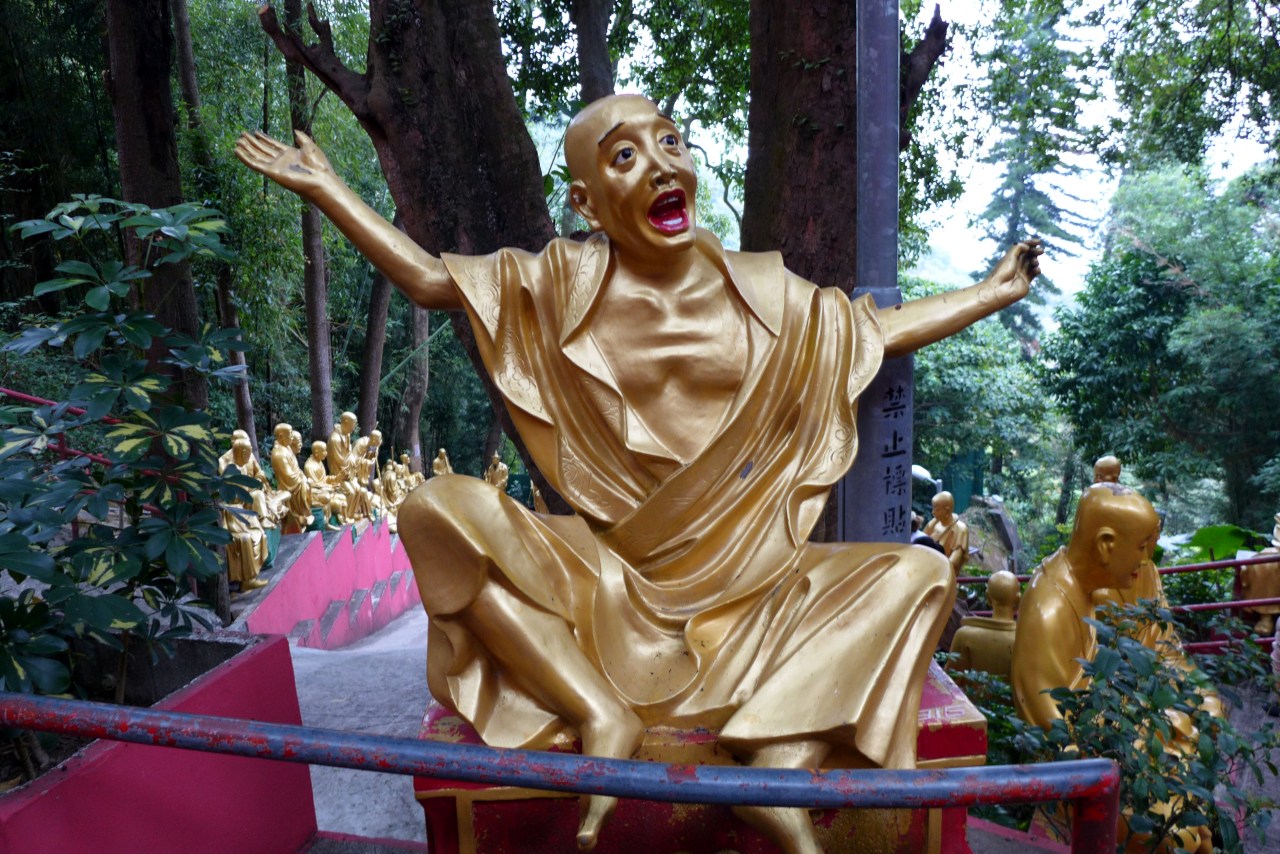
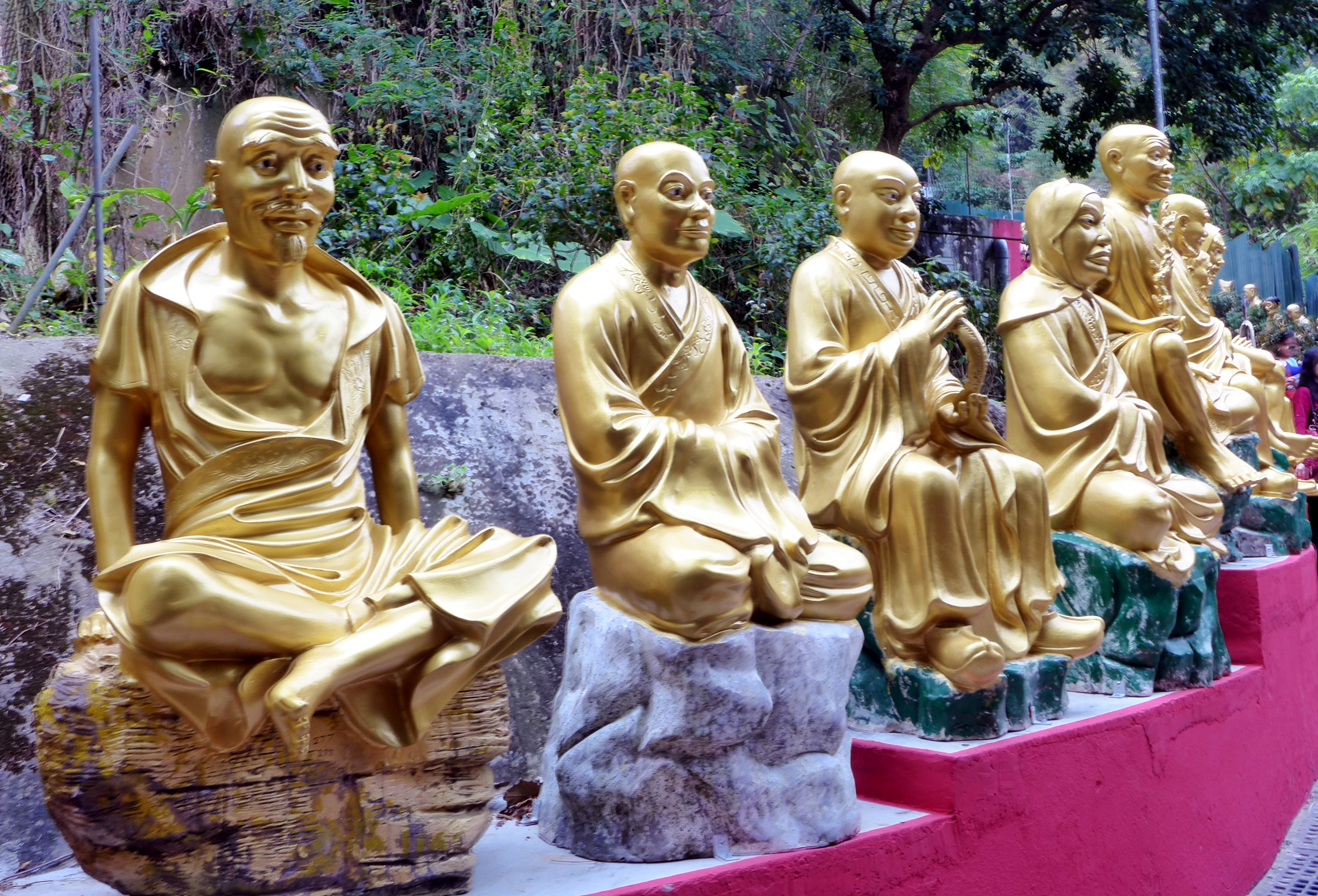
The monastery itself is located on the mountain so the walk up is pretty long. Luckily we visited in relatively cool weather but I can imagine that in the summer it becomes very uncomfortable and exhausting. The path up the mountain to the monastery is flanked by golden statues of Buddha, of all varieties, like a Buddhist version of Fushimi Inari, the thousand gate shrine in Kyoto. Some seemed suitably pious whereas some were relaxing, playing or posing. There is probably some deep Buddhist lesson here about many paths to enlightenment but I, along with most visitors, just found the more quirky ones amusing. I’d like to think the disciples had to pose for the statues and became increasingly more creative in their interpretation of Buddha.

P1050507P1050634 P1050633 P1050632 P1050631 P1050619P1050630 P1050629 P1050627 P1050626 P1050625 P1050624 P1050621

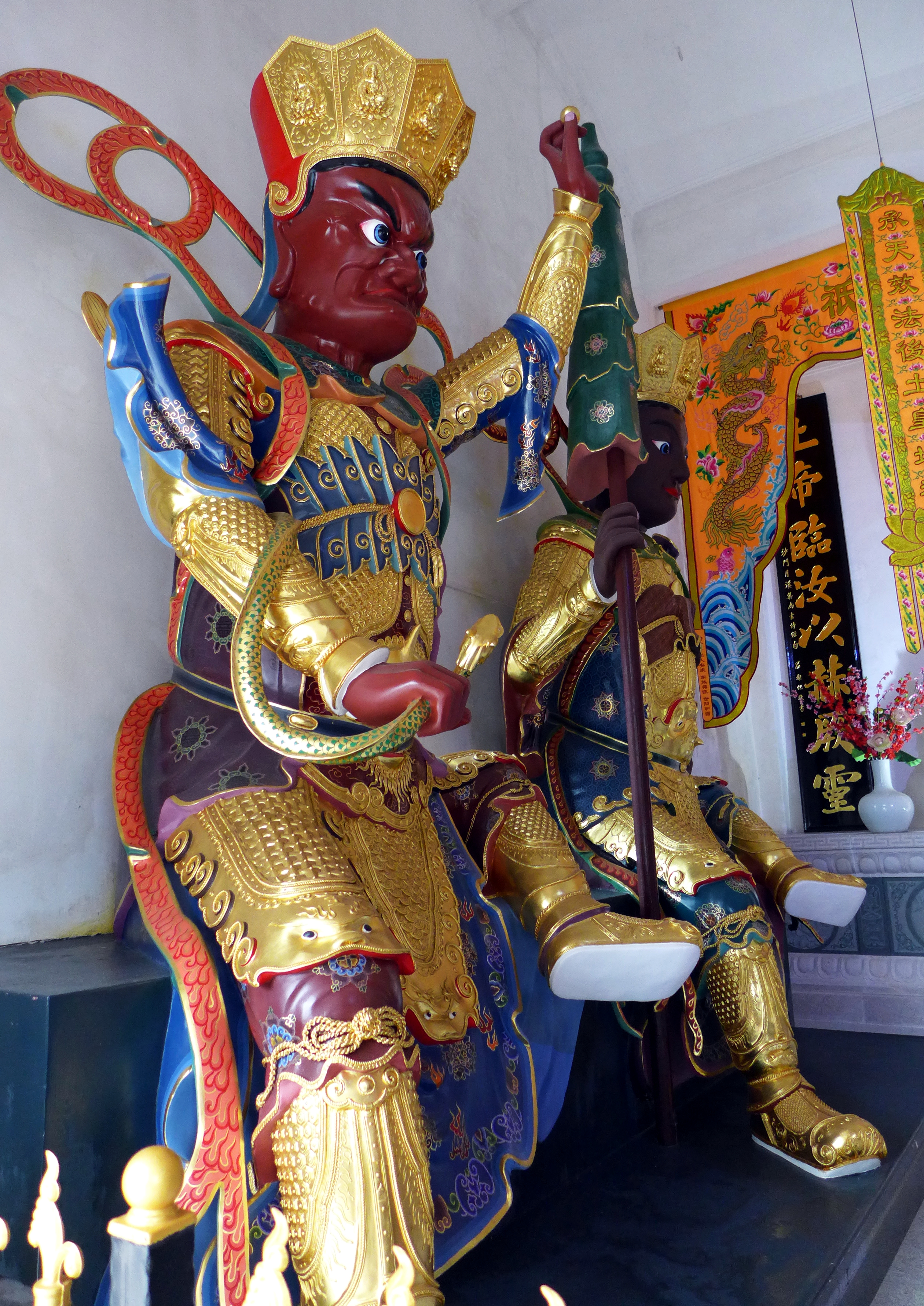
The monastery has several levels. The first level contains the pagoda, several statues and the hall that houses Yuet Kai’s blinged-out body. Here we wandered around and I was approached by a few women, not sure what nationality, who asked for pictures with me as though I too was an attraction. They seemed pretty excited so I said yes but it was a strange experience – I’ve got used to being pointedly ignored in Japan by everyone except small children.

P1050552 P1050555 P1050554 P1050557 P1050558 P1050560 P1050564

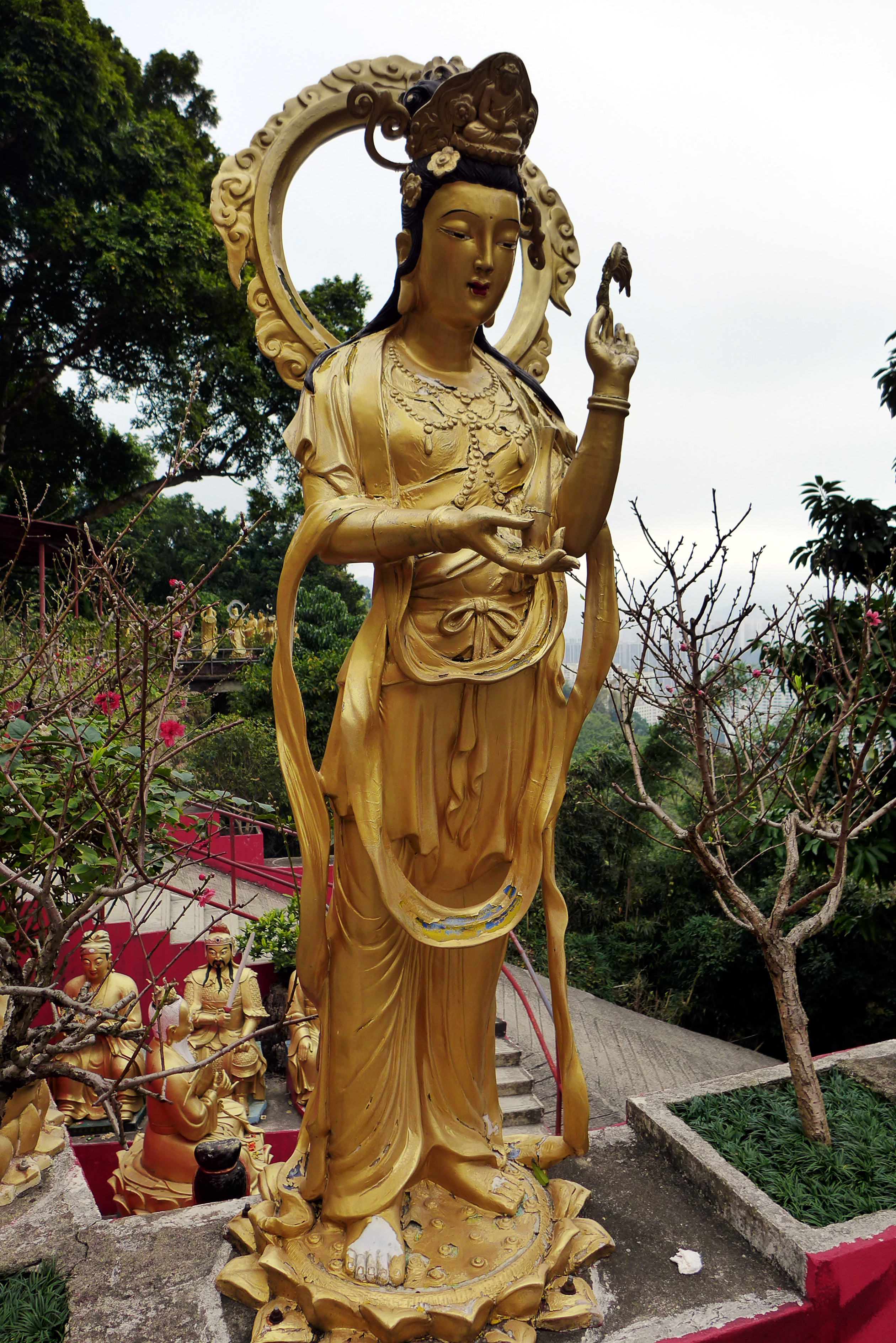
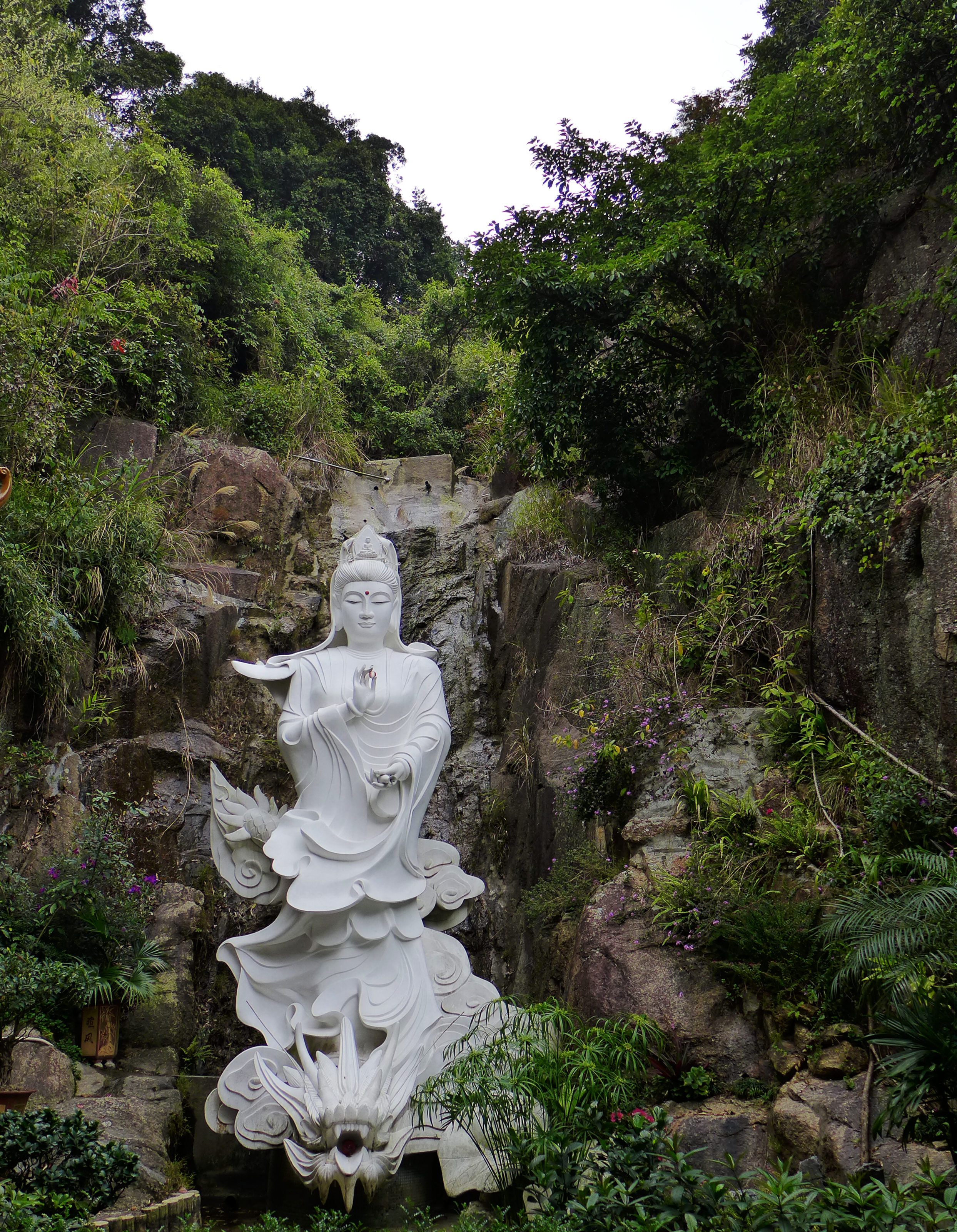
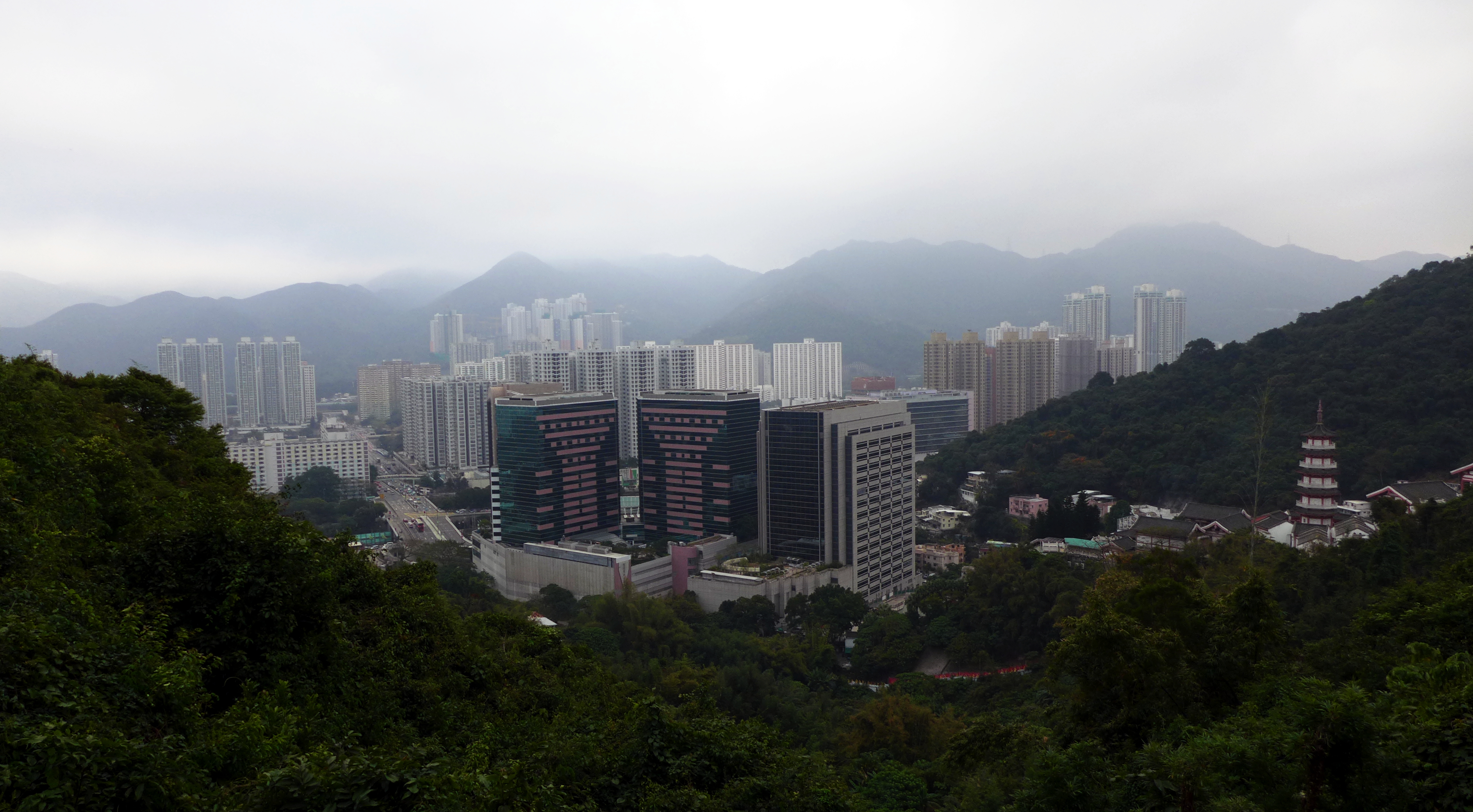
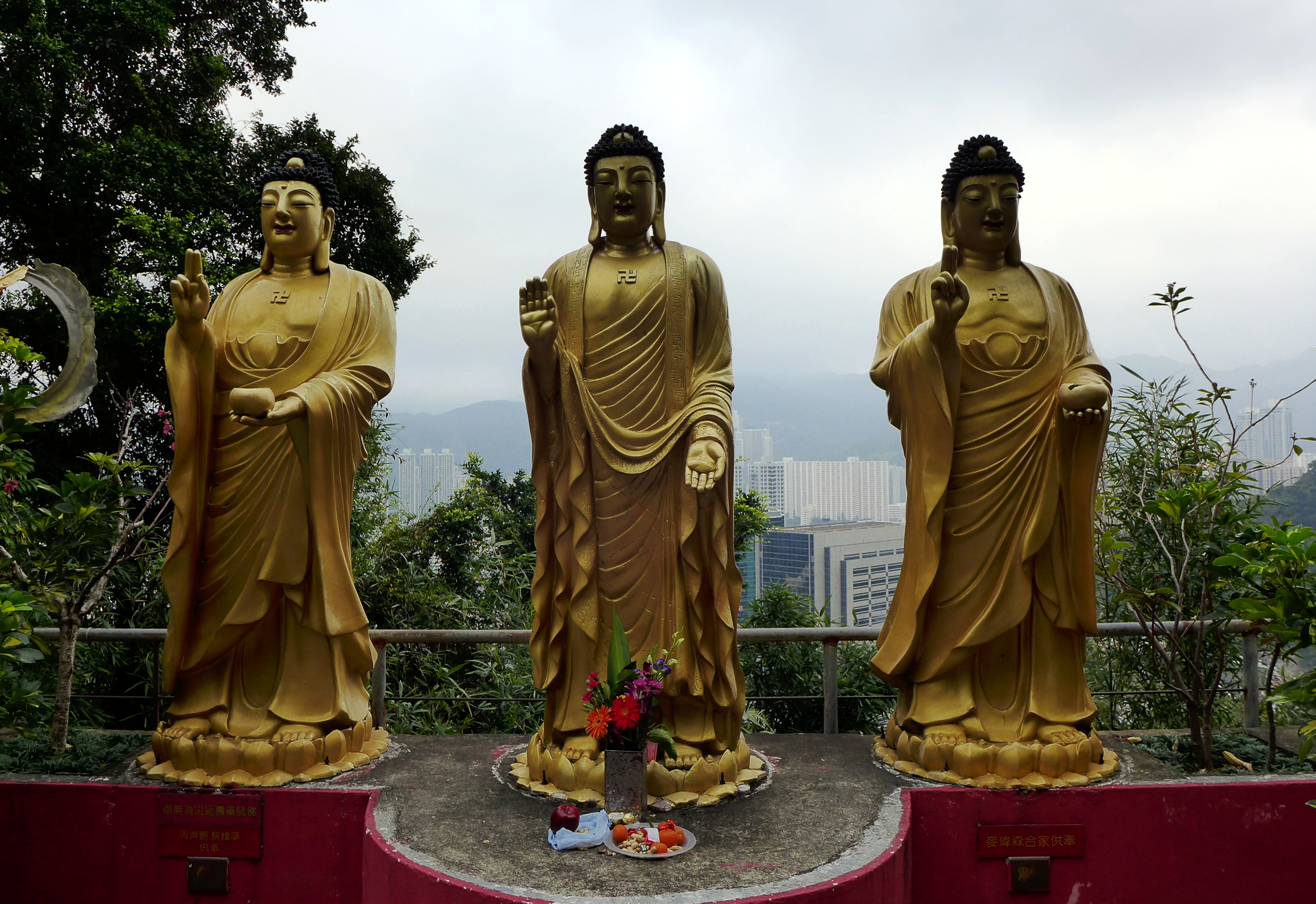
Walking higher up to the second level of the monastery we found several more small shrines and halls dedicated to various Buddhist deities and a lovely view, albeit a hazy one. We also found some turtles hanging out in one of the ponds below a beautiful white statue of Kwun Yam, the Buddhist goddess of mercy. Inside the halls dedicated to Buddha were, what a surprise, walls and walls of tiny Buddha in cases. It never ends.
P1050568 P1050573 P1050575 P1050577 P1050583P1050592P1050587 P1050596 P1050602

The Ten Thousand Buddhas Monastery is definitely worth a visit for a full-on Buddhatastic experience and a great walk up the mountain. The monastery itself is free – there are ‘monks’ begging on the way up but the monastery is currently run only by laypersons, these monks are scam artists.
서울시 Spicing it Up

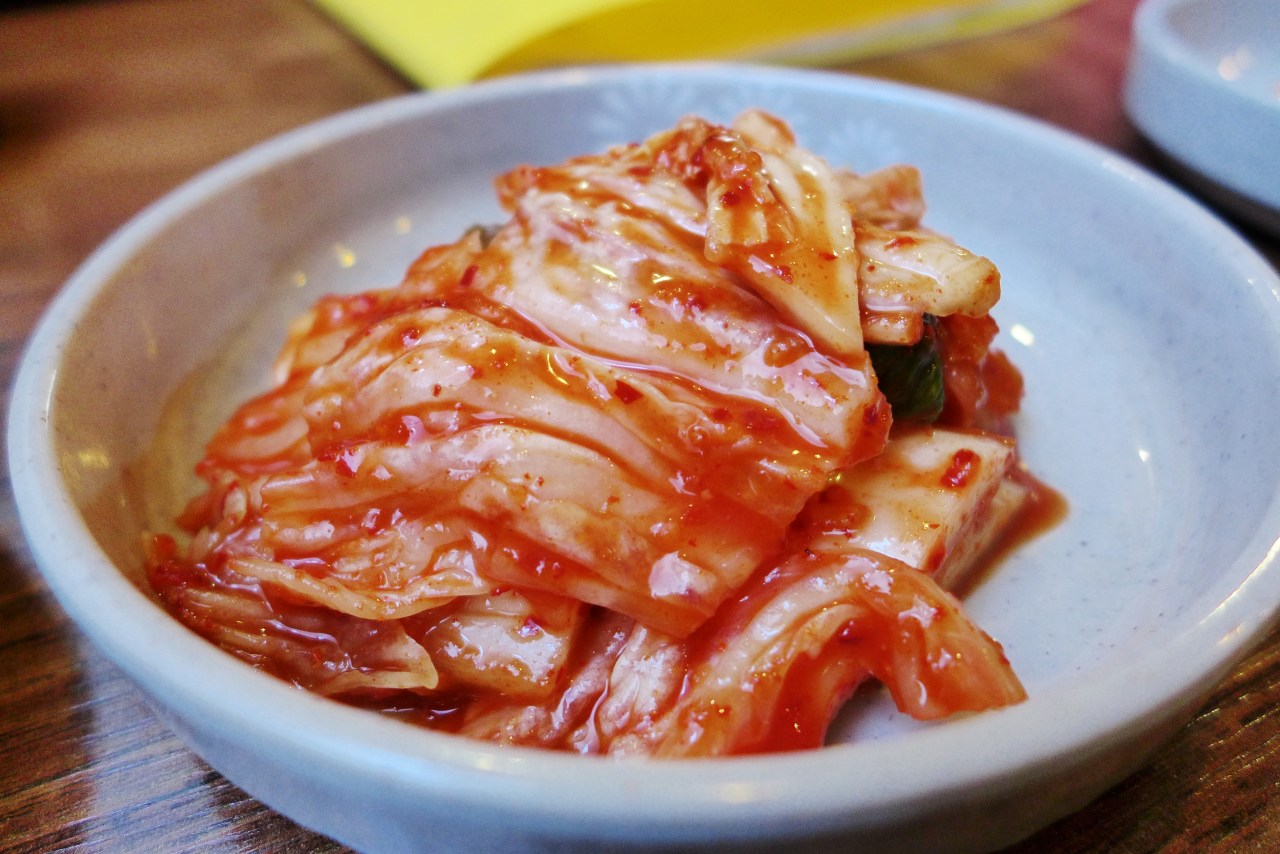
During my short stay in Seoul (4 days), I ate various Korean dishes, many of which I had not tried before. Korea is best known for kimchi, spicy fermented cabbage which is either very good for you or gives you stomach cancer, depending on who you listen to. Either way, it is simultaneously refreshing and scorching to the mouth. I had always thought of myself as unable to handle strong spice, but I dealt with the heat better than several of our group.

This tolerance may be due to having the spiciest dish in the universe when I visited Hong Kong with my family several years ago. We (my dad) ordered soft shelled crab which happened to come on a bed of roasted chillies. We were informed that this was the second spiciest dish on the menu (I can only assume the spiciest was on fire) by a rather concerned looking waiter, but bravely we ordered it anyway. It was like a bomb going off in my mouth that could not be stopped or calmed with other foods. My lips hurt the next day. This may have set my spice tolerance bar a little higher than some people’s.

Without further ado here is pretty much all the food that I ate in Korea, in chronological order. A country rich in culinary variety and delights, though you might learn to fear the bright red sauce.

P1040573 P1040575P1040580 Dumplings & Kimchi

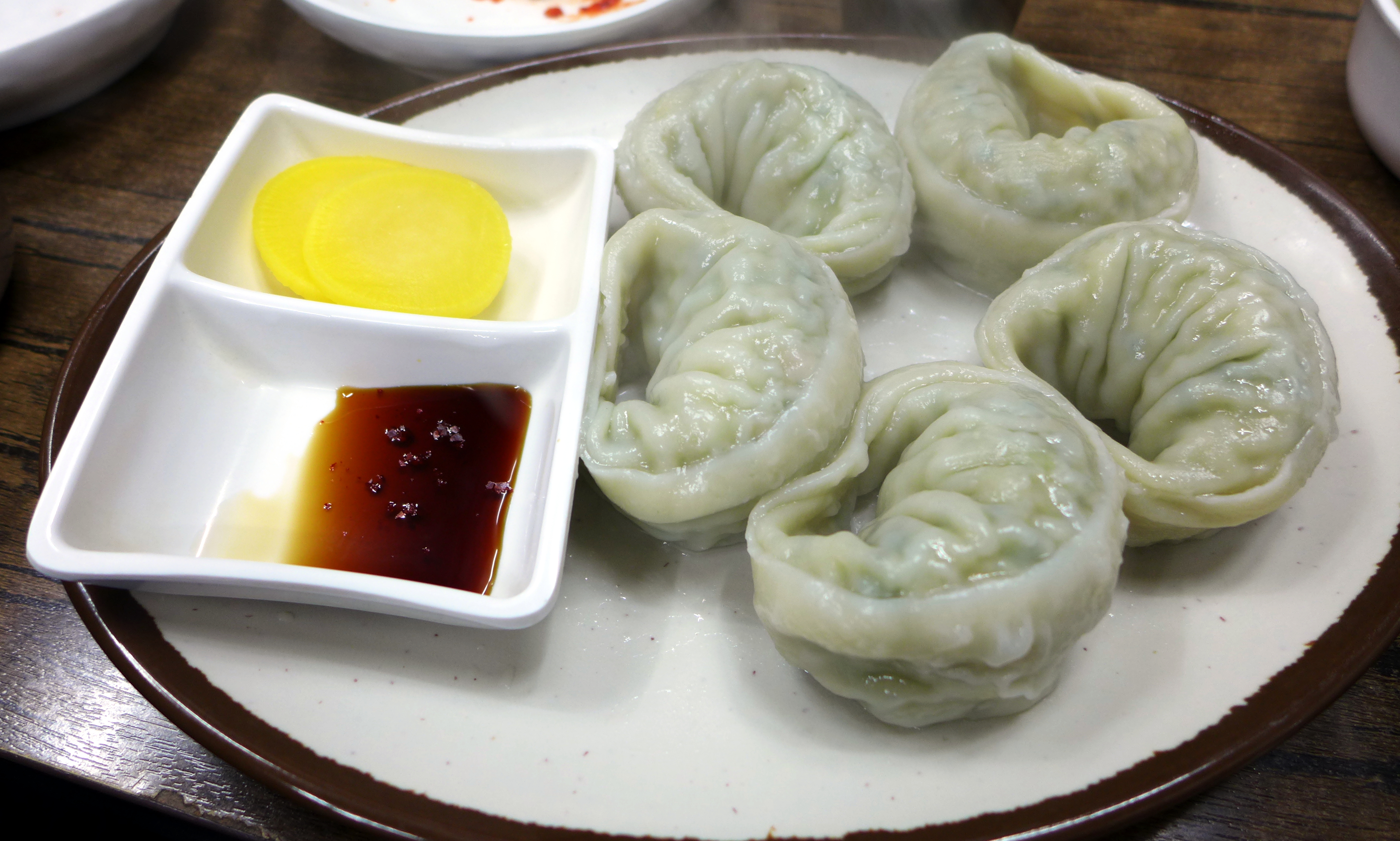
Our first meal in Seoul was in a tiny restaurant near where we were staying. It was strange being unable to order and having to point at the menu on the wall in order to get food; for the first time in my year abroad I felt I had gone full tourist (which I had). The food came with Kimchi (like almost every meal in Korea) and soup, both of which were delicious. The kimchi came as large fermented leaves and we were instructed (through sign language) to pick up the leaves with the provided tongs and cut off small sections for eating. I ate most of the kimchi as the others found it too hot. It was really hot but I kept forgetting how hot it was and eating more before remembering. If you chain-eat the kimchi you don’t get hit by the spice until you stop eating it. The Chinese style dumplings were filled with meat and vegetables. Really tasty and a great culinary start to the holiday.

★★

P1040584

Ice cream

Freezing out in the Arctic conditions of Seoul, what better way to escape than to head into a nice warm cafe and eat some ice cream. This stands out for me because the ice cream came with real fruit, something that Japan seems to avoid due to fruit being extortionately expensive. The weird blue lighting was interesting but they gave us free tea which was nice.

★☆☆

P1040618P1040629P1040620 P1040632 P1040635

Tteokbokki (and pizza)

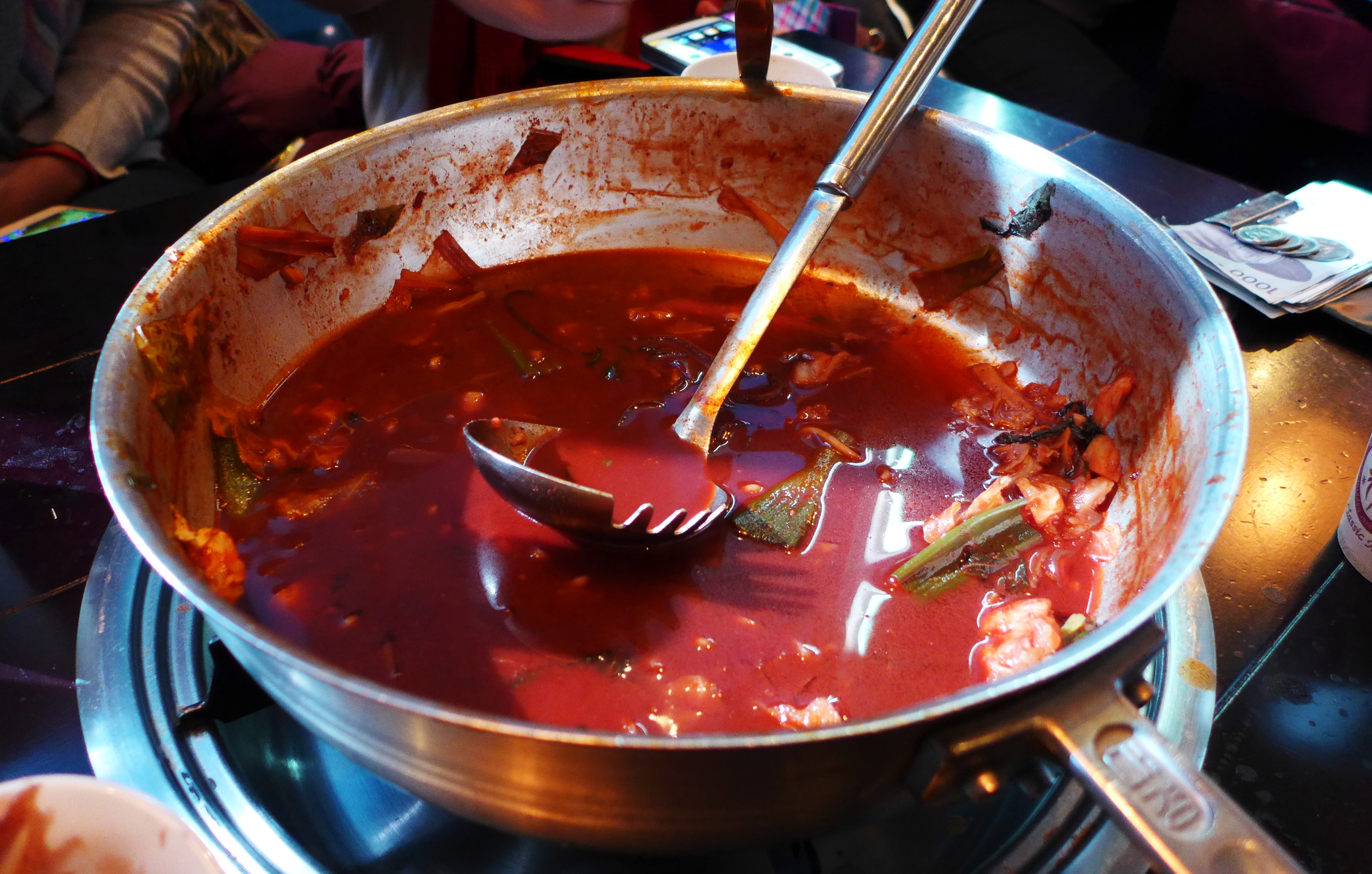
This was the true spice challenge. Tteokbokki is usually street food made up of rice cake and chilli sauce, but this was a sit-down hot-pot version of the dish. The hot-pot contained instant noodles, see-through noodles, rice cakes, quails eggs, chicken, various vegetables and copious amounts of the angry red Korean sauce. This sauce permeated everything with its fiery spice that gradually heated our mouths to near unbearable spice levels. We did our best and conquered the dish, helped by the side dishes of salad and pizza. As you can see from the aftermath picture, there was a lot of red sauce. We had shaved milk to cool our mouths off afterwards. Despite the assault on our mouths, it was a fun dish to cook and eat.

★☆

P1040638

Macaroon sandwich

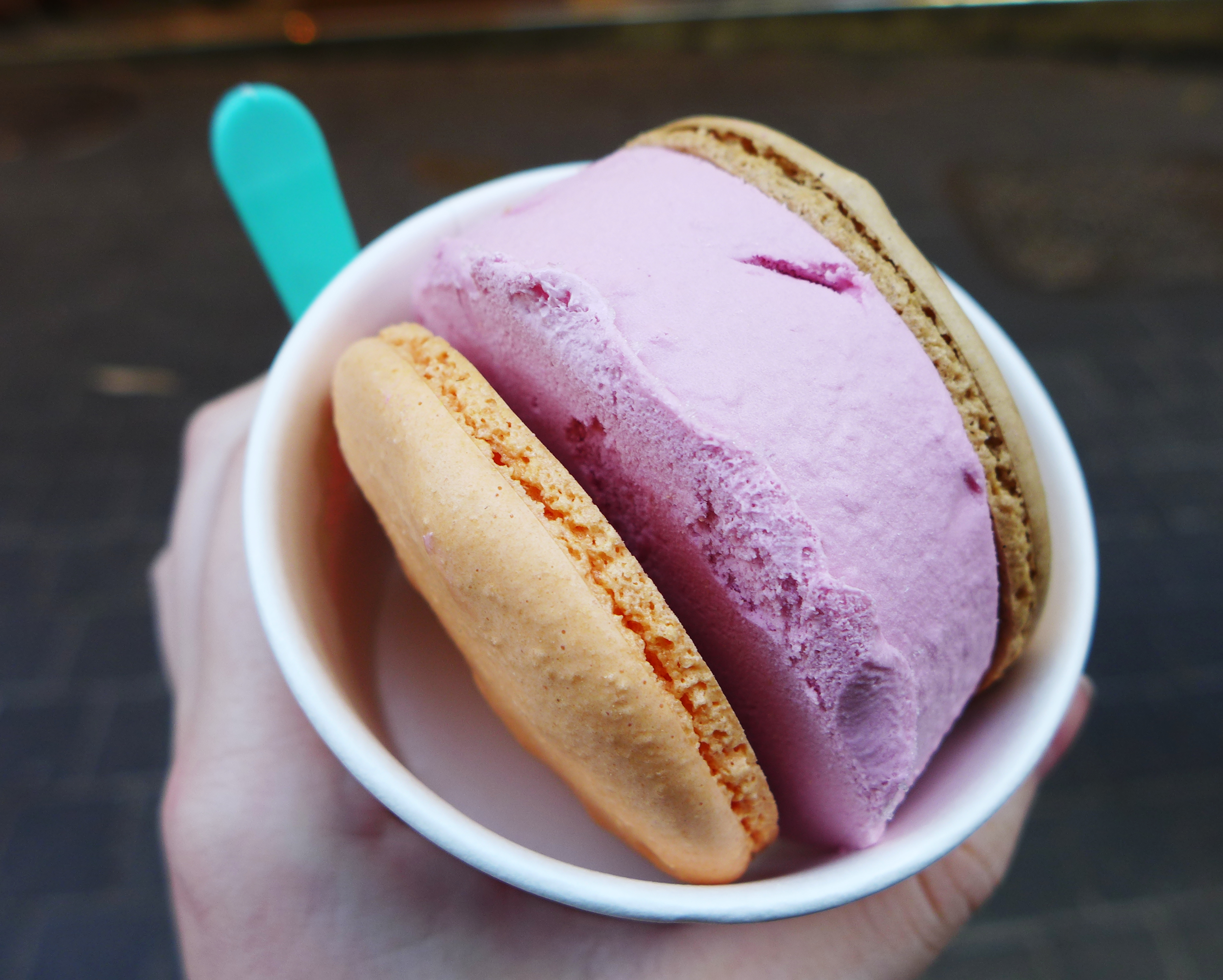
A cherry macaroon sandwich. Not much to say about this other than I decided it would be a great idea to get this in sub zero temperatures outside. My hands slowly turned numb while I ate it so I ate very quickly. It was still delicious.

★☆☆

P1040889 P1040890 P1040891 P1040893

Oyster dumpling soup

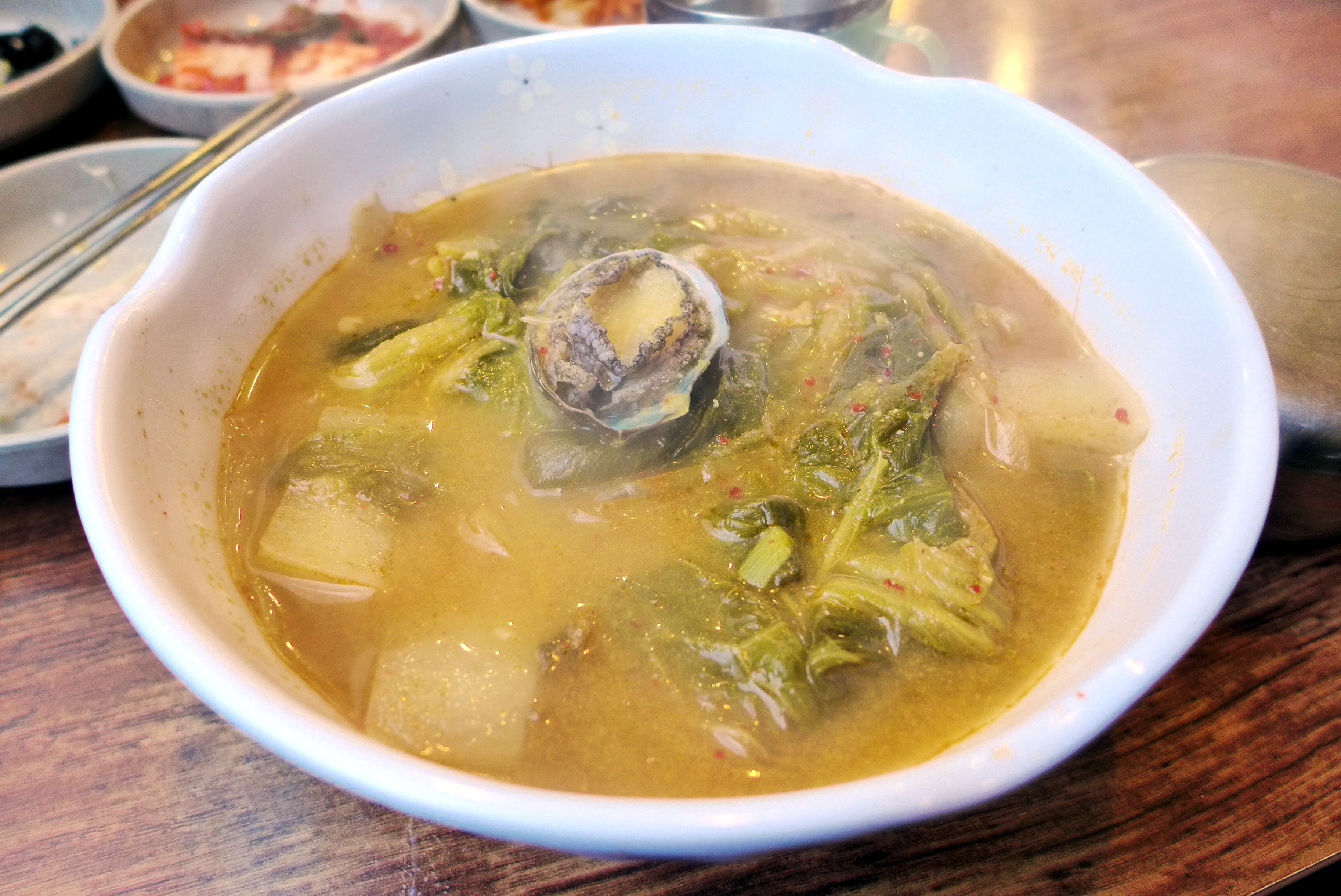
We had this meal near the palace we visited. The soup itself was okay but not very filling, the sides were great though. I really like that in Korea you get around three sides and a free tea before you start paying for anything.

★☆☆

P1040957 Photo 13-02-2015 4 28 30 pm

Strawberry Snow

This was the best dessert I had all holiday. As I mentioned above, the scarcity of fruit in Japan made Korean desserts even more fantastic. This desert comprised of ‘snow’ (shaved frozen milk), covered in strawberries and strawberry sauce, with a sweet bean bun on top (actually very tasty) and sweet bean in the centre. Really delicious and something I am keen to seek out in Japan. You could also go for flavours such as green tea, black sesame and some kind of yellow powder, but strawberry is the best. I later had a mango snow which was also very nice but not quite as great as this. I think this was meant for two people but I vanquished it all the same.

Photo 12-02-2015 9 03 48 pm

Bibimbap

Bibimbap is a classic Korean dish in which you mix all the given ingredients together with rice and red sauce. I ate this at a restaurant near Seoul N Tower, looking out over the city. I also experienced the weakness that is Korean beer (weak, not good like Japanese beer).

★☆

Photo 13-02-2015 10 11 02 pm

The Cookie Monster Cupcake

I picked this guy up at the station on the way back from our rainbow bridge failure. He was delicious, if a little dry.

★☆☆

  P1050020Photo 14-02-2015 7 36 44 pmP1050019

Deceptive Chips

This was by far the most disappointing meal of my trip. We went to a rather nice pub-style restaurant which was more international than Korean. I ordered what appeared to be a basket of prawns with chips on the side. This turned out to be a lie and a basket of chips with more chips on the side with two measly prawns and a bit of corn disguising the chips. The beer was okay, a little weak but interesting.

★☆☆☆☆

Korean food was great, we also had a delicious meat and lettuce dish but we were so hungry we just ate without taking pictures. The only struggle with Korean food was the flat chopsticks – these make picking things up rather difficult and altogether change the chopstick game. I feel like I have barely scratched the surface of Korean food and I’m keen to try more in the future.