

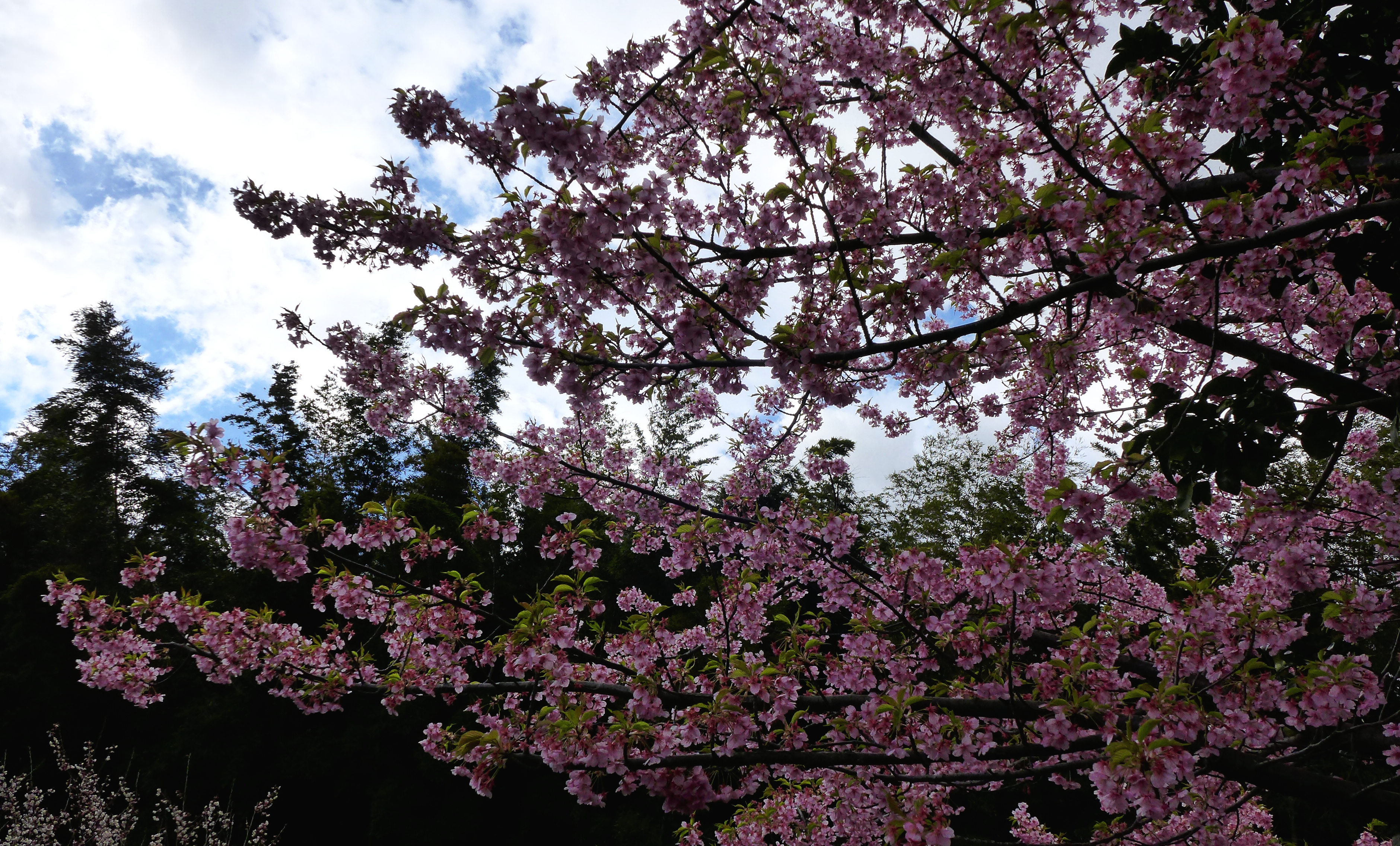
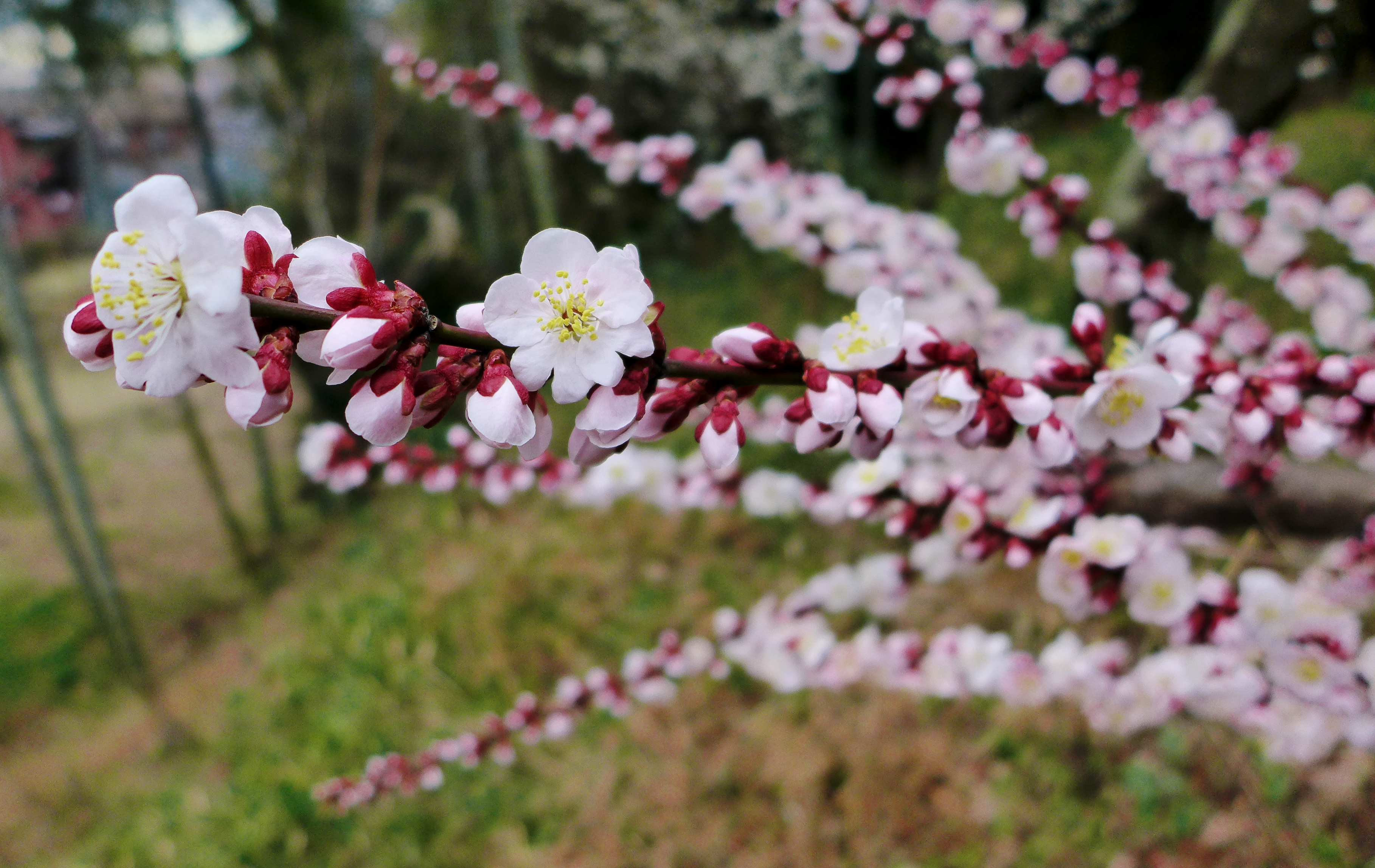
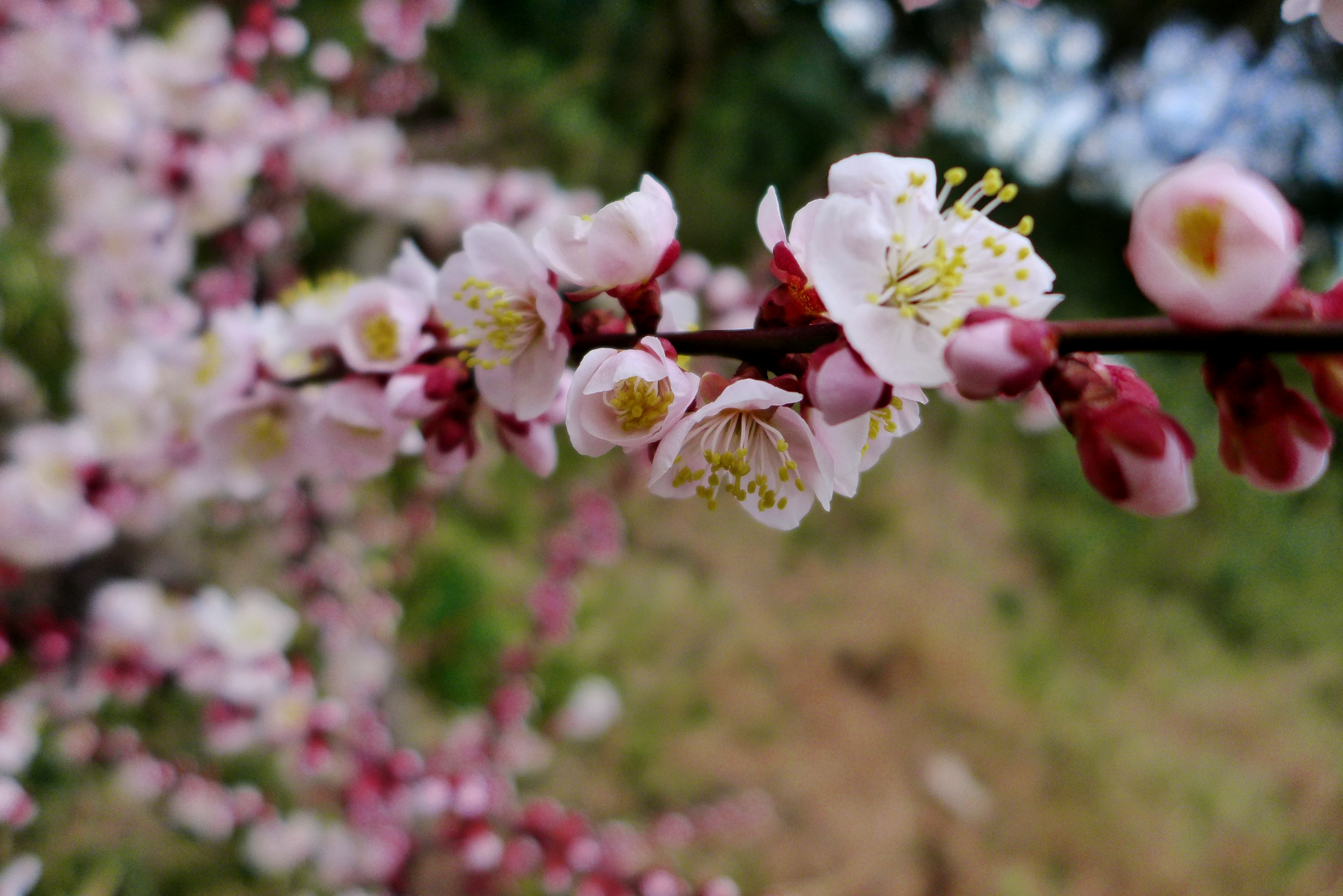
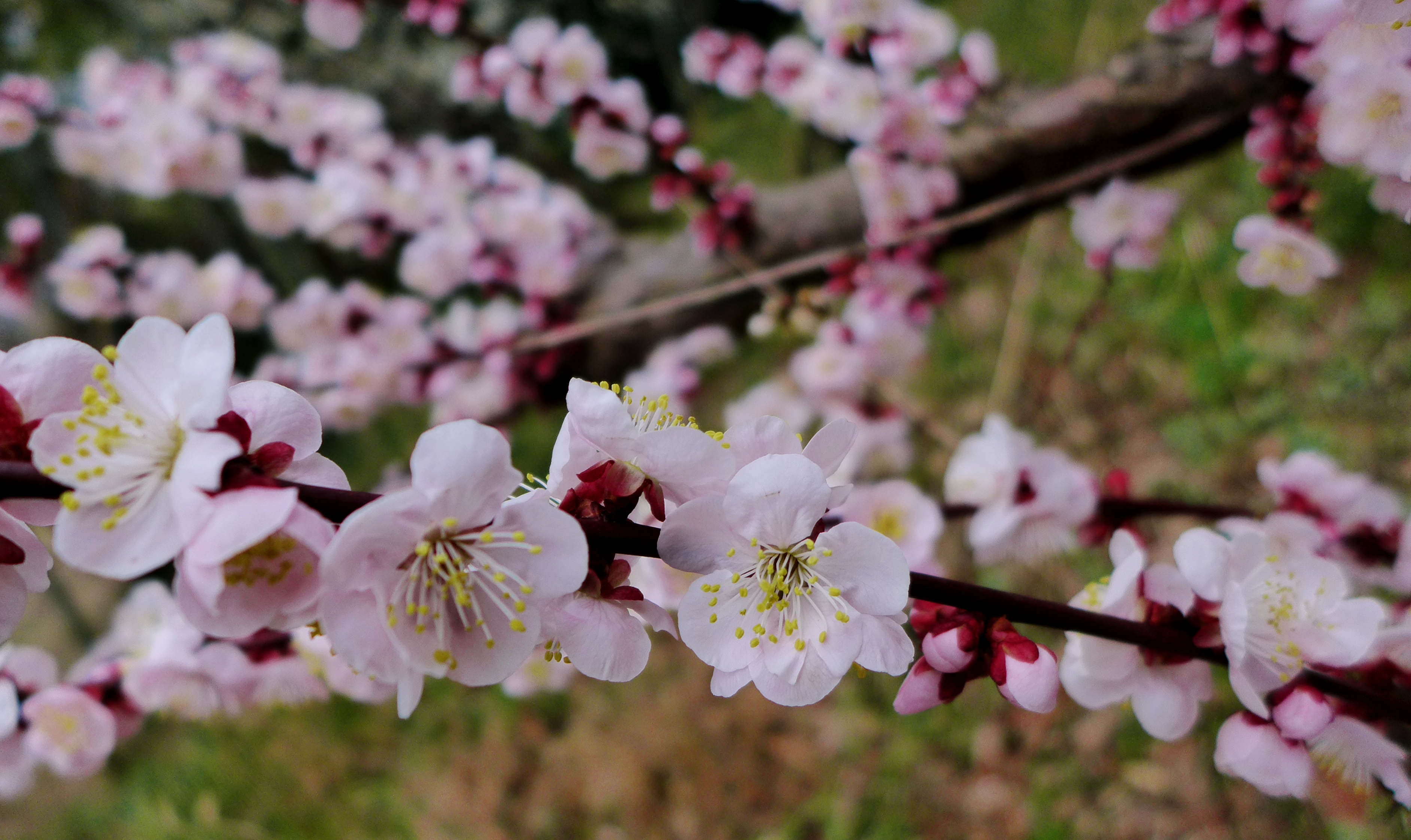
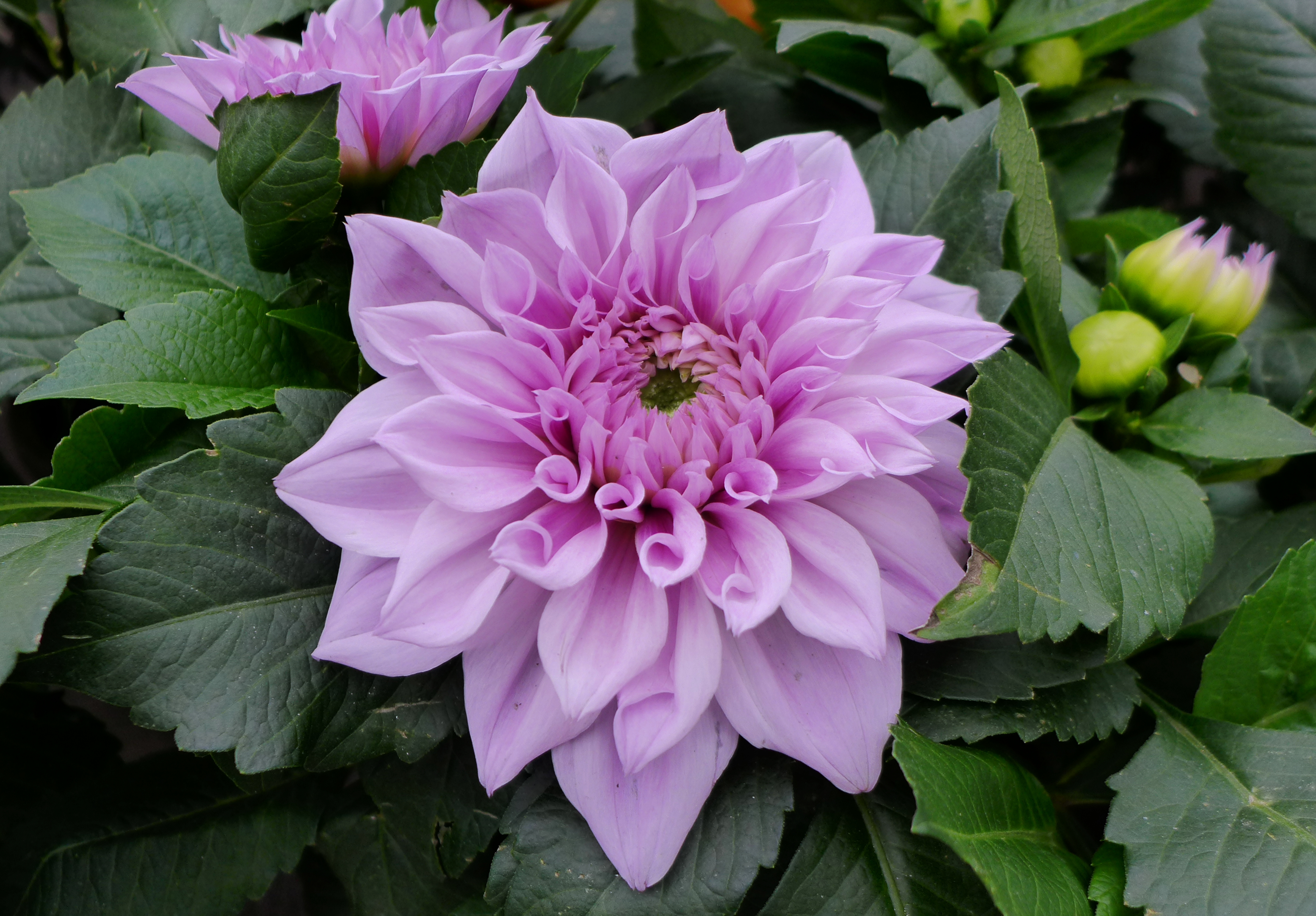
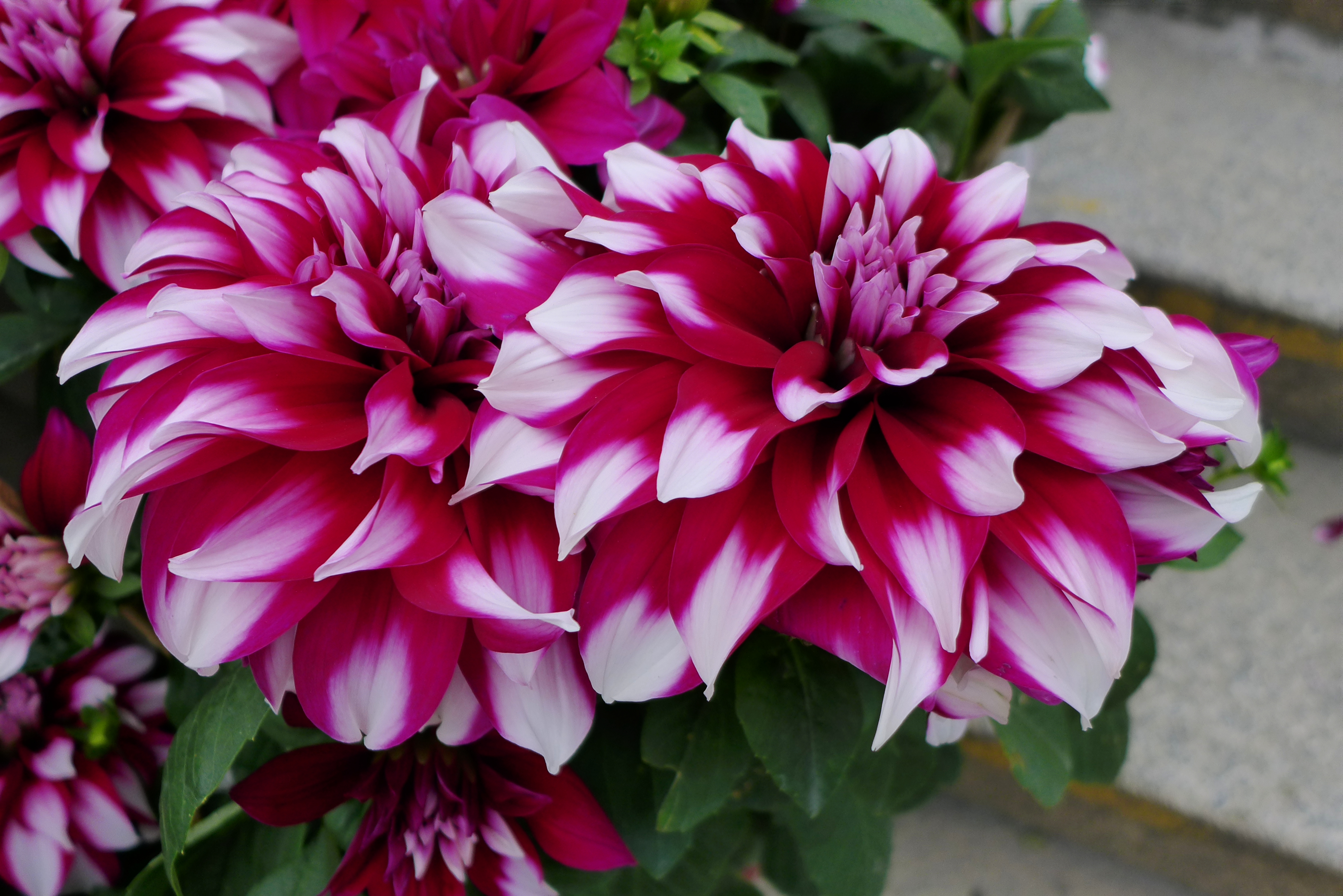
With all this travel to other parts of East Asia, you may have missed my frequent posts on temples. If you have been missing them, fear not, for they are back! It is also spring now in Japan, so my walk around the temples has been graced with various blossoms, I’ll add the pictures of the blossom among the temple pictures, as I saw them on my walk between the temples.
After my trip to Hong Kong and Seoul, I took some time out from Kyoto to visit my friend in Yokosuka, which is just south of Tokyo. Being out of Kyoto is strange from a temple perspective; when you live in Kyoto you get used to seeing temples everywhere, and usually those temples are large with a rich history. The temples I visited in Yokosuka were more functional than historical, focused on serving the community. It was interesting to see how temples are in the rest of Japan, and while I couldn’t get loads of information on them I learned quite a lot about temples while attempting to find these temples on the Japanese web.
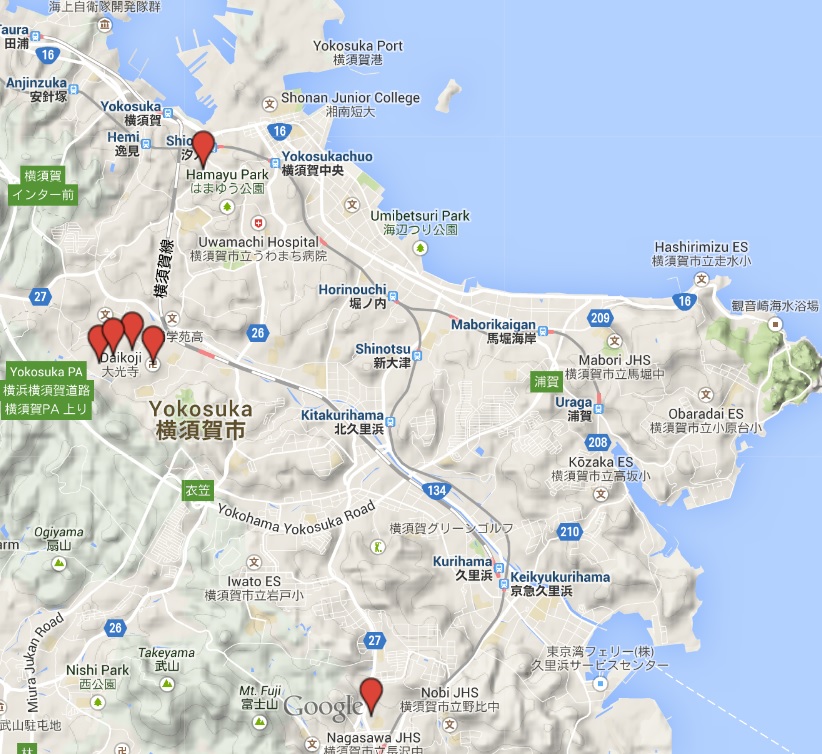
Most of these temples were part of the same walk around Yokosuka, but the first visit actually dates back to a brief visit before my holiday. We visited this shrine as we passed it every time we went to the train station. This shrine was Neno-jinja 子之神社, a Shinto shrine. We wandered around and took some pictures. I had my eye out for somewhere to get my book stamped, and though it initially seemed like there was no one around, I noticed a small handwritten sign on a building that advertised stamps, so we went inside.

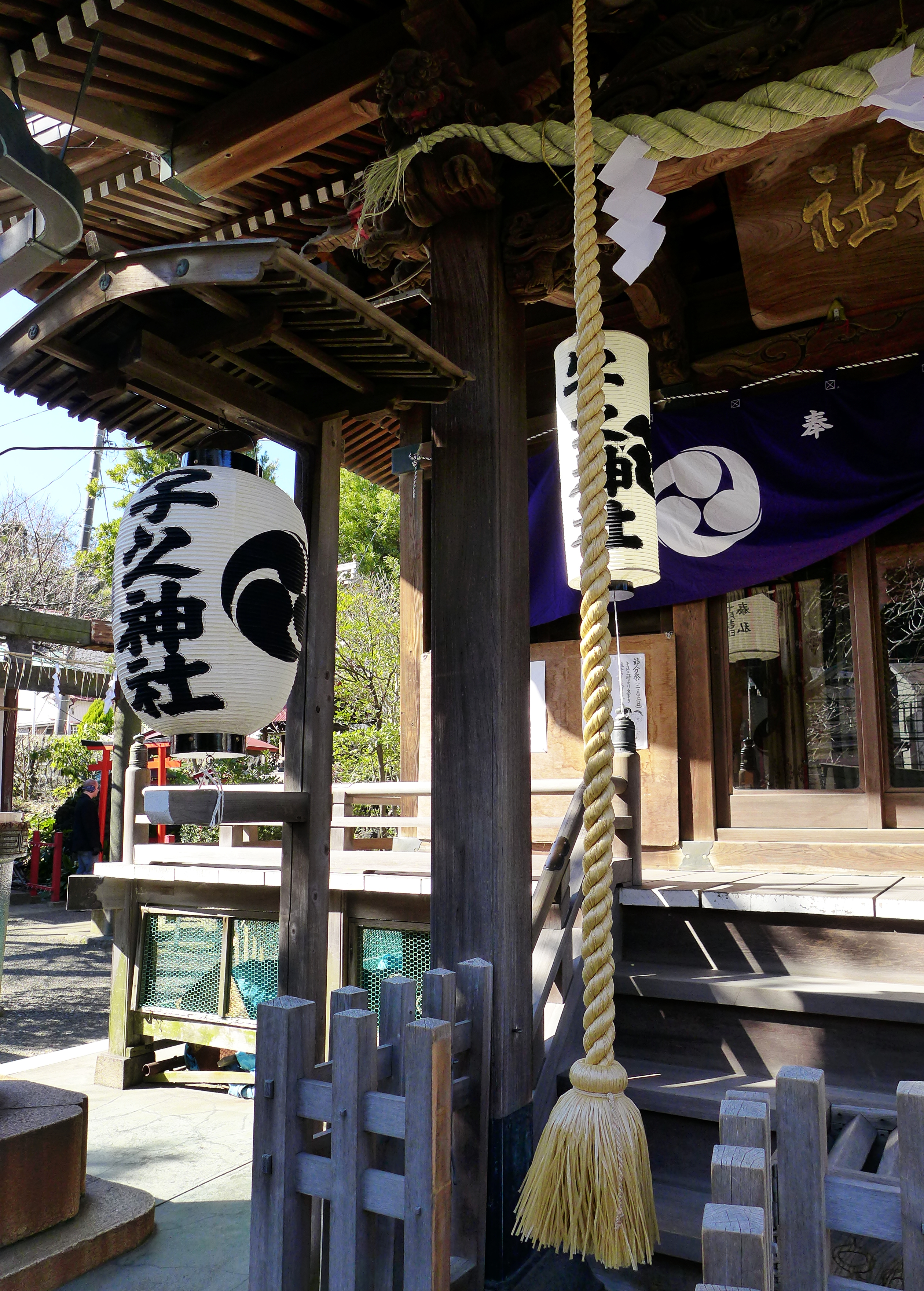
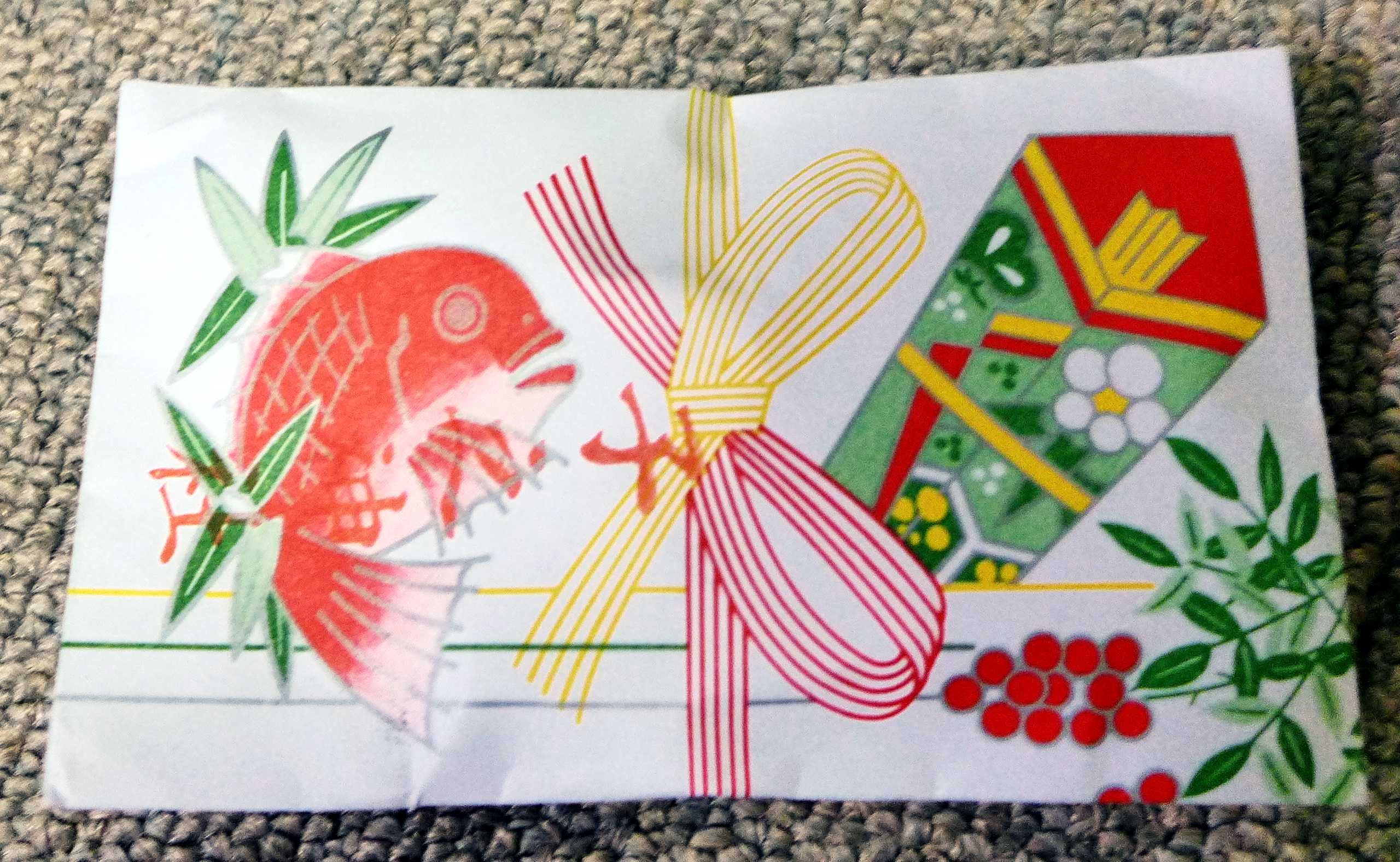
The man that did my stamp was very nice, and while he was writing my stamp his colleague explained to me about the shrine. Neno-jinja is a shrine dedicated to Nezumi, god of children, Okkuninushi (the god in the legend of the white rabbit), as well as the gods of the harvest. He gave us little pouches with beans in them and explained that they would bring us luck and health in the New Year. He was also kind enough to show us the shrine’s portable shrine, which is part of the festival held every June. The shrine is carried by around 100 men on long wooden poles, and paraded around the streets. A portable shrine in Japanese is a mikoshi, 神輿, and it is believed that the deity of the shrine can be transported to sub-shrines using this vehicle.


Neno-jinja was initially built in 1220 on the peninsula that is currently occupied by the American military base, but it was moved to its current site around 1830. The protective Komainu (lion dogs) were new and painted with gold and red accents.


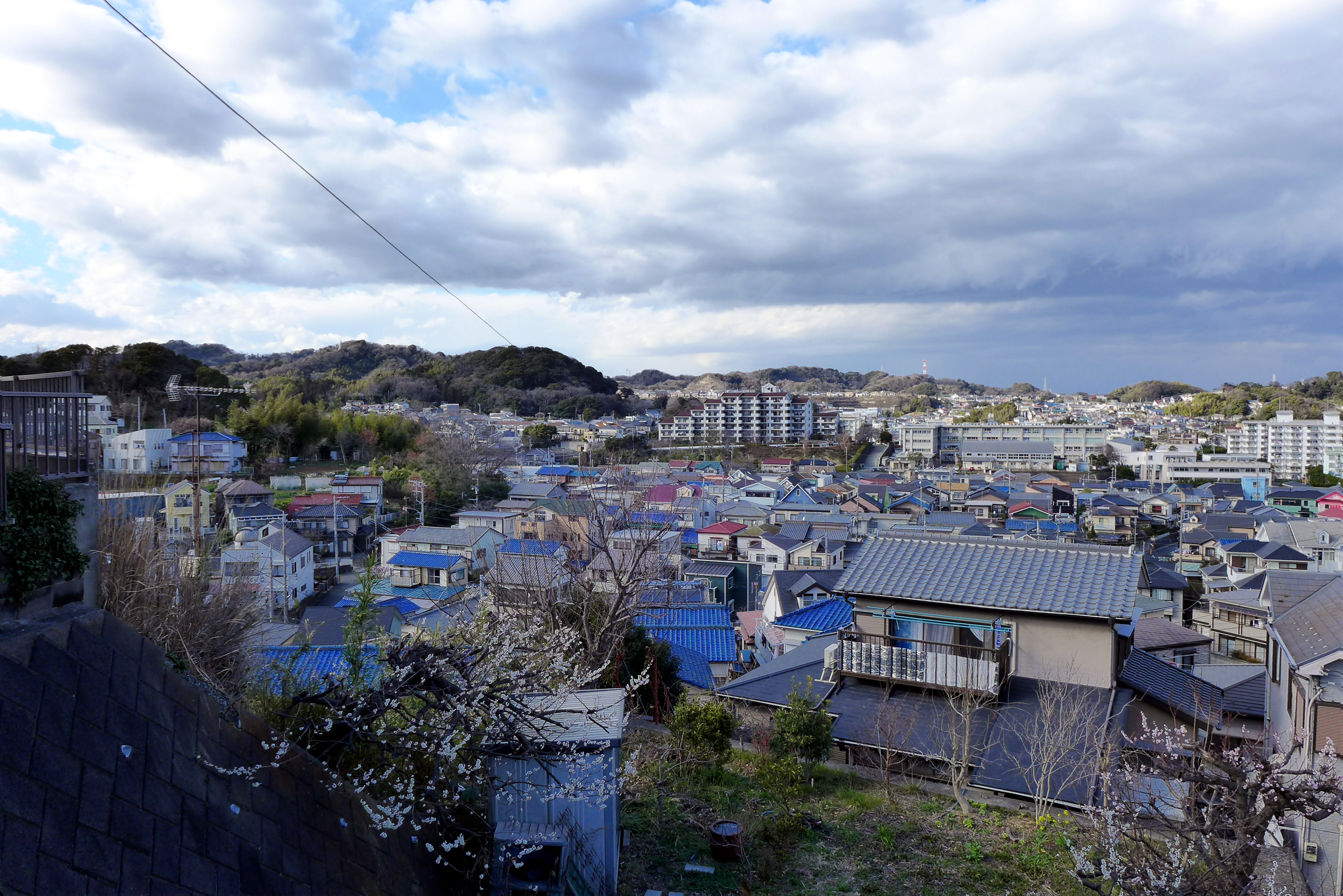
Another Shinto shrine I came across on my walk was Hirasaku-jinja 平作神社, a tiny shrine that served the area around it as a protective shrine. Known as chinjusha, 鎮守社, this type of shrine enshrines the kami that protects the local area. These kami are not necessarily well known or very powerful, but hold importance in the area as guardian spirits. The view from near the top of this shrine was pretty great, making up for its size.



I also came across another chinjusha attached to one of the Buddhist temples. This shrine, Kasamori-Inari Daimyoujin 瘡守稲荷大明神, was dedicated to one of the most well known protective kami in Japan – Inari, the fox spirit. This shrine was actually hilarious, as whoever made or found the fox statues seemed to have an eye for the grotesque. All of the fox statues were pretty unconventional-looking, and I suspect they had been found at a car boot sale or in the woods somewhere. Though they were sporting lovingly made knitted red hats, they looked a sad state as half of them were damaged and the rest were plain ugly. I mean, some probably used to be normal-looking but several clearly didn’t even start that way. Perhaps the curator felt sorry for all the rejected fox statues and gave them a home. In my head I dubbed it ‘Ugly Fox Shrine’ and every statue seemed funnier than the last.


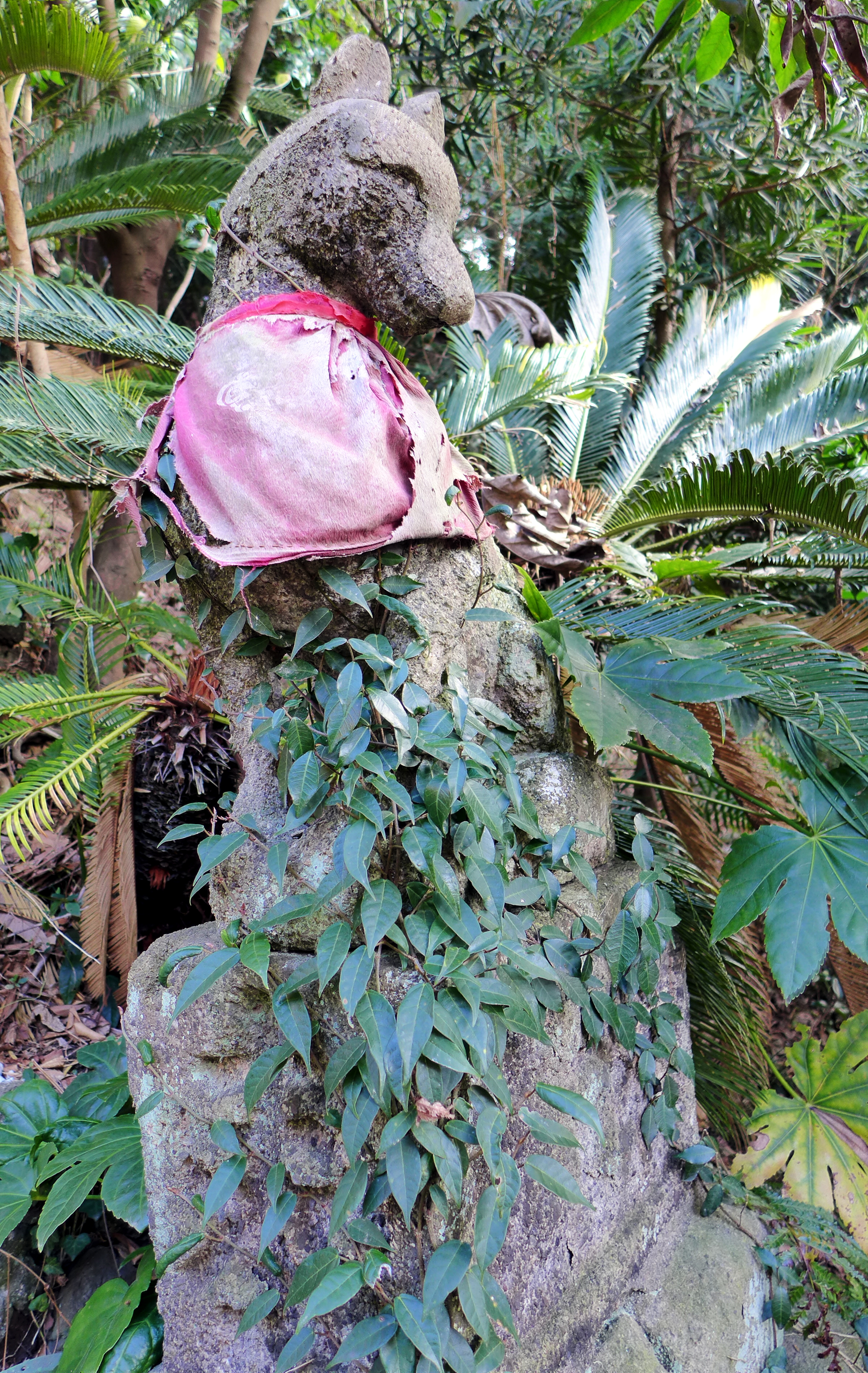
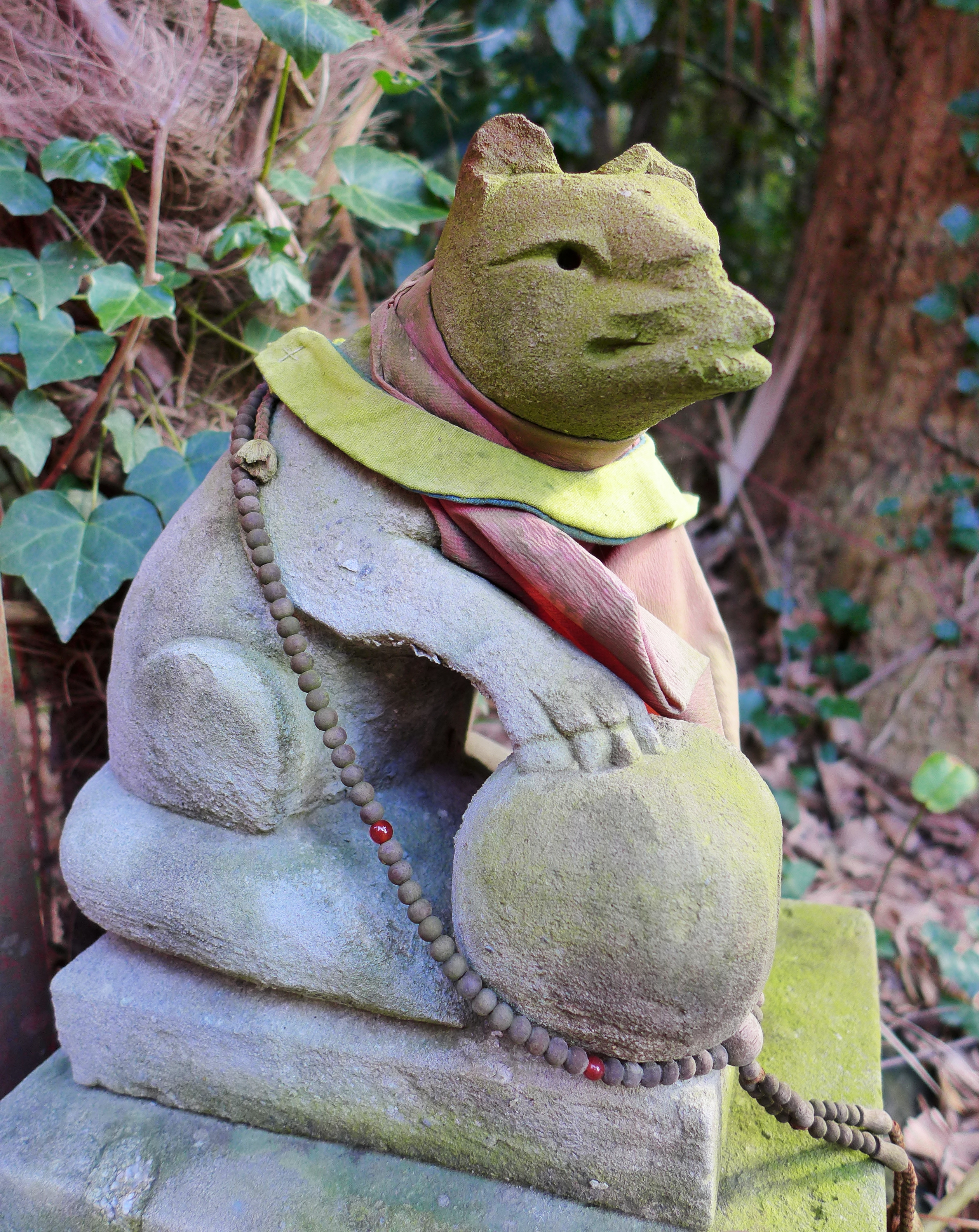


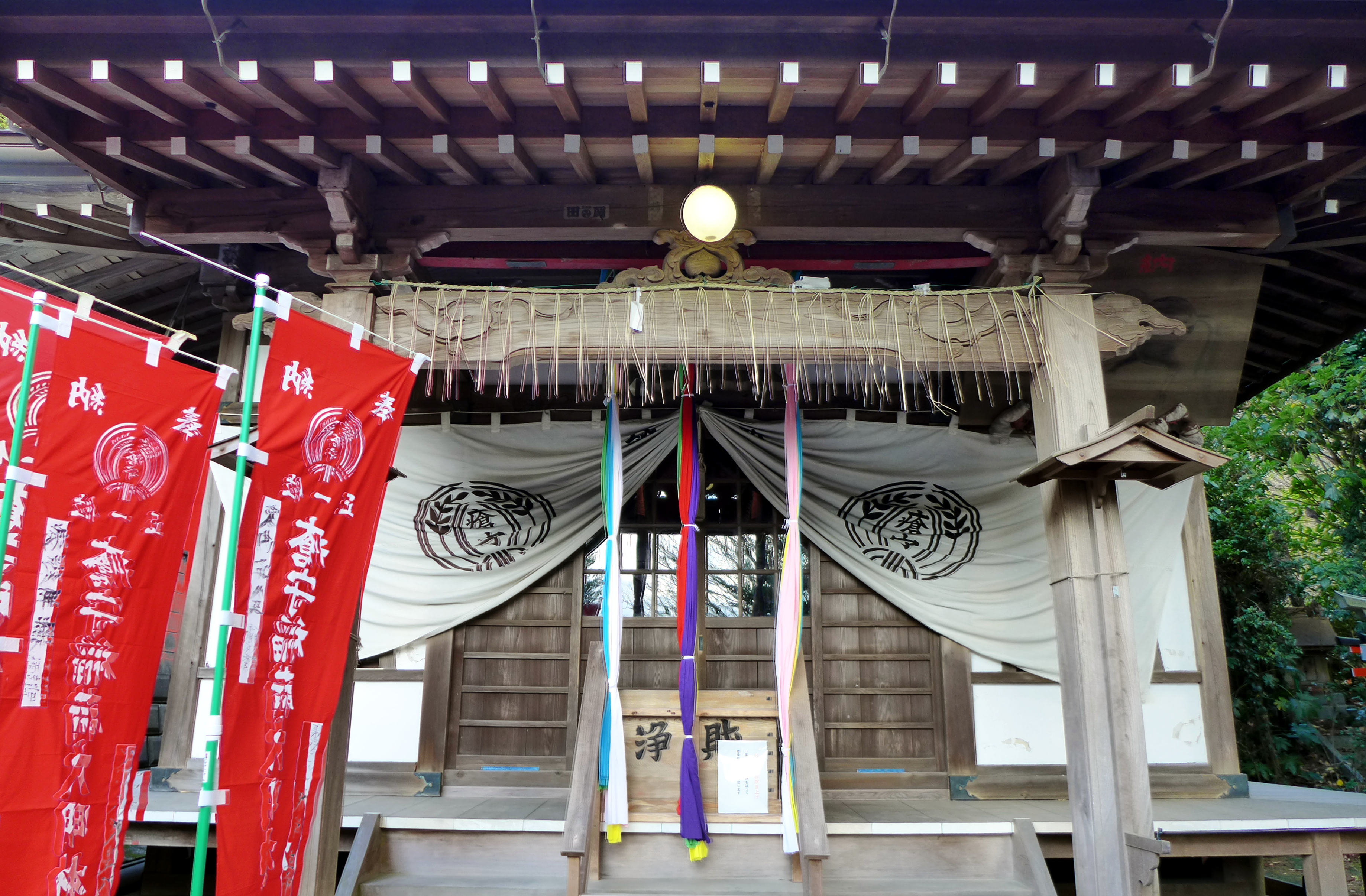

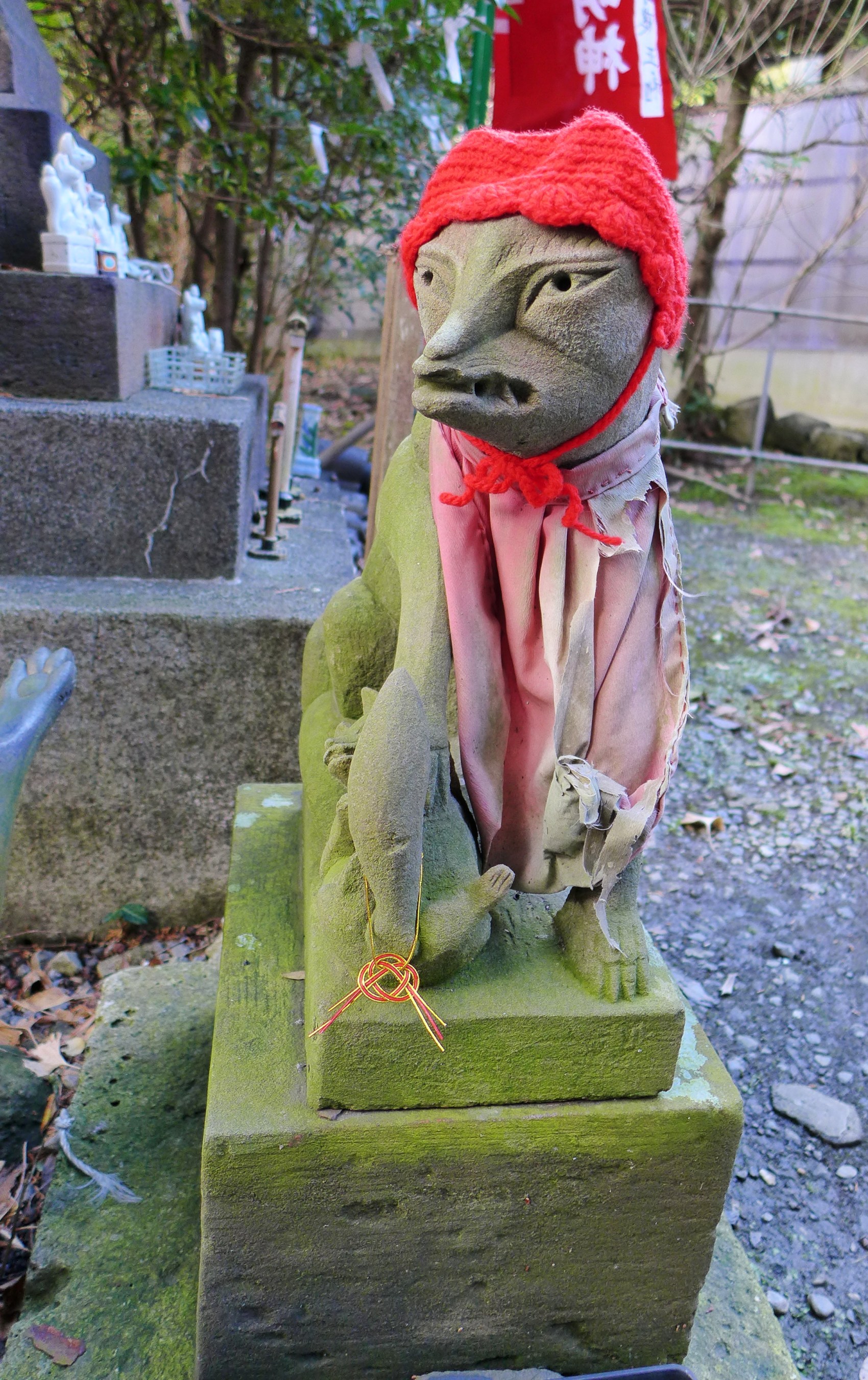
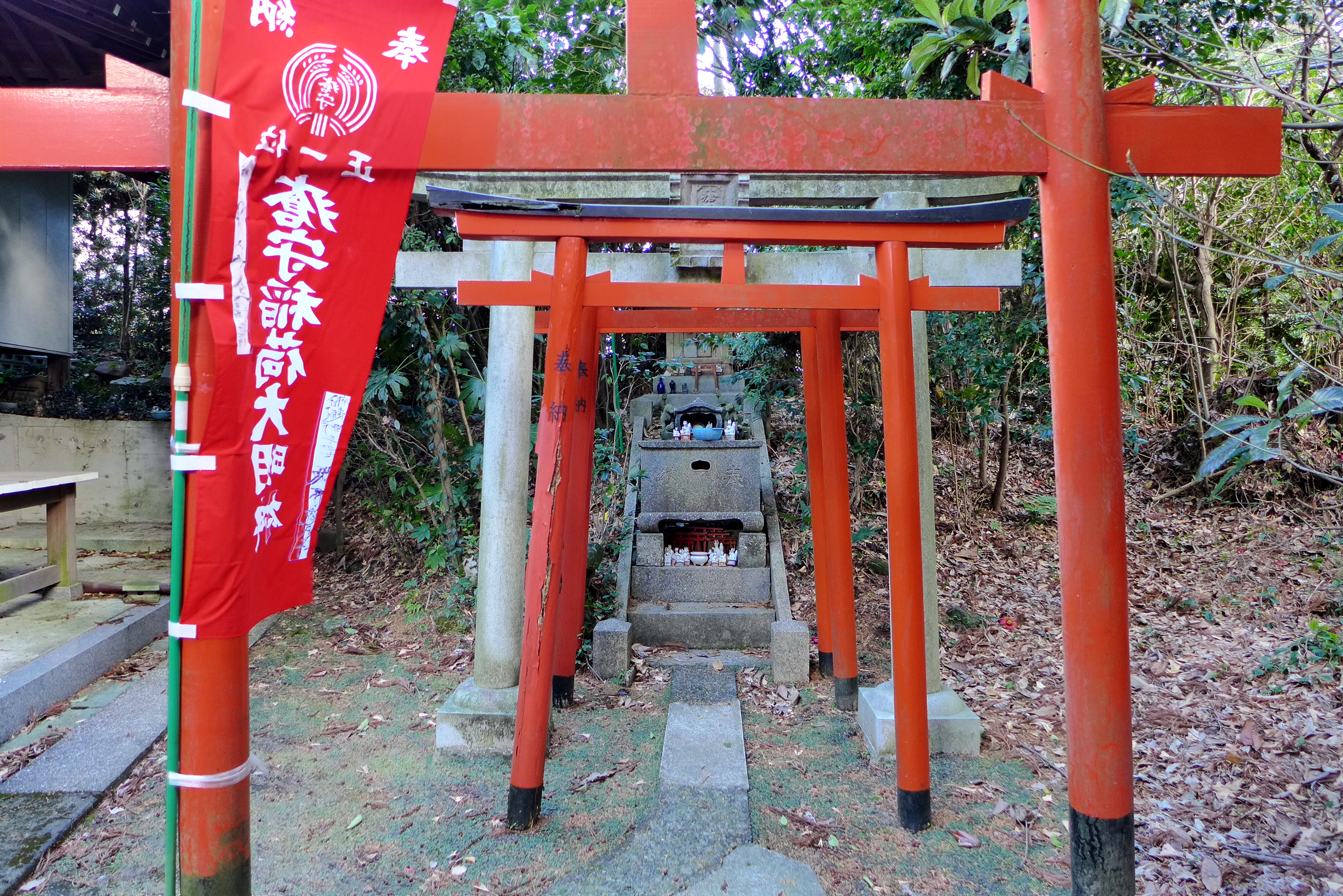
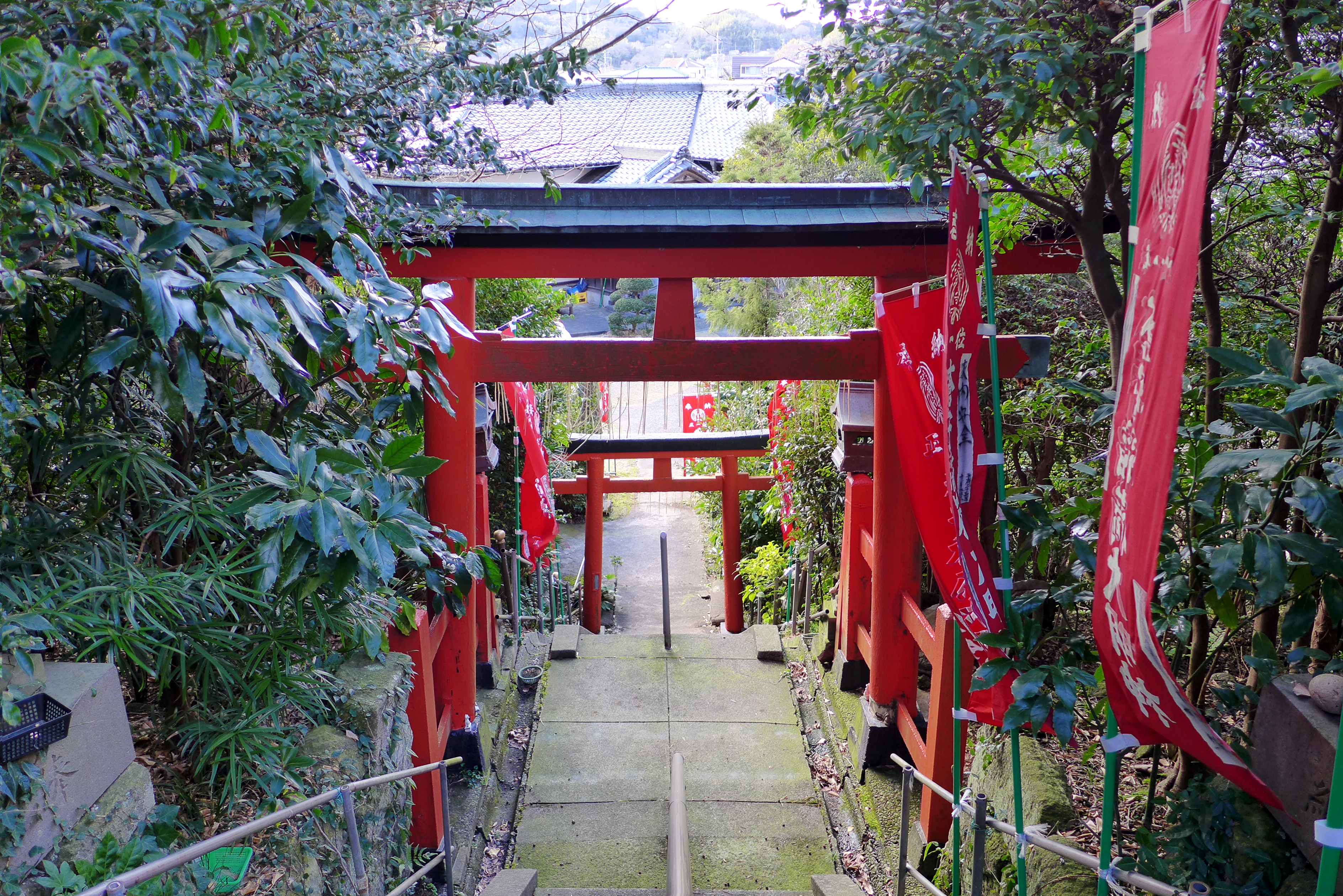


Ugly Fox Shrine was attached to Myotozan Ookuraji 明登山大蔵寺, which was comparatively uninteresting and had no sign of stamps. This is part of a series of temples that I visited which all used to belong to the same network of Nichiren temples. These temples were part of the head-temple, sub-temple system until 1941. The reason for the dissolution of the network was due to the advent of the modern Japanese schooling system; temple schools slowly fell out of use and several sects fell into extinction. In reaction to this, the old Nichiren, Kenpon-hokke and Honmon sects fused together to form a single new sect, confusingly also called Nichiren. The old head temple system was abolished in favour of a religious council that managed all the temples and the whole system experienced an overhaul. Despite these changes, the appointment and dismissal of head priests, supposedly managed by the religious council, is still largely managed under the old head-sub temple network; it was difficult to totally erase such a long-standing relationship between temples.



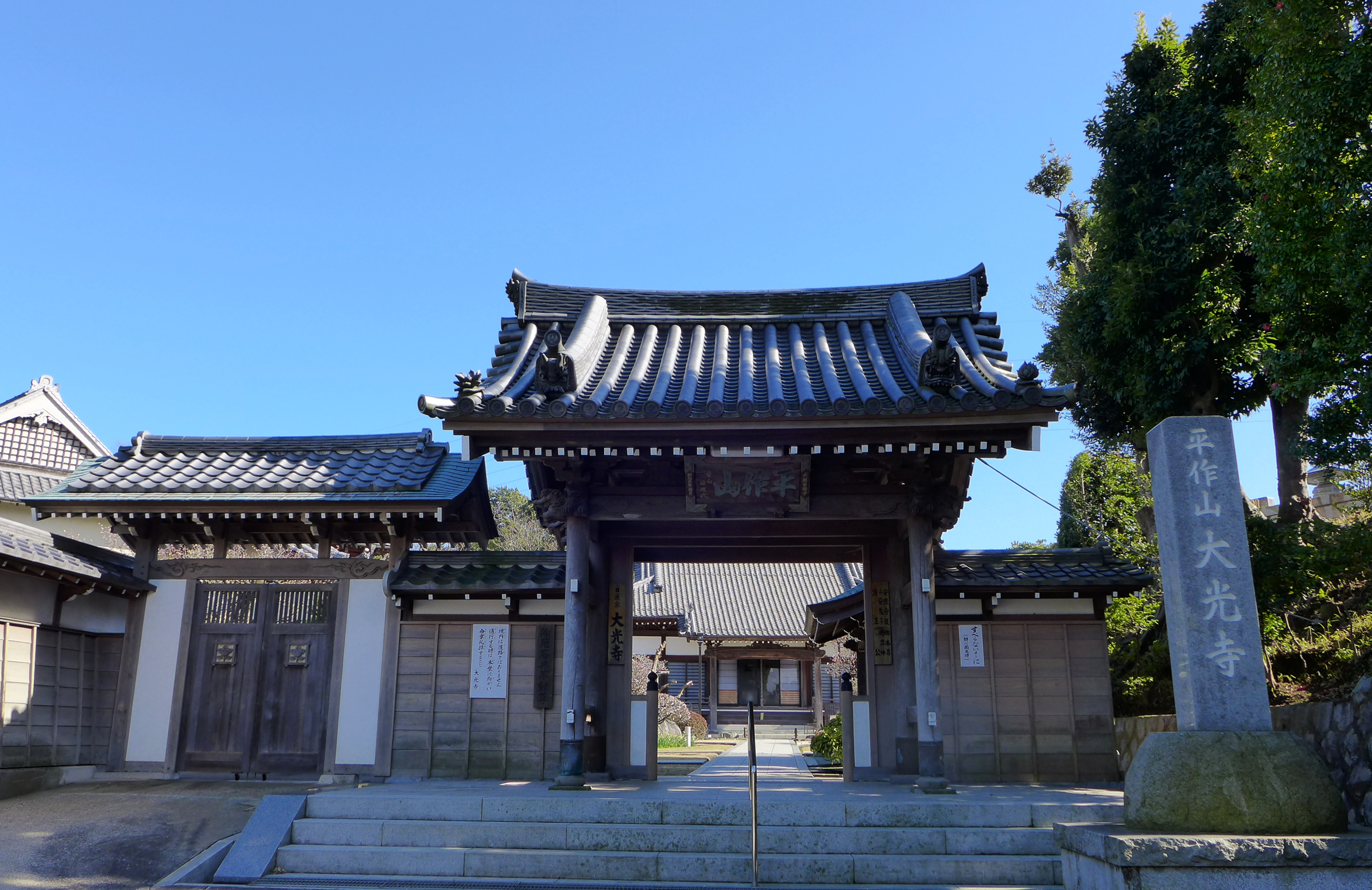
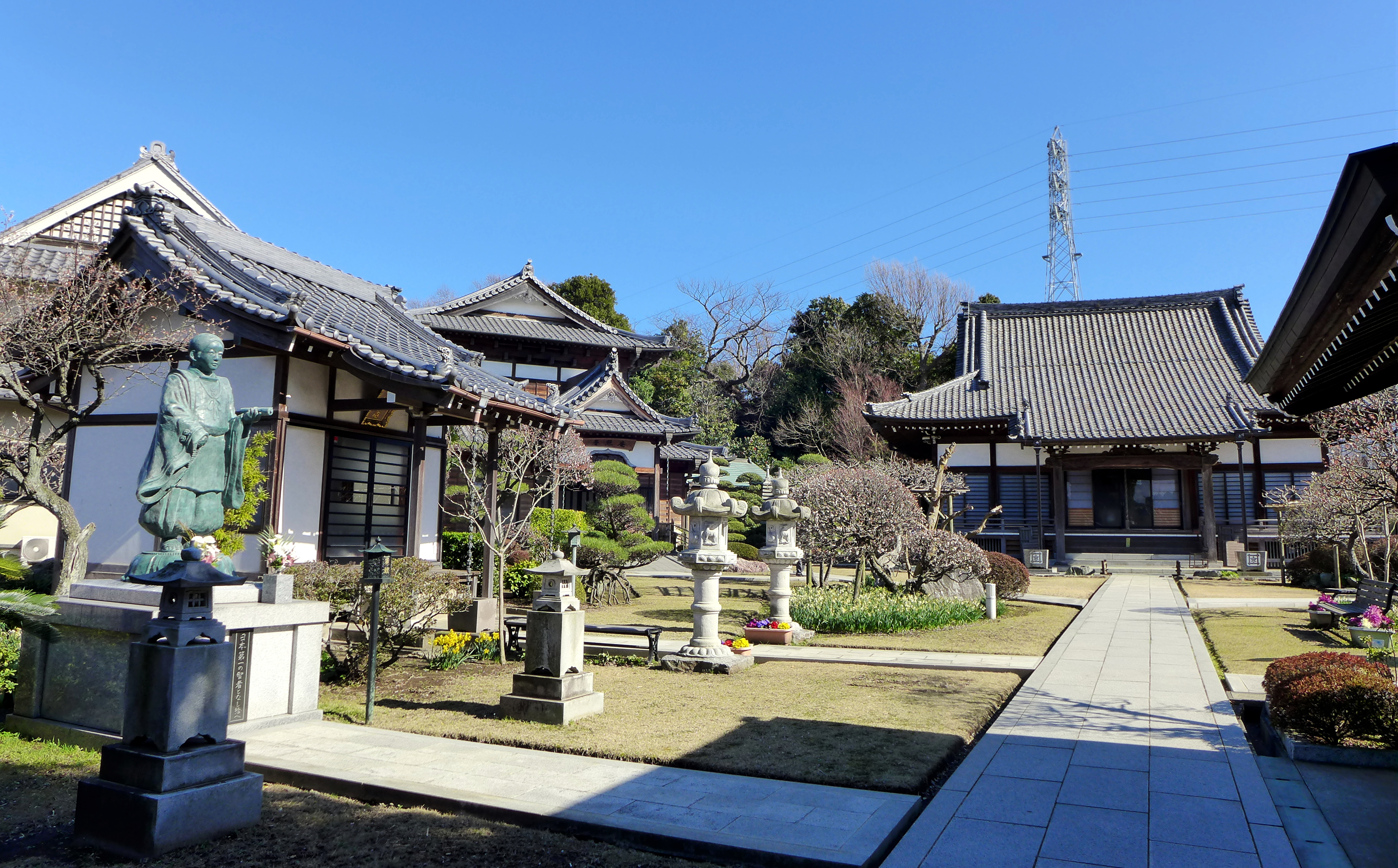
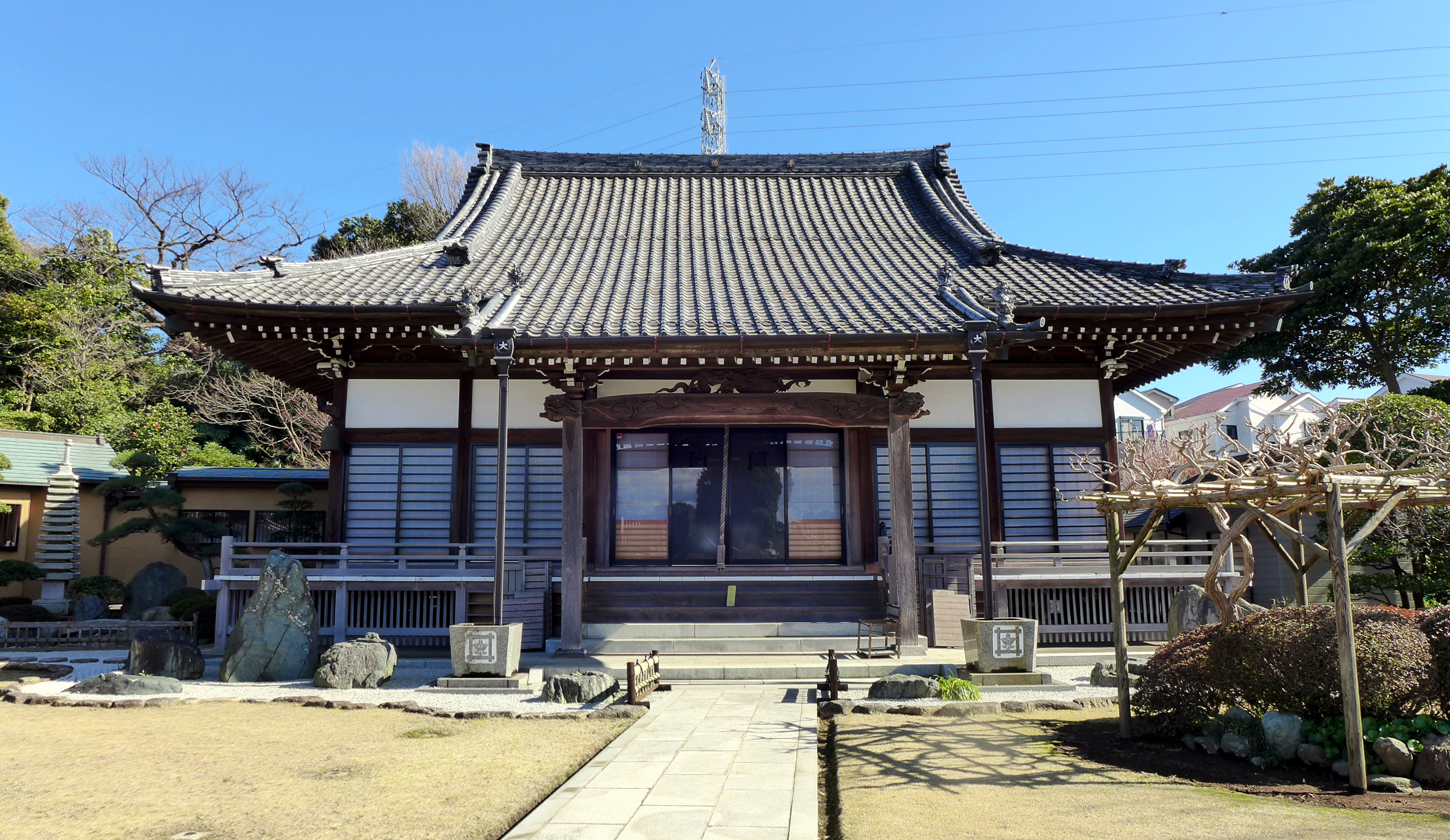
The other temples in this group that I visited had very little information on them on site or online. Heisakuzan Daikouji 平作山大光寺 was interesting in that it had a large courtyard with very well kept gardens and a lot of buildings, very different to the others in the old Nichiren sub-temple network. They kindly let me have a look inside the main hall (the guy even spoke English to me which was surprising).


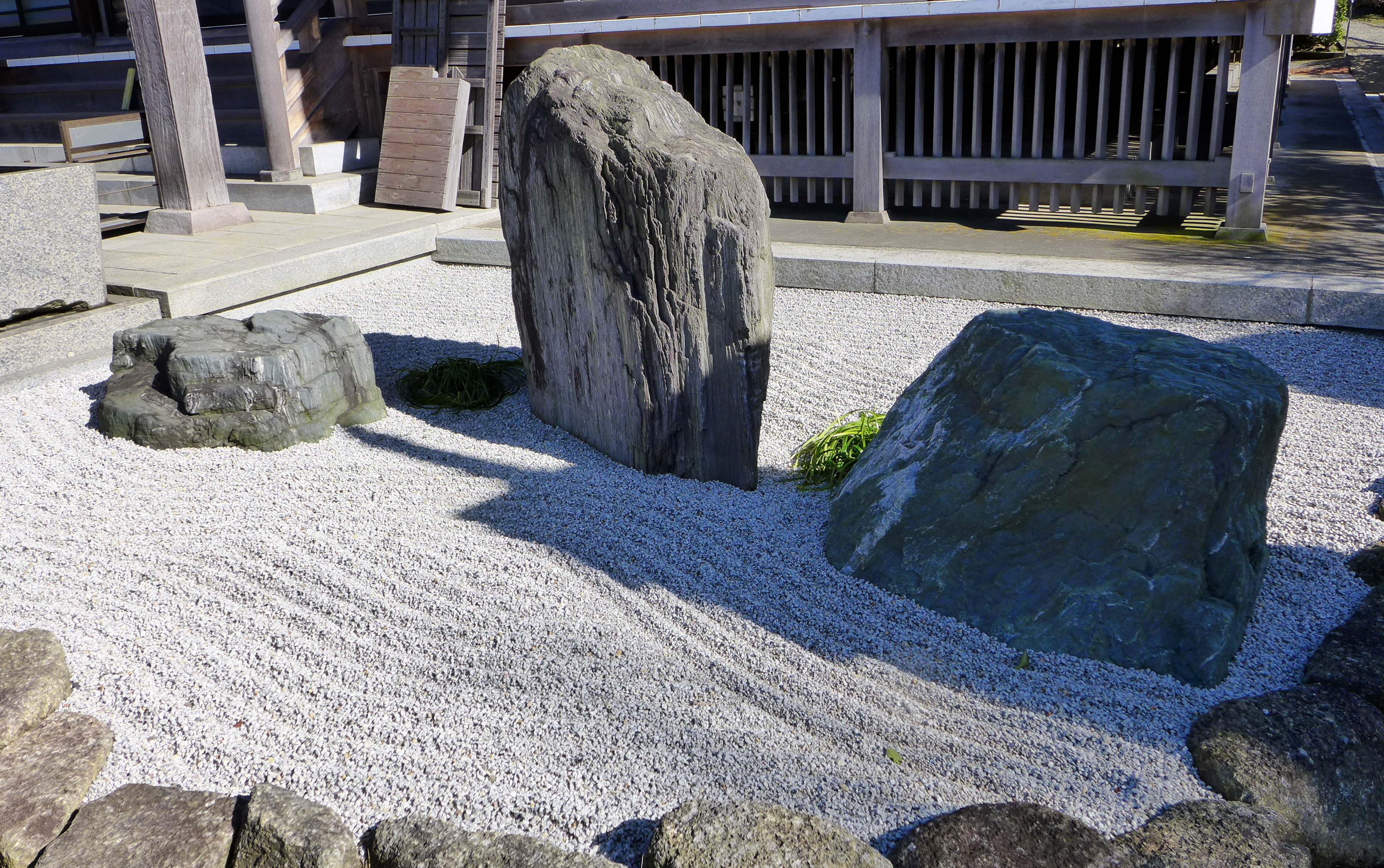


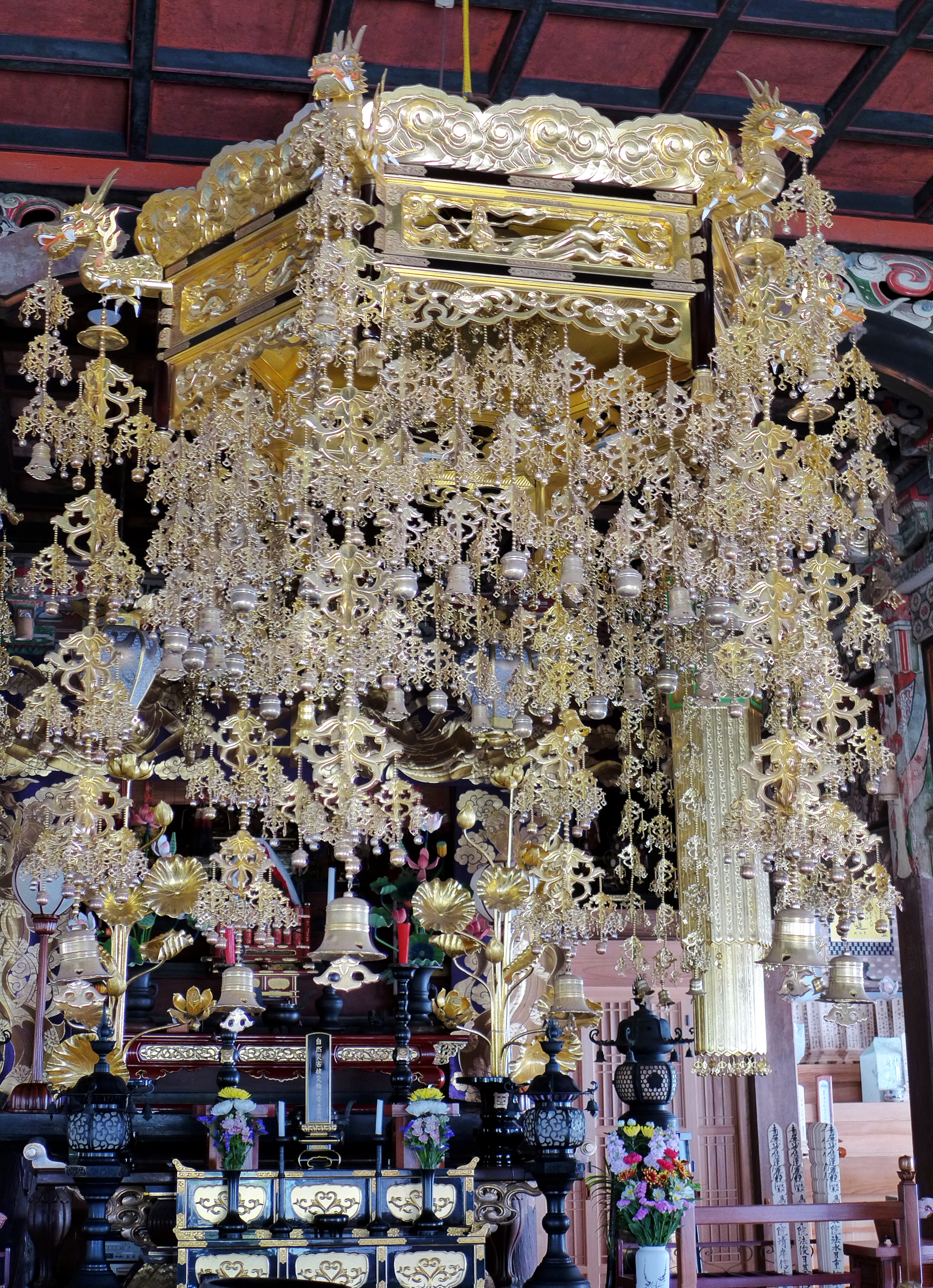
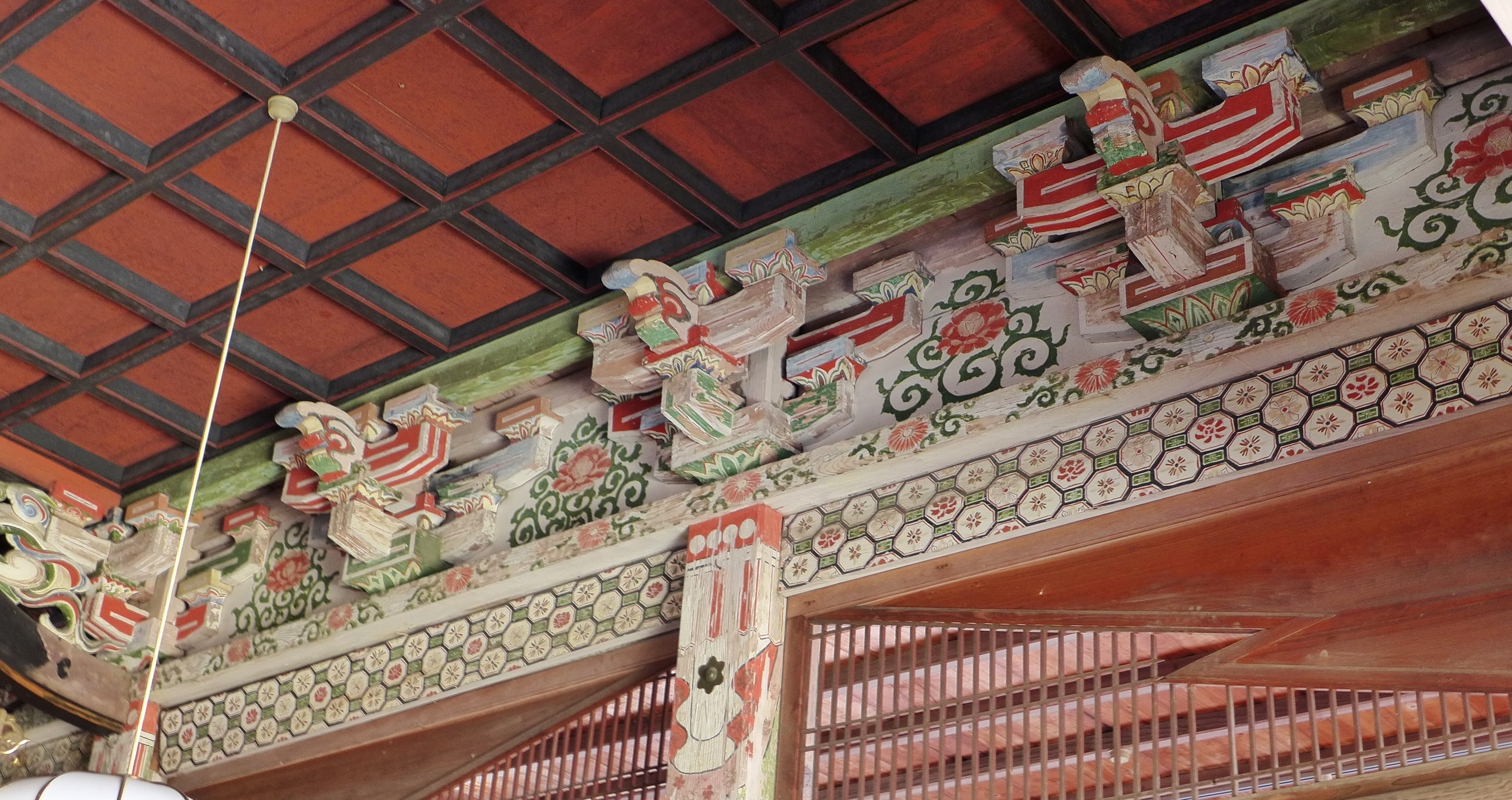



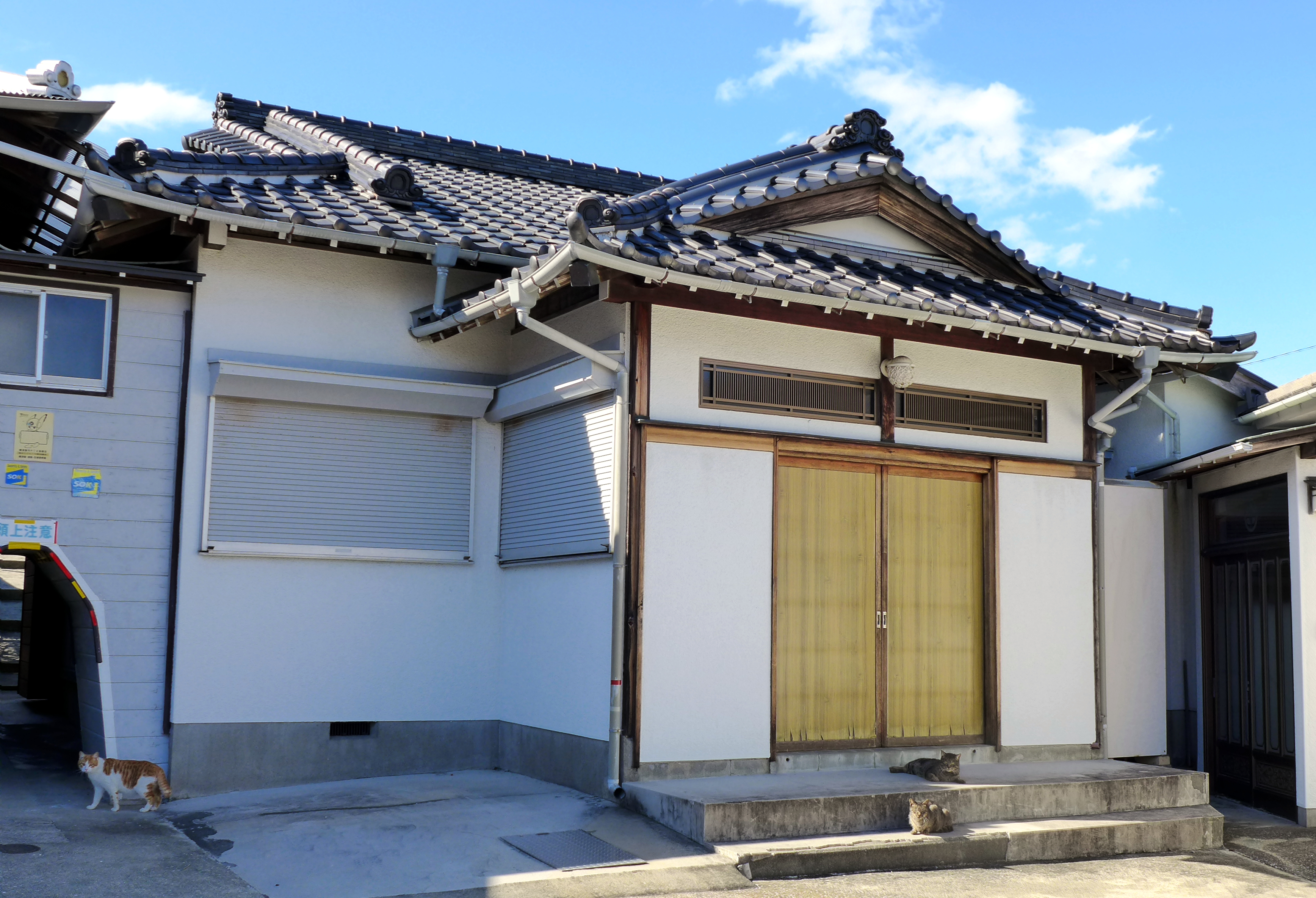
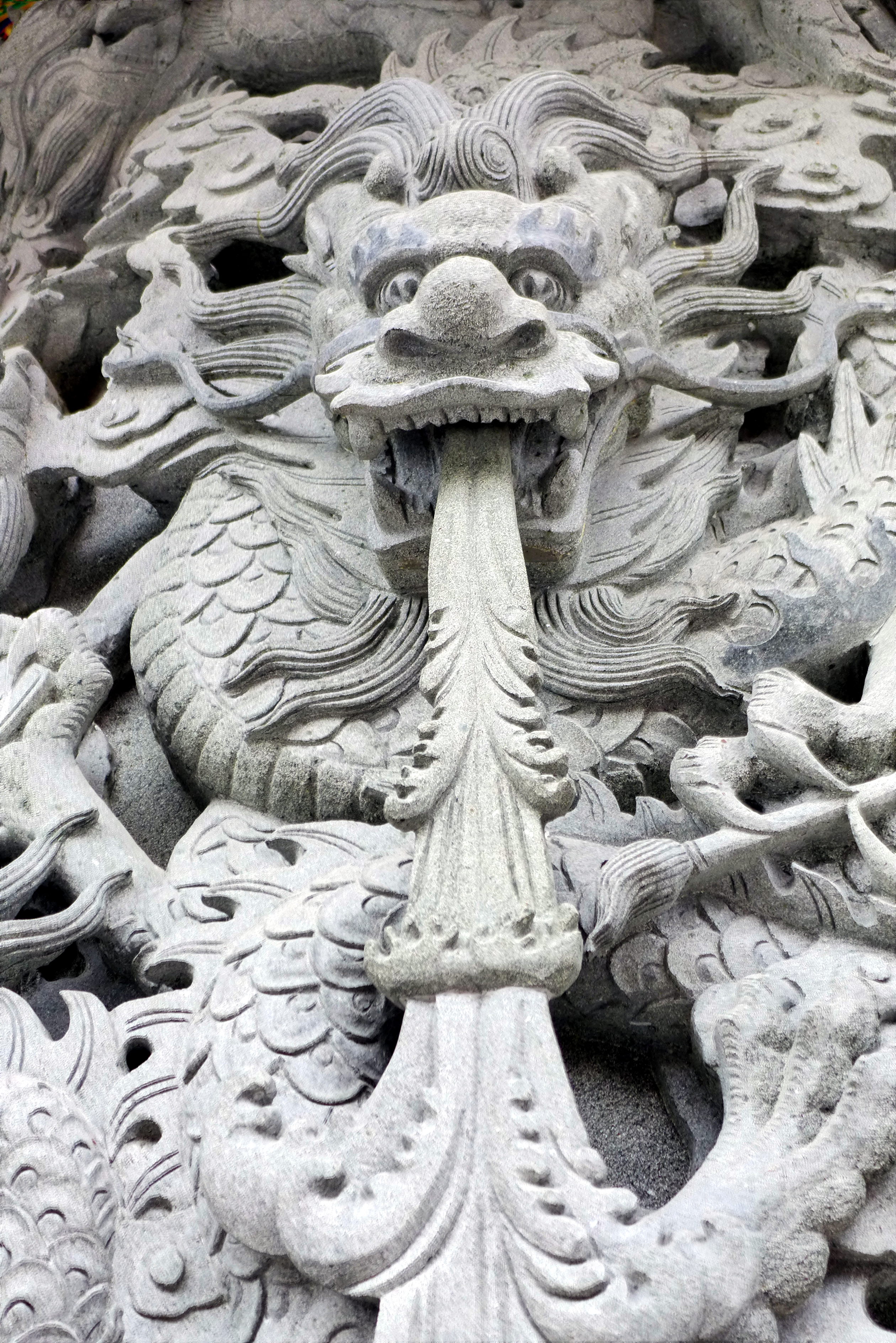
The last temple in this group, Gyokuryuuzan Fukusenji 玉龍山 福泉寺, was probably the most disappointing as it was simply a white building. It was redeemed by the large number of cats sunning themselves outside it, and also the fact that its mountain name has ‘dragon’ 龍 in it.
You may have noticed that all the temples (not shrines) I have talked about so far have had two names, the first ending with the character 山 and the second with the character 寺. The first name is known as the ‘mountain name’, as 山 is the character for mountain. This dates back to when temples were typically monasteries built upon mountains – the mountain name was often a geographical reference to the mountain upon which it was founded.
Though not all temples are now built on mountains, temples are seen as metaphorical mountains and are counted with the counter ‘~san’ ~山. Founding a temple is called 開山, literally ‘opening a mountain’. Temple names are now not always references to the mountain nearby but can be referring to the name of a founder, the founder’s parents, a deity or several deities. As mountains are naturally sacred places, temples are known as mountains to emulate or embody that sacred nature.



The final temple I visited was Shomyouji 称名寺, a Buddhist temple belonging to the Jodo Shinshu sect. Originally a Nichiren temple, the popularity of the Bodhisattva Kannon increased dramatically in the area around the temple, and it was converted to Jodo Shinshu in 1233 due to popular pressure. The temple was moved to its current location in 1443 after it was burned down in a storm. The Kannon hall burned down but it is said that in the ashes of the hall, the head of the old statue of Kannon remained like a phoenix egg, and when the new statue was constructed the head was placed in its belly. This is why the Kannon statue has its right hand on its belly, and is said to bring the blessing of easy childbirth. Sadly I could not get or find a picture of the statue.
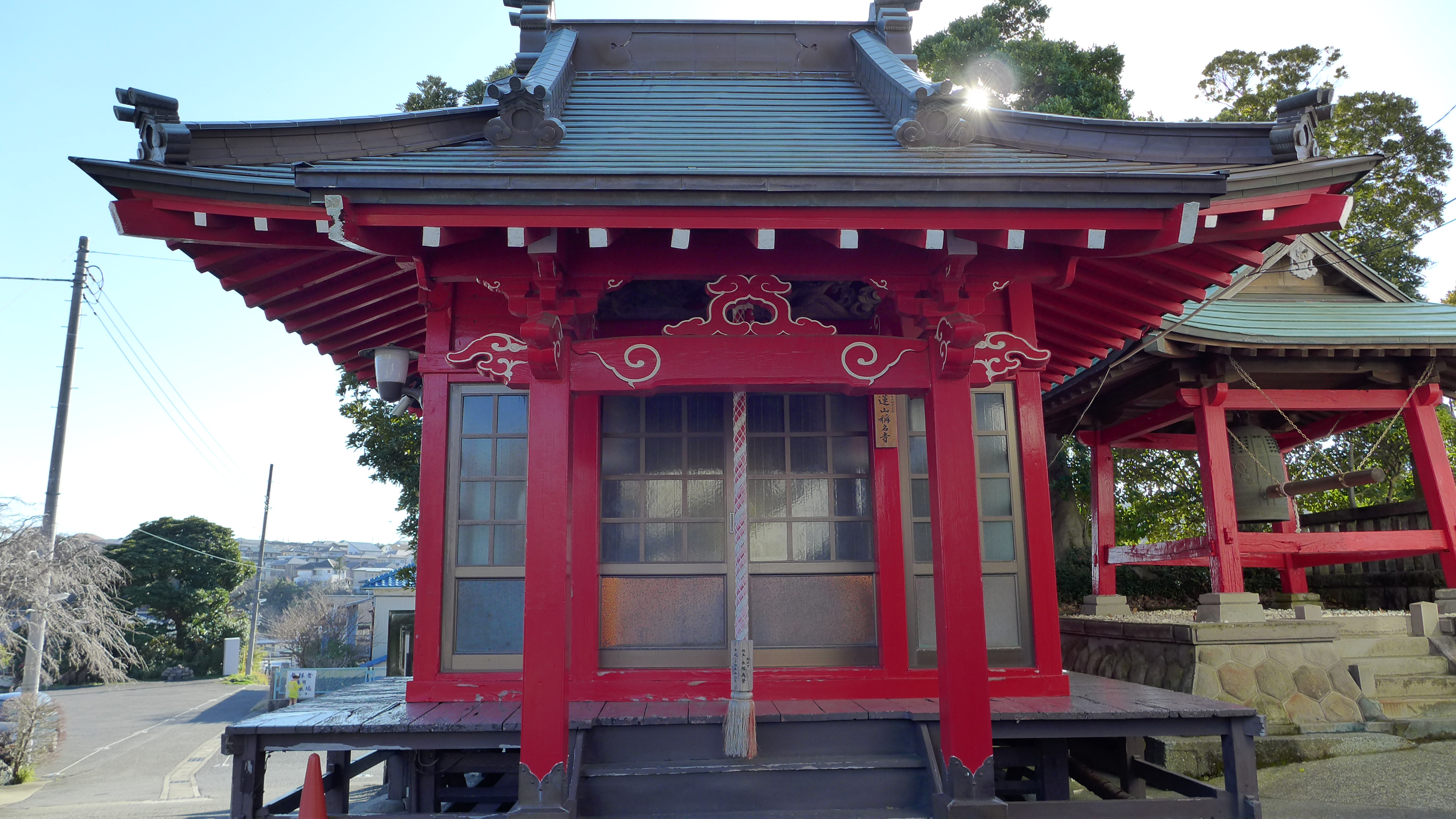


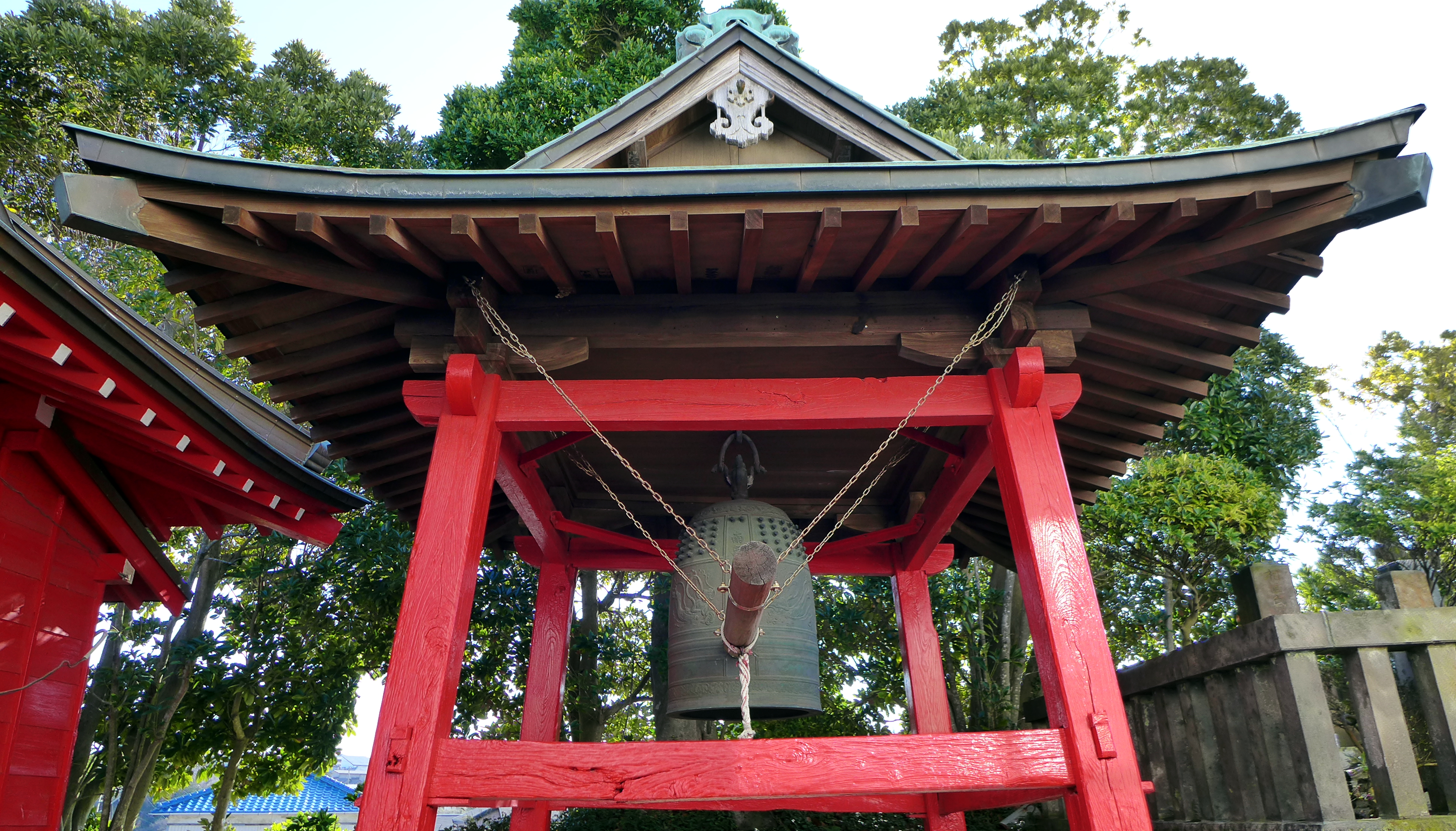
Unfortunately this wasn’t the last burning this temple would receive; in 1970 it burned down again and was reconstructed in reinforced concrete – the monks were clearly pretty determined that it shouldn’t burn down a third time. Fortunately the red Kannon building with the special statue survived.
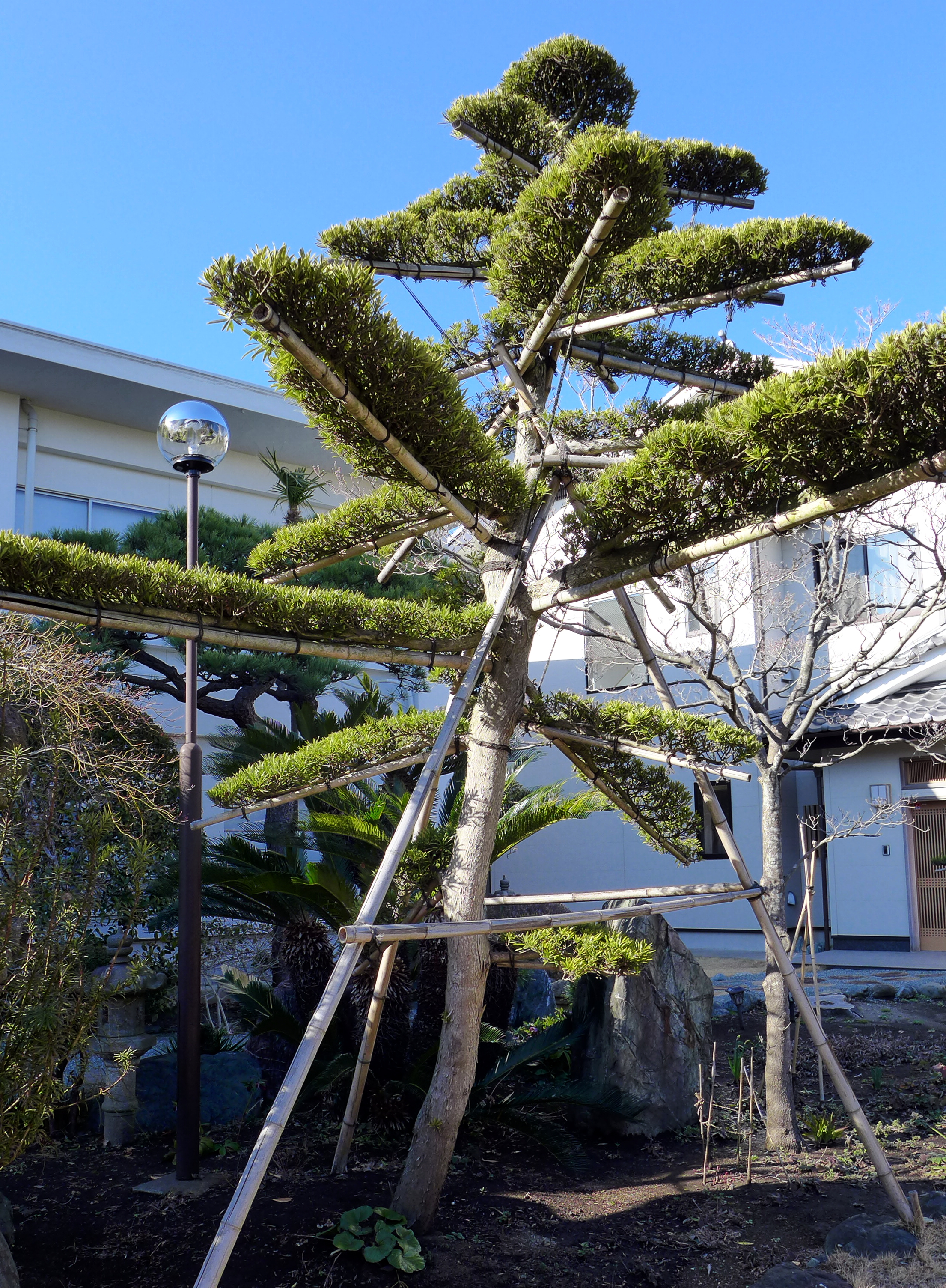
This temple is part of a Kannon pilgrimage circuit around Yokosuka, and it appears it gets a lot of sponsorship – we noticed a wooden board with names and numbers on it, which I worked out corresponded to the amount of money an individual or a family had donated to that temple. Also, the garderner seemed to have a penchant for perfectly straight tree branches, which was pretty weird considering I thought Buddhism was into things looking natural.




Walking around the local temples in Yokosuka was great and I am glad I found out so much more about Buddhism and Shinto from them. It is always nice to go for walks around the neighbourhood, especially in spring time when the blossoms are out. Expect plenty more pictures of blossom soon as it is approaching Sakura season in Kyoto.






















 japangie