

The temple I enjoyed most when I visited Tokyo, and possibly one of the most varied temples I’ve been to, was the Hase-Kannon temple (長谷観音). This temple was founded in 736, and is dedicated to Kannon, the favourite Bodhisattva of the Japanese. Hase-Kannon has a huge gilded wooden statue of Kannon enshrined there, but alas I was not allowed to take any pictures of it.

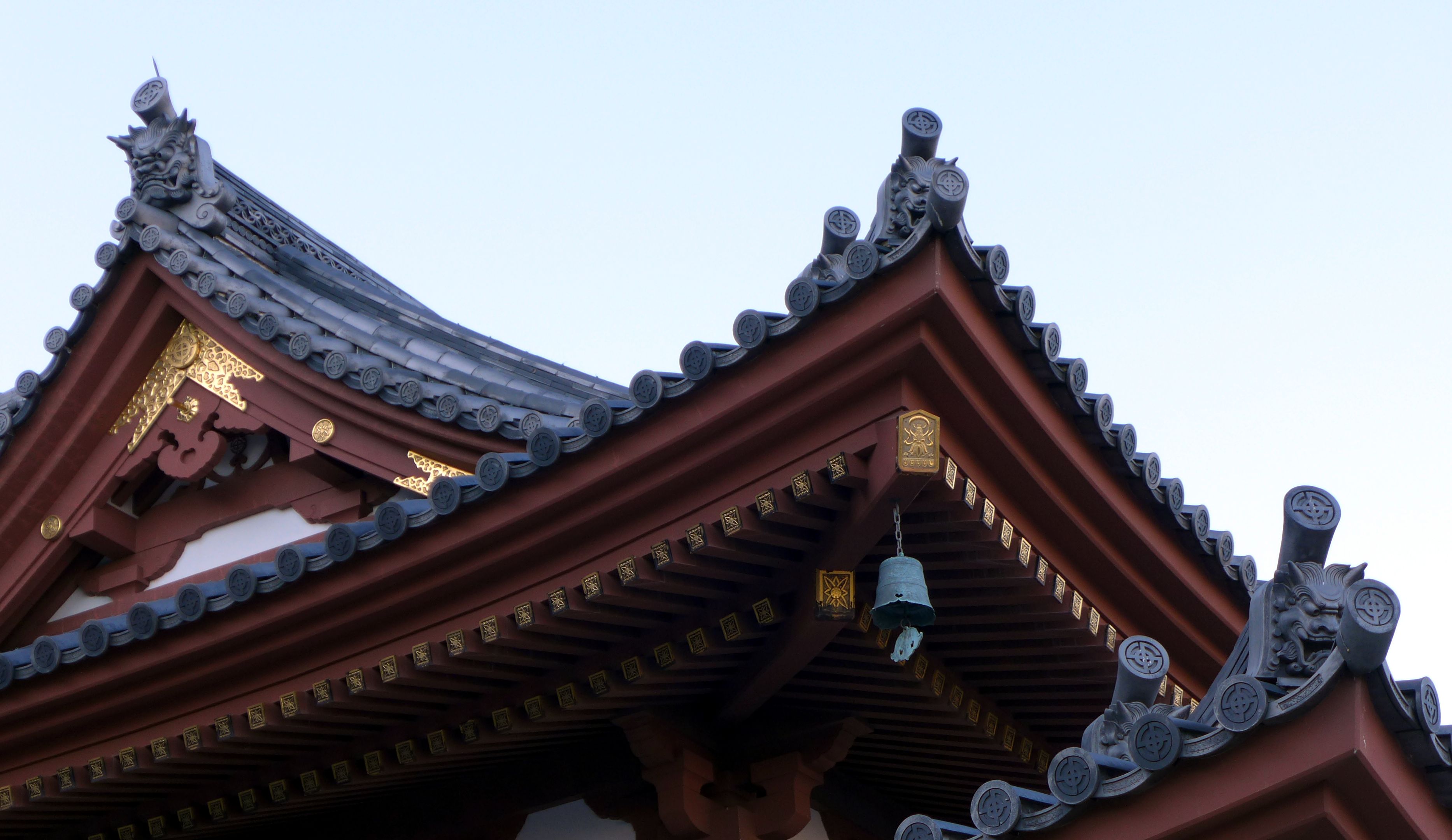
The statue, which is 9.18m tall, is said to have been carved from a huge camphor tree by the monk Tokudo in 721. He carved two huge statues from the same tree, enshrining one in Nara, and casting the other statue adrift at sea, to allow it to find a place with which it had a karmic connection. It eventually washed ashore near Kamakura in 736 and a temple was built to enshrine it. The statue is huge and impressive but also serene, I would strongly recommend going to see it; it’s a something that you really have to experience rather than just read a description.

Hase-Kannon temple also had a cave! This was the first temple I’d been to with a cave, so it was pretty exciting. The cave roof was quite low – I had to duck a lot and I’m not exactly tall.
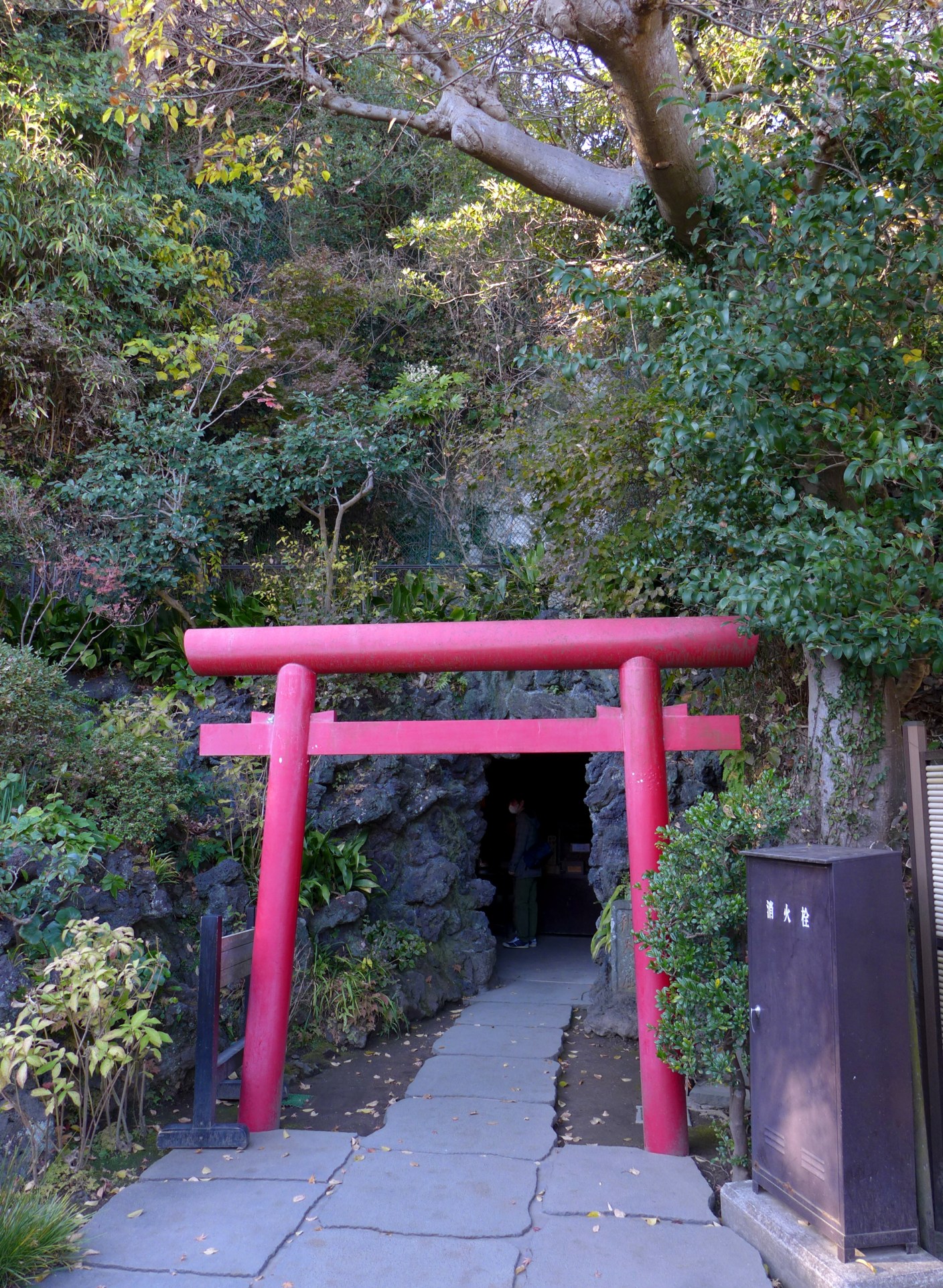
The cave is dedicated to Benzaiten, a Buddhist goddess of “everything that flows”, making her goddess of water, words, music and knowledge. She is said to bring feminine beauty and has become somewhat of a Shinto Kami as well as a Buddhist goddess – like the god Kannon, she is often worshipped at Shinto shrines as well as Buddhist temples. She is one of Japan’s Seven Lucky Gods (and the only female among them); these gods ride the Takarabune 宝船 (literally ‘treasure boat’) and bestow monetary fortune upon worshippers. It is common at new year for children to receive red envelopes with the Takarabune printed on them.
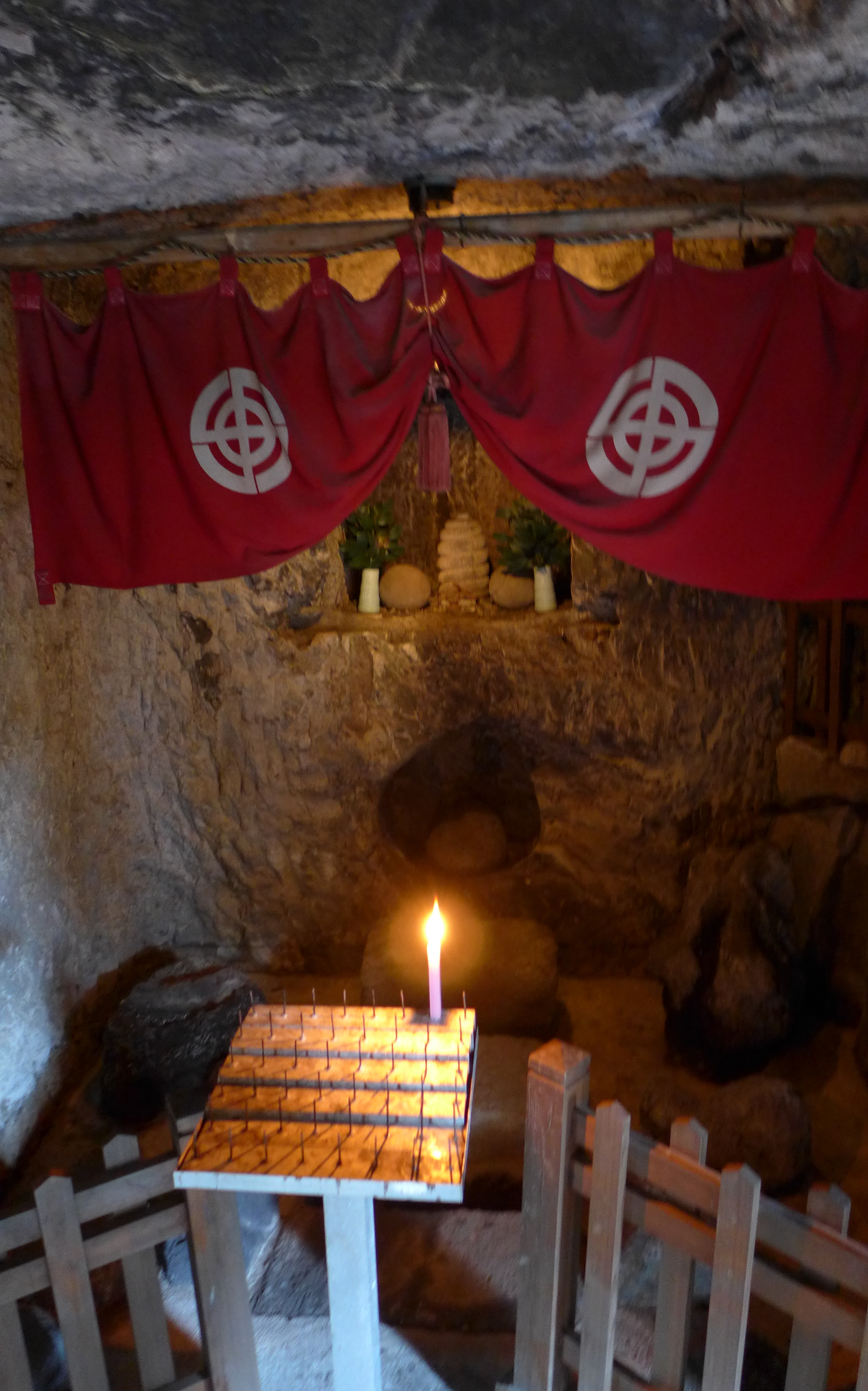


The cave also had many shrines dedicated to smaller Kami and Buddhist gods, though there were no signs denoting who they were – you just have to know. The cave was pretty busy but definitely worth a visit.
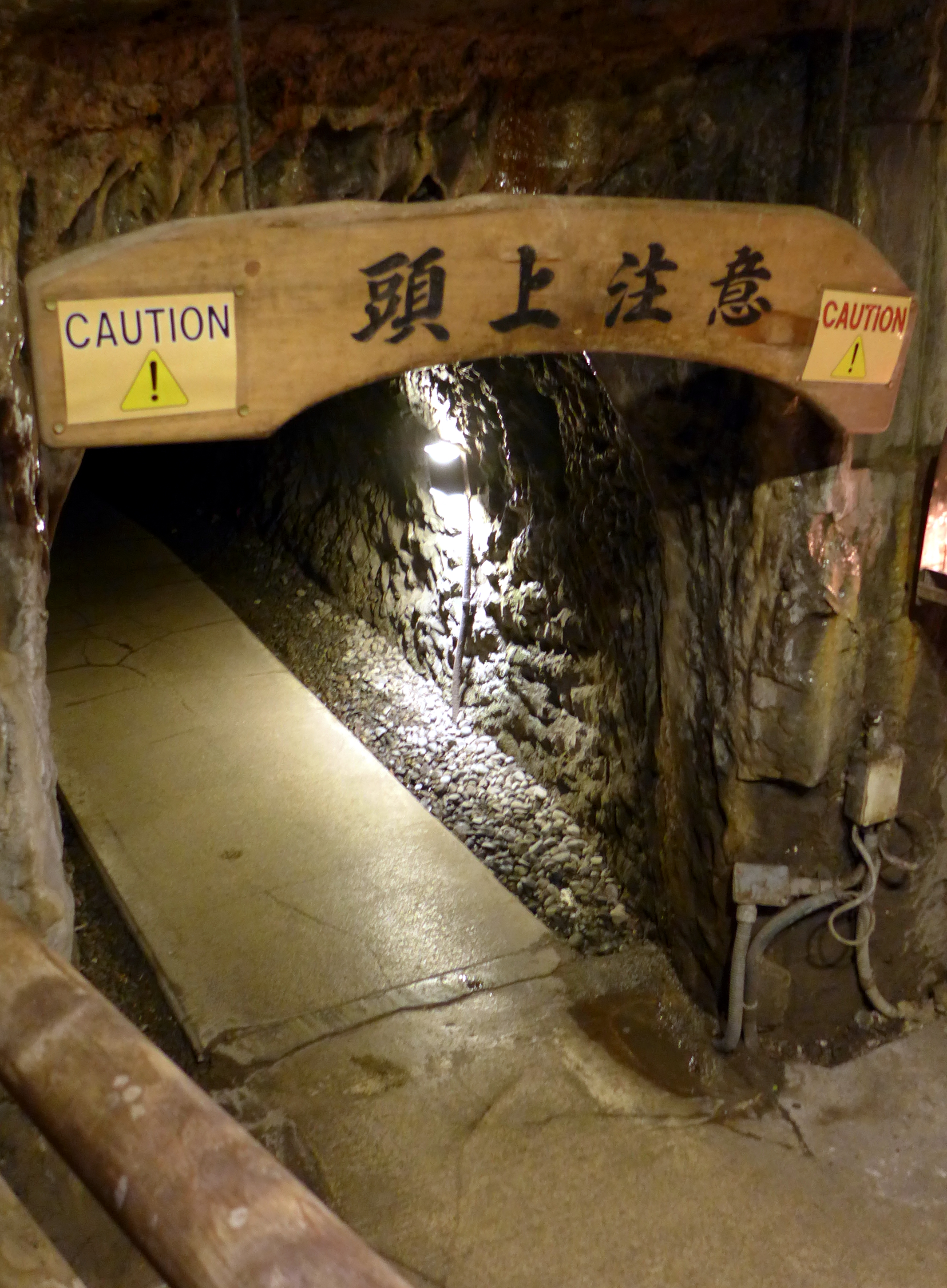
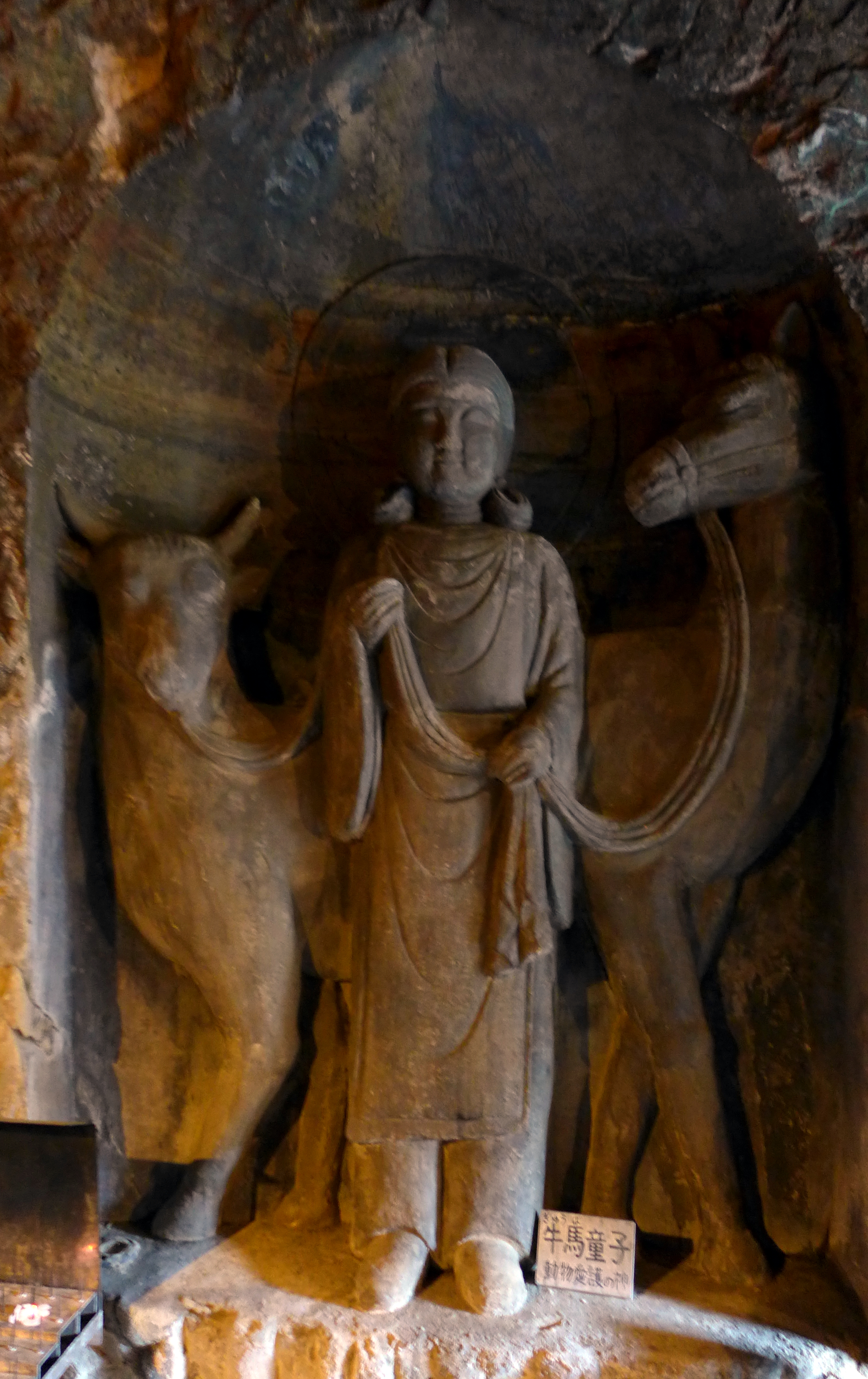

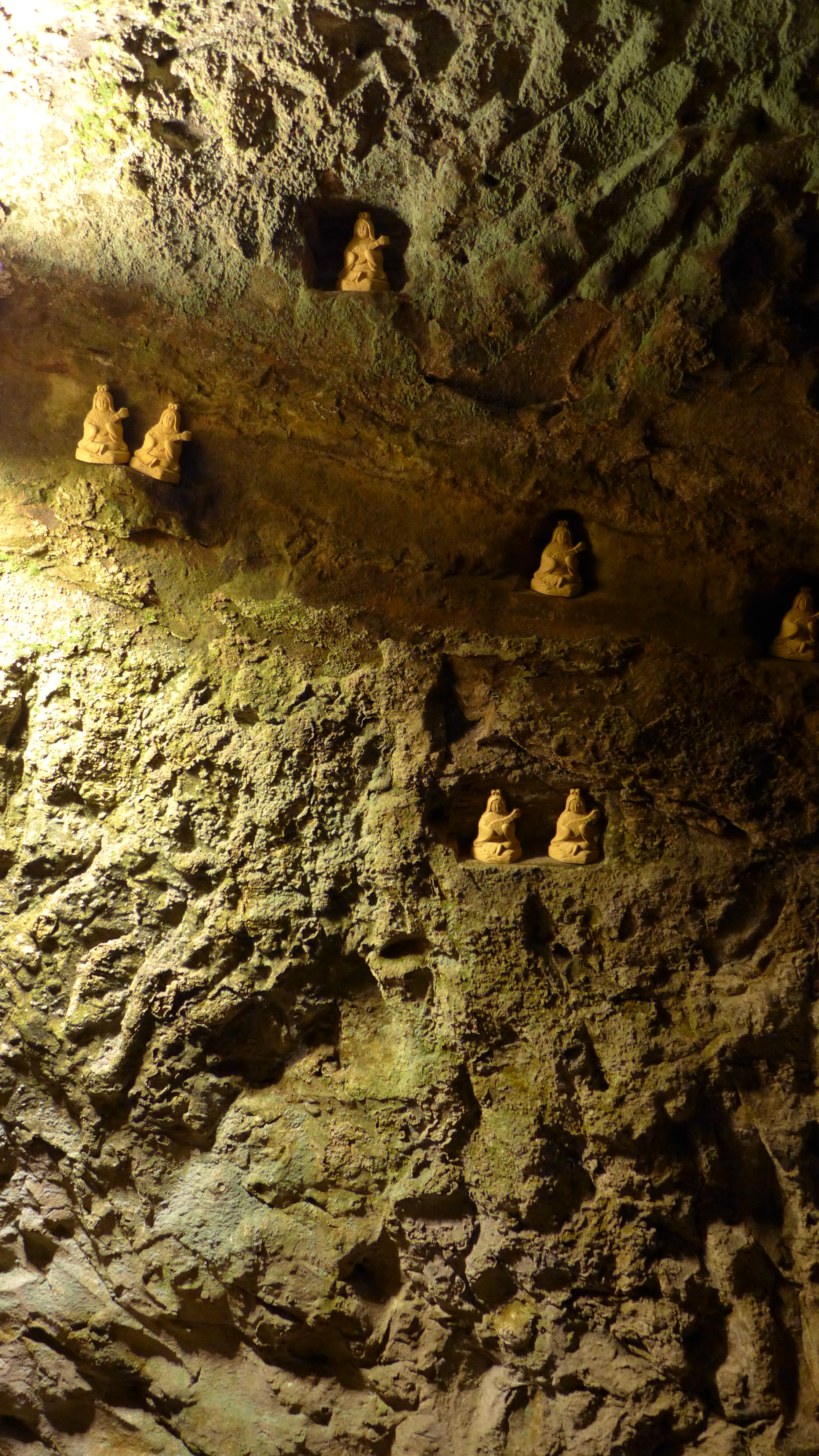
Outside of the cave, there was also a room full of prayer wheels – you spin the wheel and it’s counted as the karmic equivalent of reading the scripture inside. It seems a lot like cheating to me, but I must have gained quite a bit of Karma so I’m not going to complain too much.


This is one of those many-layered temples, which is my favourite temple layout. At the ground level there were a few large ponds where we made friends with some koi. These were brightly coloured monster koi, not the smaller black koi that you usually see. Judging by their size they must have been quite old. The fish were interested in us but eventually realised we weren’t going to feed them and lost interest.


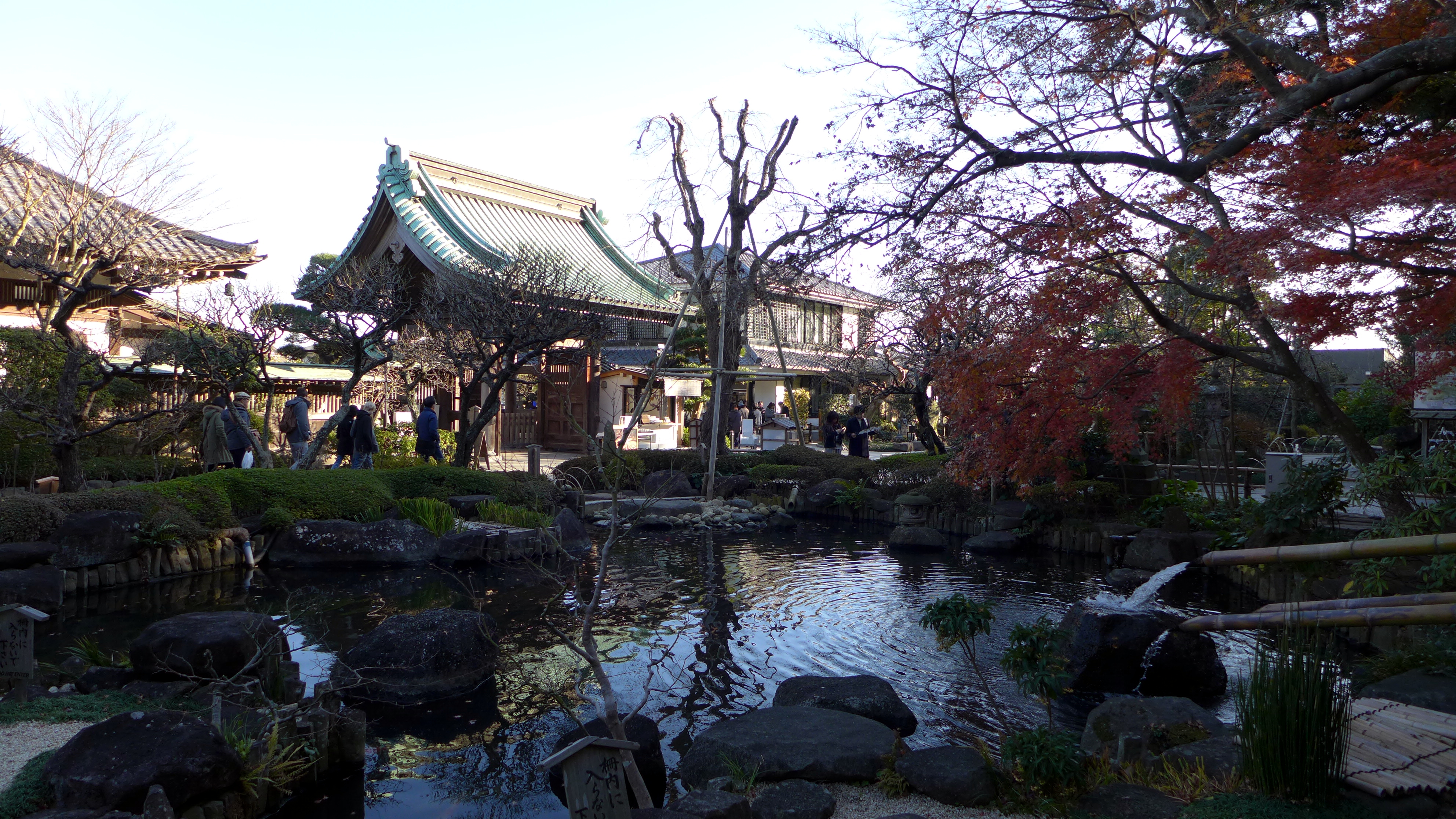
I also got my stamp done at the ground level, I really like this one – the calligraphy is beautiful.
Walking up the steps of the temple I began to notice the many small stone statues placed everywhere. These are Jizo statues – they are said to protect the souls of aborted or miscarried children and bring them to Buddhist paradise. The god Jizo is said to be their guide and so mourning parents will buy the statues to help the soul of the ‘mizuko’ 水子 (literally ‘water child’ – stillbirth). Sometimes these statues are dressed in bibs and hats like children.
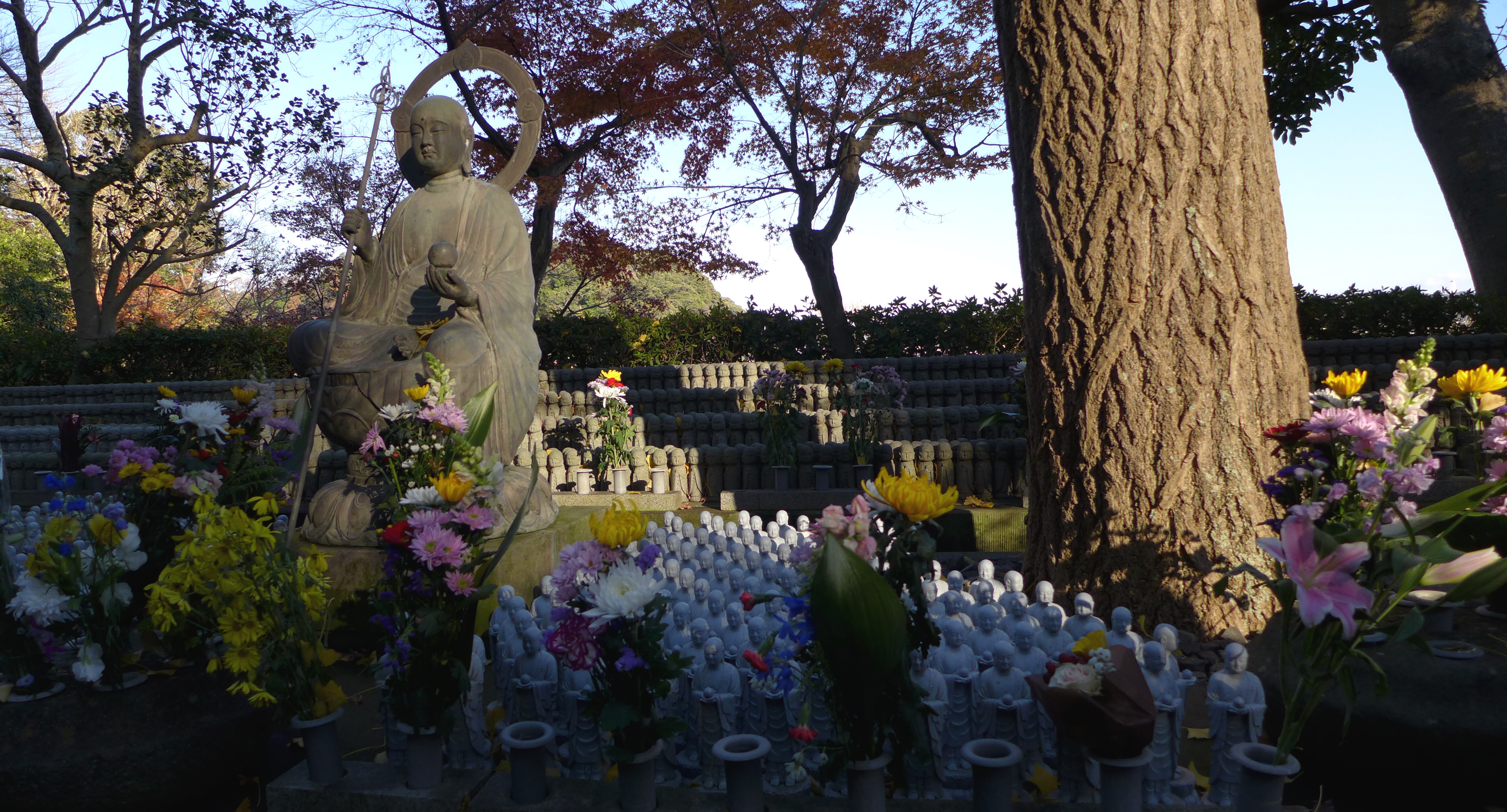

Hase-Kannon is a popular temple to place Jizo statues, and it has to bury or burn the statues once a year in order to make space for new ones. It is estimated that since World War II about 50,000 Jizo statues have been placed at the temple.


About half way up the temple path there was a small shrine with a tori and Inari statues. I assume that this is another ‘shrine within a shrine’ that separates Buddhism and Shinto. There was an inscription next to the shrine that said that as the statue enshrined in the temple “was drifting the sea with oyster shells”, there are oyster shells enshrined there. I assume this means that this Inari shrine contains oyster shells.


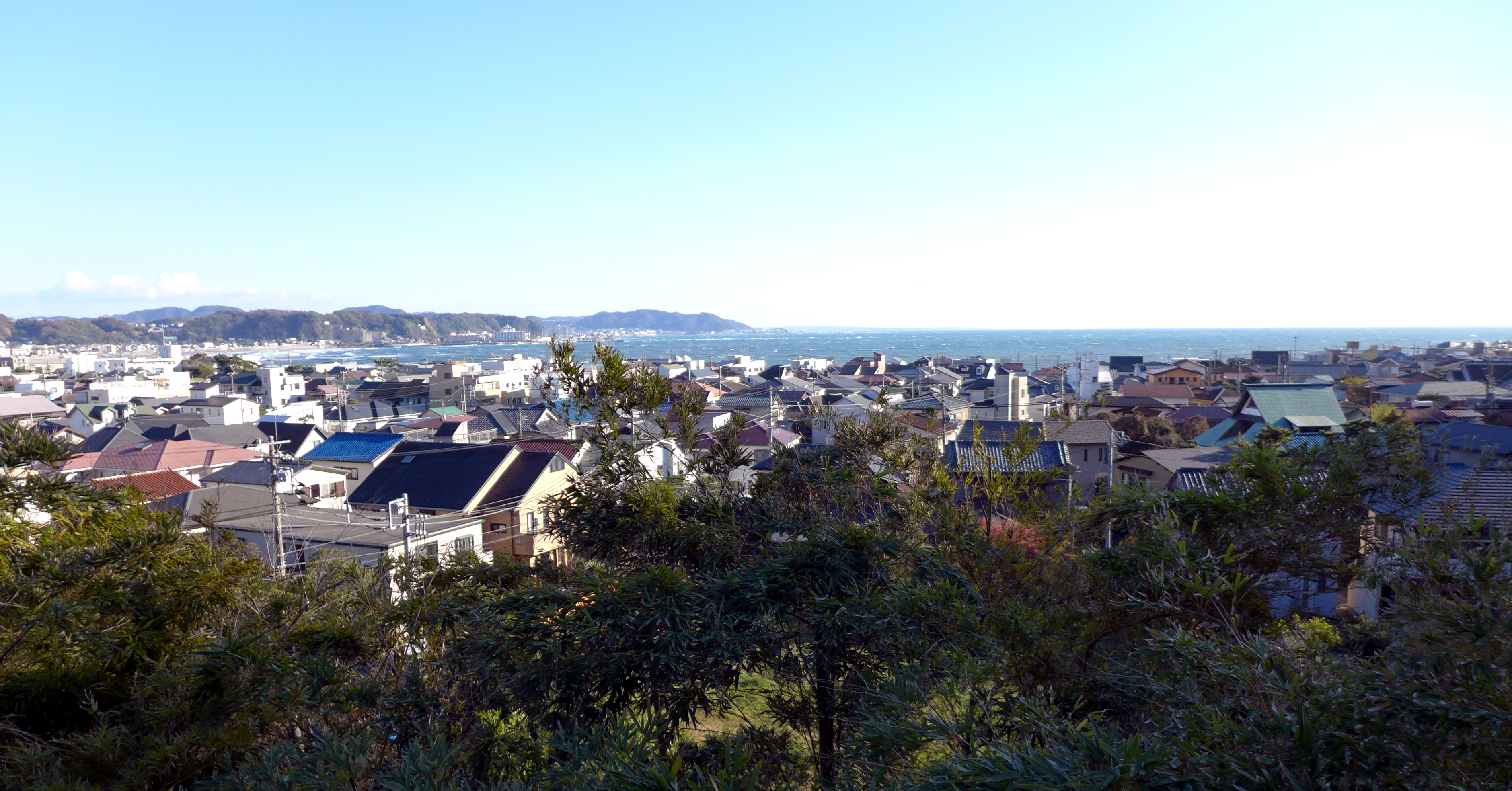
At the top of the temple, there is a great view of Kamakura bay. It was a really windy day and we could see windsurfers taking full advantage of the weather. The view was spectacular, especially for me as living in Kyoto I don’t get to see the sea very much. The temple has a short ‘sea view path’ that gives you a slightly better view of the sea.


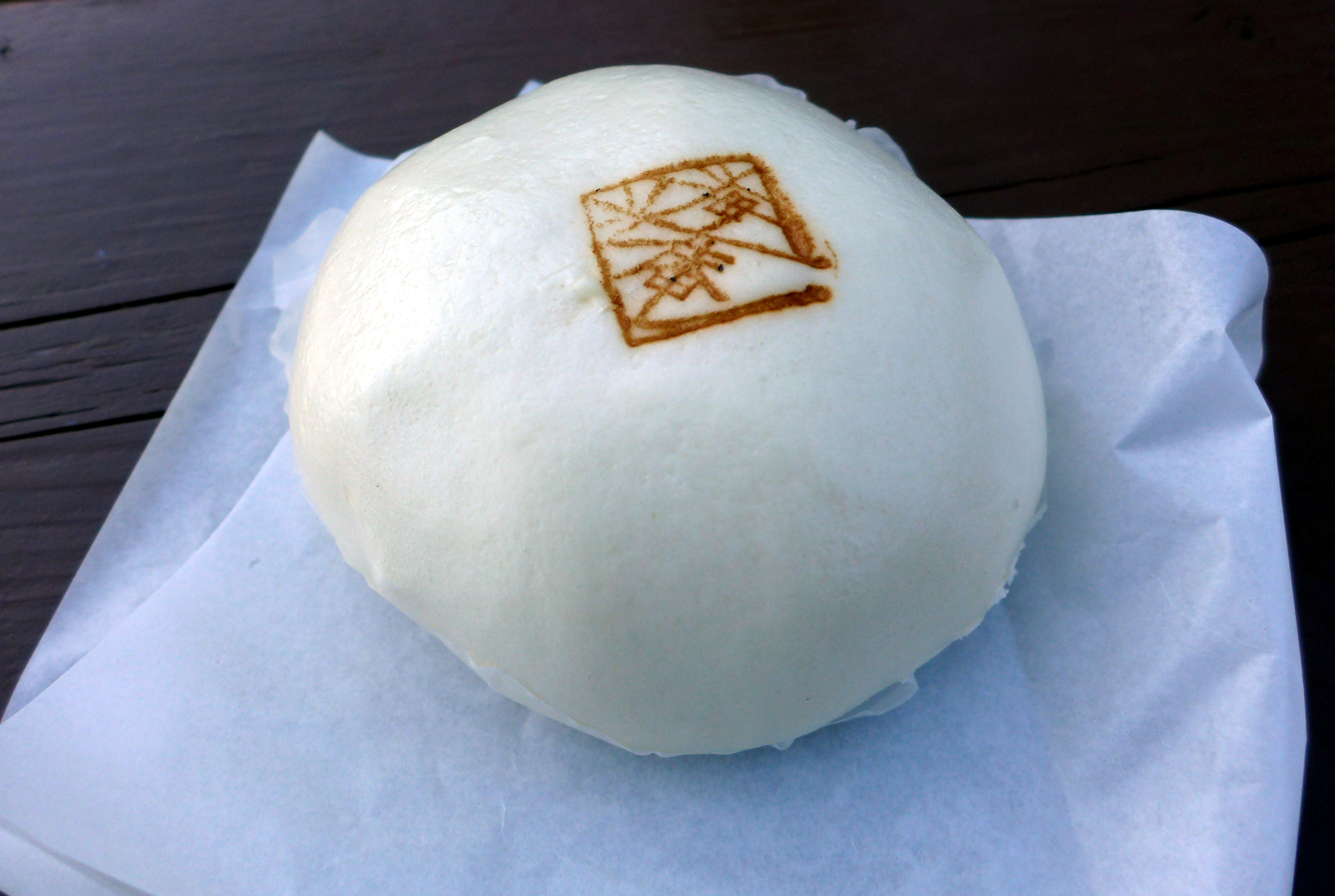
There are also a couple of food stalls by the sea viewing platform. We bought some vegetable buns 野菜饅 (yasai-man). There were signs everywhere warning about the kites – they will swoop down and take the food straight from your hands. Luckily we weren’t targeted but we saw a few circling.

 Kannon-Hase Temple ticks off pretty much everything you would want in a temple: cave, giant buddha, great view and statues everywhere. I would strongly recommend visiting if you go to Tokyo. Even compared to Kyoto temples it’s fantastic. Entrance fee was 300円 (£1.60) which is very reasonable, the stamp was also 300円.





 japangie