奈良 Deer of the Divine

It took me 6 months, but I eventually did the thing that everyone does in their one week of visiting Kyoto – I visited Nara. Nara is an ancient capital of Japan, preceding Kyoto as the imperial capital, and it gives its name to the Nara period (710 – 794). The Nara period can be characterised as the time of ‘Buddhism-fever’ among the elite in Japan, and both the rise and fall of Nara as a capital can be attributed to this ‘fever’. We visited a few different parts of Nara so this will be a multi-part post so that it doesn’t get too long. While the Buddhist aspect is interesting I actually want to start with the most obvious thing about Nara when you visit: the deer.

P1070414 P1070361 P1070377

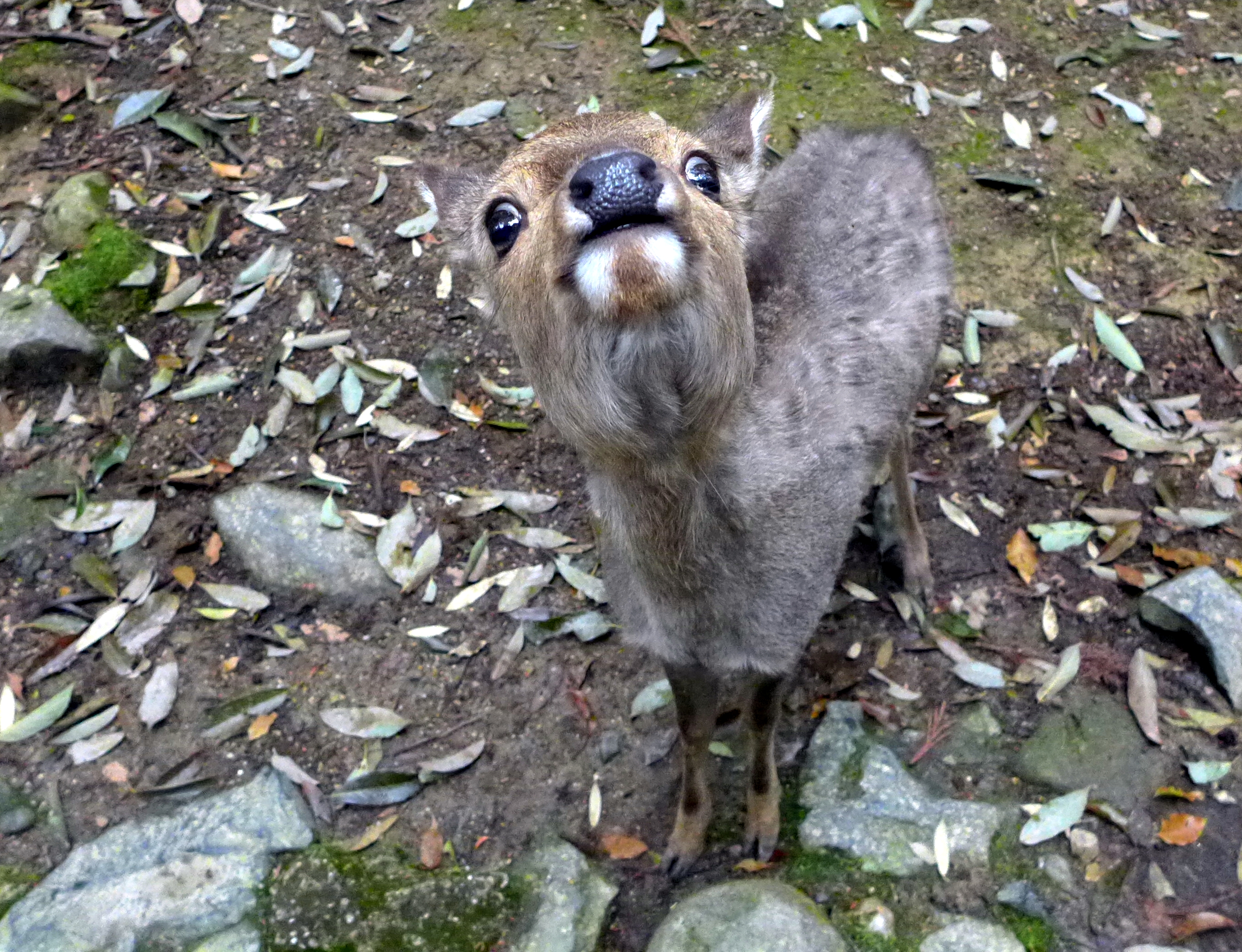
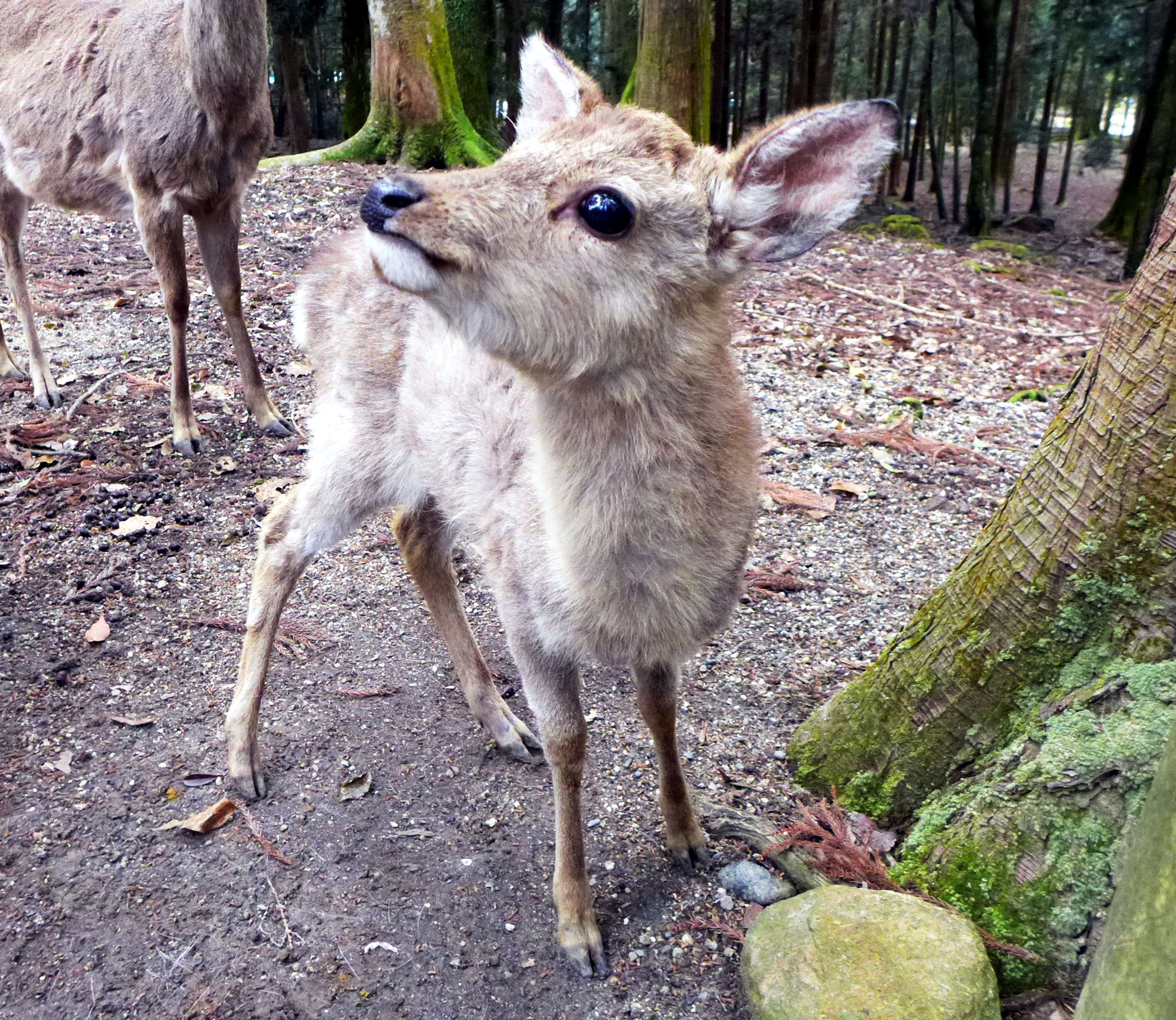
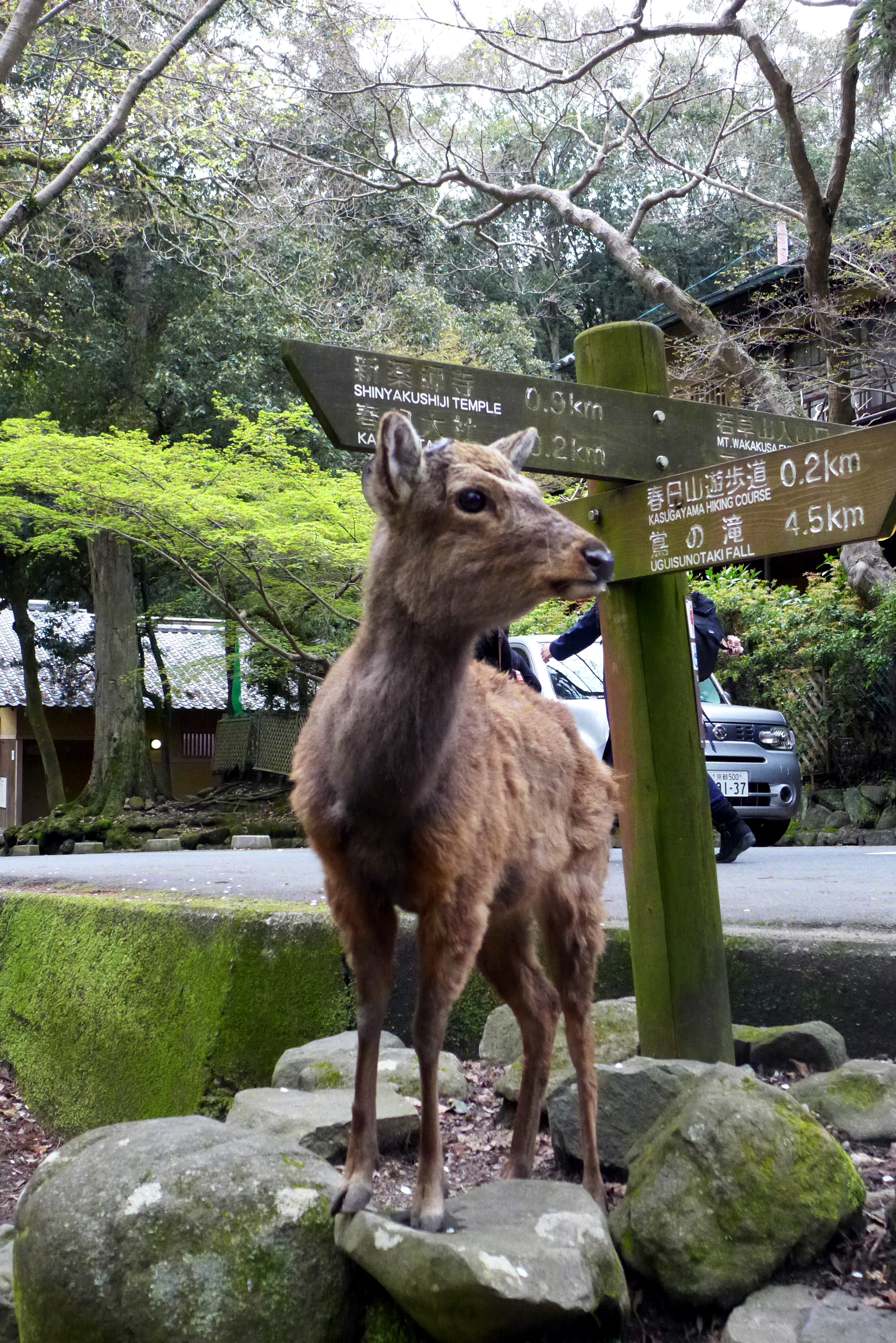
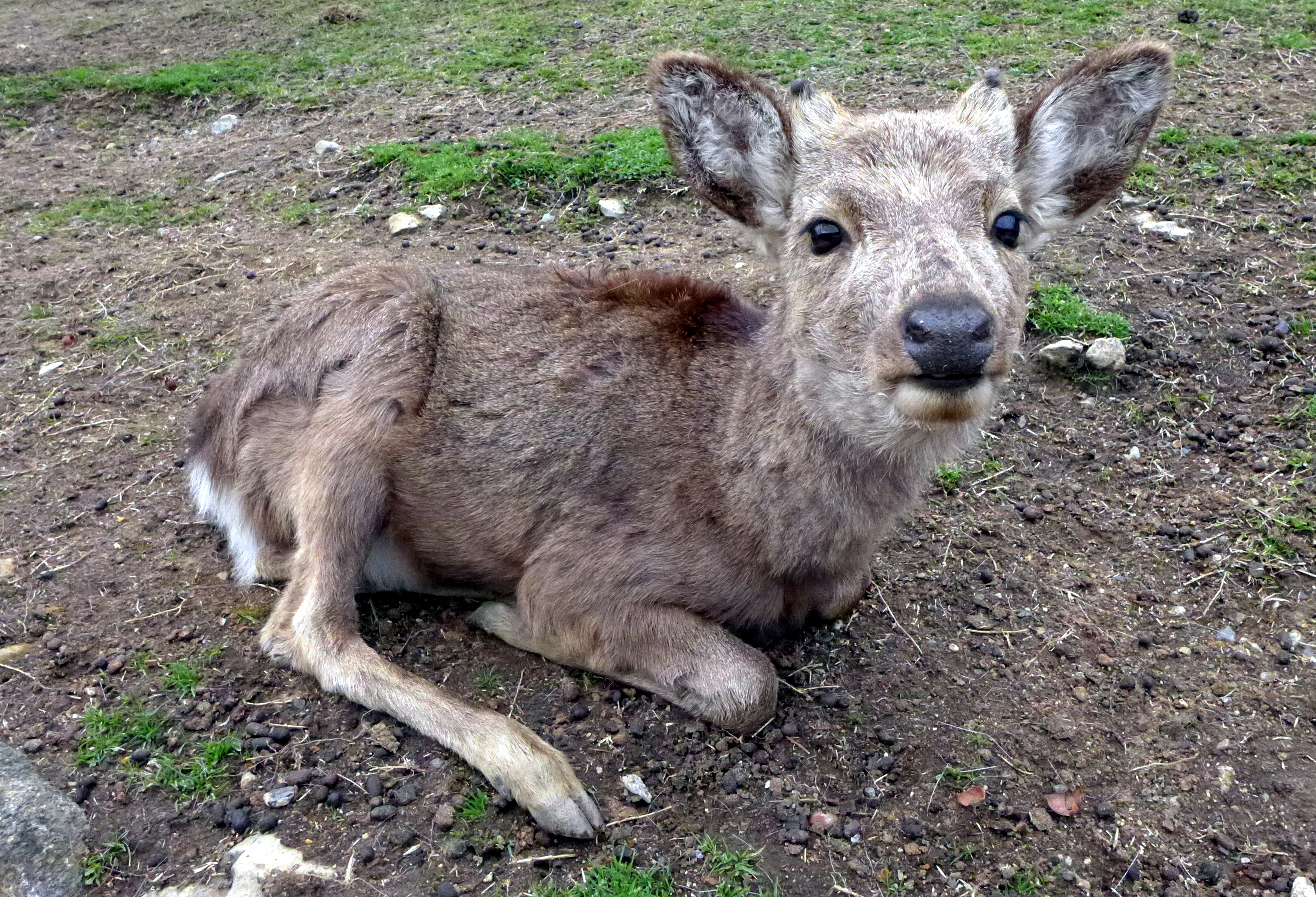
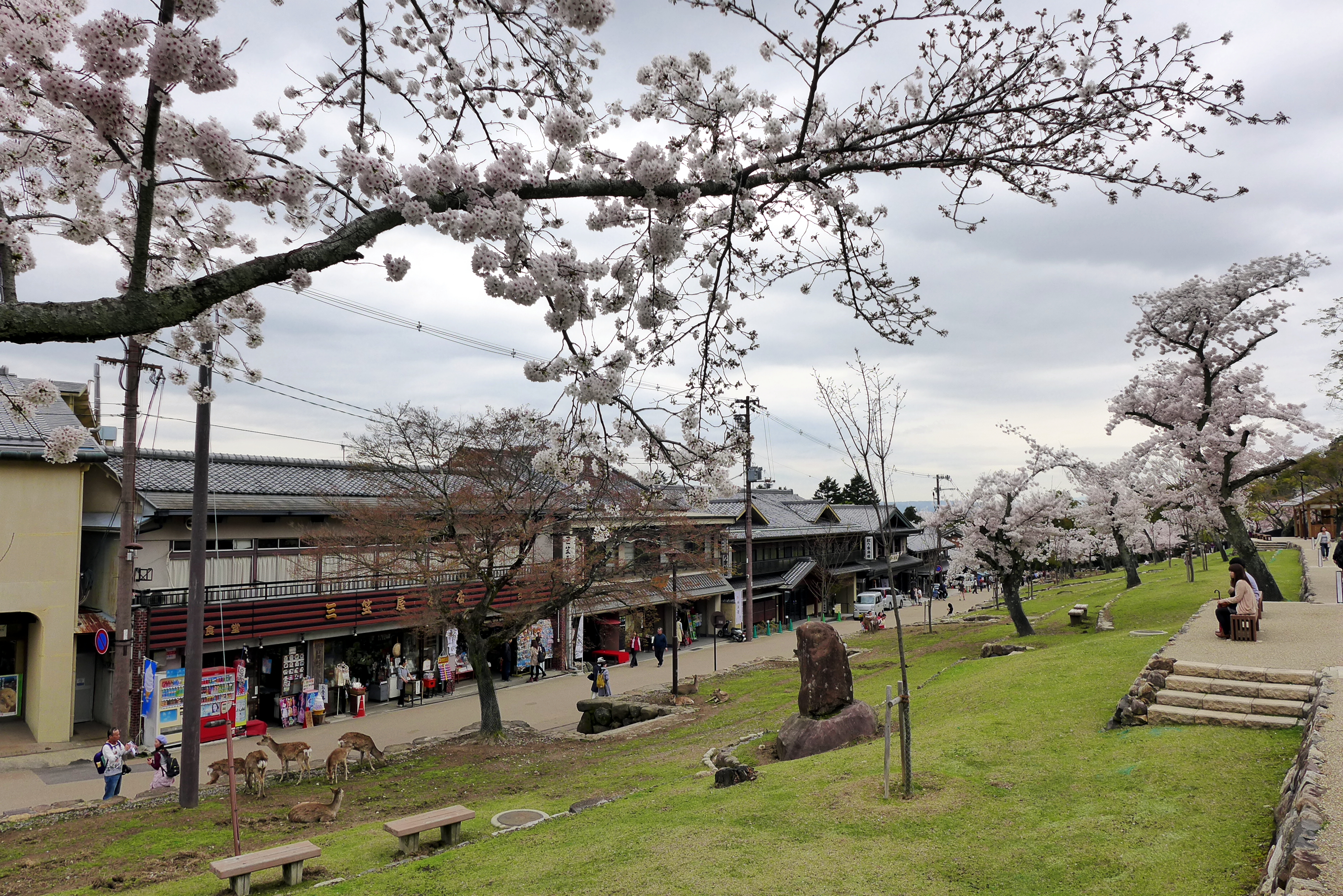
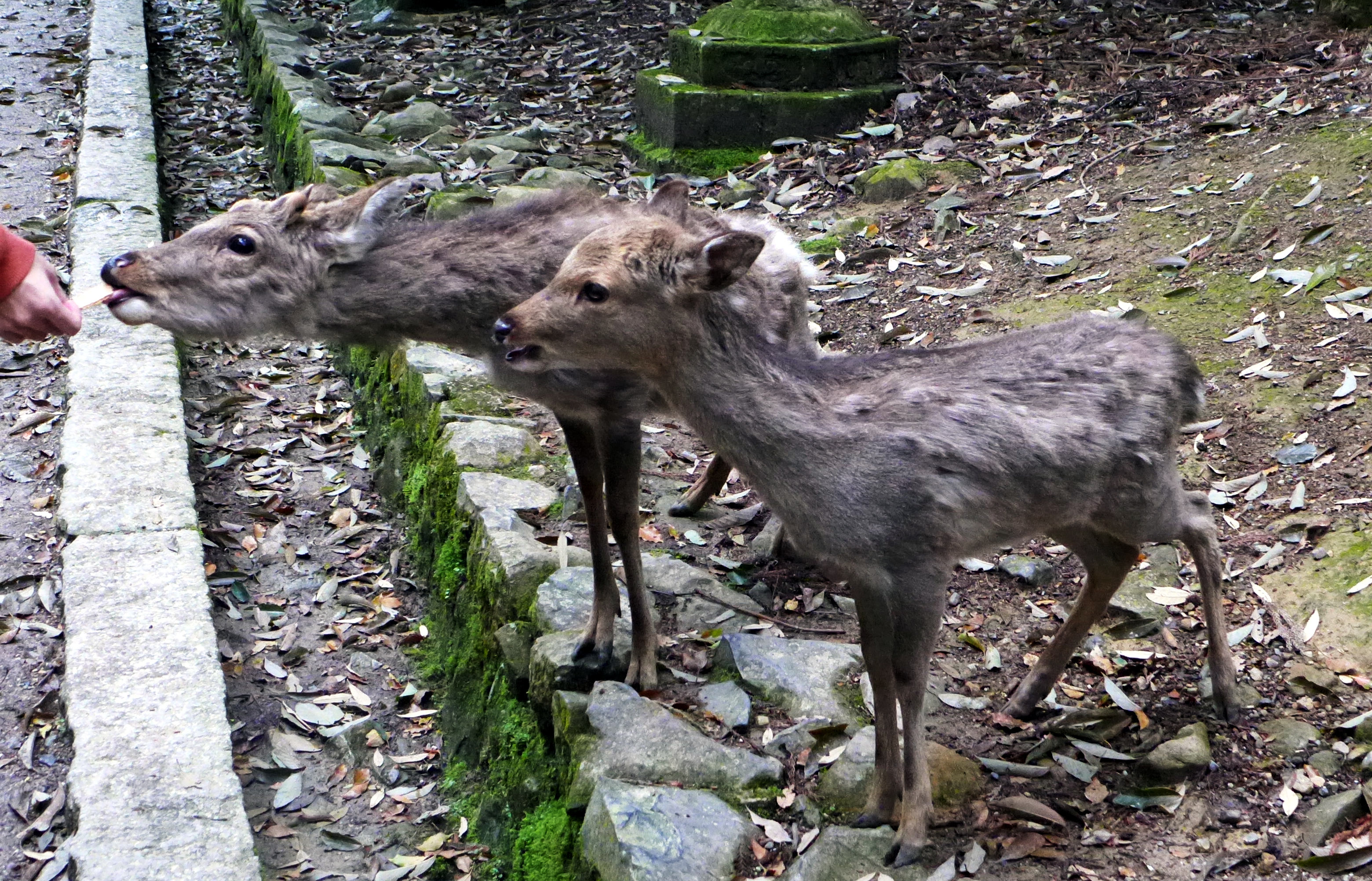
Leaving the train station and walking up a short way, you instantly come across the deer just wandering around. There is no fence to stop them from going on the road or any official ‘deer-limit’, they can do what they want. There were several small stalls run by old ladies selling ‘deer biscuits’ for around 200円 for 15 biscuits. The deer love the biscuits and don’t love you; if you don’t have biscuits then they won’t come near you. If they feel  you’re withholding biscuits that they know you have, they’ll pull at your clothes with their mouths. The best thing about the deer is that they have been taught to bow; if you hold your biscuit up and nod the deer will bow back at you, hoping you’ll then give him a biscuit and stop making him do stupid tricks.
P1070373P1070496P1070431 P1070438 P1070449

I was actually very allergic to the deer, which shouldn’t have been a surprise as I am allergic to horses, cats, and most things with fur. Even so, I stupidly forgot to bring allergy medicine so I had the joy of hunting down a 薬屋 Kusuri-ya (like a pharmacy but over the counter drugs only, prescription shops are separate). We eventually found one and I got given some really weak pills; normally piriton or piriteze from the UK would clear me up within 20 minutes whereas with this medicine, even though I took 4 tablets, did basically nothing. I ended up taking double the dose recommended (Japanese dosage seems to assume everyone is a small child) and eventually felt better and able to enjoy my day. If you are allergic to animals, bring allergy medicine to Japan, do not rely on Japanese medicine.

P1070442 P1070360P1070428

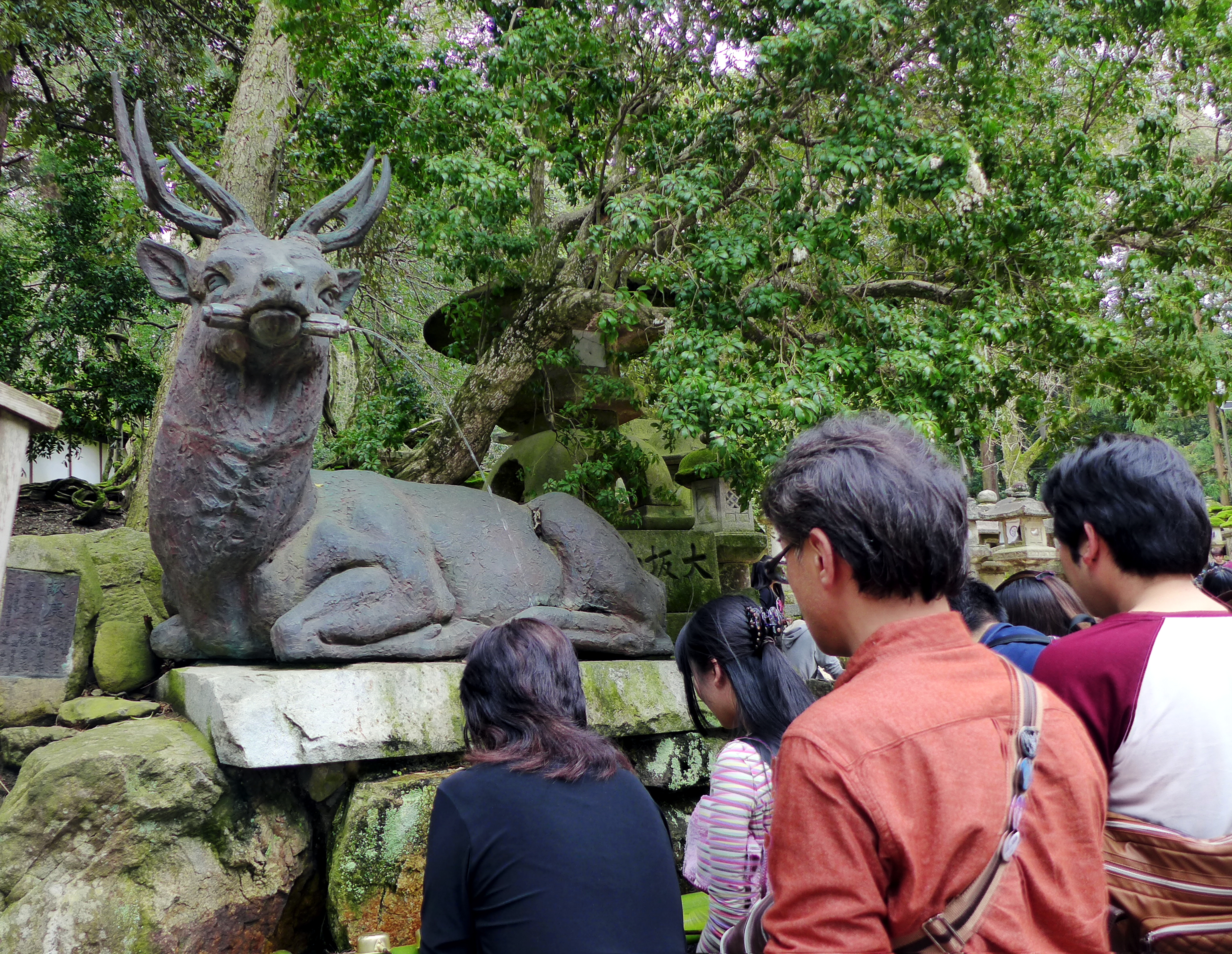
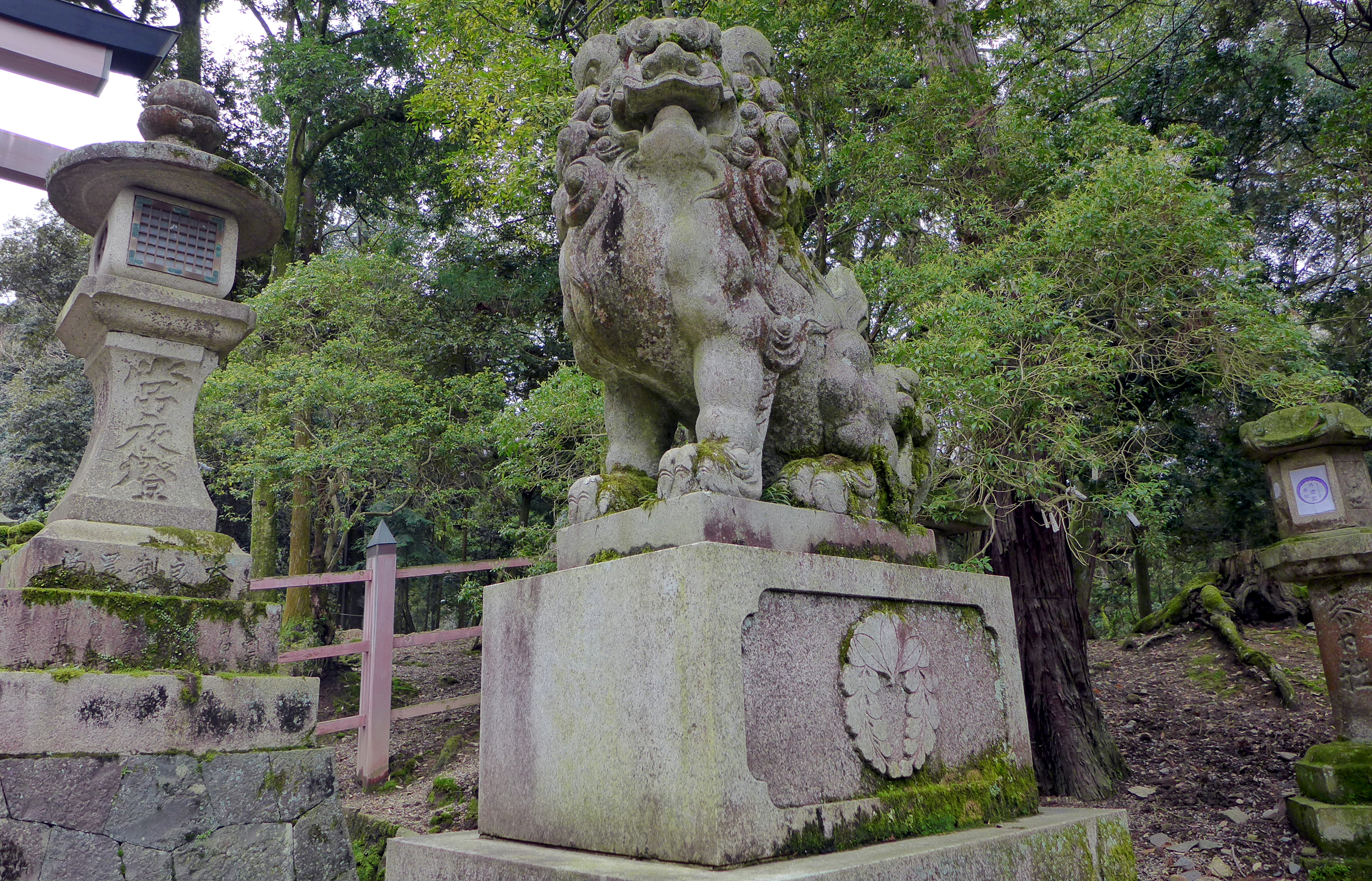
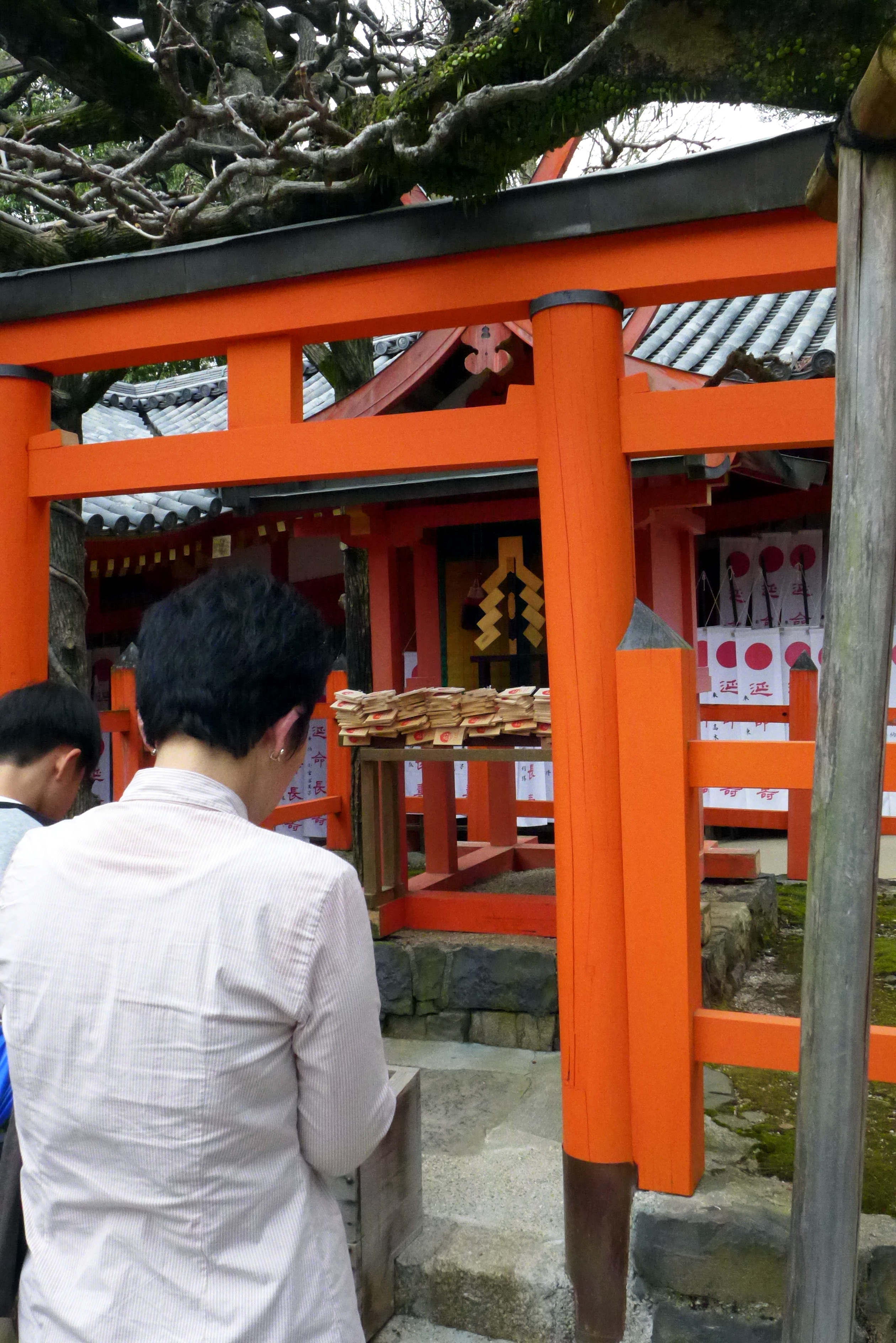
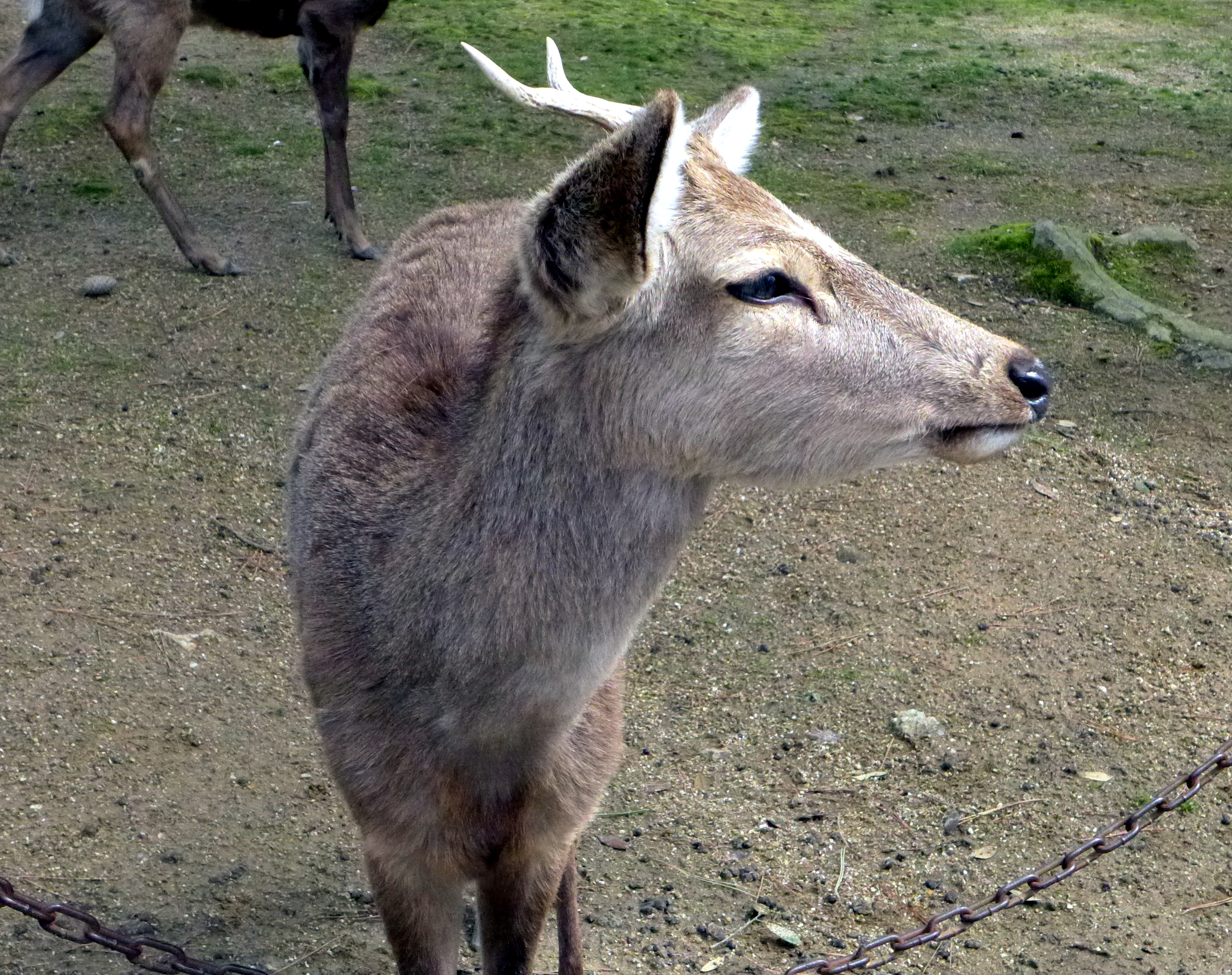
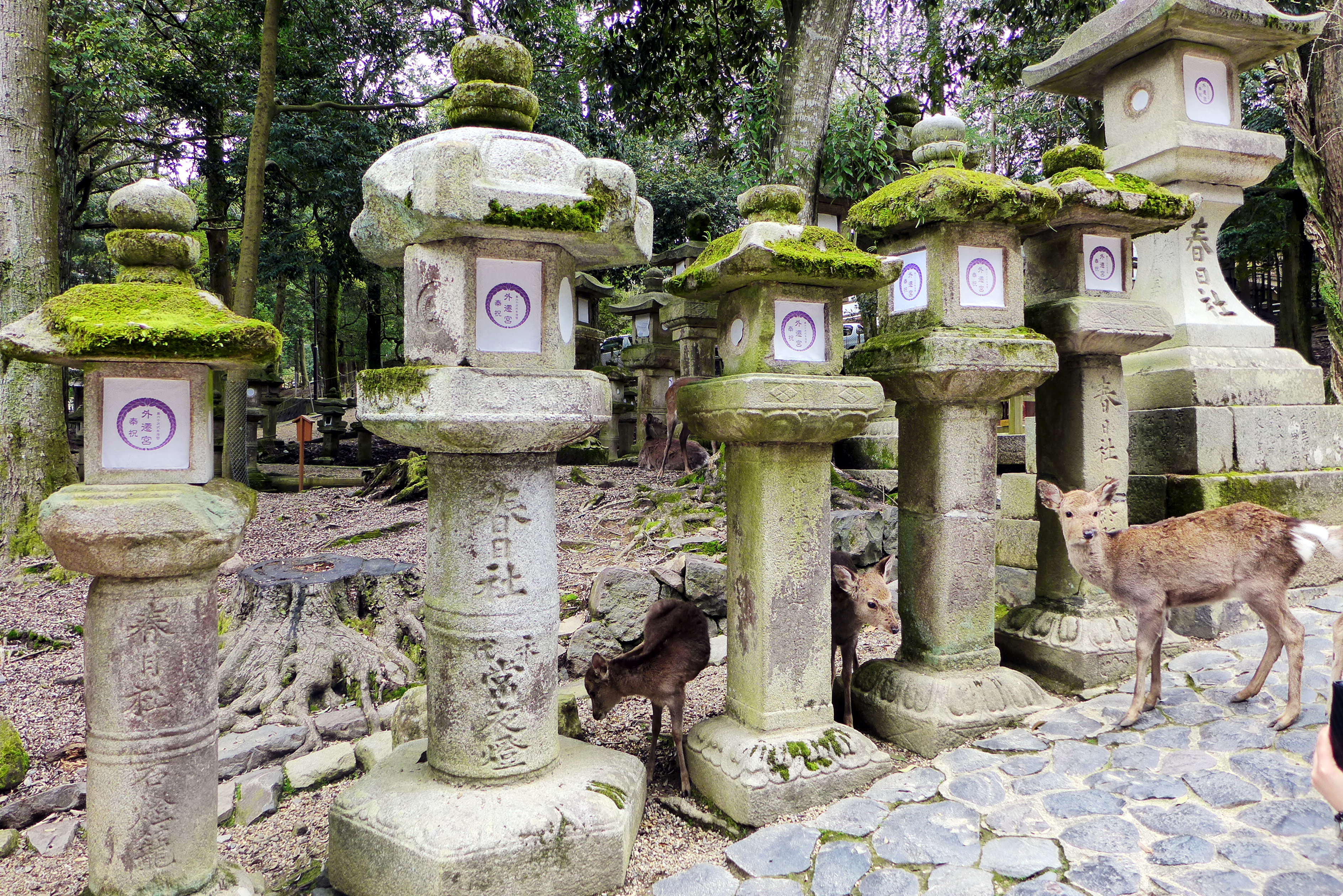
The deer of Nara have been worshipped as divine messengers of the gods for centuries, if not a millennium. The reason for this sacred nature ties into one of Nara’s main sites, Kasuga Shrine. The Kasuga Great Shrine, 春日大社 Kasuga-taisha, is the family temple of the powerful Fujiwara clan 藤原. Founded by the Fujiwara family in 768, it is said that one of the enshrined deities, Takemikazuchi-no-mikoto, appeared on Mikasa mountain riding a white deer. Since then the deer of Nara have been considered sacred servants of the gods, and until 1637 killing one of the deer was an offence punishable by death. Though they have lost their divine status post World War II, they remain a national treasure of Japan.

P1070364 P1070383 P1070385

The Fujiwara clan are well known for their influence and power in court throughout Japanese history. The Fujiwara had a tactic of marrying their daughters to the imperial family, producing crown prince grandchildren, which, upon ascending the Chrysanthemum Throne, would owe loyalty to their maternal grandfather. They made use of this system from the Nara period all they way through to the Meiji period, making the Fujiwara a more constant power than the Shogunates in Japanese history.

P1070378 P1070379 P1070381 P1070387

The deity that was seen riding the deer is an interesting character in himself. A god of thunder, he is credited with the first recorded sumo match in Japanese mythology; a hand to hand match against another god which he won. This god, Takemikazuchi-no-mikoto, is also credited with earthquakes, as his wrestling with a giant catfish causes tremors that shake the land. This was a theme in a lot of Edo period prints, such as the one below.

P1070389 P1070392 P1070393 P1070394

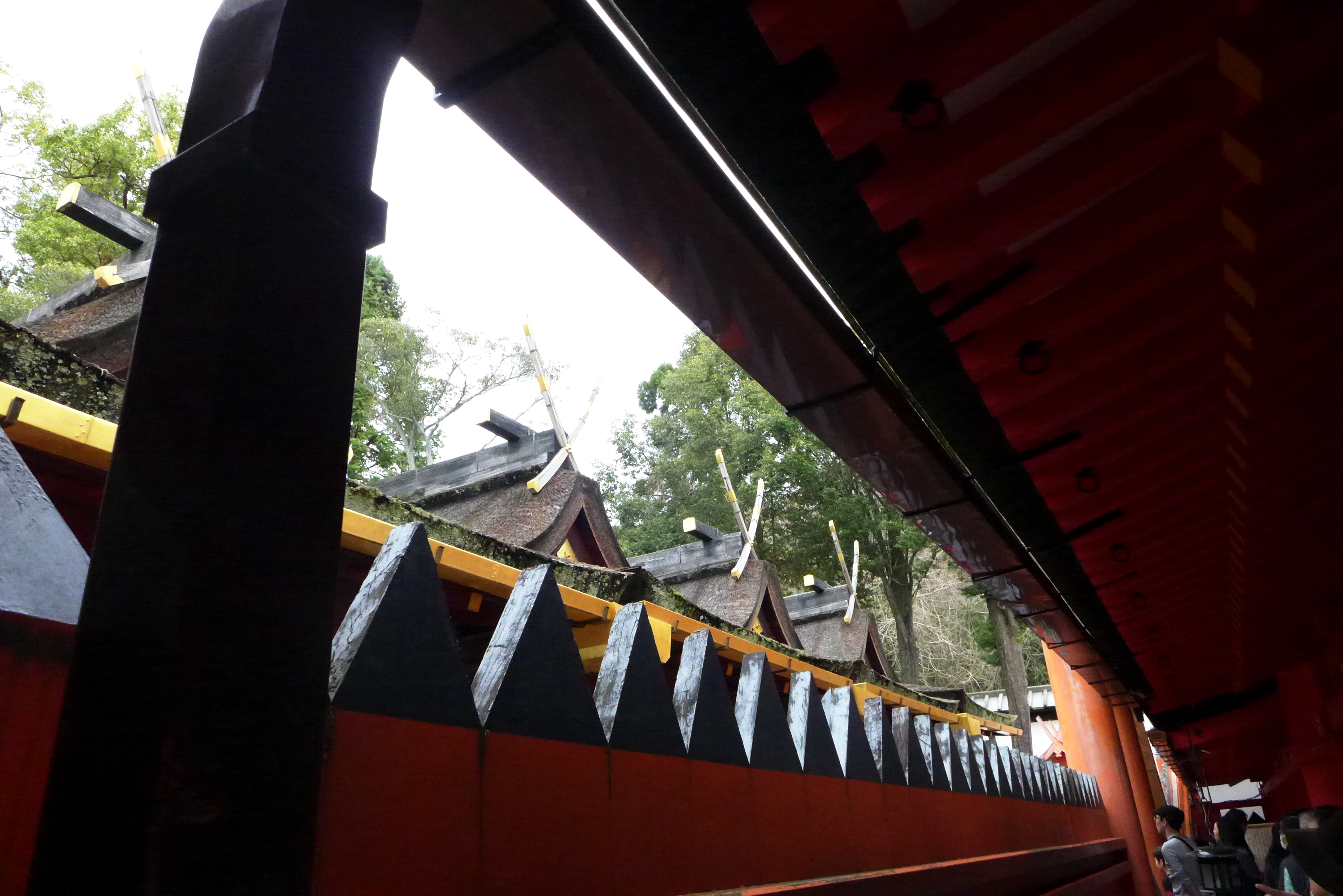
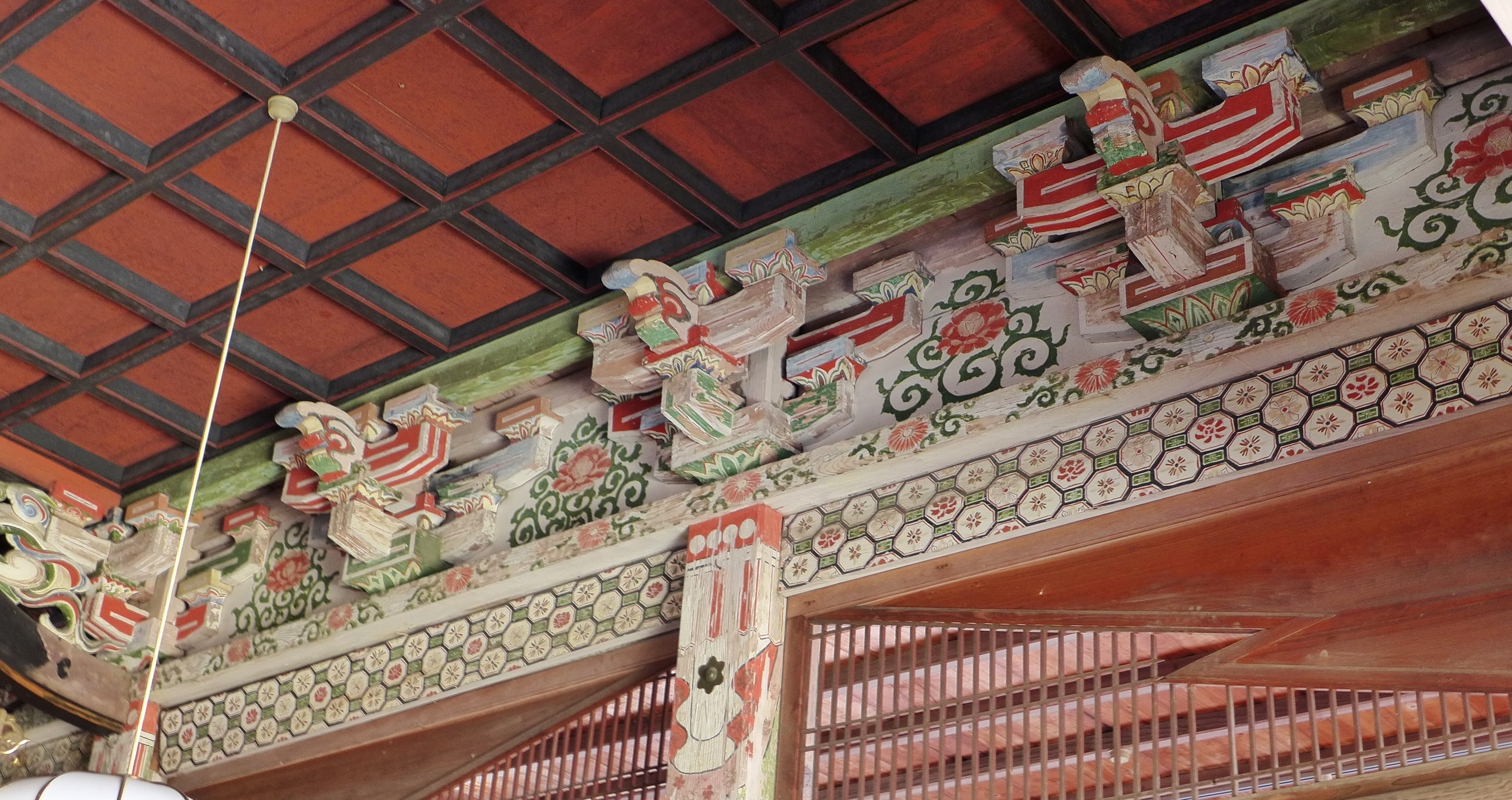
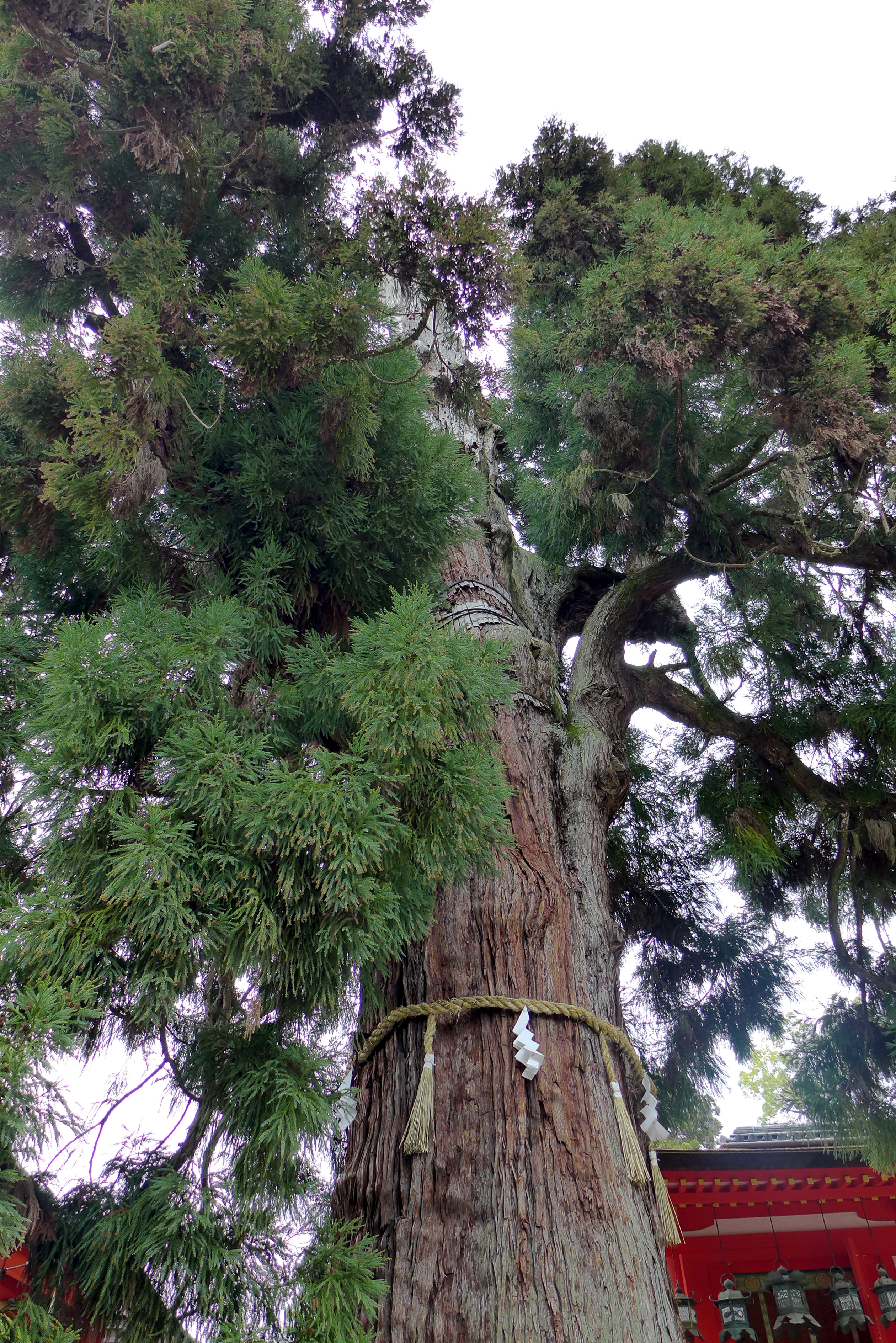
The shrine itself was busy as they had a special opening of the interior shrine for the public. They had relocated the gods to a different section of the shrine so that the public could walk around the inner enclosure without insulting the deities that live there. It would have been more interesting had we understood everything that was going on, but I still enjoyed it. We saw the large X shaped roofs of the inner shrine, indicating that male gods were enshrined there; male gods’ roofs have large upwards thrusting X shapes whereas female gods have flatter X’s with curved ends. The other three gods enshrined at the shrine are less interesting than the sumo-starting catfish-wrestler; two are ancestors of the Fujiwara clan, and the last is Futsunushi, god of swords and martial arts.

P1070396 P1070397 P1070398 P1070403 P1070404 P1070407P1070494

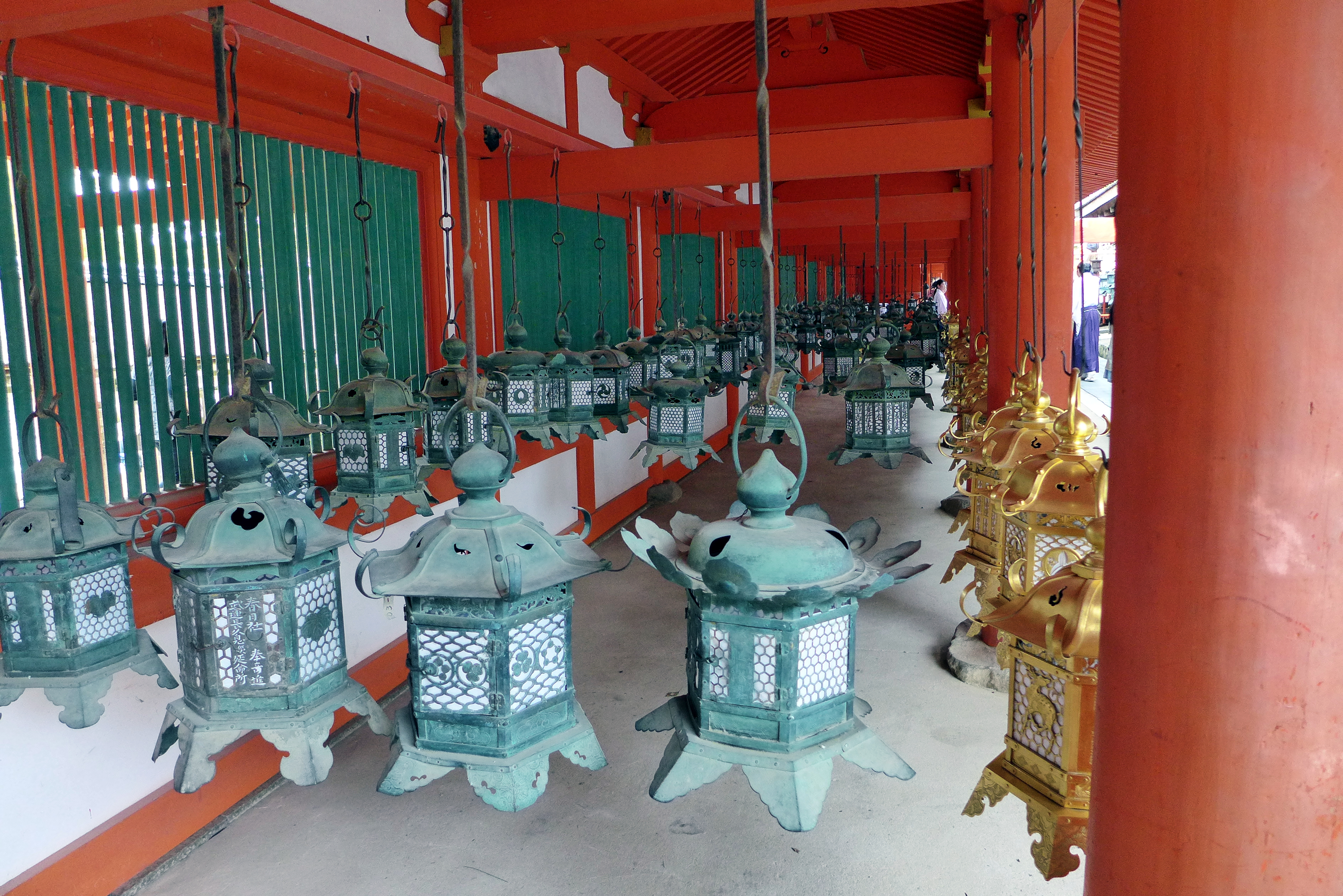
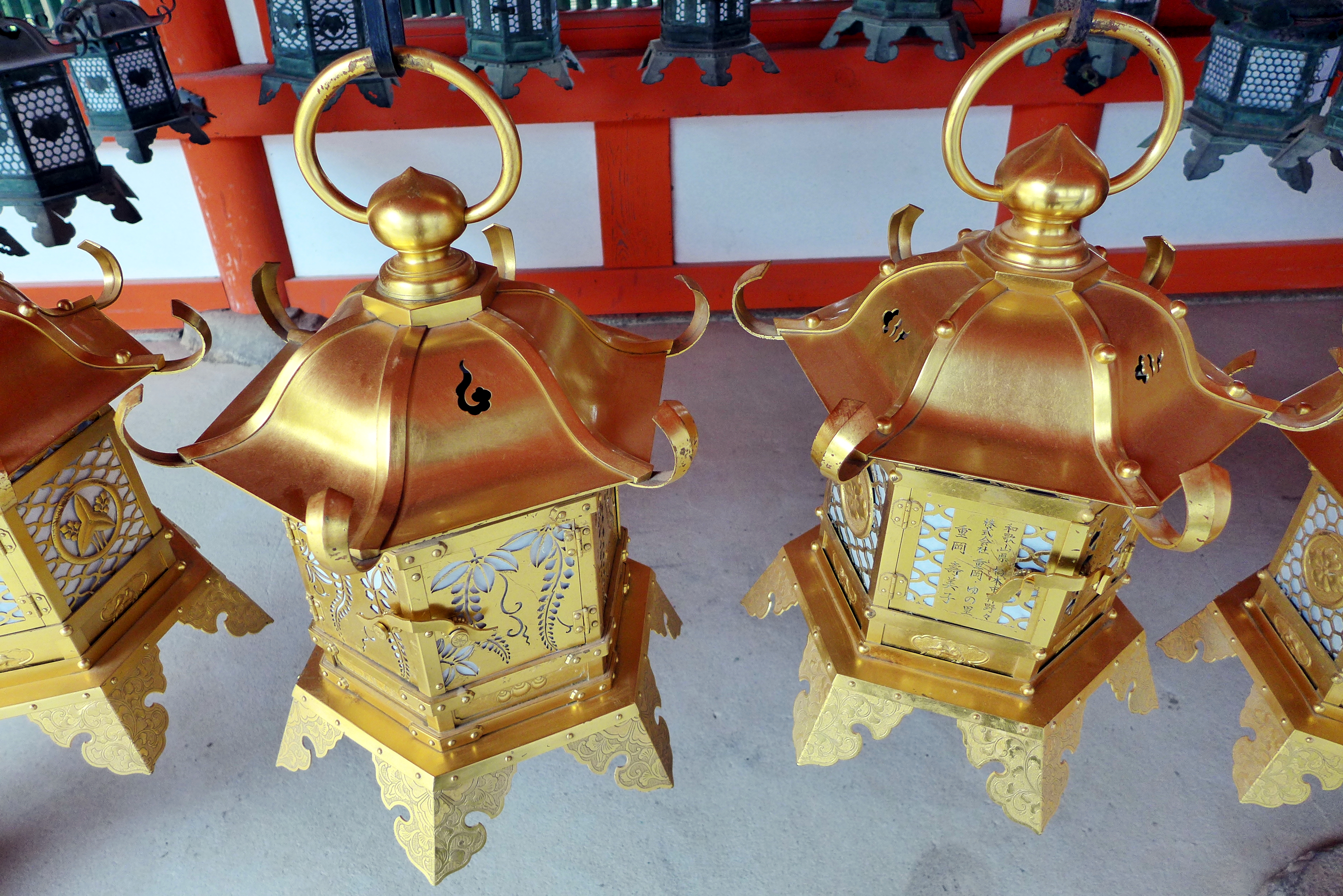
The shrine is also famous for the large number of stone and bronze lanterns surrounding and inside the shrine. During O-bon and a festival in February, they light all the lanterns at once. I would love to see it but I fear I will be home by O-bon.

P1070410P1080049 P1070411 P1070458 P1070460 P1070461P1070466

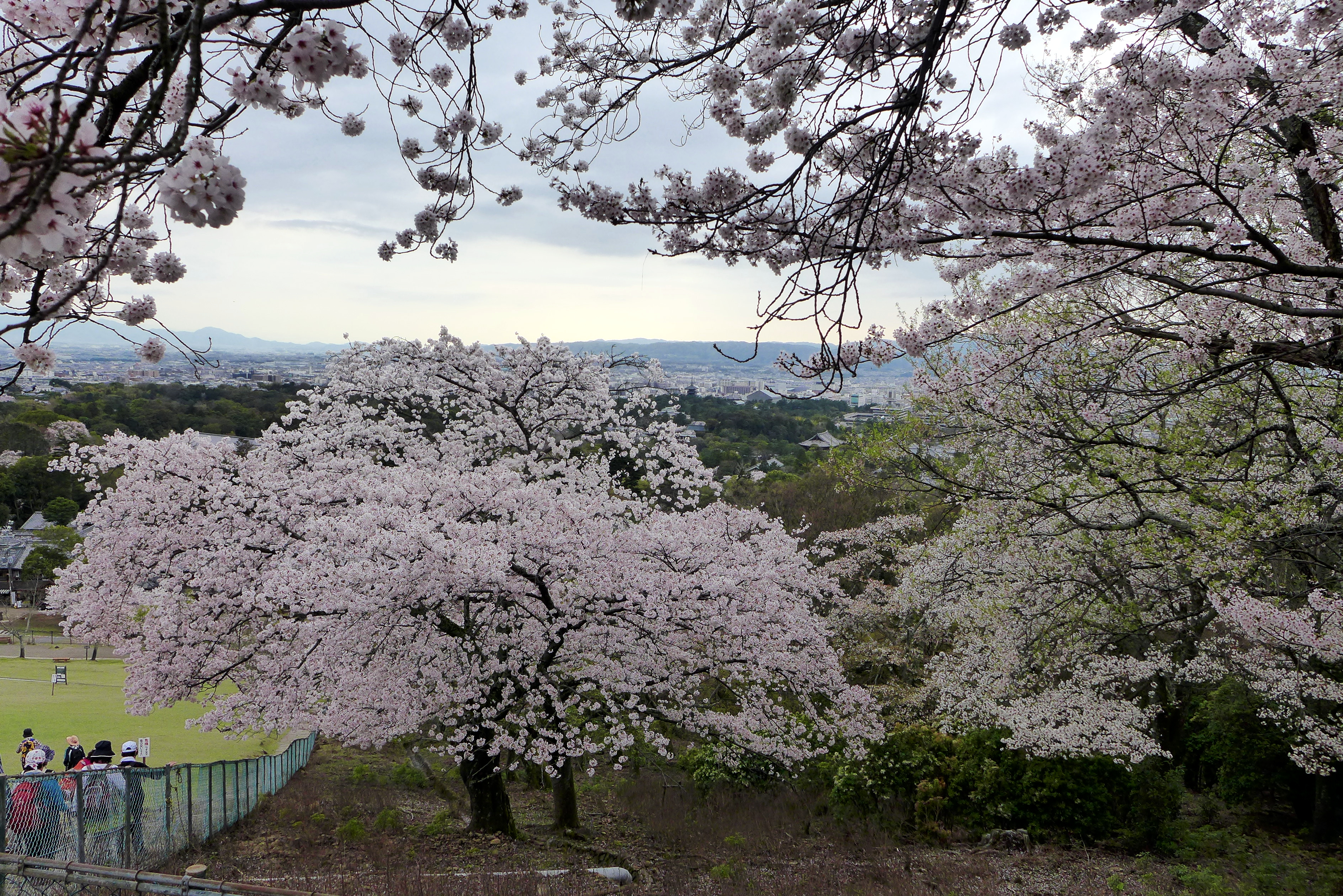
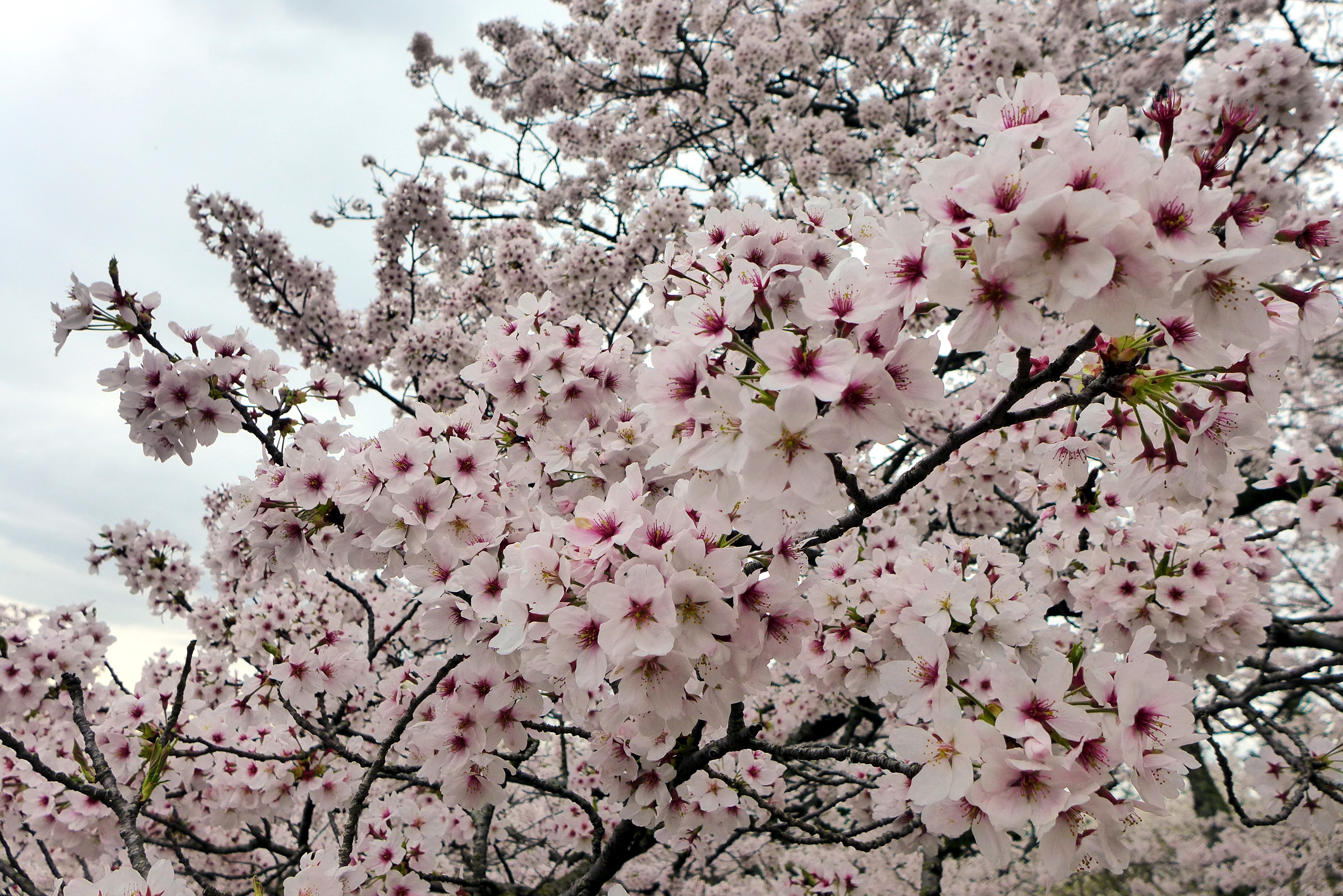
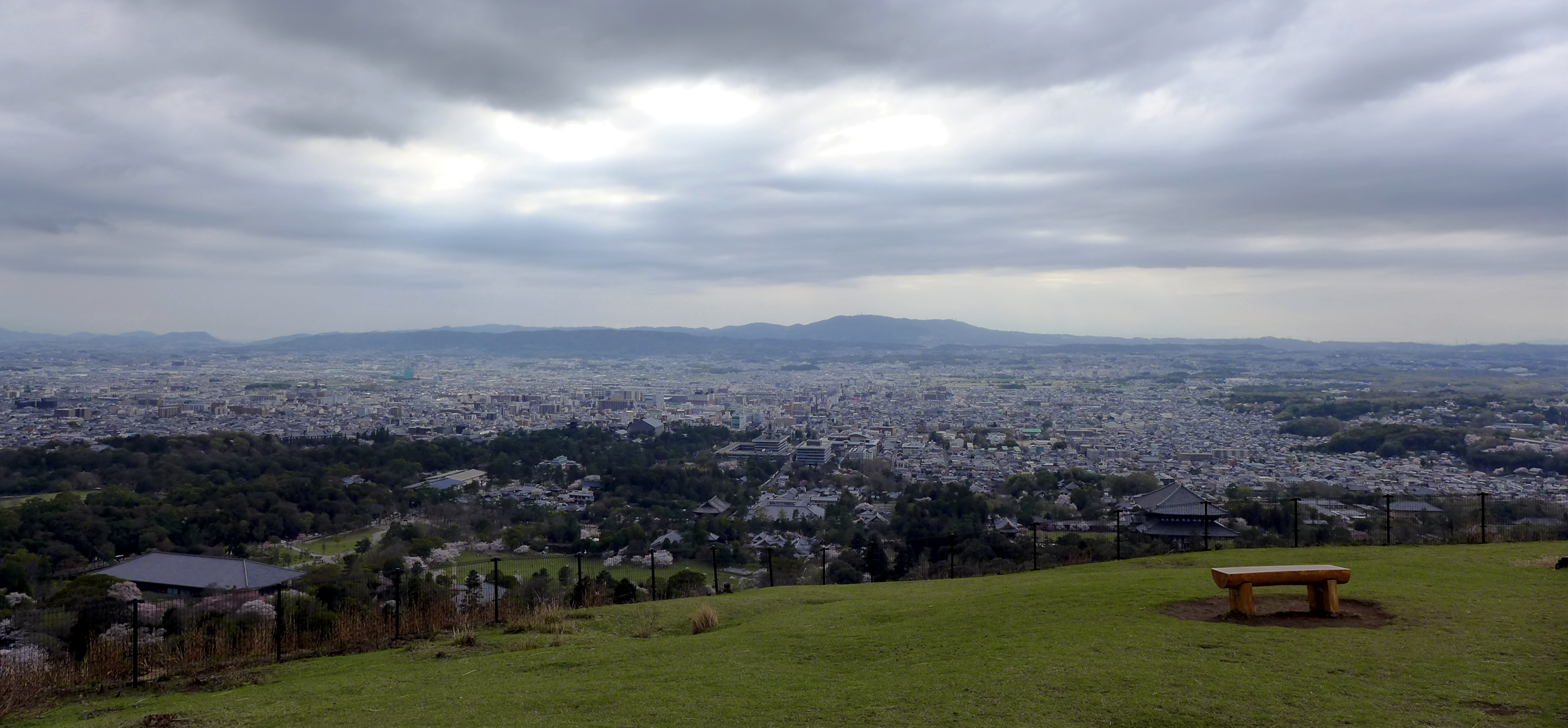
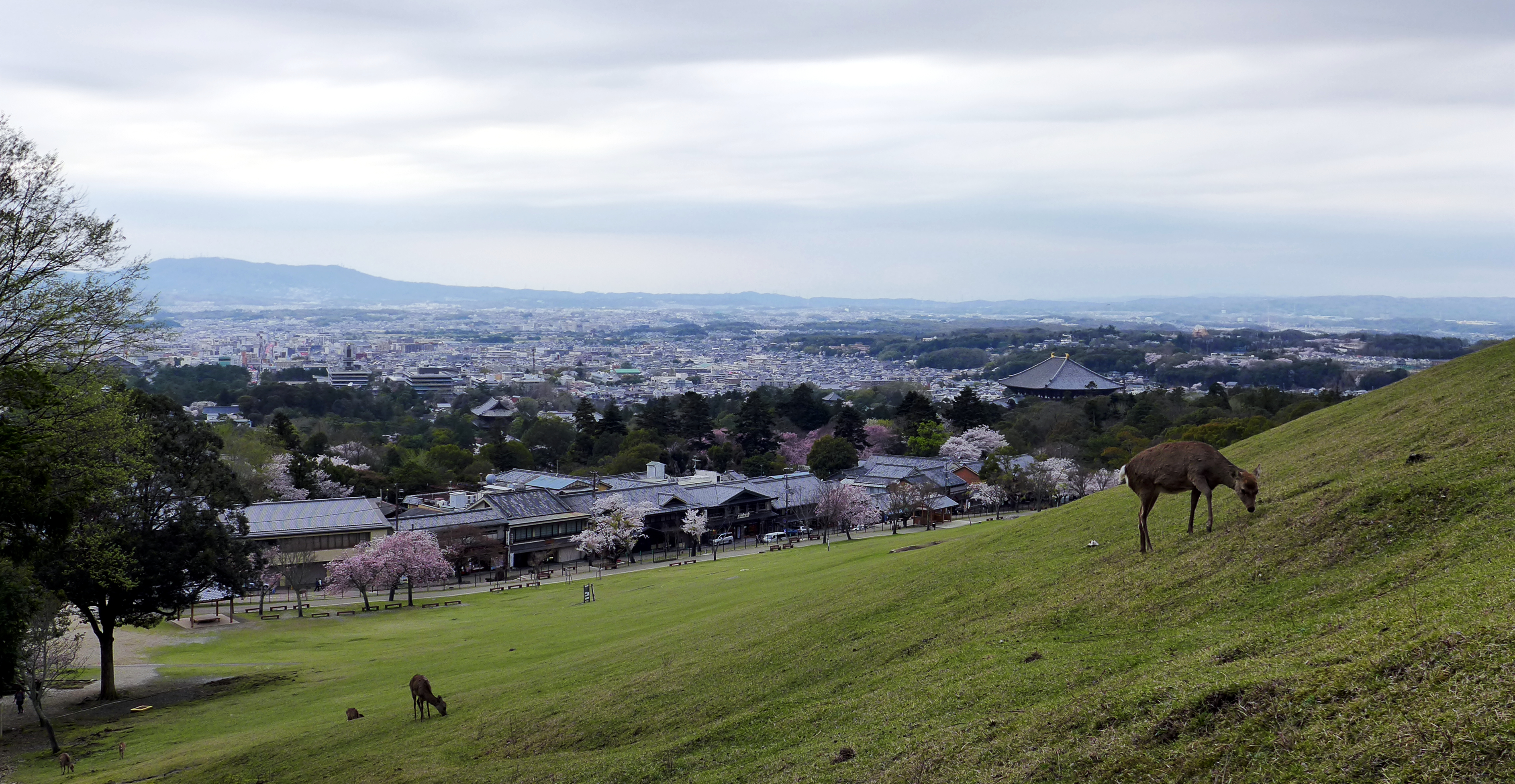
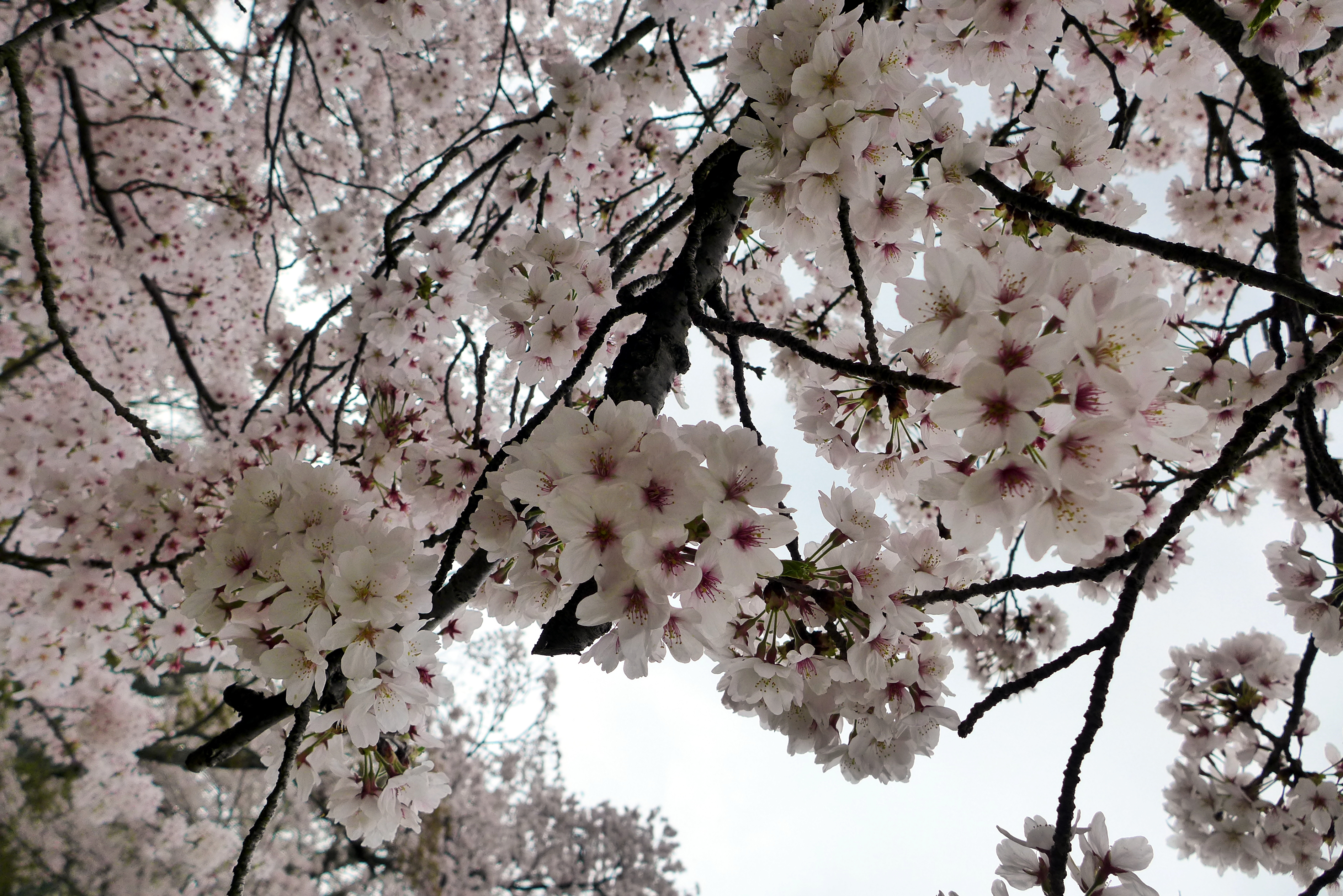
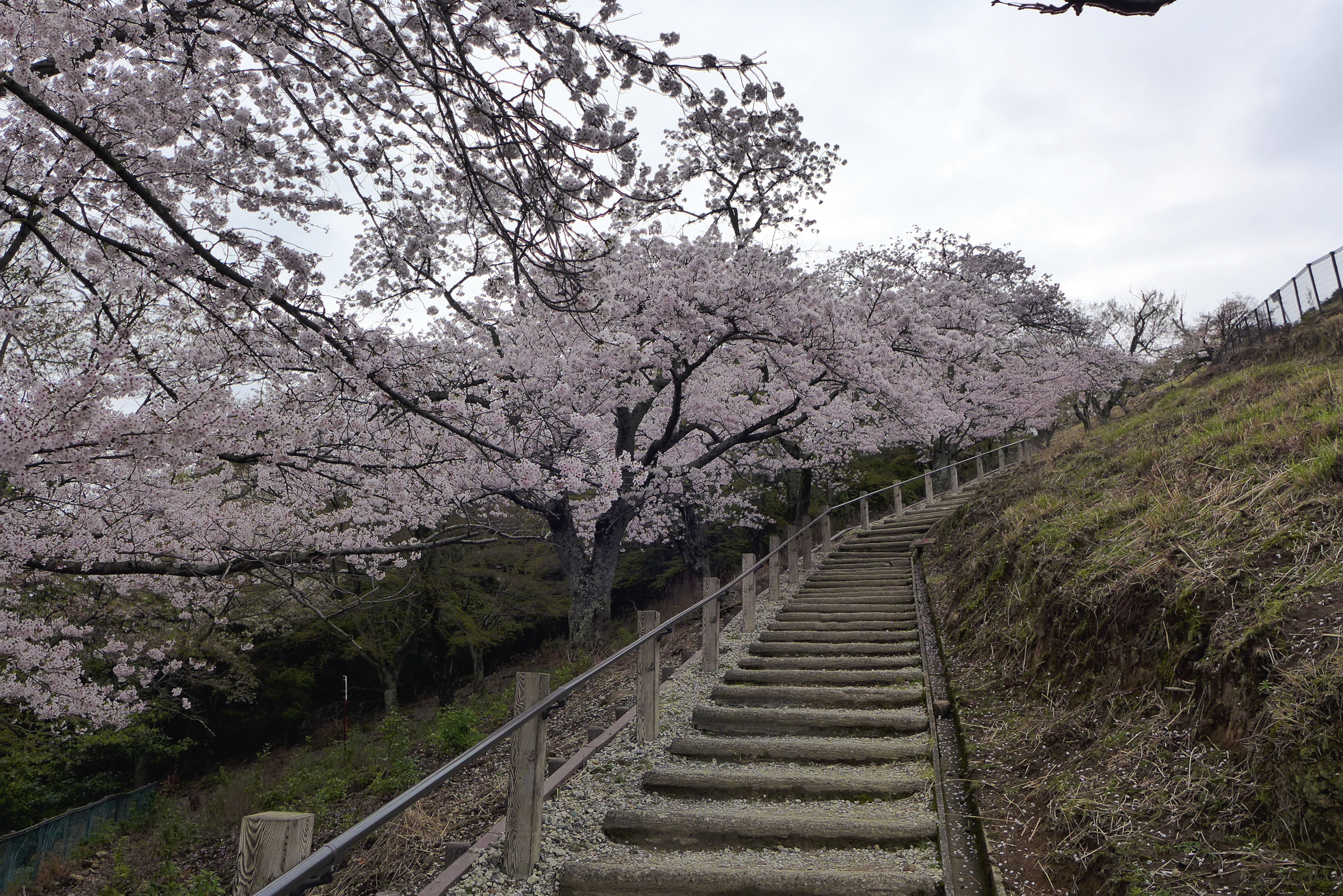
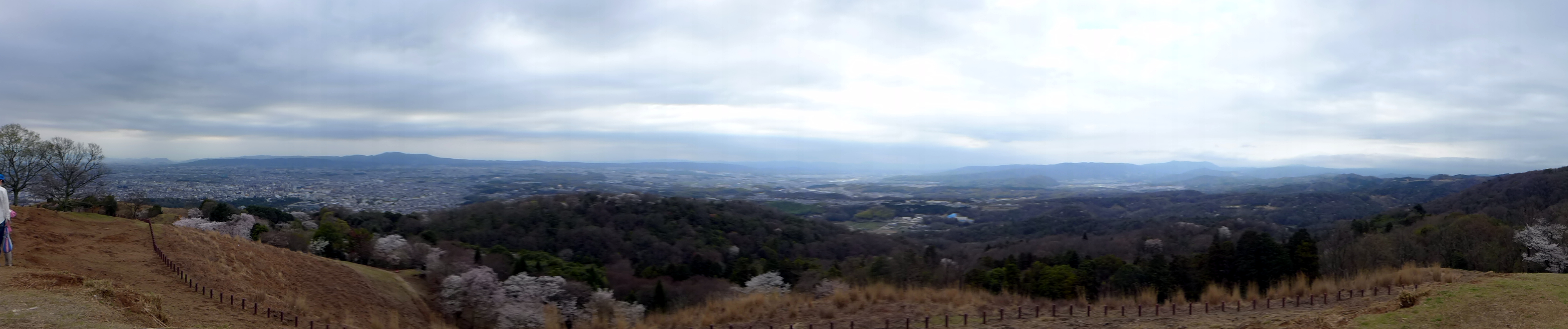
We also climbed the famed Mt Mikasa where the god was said to have appeared on his deer. I was pretty reluctant to climb but I did enjoy it once we got to the top. The view of Nara was spectacular and even up on the mountain we found deer eager for the deer biscuits we had bought at the bottom. There were also lots of beautiful cherry blossoms on the walk up, making the climb much nicer.
P1070467 P1070468 P1070469 P1070470 P1070472 P1070475 P1070479 P1070483

There was a snack shop at the top of the mountain which I hoped had Coke Zero, but alas I had to settle for calpis, that wonderfully named yoghurty soda. Sadly they only had flat calpis, which is even more questionable than the fizzy variety. It tastes a little like that watery liquid that forms when you keep plain yogurt in the fridge. Its okay I suppose. Neither of my parents were impressed. I can’t help but think the name doesn’t really give it the best first impression.

P1070486 P1070488 P1070490 P1070492

This covers the Shinto aspect of my trip to Nara; much like the Meiji government in 1868 I am dividing the two religions of Shinto and Buddhism in half for the sake of this blog, but there are elements of Shinto mixed into Buddhism and vice-versa. I hope to have part two of my trip up soon!

横須賀 Metaphorical Mountains, Local Guardians and the Phoenix God

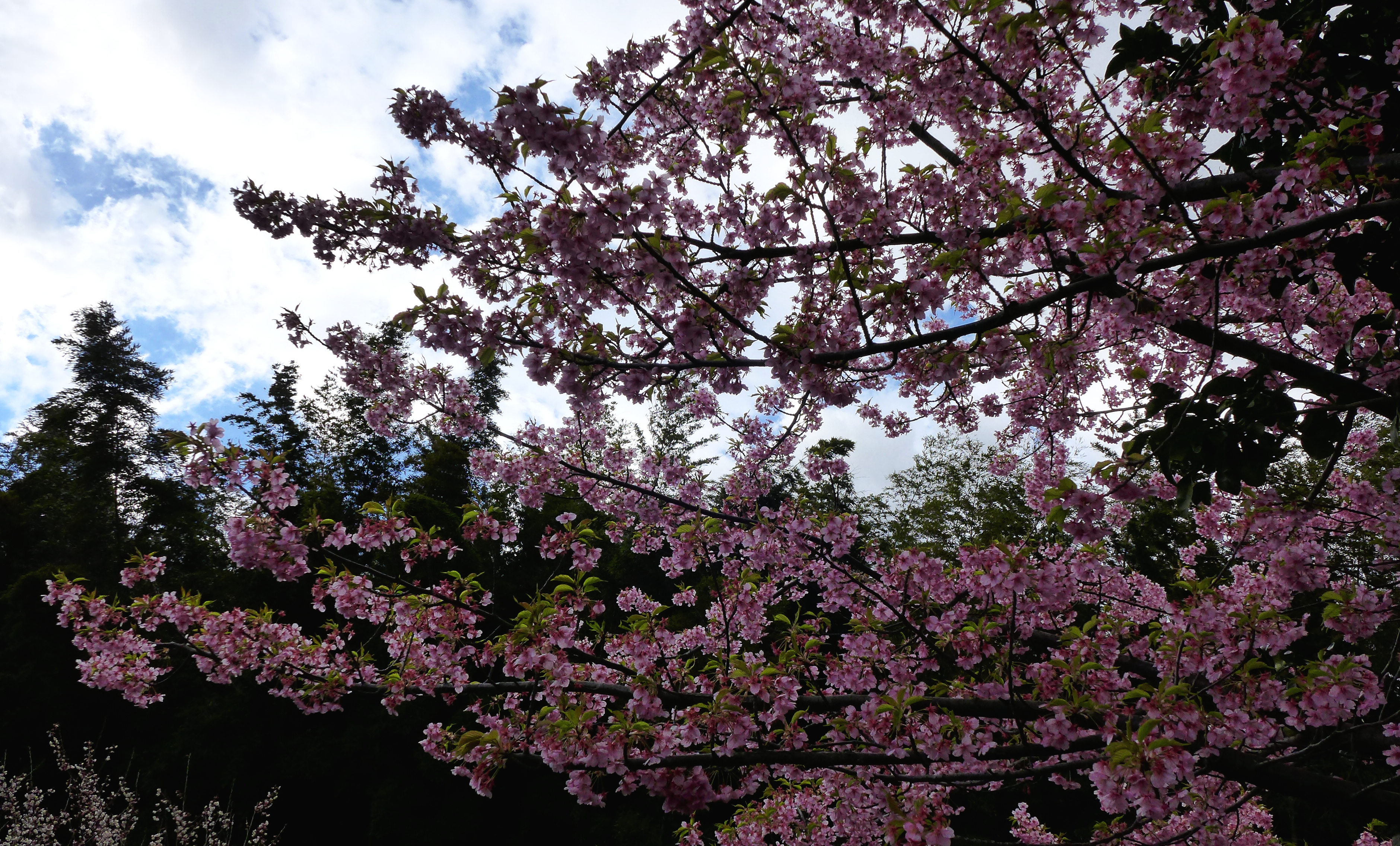
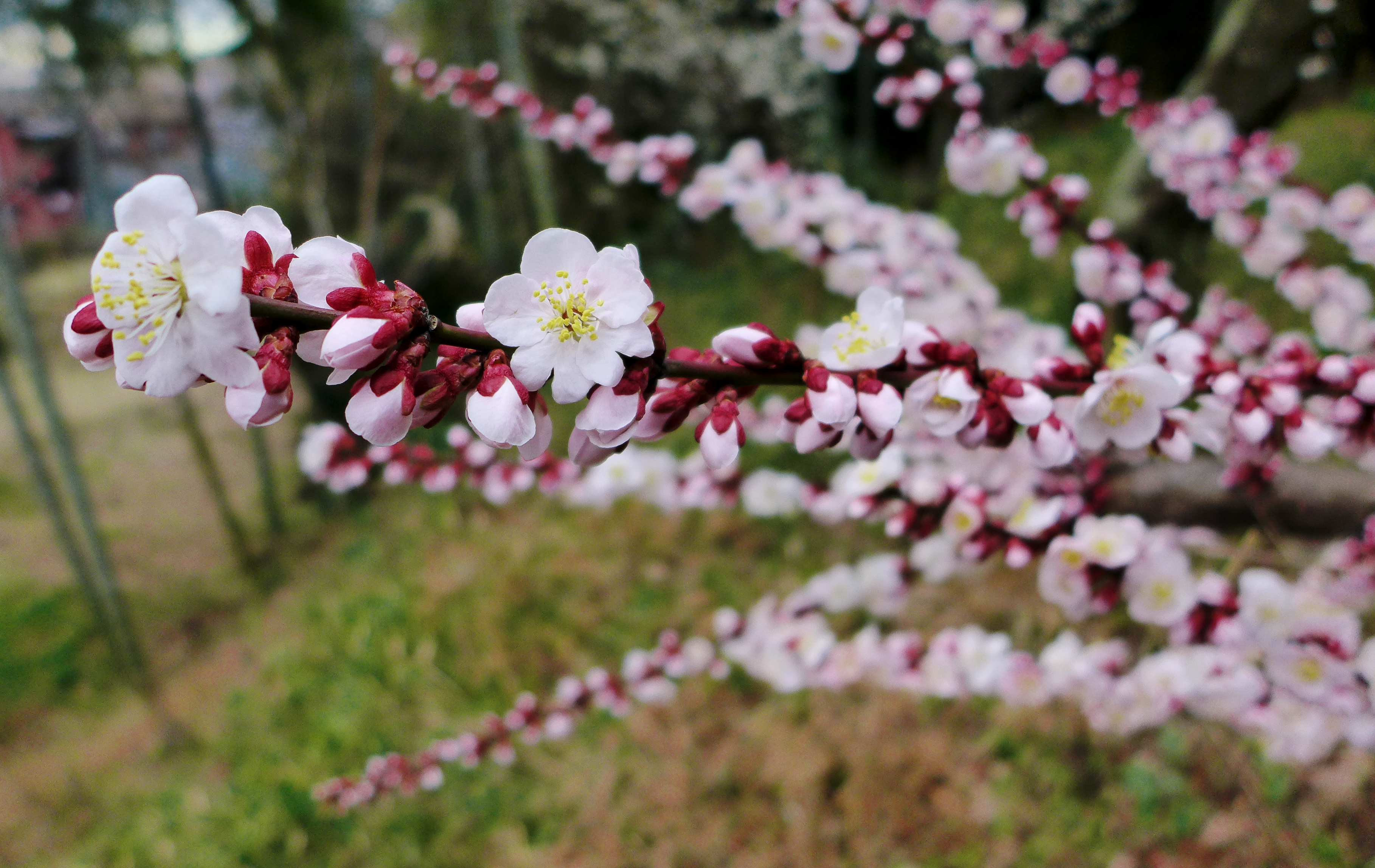
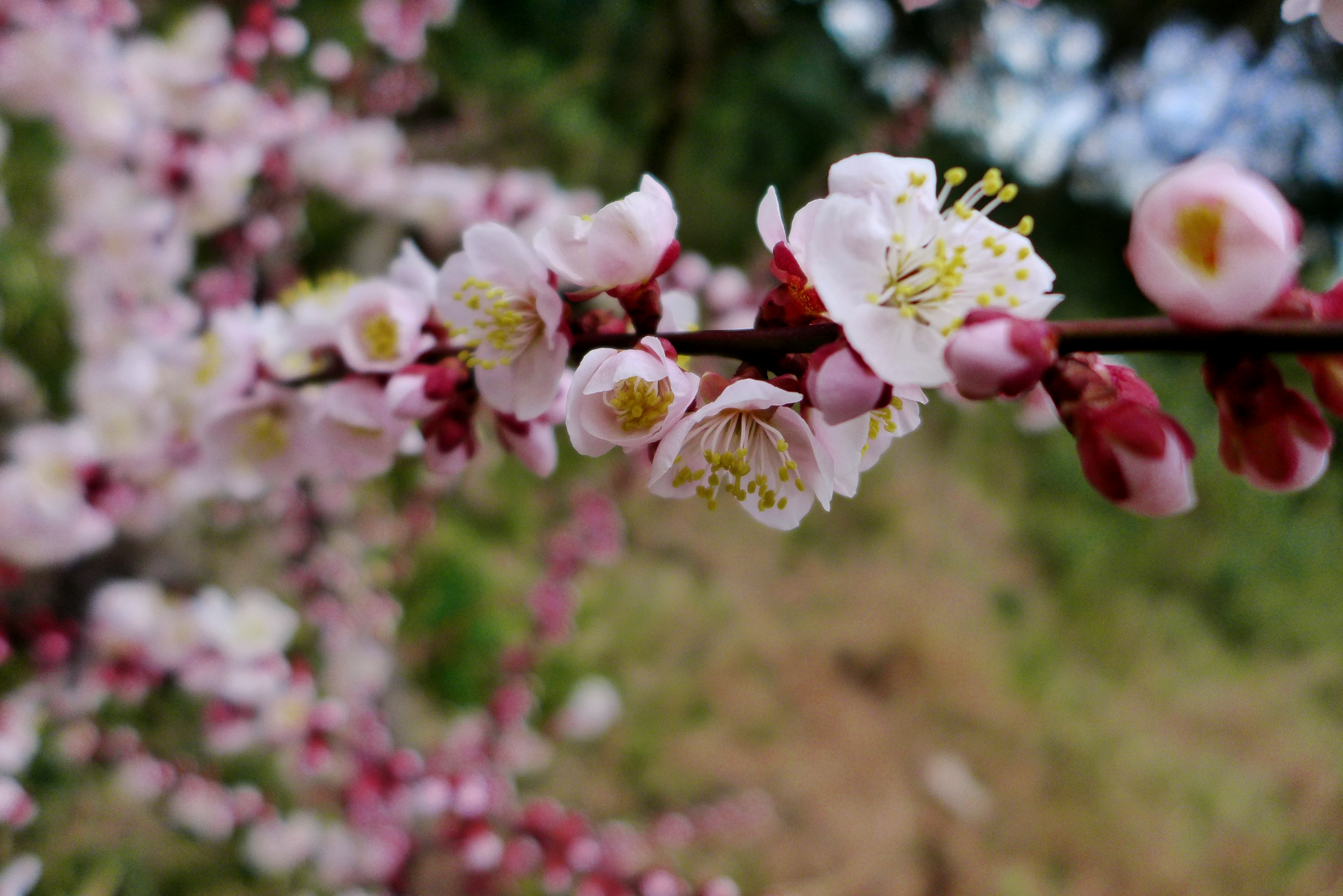
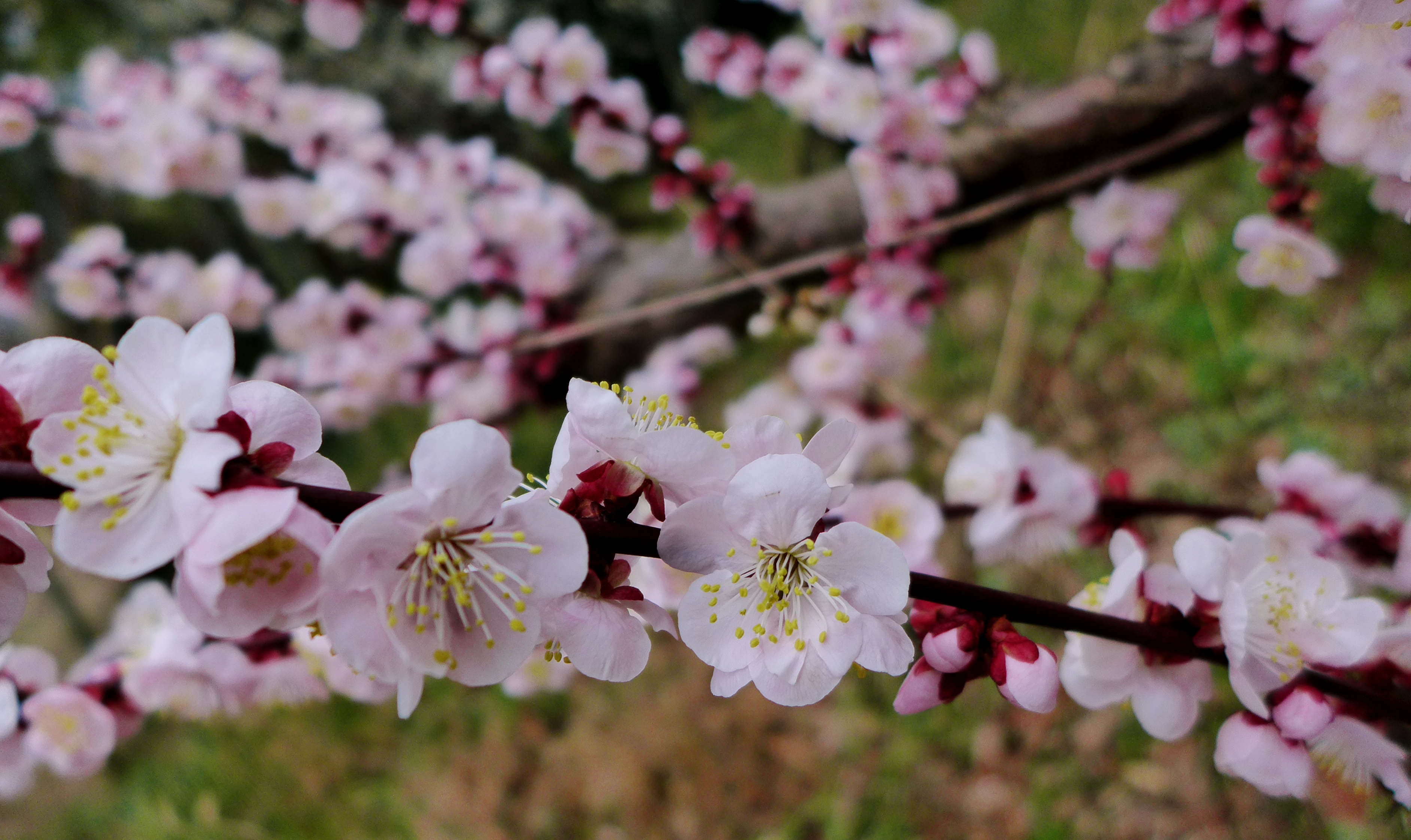
With all this travel to other parts of East Asia, you may have missed my frequent posts on temples. If you have been missing them, fear not, for they are back! It is also spring now in Japan, so my walk around the temples has been graced with various blossoms, I’ll add the pictures of the blossom among the temple pictures, as I saw them on my walk between the temples.

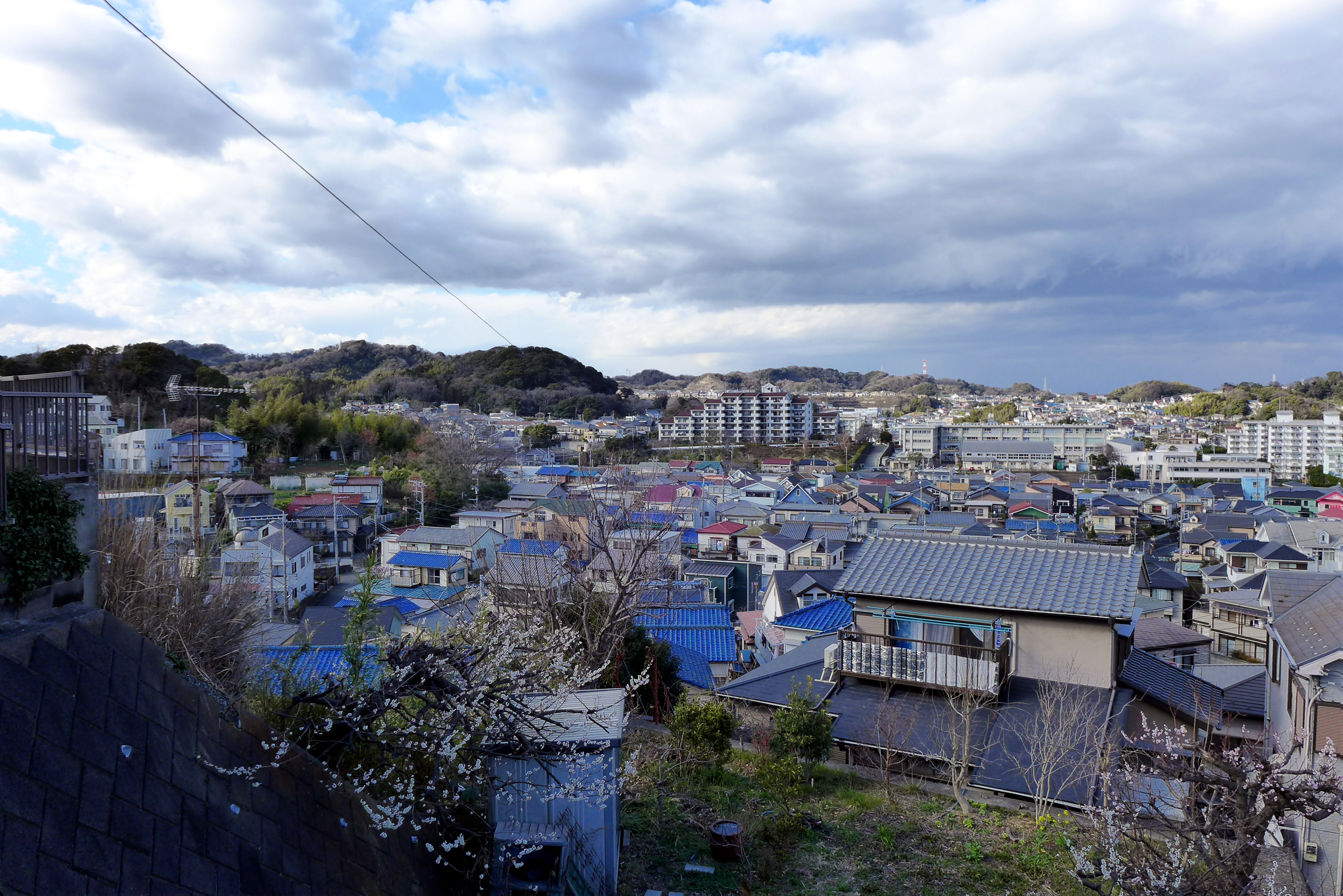
After my trip to Hong Kong and Seoul, I took some time out from Kyoto to visit my friend in Yokosuka, which is just south of Tokyo. Being out of Kyoto is strange from a temple perspective; when you live in Kyoto you get used to seeing temples everywhere, and usually those temples are large with a rich history. The temples I visited in Yokosuka were more functional than historical, focused on serving the community. It was interesting to see how temples are in the rest of Japan, and while I couldn’t get loads of information on them I learned quite a lot about temples while attempting to find these temples on the Japanese web.

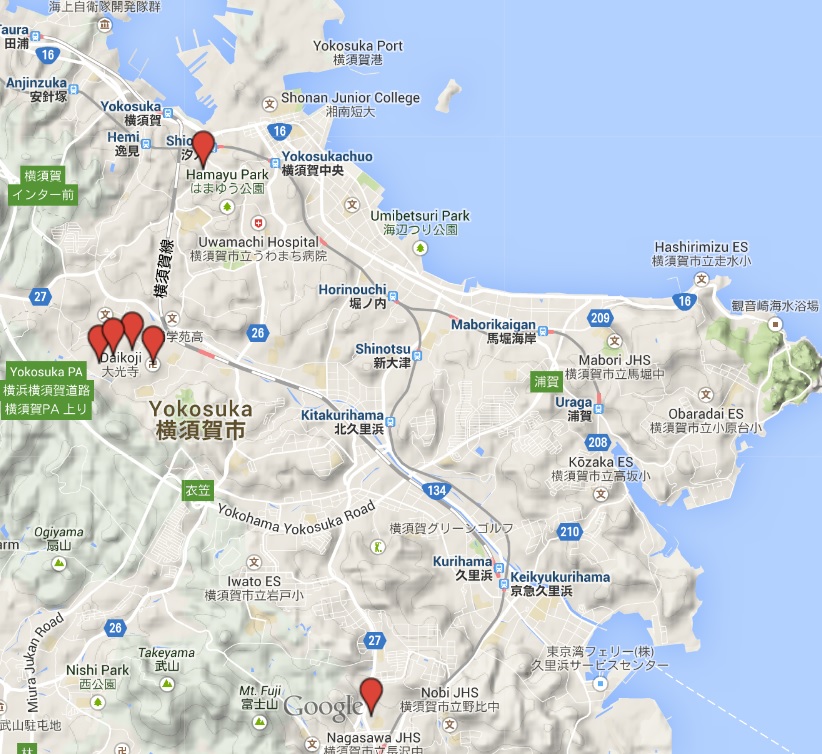
yokosukatemplesmap

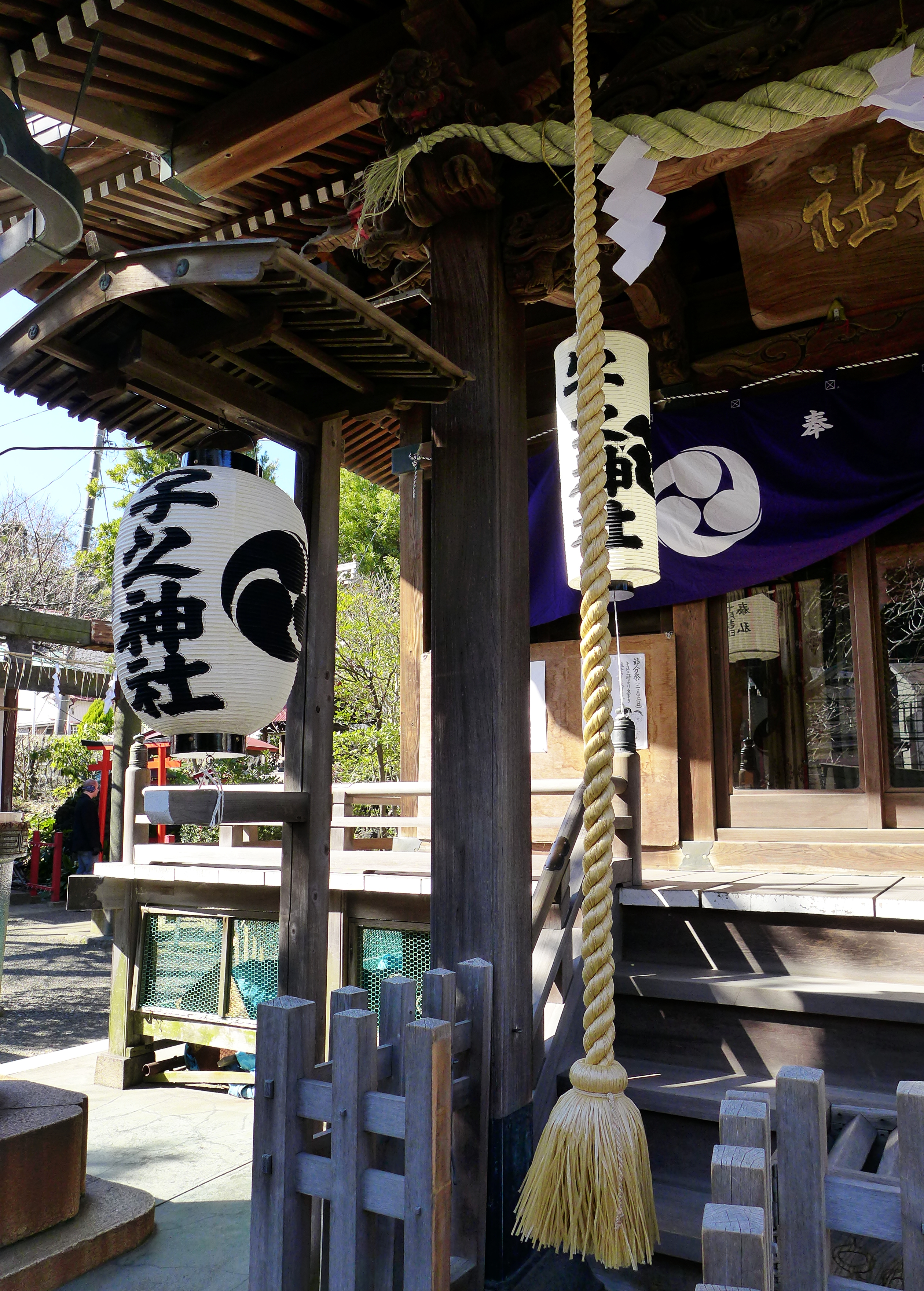
Most of these temples were part of the same walk around Yokosuka, but the first visit actually dates back to a brief visit before my holiday. We visited this shrine as we passed it every time we went to the train station. This shrine was Neno-jinja 子之神社, a Shinto shrine. We wandered around and took some pictures. I had my eye out for somewhere to get my book stamped, and though it initially seemed like there was no one around, I noticed a small handwritten sign on a building that advertised stamps, so we went inside.

P1040554 P1040555P1040558

The man that did my stamp was very nice, and while he was writing my stamp his colleague explained to me about the shrine. Neno-jinja is a shrine dedicated to Nezumi, god of children, Okkuninushi (the god in the legend of the white rabbit), as well as the gods of the harvest. He gave us little pouches with beans in them and explained that they would bring us luck and health in the New Year. He was also kind enough to show us the shrine’s portable shrine, which is part of the festival held every June. The shrine is carried by around 100 men on long wooden poles, and paraded around the streets. A portable shrine in Japanese is a mikoshi, 神輿, and it is believed that the deity of the shrine can be transported to sub-shrines using this vehicle.

P1040565P1060837 P1060842

Neno-jinja was initially built in 1220 on the peninsula that is currently occupied by the American military base, but it was moved to its current site around 1830. The protective Komainu (lion dogs) were new and painted with gold and red accents.

P1040550 P1040562P1040553

Another Shinto shrine I came across on my walk was Hirasaku-jinja 平作神社, a tiny shrine that served the area around it as a protective shrine. Known as chinjusha, 鎮守社, this type of shrine enshrines the kami that protects the local area. These kami are not necessarily well known or very powerful, but hold importance in the area as guardian spirits. The view from near the top of this shrine was pretty great, making up for its size.

P1060362P1060364 P1060363 P1060366P1060416

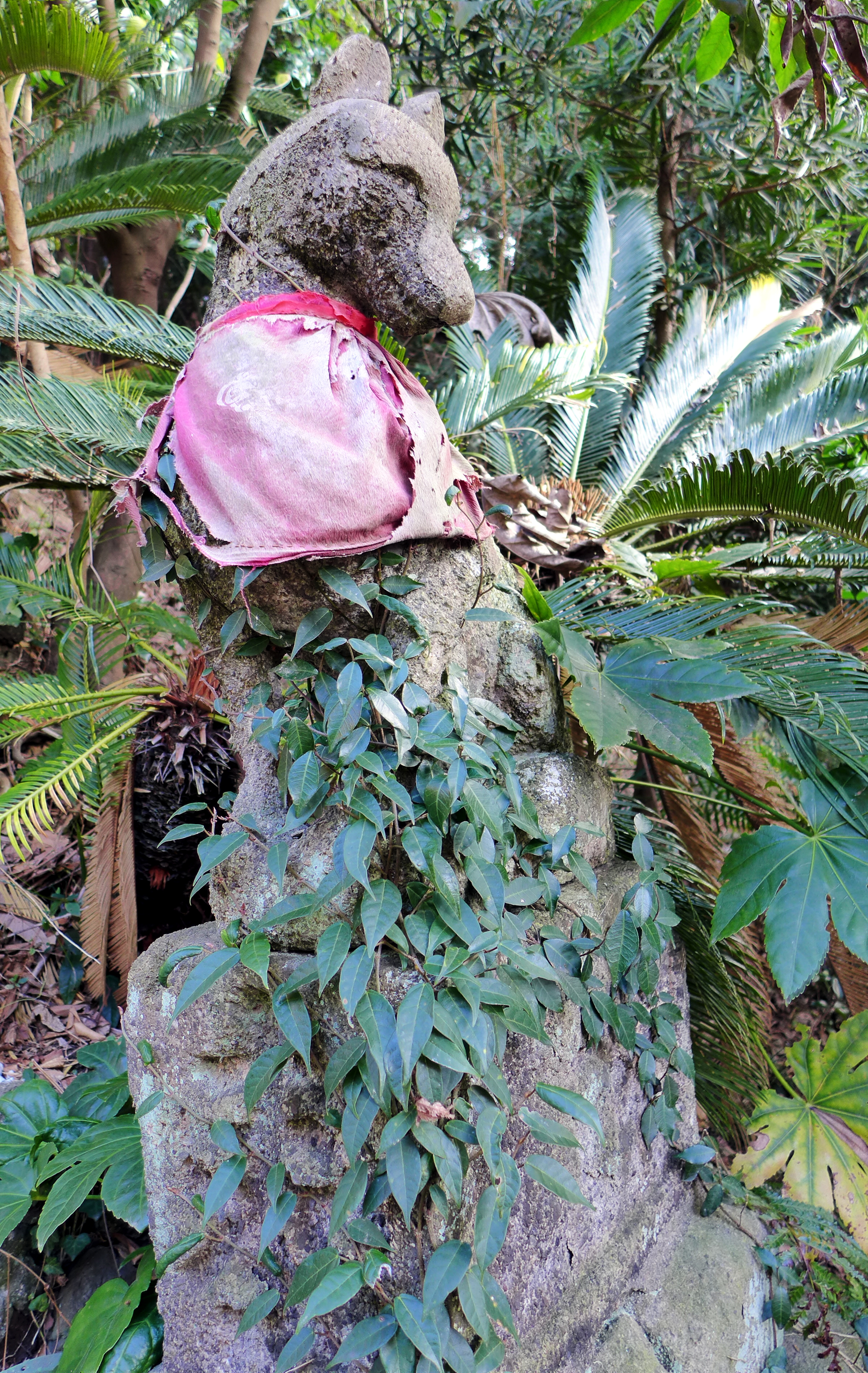
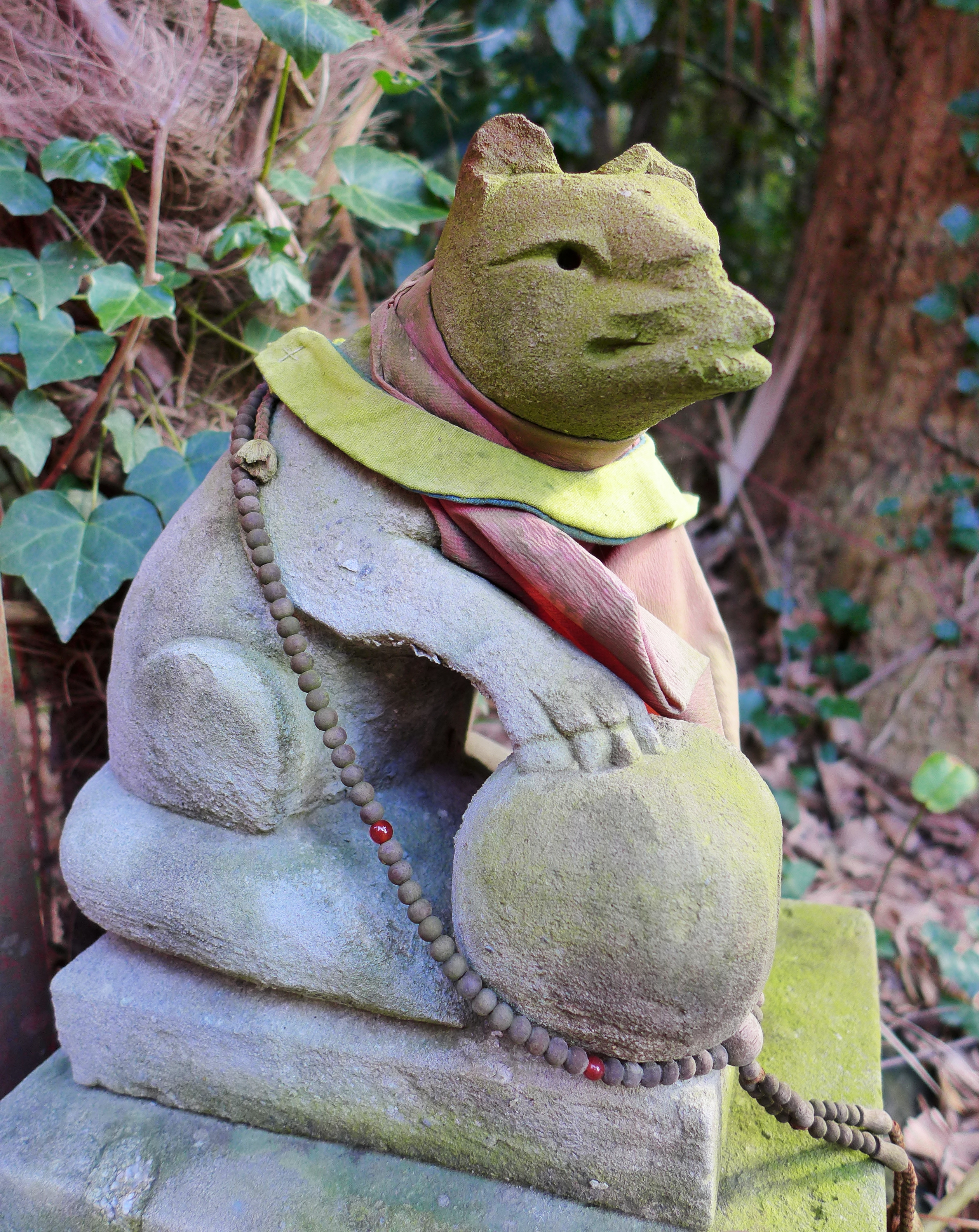
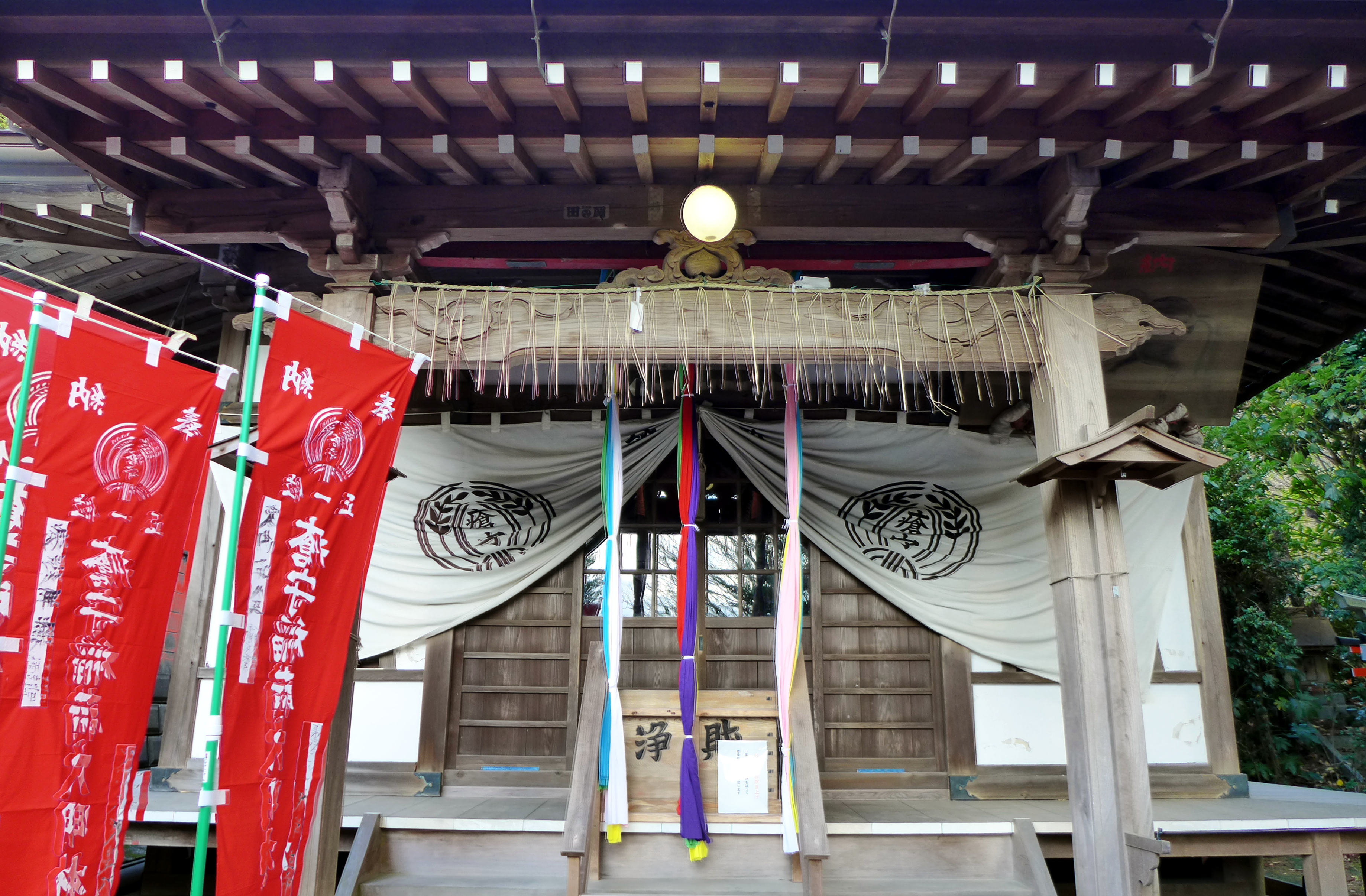
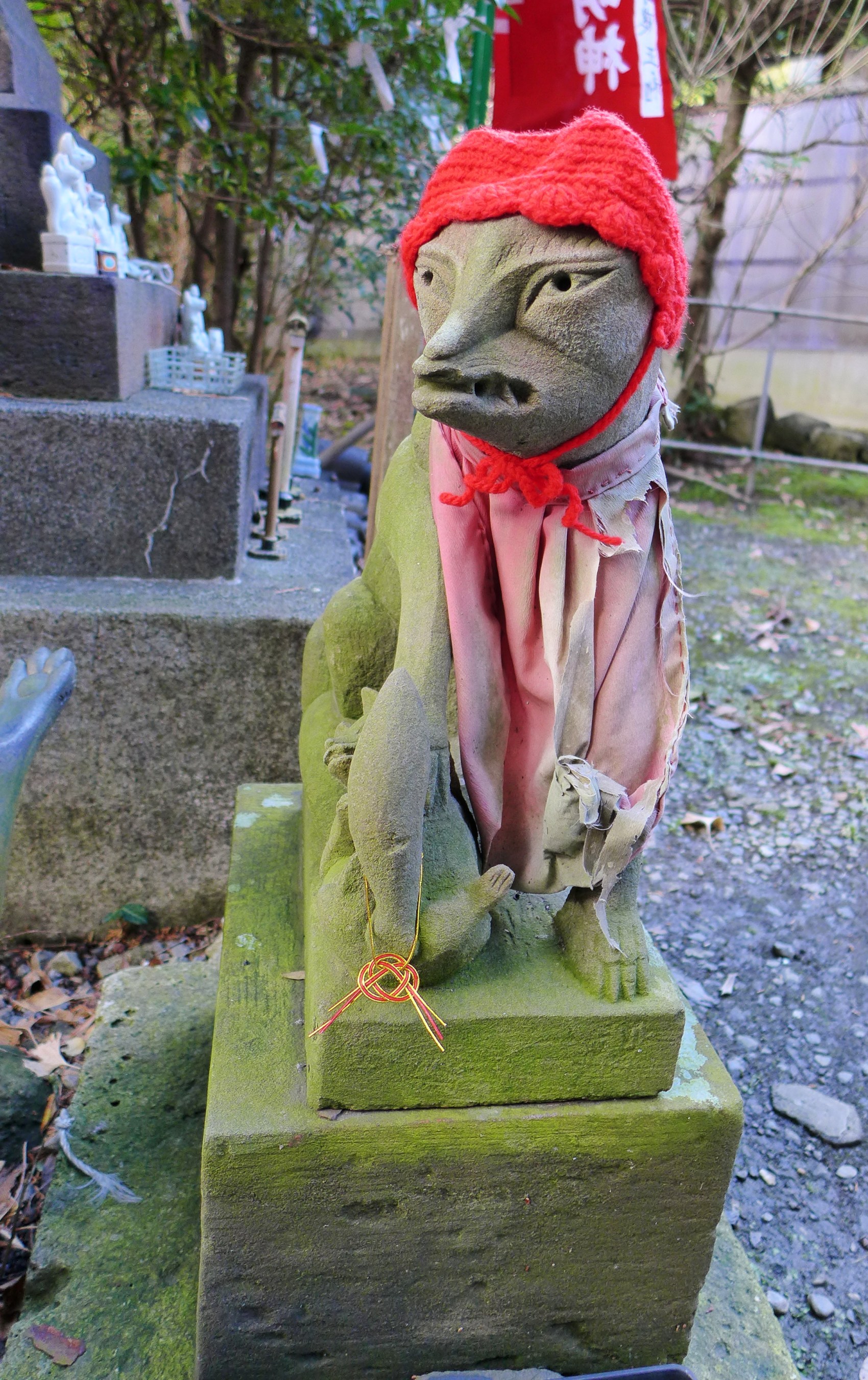
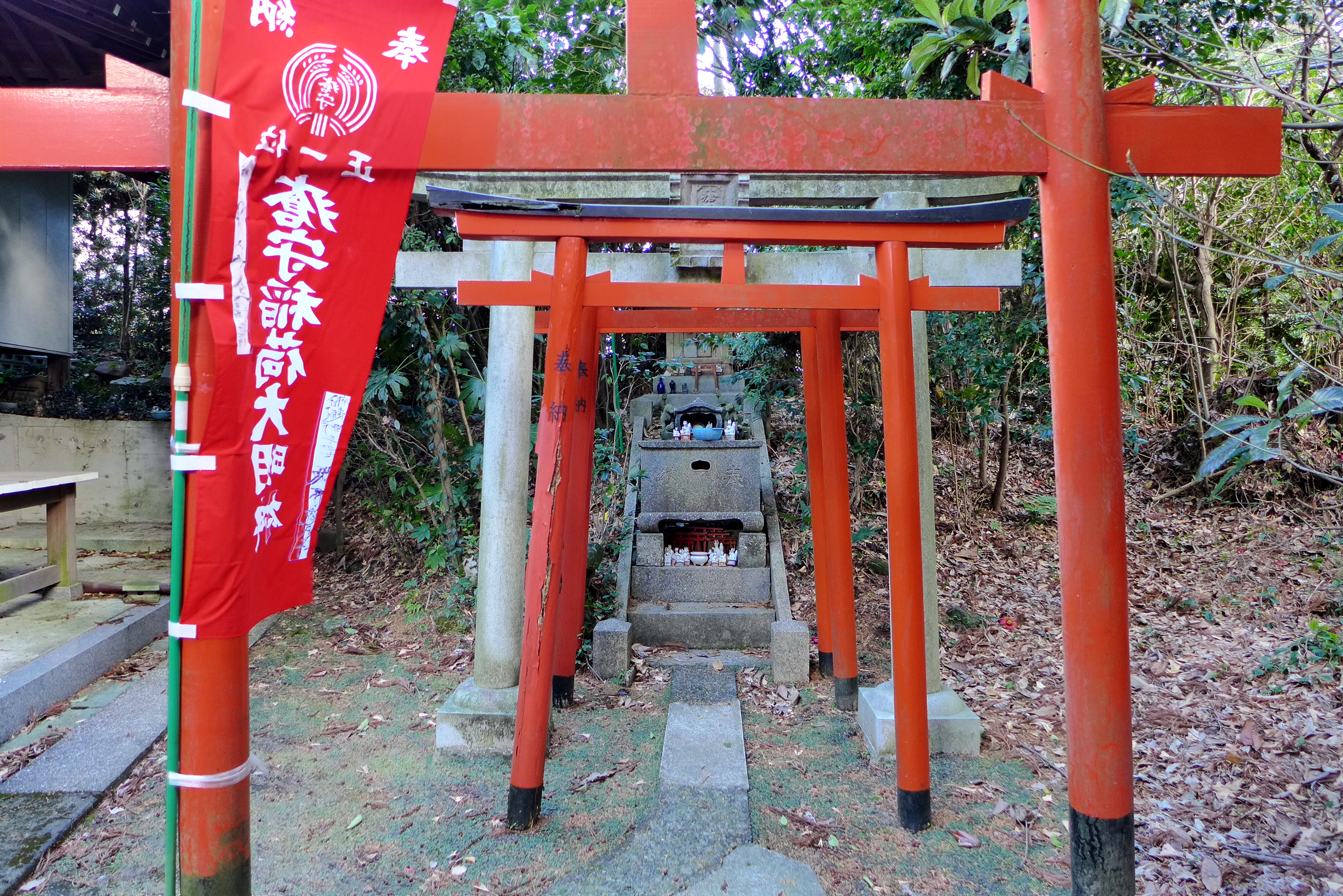
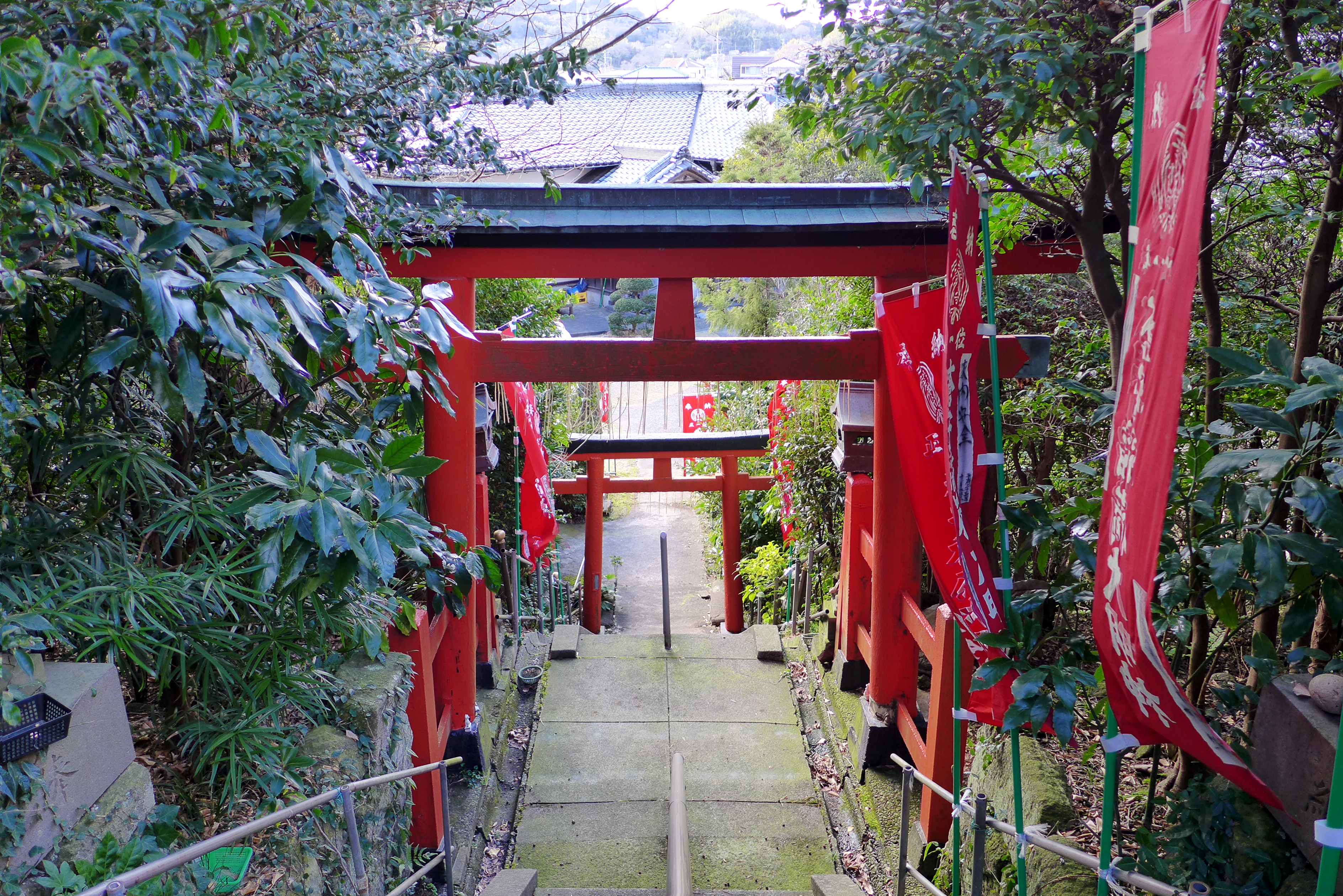
I also came across another chinjusha attached to one of the Buddhist temples. This shrine, Kasamori-Inari Daimyoujin 瘡守稲荷大明神, was dedicated to one of the most well known protective kami in Japan – Inari, the fox spirit. This shrine was actually hilarious, as whoever made or found the fox statues seemed to have an eye for the grotesque. All of the fox statues were pretty unconventional-looking, and I suspect they had been found at a car boot sale or in the woods somewhere. Though they were sporting lovingly made knitted red hats, they looked a sad state as half of them were damaged and the rest were plain ugly. I mean, some probably used to be normal-looking but several clearly didn’t even start that way. Perhaps the curator felt sorry for all the rejected fox statues and gave them a home. In my head I dubbed it ‘Ugly Fox Shrine’ and every statue seemed funnier than the last.

P1060394 P1060371 P1060373 P1060376 P1060377P1060379 P1060381 P1060383 P1060385P1060380 P1060386 P1060388 P1060391 P1060395 P1060396

Ugly Fox Shrine was attached to Myotozan Ookuraji 明登山大蔵寺, which was comparatively uninteresting and had no sign of stamps. This is part of a series of temples that I visited which all used to belong to the same network of Nichiren temples. These temples were part of the head-temple, sub-temple system until 1941. The reason for the dissolution of the network was due to the advent of the modern Japanese schooling system; temple schools slowly fell out of use and several sects fell into extinction. In reaction to this, the old Nichiren, Kenpon-hokke and Honmon sects fused together to form a single new sect, confusingly also called Nichiren. The old head temple system was abolished in favour of a religious council that managed all the temples and the whole system experienced an overhaul. Despite these changes, the appointment and dismissal of head priests, supposedly managed by the religious council, is still largely managed under the old head-sub temple network; it was difficult to totally erase such a long-standing relationship between temples.

P1060392 P1060367P1060398 P1060399 P1060402P1060408

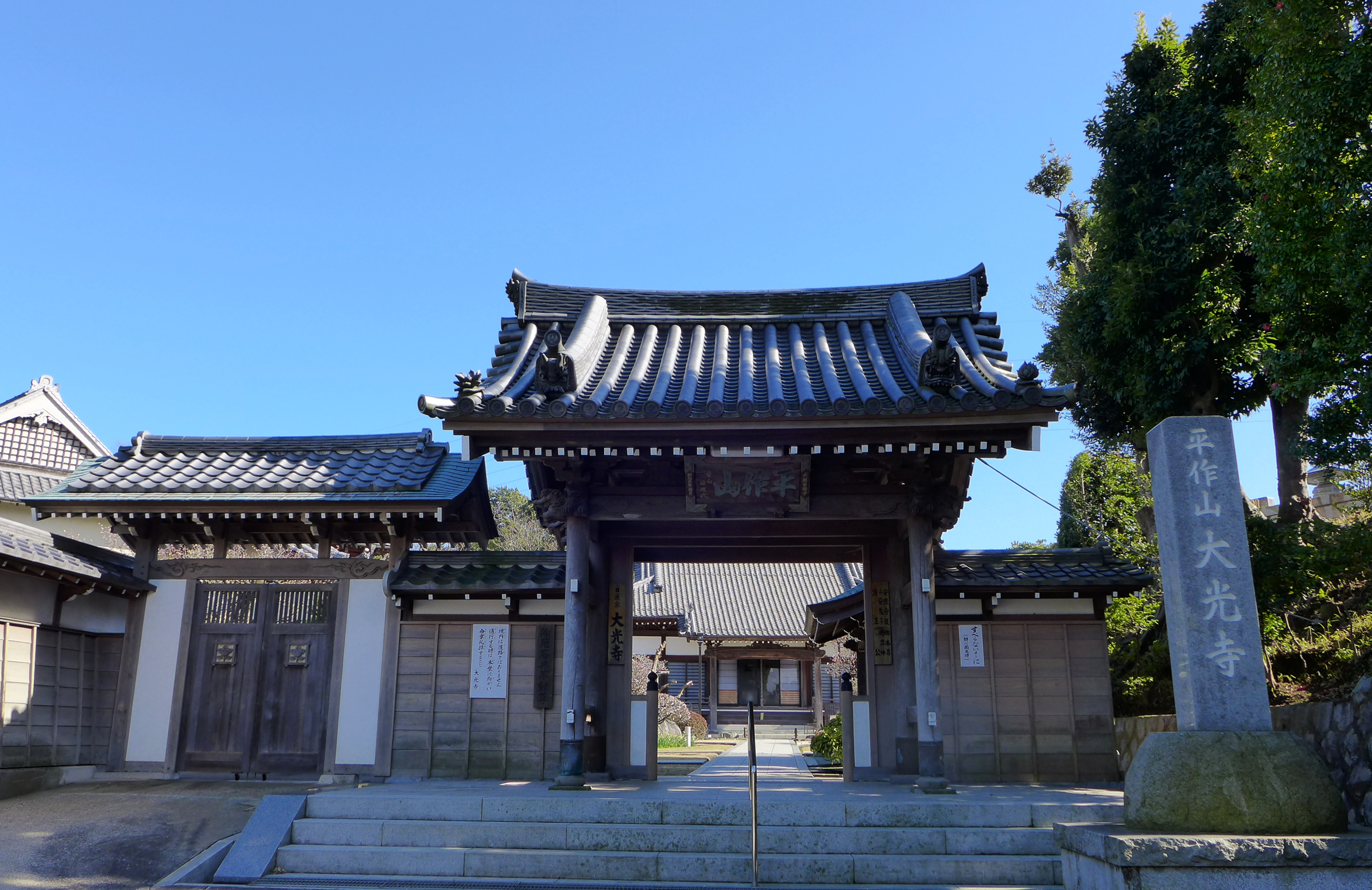
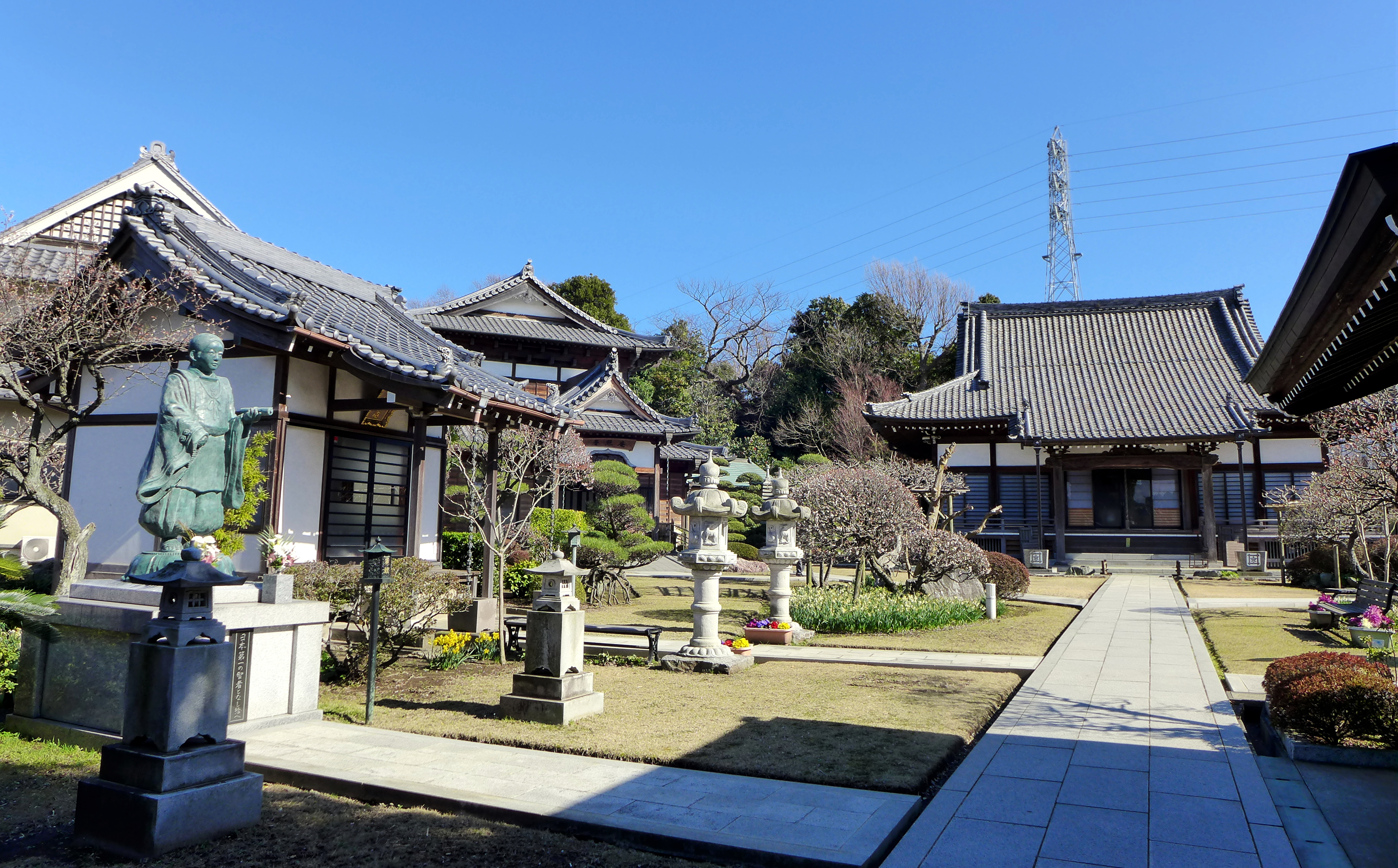
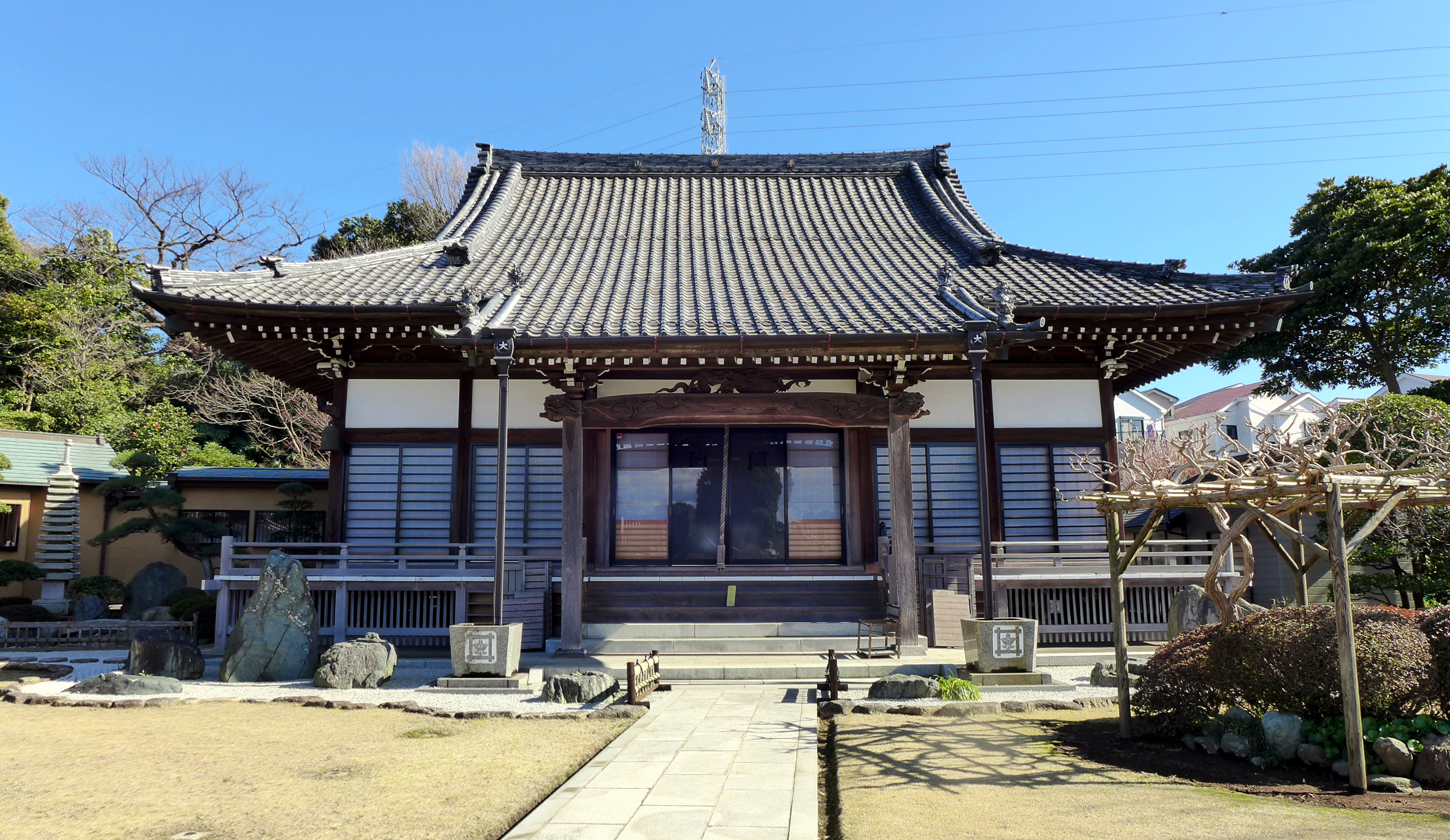
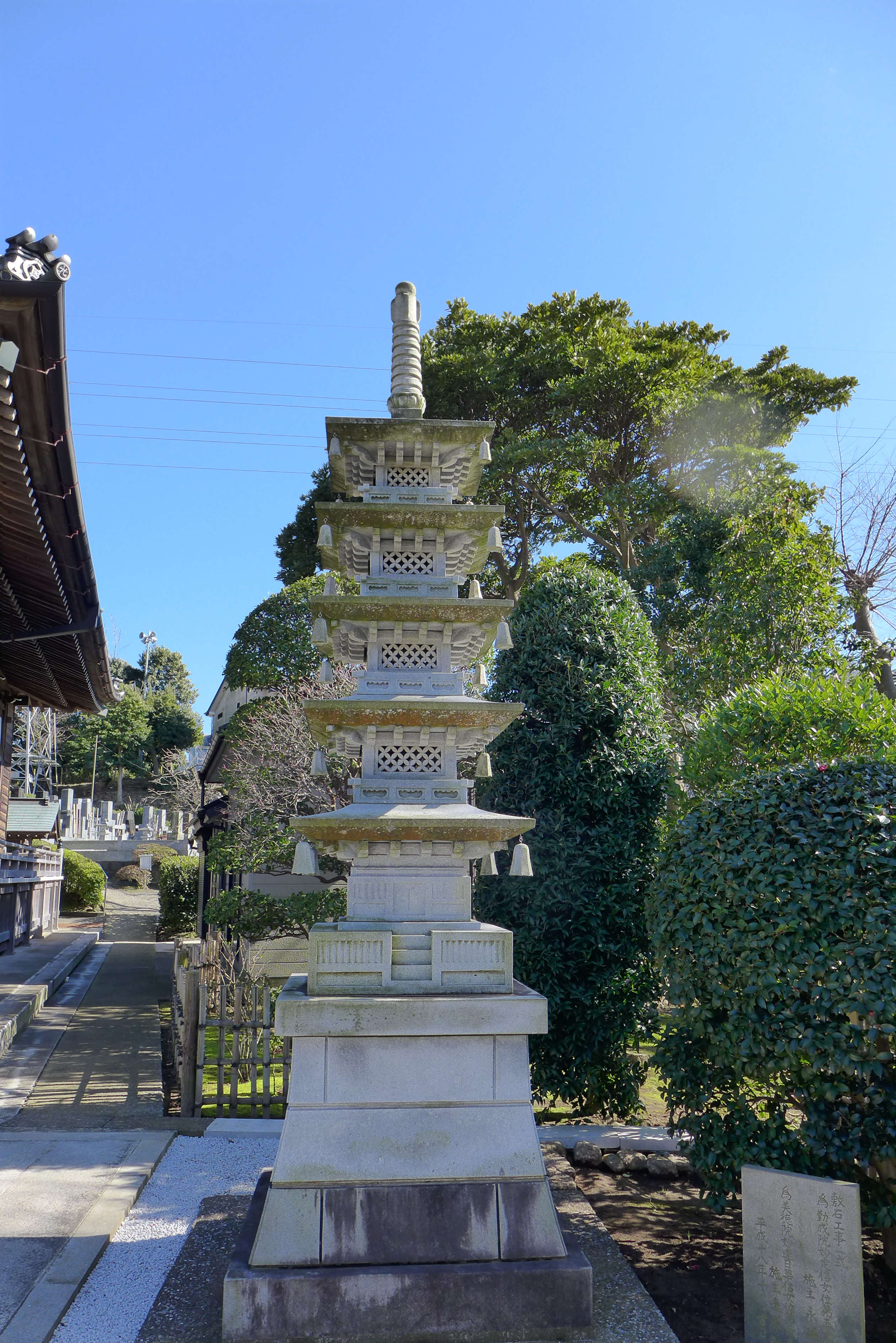
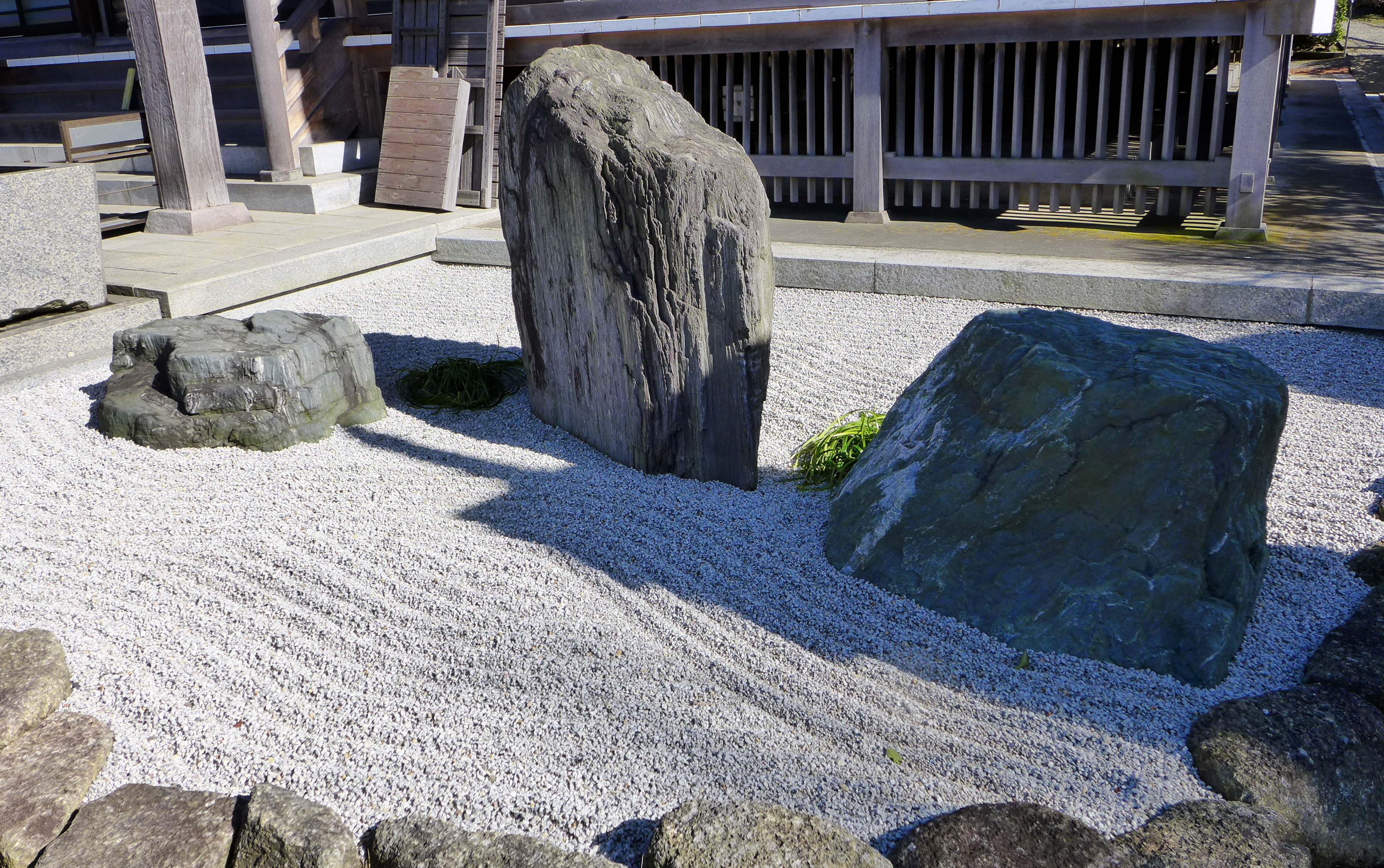
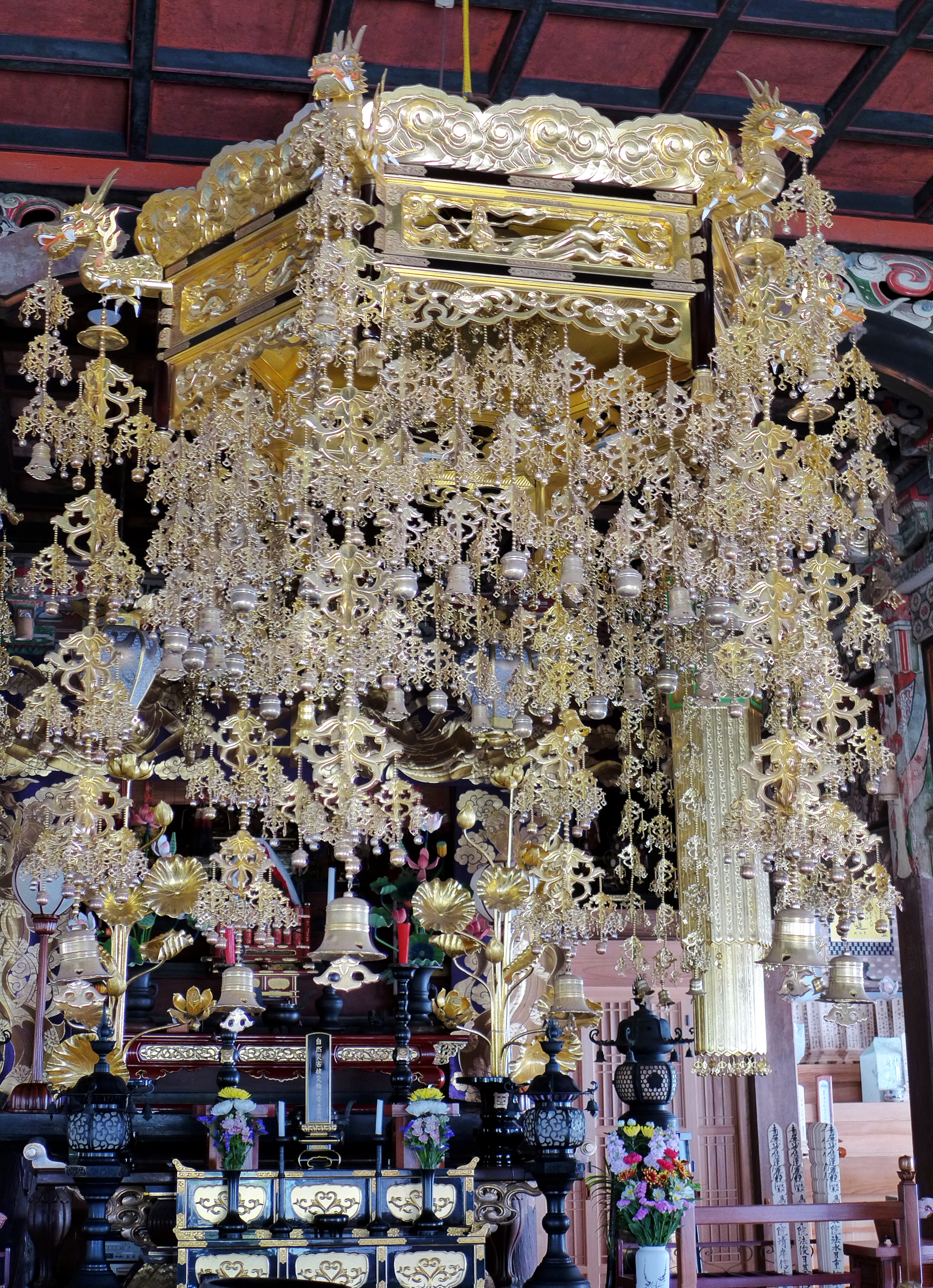
The other temples in this group that I visited had very little information on them on site or online. Heisakuzan Daikouji 平作山大光寺 was interesting in that it had a large courtyard with very well kept gardens and a lot of buildings, very different to the others in the old Nichiren sub-temple network. They kindly let me have a look inside the main hall (the guy even spoke English to me which was surprising).

P1060333 - Copy P1060334 - Copy P1060335 - Copy P1060336 - Copy P1060337 - Copy P1060338 - Copy P1060339 - Copy P1060340 - Copy P1060341 - Copy P1060343 - CopyP1060346 - Copy P1060347 - Copy P1060348 - Copy P1060351 - Copy P1060352 P1060353 P1060355P1060358

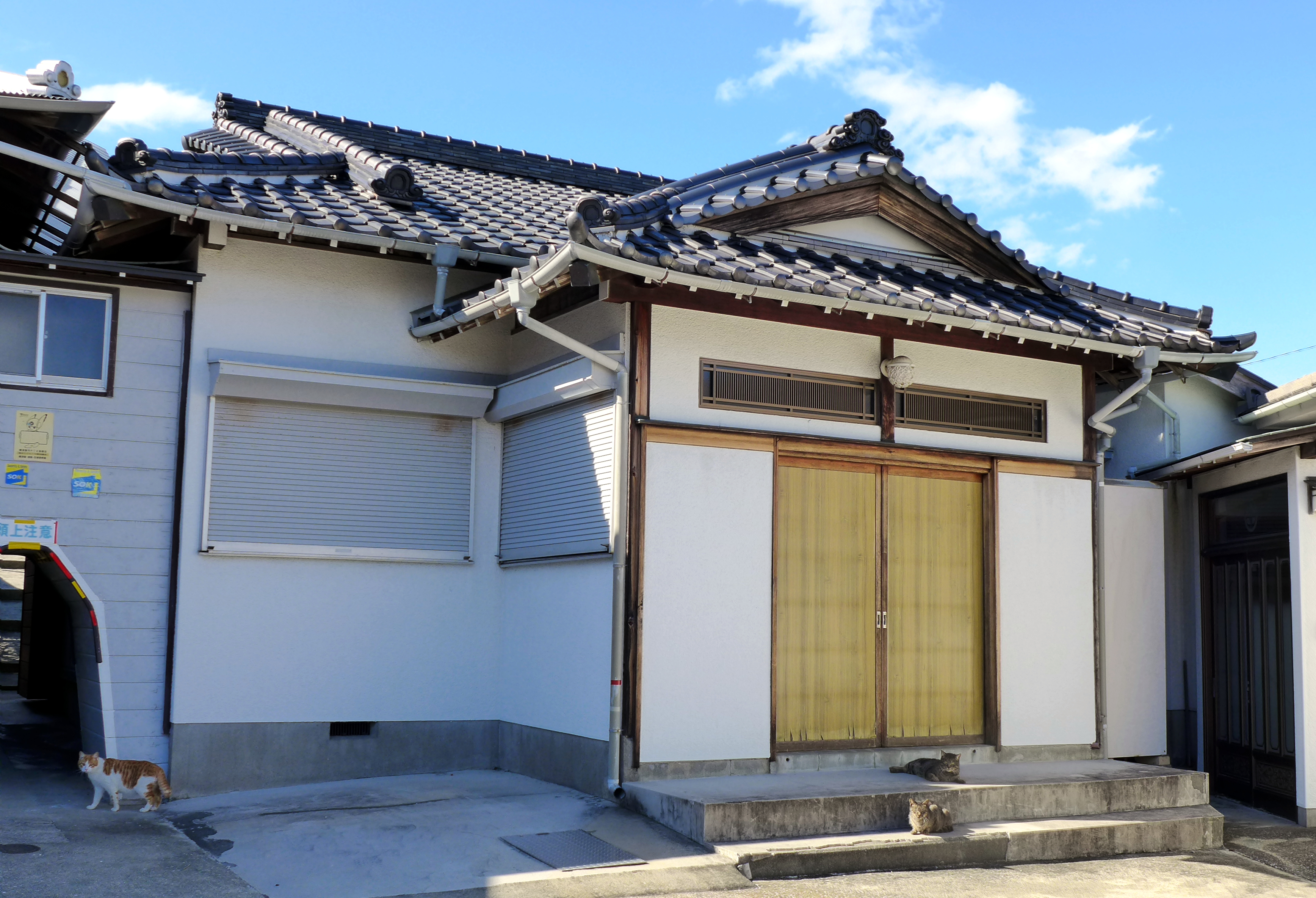
The last temple in this group, Gyokuryuuzan Fukusenji 玉龍山 福泉寺, was probably the most disappointing as it was simply a white building. It was redeemed by the large number of cats sunning themselves outside it, and also the fact that its mountain name has ‘dragon’ 龍 in it.

You may have noticed that all the temples (not shrines) I have talked about so far have had two names, the first ending with the character and the second with the character . The first name is known as the ‘mountain name’, as is the character for mountain. This dates back to when temples were typically monasteries built upon mountains – the mountain name was often a geographical reference to the mountain upon which it was founded.

Though not all temples are now built on mountains, temples are seen as metaphorical mountains and are counted with the counter ‘~san’ ~山. Founding a temple is called , literally ‘opening a mountain’. Temple names are now not always references to the mountain nearby but can be referring to the name of a founder, the founder’s parents, a deity or several deities. As mountains are naturally sacred places, temples are known as mountains to emulate or embody that sacred nature.

P1060331 - CopyP1060412P1060403 P1060405 - Copy P1060406 - CopyP1060411 P1060400P1060417P1060452

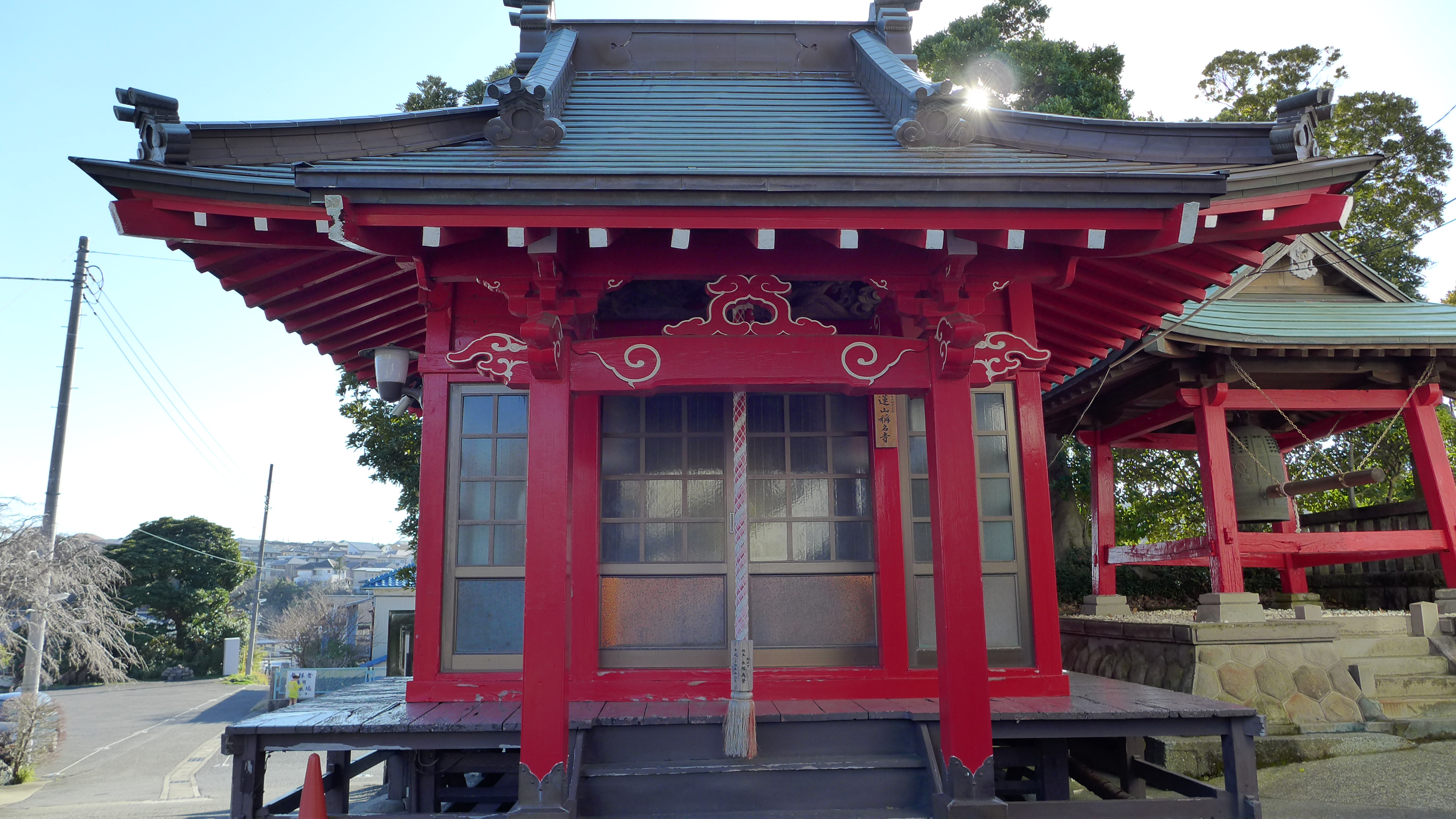
The final temple I visited was Shomyouji 称名寺, a Buddhist temple belonging to the Jodo Shinshu sect. Originally a Nichiren temple, the popularity of the Bodhisattva Kannon increased dramatically in the area around the temple, and it was converted to Jodo Shinshu in 1233 due to popular pressure. The temple was moved to its current location in 1443 after it was burned down in a storm. The Kannon hall burned down but it is said that in the ashes of the hall, the head of the old statue of Kannon remained like a phoenix egg, and when the new statue was constructed the head was placed in its belly. This is why the Kannon statue has its right hand on its belly, and is said to bring the blessing of easy childbirth. Sadly I could not get or find a picture of the statue.

P1060426P1060439 P1060427 P1060430P1060435P1060448 P1060437

Unfortunately this wasn’t the last burning this temple would receive; in 1970 it burned down again and was reconstructed in reinforced concrete – the monks were clearly pretty determined that it shouldn’t burn down a third time. Fortunately the red Kannon building with the special statue survived.

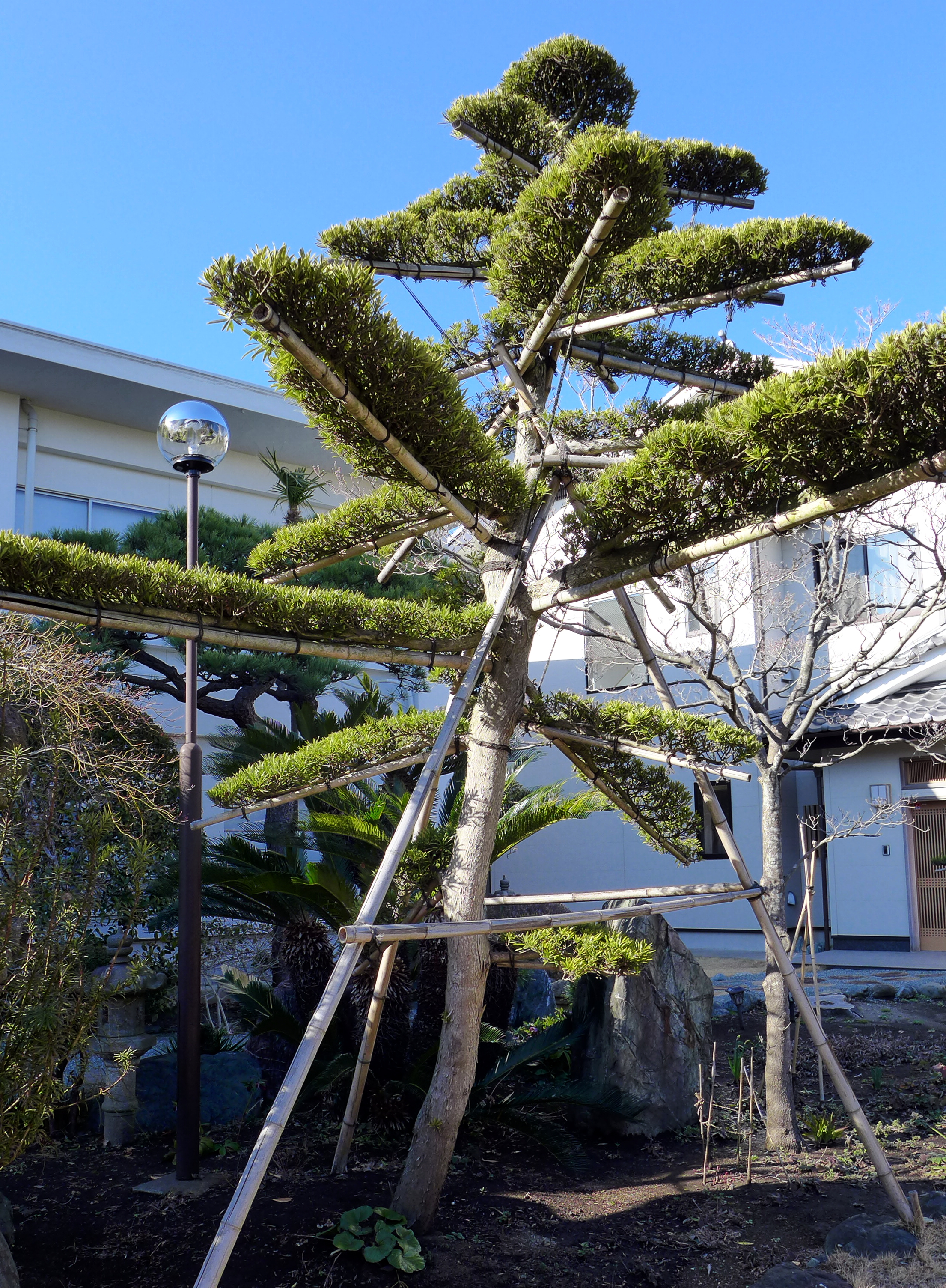
This temple is part of a Kannon pilgrimage circuit around Yokosuka, and it appears it gets a lot of sponsorship – we noticed a wooden board with names and numbers on it, which I worked out corresponded to the amount of money an individual or a family had donated to that temple. Also, the garderner seemed to have a penchant for perfectly straight tree branches, which was pretty weird considering I thought Buddhism was into things looking natural.

P1060424 P1060432 P1060434 P1060447P1060450 P1060451

Walking around the local temples in Yokosuka was great and I am glad I found out so much more about Buddhism and Shinto from them. It is always nice to go for walks around the neighbourhood, especially in spring time when the blossoms are out. Expect plenty more pictures of blossom soon as it is approaching Sakura season in Kyoto.