
Here begins my adventure around Hong Kong. I still have one more post on Korea but as that is more general I will do that after I have finished the rest of my trip. In Hong Kong we did a few truly touristy things, so I will start with those – we took things more slowly as we had 10 days to explore rather than just four. I had a great time so I hope you enjoy reading about my experiences there!
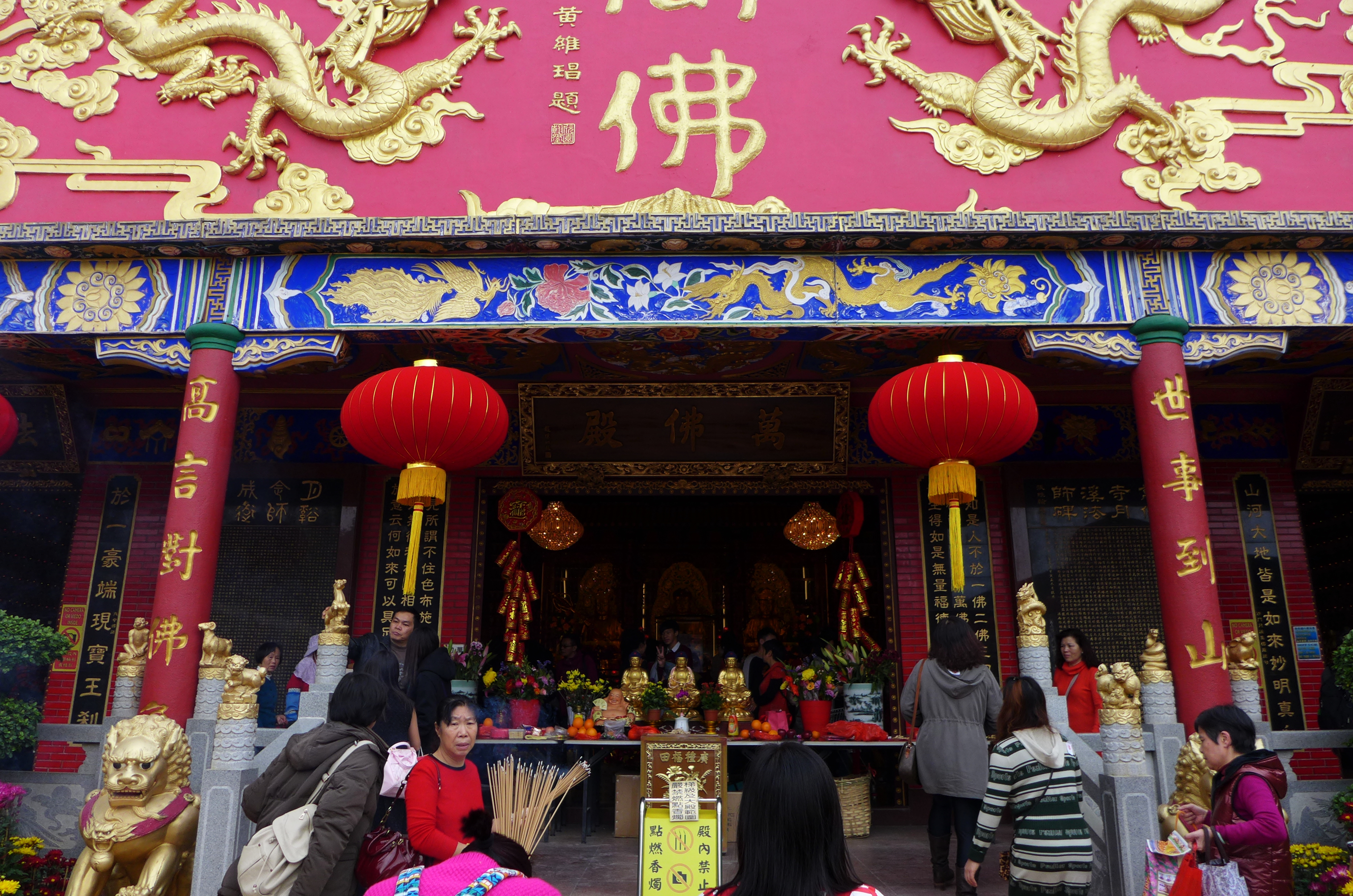
If you like Buddhas, go no further, this is the peak, the pinnacle of Buddhaness. They’ve got big ones, small ones, ones as big as your head, and ones much bigger than that. This is the Ten Thousand Buddhas Monastery, which has even more than 10,000 Buddhas, clocking in at an amazing 12,800 statues of Buddha. This monastery is not an ancient site but one worth visiting despite its youth, as the visual aspect is fantastic though lacking a colourful history.


The Ten Thousand Buddhas Monastery, 萬佛寺, was constructed in 1951 by Yuet Kai, a Buddhist monk. Yuet Kai studied philosophy at university before deciding, at age 19, that he would dedicate his life to Buddhism. To prove his commitment to the faith he cut off his left ring finger and little finger and used that burning flesh to light 48 oil lamps in front of a Buddha statue. He was pretty keen on the Buddha.




Yuet Kai came to Hong Kong in 1933 and quickly gathered a following. A wealthy follower, impressed by his teachings, donated his estate and Yuet Kai decided to use the gifted land to build the monastery. He, along with his disciples, personally carried the building materials of the monastery up the mountain. It took 8 years to complete the buildings and a further 10 years to finish the 12,800 statues. Yuet Kai’s body is mummified, lacquered in gold, and sits in a case in the main hall.


I have attempted to determine why Yuet Kai felt the need to construct over 10,000 Buddha statues when most monks are happy with one, or at least one really big one, but alas the internet has failed me. I can only assume that he had far too much money and couldn’t spend it on anything that wasn’t Buddha related.
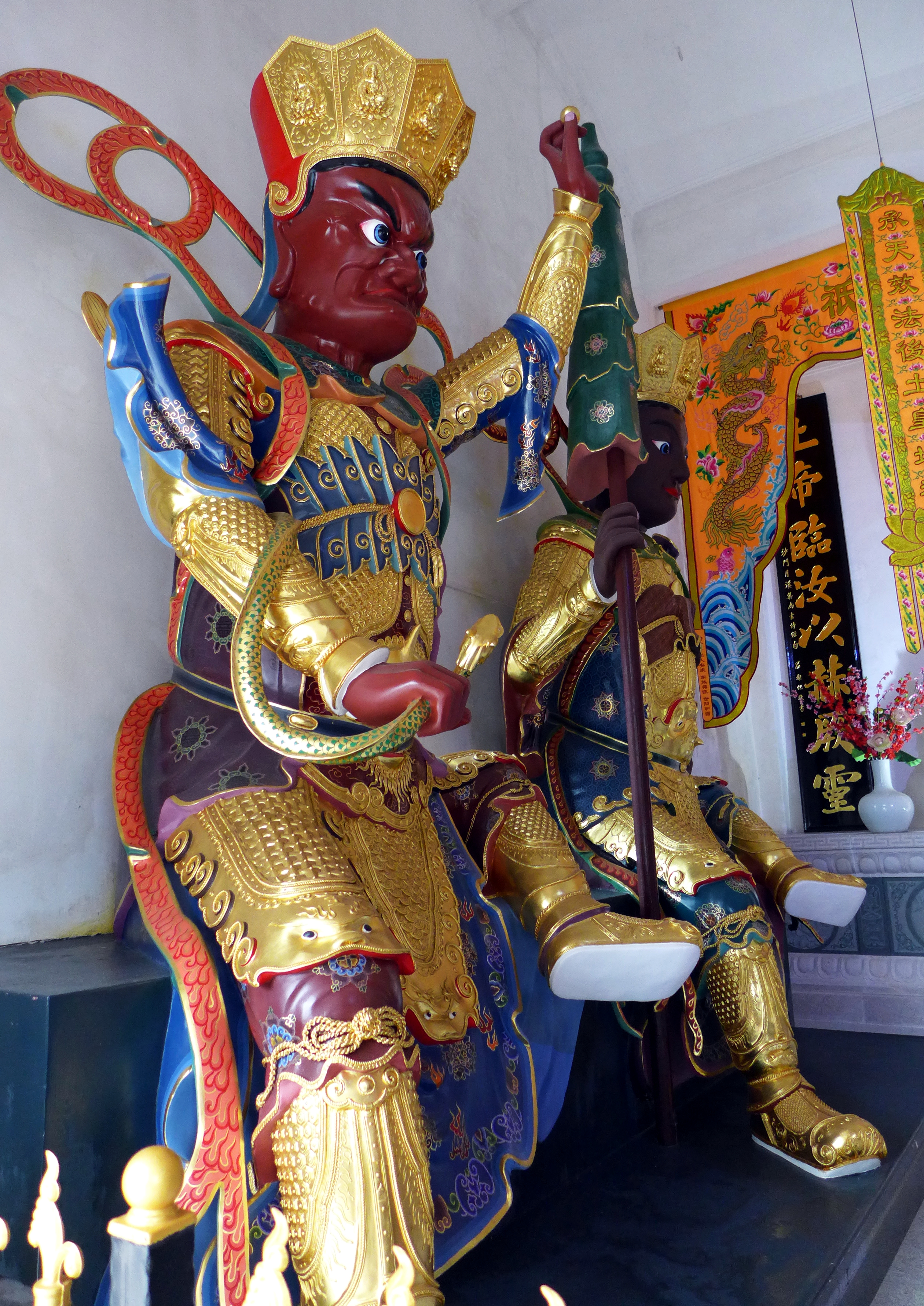

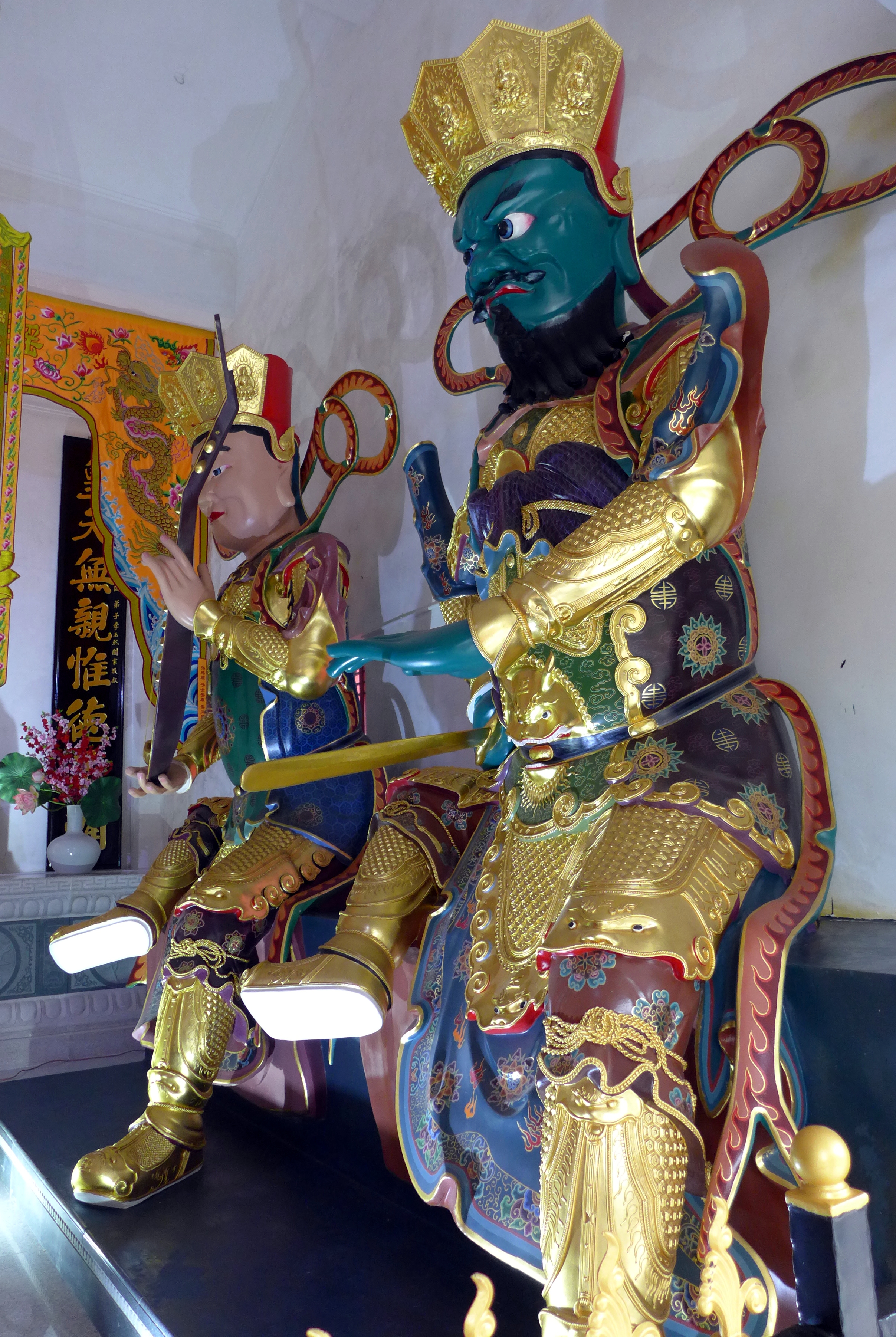
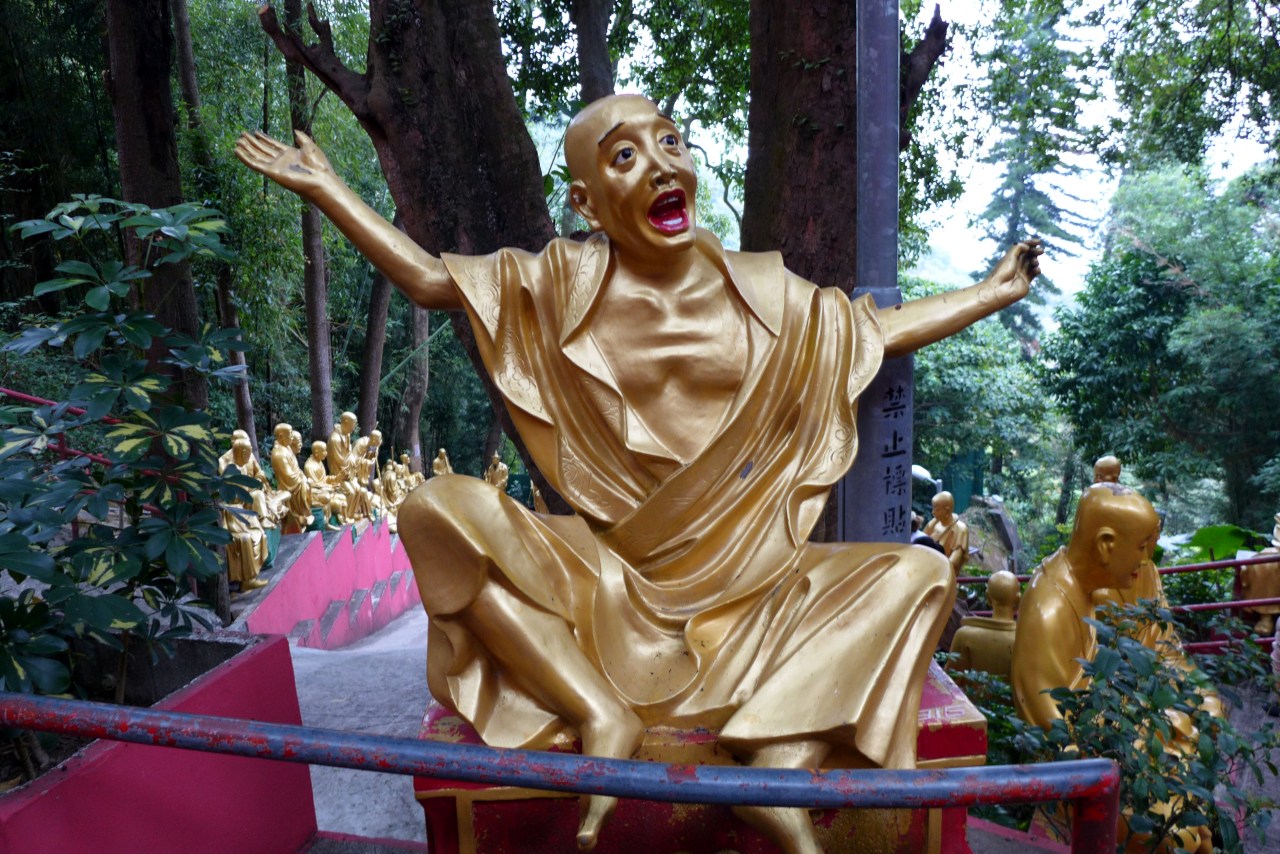
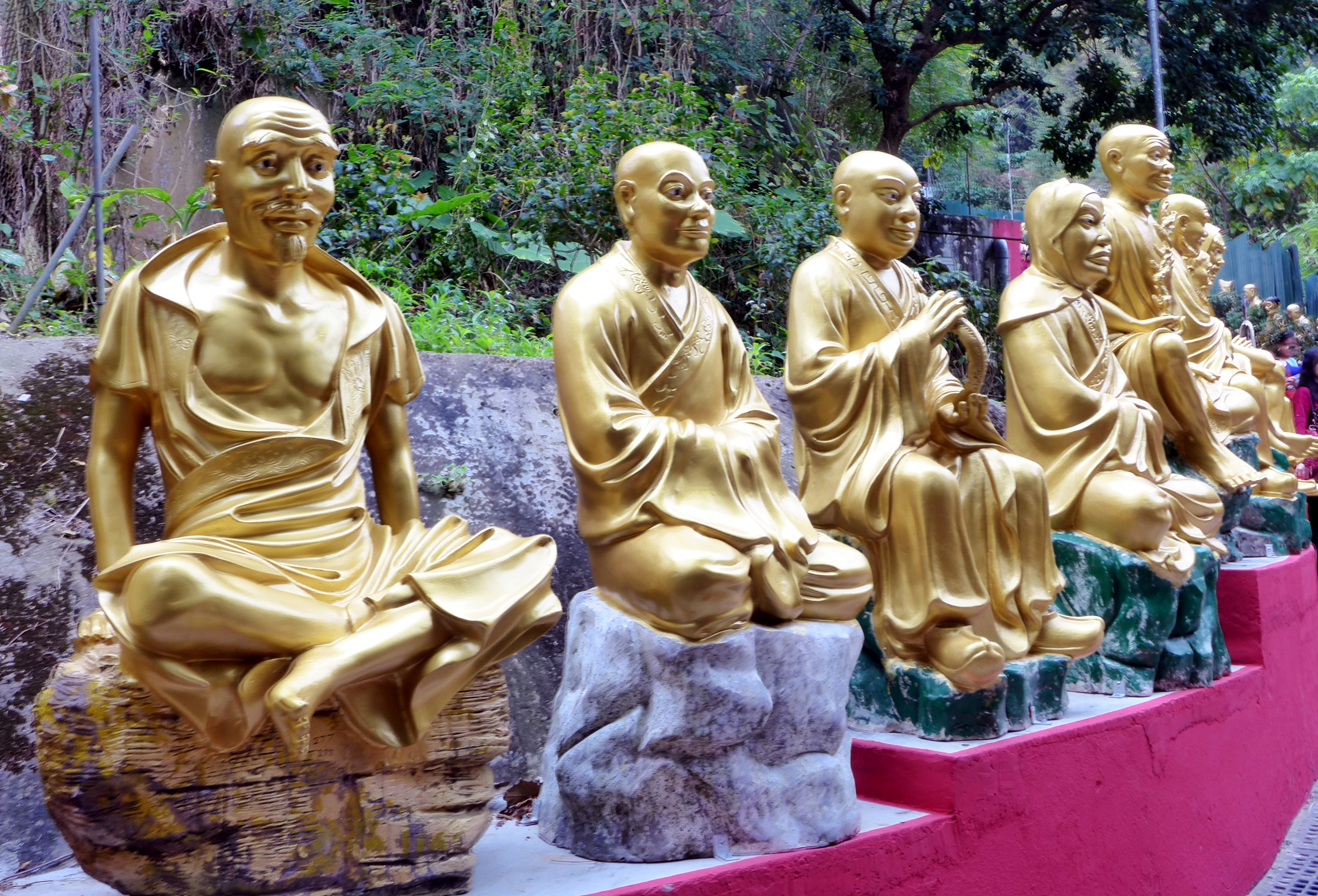
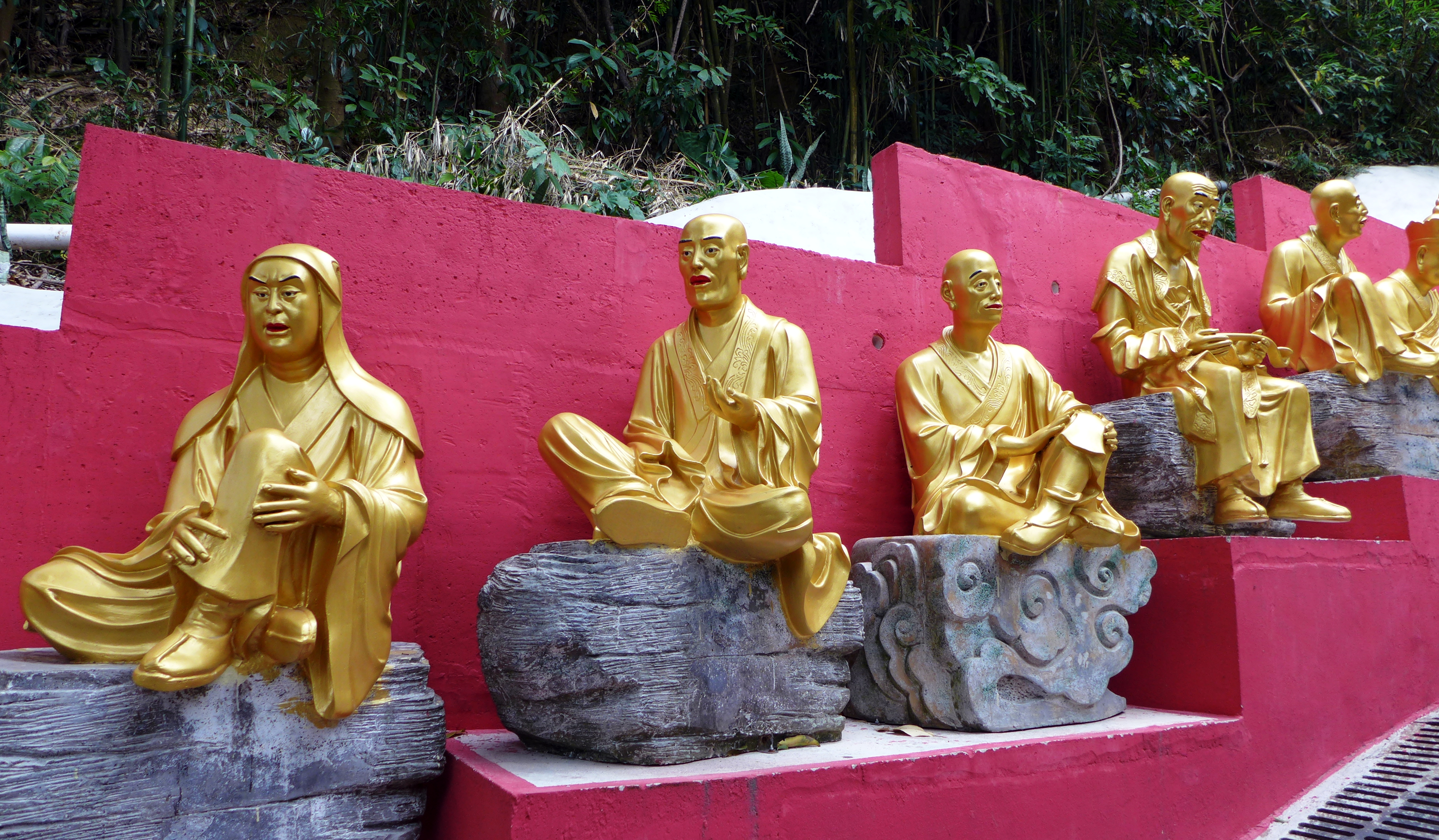
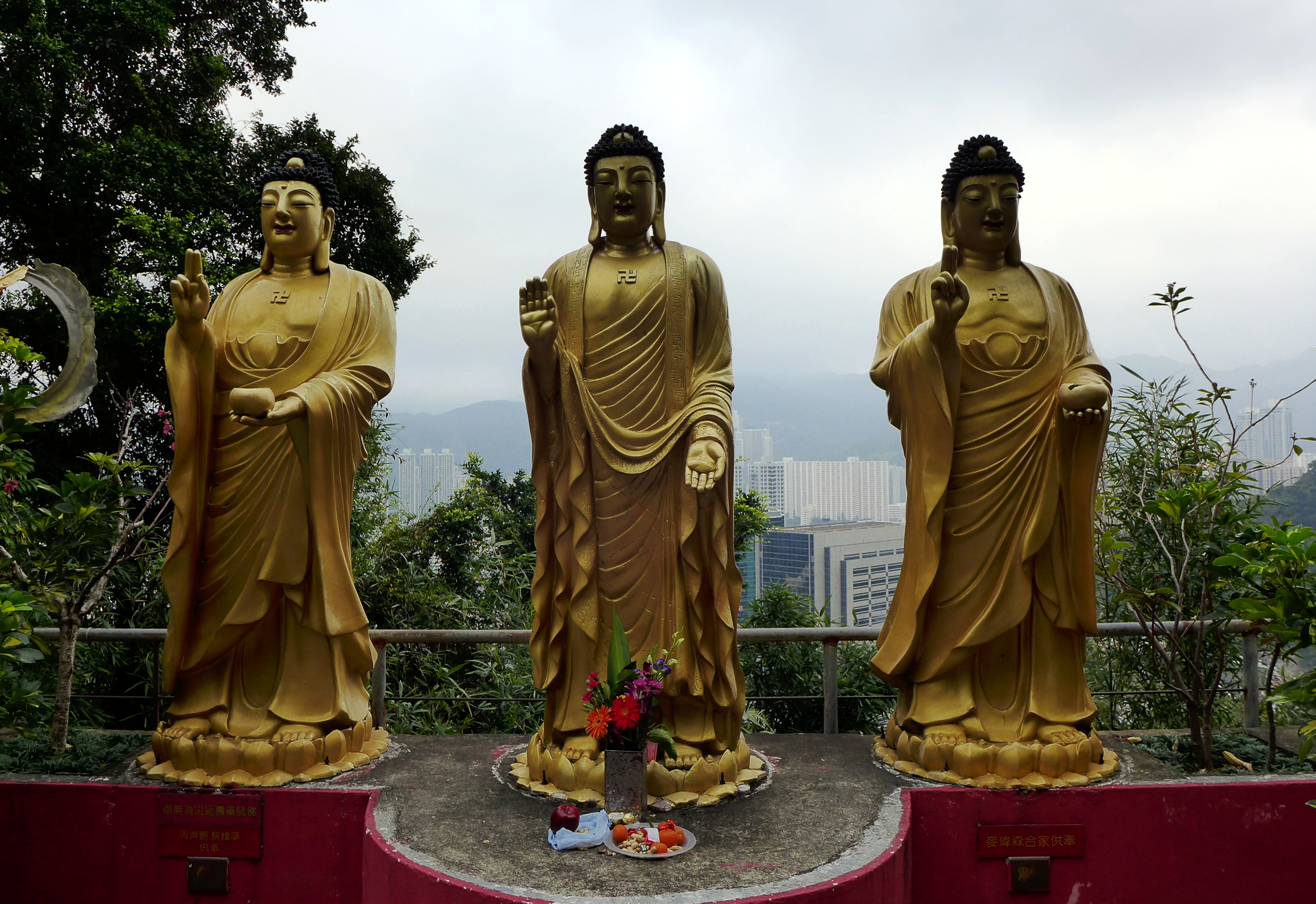
The monastery itself is located on the mountain so the walk up is pretty long. Luckily we visited in relatively cool weather but I can imagine that in the summer it becomes very uncomfortable and exhausting. The path up the mountain to the monastery is flanked by golden statues of Buddha, of all varieties, like a Buddhist version of Fushimi Inari, the thousand gate shrine in Kyoto. Some seemed suitably pious whereas some were relaxing, playing or posing. There is probably some deep Buddhist lesson here about many paths to enlightenment but I, along with most visitors, just found the more quirky ones amusing. I’d like to think the disciples had to pose for the statues and became increasingly more creative in their interpretation of Buddha.


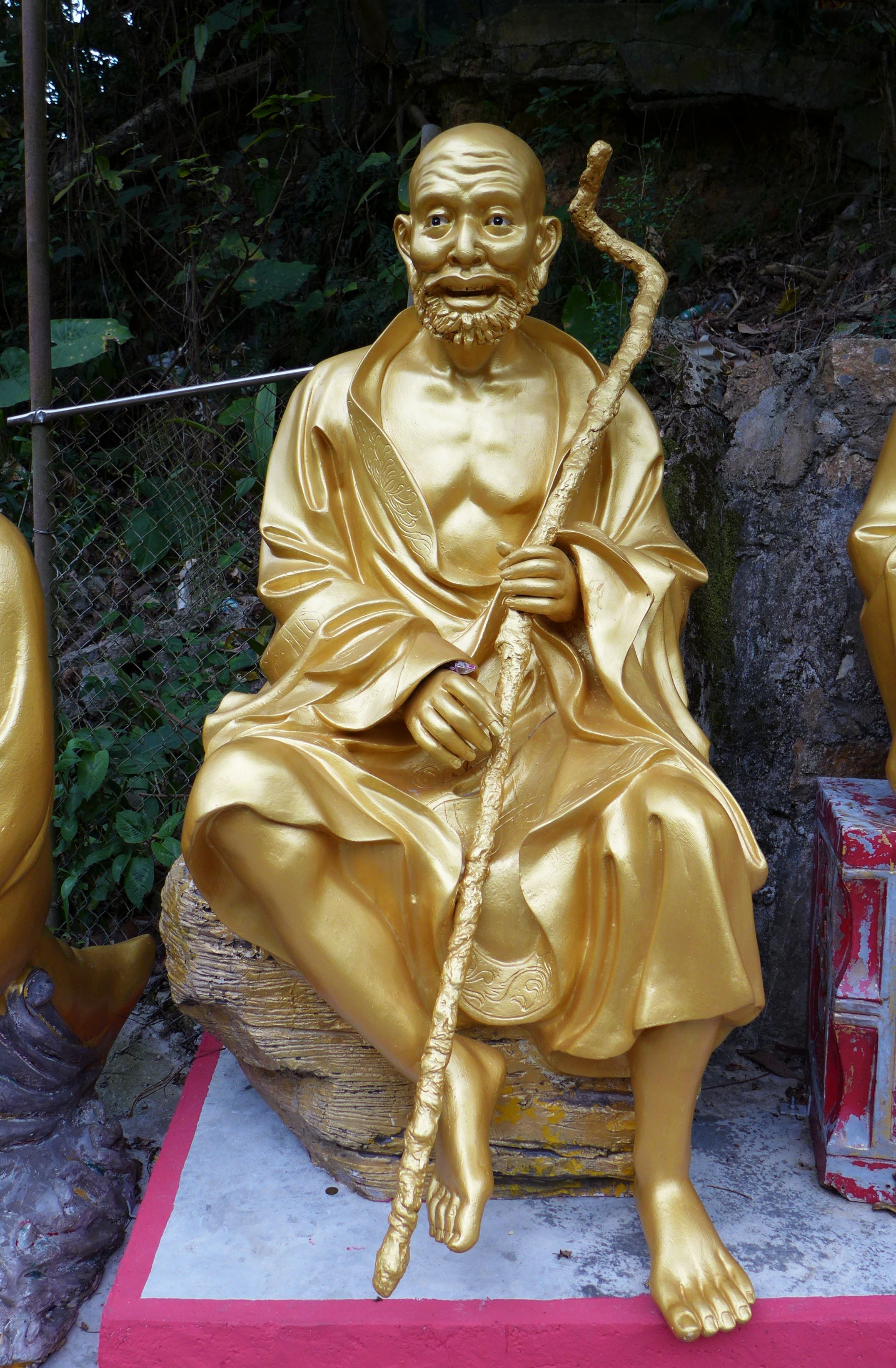


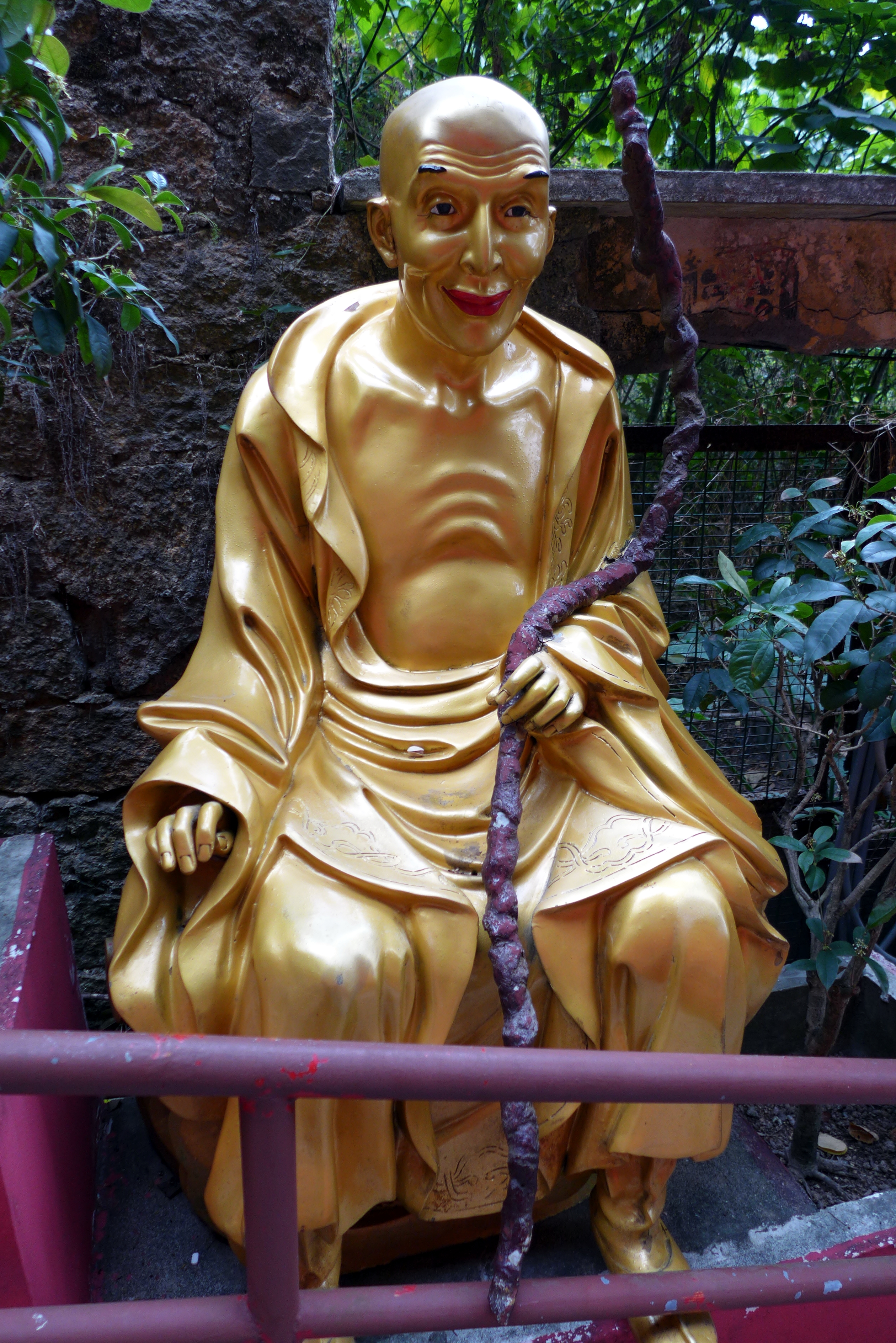

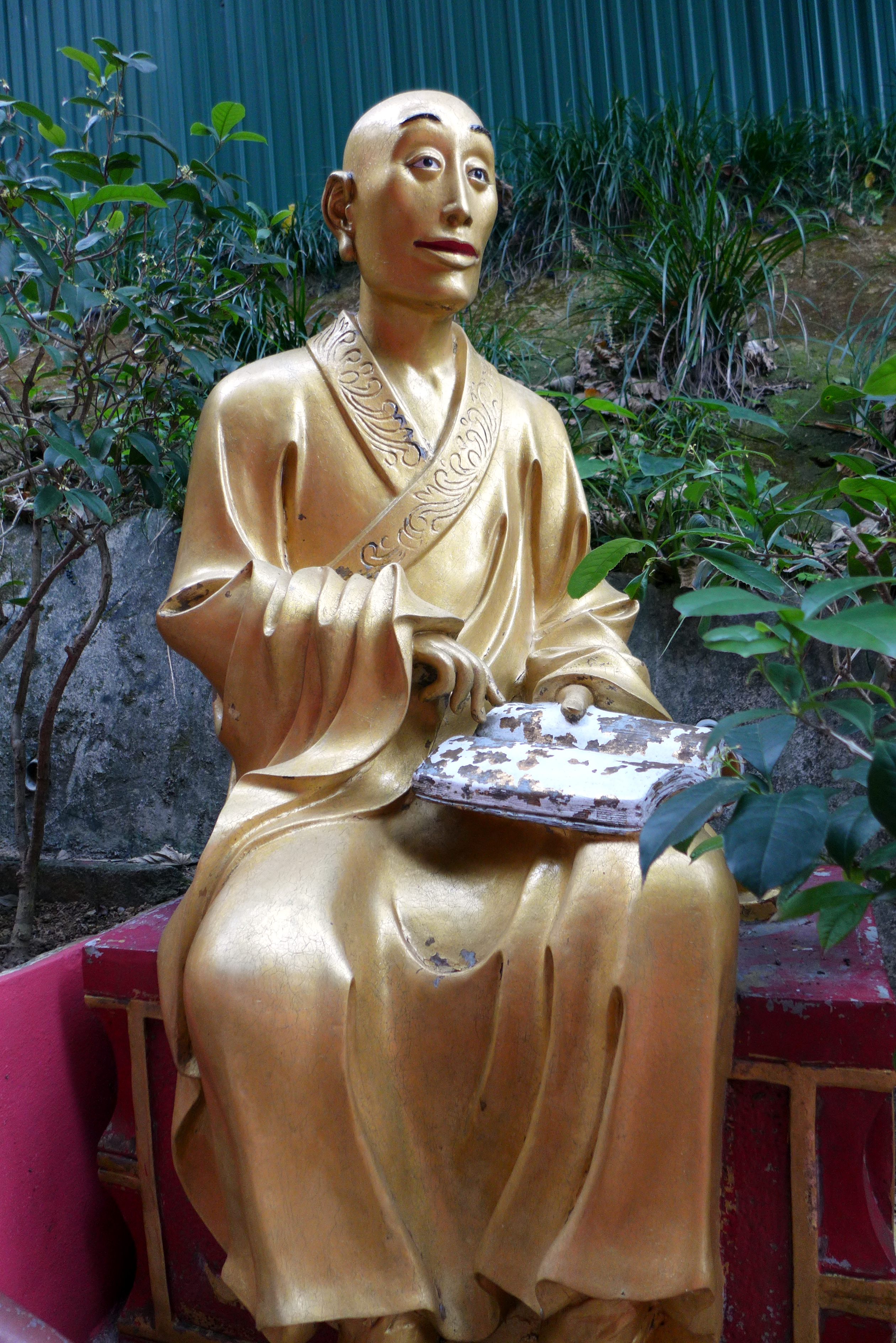
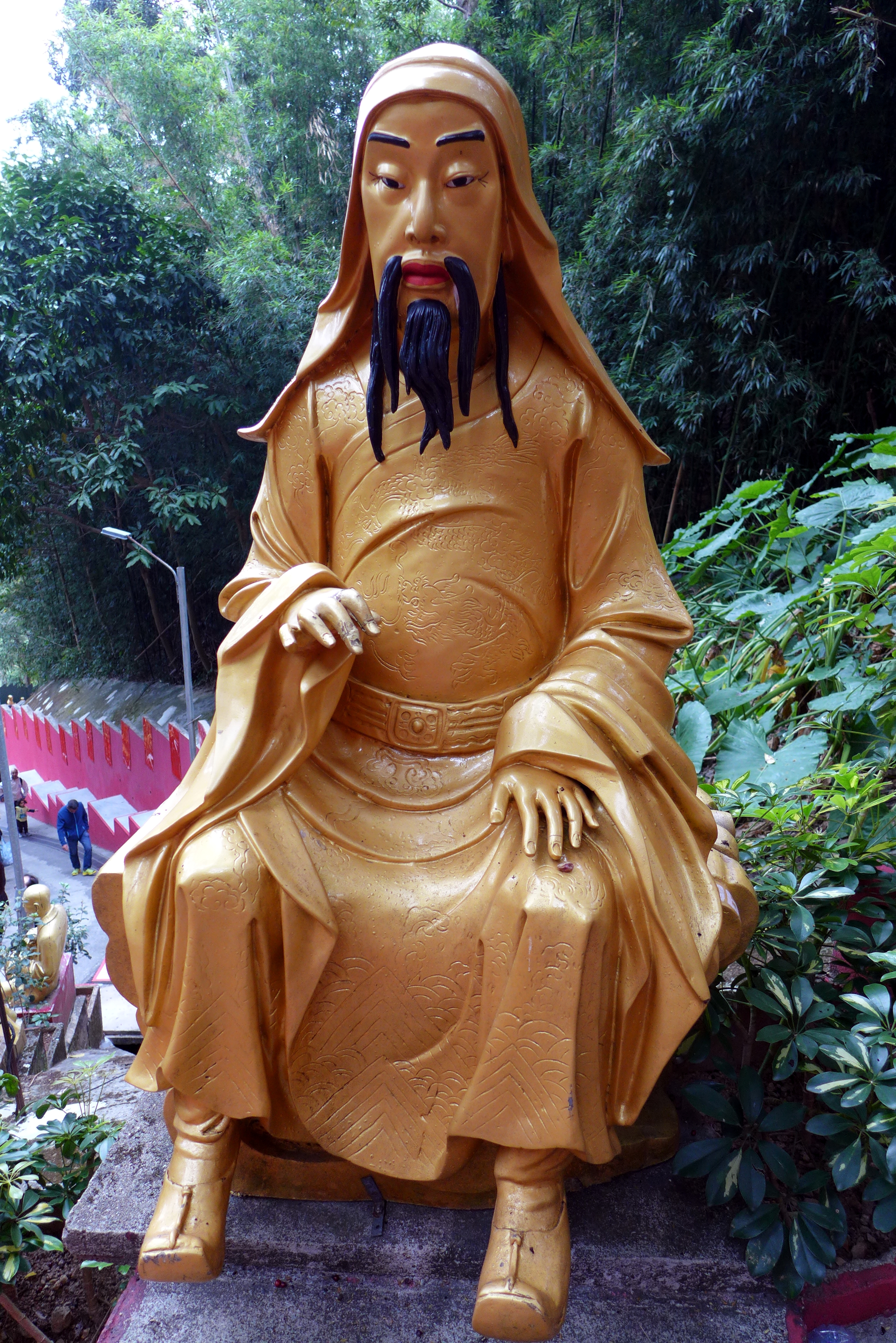
The monastery has several levels. The first level contains the pagoda, several statues and the hall that houses Yuet Kai’s blinged-out body. Here we wandered around and I was approached by a few women, not sure what nationality, who asked for pictures with me as though I too was an attraction. They seemed pretty excited so I said yes but it was a strange experience – I’ve got used to being pointedly ignored in Japan by everyone except small children.

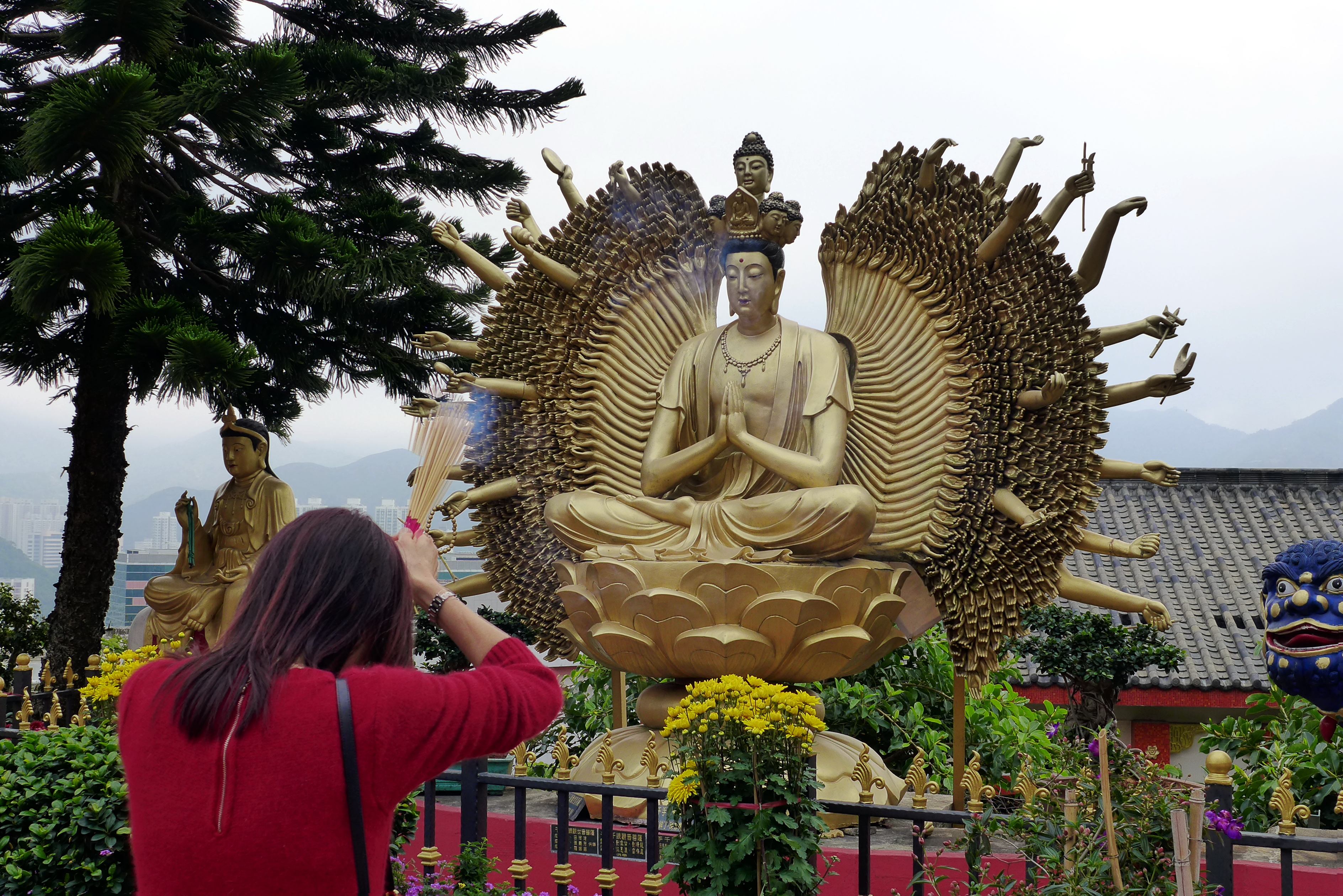


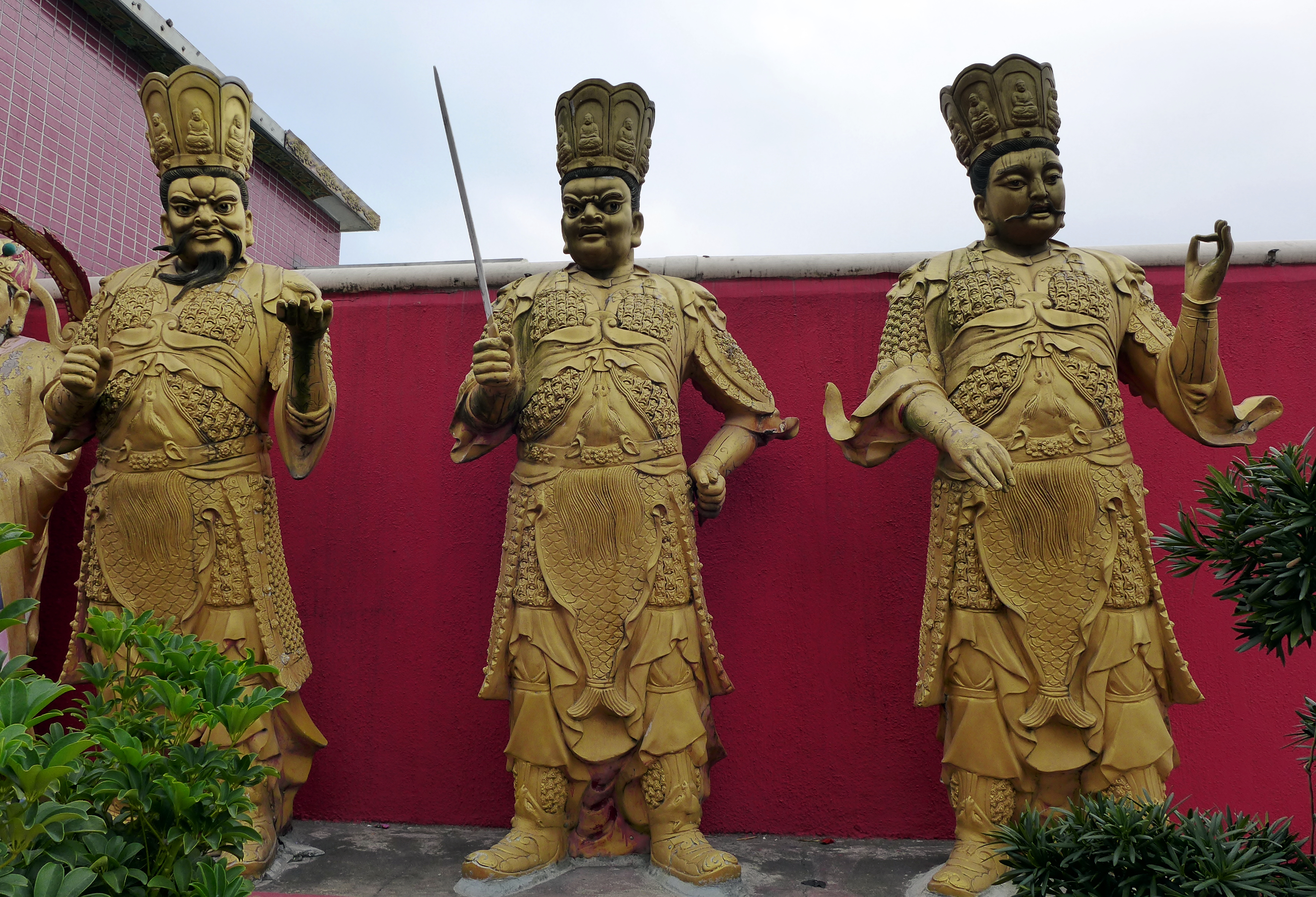
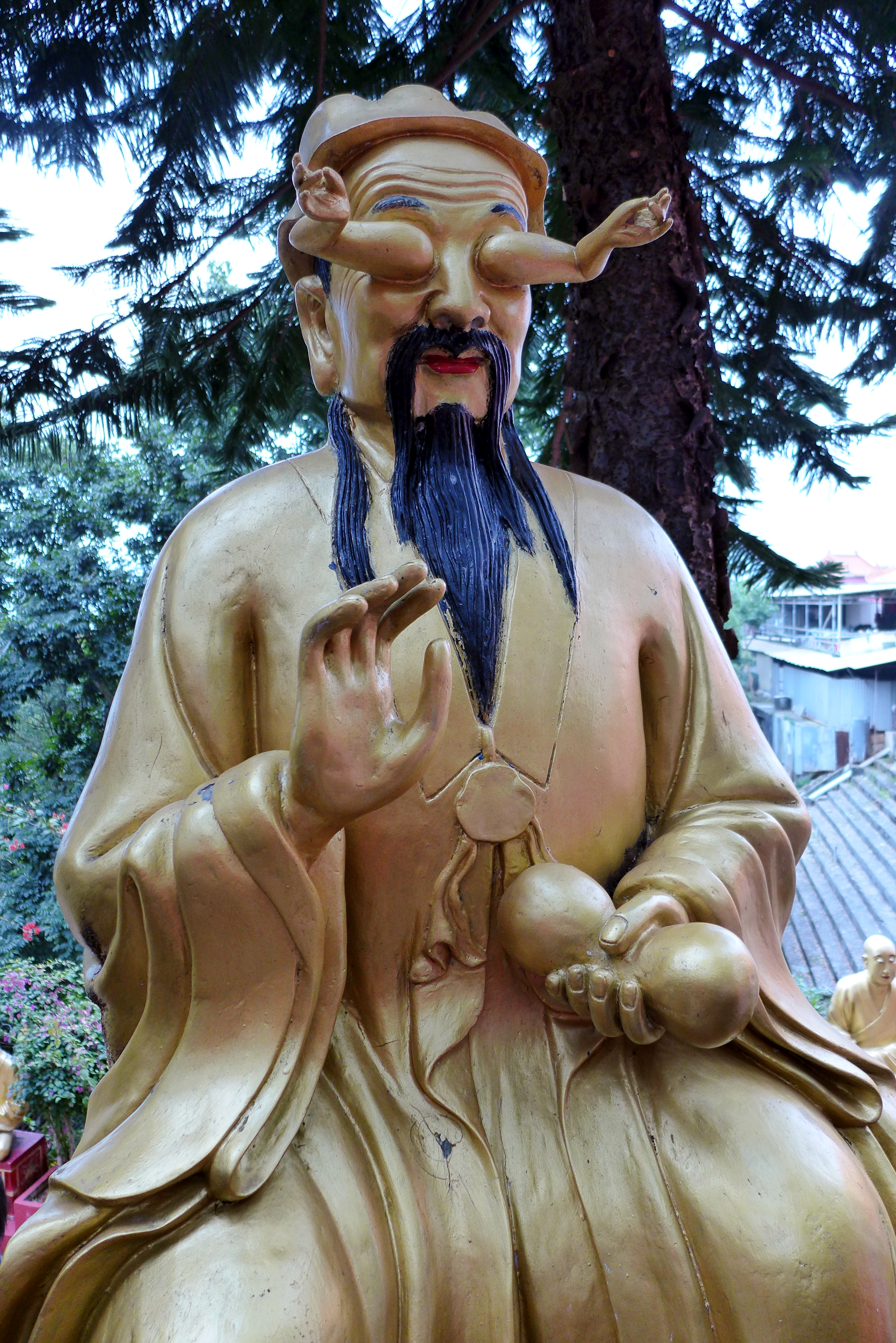
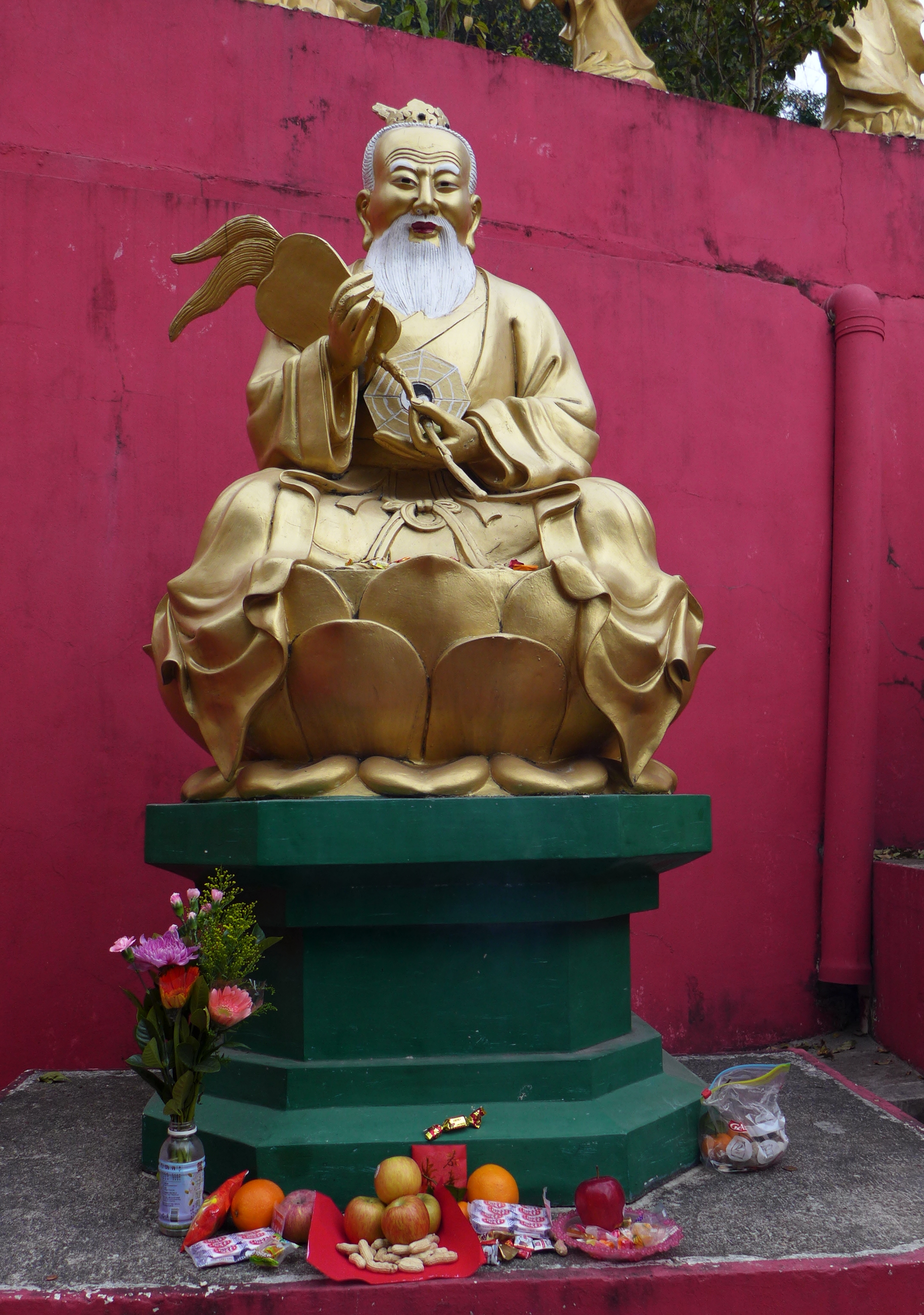
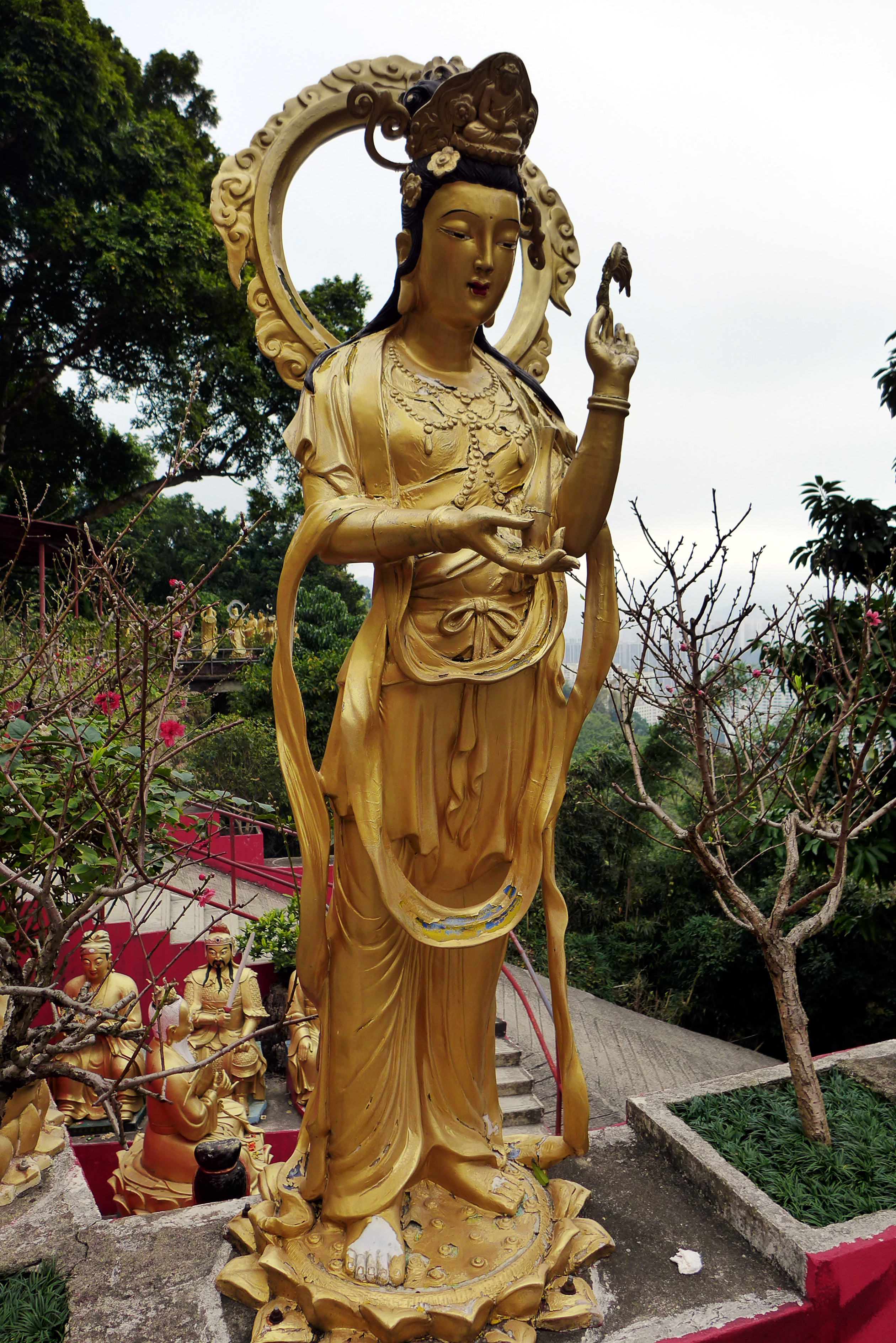
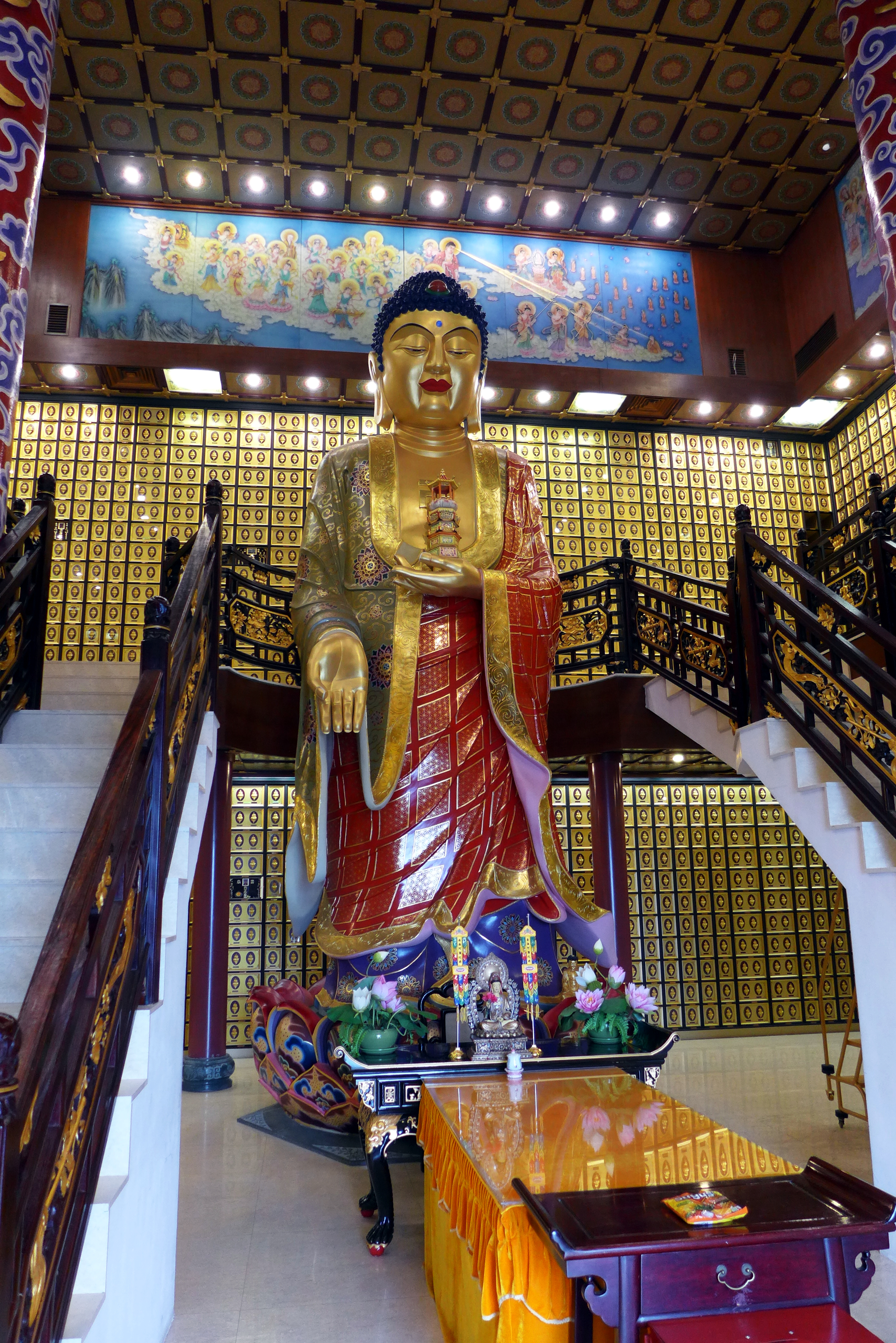
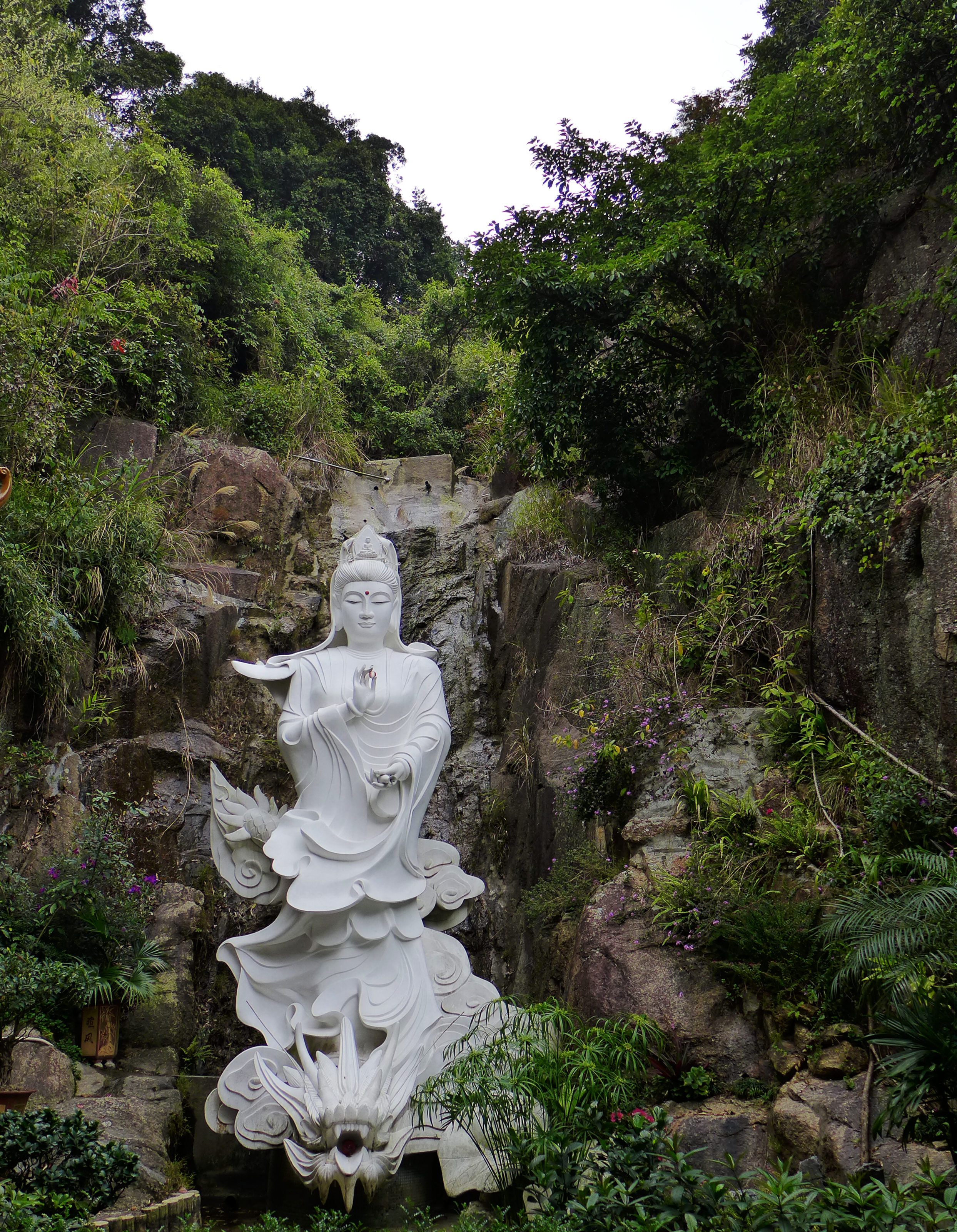
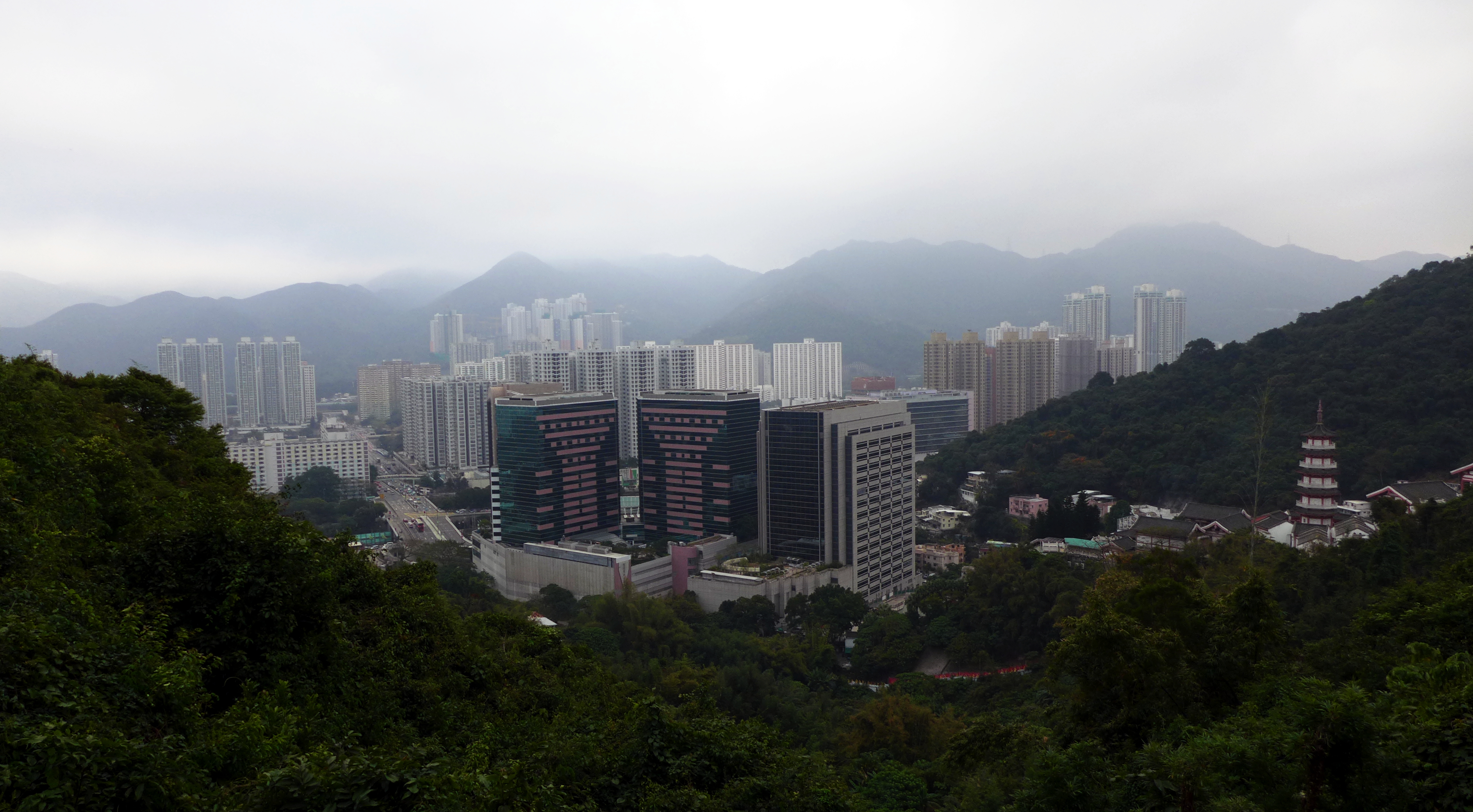
Walking higher up to the second level of the monastery we found several more small shrines and halls dedicated to various Buddhist deities and a lovely view, albeit a hazy one. We also found some turtles hanging out in one of the ponds below a beautiful white statue of Kwun Yam, the Buddhist goddess of mercy. Inside the halls dedicated to Buddha were, what a surprise, walls and walls of tiny Buddha in cases. It never ends.





The Ten Thousand Buddhas Monastery is definitely worth a visit for a full-on Buddhatastic experience and a great walk up the mountain. The monastery itself is free – there are ‘monks’ begging on the way up but the monastery is currently run only by laypersons, these monks are scam artists.








 japangie