
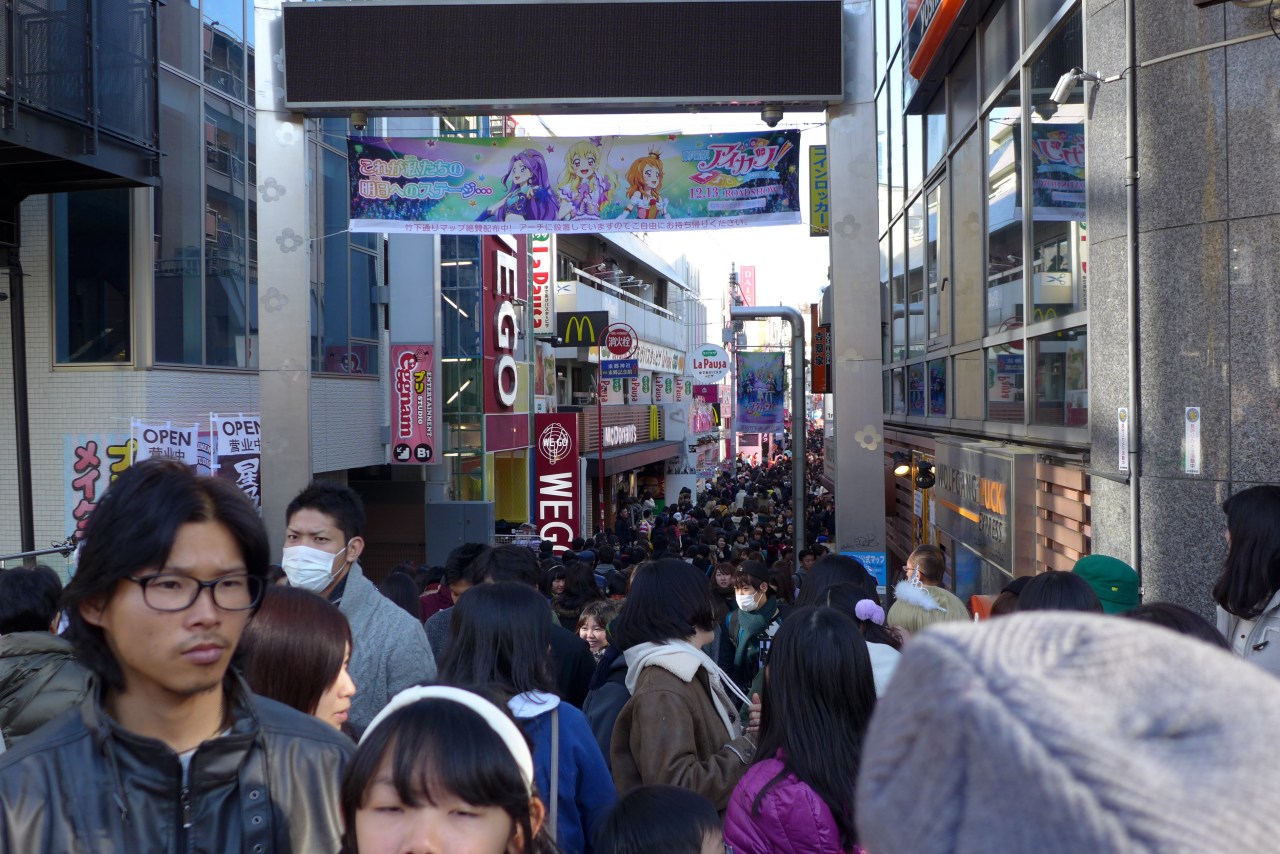
You may not have heard of many places in Tokyo, though perhaps Akihabara and Shibuya might ring a bell. Harajuku is another name that might sound familiar, you may even have an ‘aha, I do know that name!‘ moment. Harajuku is (arguably) the heart of Tokyo Street Fashion, a pulse that is felt throughout Japanese youth culture, J-pop and also abroad. Naturally, we had to check it out.
I had been to Harajuku before, when I visited Tokyo a few years ago, but its one of those places that’s good to visit more than once. Visiting on a Sunday, Takeshita Street (the main entrance to the Harajuku area) was packed with tourists and young Japanese. Harajuku assaults your eyes and ears with bustle, colour and noise. If you thought that Japan was business suits, submissive bowing and old people, Harajuku presents an antithesis.

Since the 1970s, the Harajku area has been a location of alternative Tokyo fashion, focussing on bright colour, ‘alternative’ clothing such as lolita and cyberpunk styles and everything your parents would disapprove of. The Japanese pop idol, Kyari Pamyu Pamyu is said to be the ‘queen of Harajuku‘ for her styling (though the ‘harajuku style’ varies greatly). I recommend checking out her music videos for an idea of what I’m talking about, here is her most famous:
warning: this song has a tendency to get stuck in your head. (also the first 10 seconds are silent, its not broken)
Gwen Stefani has also capitalised on the ‘Harajuku brand’, employing four ‘Harajuku girls’ as backup dancers since 2004. These girls accompany her to events and have been renamed Love, Angel, Music and Baby, after Stefani’s first album. This use of the Harajuku name is controversial, as Stefani has been accused of creating “modern day geisha” and turning a subversive and anti-authoritarian youth culture in to a submissive, processed, orientalist version of Tokyo Street Fashion. This article explains why Stefani’s use of ‘Harajuku style’ is questionable.
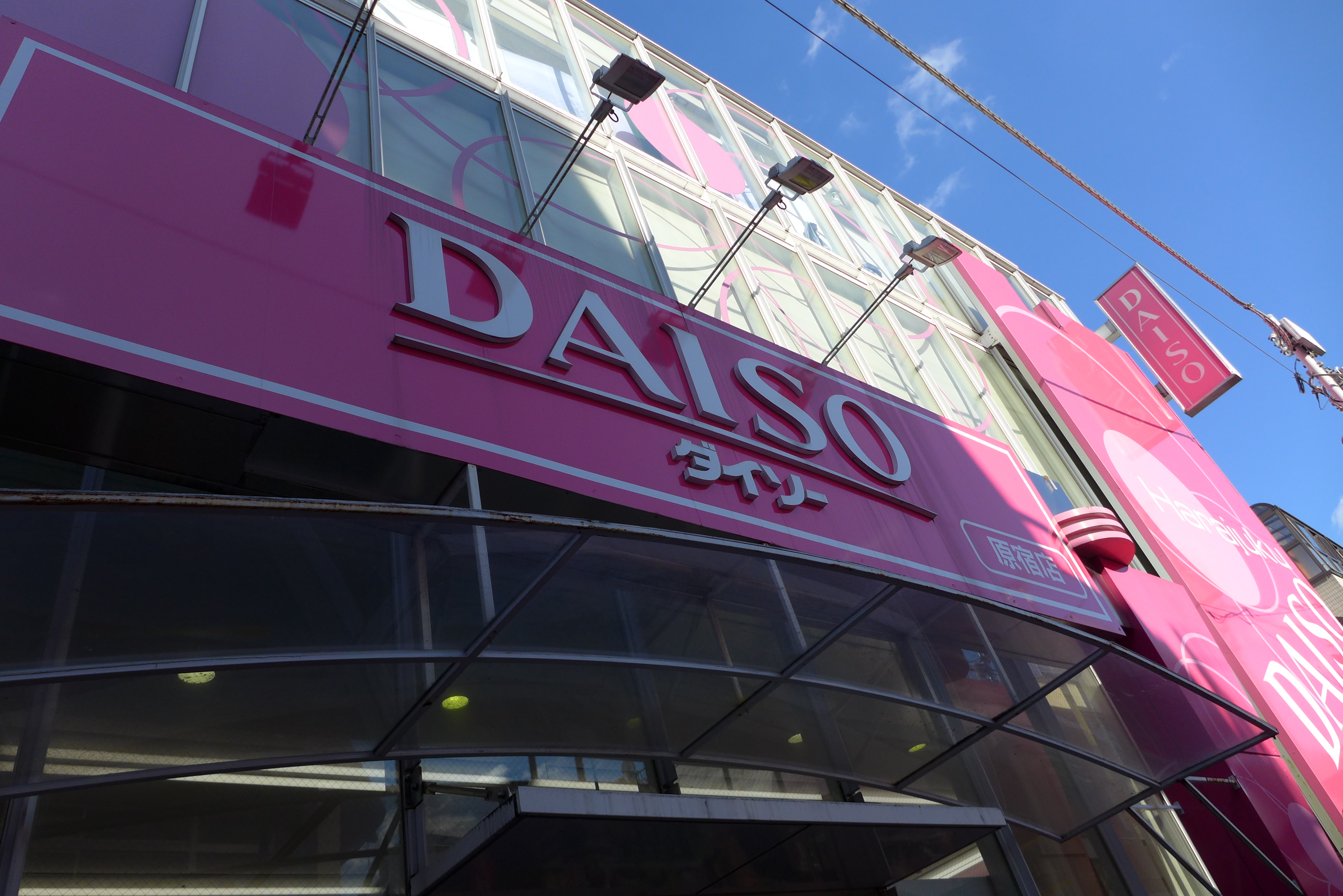
We checked out the 5 floor hundred yen shop in Harajuku. Daiso is one of the best hundred yen shops in Japan; you can buy so much there for so little! 100円 can buy you: a cooking knife, 20 coloured pens, reindeer antlers, lipstick, 3 lollies, a mixing bowl etc. etc. Hundred yen shops are even better than Poundland, by a considerable margin. Bear in mind that 100円 is around 50p.
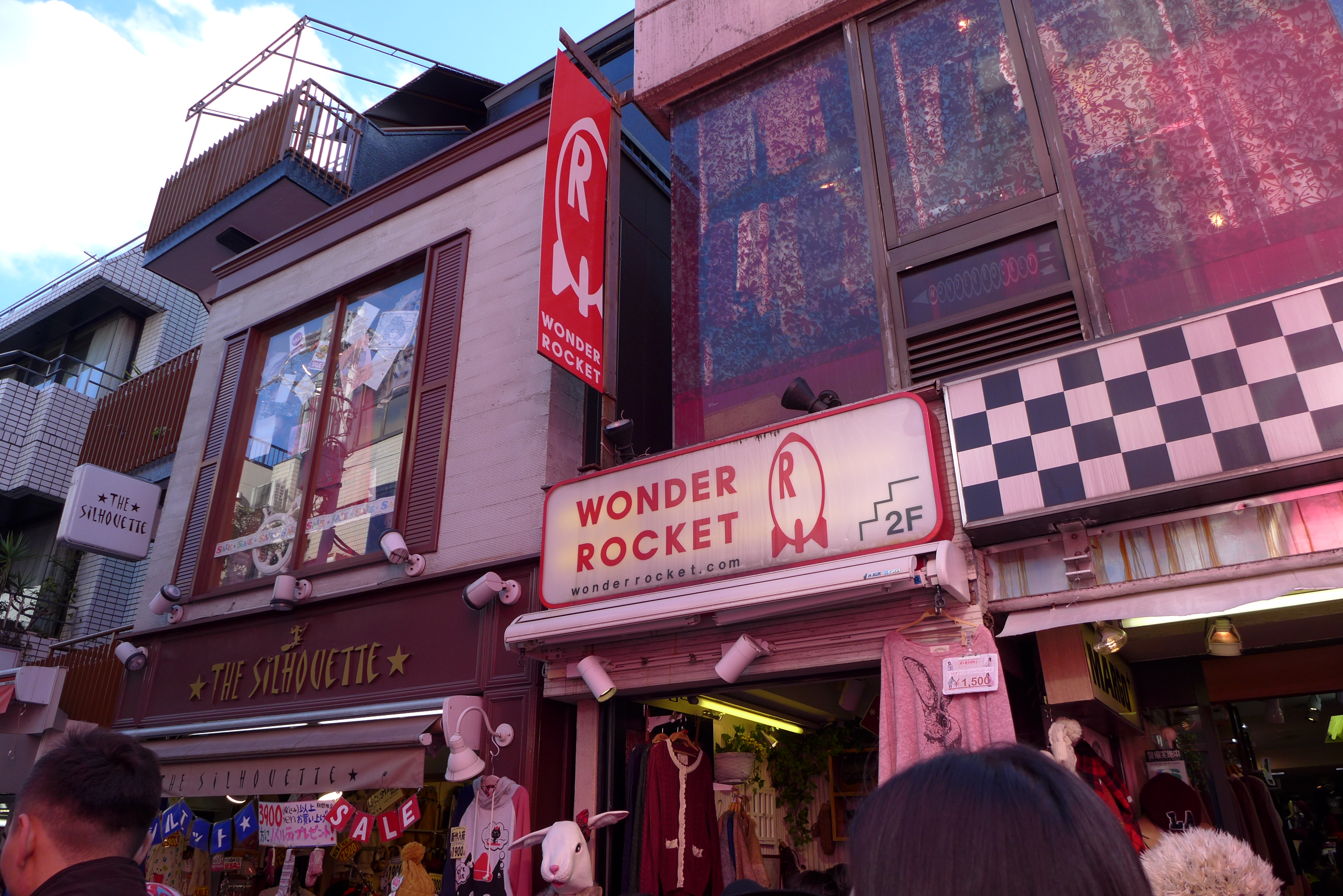
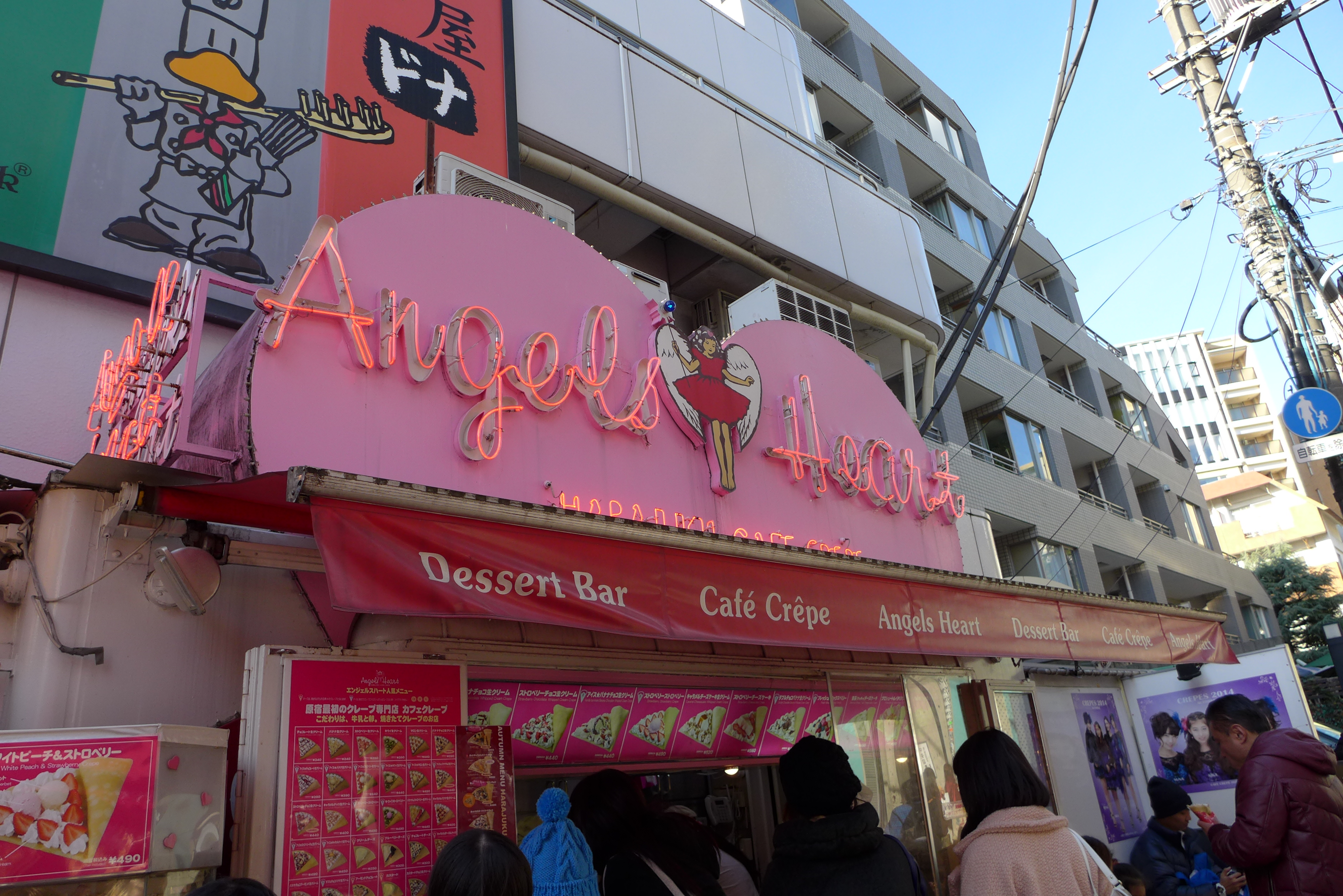
After we had been to Daiso and bought a load of pointless stuff that will rarely be used (hundred yen shops are dangerous like that), we made our way through the crowd and down the street. There are loads of shops selling fairly cheap clothes and jewellery as well as more high-end shops focussing on particular fashions such as lolita style. We came to what seemed to be ‘crepe central’ – there were at least three crepe shops within 10 meters of each other. The one we went to was selling around 50 different types of crepes. I got a banana, chocolate and brownie crepe (with cream), it was delicious.

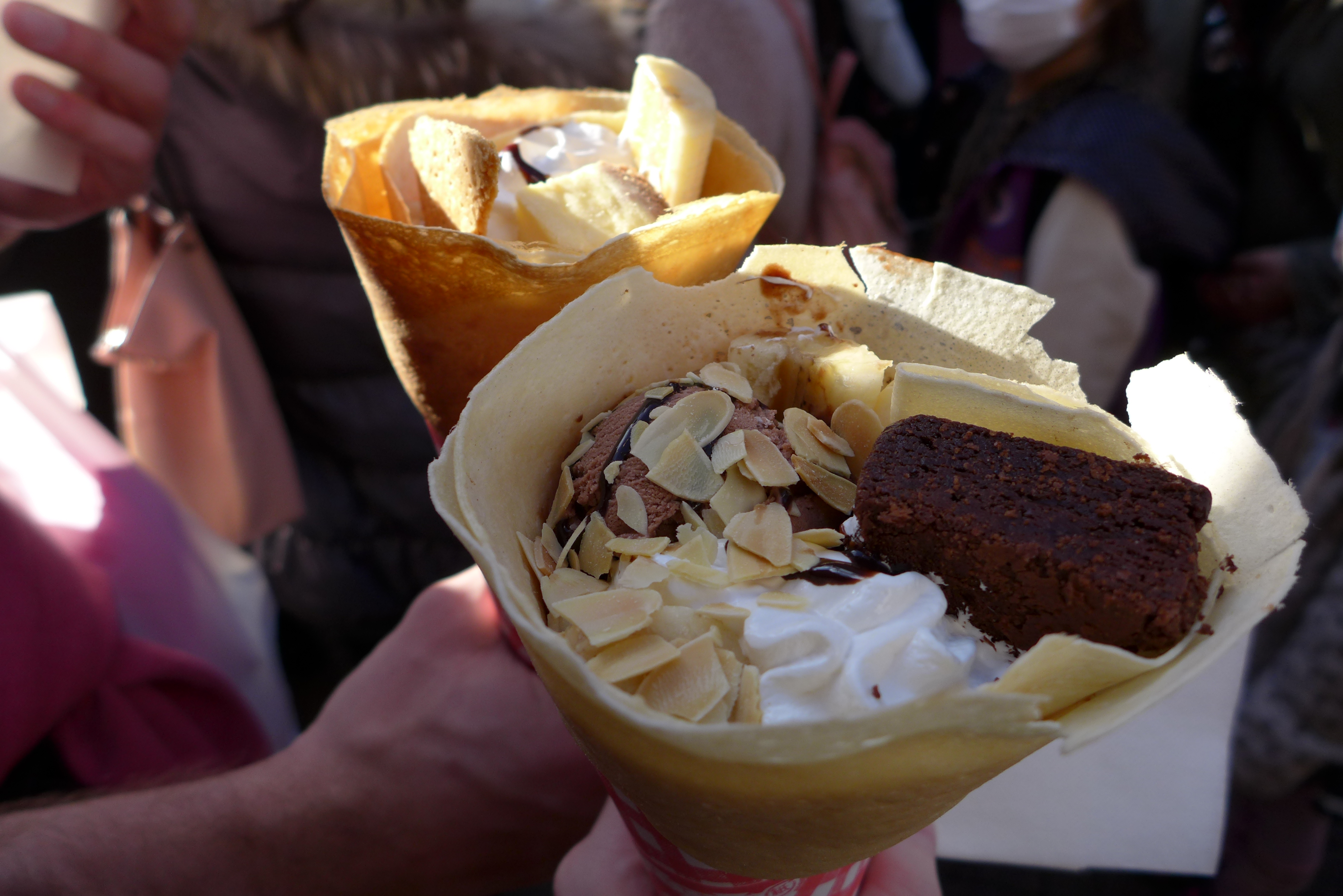

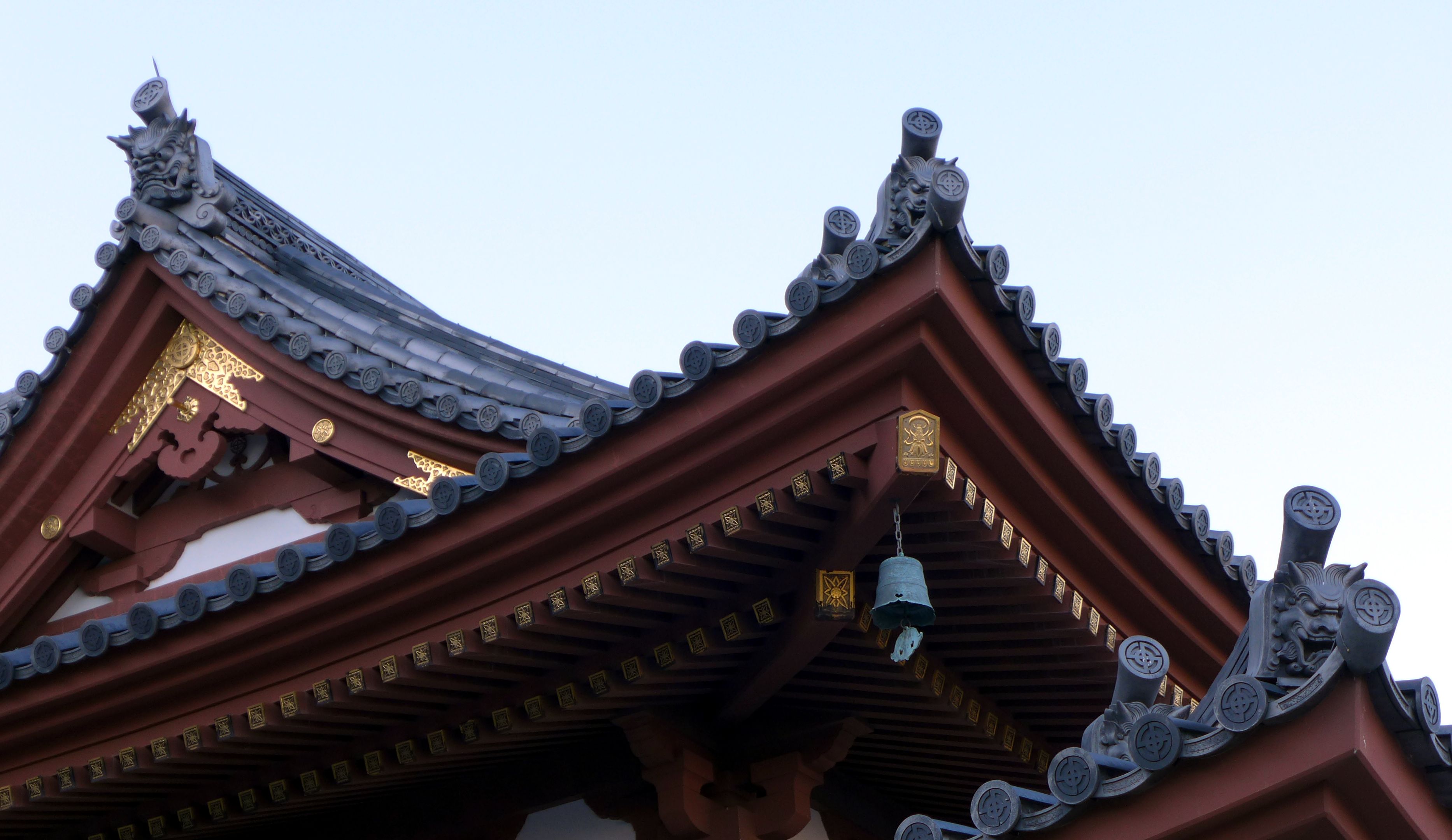
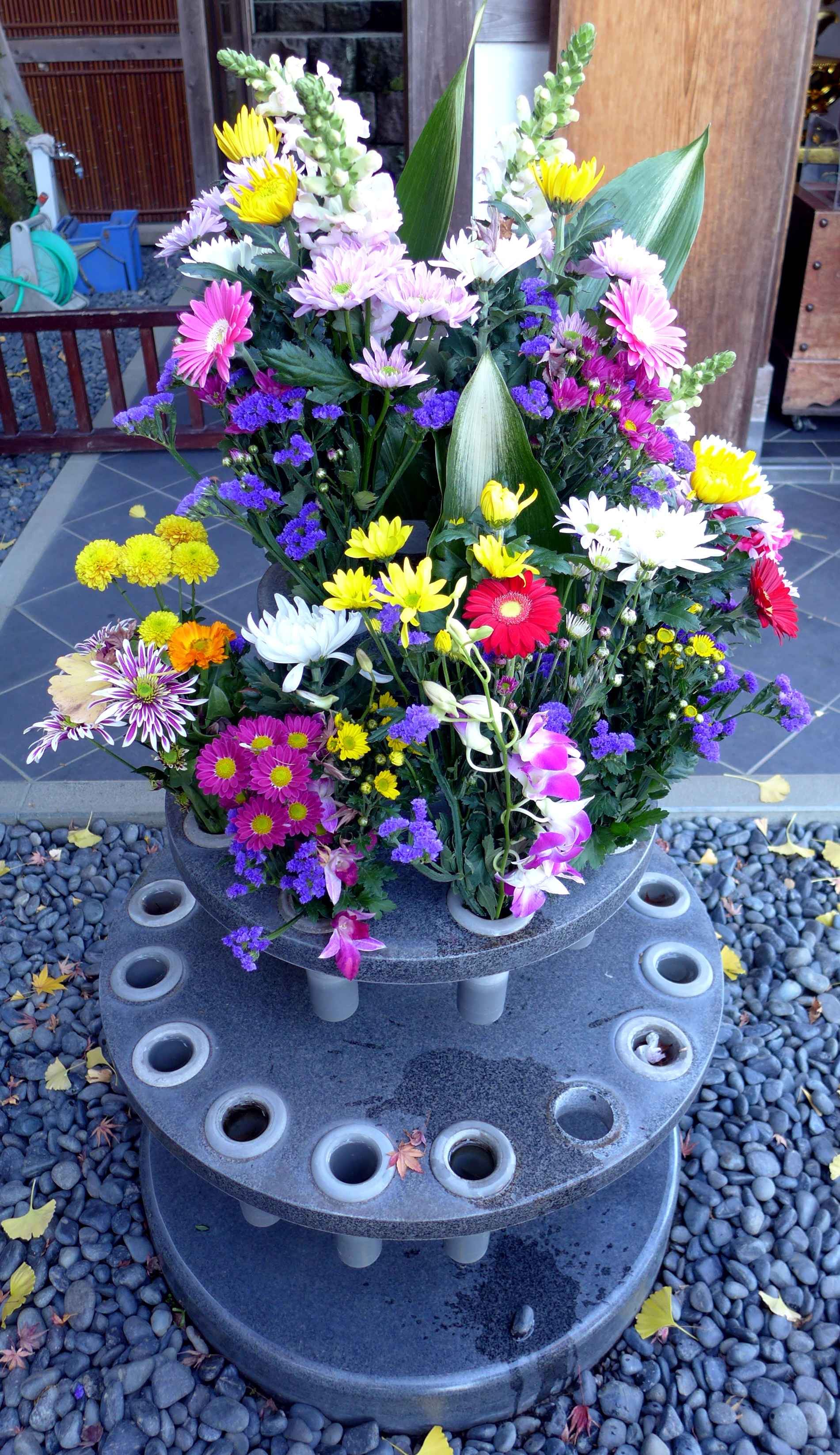
We hid from the crowd down a side street so we could sit down and eat our crepes and noticed that we were just in front of a shrine. We went to have a look. It turned out there was a wedding going on, so we watched from a distance for a while. The wedding music was quite eerie, with a shrill whistling instrument and drums – like the atmospheric music you get at the beginning of a battle in a historical film. We didn’t go all the way into the shrine itself due to the wedding but we looked around the outside.
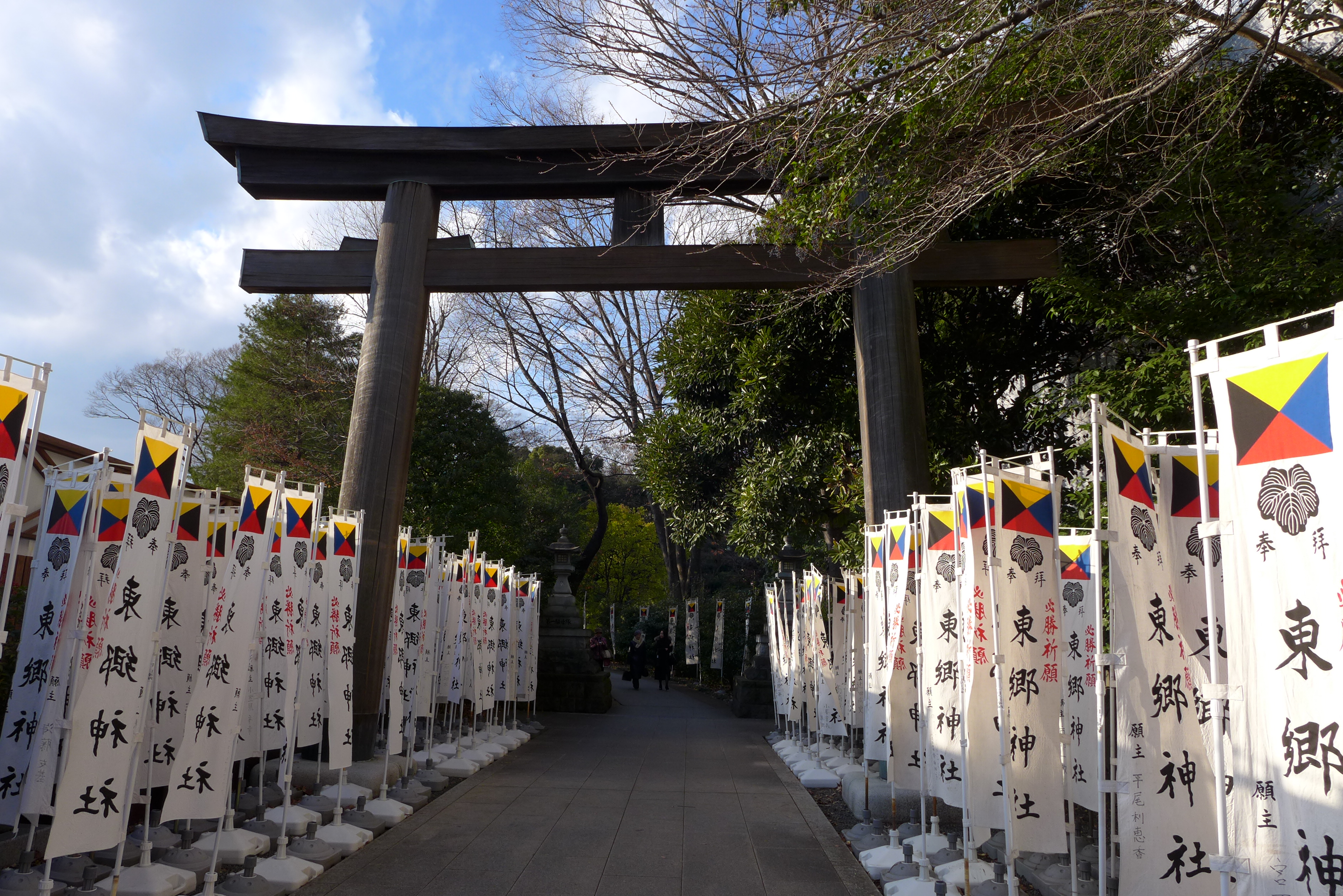

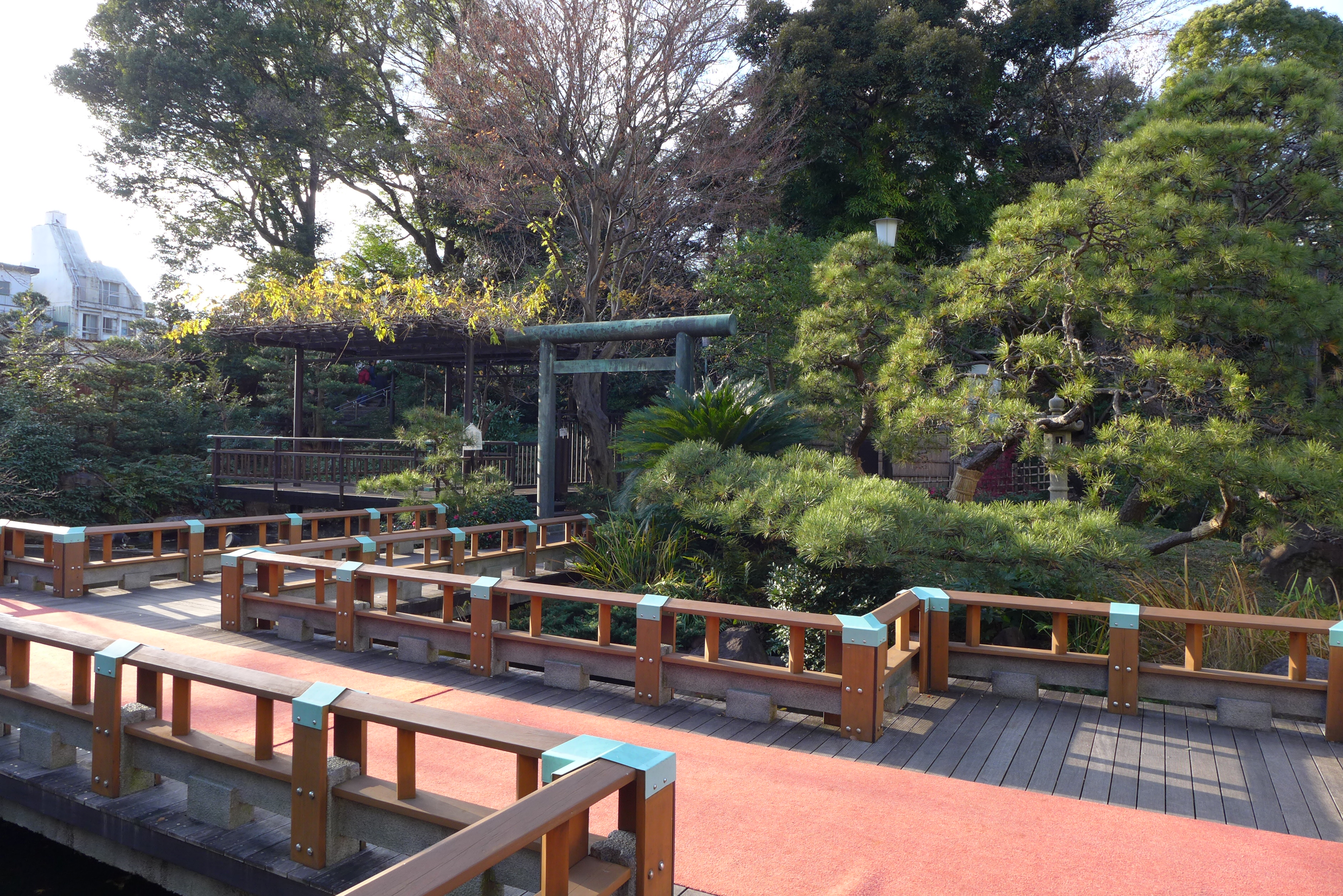
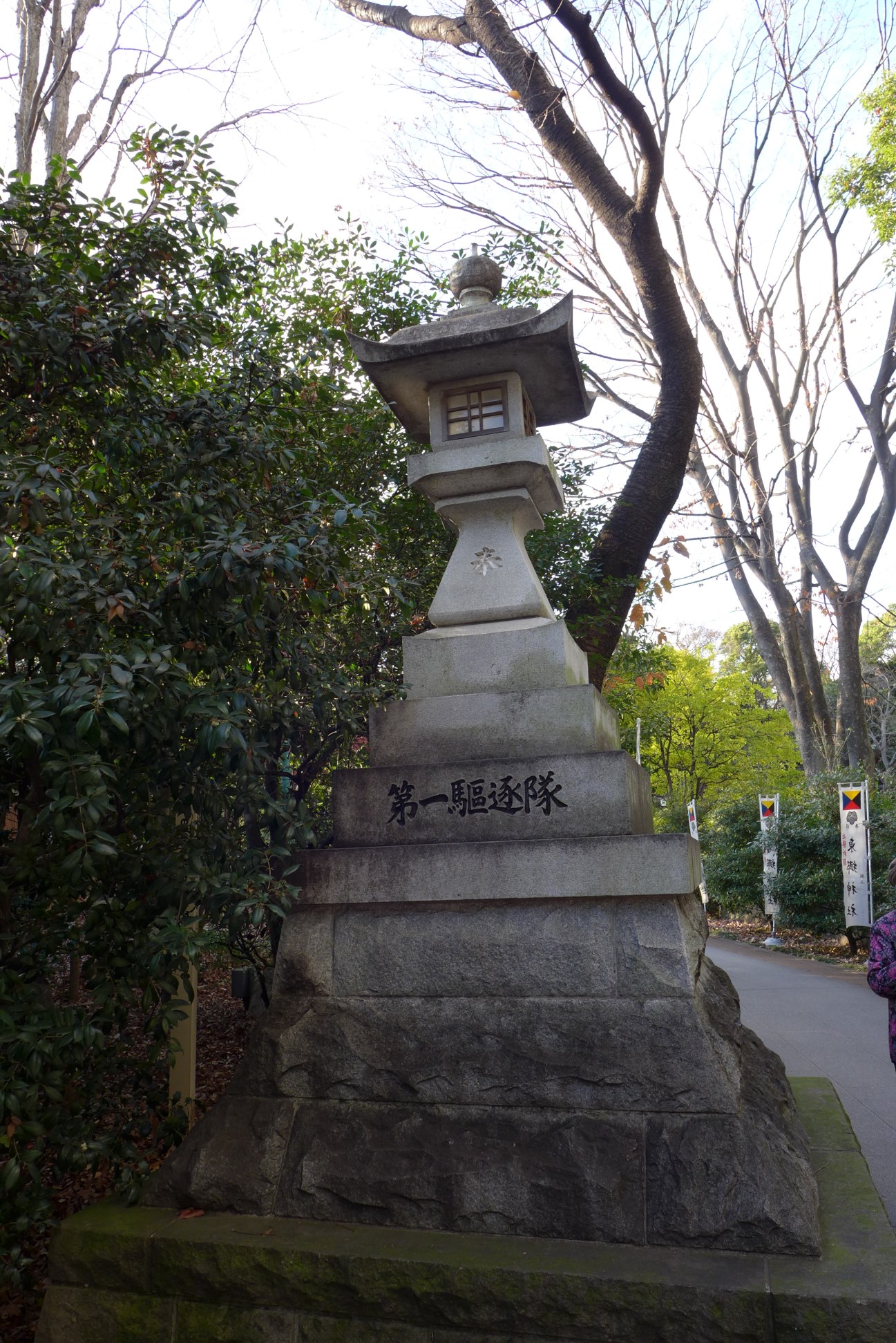
The shrine was called Togo shrine (東郷神社), built in 1940, and dedicated to Japan’s great naval commander Togo Heihachiro. He was dubbed ‘the Nelson of the East’ by Western observers, and even he believed this to be true, writing in his personal diary “I am firmly convinced that I am the re-incarnation of Horatio Nelson“.
Like Nelson, Togo trained in naval science in England from 1871 – 78, circumnavigating the globe on a British training ship and studying with British sailors. These sailors had a tendency to call him ‘Johnny Chinaman’ which led to several fights (you can hardly blame him). He graduated second in his class, surprising his classmates, who probably assumed that his being Japanese would somehow make him stuupid. 5 years after his return to Japan he was appointed Commander-in-Chief of the Combined Fleet of the Imperial Japanese Navy.
The achievement that makes him worthy of the comparison to Nelson is his defeat of the Russian navy at the battle of Tsushima in 1905. This battle was the first time an Eastern power defeated one of the old Western powers, and marked Japan’s success in ‘catching up to the West’ a goal that the Japanese government had obsessed over ever since the forced ‘opening’ of Japan by the US in 1852. This victory earned Togo a British Order of Merit in 1906, recognising that his training was in Britain. It was probably also due to the Anglo-Japanese Alliance, which had begun in 1902 and continued until 1923.

Togo did not actually want to become a shinto kami at all (it was discussed before his death), and wrote as such in his diary, but the Japanese wanted to honour his achievements and enshrined him anyway. This was done in 1940, at the height of Japanese militarism, so it would have made sense to honour Japan’s most successful naval commander of modern times. He also has honours of achievement from Italy, France, Poland, Russia, Spain and Korea (when it was colonised).
Harajuku is an area comprising of several streets. We walked down Takeshita Street (竹下通り), which is packed with shops and people, and then through to a quieter street. The area around Takeshita street has loads of different shops, so its worth going down the less busy roads as well. We also found some impressive graffiti down one of the side-streets.
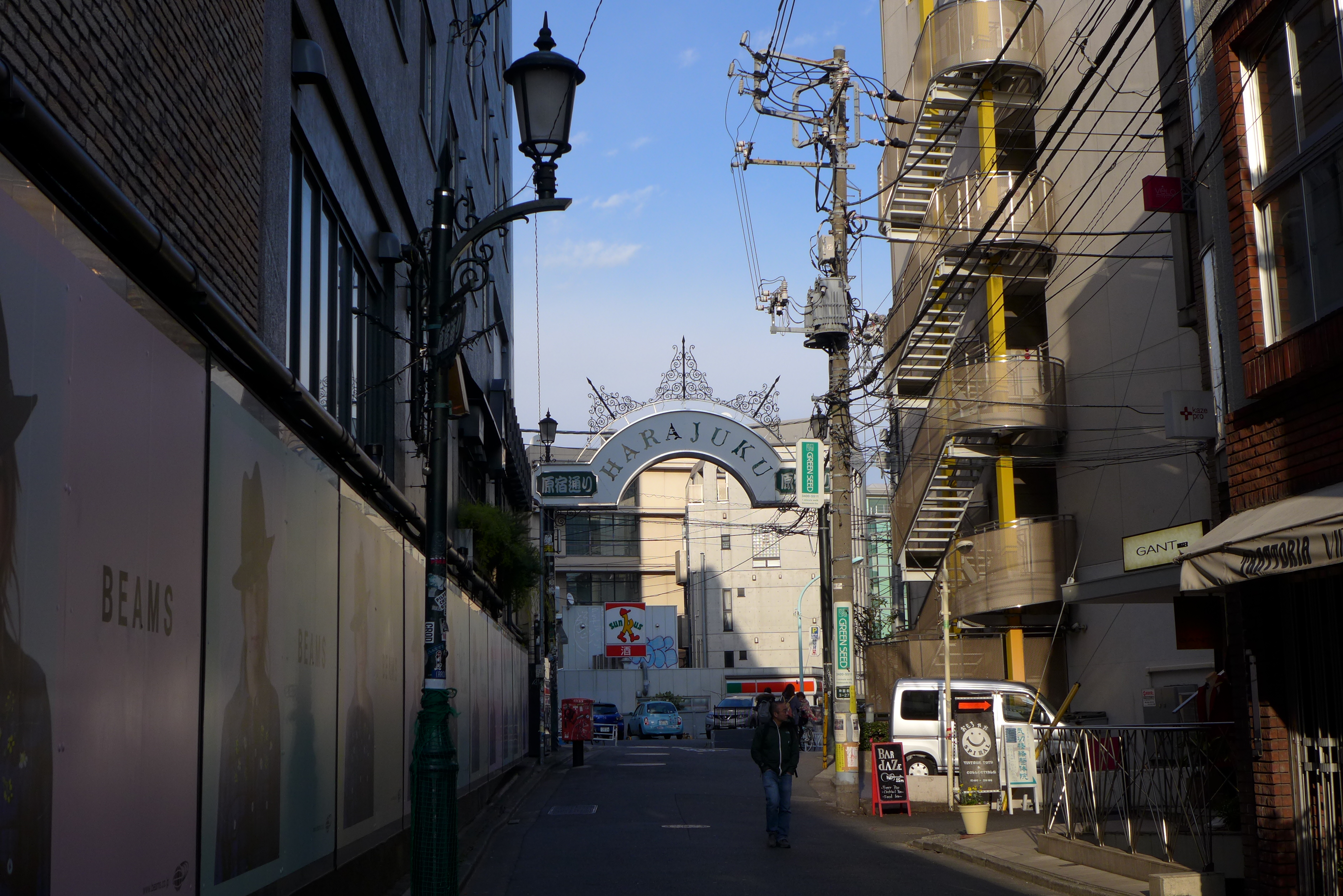
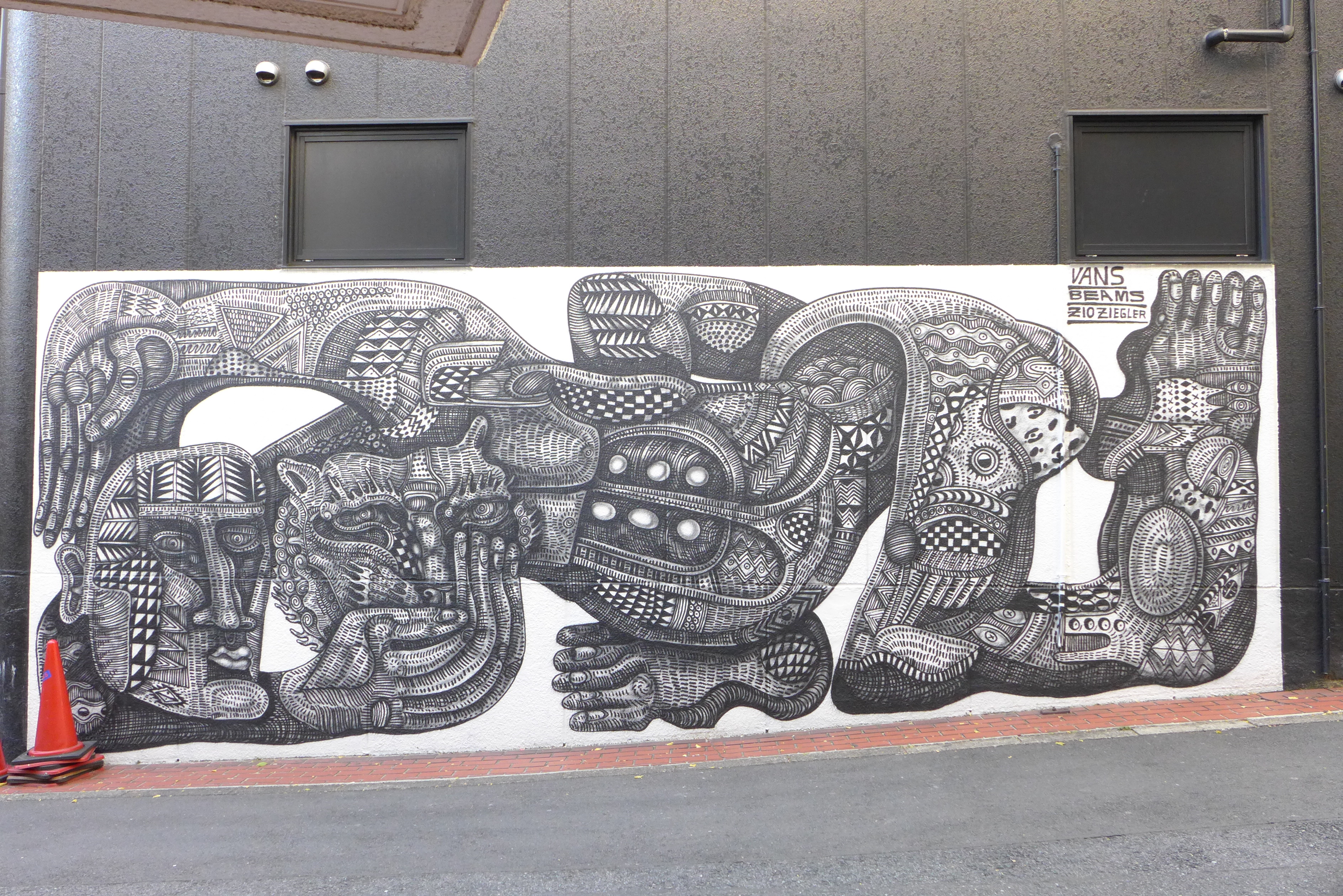

Harajuku area is a good place to visit if you enjoy Japanese pop culture and shopping. Perhaps not good for those that only want to look at temples, but it gives a flavour of modern Japan and also has delicious crepes if that flavour is not quite to your liking.













 japangie