奈良 Buddha of Bankruptcy

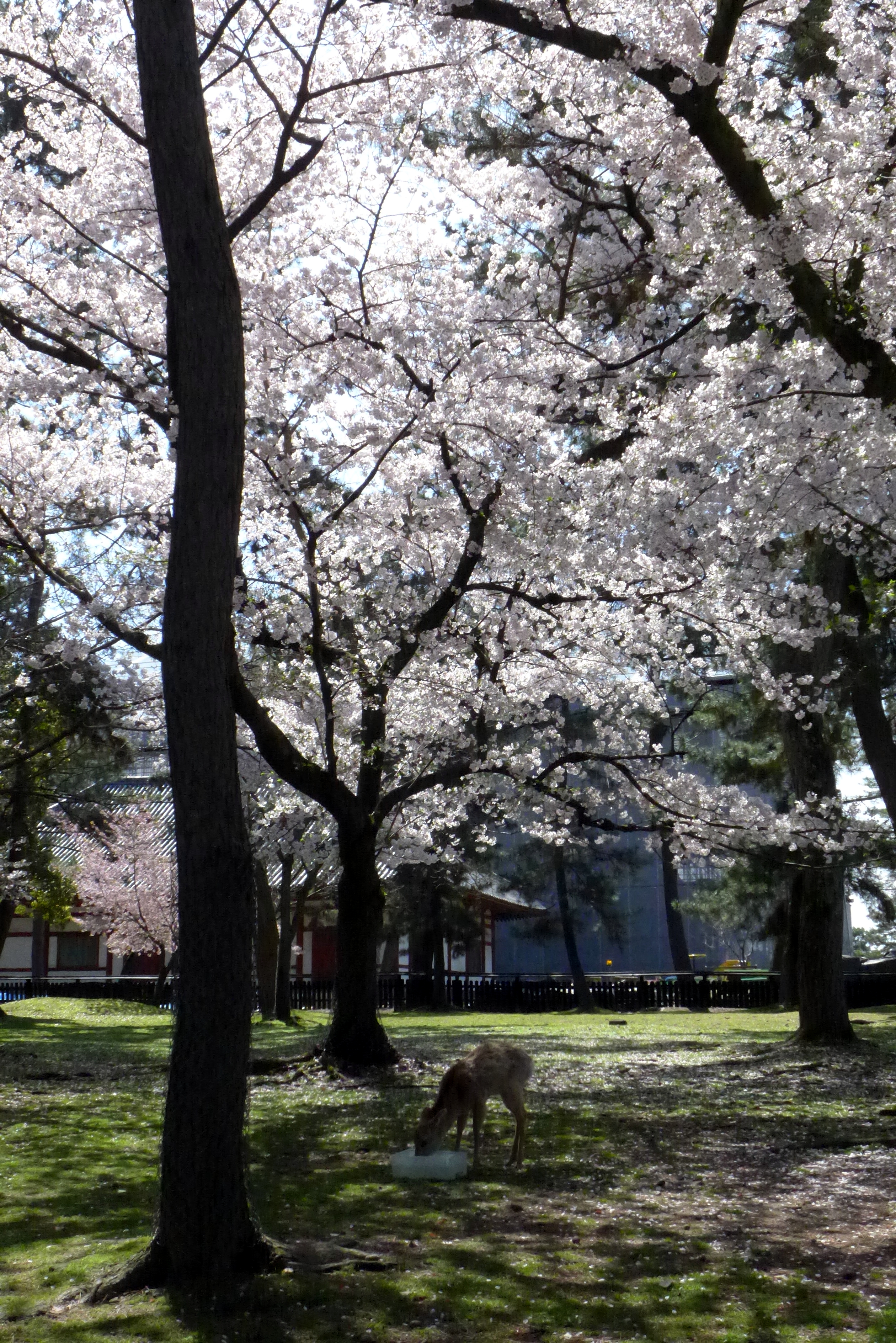
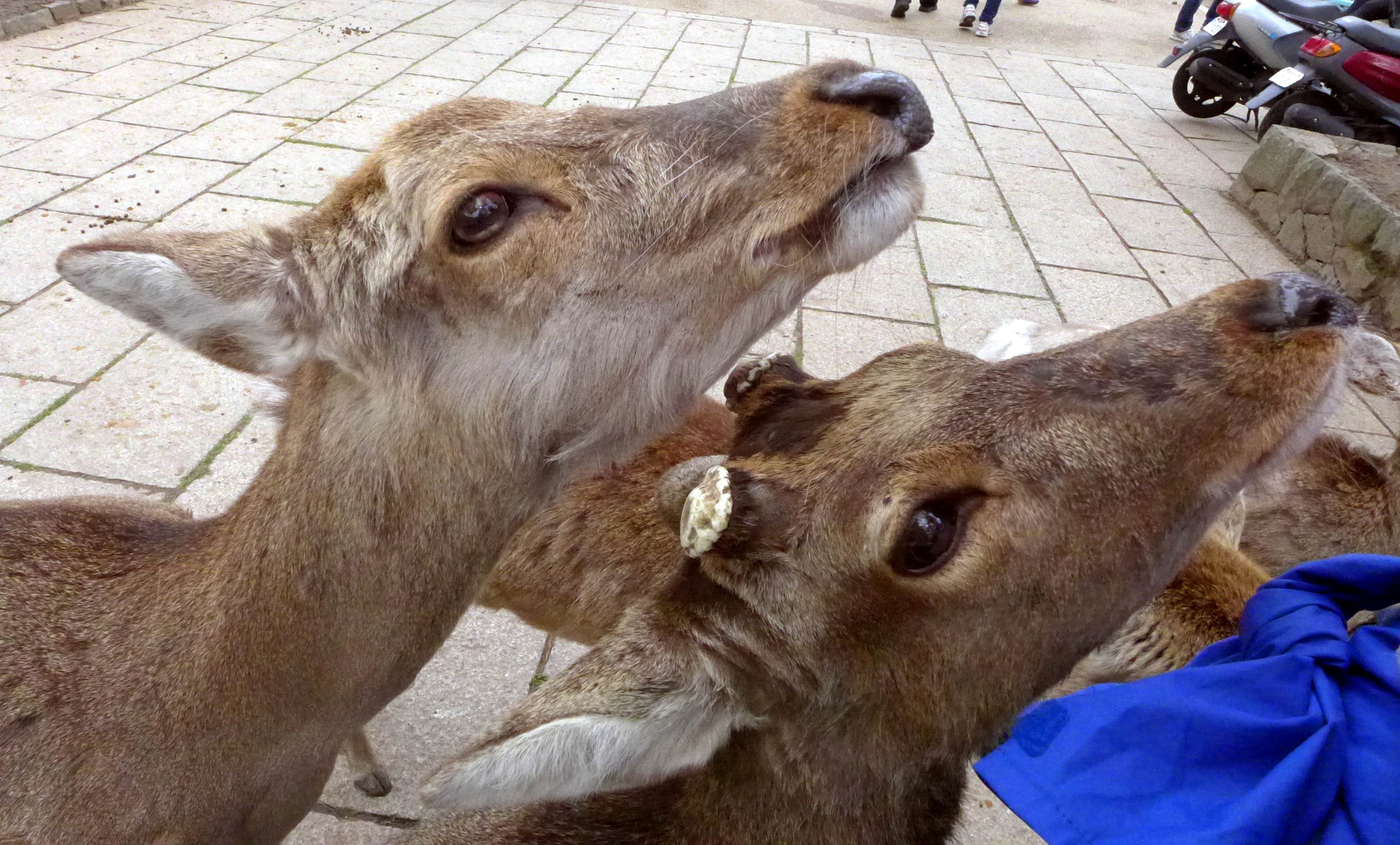
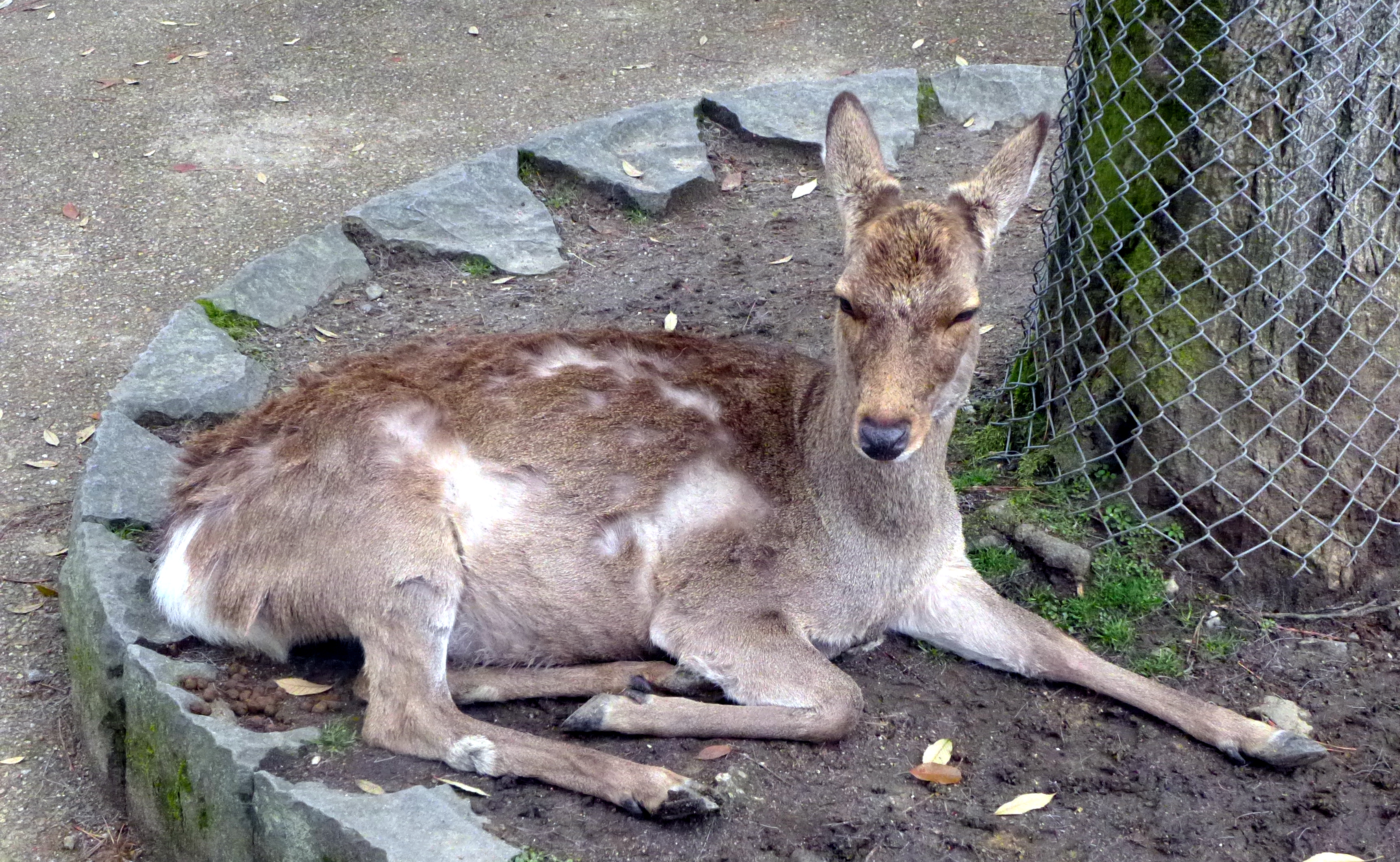
Let us begin our Buddhist side of my visit to Nara. If you were hoping for more cute deer, don’t worry, they were everywhere and I have countless deer pictures so I’ll include some more in this post too. The main Buddhist temple that we visited in Nara was Todai-ji, the temple that pretty much everyone who visits Nara goes to see.
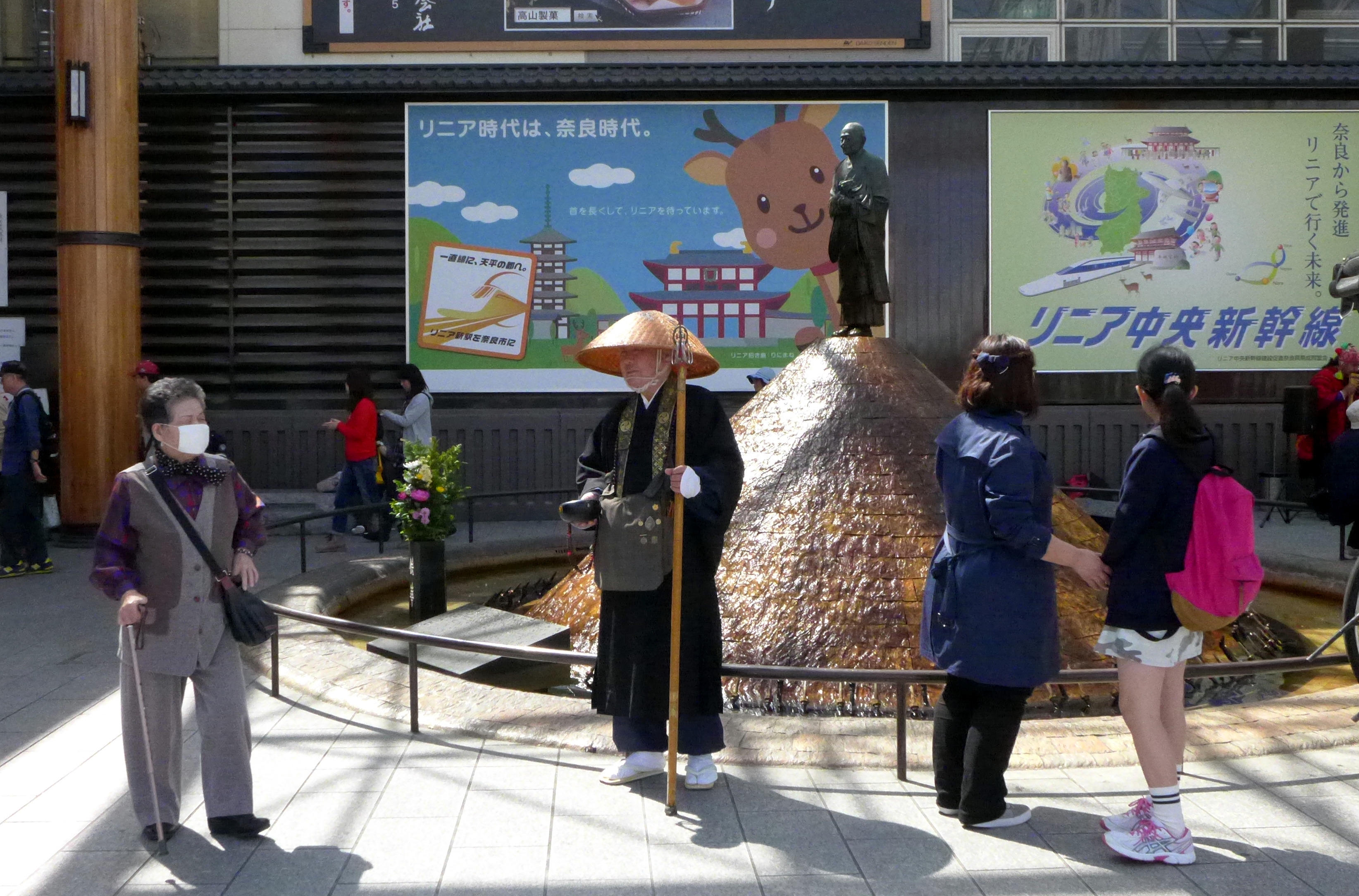
P1070216 P1070220 P1070226 P1070232 P1070235

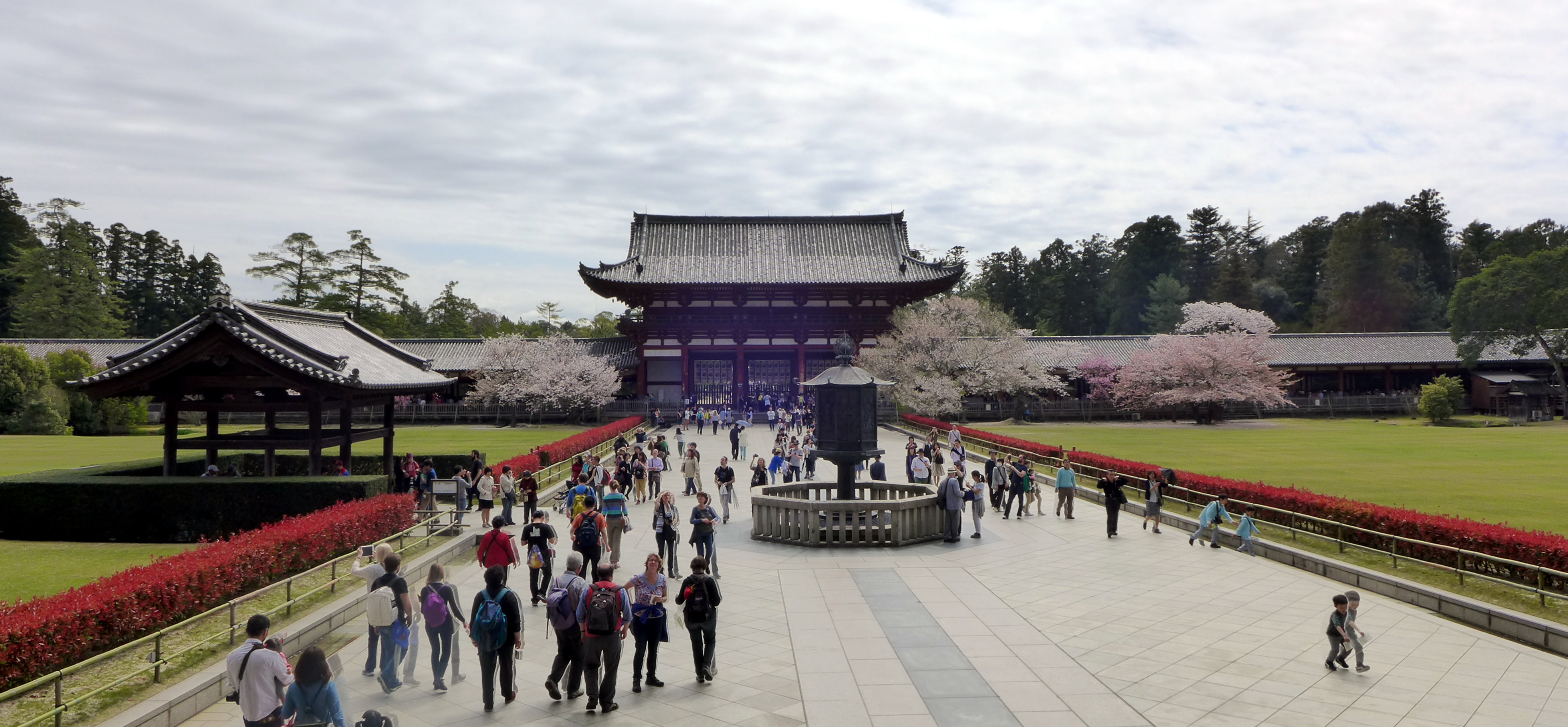
Todai-ji 東大寺, was once one of the seven great temples of Nara, a term that refers to the most powerful temples in Japan during the Nara period (710 – 794). The Nara period can be characterised by the flourishing of Buddhism and its influence upon the elite and the imperial family. Several members of the imperial family actually became monks, something that worried many people who saw Buddhism as a non-native invading religion. It was at Todai-ji that this imperial religious fervour reached a fever pitch.
P1070257 P1070266 P1070278 P1070282

Todai-ji was founded by Emperor Shomu in 728, quickly becoming a temple of influence and power. Emperor Shomu, worried by the large number of disasters during his reign, decided that in order to bring peace to the land he must ensure the spread of Buddhism. Therefore he issued an edict that promoted the construction of provincial temples throughout the land to counter the blight of rebellion, smallpox and poor harvests. I suppose when you’re in power and all of that happens you have to look like you’re doing something, even if realistically there’s not a lot you can do.P1070276 P1070288 P1070286 P1070294 P1070296
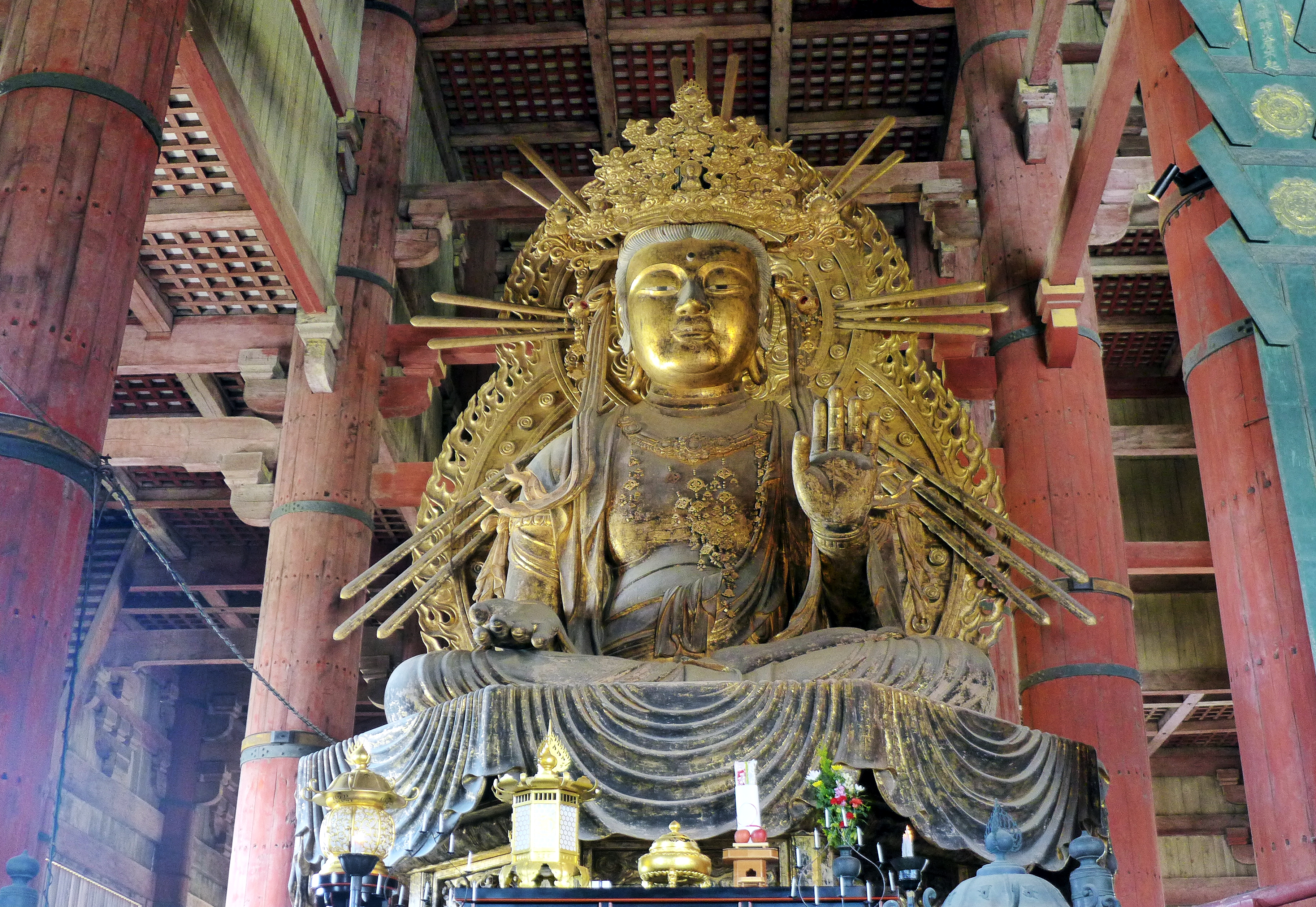
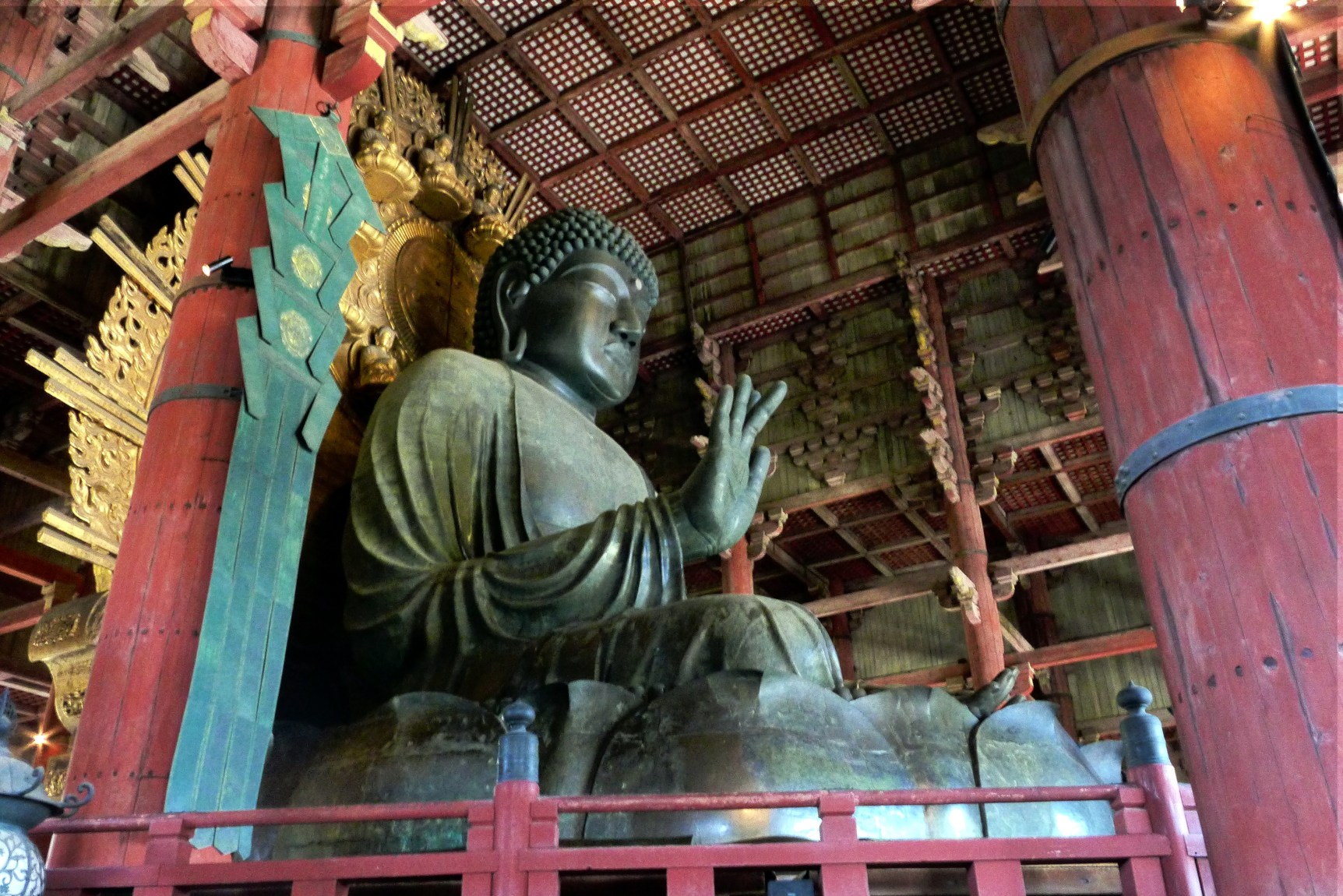
It was at Todai-ji that all Japanese monks of this period were ordained, making it one of the most important temples in Japanese history. In addition, this temple is where the Daibutsu 大仏, or great buddha can be found. This too was built by Emperor Shomu, who felt that he must construct a great Buddha to show the appreciation of the Buddha by the Japanese people. This is the largest bronze statue of the Buddha Vairocana, (there are other larger statues of different Buddha) in the world. Vairocana is the Buddha that represents the East Asian concept of ’emptiness’. The Buddha was constructed through donations of bronze and other materials that were persuaded out of the Japanese people, and it was gilded in imported gold. Many later accounts of the construction blame the construction of the Daibutsu for the subsequent near-bankruptcy of Japan and shortage of bronze. Rather amusing that the Buddha of emptiness also emptied Japan’s treasury…

P1070299 P1070302 P1070324 P1070318

The Daibutsu was finally completed in 745 and it is estimated 350,000 people worked on its construction. It weighs 500 tonnes and measures nearly 15m tall. Unfortunately around a century later, in 855, the head of the Daibutsu fell off and further donations had to be taken from the people in order to construct a more stable head. I am not sure if these were genuine donations or if they were ‘donations’ that were ‘requested’ by the Emperor. Shomu himself, in a final act of piety, became a monk upon his retirement.

P1070316 P1070308P1070327

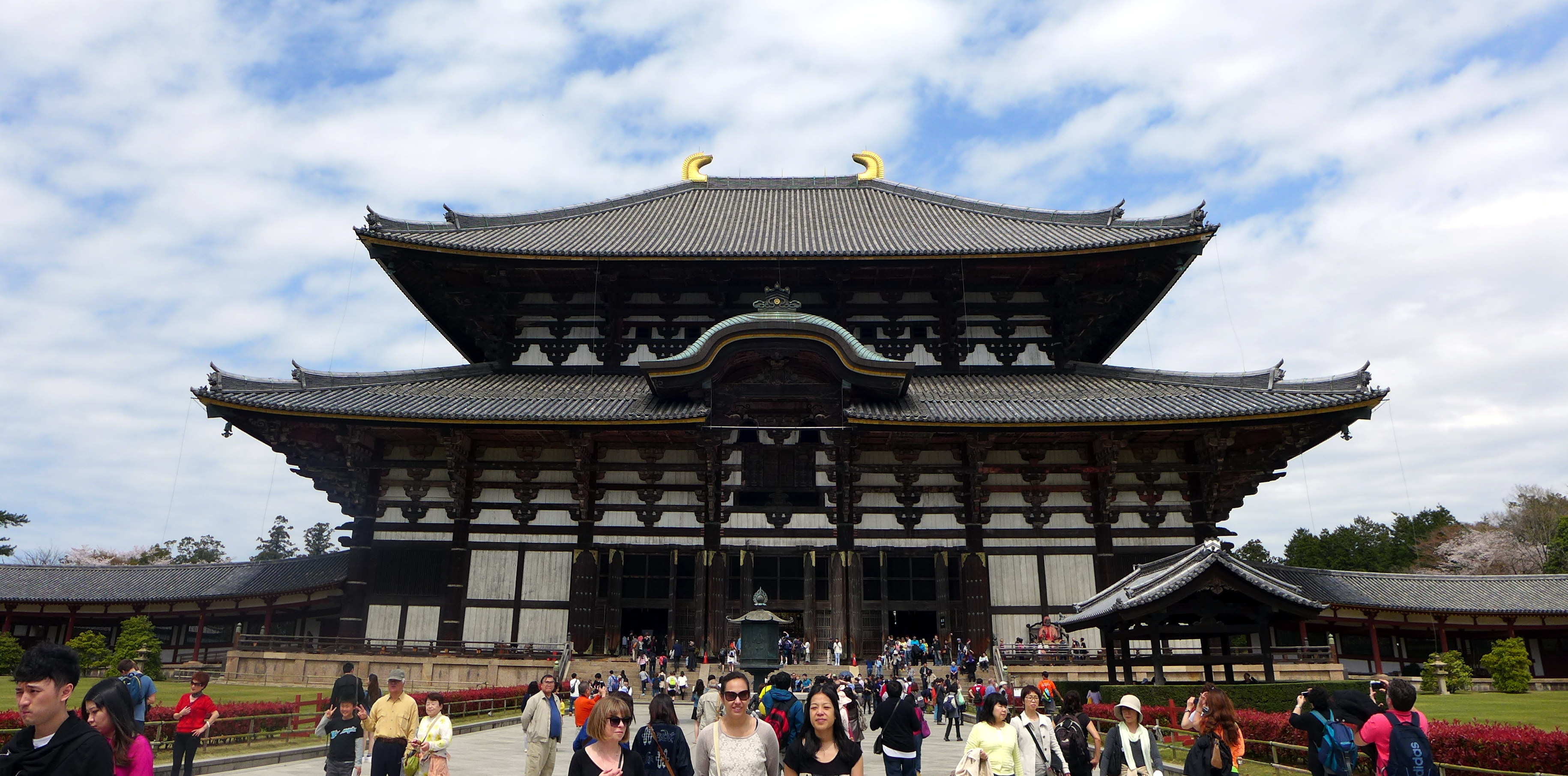
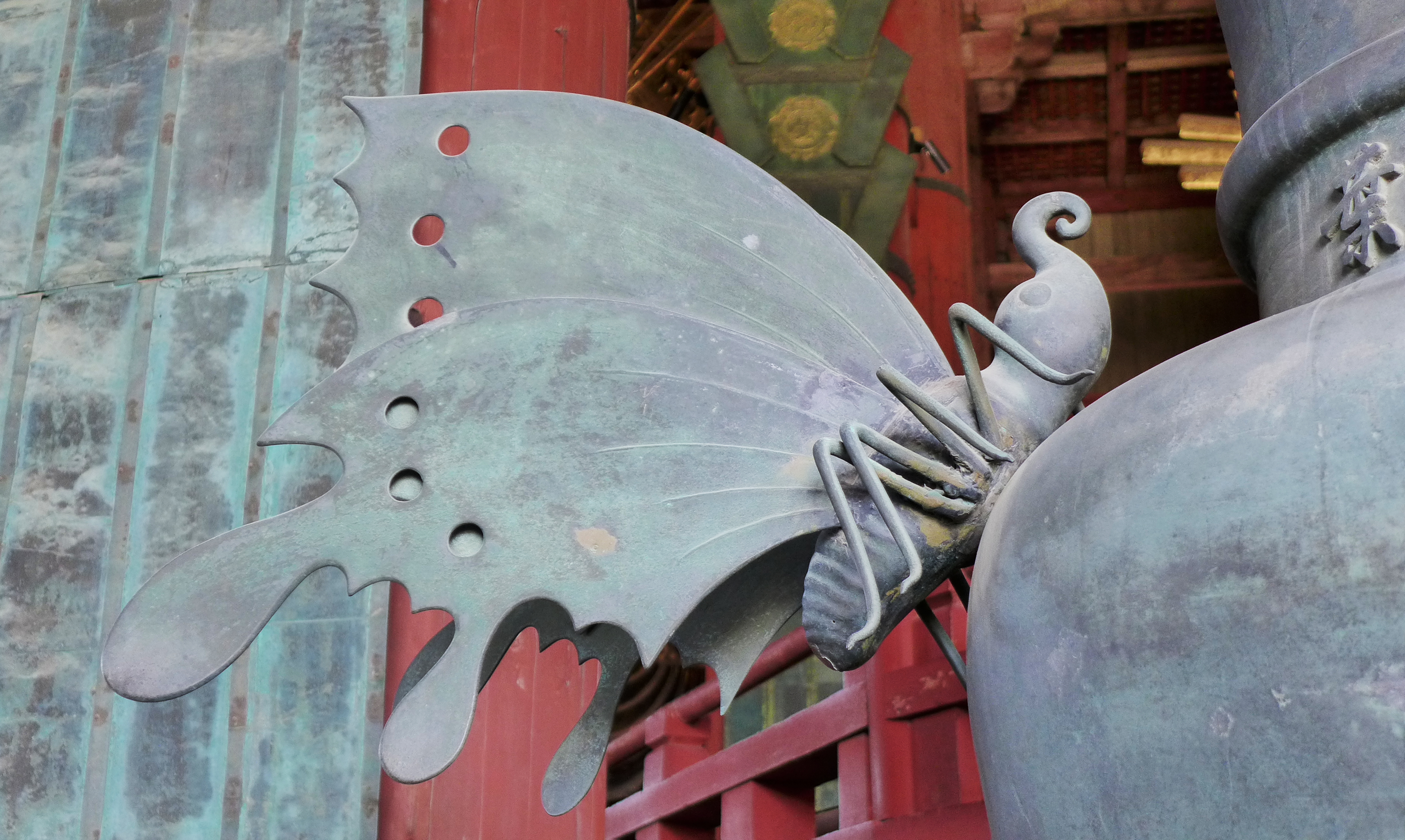
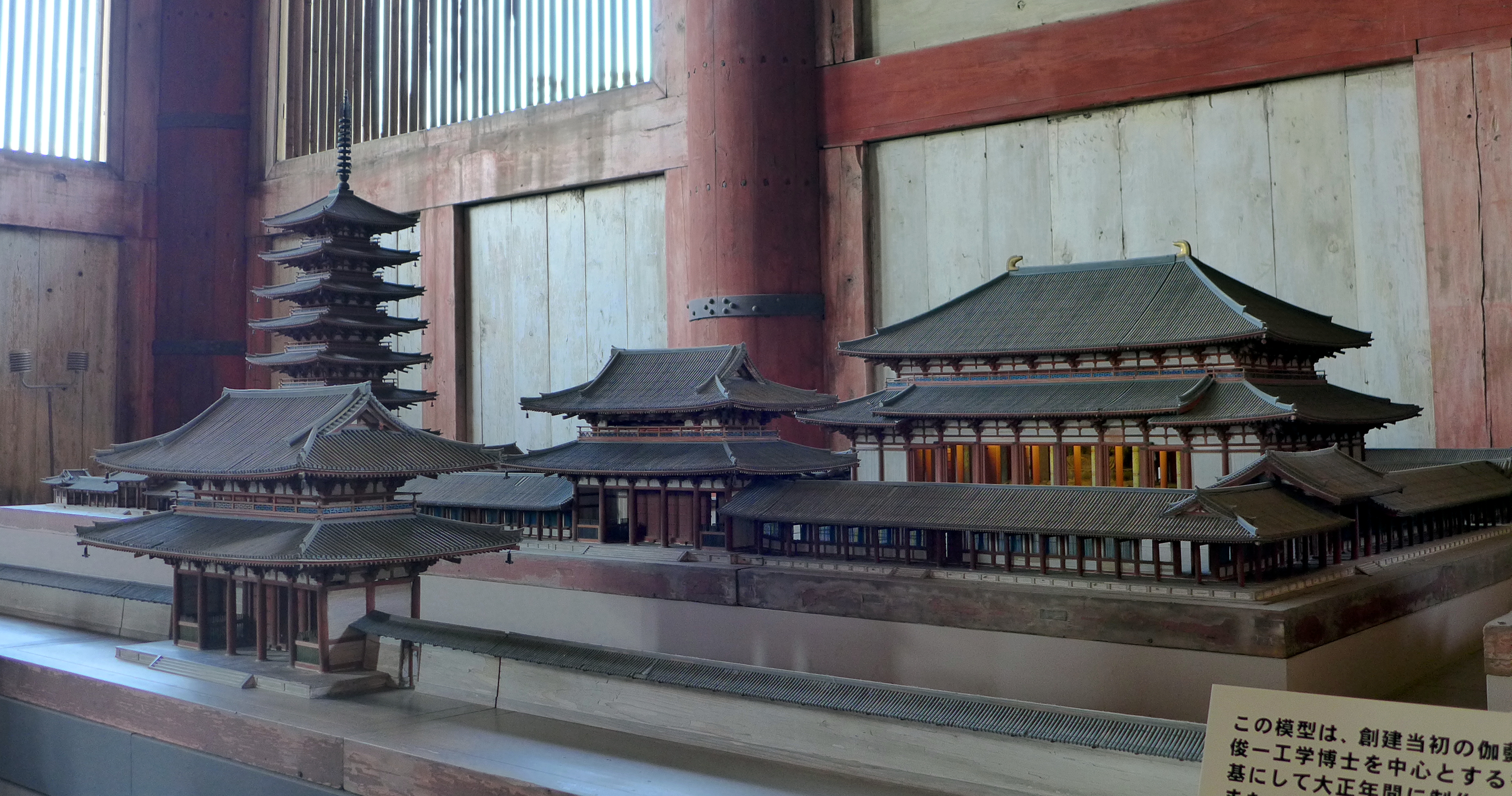
The current building of Todai-ji dates back to 1709; like most wooden temples in Japan the hall burned down several times. The current structure is actually 30% smaller than the original and lacks the two pagodas the original had. There was a small scale model of the original Todai-ji in the temple itself. The current structure was the worlds’ largest wooden building until 1998. It is now beaten by a Japanese baseball stadium among others. I really liked the gold horns on the top of the main building, they remind me of a samurai helmet. It’s certainly something different to other temples, something you start to appreciate when so many look similar.

P1070339P1070340P1070332 P1070334

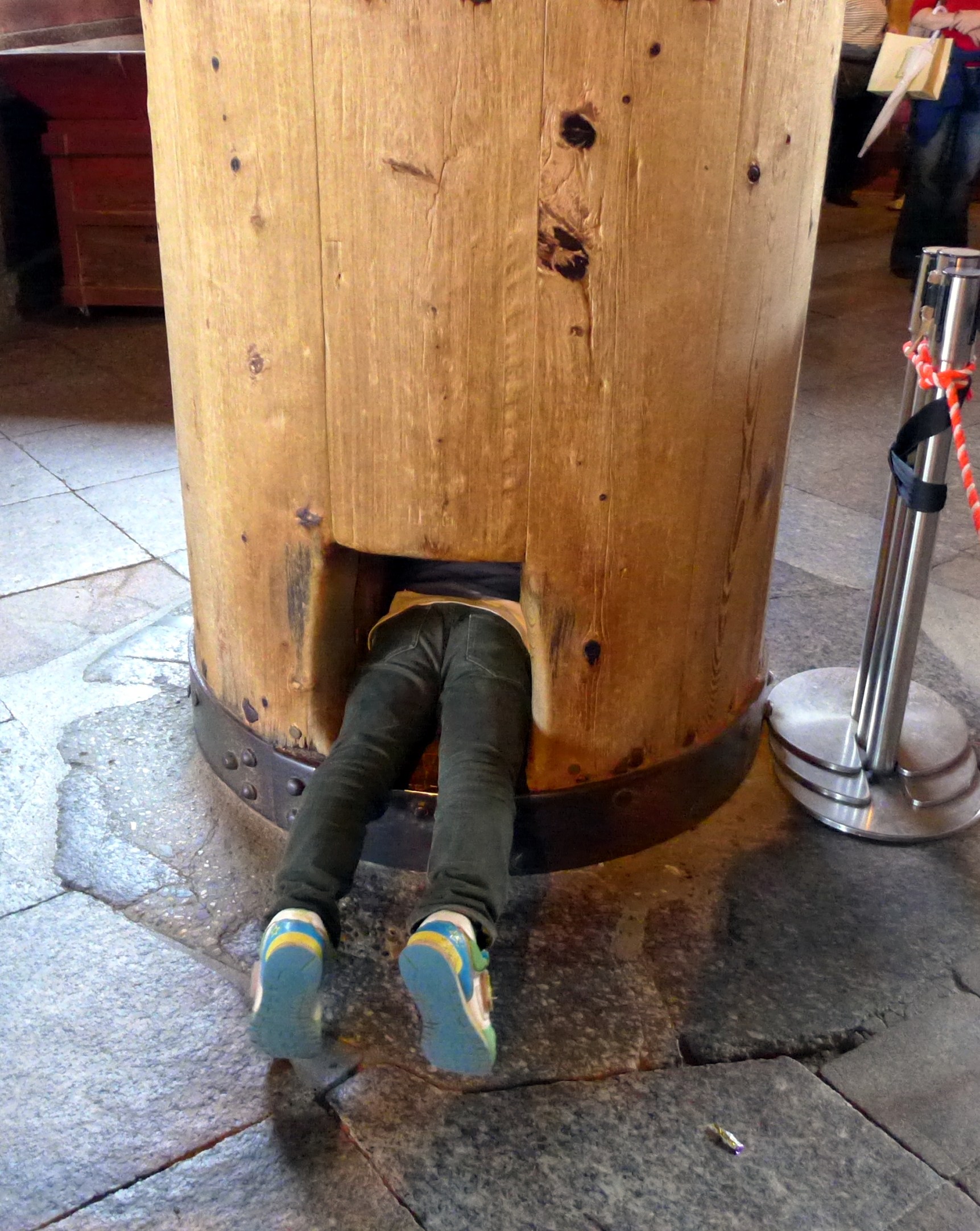
Inside the main hall was the main Buddha as well as a couple of rather large flanking Buddha. We saw a long queue of children with their parents waiting for apparently nothing, until I noticed that the children were taking it in turns to crawl through a small hole at the base of one of the wooden pillars and then have a photo taken stuck halfway through. This apparently ensures enlightenment later in life (the crawling, not the photo, one assumes). You can only do this as a child, unless you are very small, as most adults simply will not fit through the hole.
P1070344P1070335P1070338P1080061

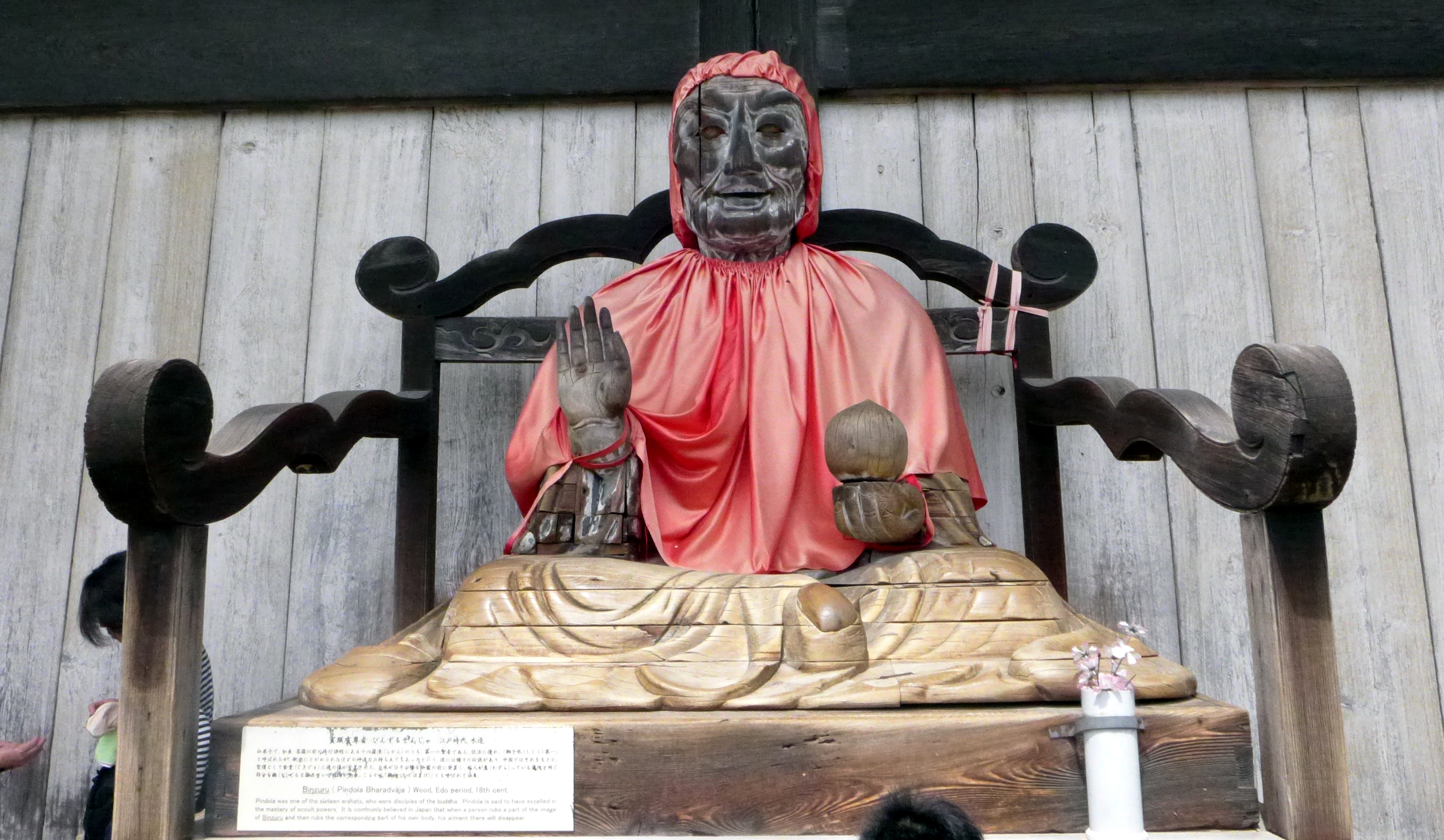
A small shrine outside was dedicated to what looked like a skeleton. The idea was that if you touched the figure where you were suffering from some kind of pain or disease, it would be cured if you prayed at this shrine. I had a go because I was very allergic at the time, though I feel that it was eventually the medicine that fixed me.
P1070347P1070353 P1070302P1070304

Todai-ji is an impressive structure and definitely worth seeing. It, along with Kasuga Shrine in my last post, is a designated World Heritage Site. Unlike the shrine, it did cost money to enter (around 500円 I think), but it’s definitely worth it.
哲学の道 The Philosopher’s Blossom

This post will be part two of my visit to Philosopher’s walk 哲学の道 (part one here). All of these temples, including the two previously covered, were along a short forty-minute-walk stretch. There will be lots of pictures of cherry blossom, or sakura 桜 so if you didn’t get enough of that from my last post, here’s some more!

P1060871P1060846P1060870P1060848P1060859

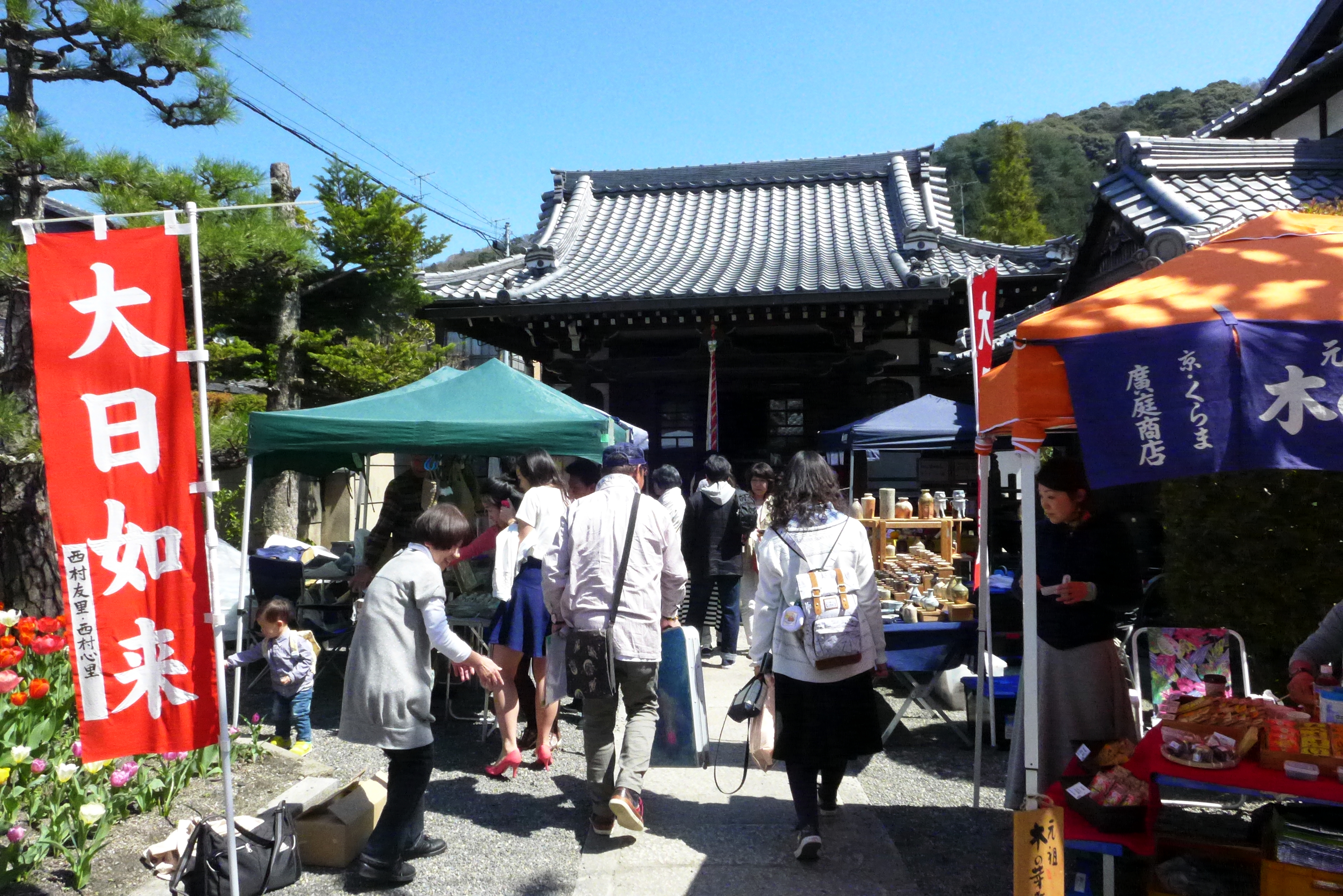
The first temple we visited that day was also the smallest. Miroku-in 弥勒院 was a small courtyard with the stamp booth on the outside facing the path. There was a small market going on inside the temple with a few stalls selling pottery, purses and other hand-made objects. As such we did not spend much time in the actual temple courtyard as it was really crowded – a problem with being directly on the Philosopher’s walk is that the temple was far more crowded than those slightly apart from the road.
P1060892 P1060888 P1060887P1060890

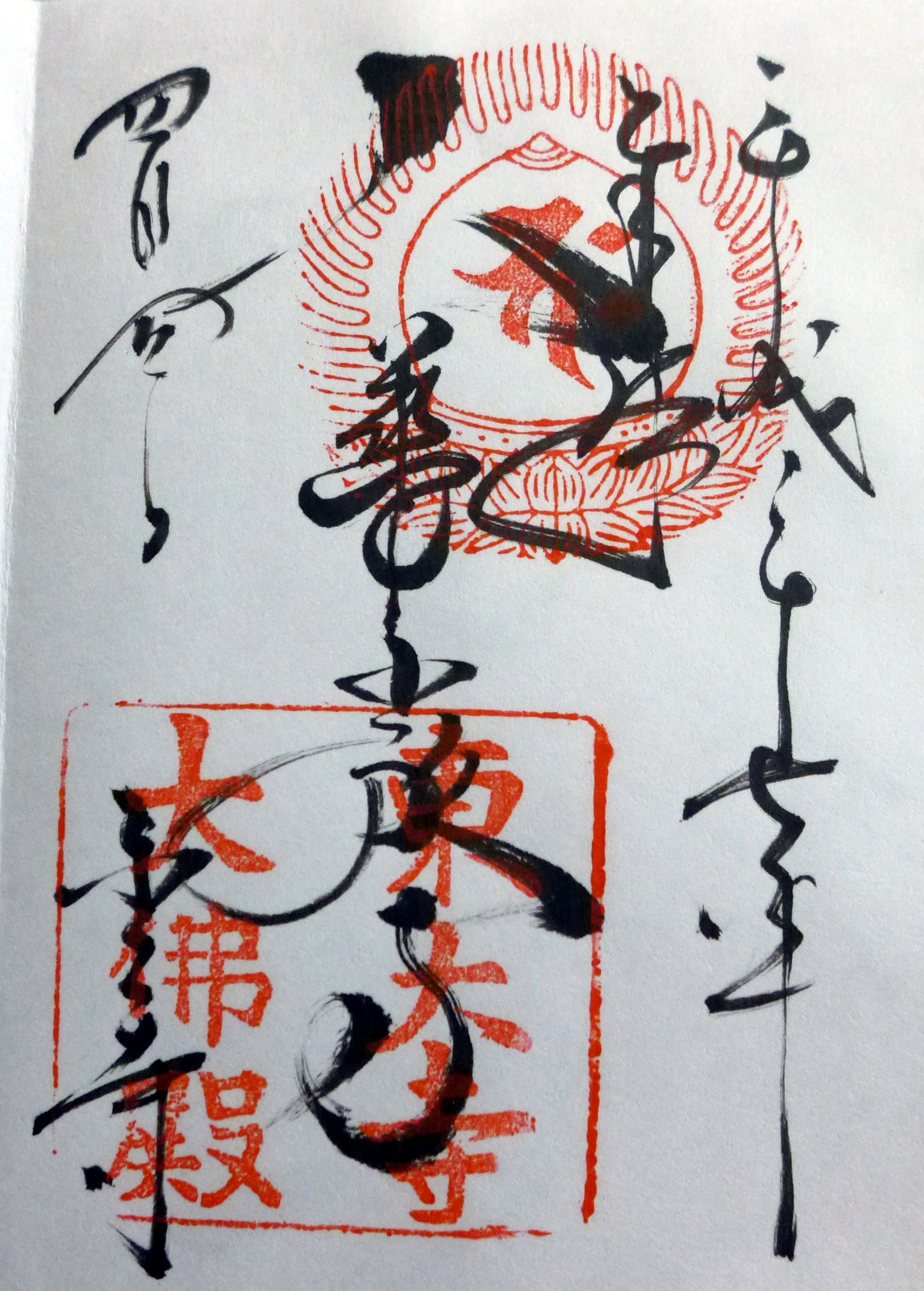
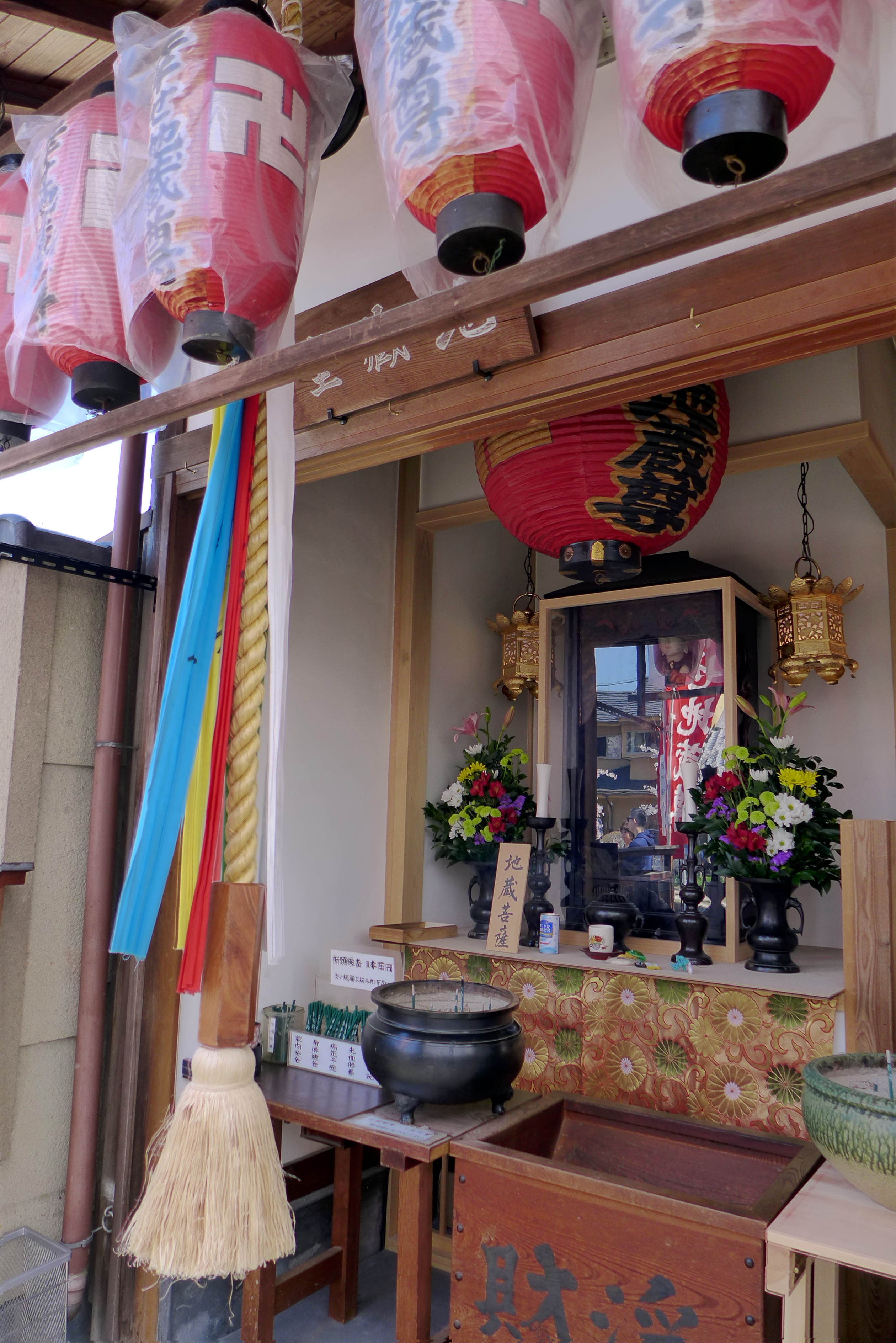
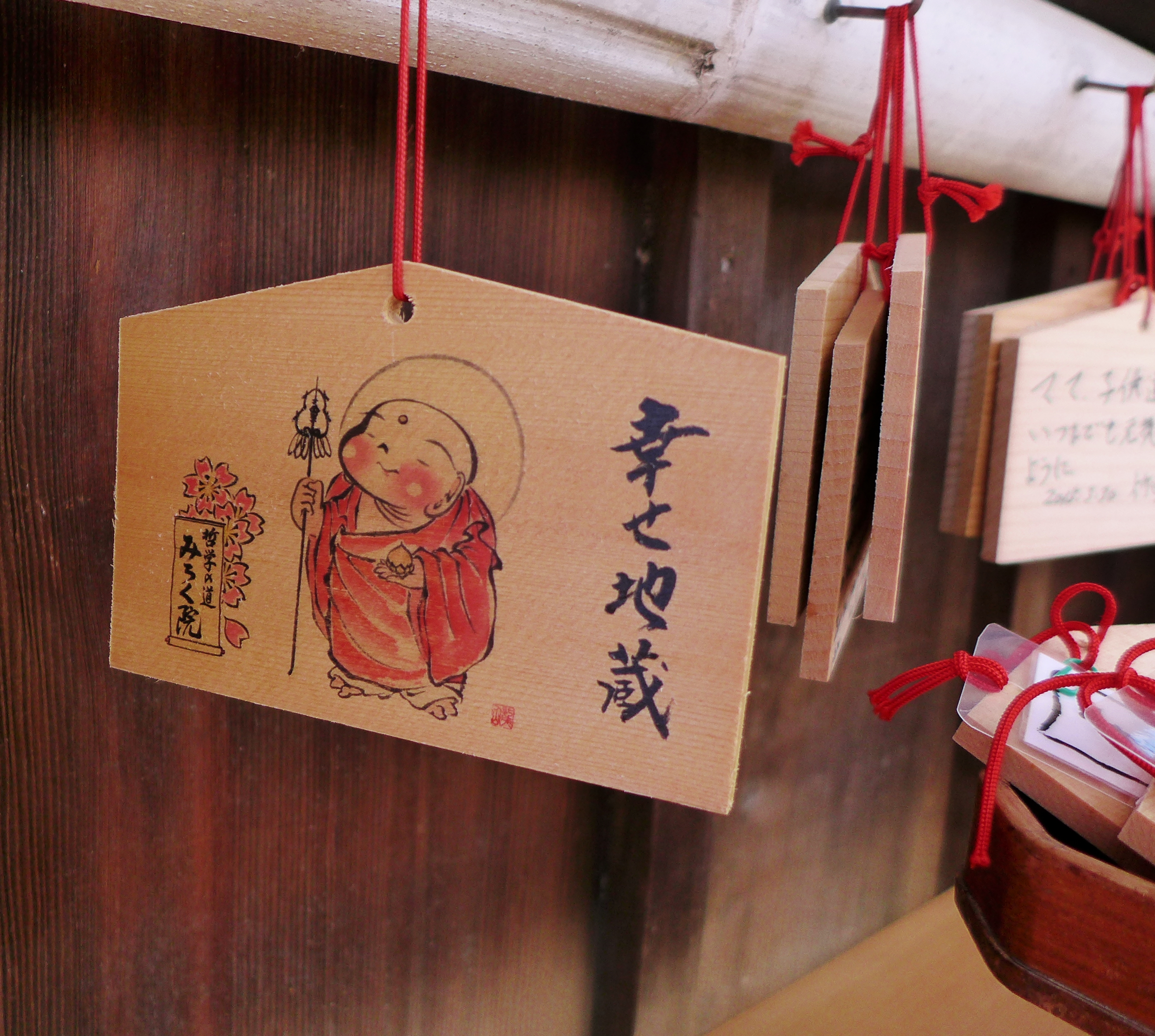
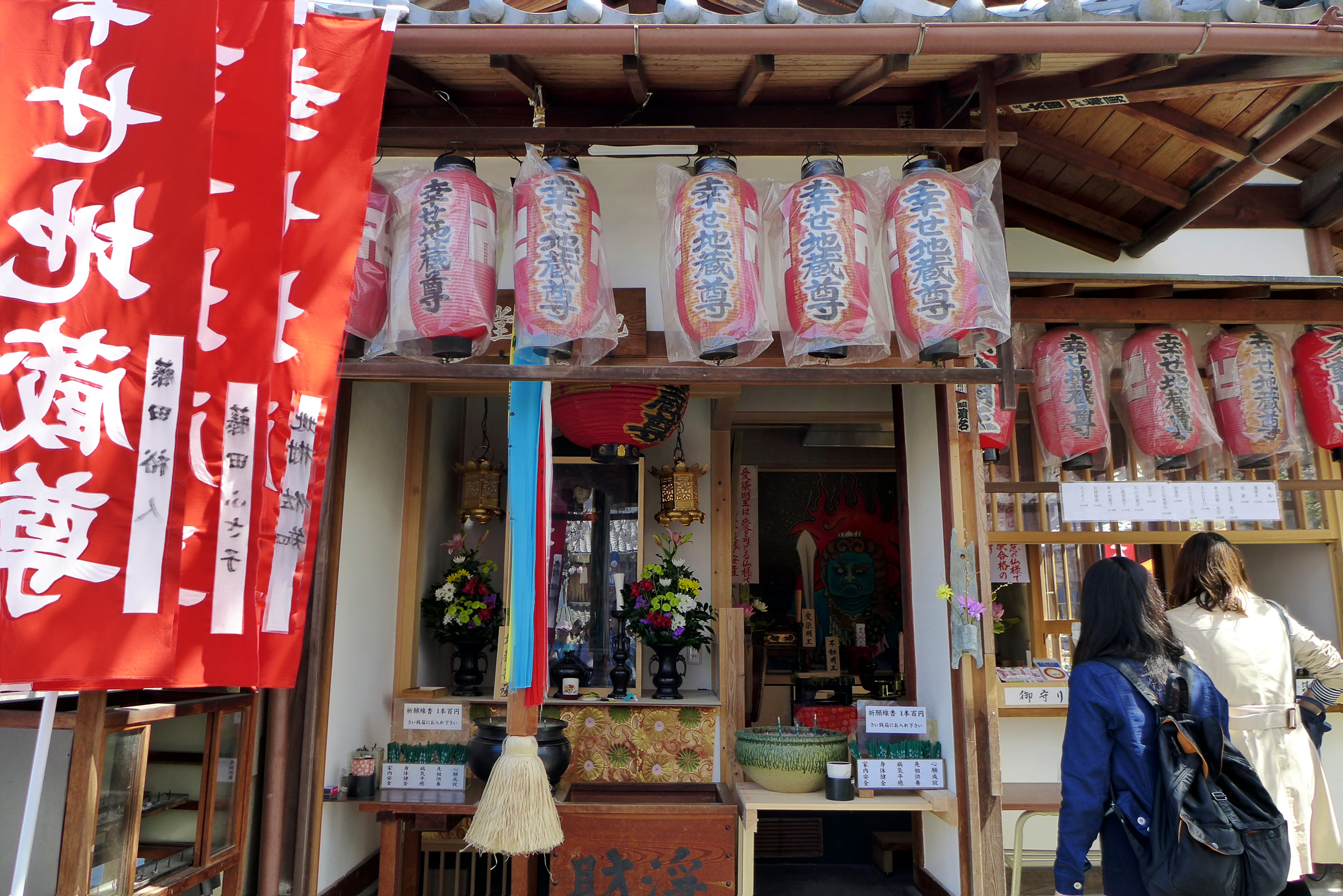
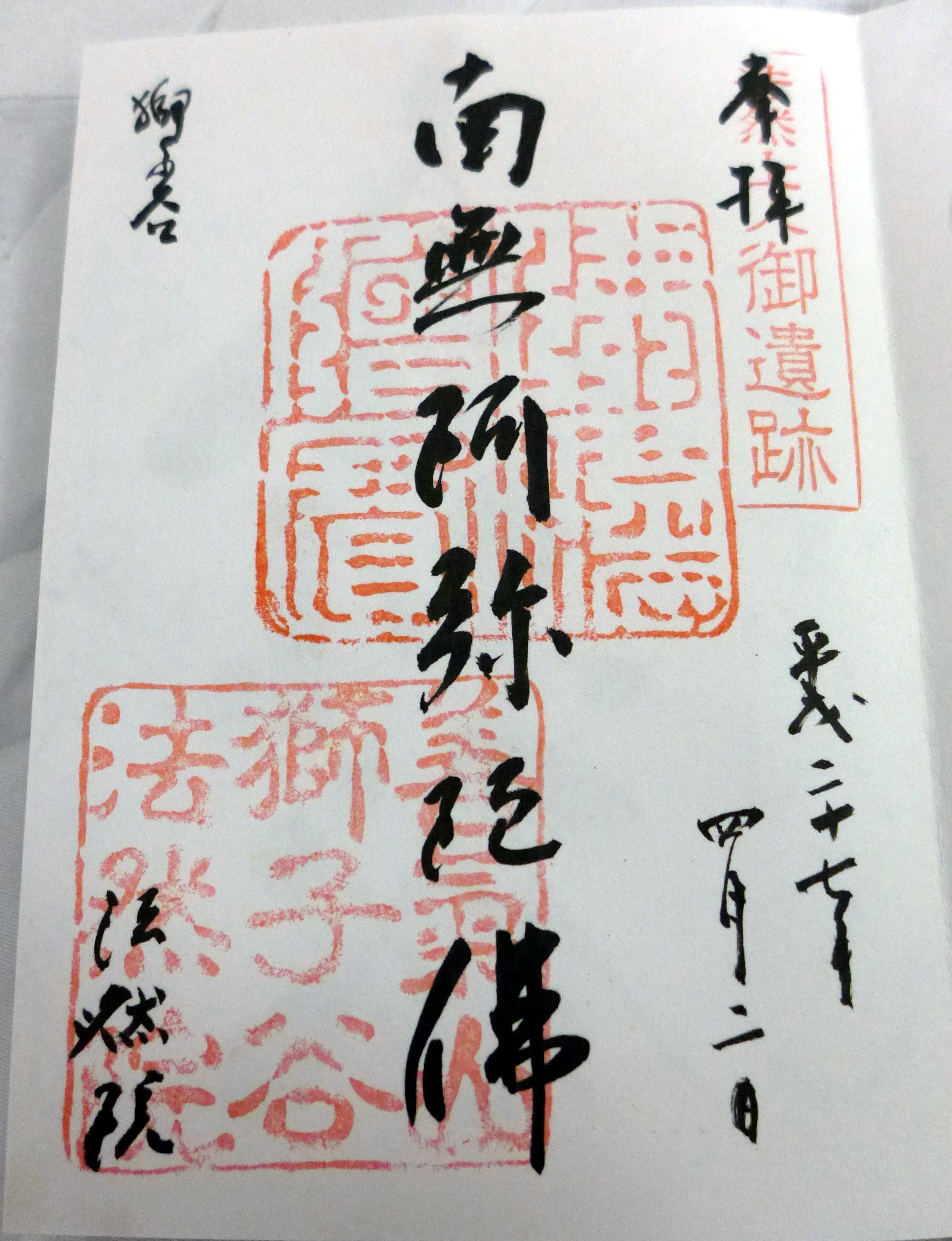
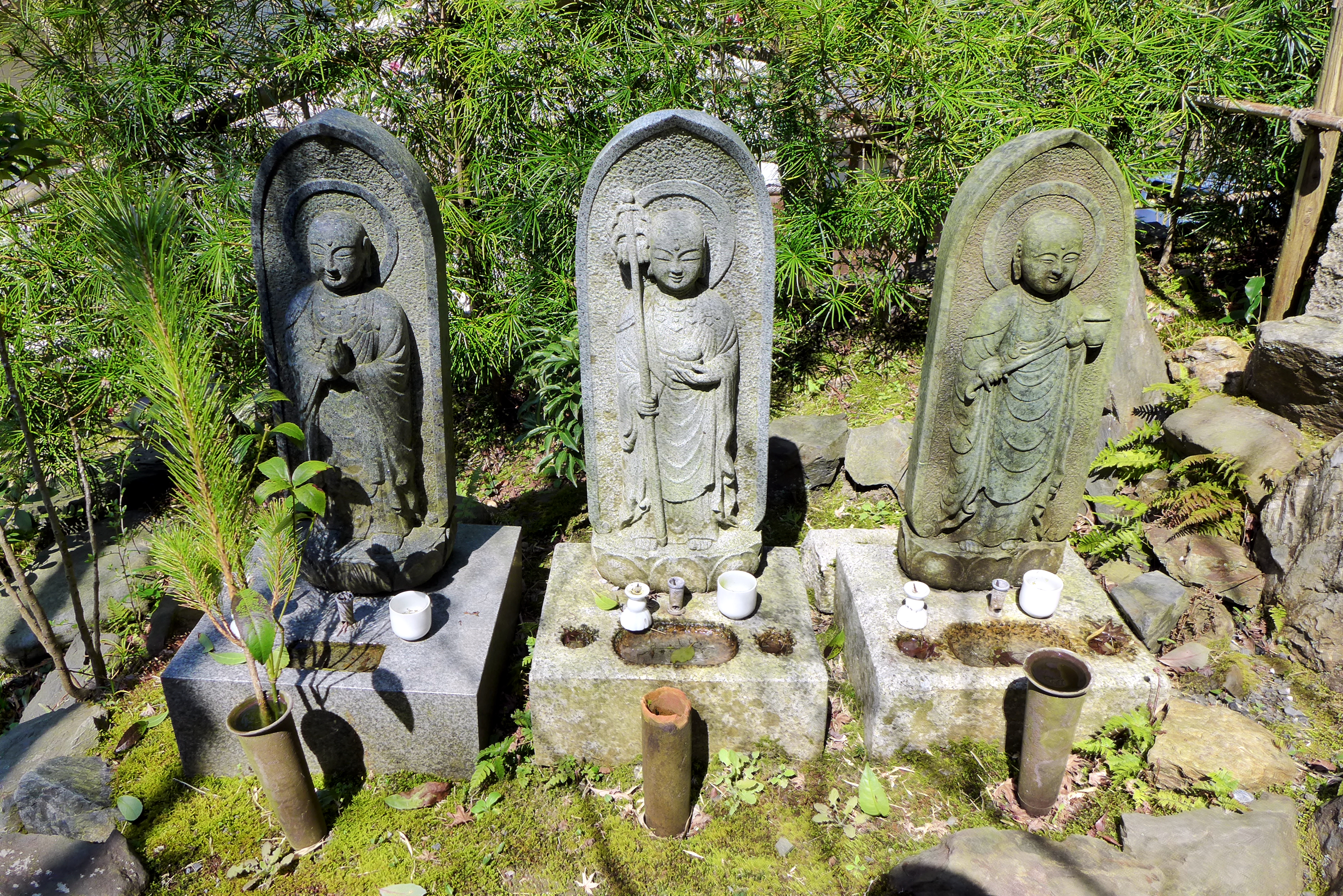
Miroku-in is a temple from 1600 that was combined with another small temple in 1896 and was then moved in 1927 to its current location on Phiosopher’s walk. The temple is famous for the statue of Jizo, god of travellers and children, enshrined there which is known as the ‘Jizo of Happiness’ and is said to bring happiness to those that pray at the temple. This statue was inherited by the temple during World War 2. I got two stamps at this temple, one general stamp and a prayer to Jizo. There were lanterns hanging outside the temple that read ‘Jizo of happiness’ and the prayer tablets also showed a very merry looking Jizo. It was a nice quick temple with a lot of character, even if it was a little busy.

P1060893P1060886P1060894P1080044P1080043

In a bid to get out of the crowds and find some more temples, we ventured off the main path to the East where there are several temples nestled in the woods. The first we came across was Honen-in 法然院, which is a temple dedicated to its namesake, Honen, the founder of the Jodo sect of Buddhism. We have encountered Honen before when exploring temples; he was the monk that upset many other sects by stating that Buddhist chants were the only way to reach the Pure Land and by placing lay monks on the same level as those that had served many years, messing up temple hierarchies. This unpopularity was only increased when, in 1207, two female attendants of the retired emperor converted to Jodo Buddhism and became nuns – there were rumours that the two monks that had converted them had seduced the attendants and the two monks were put to death while Honen was exiled.

P1060918 P1060920 P1060928 P1060930 P1060932 P1060933 P1060939 P1060937

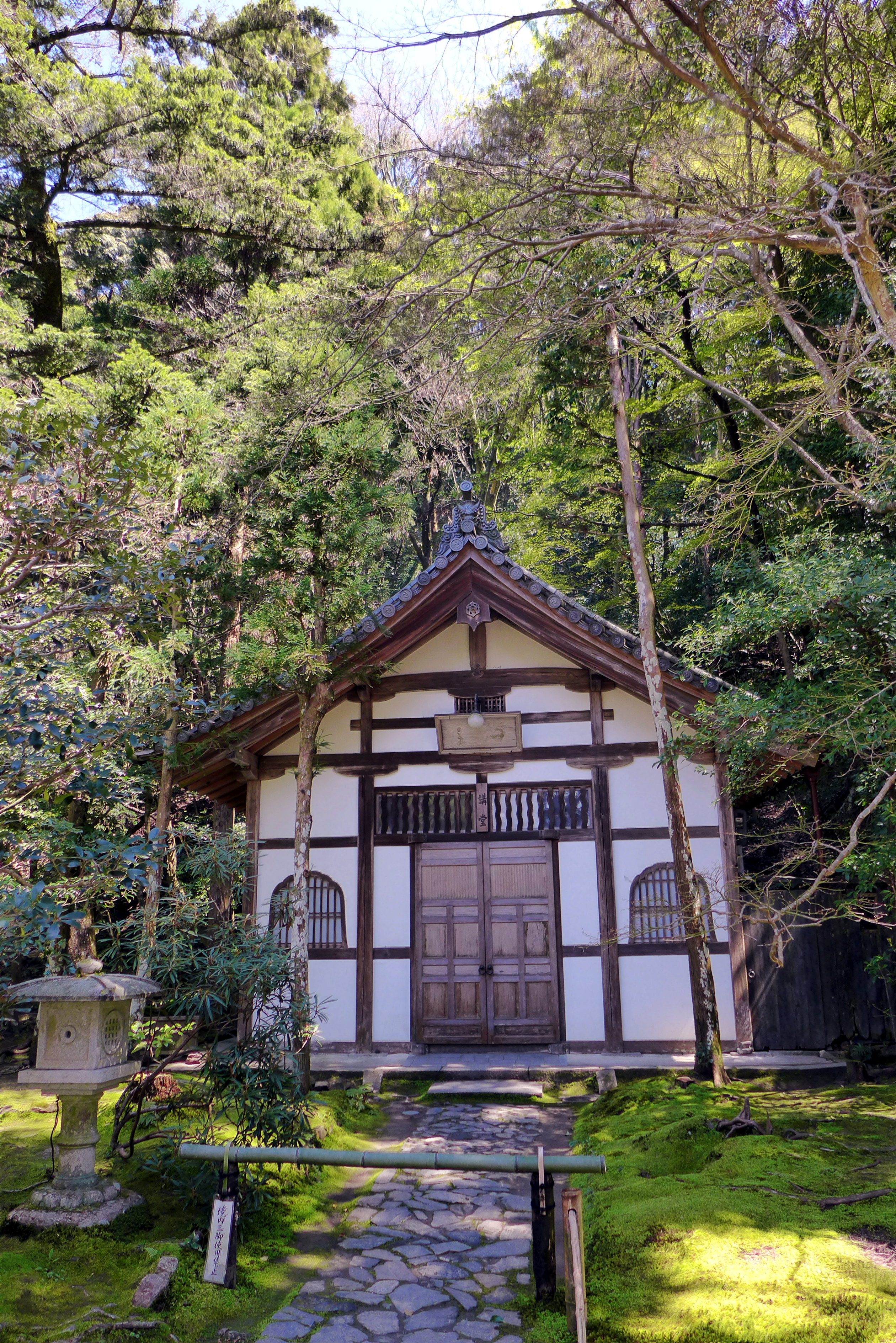
Honen-in was founded in 1680 to honour Honen; though he fell out of favour with the imperial family during his lifetime, he was pardoned before his death and became a prominent figure in Japanese Buddhsim and is celebrated as the founder of Jodo Buddhism. The temple itself was beautiful and we were able to venture inside the sprawling temple buildings. Thankfully as it is now getting warmer my feet did not freeze on the cold temple floor this time – you must take your shoes off to enter a Buddhist temple which can be problematic in the winter when the cold floor causes your feet to go numb!

P1060941 P1060942 P1060944 P1060945P1060959P1060948 P1060953 P1060954P1060960

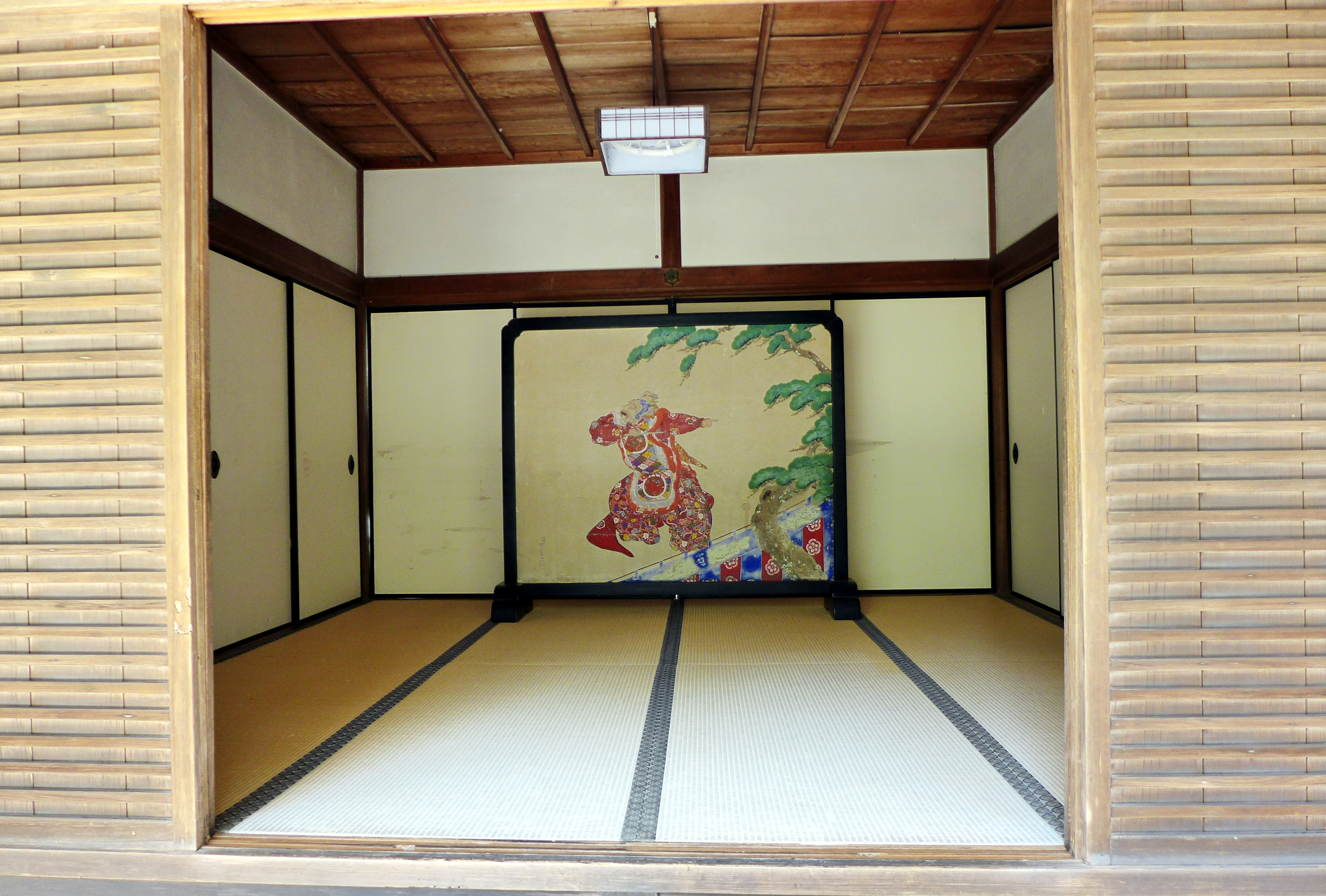
This temple also had a beautiful collection of screens that were well worth visiting. Sadly photography wasn’t allowed but I have a few sneaky pictures. I would recommend going to check them out if you are in Kyoto!

P1060934P1060972P1060943P1060973P1080045

Our next stop, and tying in well to the history of Honen-in, was Anraku-ji 安楽寺. This temple is dedicated to those two young priests that converted the retired emperor’s attendants and were executed for allegedly seducing them. Their story is that they built a thatched hut in Higashiyama to pray to the Amitabha Buddha. Two ladies, attendants of the retired emperor Gotoba, came to hear their teachings and were sou touched that they became nuns and renounced the world. This incensed the imperial family and nembutsu prayers, the Buddhist chants key to Jodo Buddhism, were banned. The two priests were executed. It is unclear as to whether anything untoward or indecent actually went on, but in the already tense environment surrounding Jodo Buddhism, this was the final straw for the imperial family.

P1060992 P1060988 P1060987P1060978

This temple was constructed in 1532 in memory of these two young men. It is also well known as a temple that holds an annual festival on July 25th at which they serve pumpkin that supposedly cures paralysis. I have no idea where this myth comes from but it seems fairly obvious that the story would involved a paralysed man eating pumpkin. Strange, but worth a try I suppose. There is also a tea room at Anraku-ji if you fancy a rest and a drink. There isn’t really much else there; a small garden and a nice view of the main building is mostly what you will get out of this temple.

P1060986 P1060984 P1060982P1060980P1060981

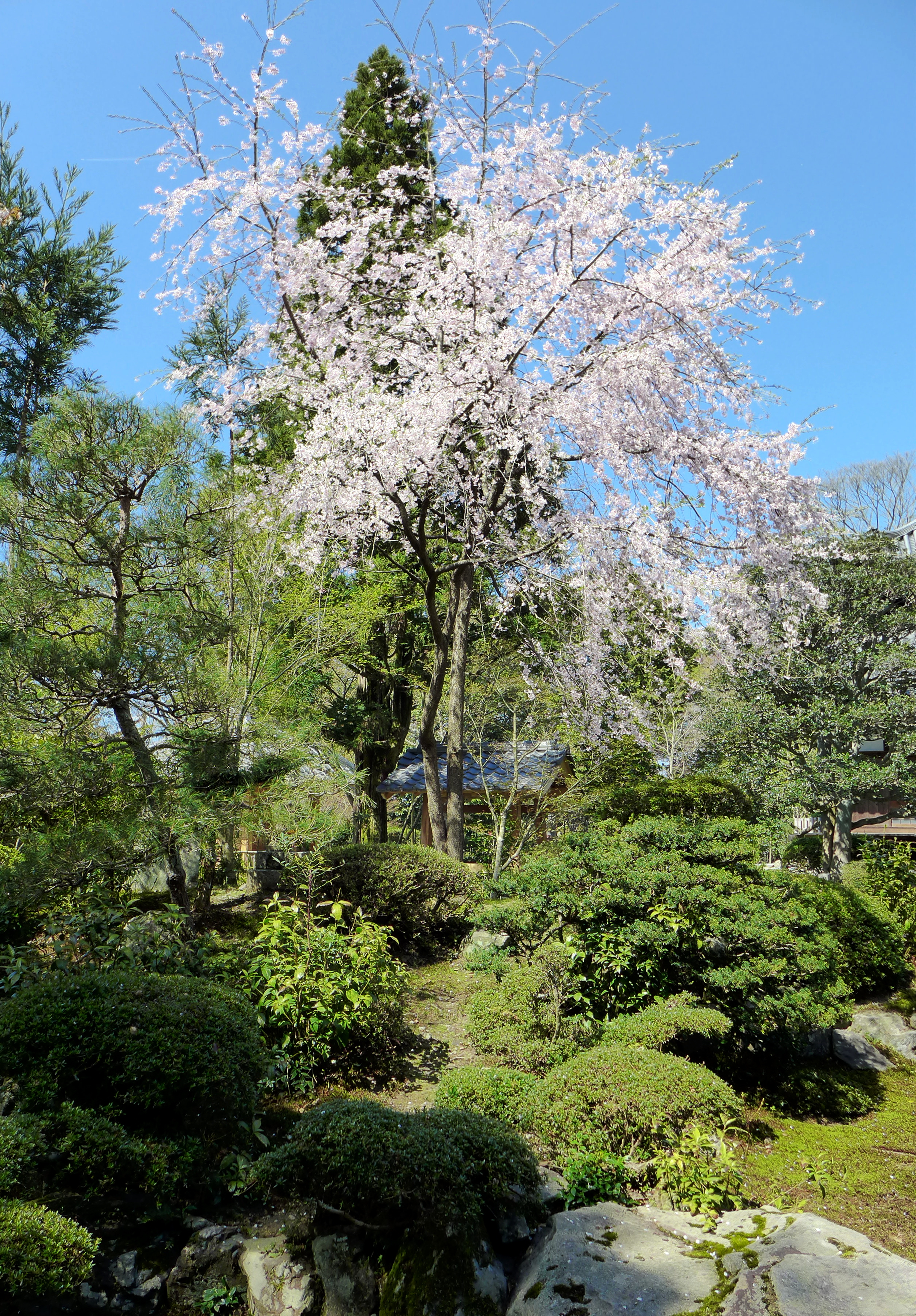
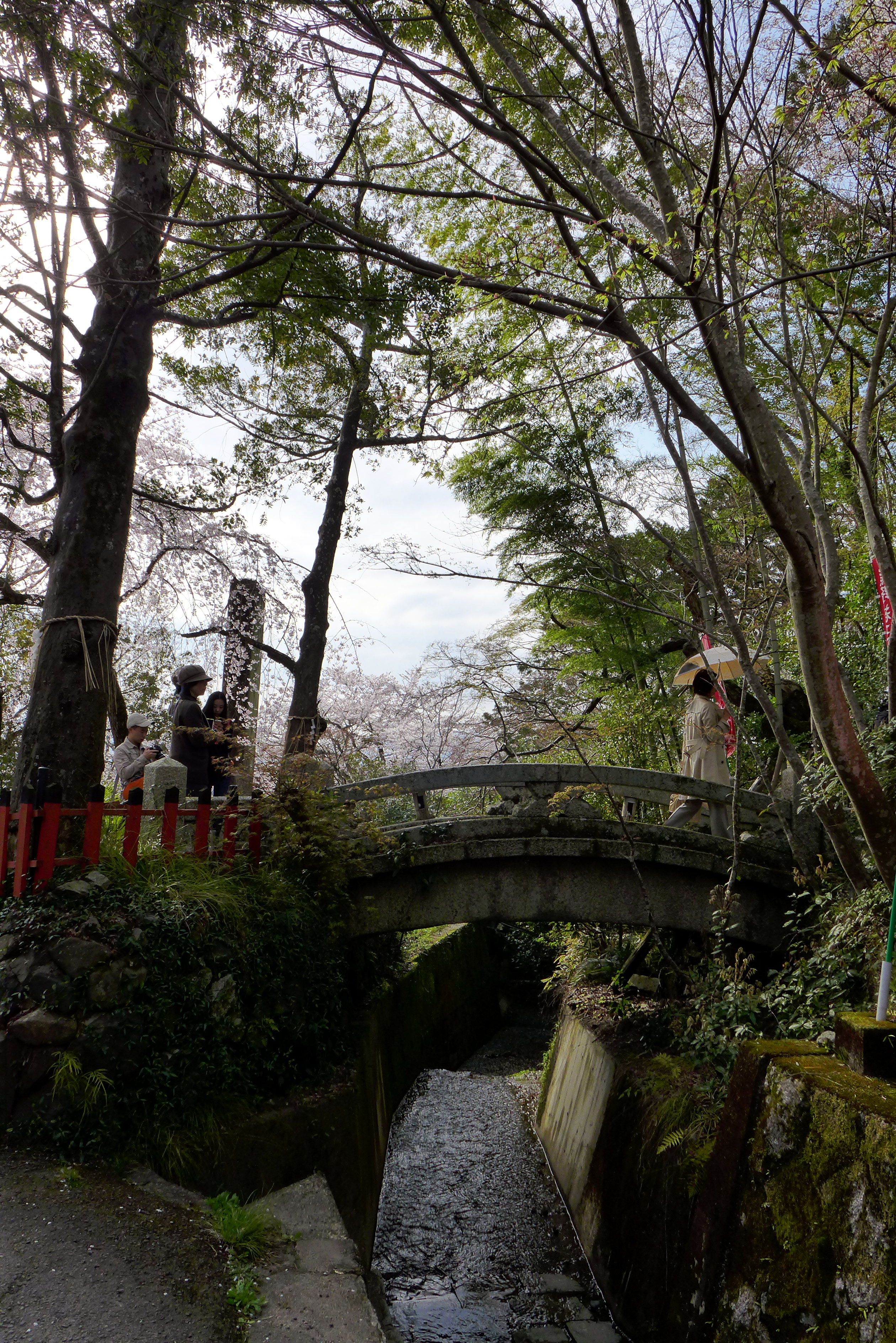
The next two temples we visited were covered on my previous post about Philosopher’s Walk, so we will jump to the final stop on our trip. Before that, though, I’ll tell you a little about the walk itself. It is called Philosopher’s walk because it was the favourite walking spot of famous Kyoto philosopher Nishida Kitaro (1870 – 1945). I don’t really understand the nuances of philosophy well enough to properly convey his ideas, but I can tell you that he focussed on bringing Eastern and Western philosophical concepts closer, while also taking an interest in the Japanese concept of ‘nothingness’. He founded the Kyoto school, which is a group of influential Japanese philosophers based in Kyoto. I can see why he would walk down this path, it is serene and beautiful (especially when it isn’t packed with tourists looking at the blossoms).

P1070046P1070078P1070076P1070047P1070044P1060895P1060885P1060883P1060878 P1060868 P1060862

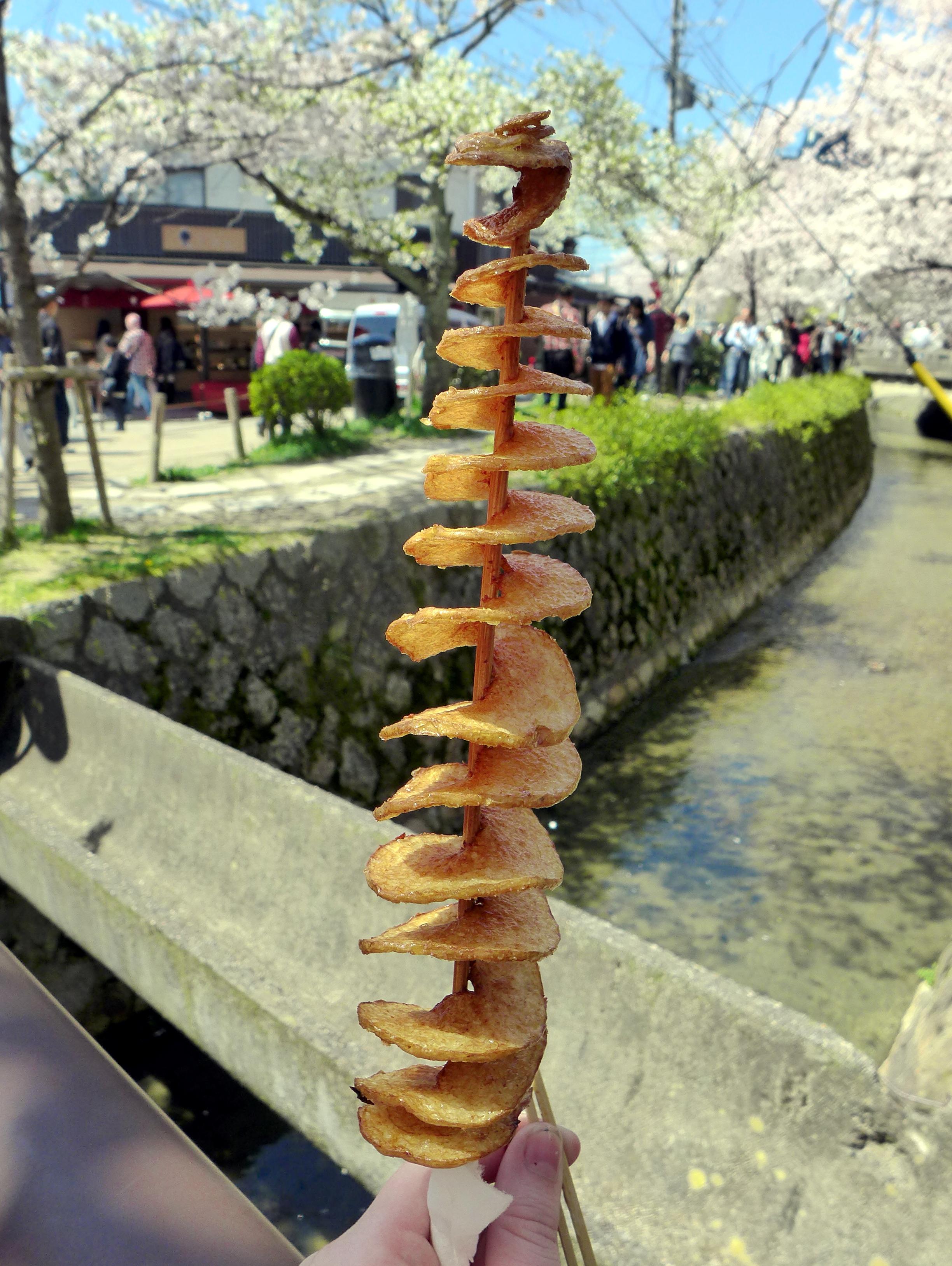
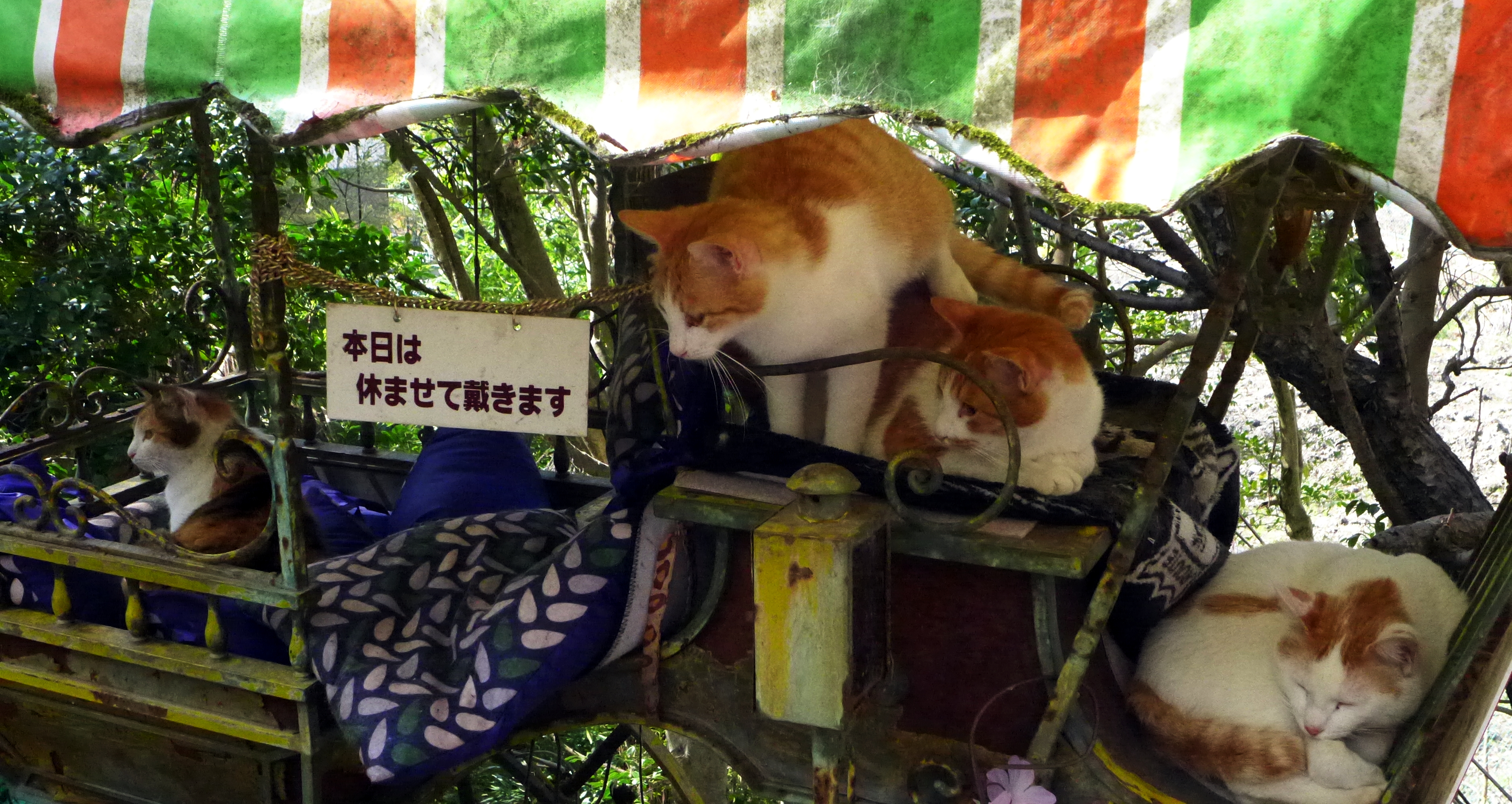
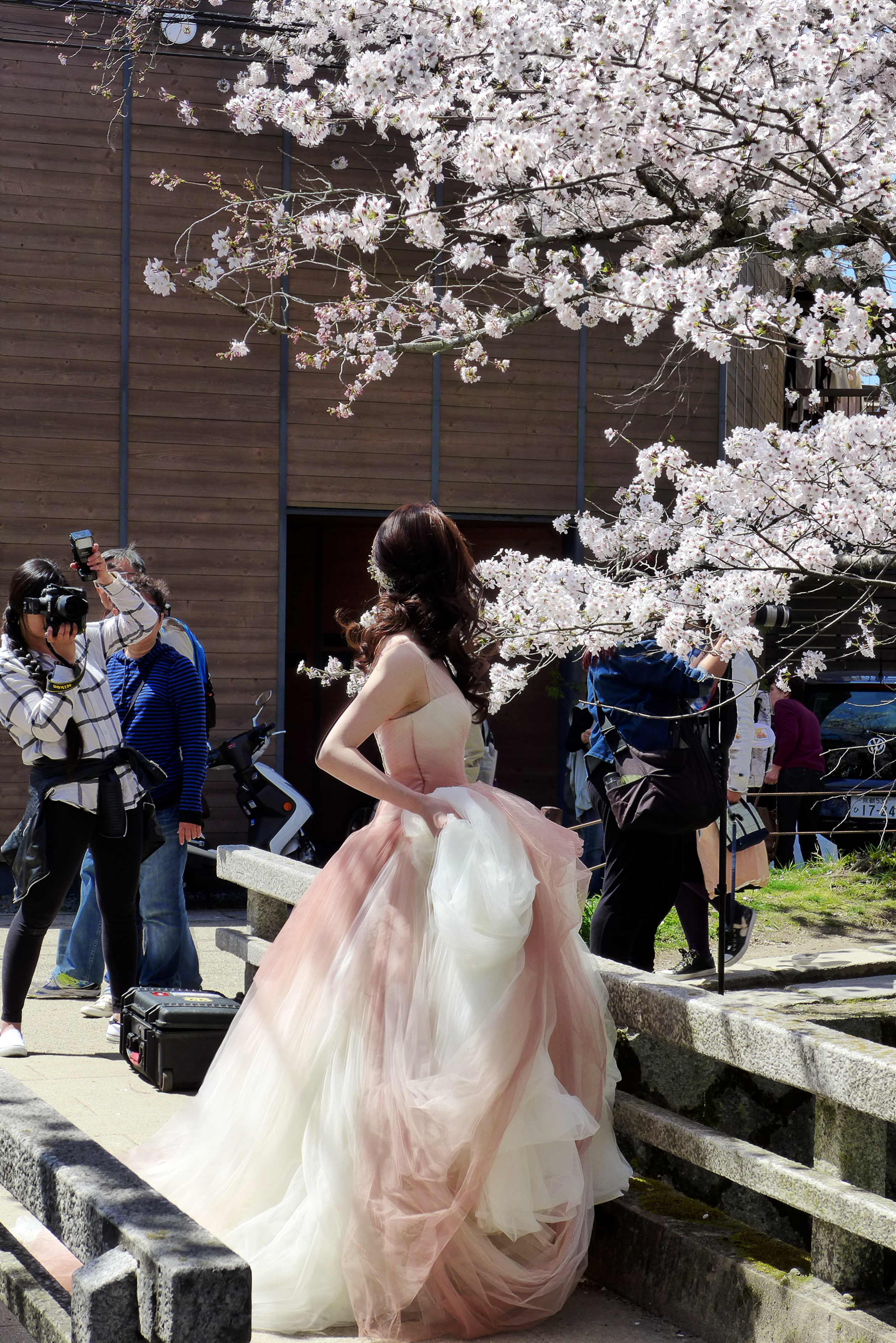
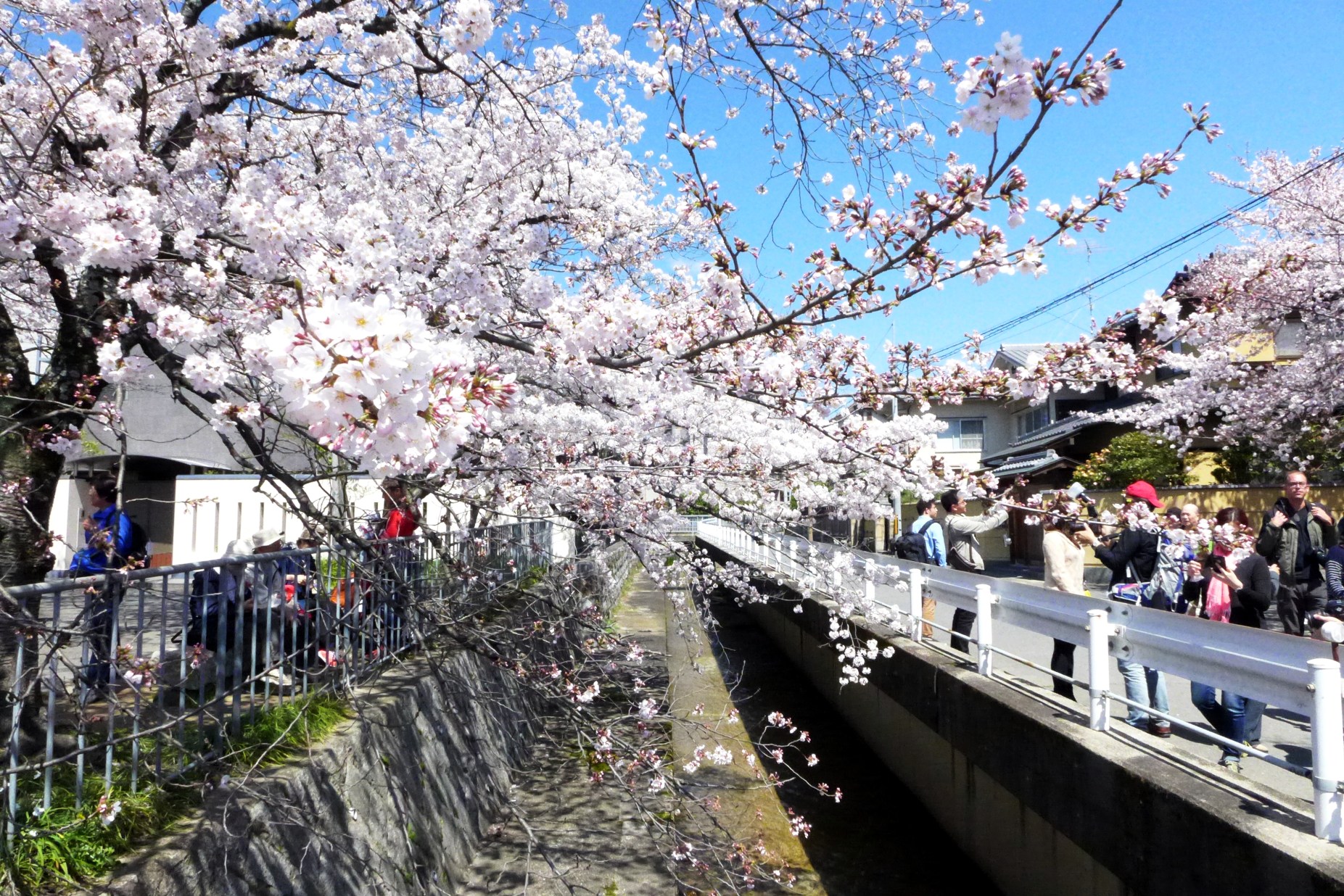
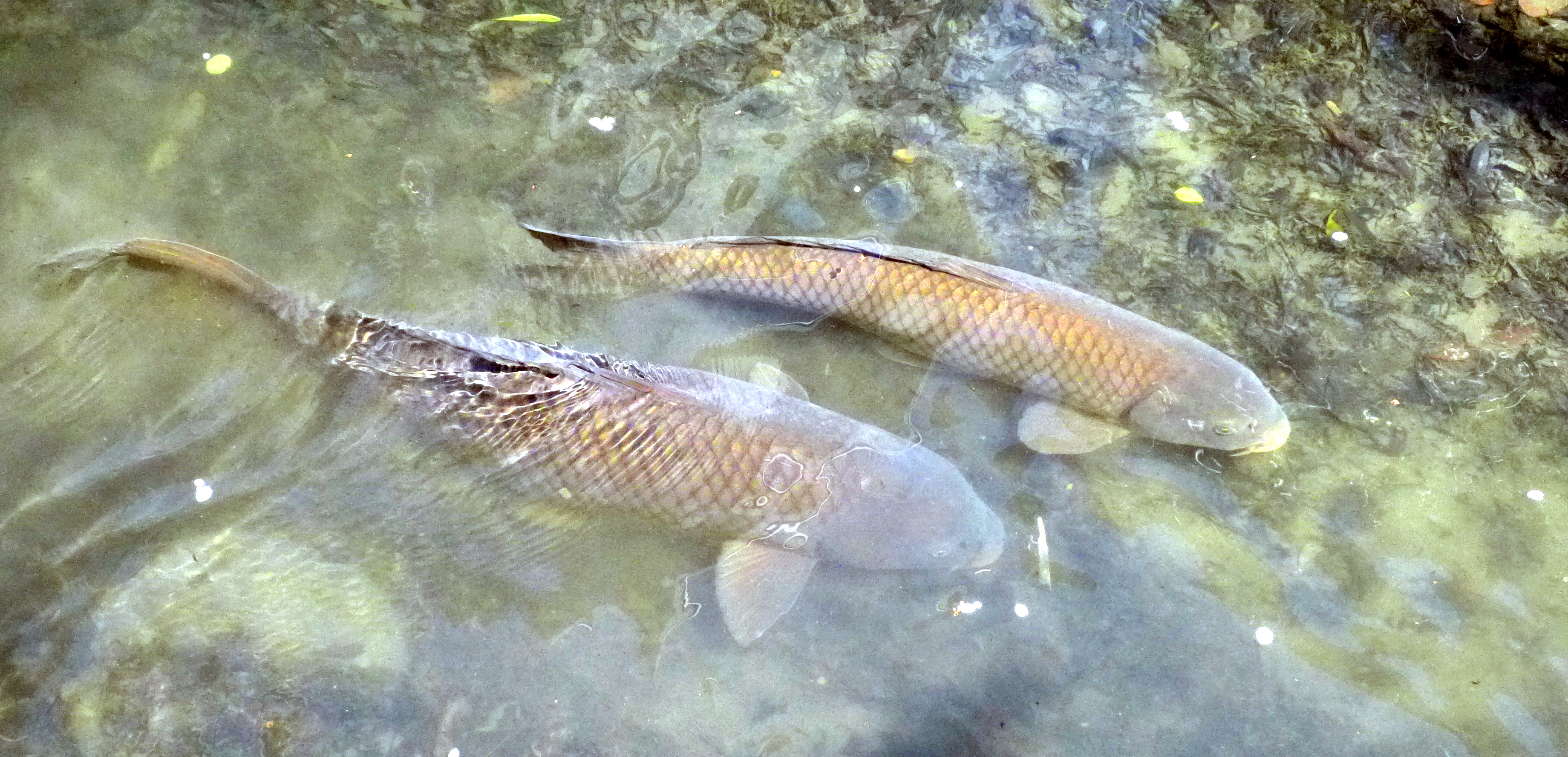
The walk itself was indeed packed with tourists as I had expected. There were also at least 4 different brides and grooms getting their photos taken among the blossoms; cherry blossom season must be very popular for weddings, and I can see why. We also saw some fish in the stream as well as some cats sitting in what looked like a pram being fawned over by a crowd of tourists. I was pretty hungry half-way through our walk so I picked up a potatornado, a spiralled potato that had been deep fried, like a long crisp. It was really tasty and it goes without saying the name is fantastic.

P1060881 P1070080 P1070083 P1060899 P1060856P1060915P1060854 P1060850

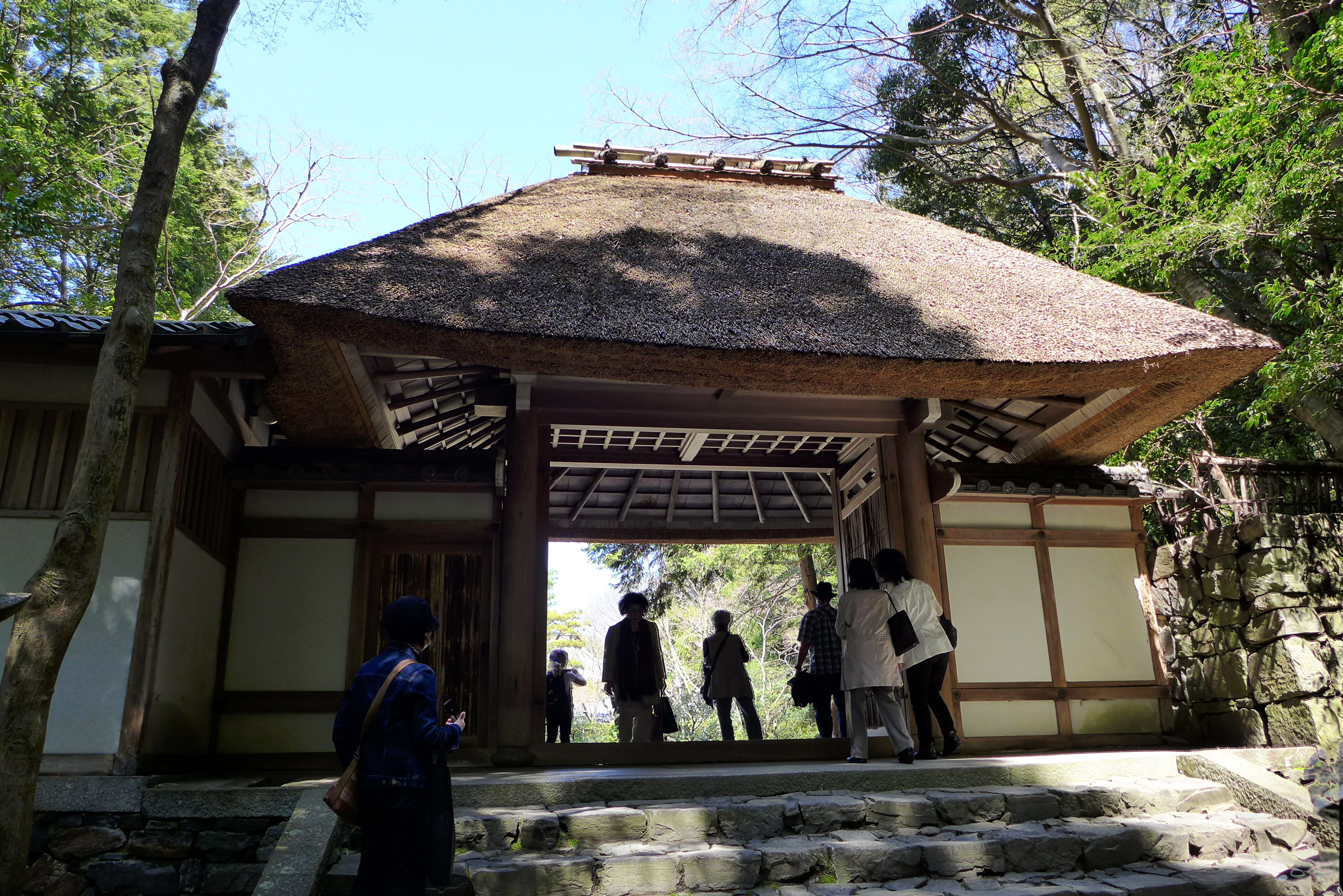
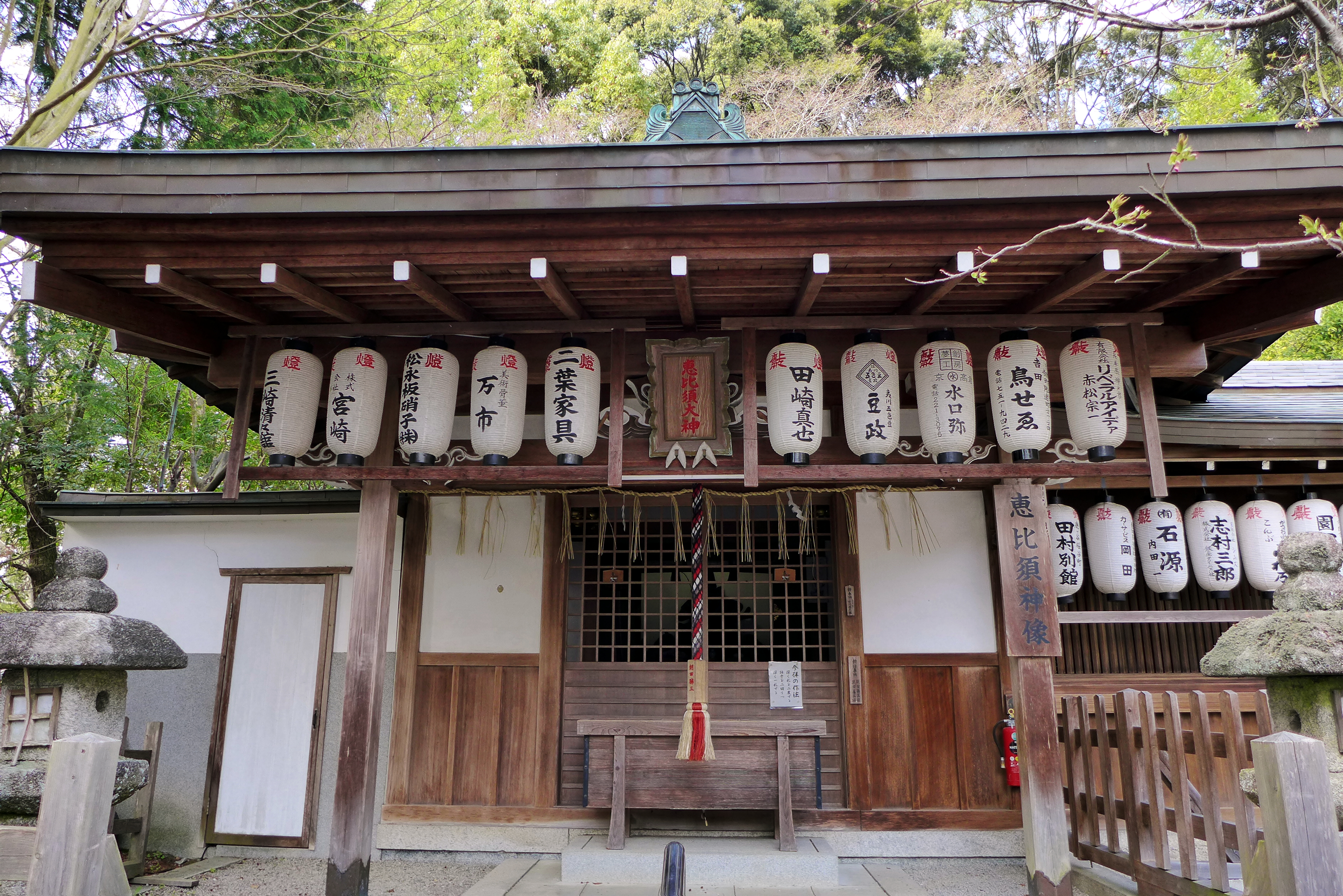
Our final stop is Nyakuo Shrine 若王子神社, another smaller shrine close to Philosopher’s Walk. The reason for the small size of this shrine is that it was founded in 1160 as a combined Shinto shrine and Zen Buddhist temple, but when the government decreed the division of Shinto and Buddhism in 1868, only the Shinto elements of the complex remained (more information on this decreed split between Buddhism and Shinto in this post).

P1070089 P1070092 P1070091 P1070090 P1070088P1070106P1080047

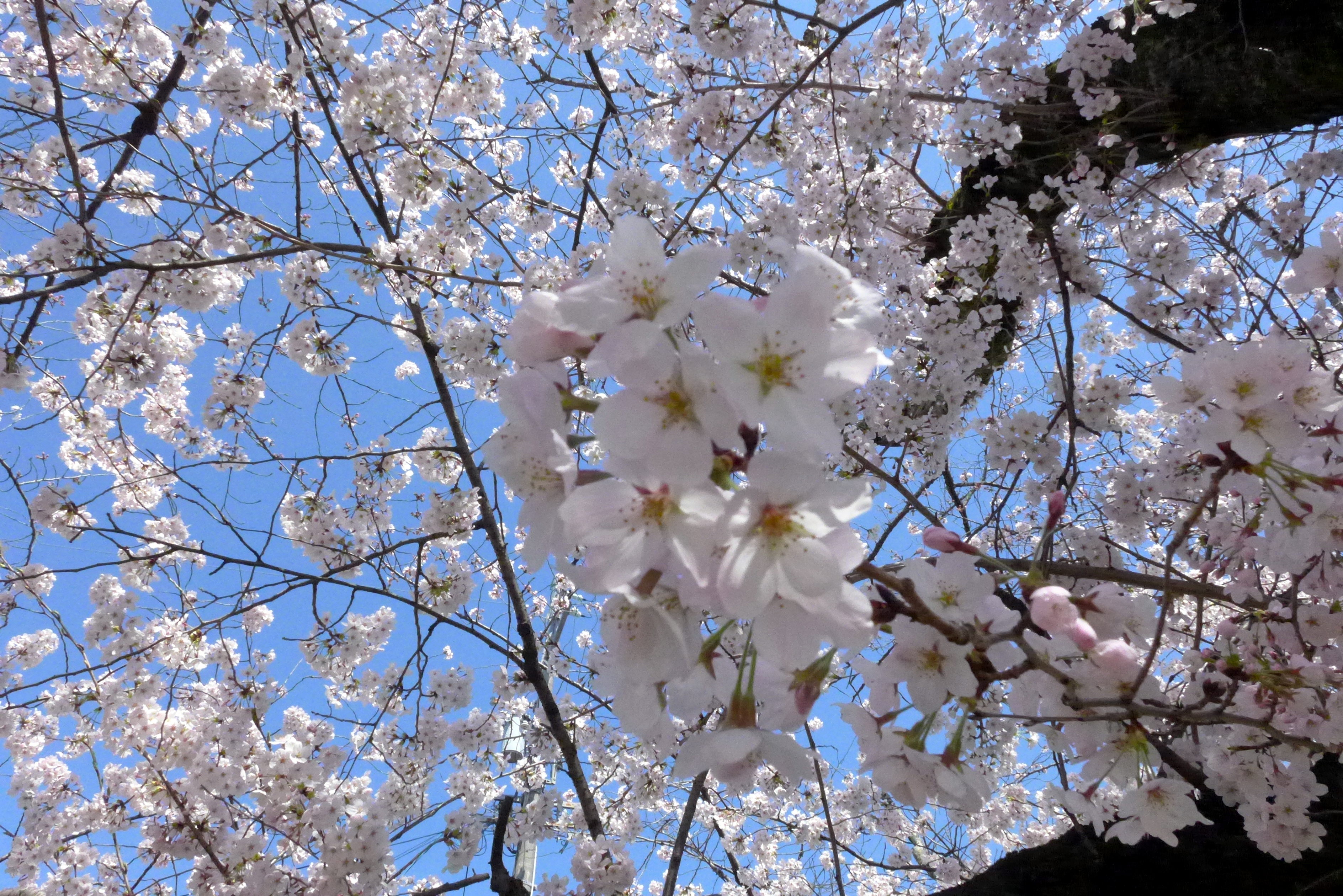
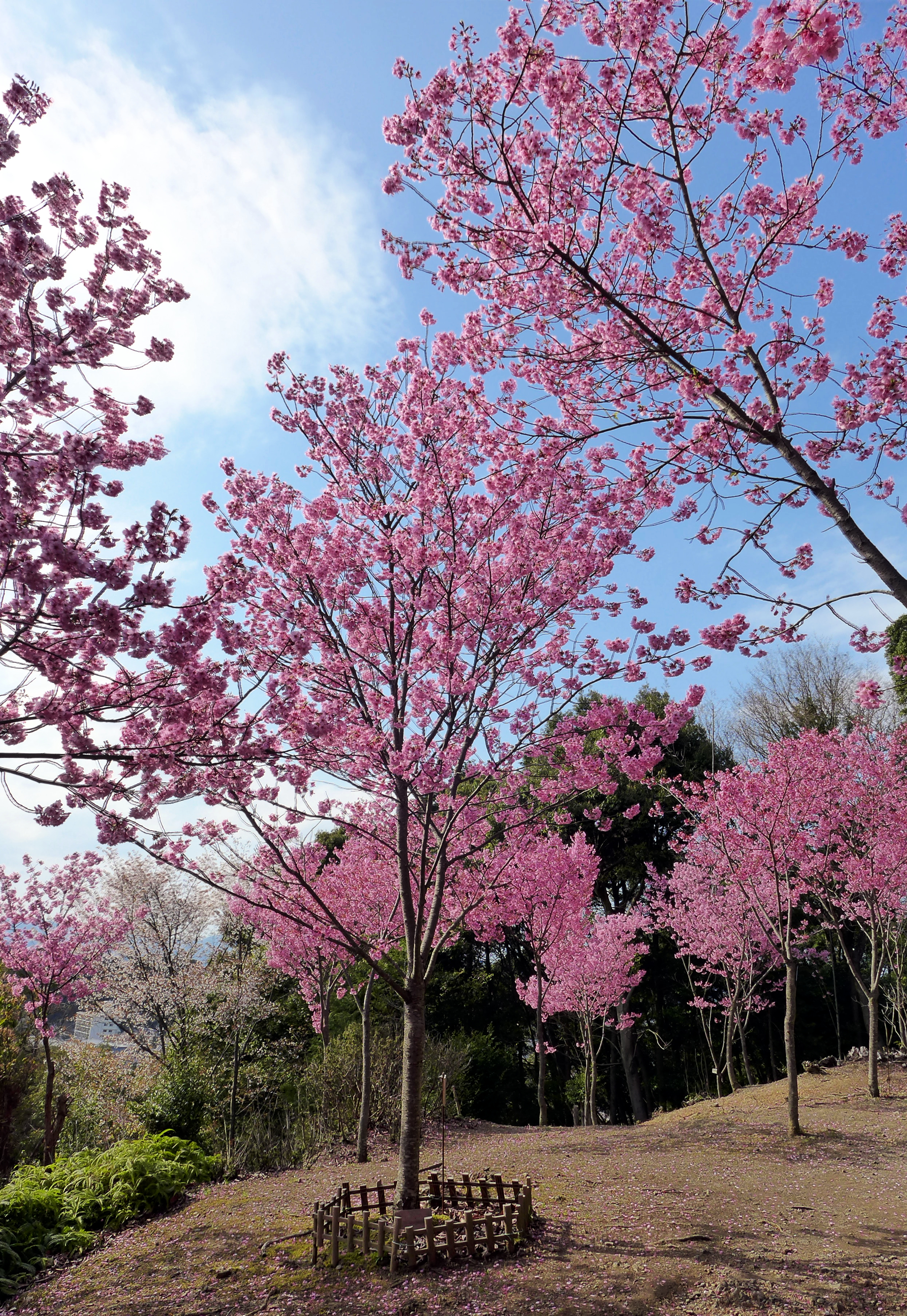
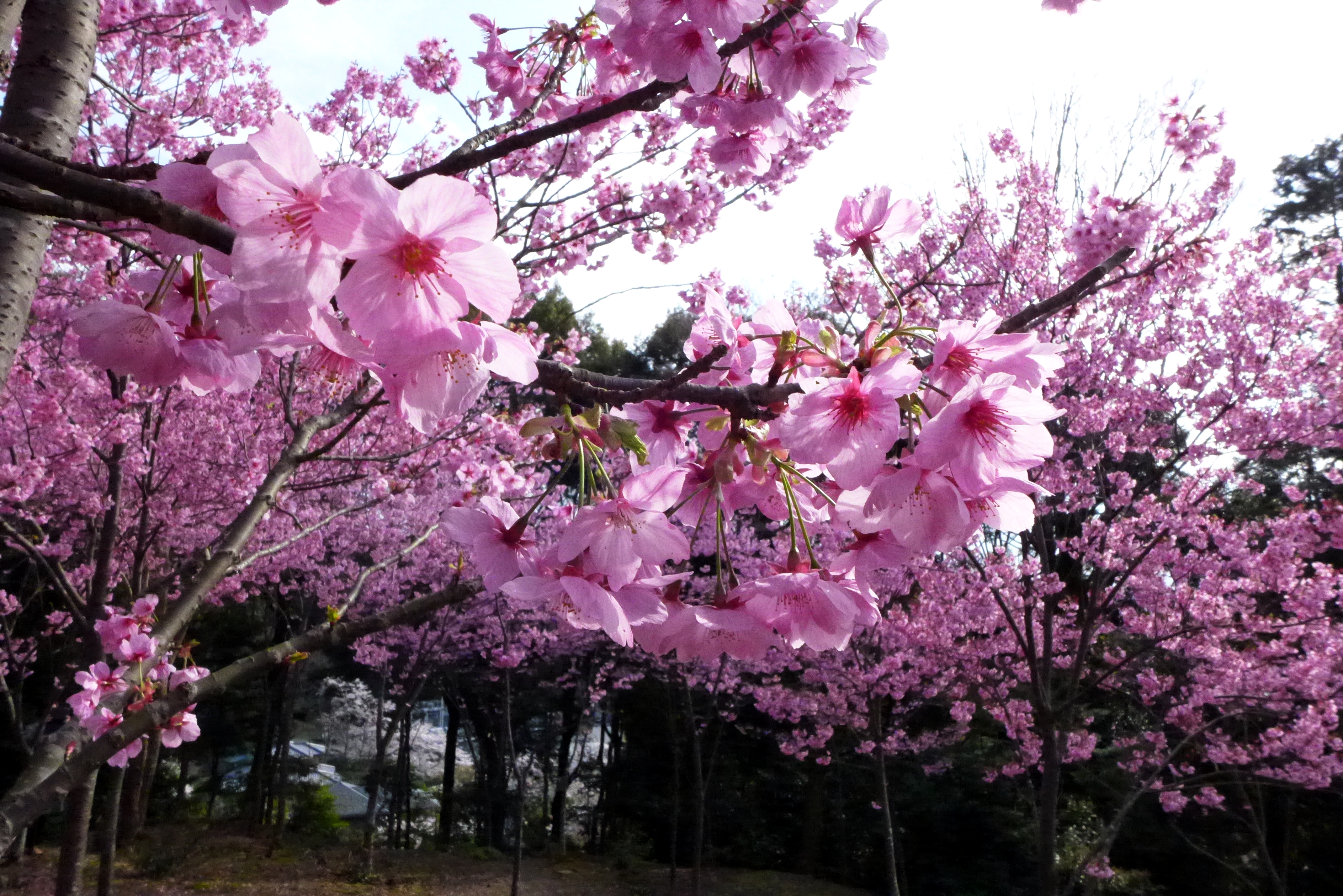
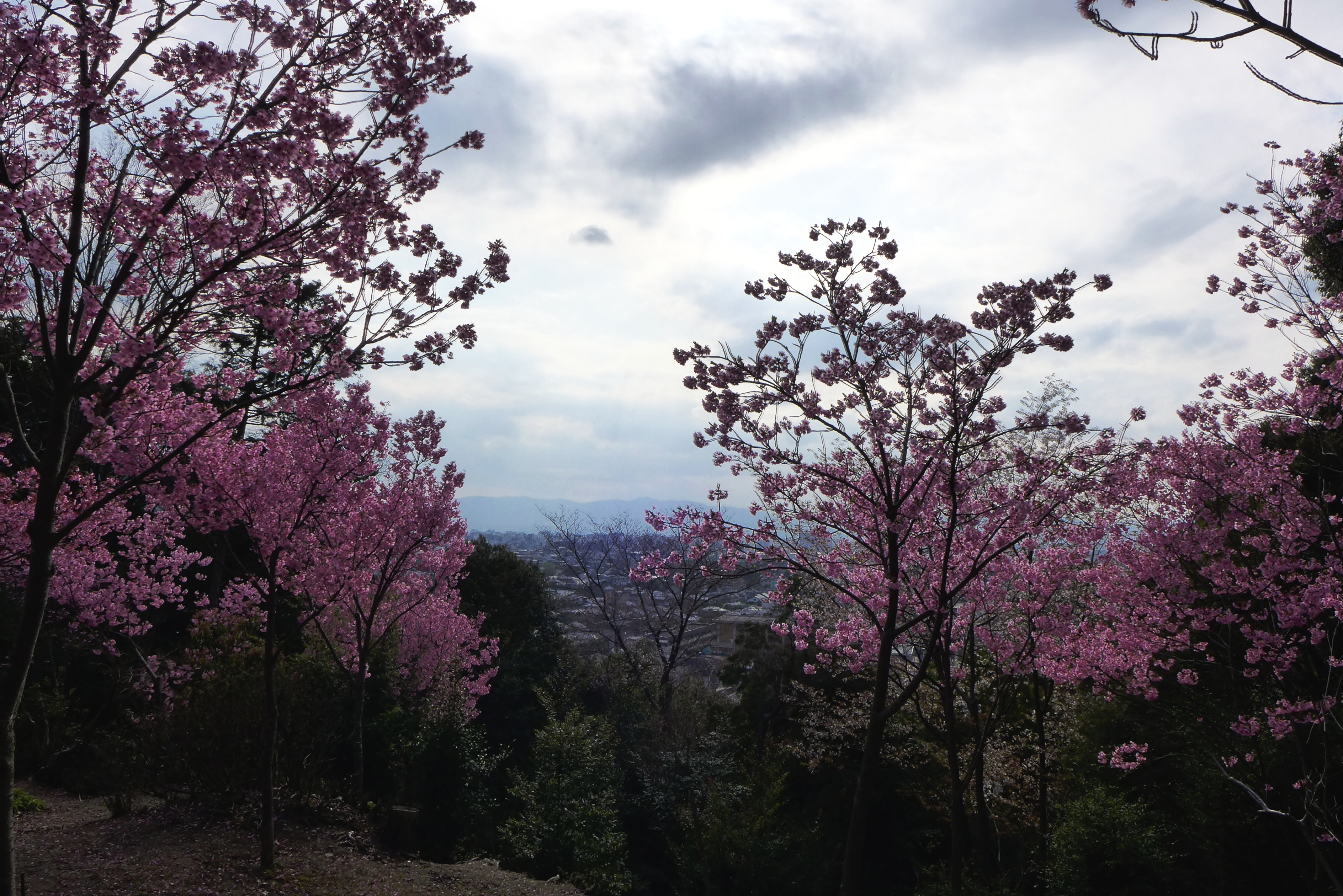
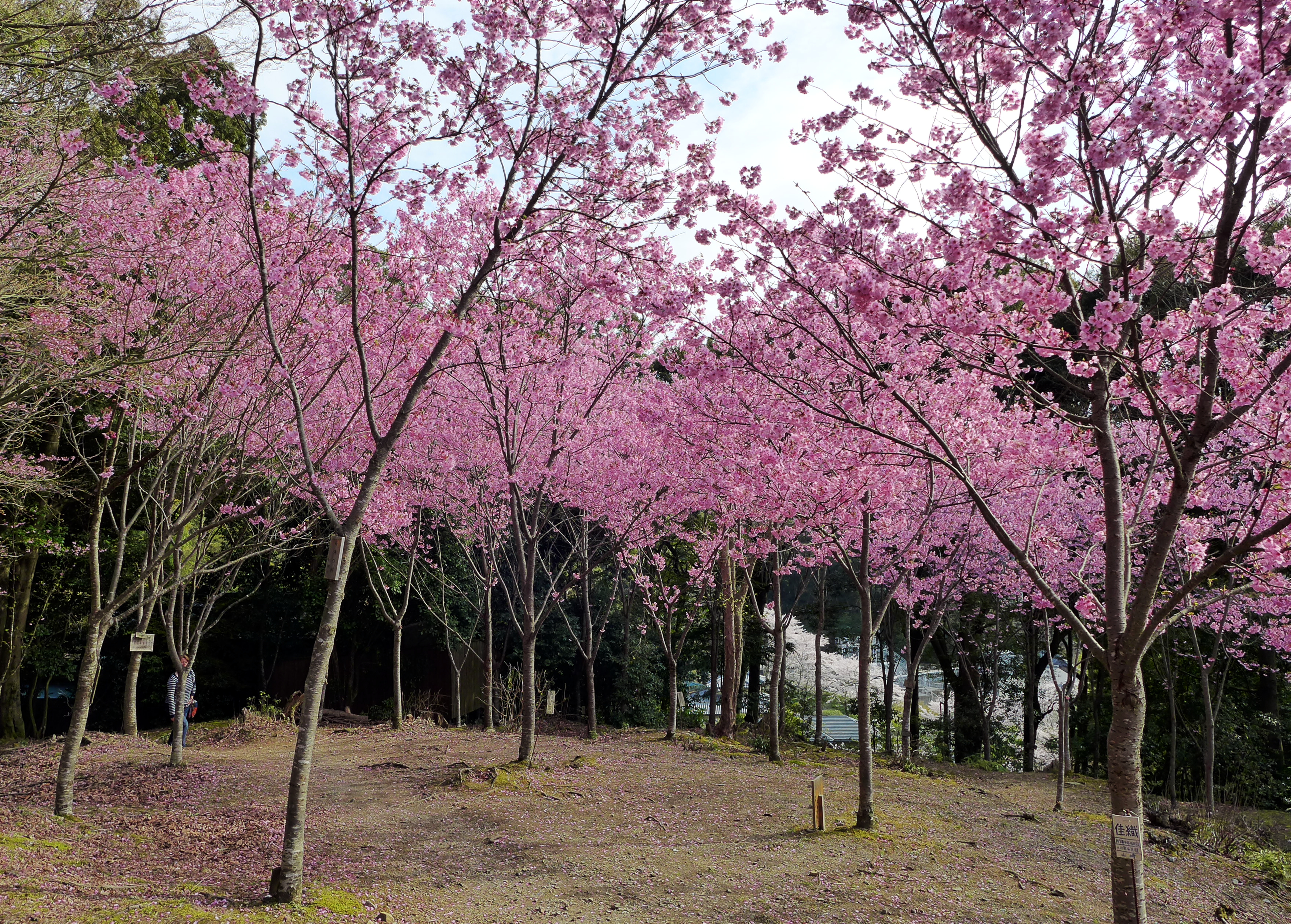
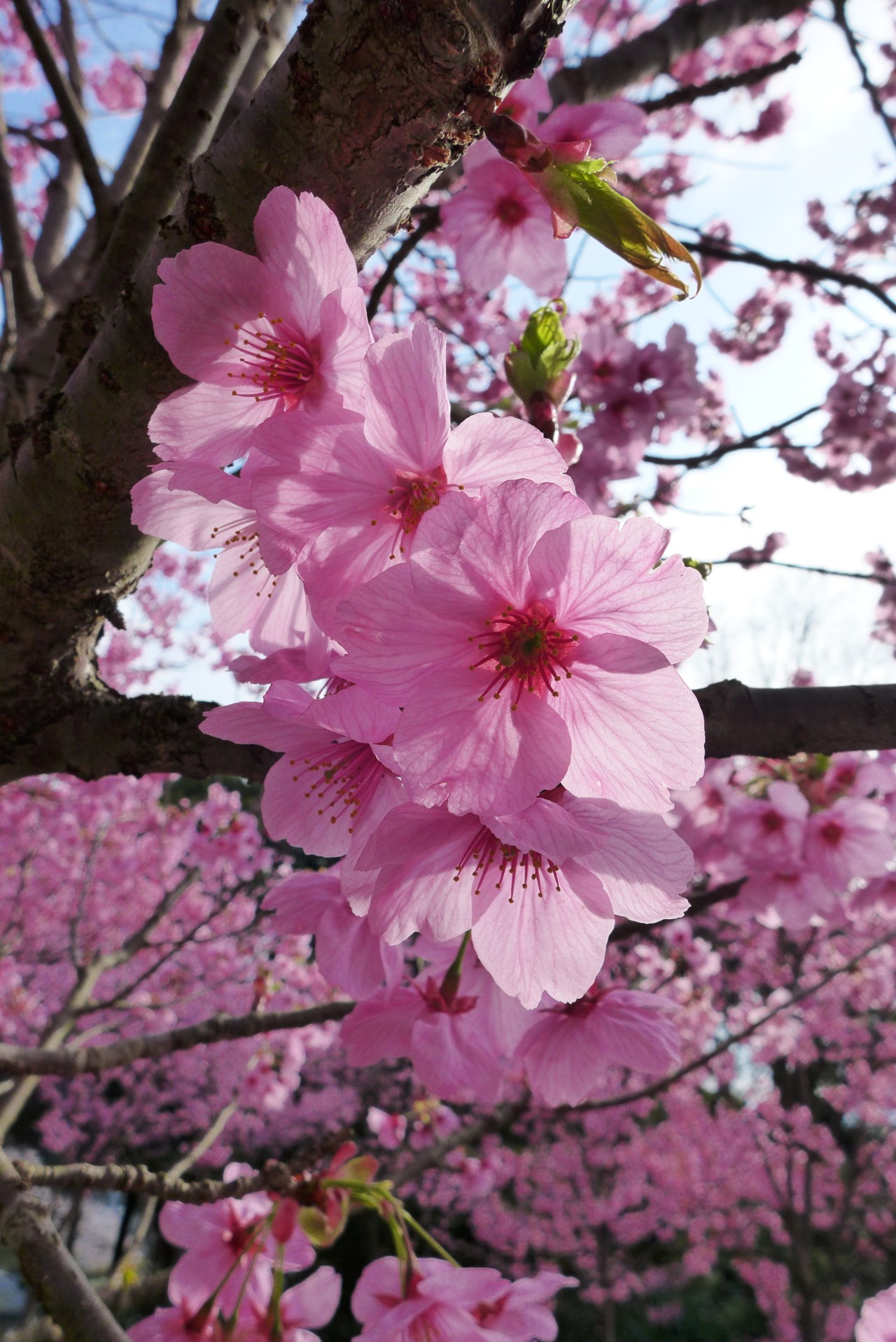
We only got to see the best part of this shrine because I got my stamp done – the man that did the calligraphy told me that just up the hill around the back of the shrine there was a grove of sakura. We went to have a look and sure enough, there was a grove of the beautiful darker pink cherry blossom trees as well as a fairly good view of Kyoto. I think I prefer the darker pink blossoms as they contrast so well with the blue sky whereas the white ones, though beautiful, tend to look a little washed out in photos – the camera doesn’t capture their subtle light pink colour.

P1070093 P1070101 P1070100 P1070099 P1070098 P1070095 P1070094

Thus ends our stroll down Philosopher’s Walk, I hope you enjoyed the blossoms and the temples. If you haven’t quite had your blossom fix, there are more spring blogs coming, so never fear. I still have a huge backlog of material to write about!