
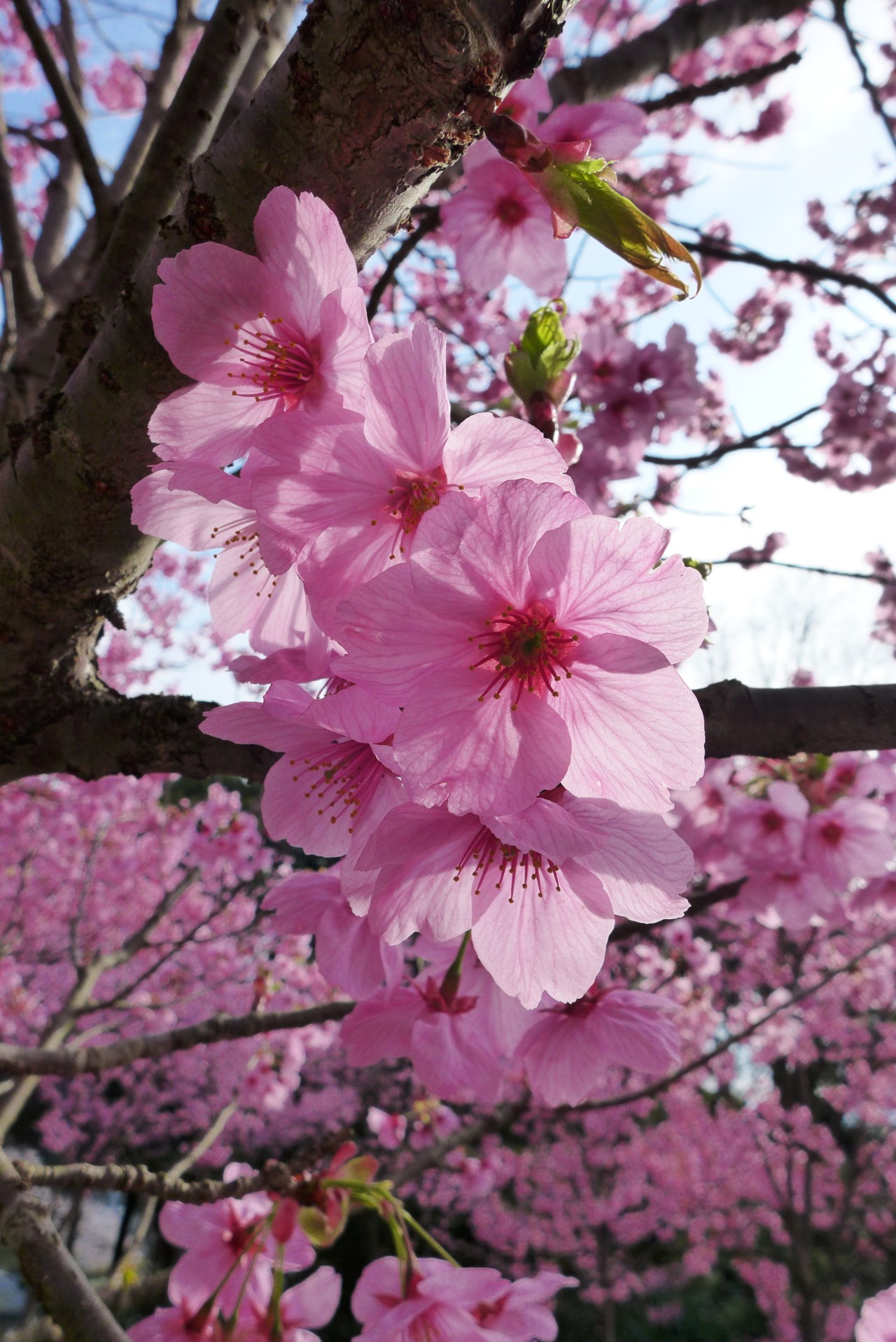
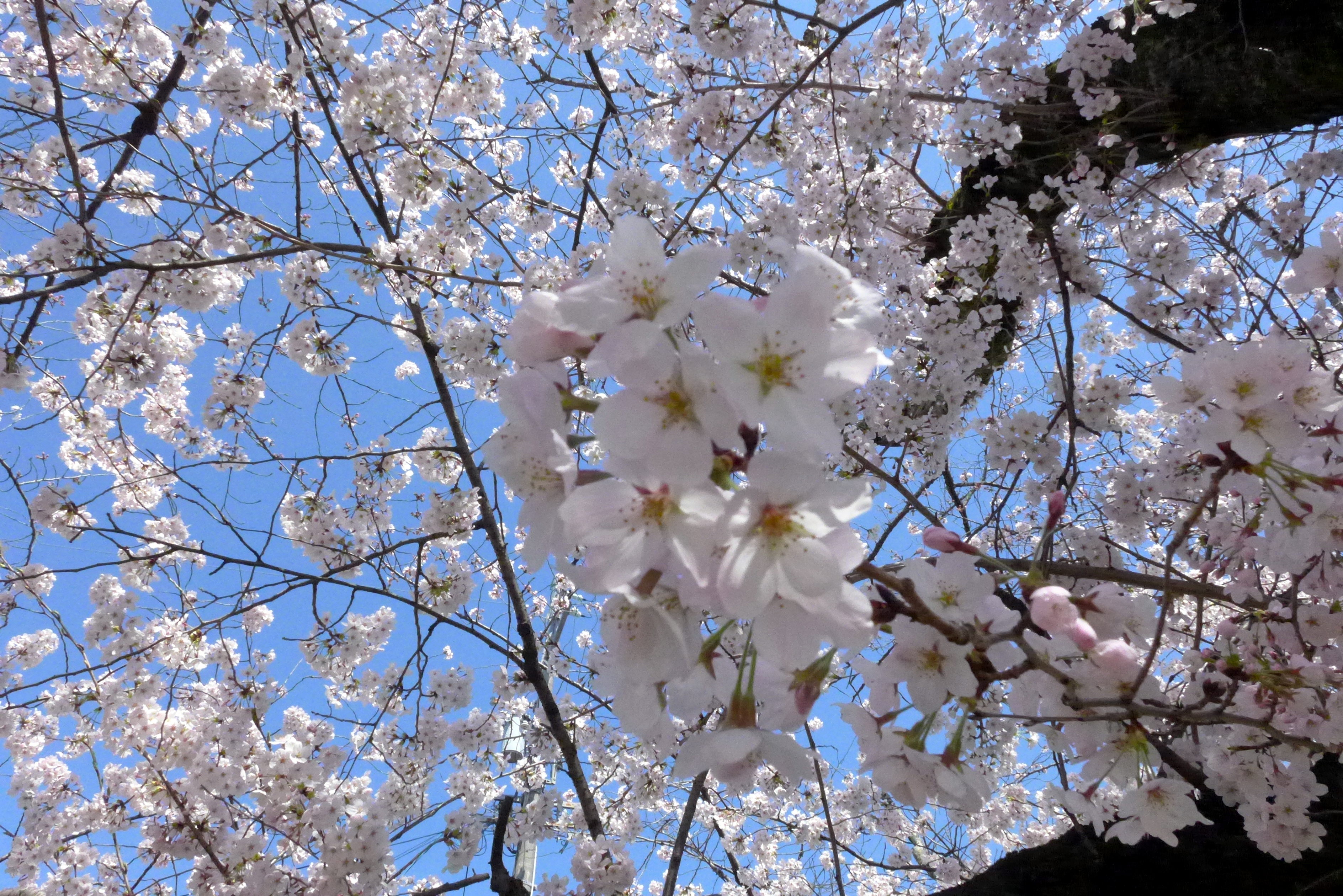
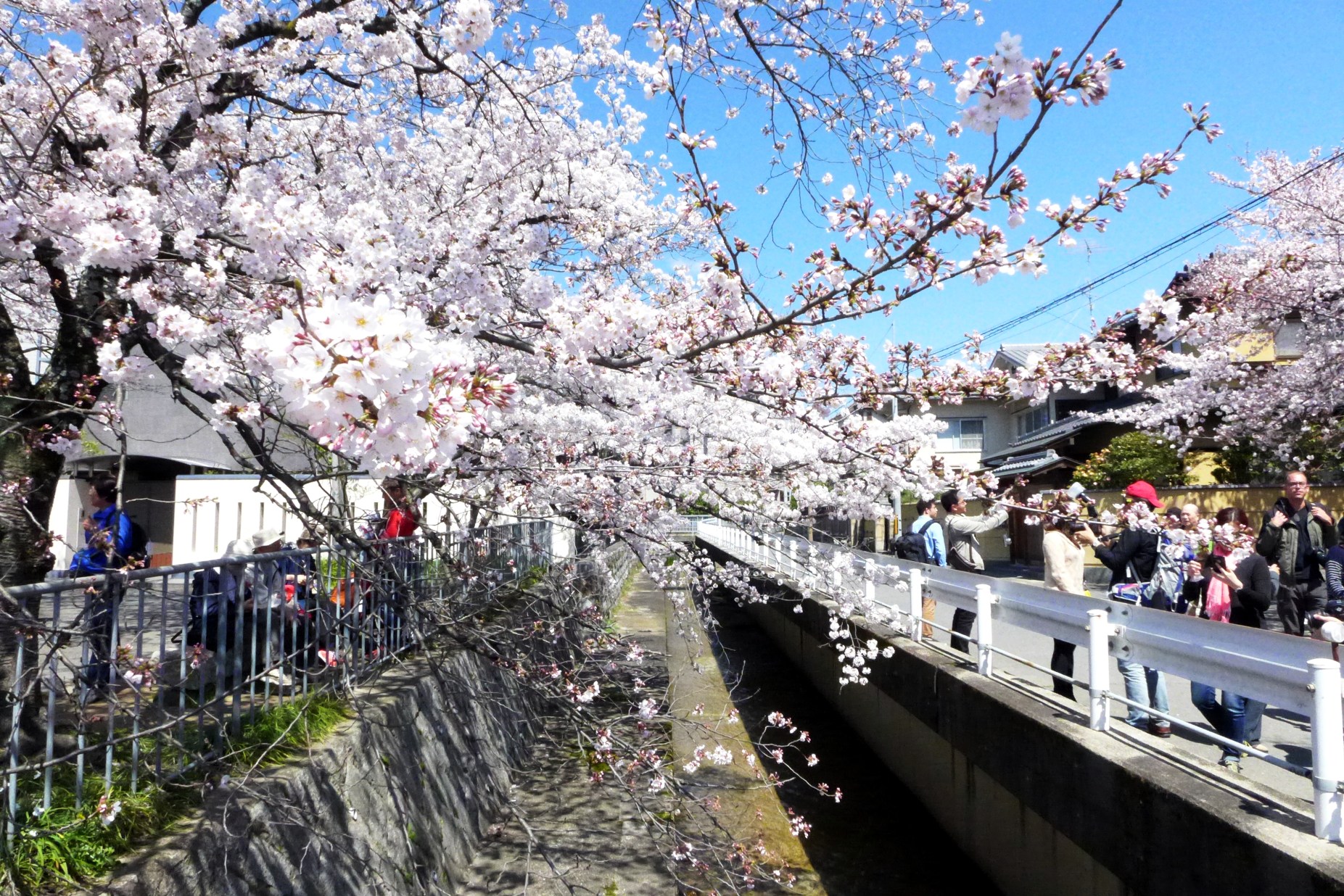
This post will be part two of my visit to Philosopher’s walk 哲学の道 (part one here). All of these temples, including the two previously covered, were along a short forty-minute-walk stretch. There will be lots of pictures of cherry blossom, or sakura 桜 so if you didn’t get enough of that from my last post, here’s some more!



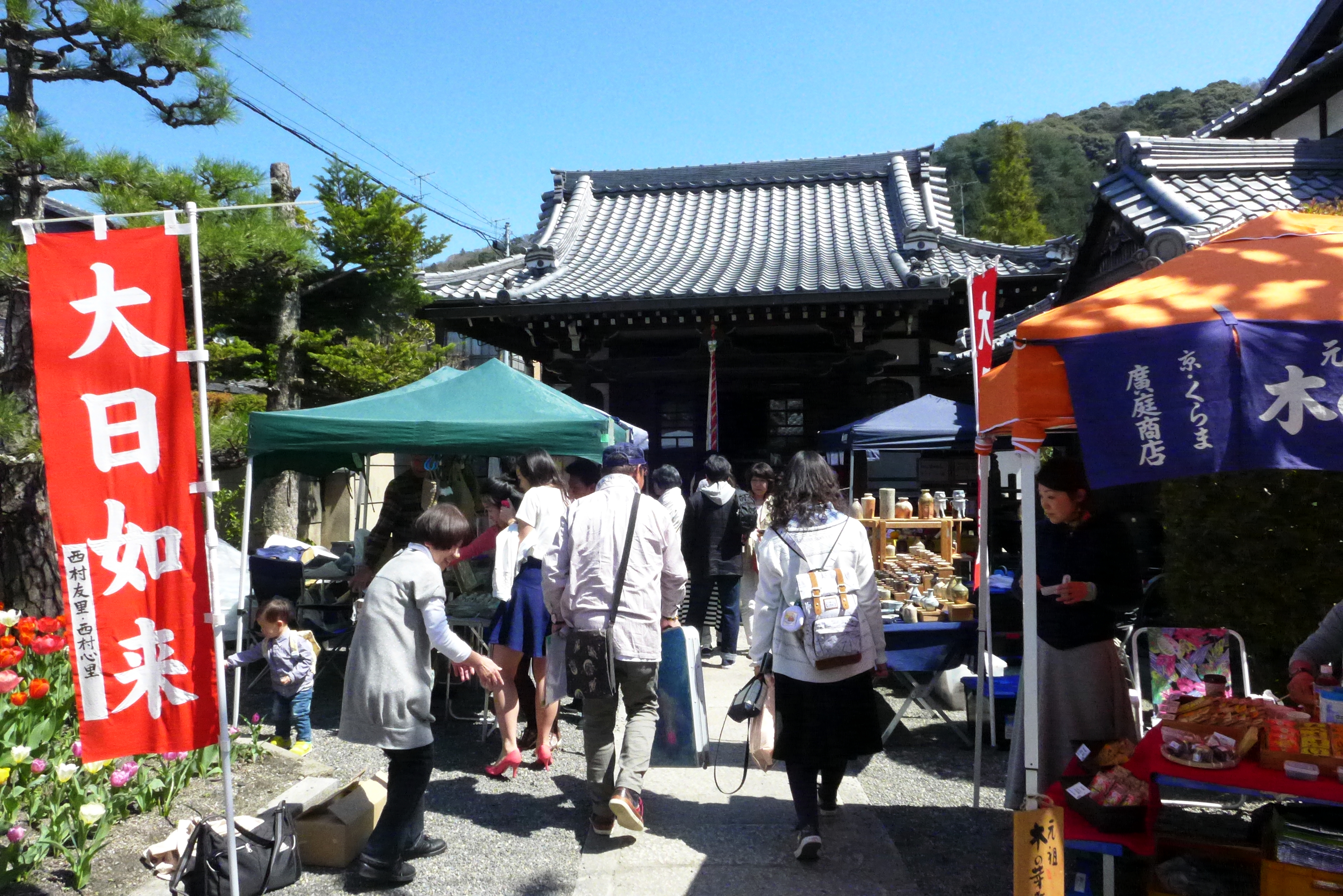
The first temple we visited that day was also the smallest. Miroku-in 弥勒院 was a small courtyard with the stamp booth on the outside facing the path. There was a small market going on inside the temple with a few stalls selling pottery, purses and other hand-made objects. As such we did not spend much time in the actual temple courtyard as it was really crowded – a problem with being directly on the Philosopher’s walk is that the temple was far more crowded than those slightly apart from the road.
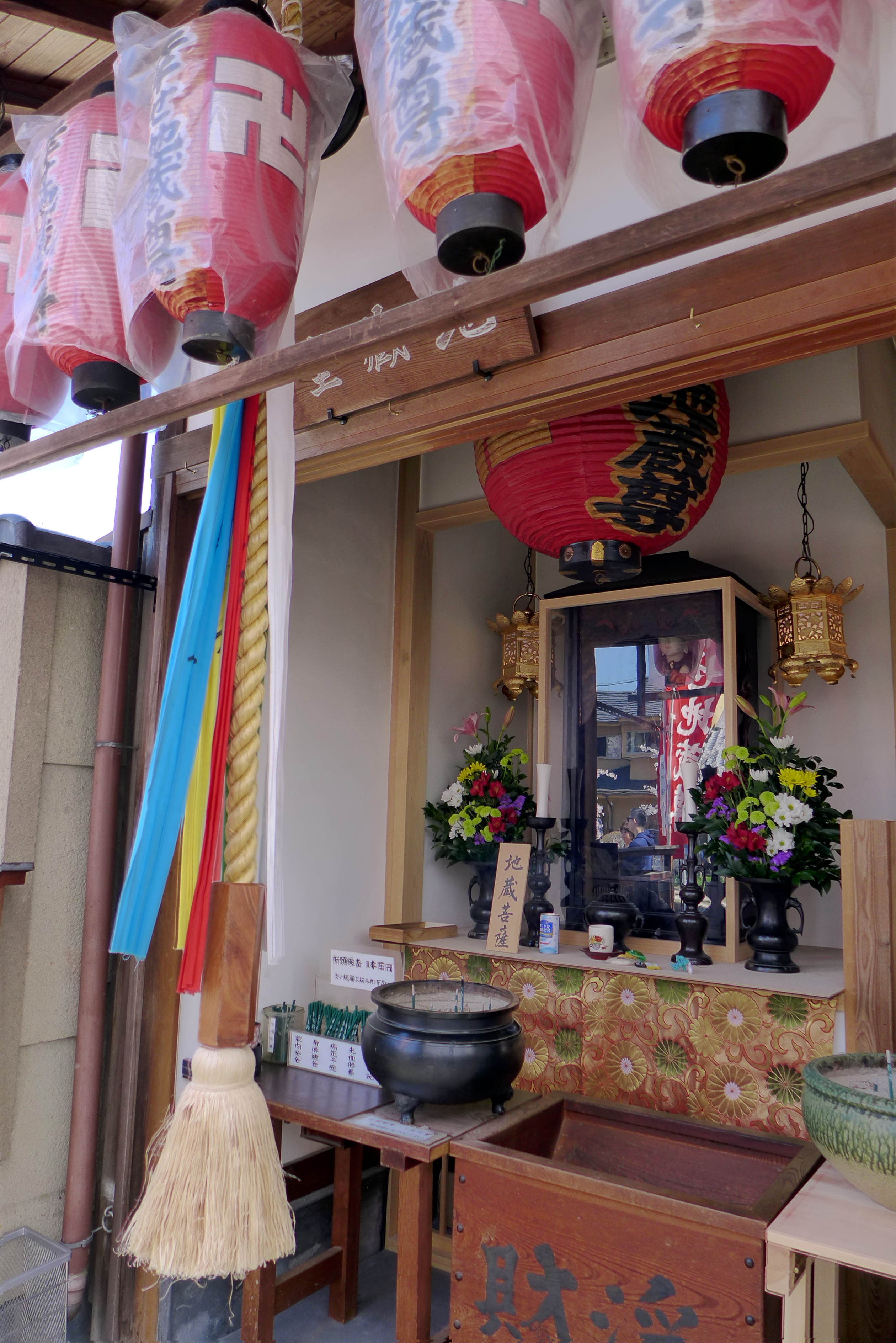

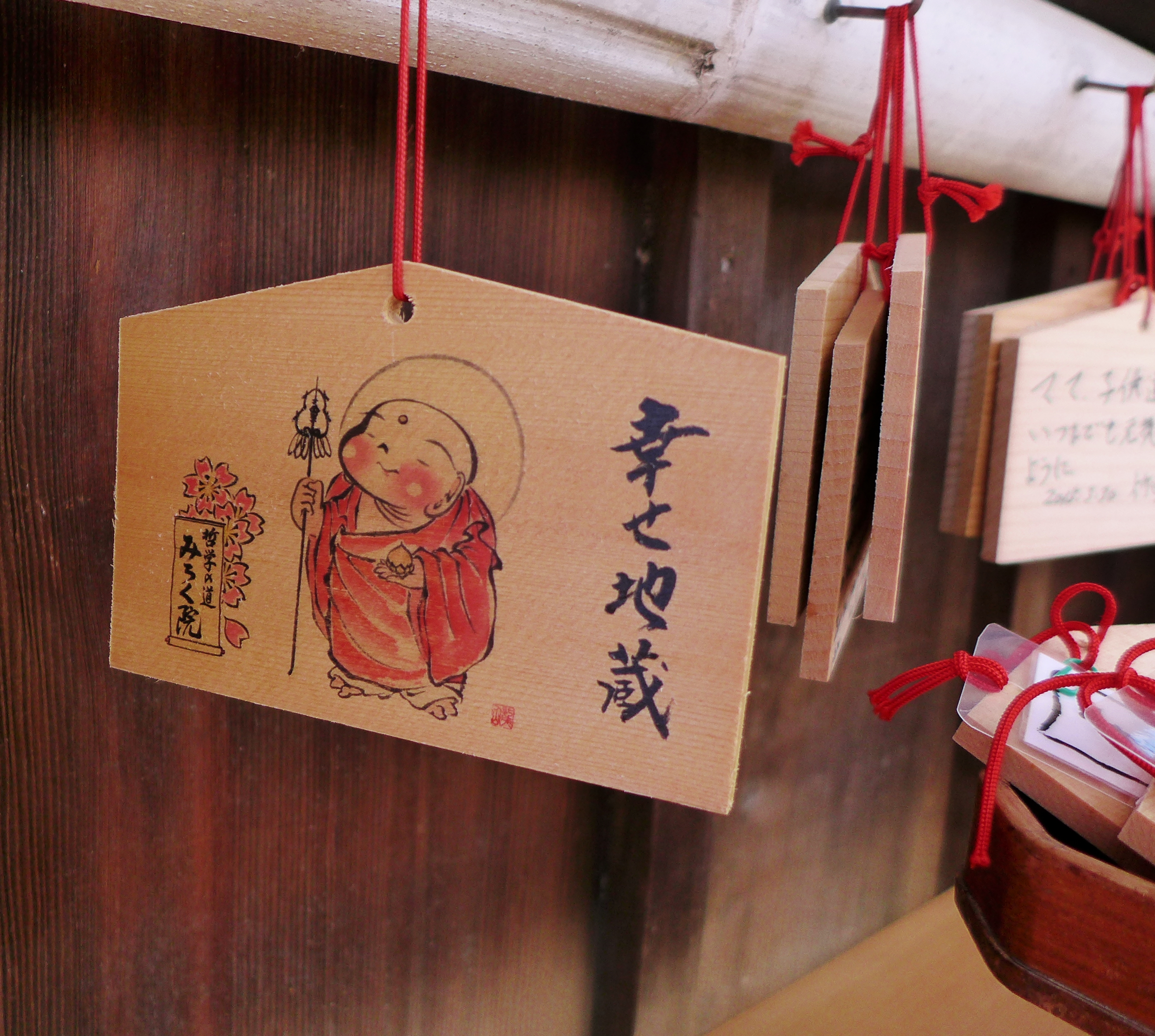
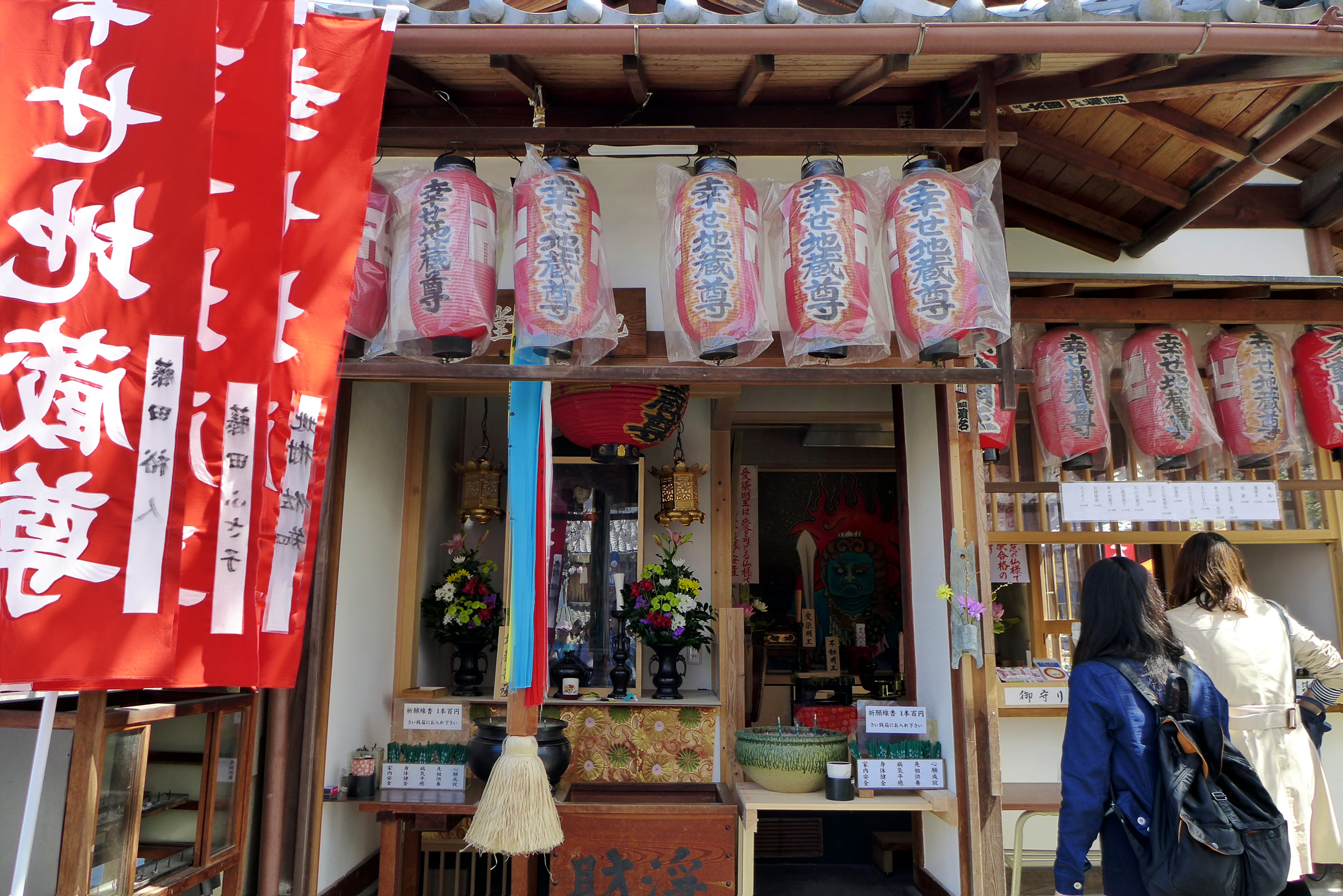
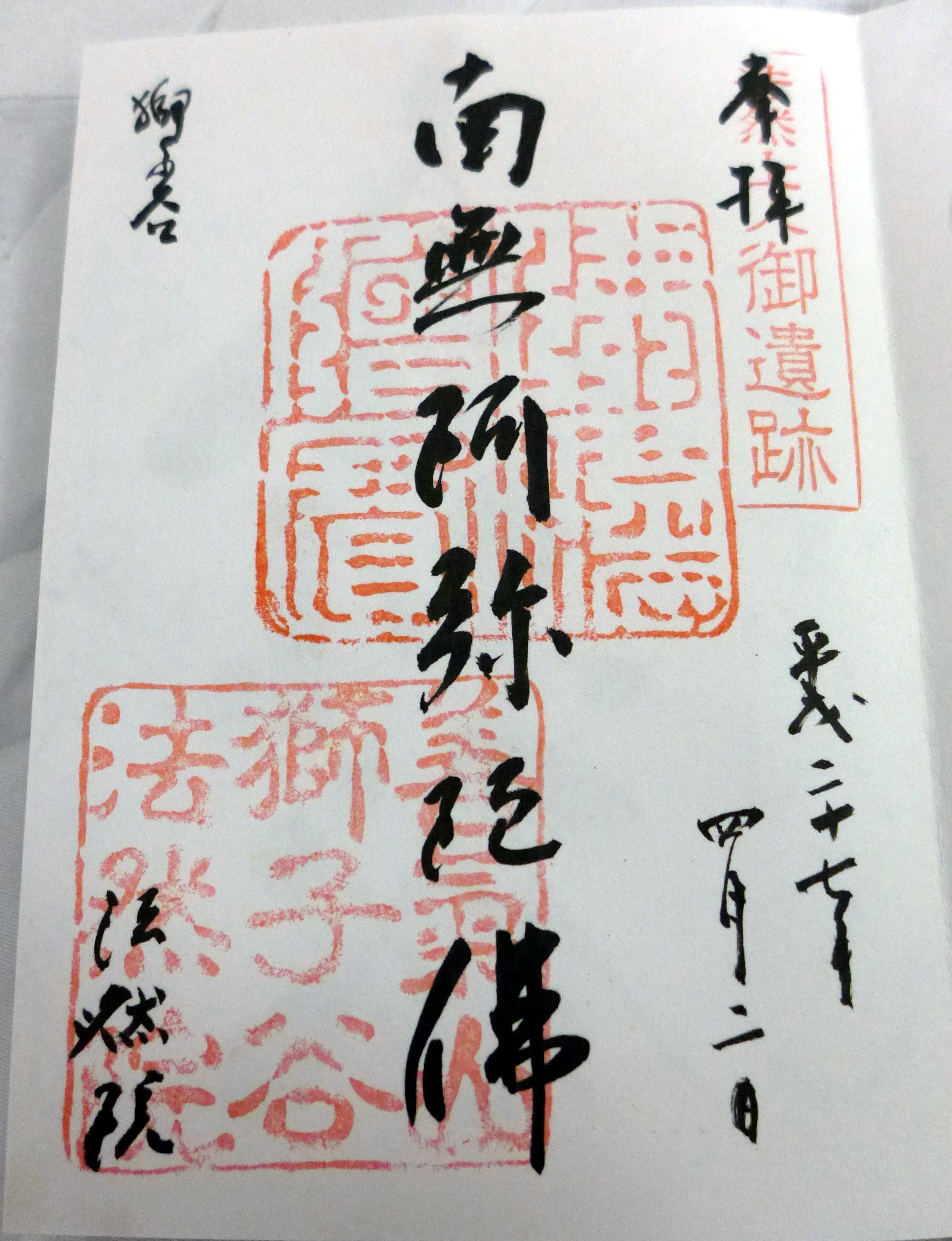
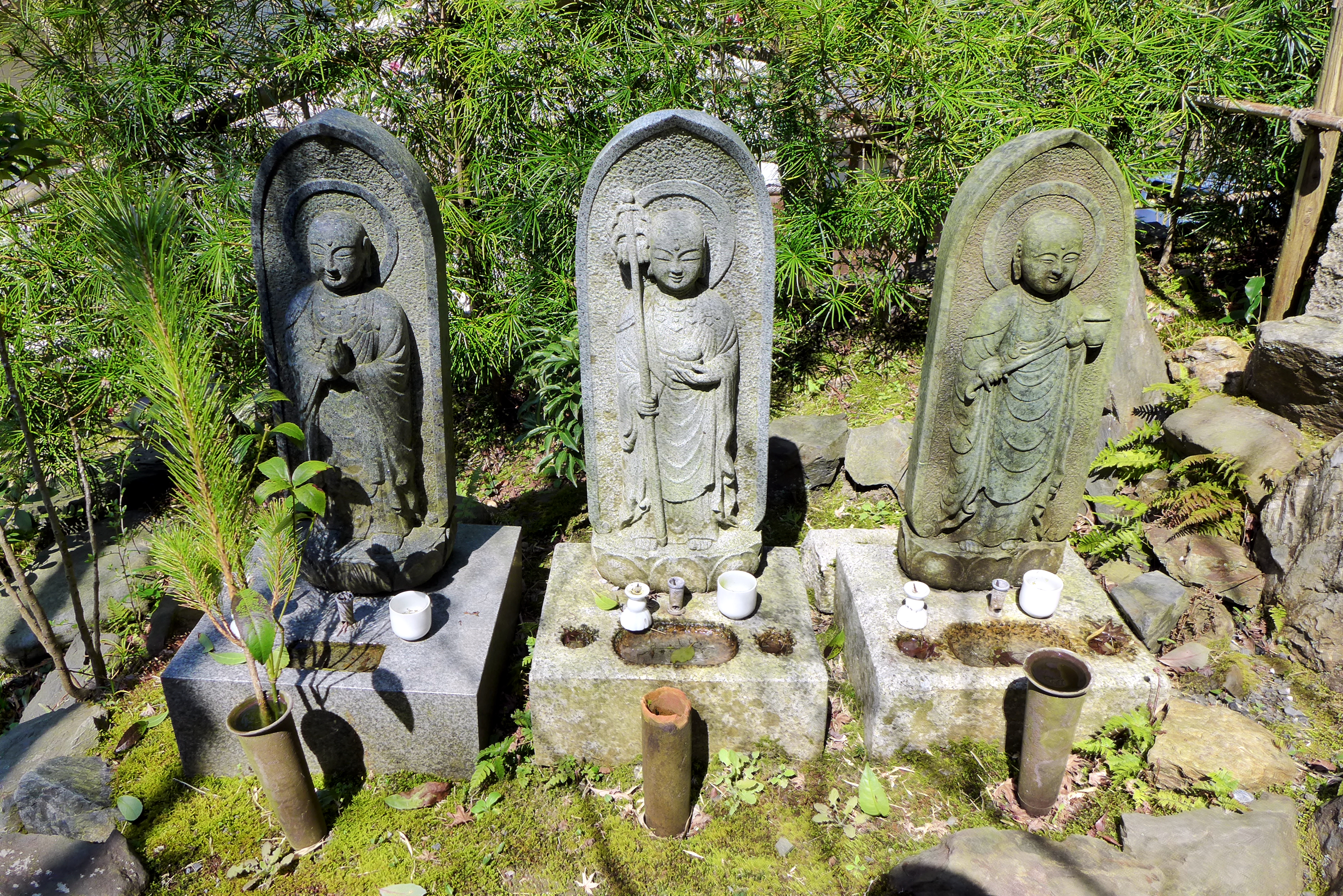
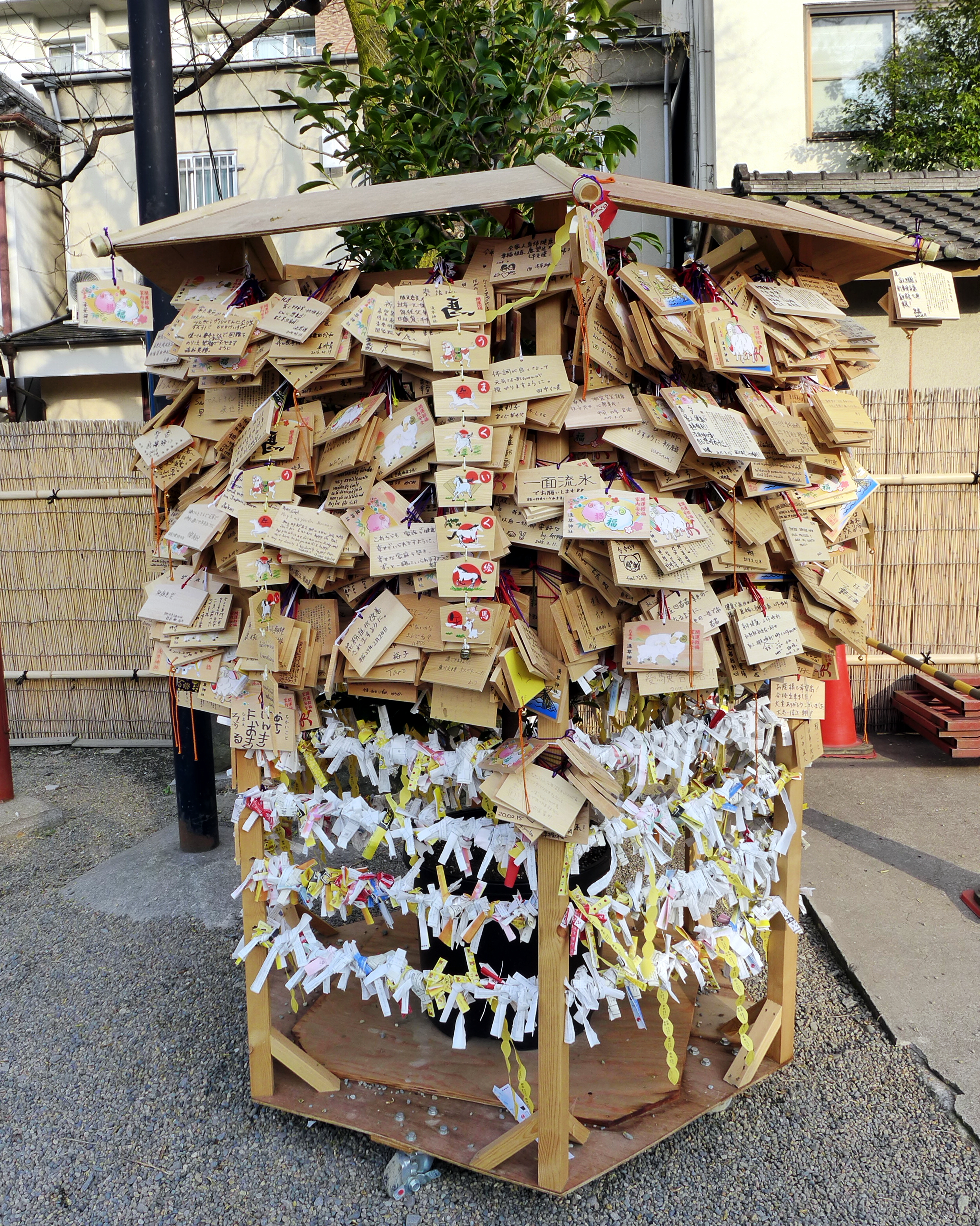
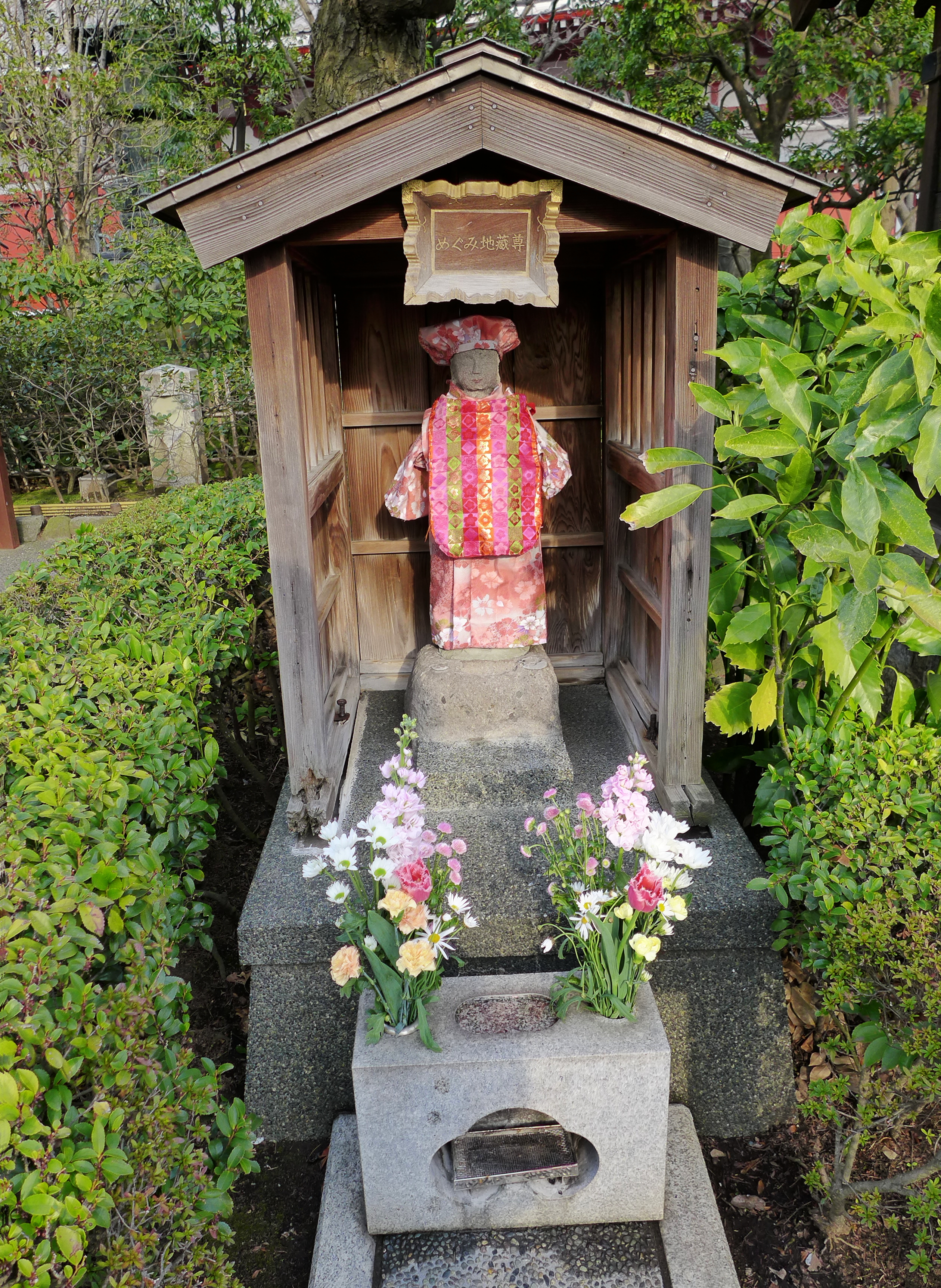
Miroku-in is a temple from 1600 that was combined with another small temple in 1896 and was then moved in 1927 to its current location on Phiosopher’s walk. The temple is famous for the statue of Jizo, god of travellers and children, enshrined there which is known as the ‘Jizo of Happiness’ and is said to bring happiness to those that pray at the temple. This statue was inherited by the temple during World War 2. I got two stamps at this temple, one general stamp and a prayer to Jizo. There were lanterns hanging outside the temple that read ‘Jizo of happiness’ and the prayer tablets also showed a very merry looking Jizo. It was a nice quick temple with a lot of character, even if it was a little busy.


In a bid to get out of the crowds and find some more temples, we ventured off the main path to the East where there are several temples nestled in the woods. The first we came across was Honen-in 法然院, which is a temple dedicated to its namesake, Honen, the founder of the Jodo sect of Buddhism. We have encountered Honen before when exploring temples; he was the monk that upset many other sects by stating that Buddhist chants were the only way to reach the Pure Land and by placing lay monks on the same level as those that had served many years, messing up temple hierarchies. This unpopularity was only increased when, in 1207, two female attendants of the retired emperor converted to Jodo Buddhism and became nuns – there were rumours that the two monks that had converted them had seduced the attendants and the two monks were put to death while Honen was exiled.
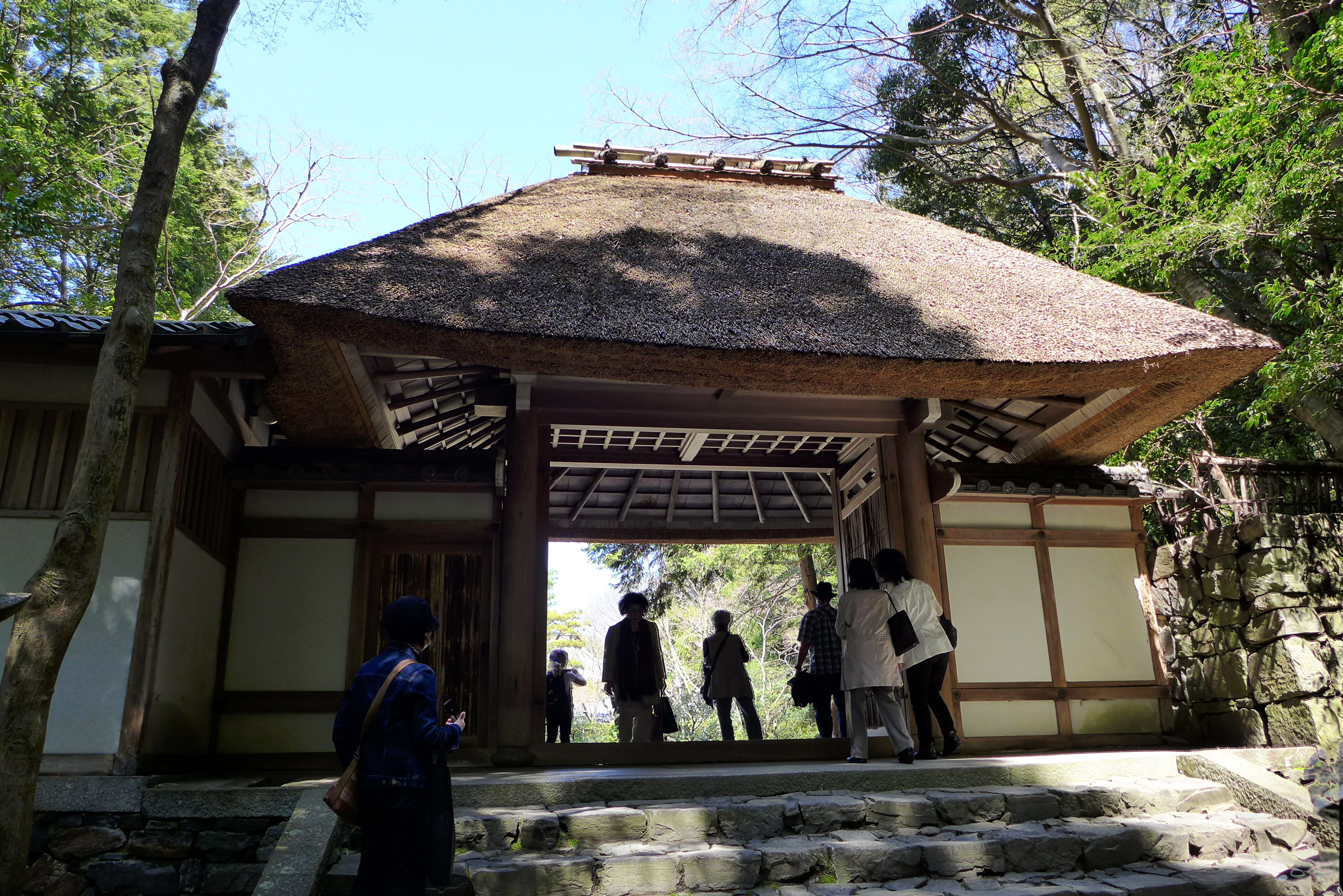

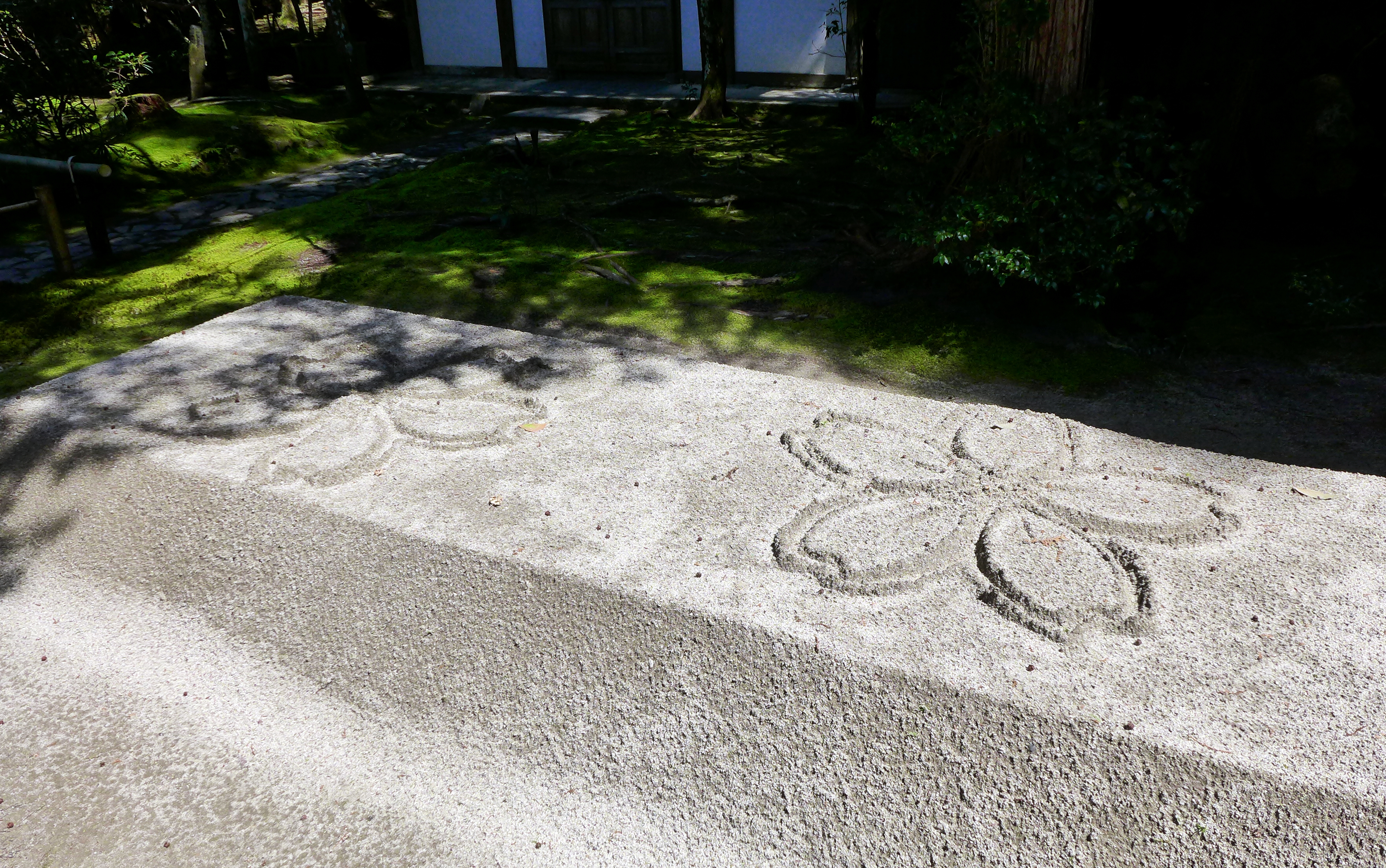
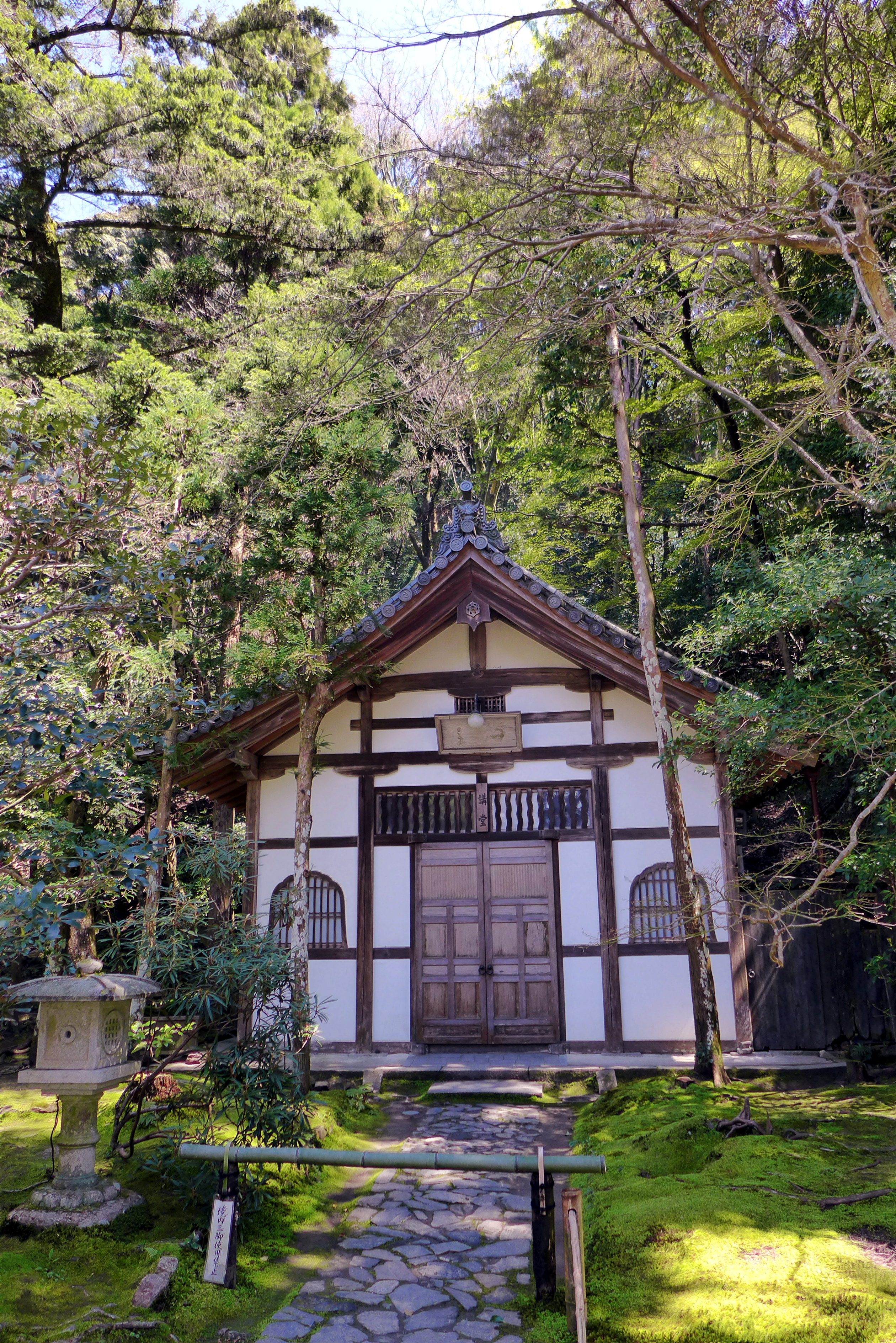

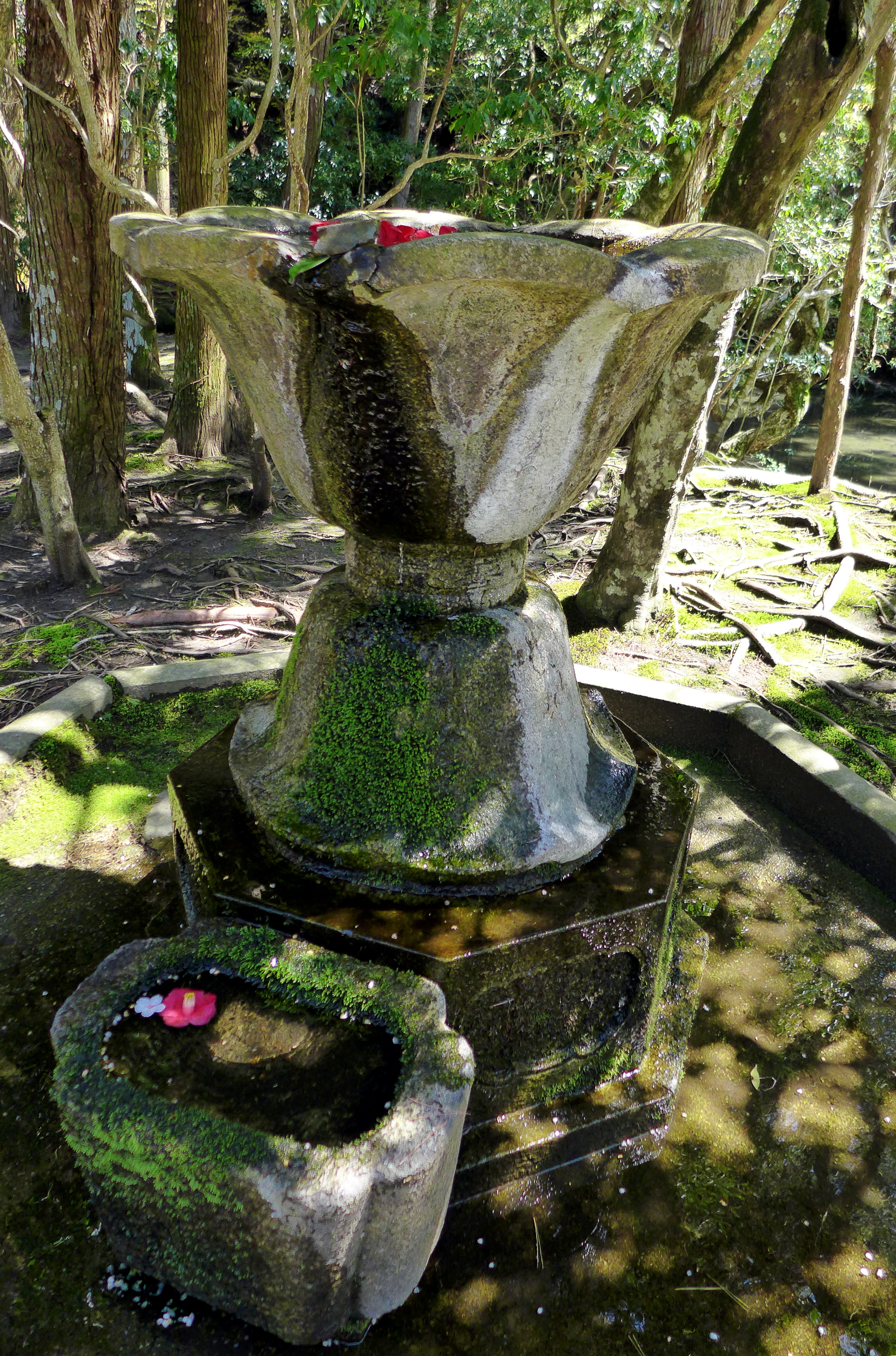

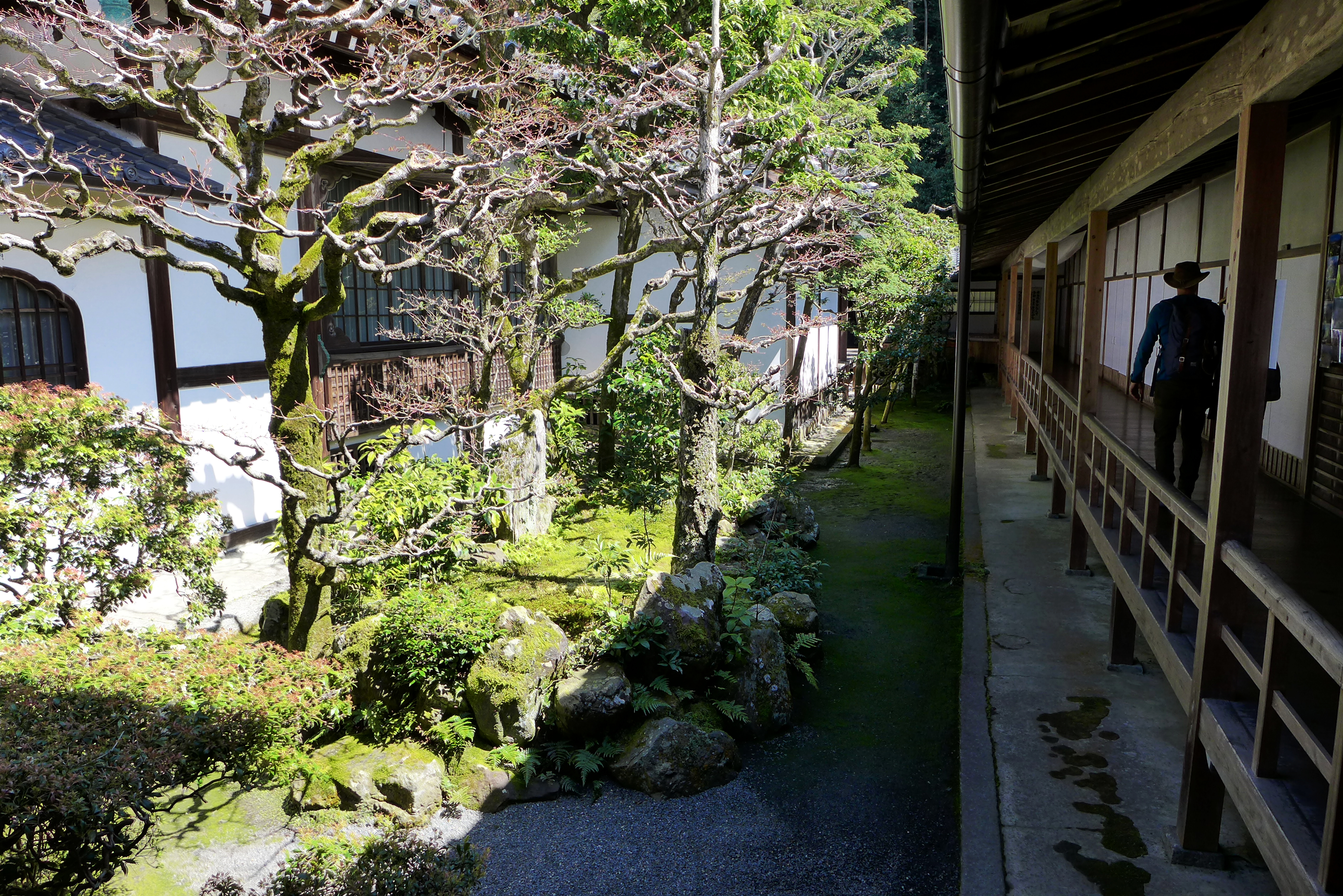
Honen-in was founded in 1680 to honour Honen; though he fell out of favour with the imperial family during his lifetime, he was pardoned before his death and became a prominent figure in Japanese Buddhsim and is celebrated as the founder of Jodo Buddhism. The temple itself was beautiful and we were able to venture inside the sprawling temple buildings. Thankfully as it is now getting warmer my feet did not freeze on the cold temple floor this time – you must take your shoes off to enter a Buddhist temple which can be problematic in the winter when the cold floor causes your feet to go numb!


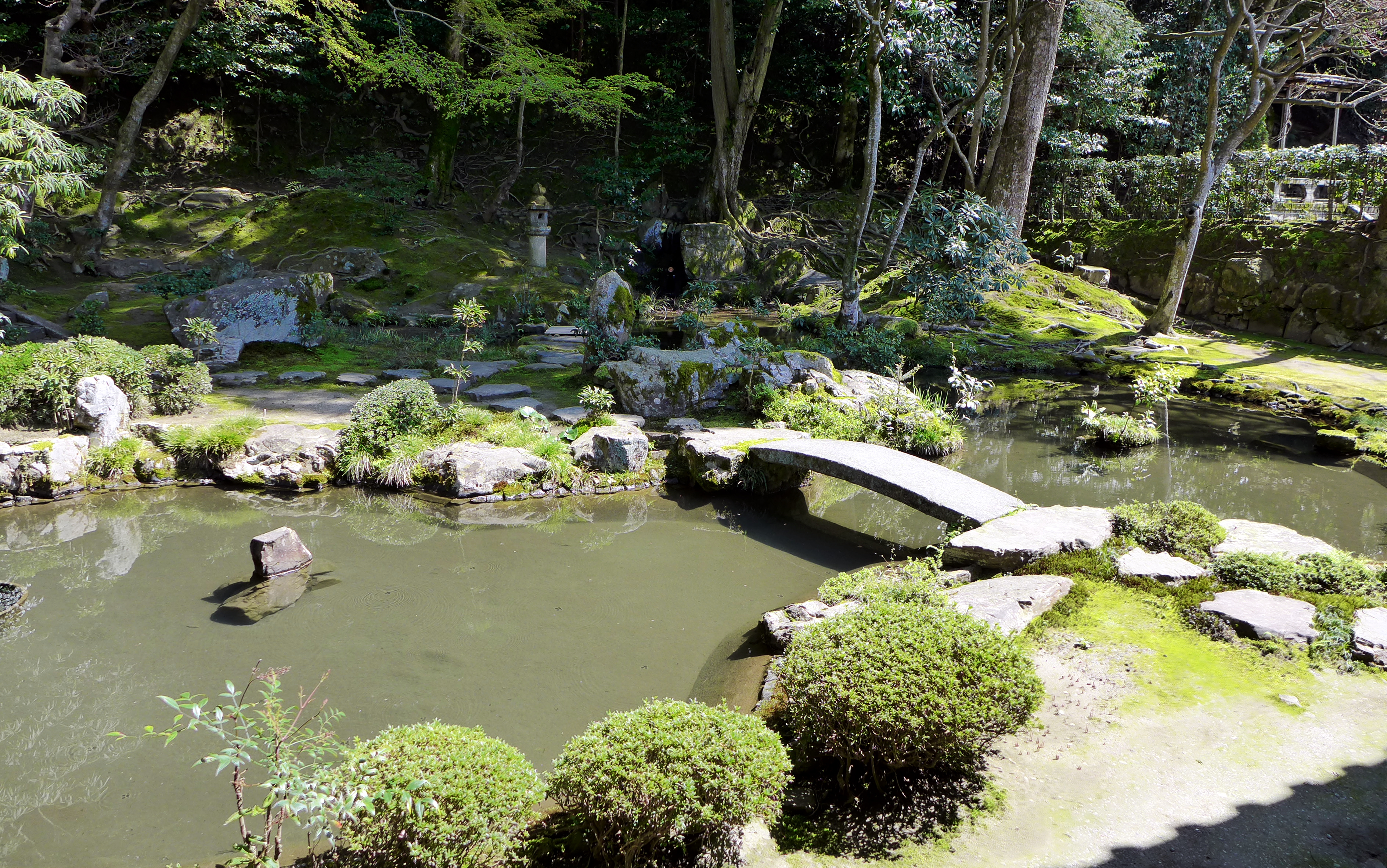


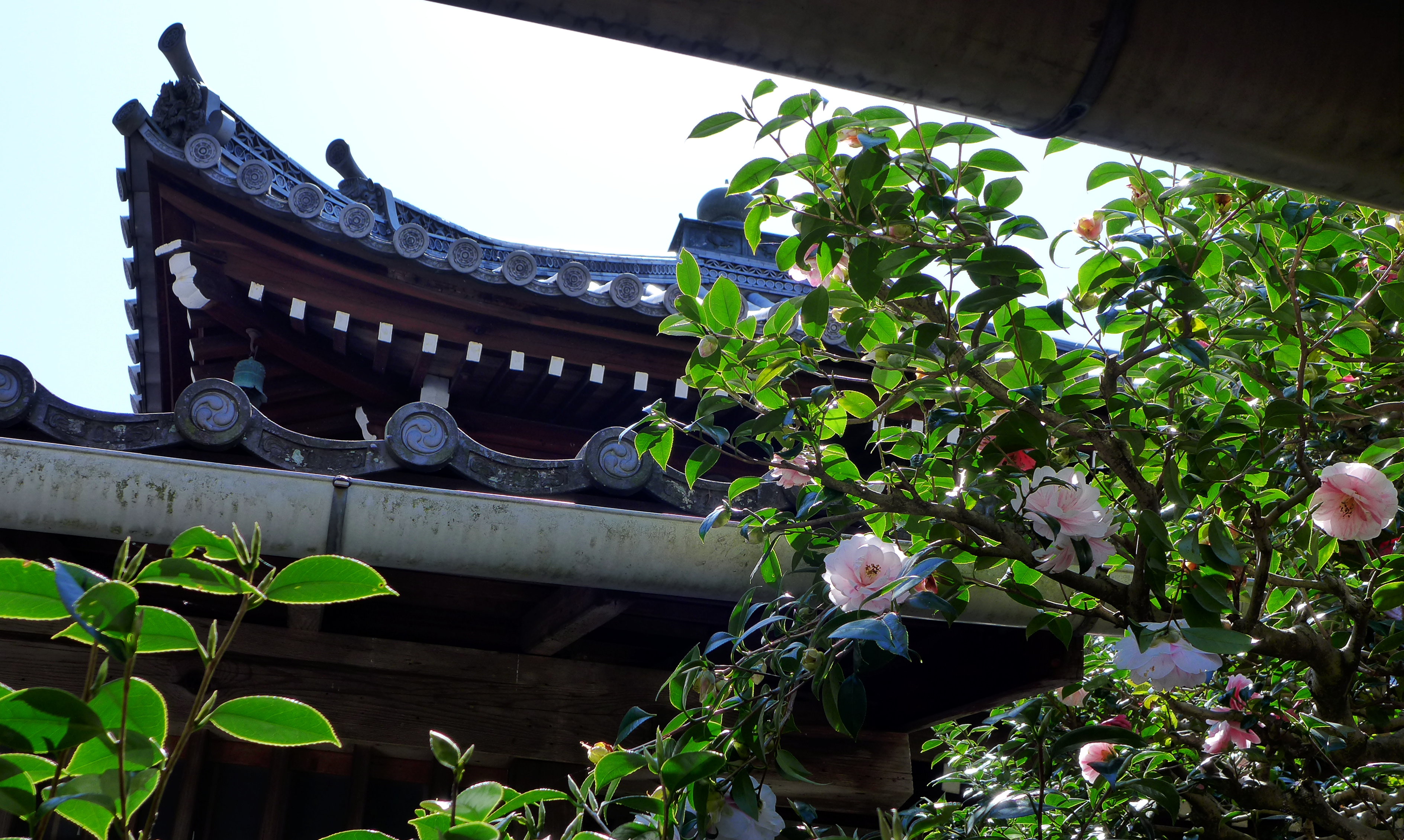


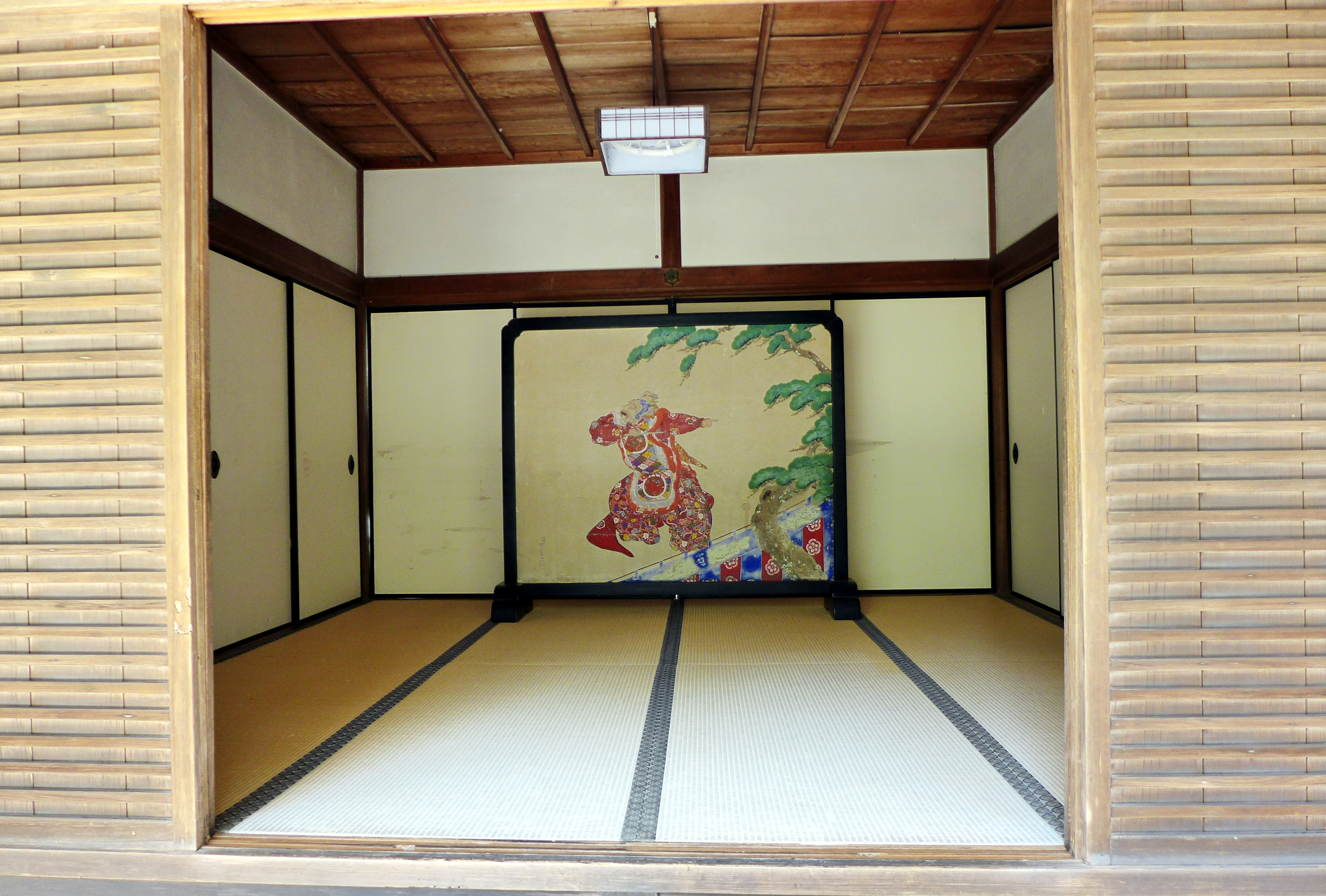
This temple also had a beautiful collection of screens that were well worth visiting. Sadly photography wasn’t allowed but I have a few sneaky pictures. I would recommend going to check them out if you are in Kyoto!

Our next stop, and tying in well to the history of Honen-in, was Anraku-ji 安楽寺. This temple is dedicated to those two young priests that converted the retired emperor’s attendants and were executed for allegedly seducing them. Their story is that they built a thatched hut in Higashiyama to pray to the Amitabha Buddha. Two ladies, attendants of the retired emperor Gotoba, came to hear their teachings and were sou touched that they became nuns and renounced the world. This incensed the imperial family and nembutsu prayers, the Buddhist chants key to Jodo Buddhism, were banned. The two priests were executed. It is unclear as to whether anything untoward or indecent actually went on, but in the already tense environment surrounding Jodo Buddhism, this was the final straw for the imperial family.


This temple was constructed in 1532 in memory of these two young men. It is also well known as a temple that holds an annual festival on July 25th at which they serve pumpkin that supposedly cures paralysis. I have no idea where this myth comes from but it seems fairly obvious that the story would involved a paralysed man eating pumpkin. Strange, but worth a try I suppose. There is also a tea room at Anraku-ji if you fancy a rest and a drink. There isn’t really much else there; a small garden and a nice view of the main building is mostly what you will get out of this temple.
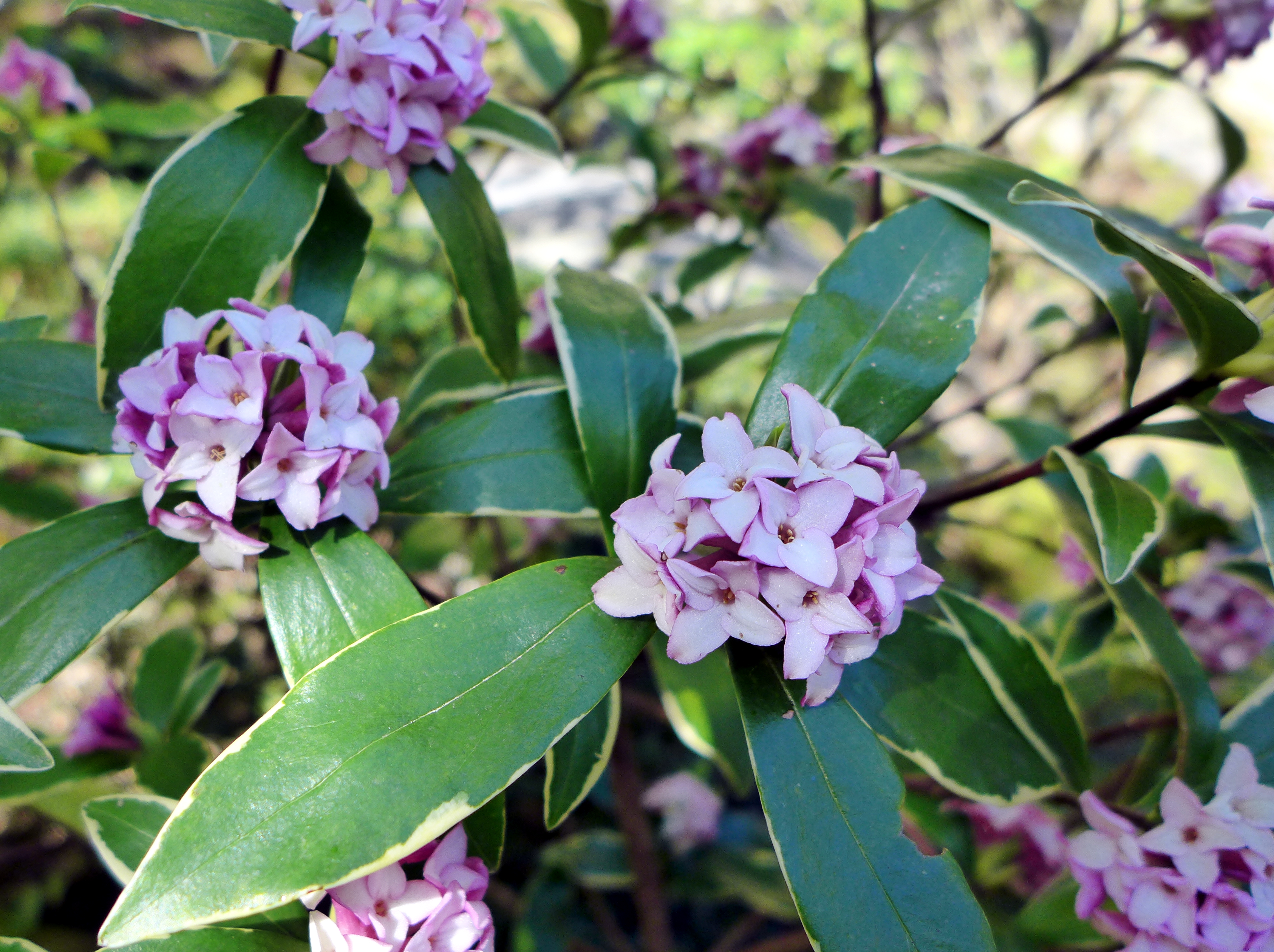

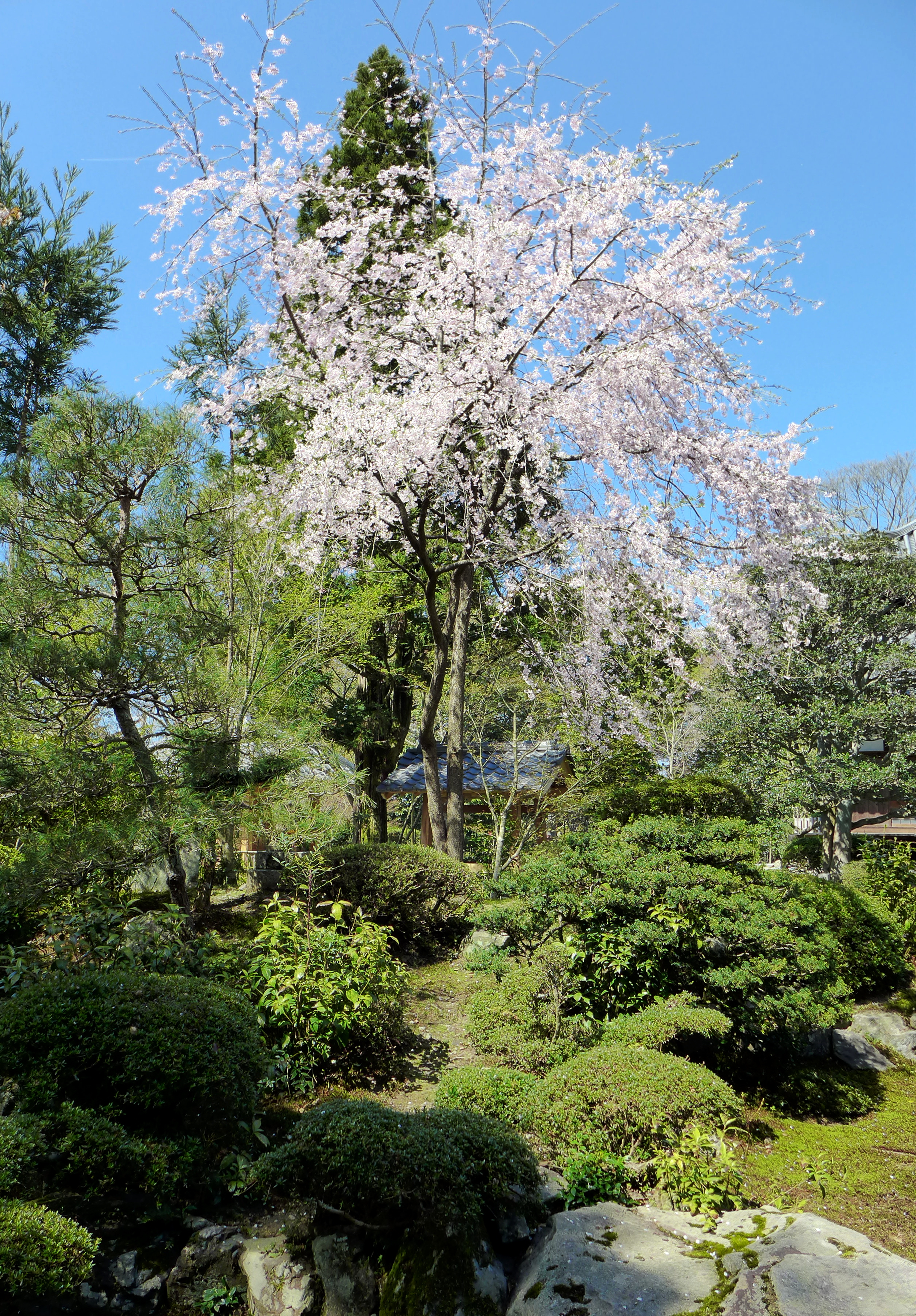

The next two temples we visited were covered on my previous post about Philosopher’s Walk, so we will jump to the final stop on our trip. Before that, though, I’ll tell you a little about the walk itself. It is called Philosopher’s walk because it was the favourite walking spot of famous Kyoto philosopher Nishida Kitaro (1870 – 1945). I don’t really understand the nuances of philosophy well enough to properly convey his ideas, but I can tell you that he focussed on bringing Eastern and Western philosophical concepts closer, while also taking an interest in the Japanese concept of ‘nothingness’. He founded the Kyoto school, which is a group of influential Japanese philosophers based in Kyoto. I can see why he would walk down this path, it is serene and beautiful (especially when it isn’t packed with tourists looking at the blossoms).


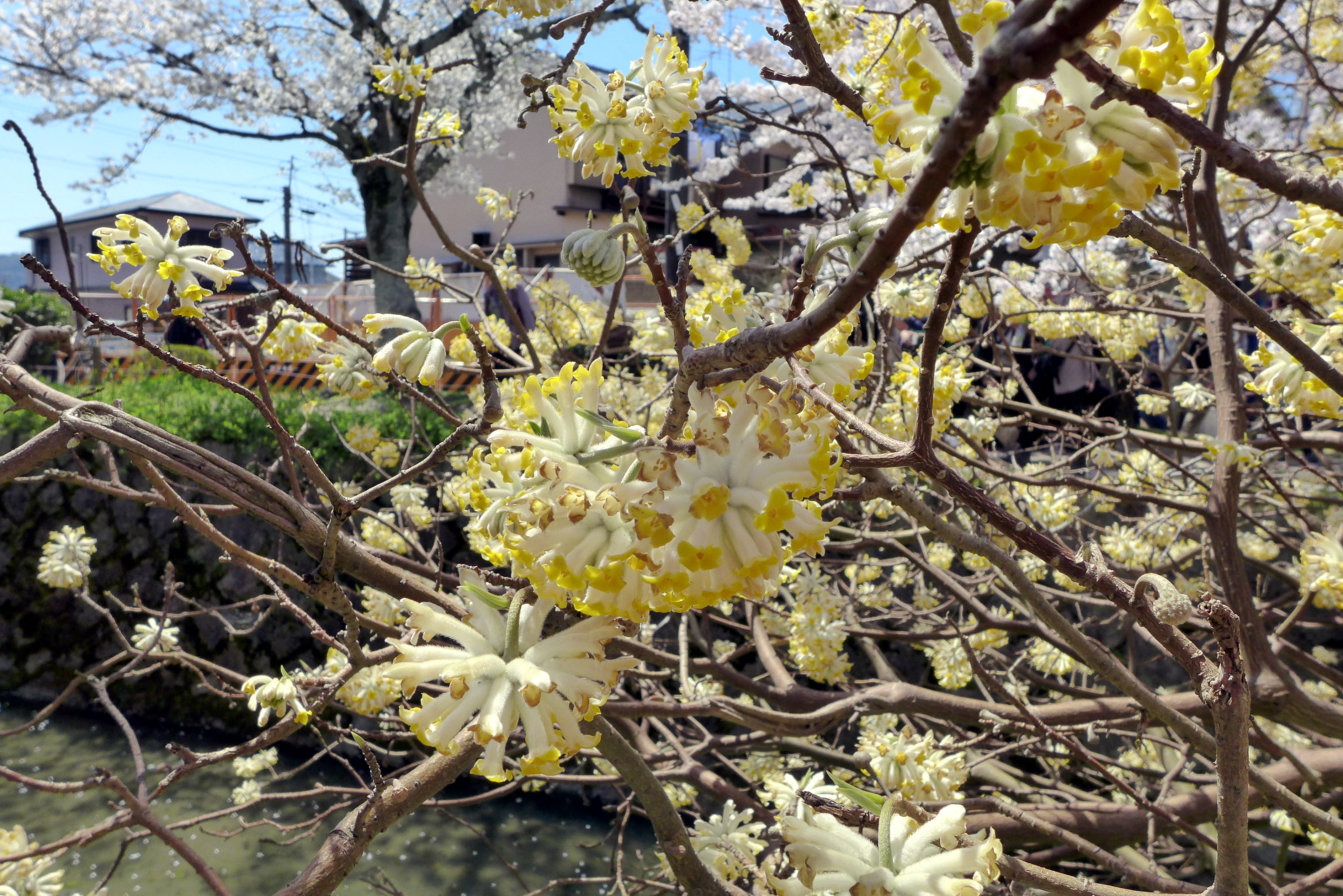


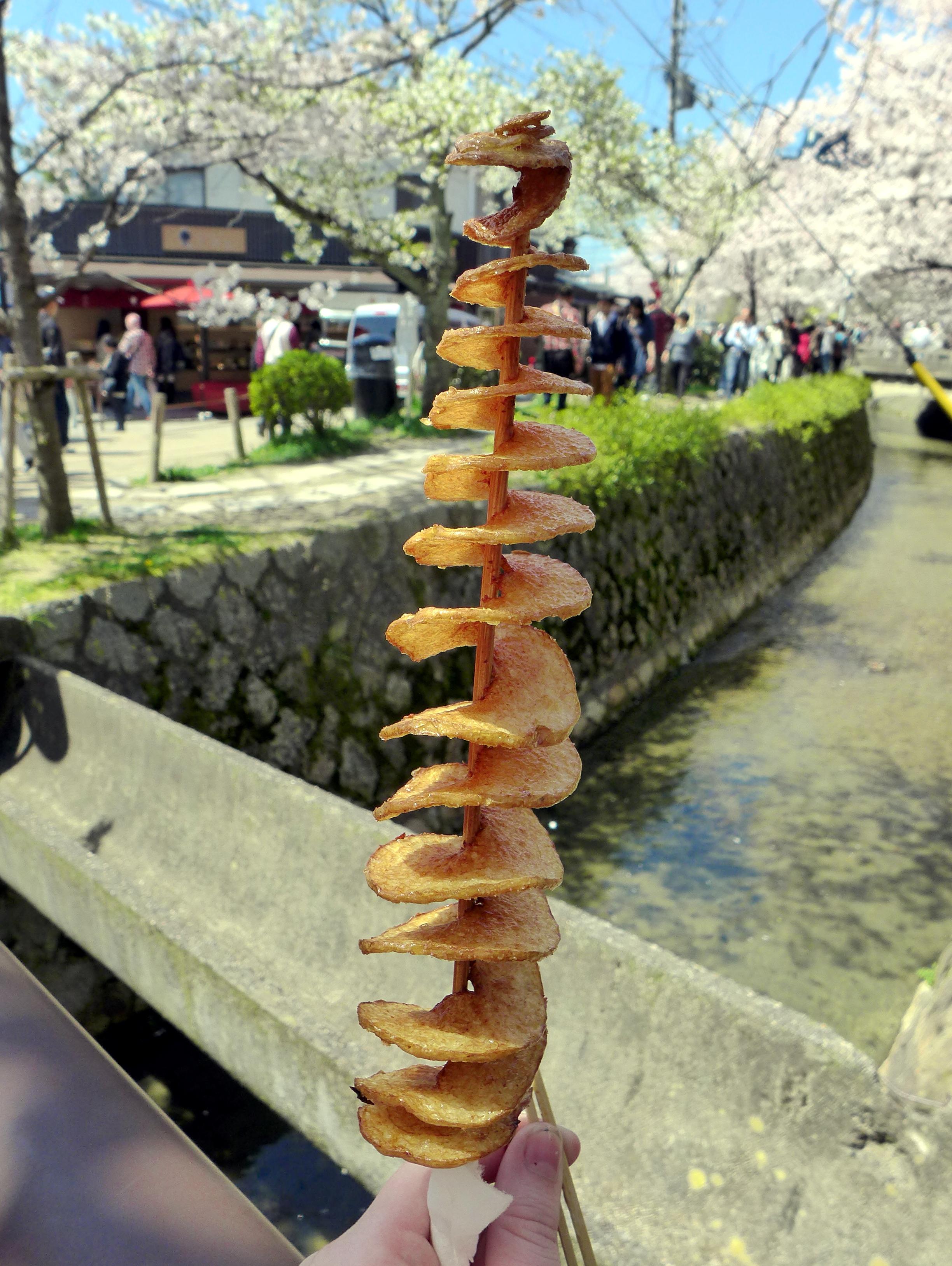
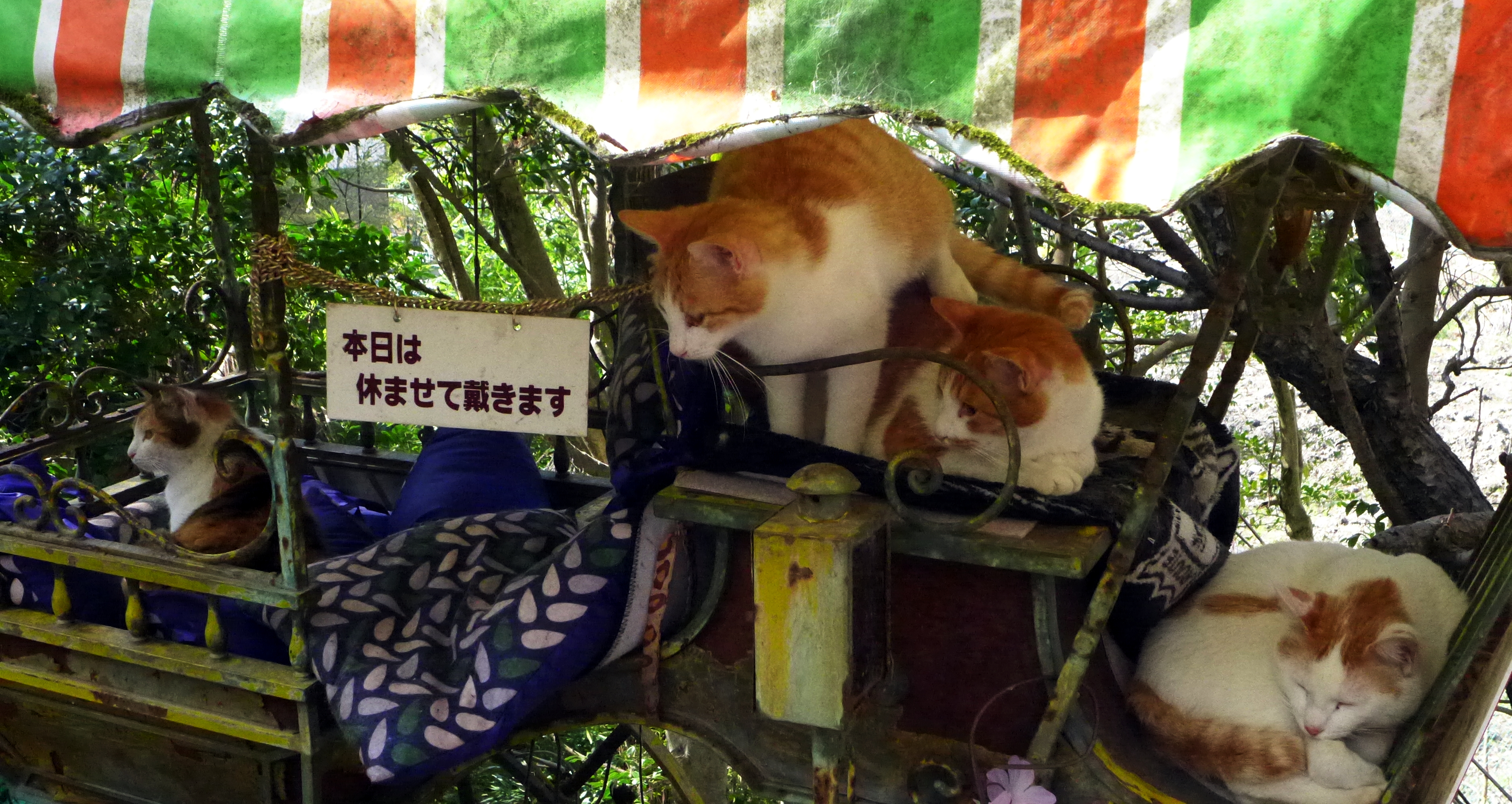
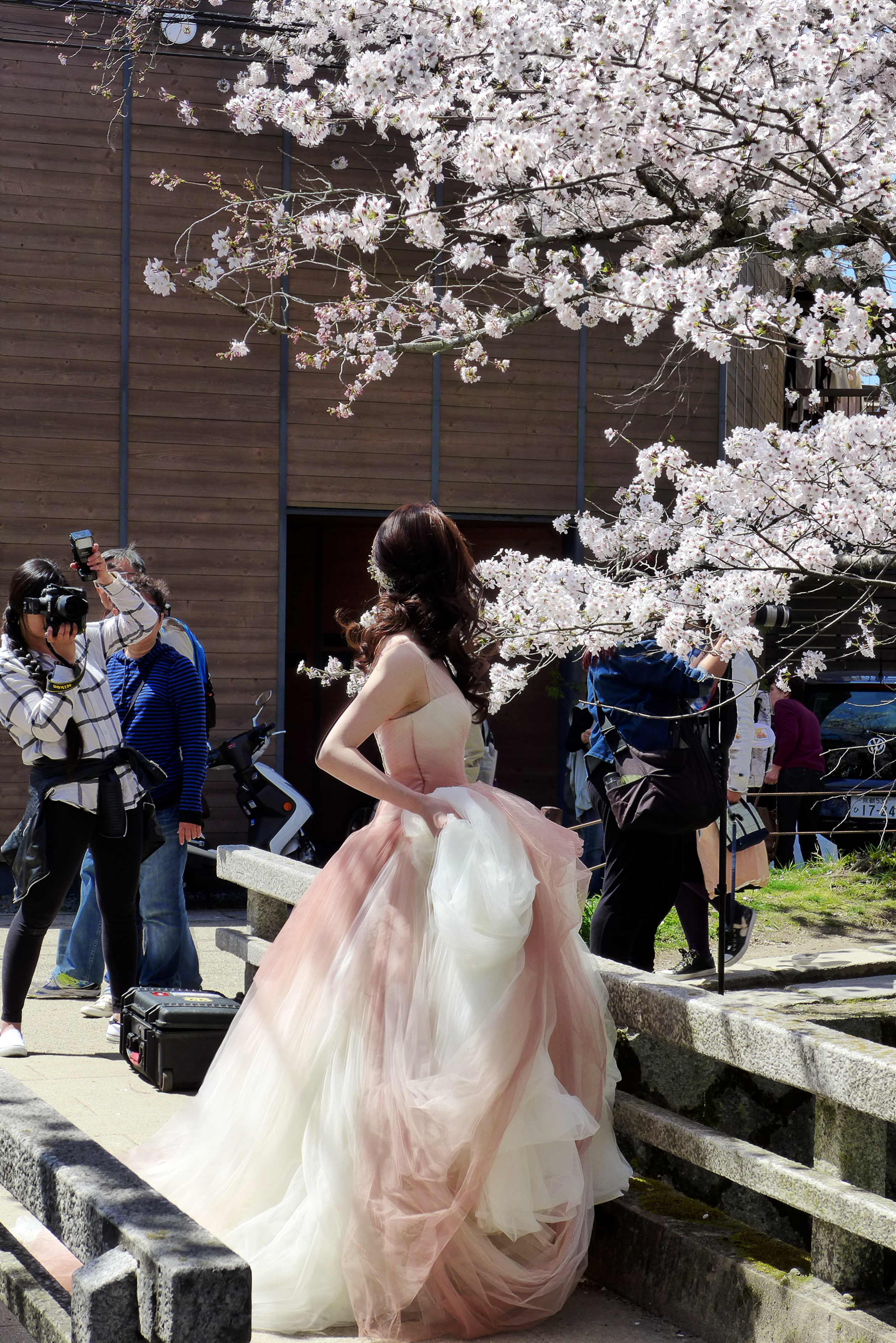
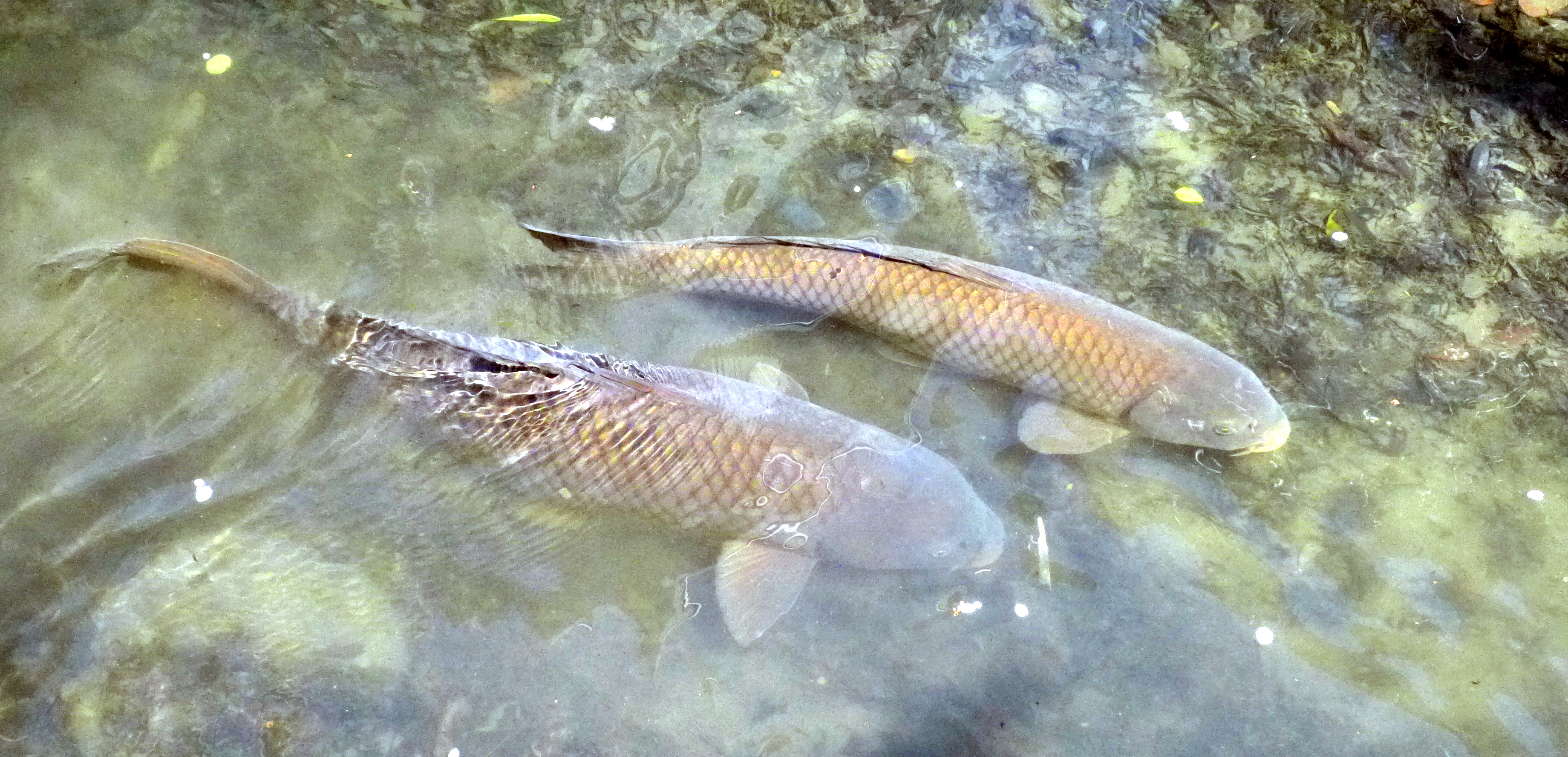
The walk itself was indeed packed with tourists as I had expected. There were also at least 4 different brides and grooms getting their photos taken among the blossoms; cherry blossom season must be very popular for weddings, and I can see why. We also saw some fish in the stream as well as some cats sitting in what looked like a pram being fawned over by a crowd of tourists. I was pretty hungry half-way through our walk so I picked up a potatornado, a spiralled potato that had been deep fried, like a long crisp. It was really tasty and it goes without saying the name is fantastic.



Our final stop is Nyakuo Shrine 若王子神社, another smaller shrine close to Philosopher’s Walk. The reason for the small size of this shrine is that it was founded in 1160 as a combined Shinto shrine and Zen Buddhist temple, but when the government decreed the division of Shinto and Buddhism in 1868, only the Shinto elements of the complex remained (more information on this decreed split between Buddhism and Shinto in this post).


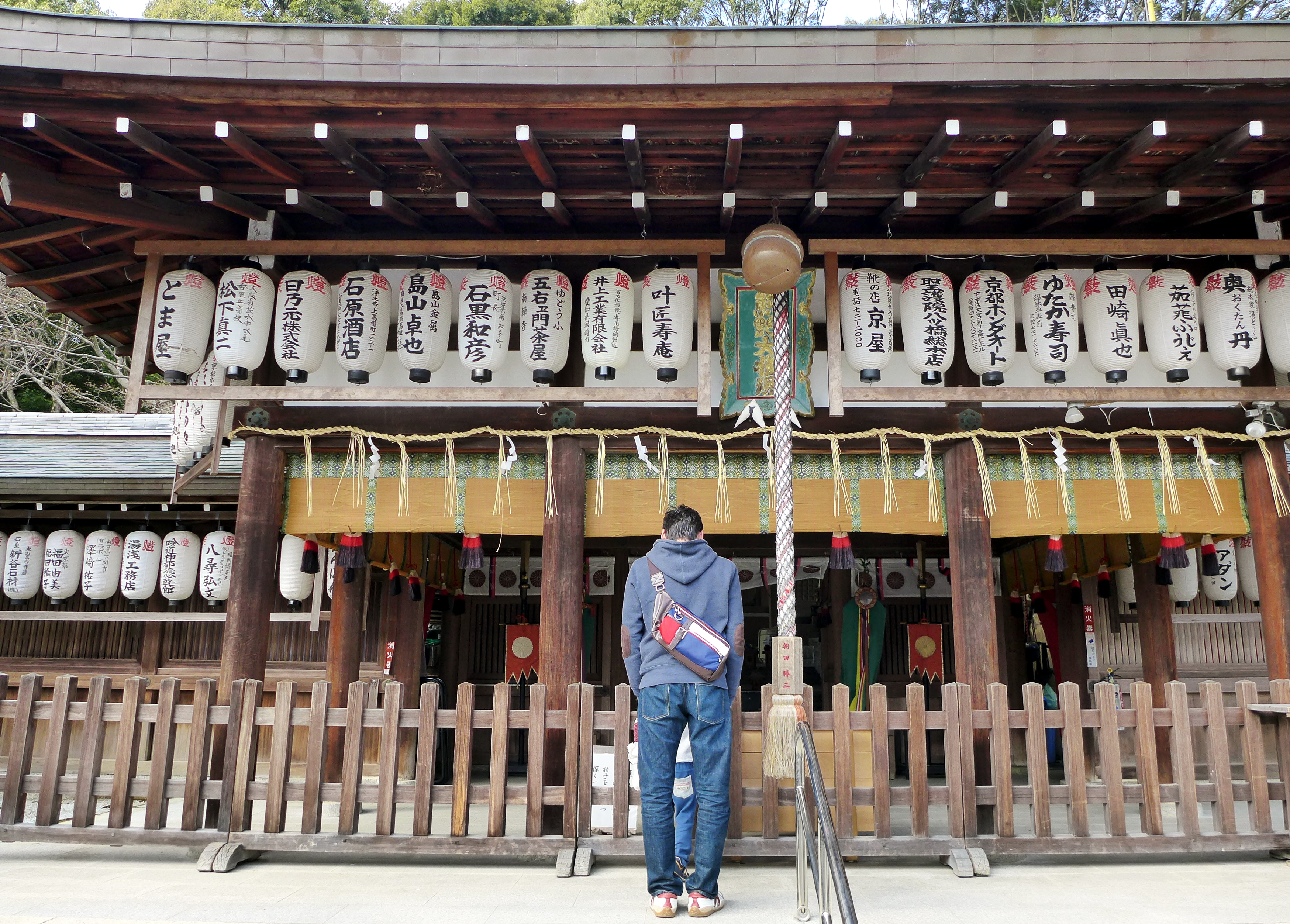
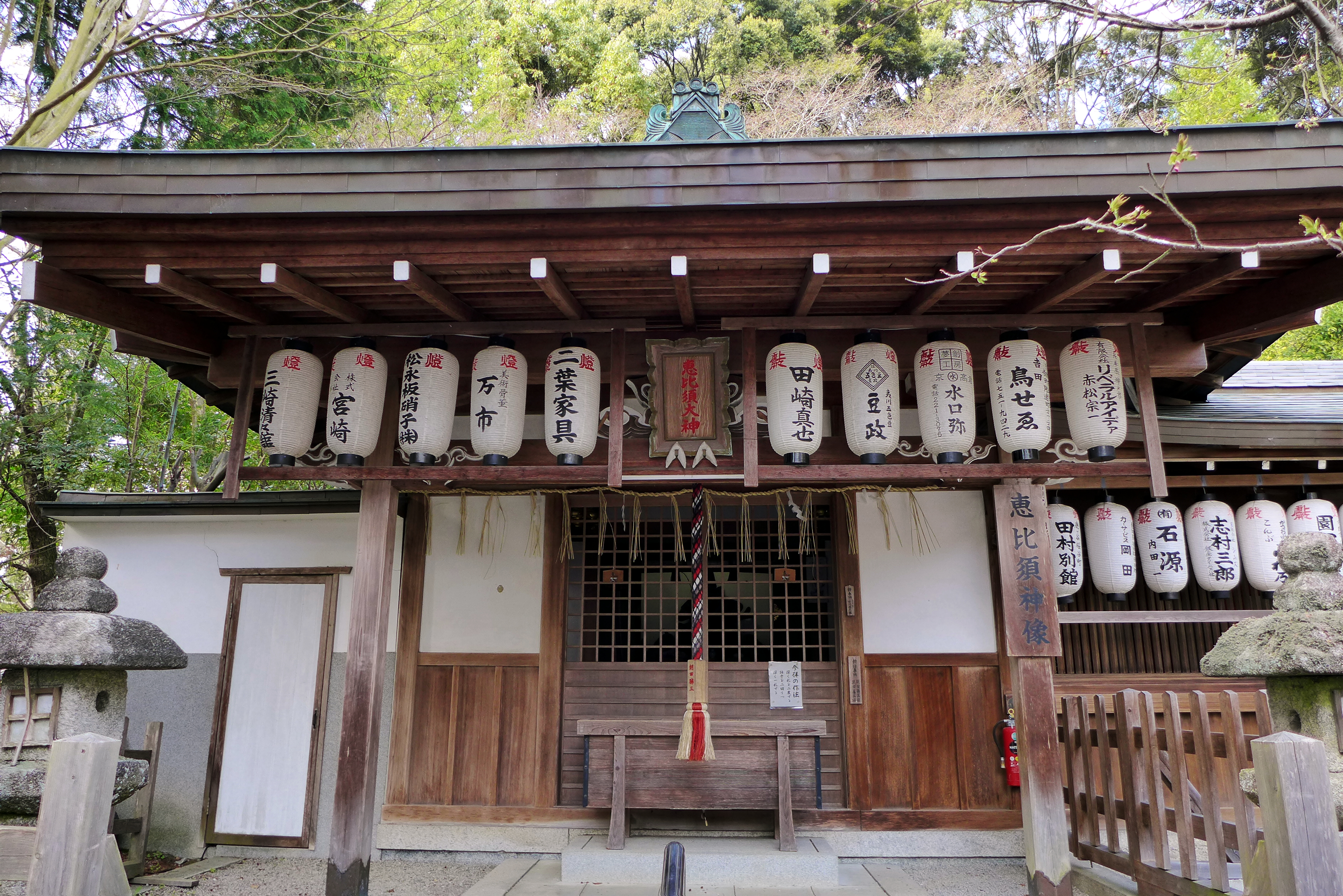

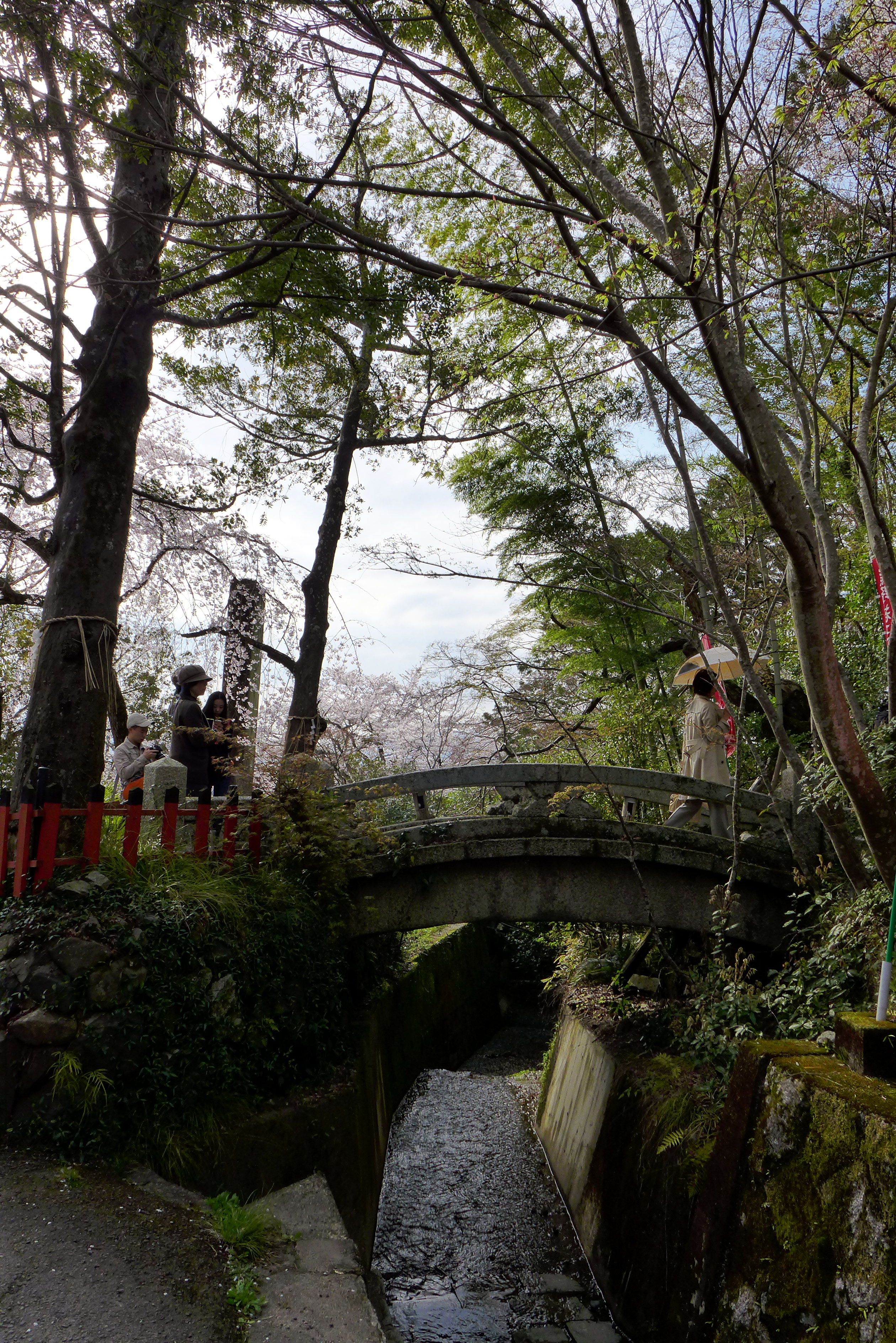

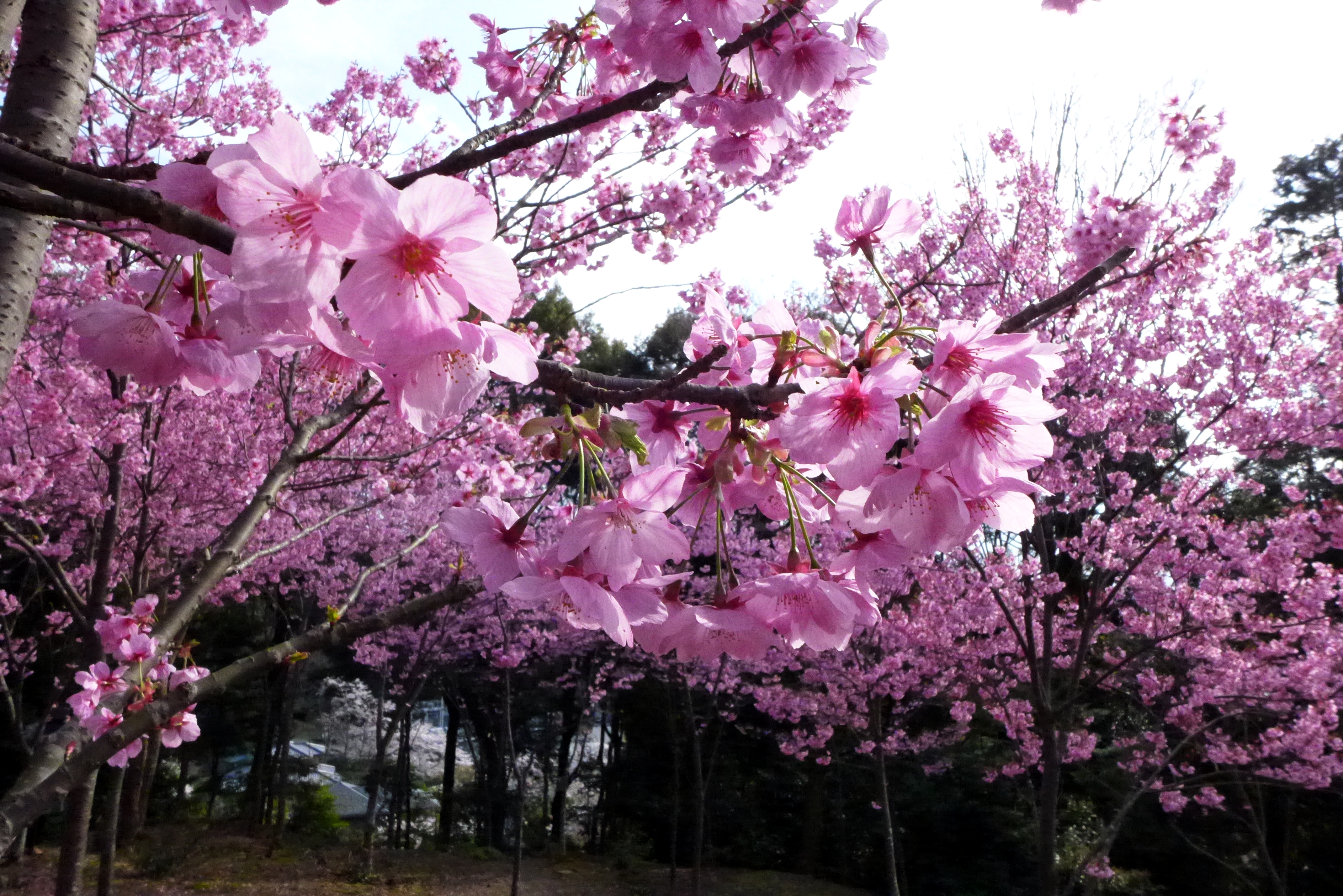
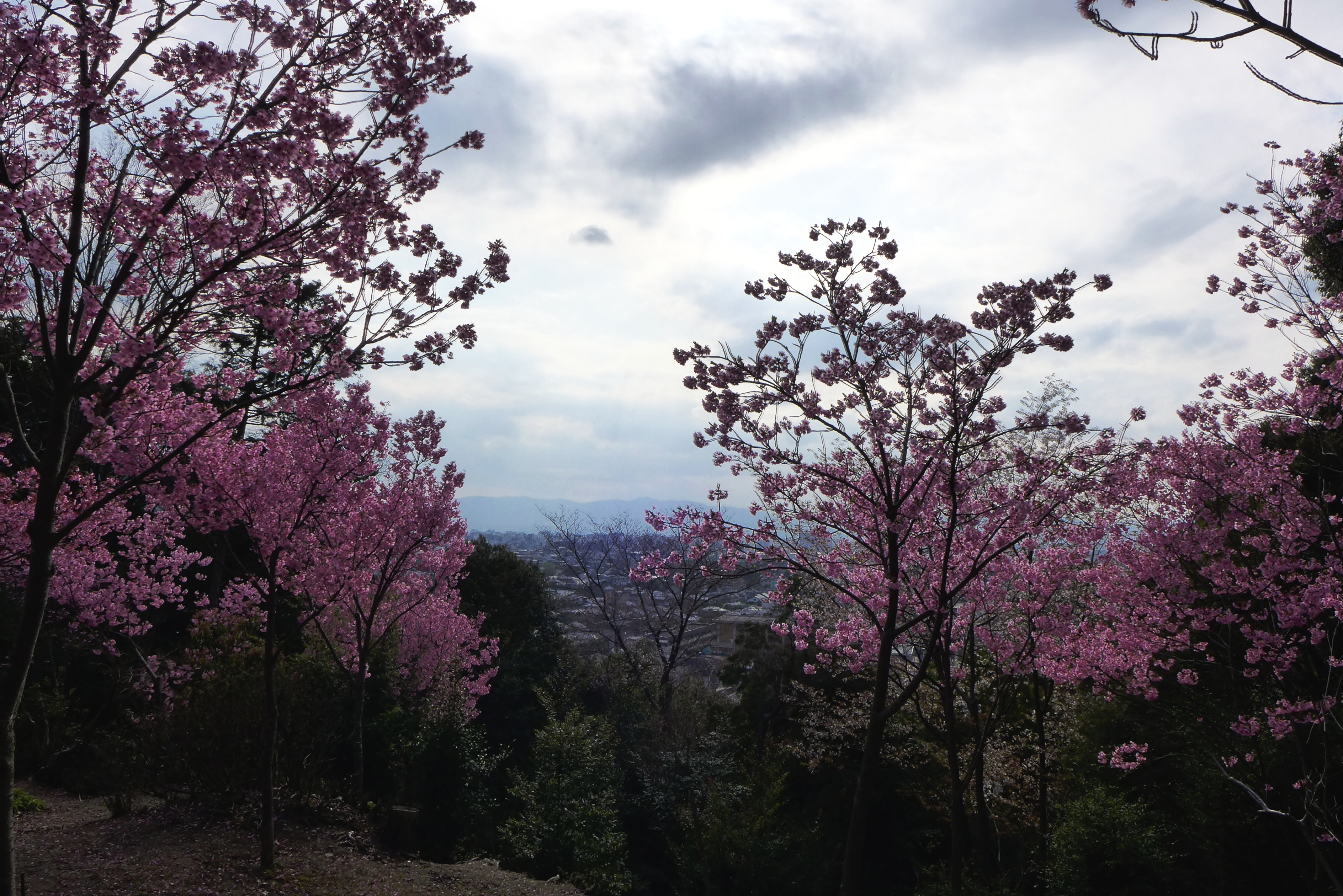
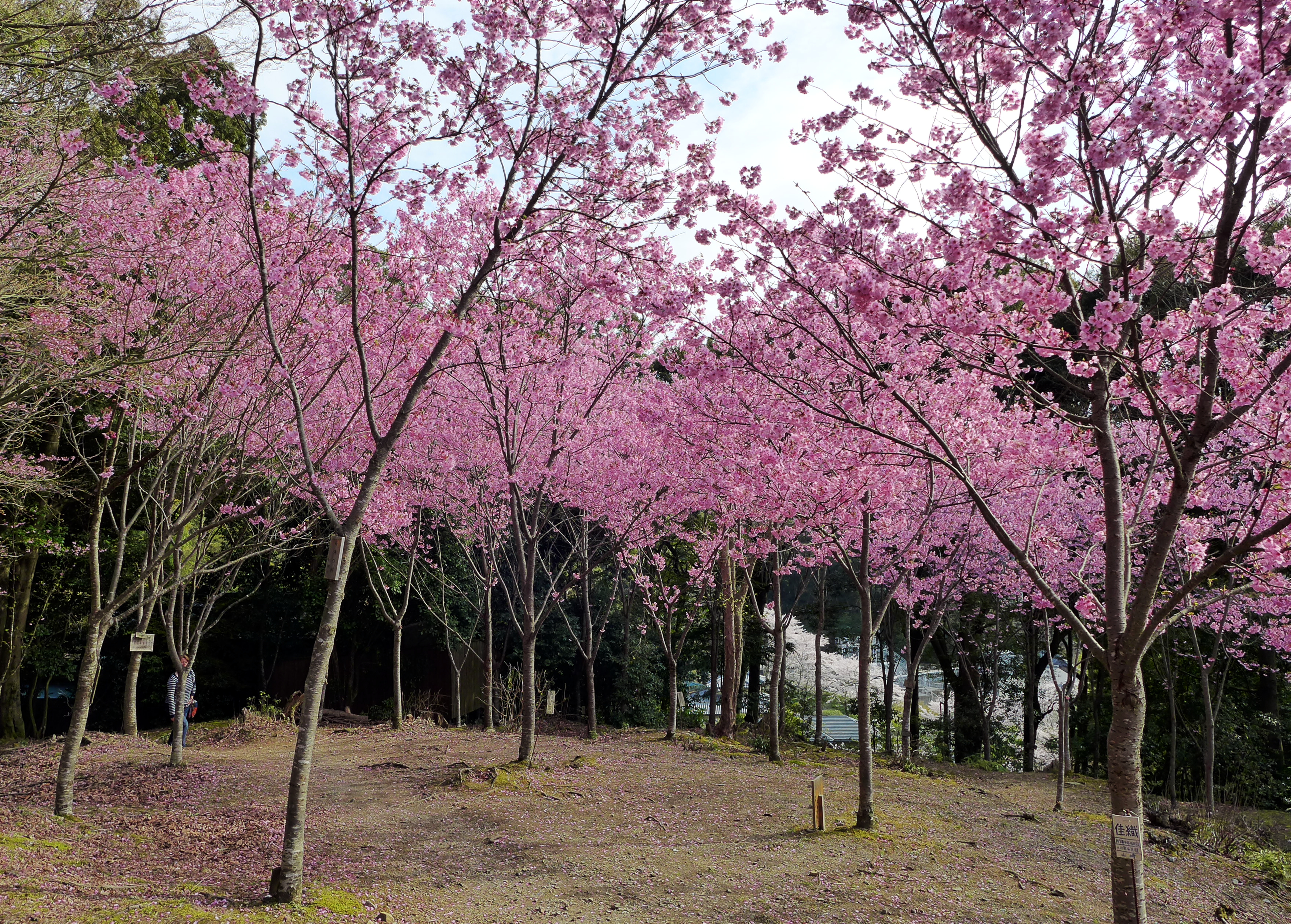
We only got to see the best part of this shrine because I got my stamp done – the man that did the calligraphy told me that just up the hill around the back of the shrine there was a grove of sakura. We went to have a look and sure enough, there was a grove of the beautiful darker pink cherry blossom trees as well as a fairly good view of Kyoto. I think I prefer the darker pink blossoms as they contrast so well with the blue sky whereas the white ones, though beautiful, tend to look a little washed out in photos – the camera doesn’t capture their subtle light pink colour.
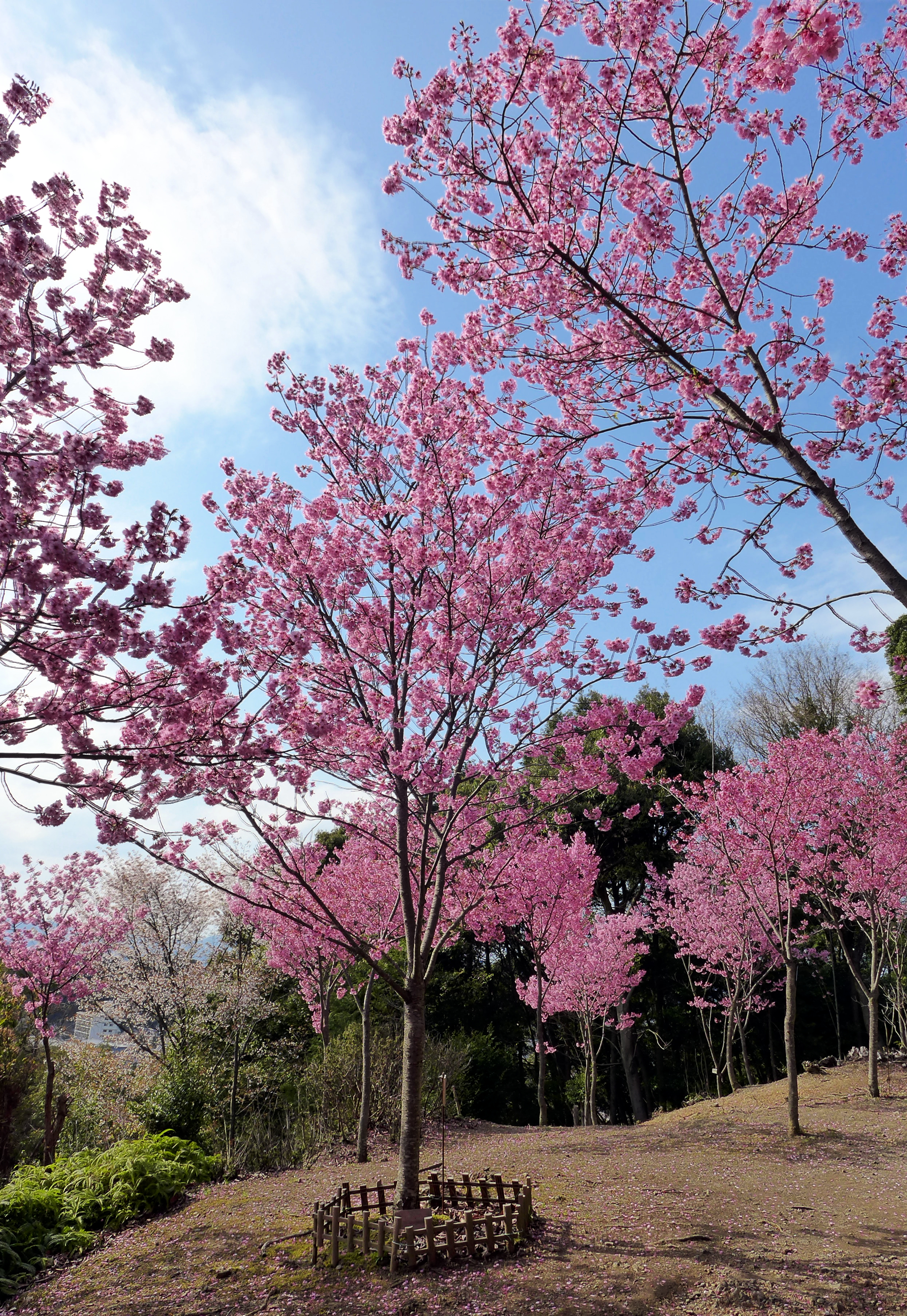


Thus ends our stroll down Philosopher’s Walk, I hope you enjoyed the blossoms and the temples. If you haven’t quite had your blossom fix, there are more spring blogs coming, so never fear. I still have a huge backlog of material to write about!












 japangie