大原 Blood on the Ceilings, Princes in the Halls

Today I want to tackle one of my ‘temple knots’ – when I visit several temples in a day, it can take me a lot of effort to sort them, research the history and edit the photos in order to blog about them. I think I have finally completed my research on Ohara: the sequel – I have already visited Ohara (see here), but I returned with my parents to see the other temples and walk over the mountains to Kurama. As we did a lot I’ll split the day into a few posts. Today I want to talk about the two temples that I enjoyed the most.

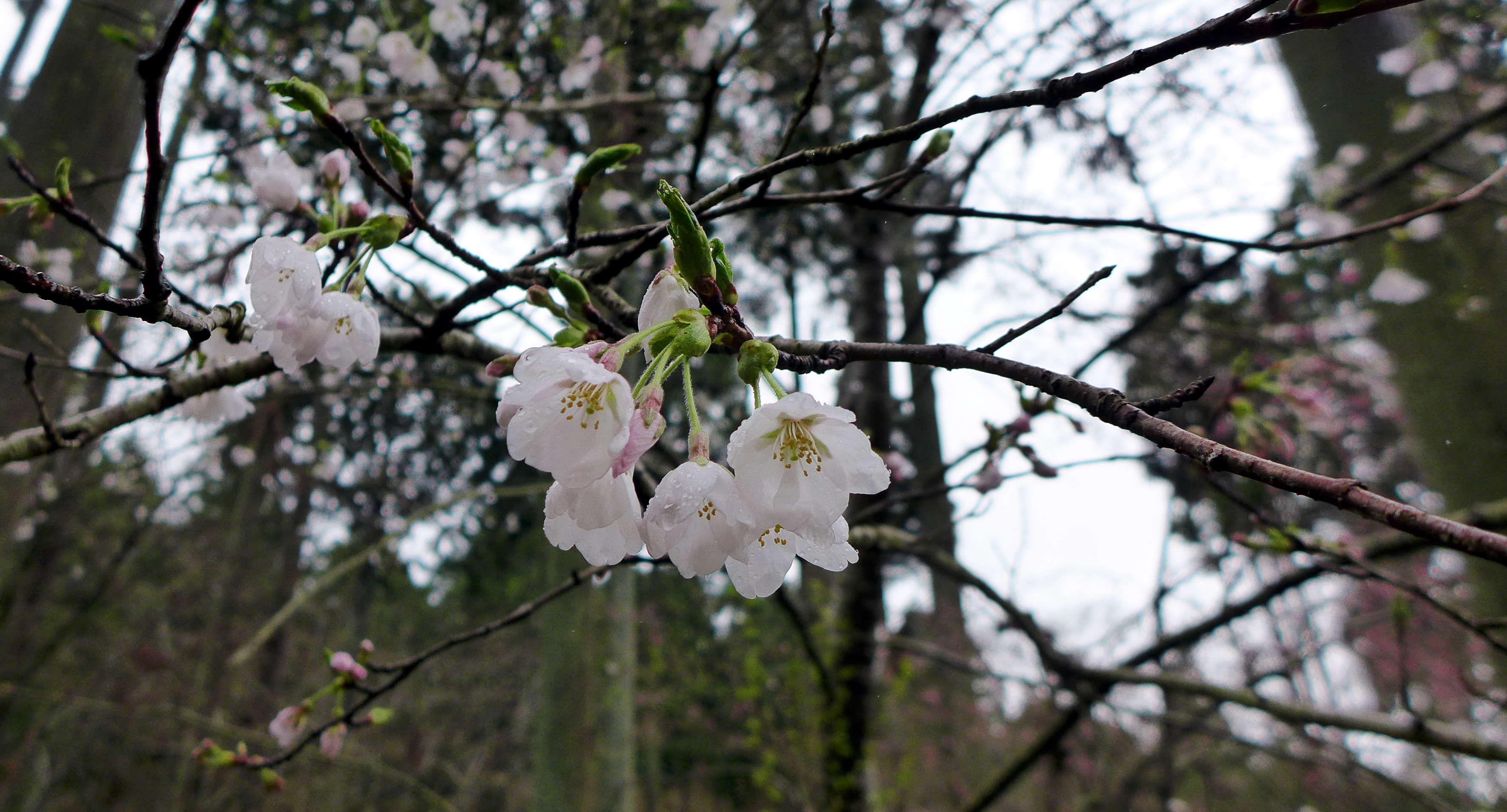
The first temple I want to talk about is the most popular temple in Ohara. It is famous in Autumn for its beautiful leaves, and many people say that going in season is not great as it is so packed that you can’t really enjoy the maples. We went in off-season, just after the cherry blossoms had peaked, so we had the temple mostly to ourselves.
P1070683 P1070578 P1070579 P1070577 P1070576

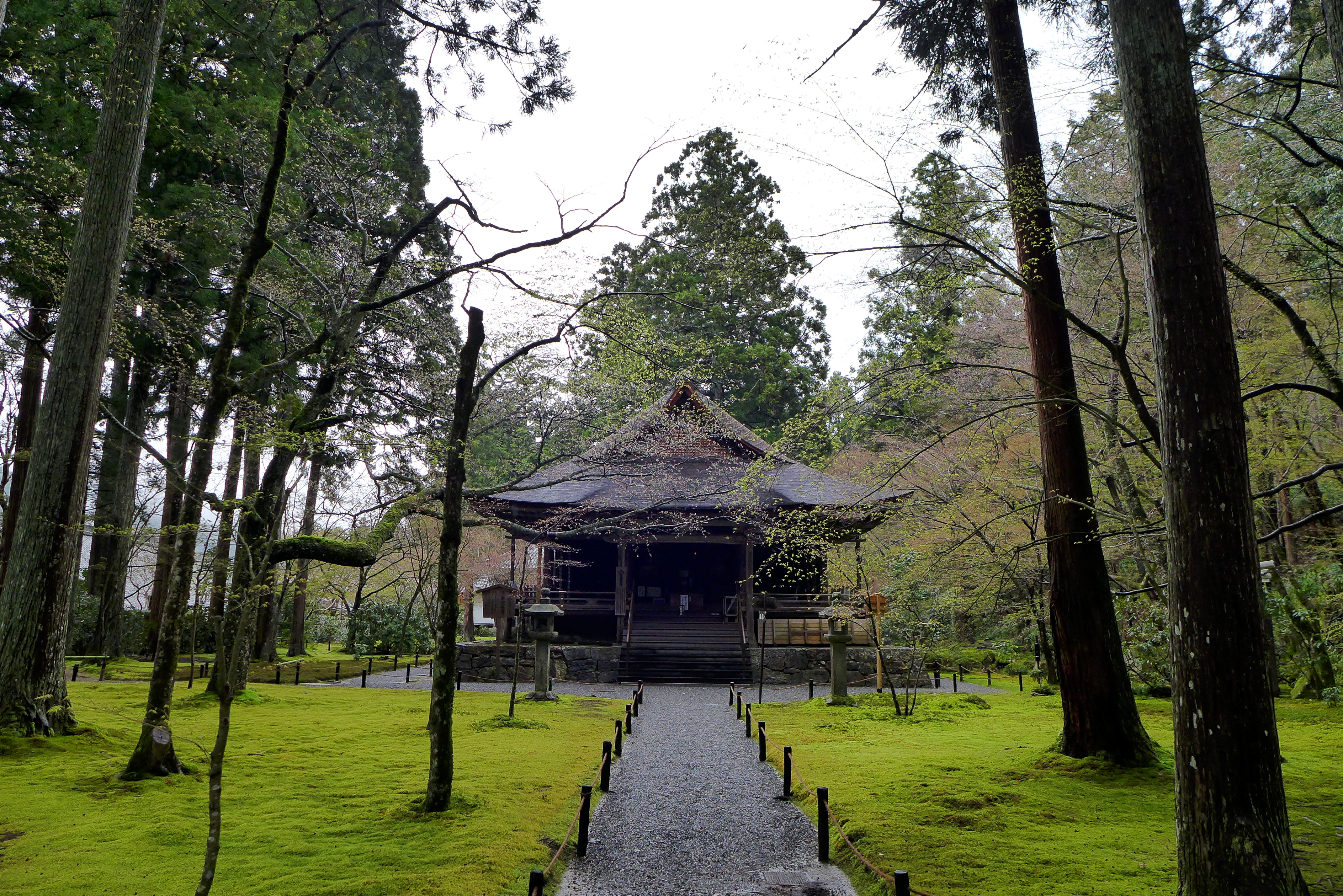
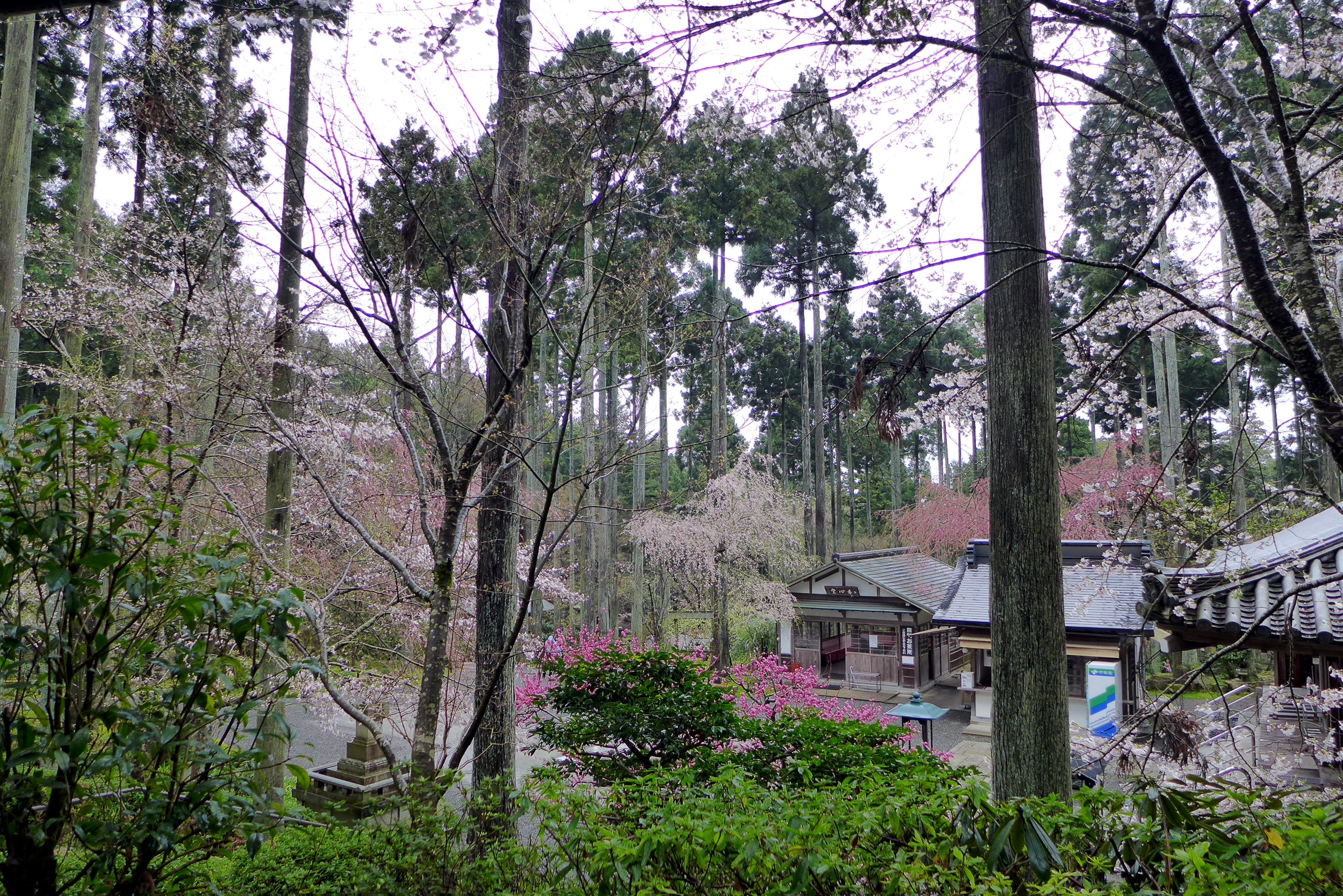
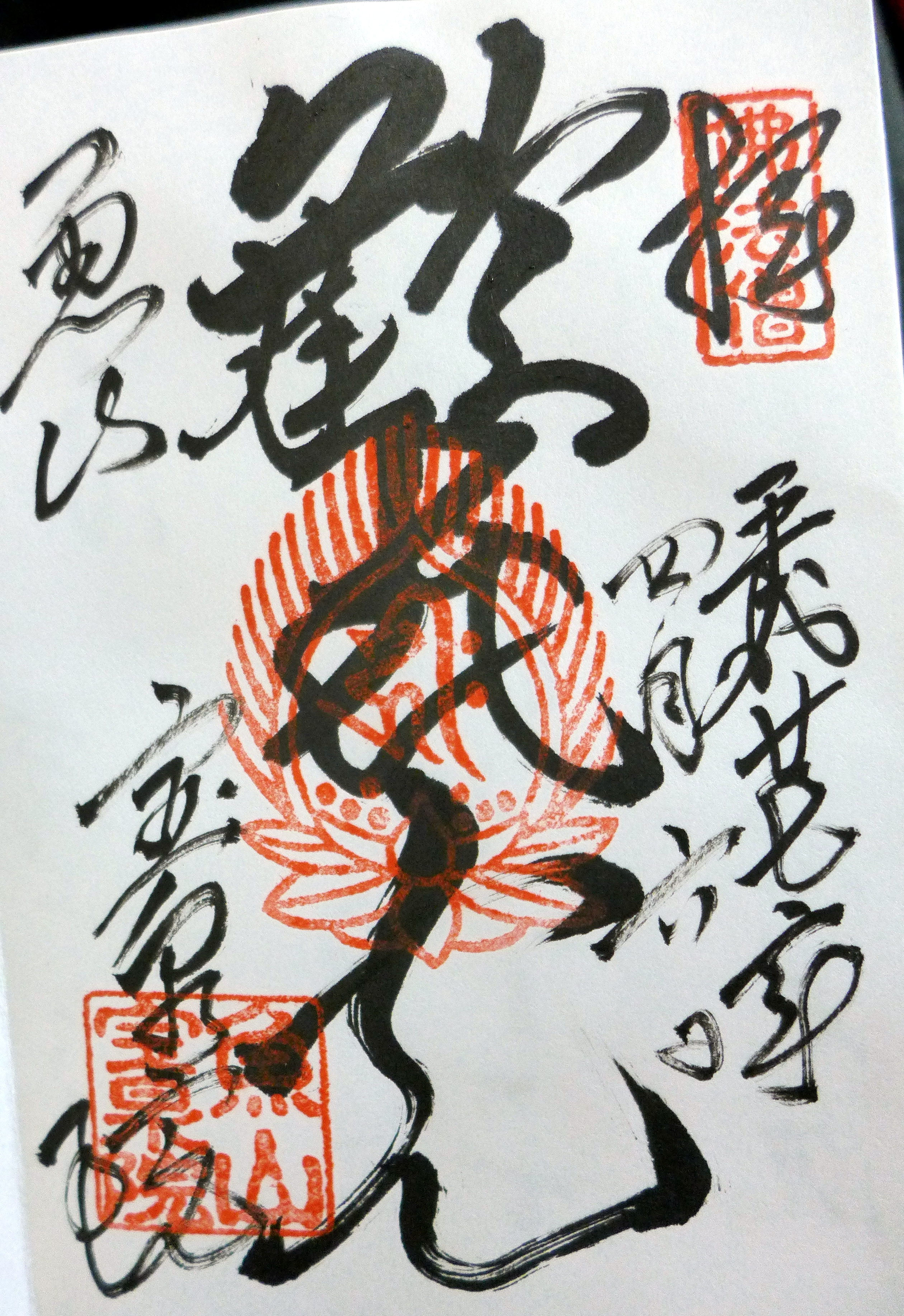
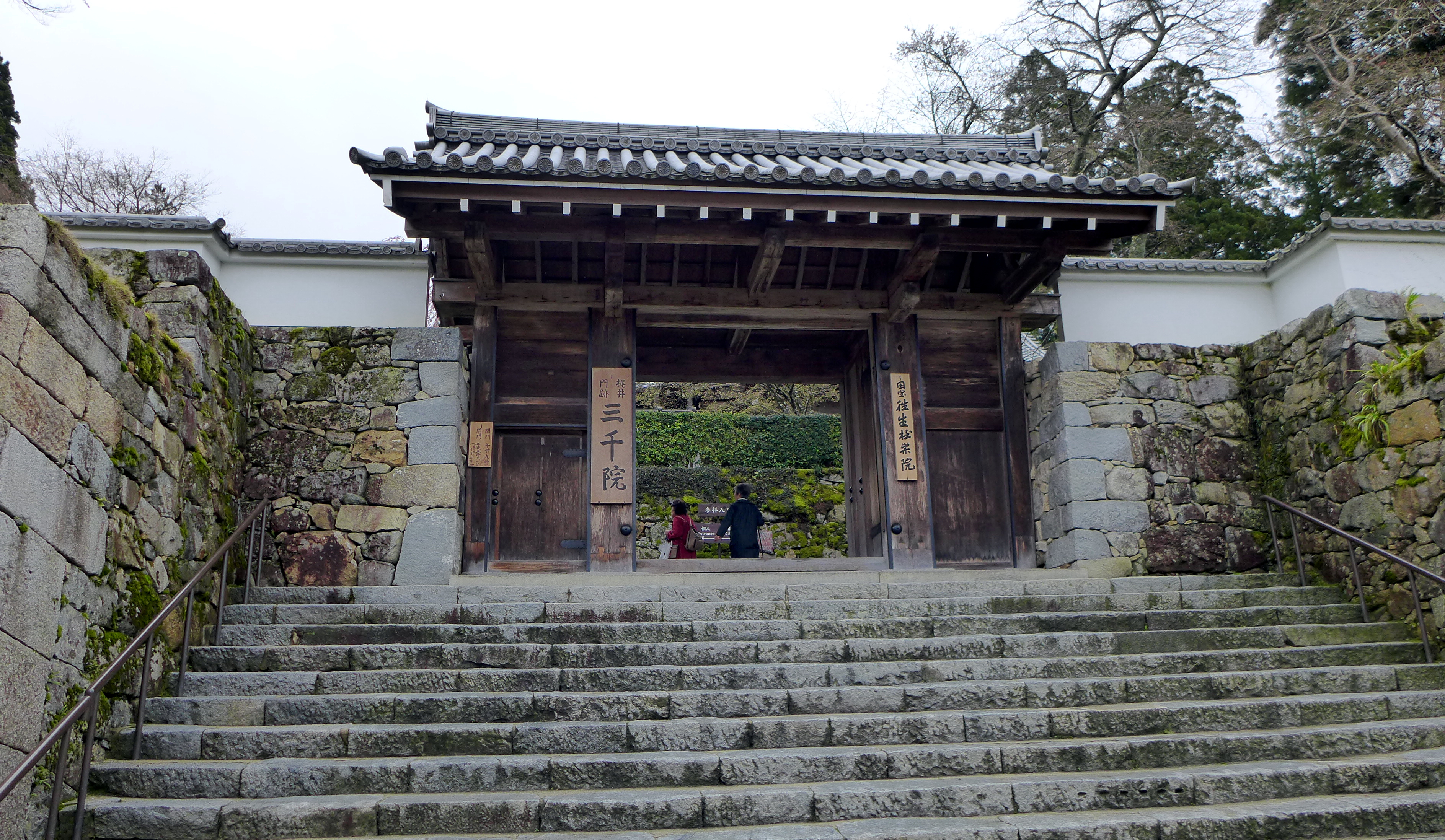
This star-temple is Sanzen-in 三千院, founded in the 8th century by the founder of Tendai Buddhism, Saicho. This temple has a large complex sprawling up the mountain, and you can get stamps from each building. I settled with two so as not to be too greedy and because I was rapidly filling up my stamp book at this point. I have since bought a new one.

P1080915 P1080916 P1070573 P1070571 P1070570 P1070569

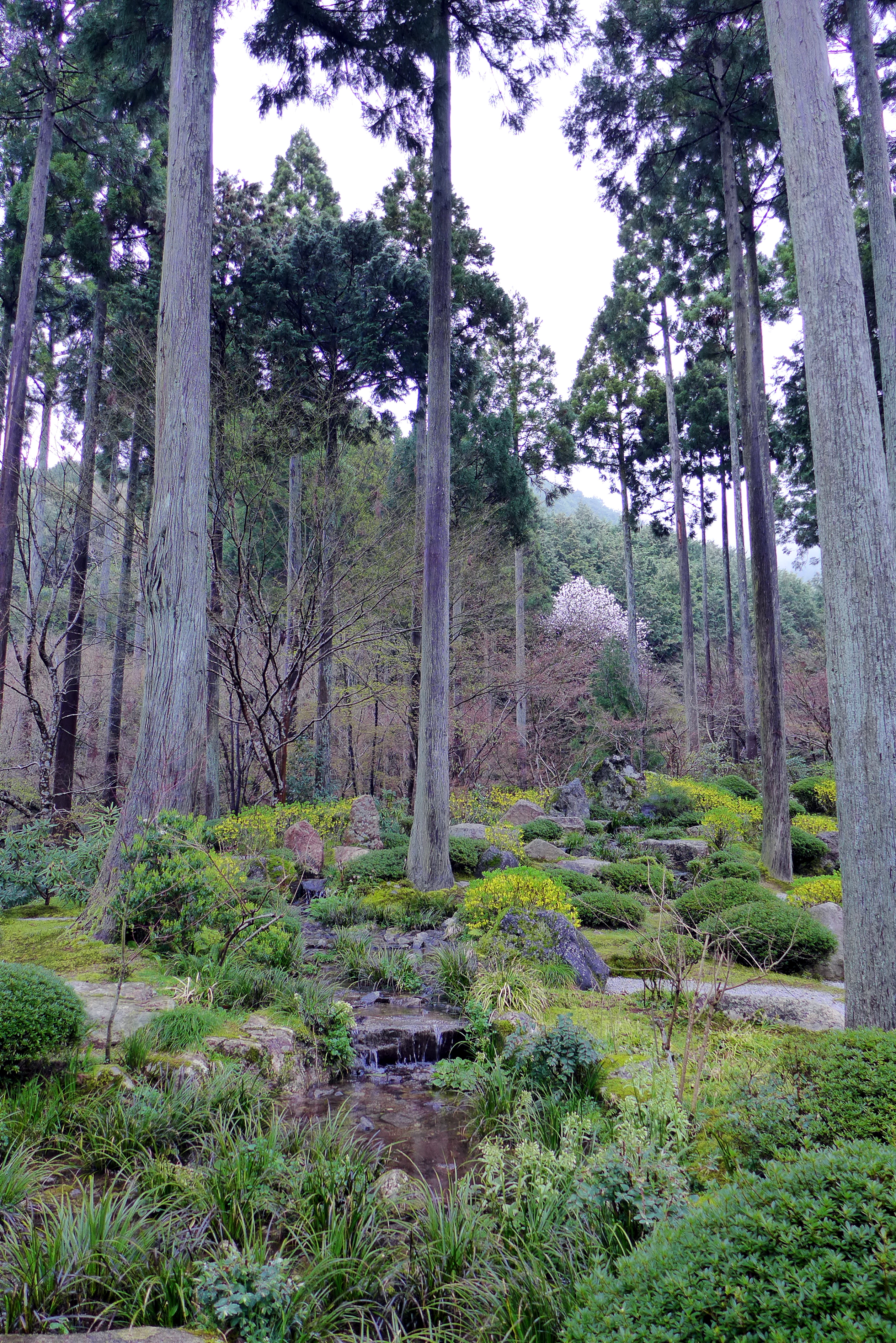
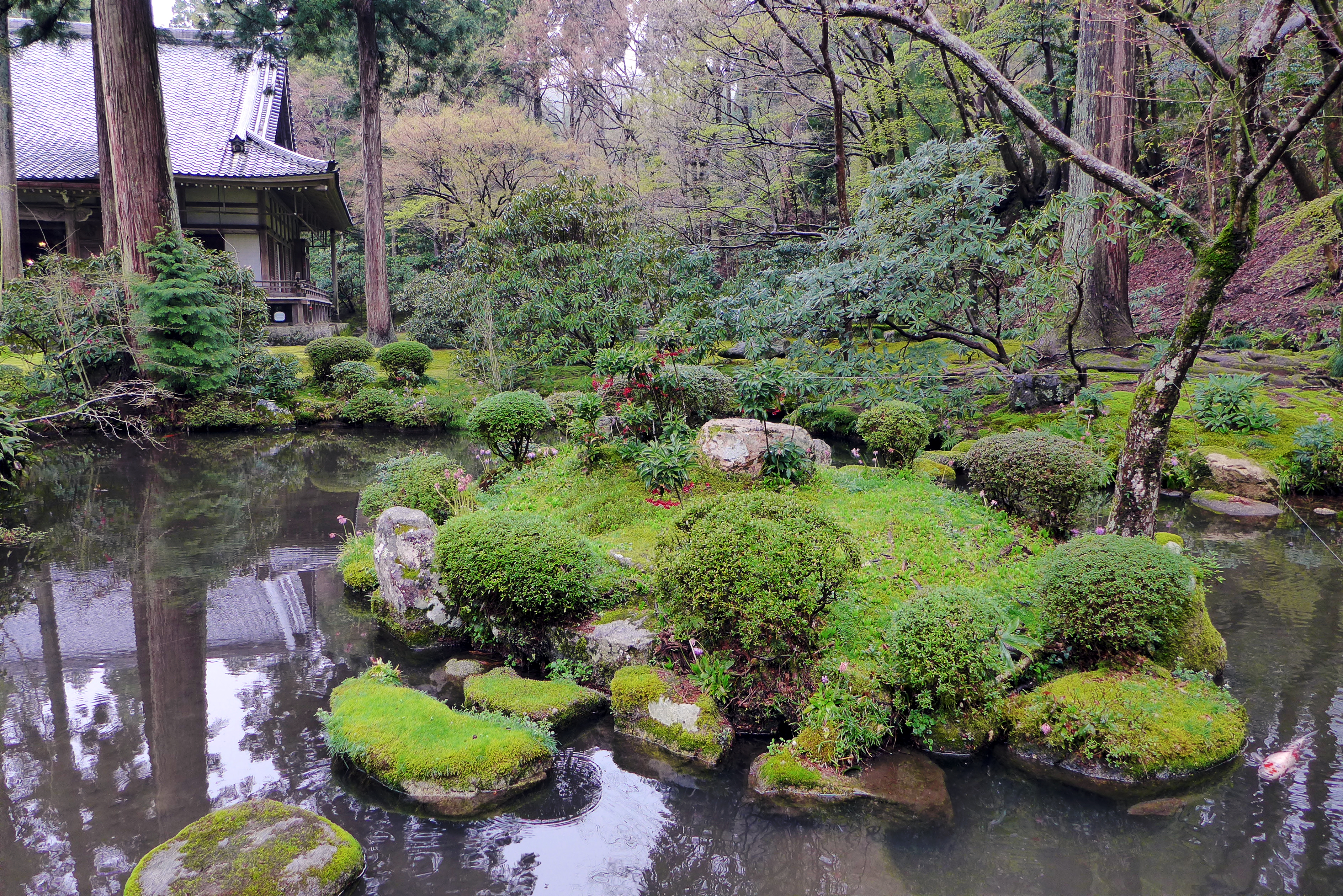
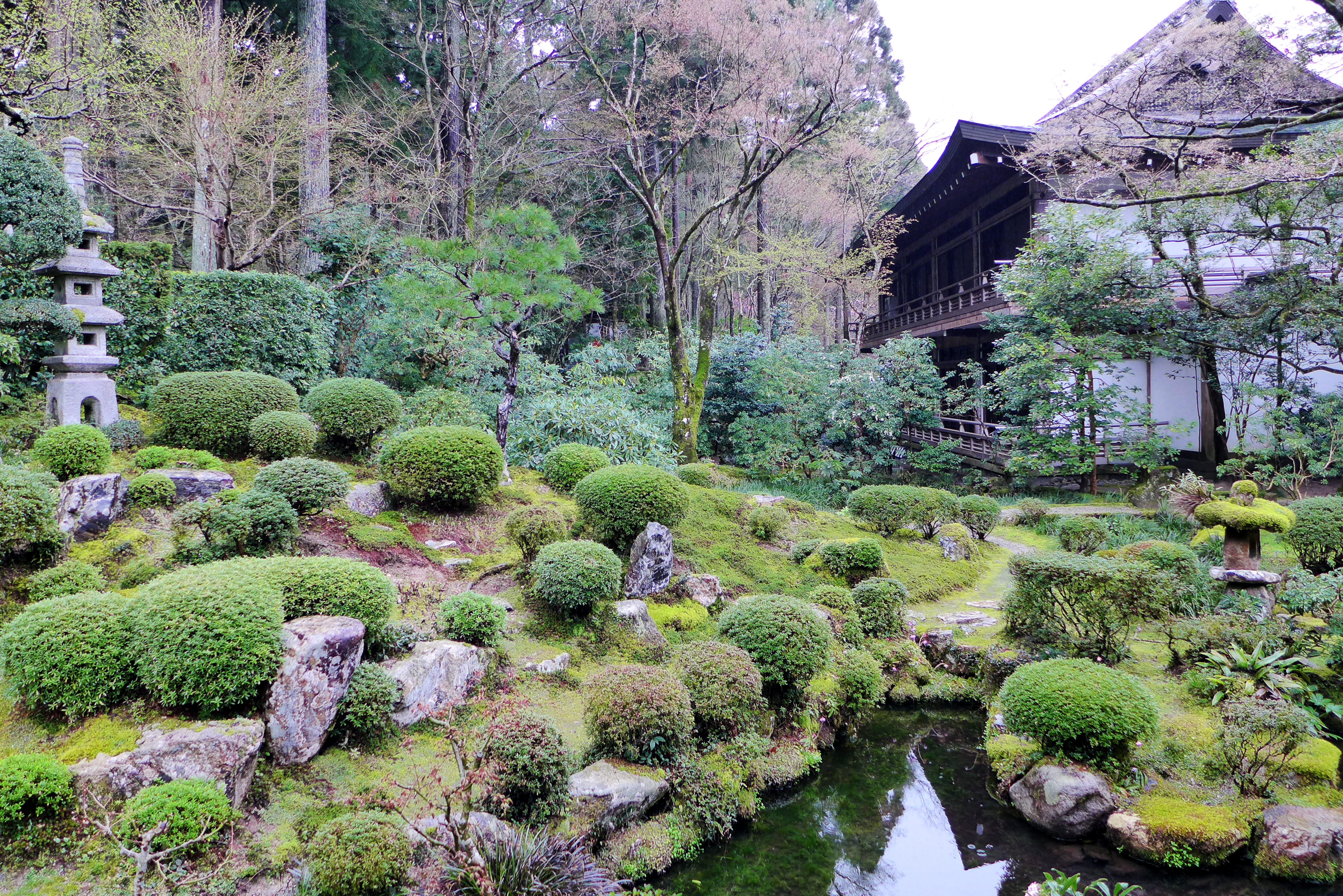
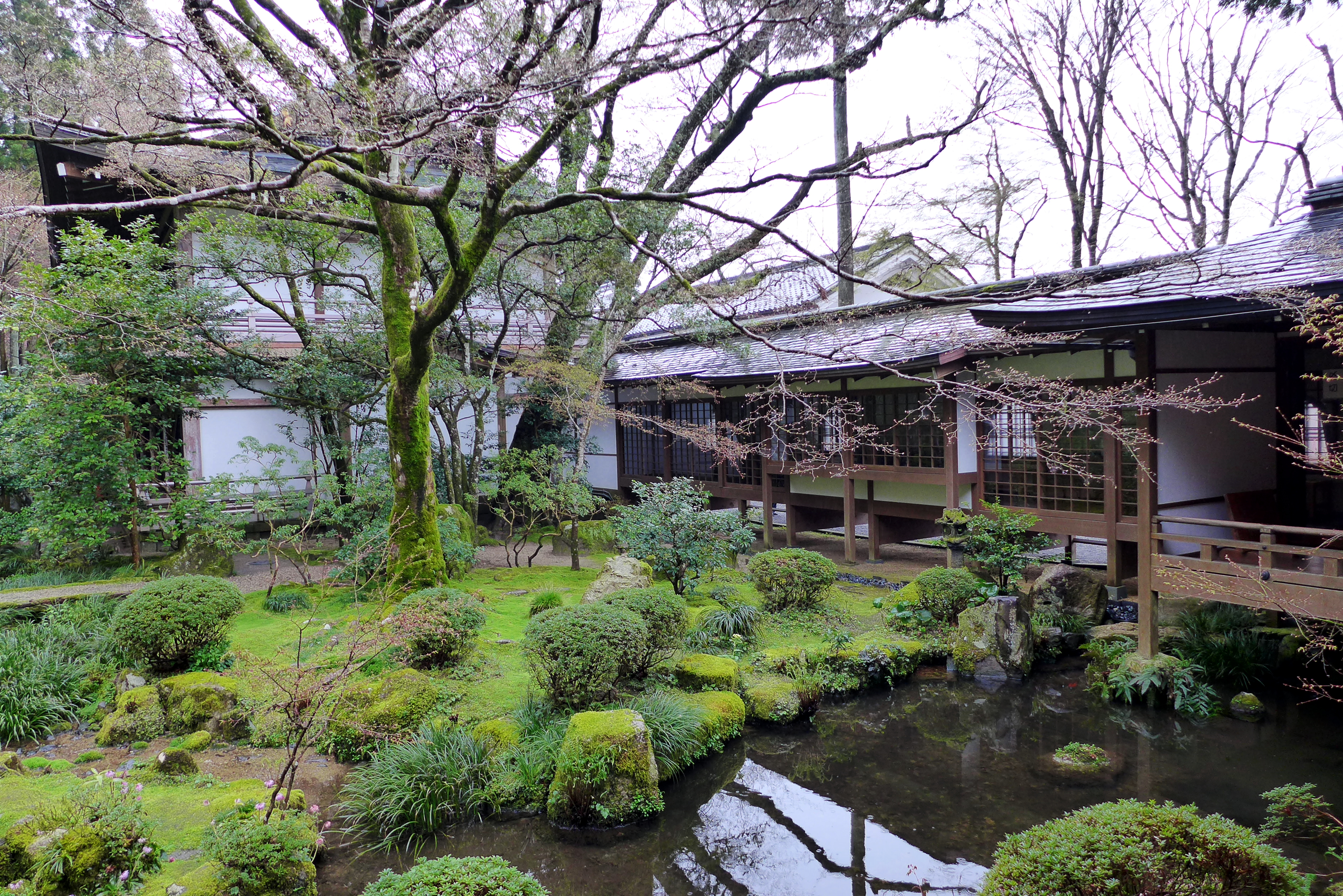
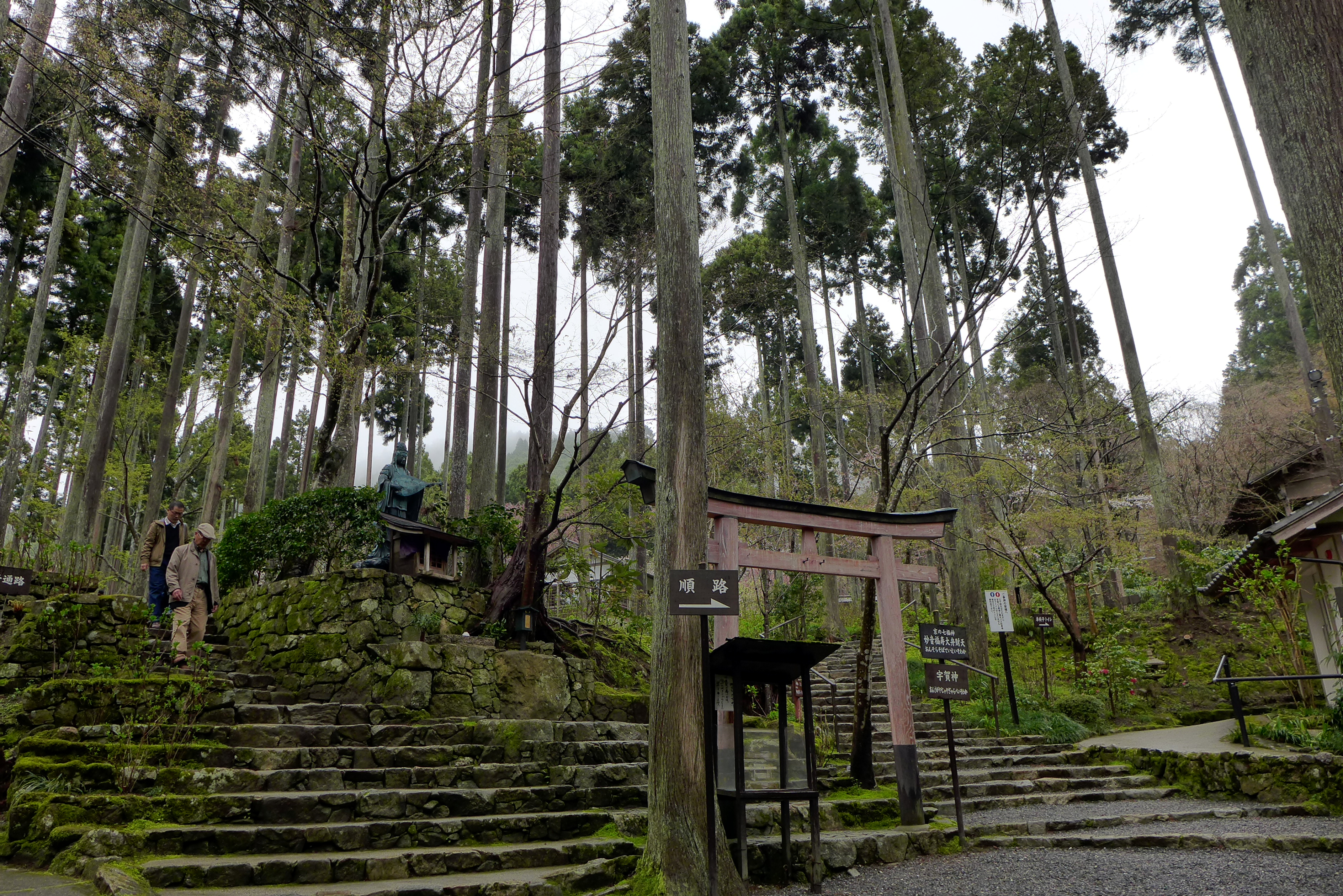
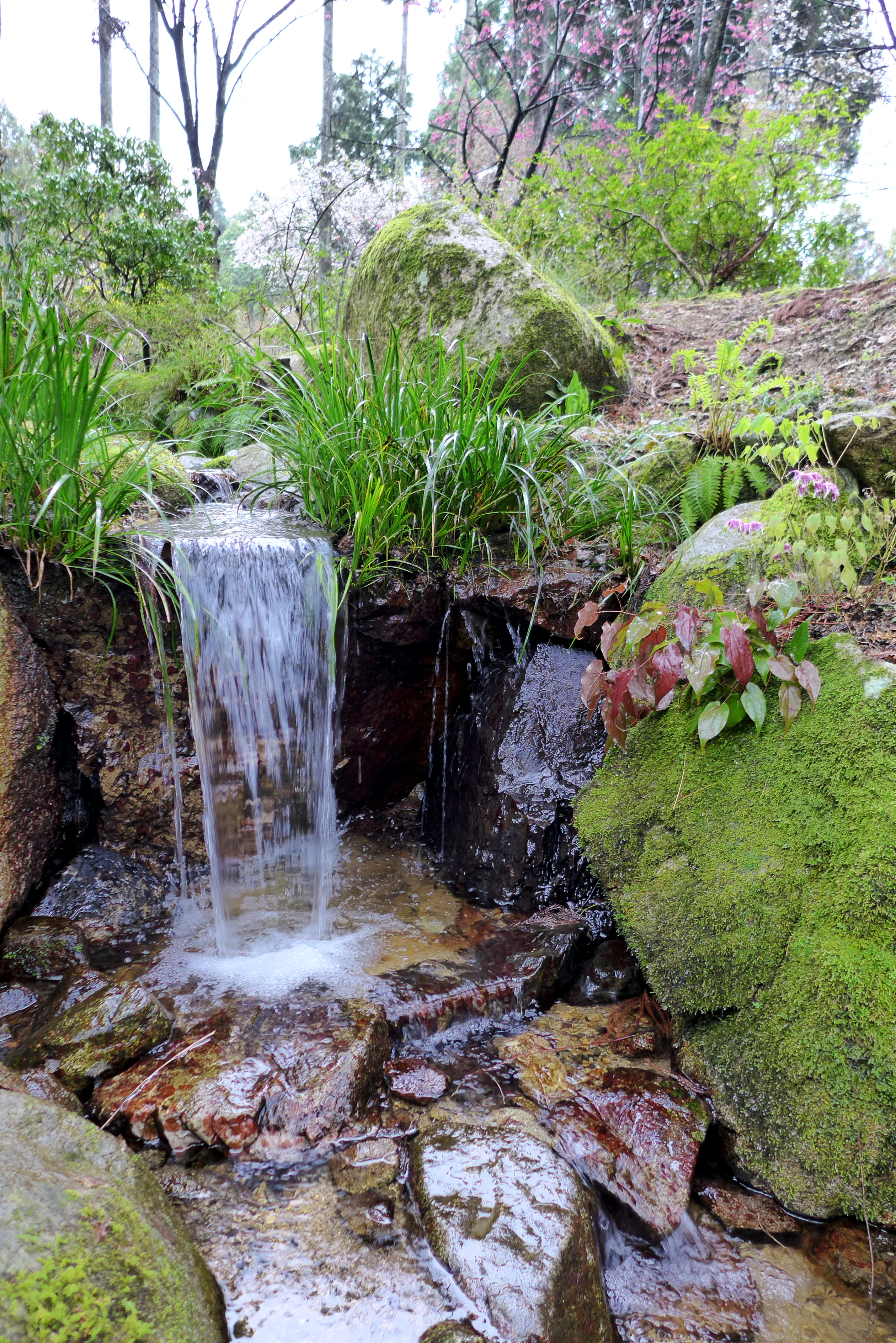
We started by exploring the halls of the first building before emerging into a beautiful moss garden with paths winding up the mountain to the other halls. The oldest hall sits in the centre of the complex. Founded in 985 this structure, Ojo Gokuraku-in, was rebuilt in 1143 and remains standing to this day (a near-miracle for Kyoto standards).
P1070564 P1070560 P1070559 P1070557 P1070553 P1070552

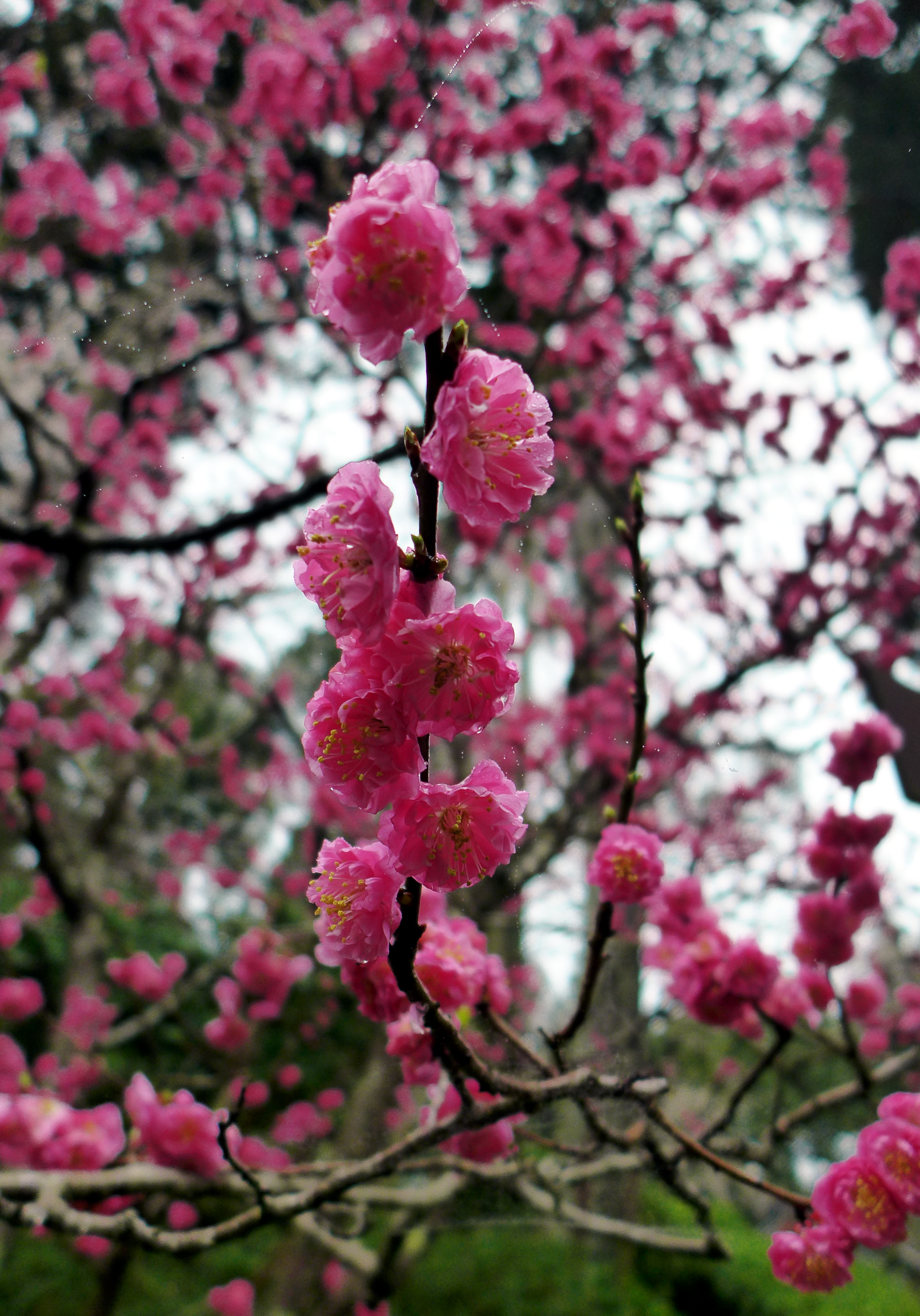
Ohara is known as somewhere noblemen would go in order to peacefully study Buddhism out of the political intrigue and bustle of the city. It was to Sanzen-in that the second son of the Emperor Montoku (826 – 858) travelled in order to practice Buddhism. This became a tradition and Sanzen-in has had several members of the imperial family as head priests, giving it the special title of Monzeki 門跡.

P1070550 P1070541P1070539 P1070535 P1070532

Half way up the hill was a small tea-house run by a couple of nice ladies, that was giving out tea for free. I had a rather interesting salty tea and a very nice sweet tea, both of which containing gold leaf. I bought a packet of the sweet green tea.

P1070538 P1070530 P1070529 P1070526P1070540

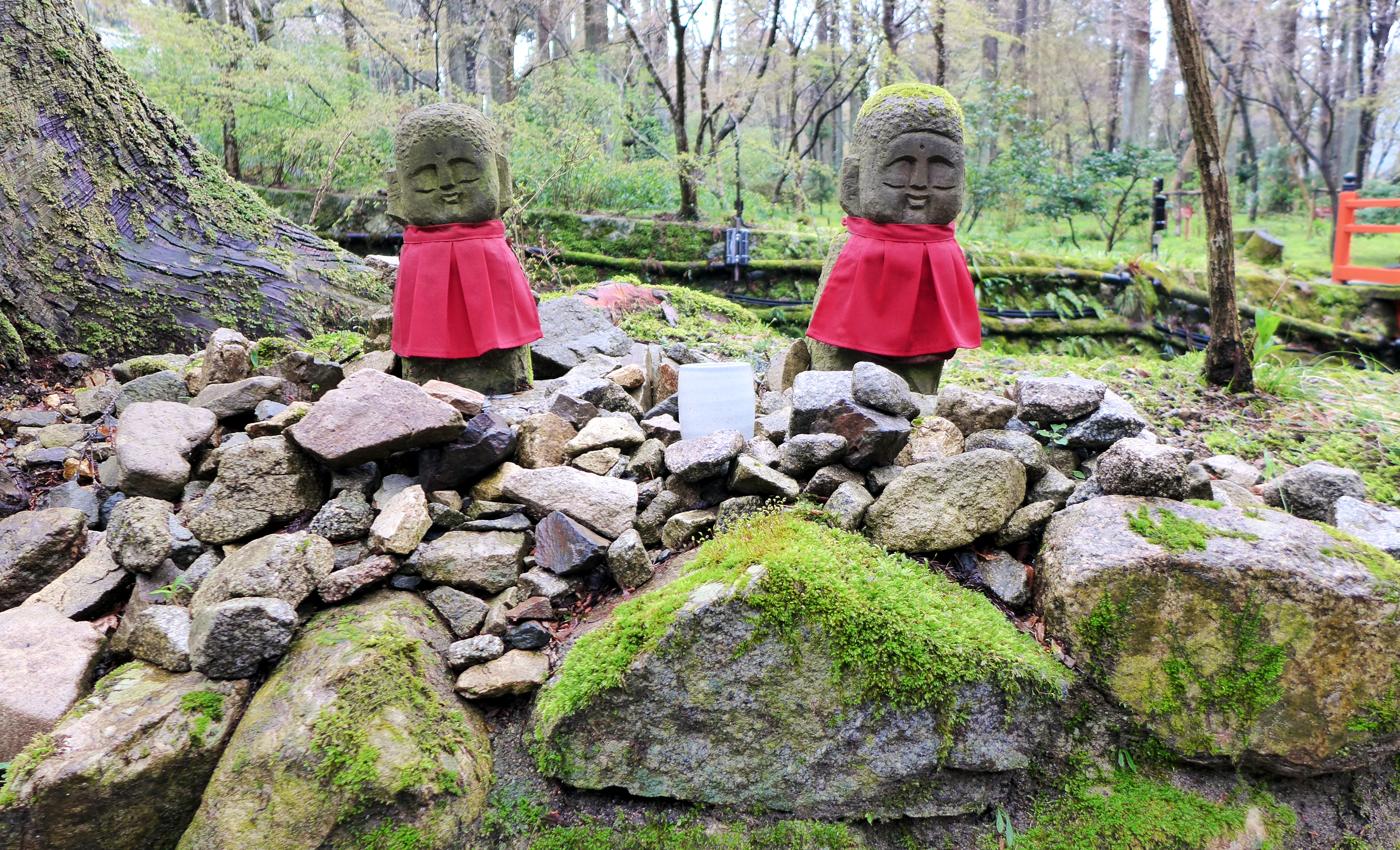
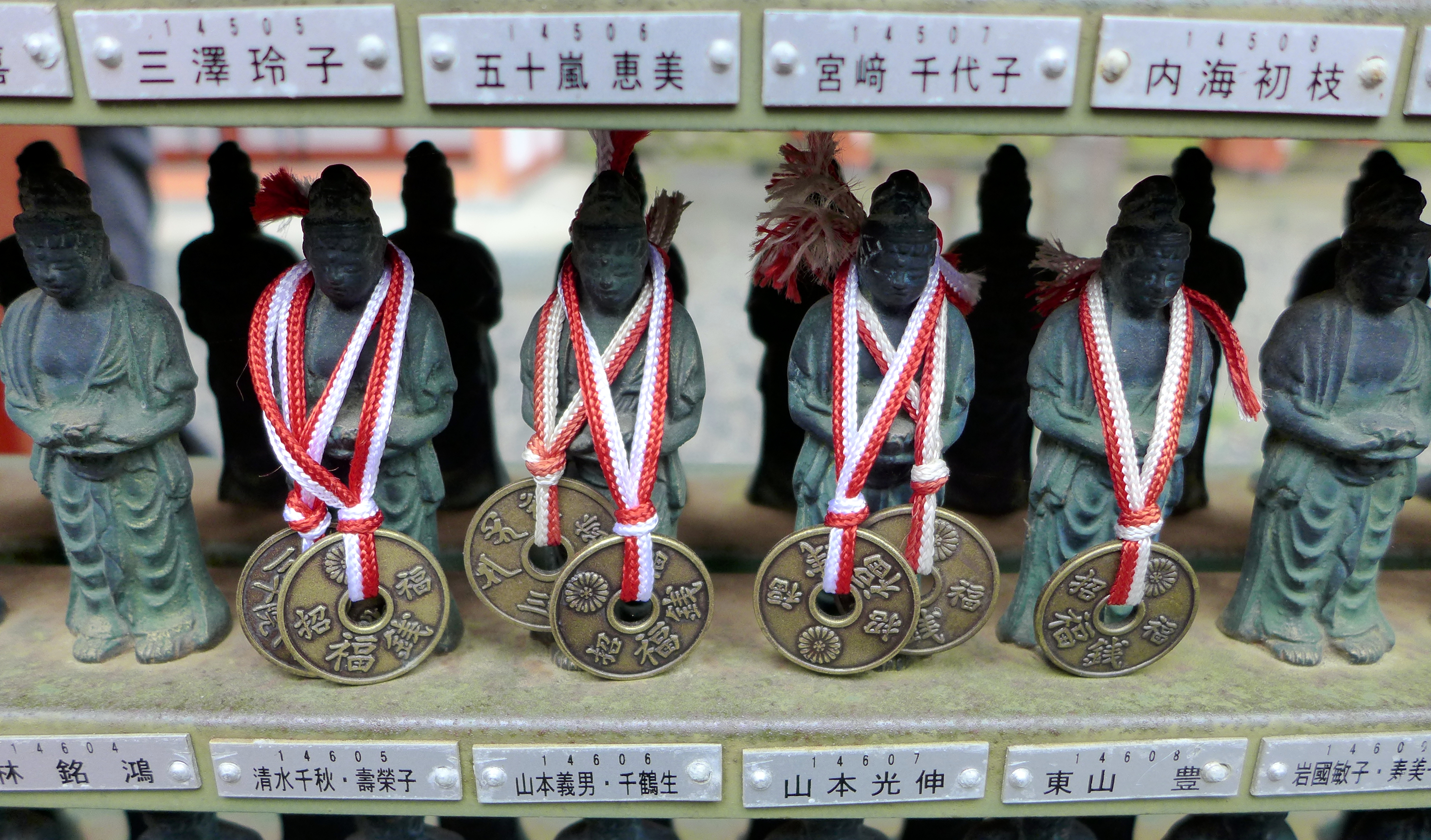
At the top of the temple there were racks of small figurines of Kannon, goddess of mercy, that had been donated by worshippers. I think that this is in order to gain good Karma or attain steps towards enlightenment. Some people had added extra charms to their statues, I assume in order to improve their luck.

P1070548 P1070543x P1070545 P1070546 P1070547P1070542

Sanzen-in is a great place to visit all year round, especially with the leaves falling in the Autumn. I would also recommend going in the off-season for a nice tranquil adventure around a large temple garden with several beautiful buildings. Entrance costs 700円 (£3.70).

P1070520 P1070685 P1070500 P1070506 P1070509 P1070510 P1070513 P1070515 P1070517

The second temple I want to talk about is the third that we visited. Hosen’in 宝泉院, was founded in 1012 and is home to a number of interesting features. Entering the temple you notice the large pine opposite the gate which is shaped a bit like Mt Fuji. This tree is over 600 years old. In addition there is another 300 year old tree in the temple gardens.

P1070643 P1070644 P1070645 P1070648

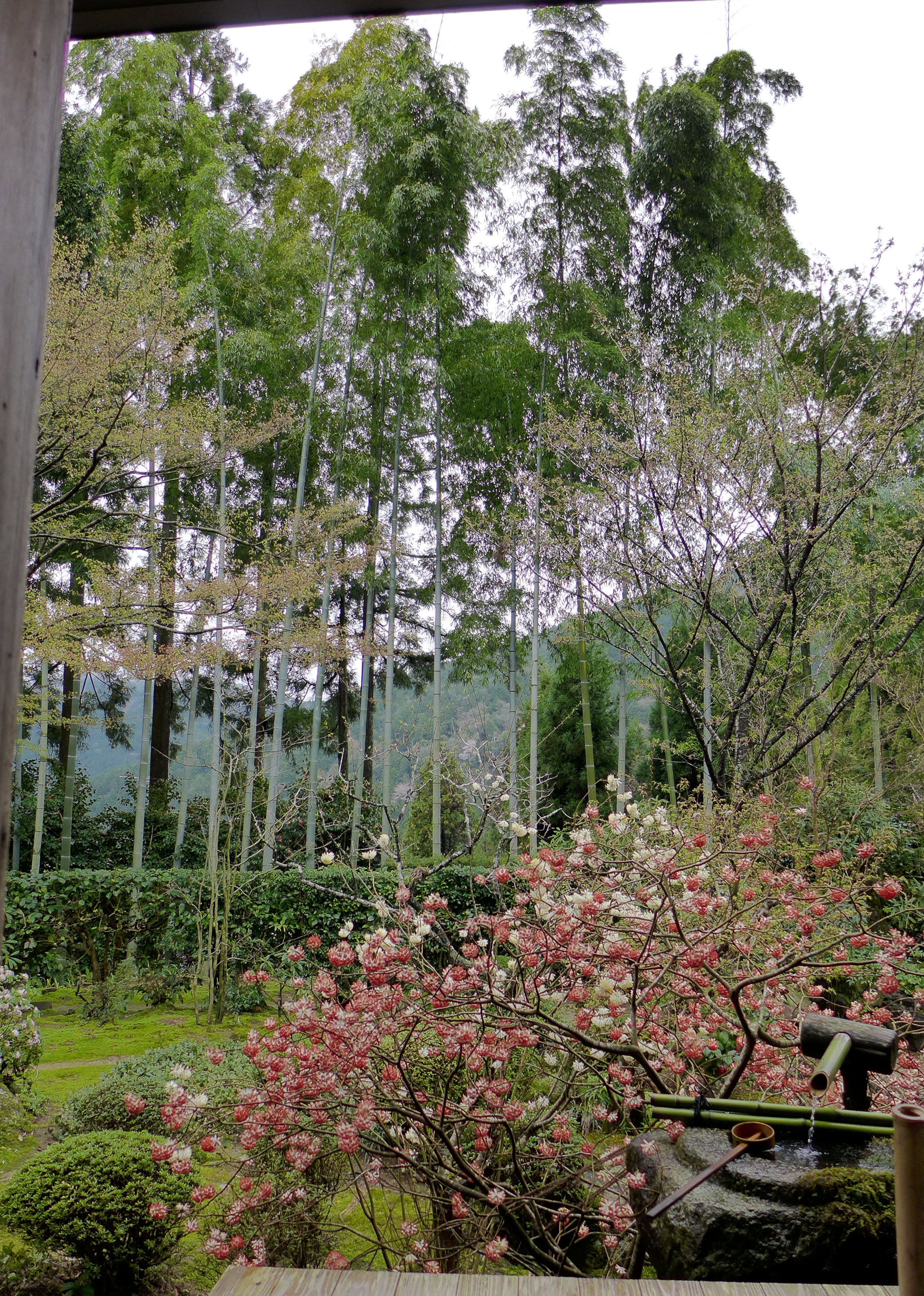
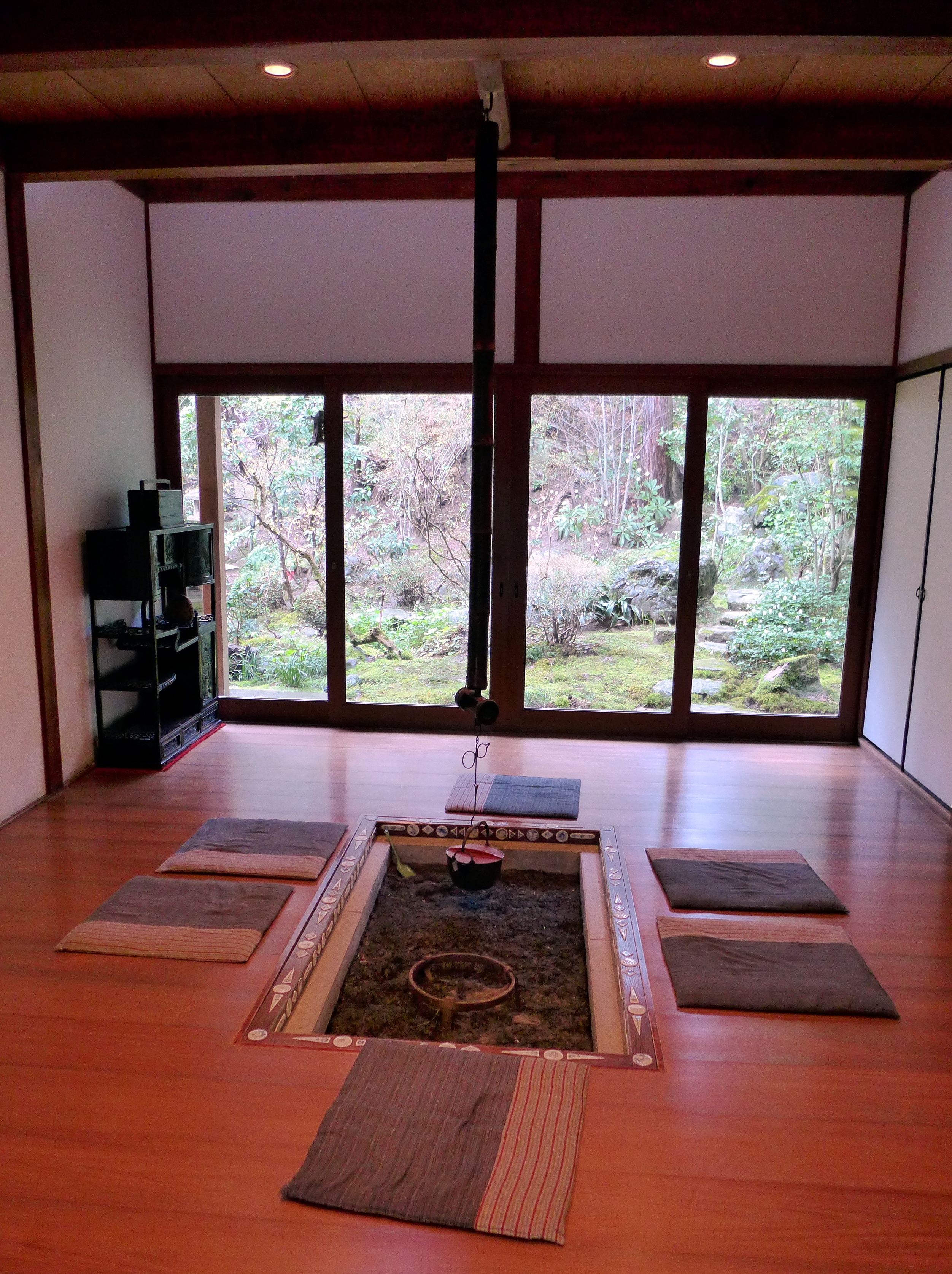
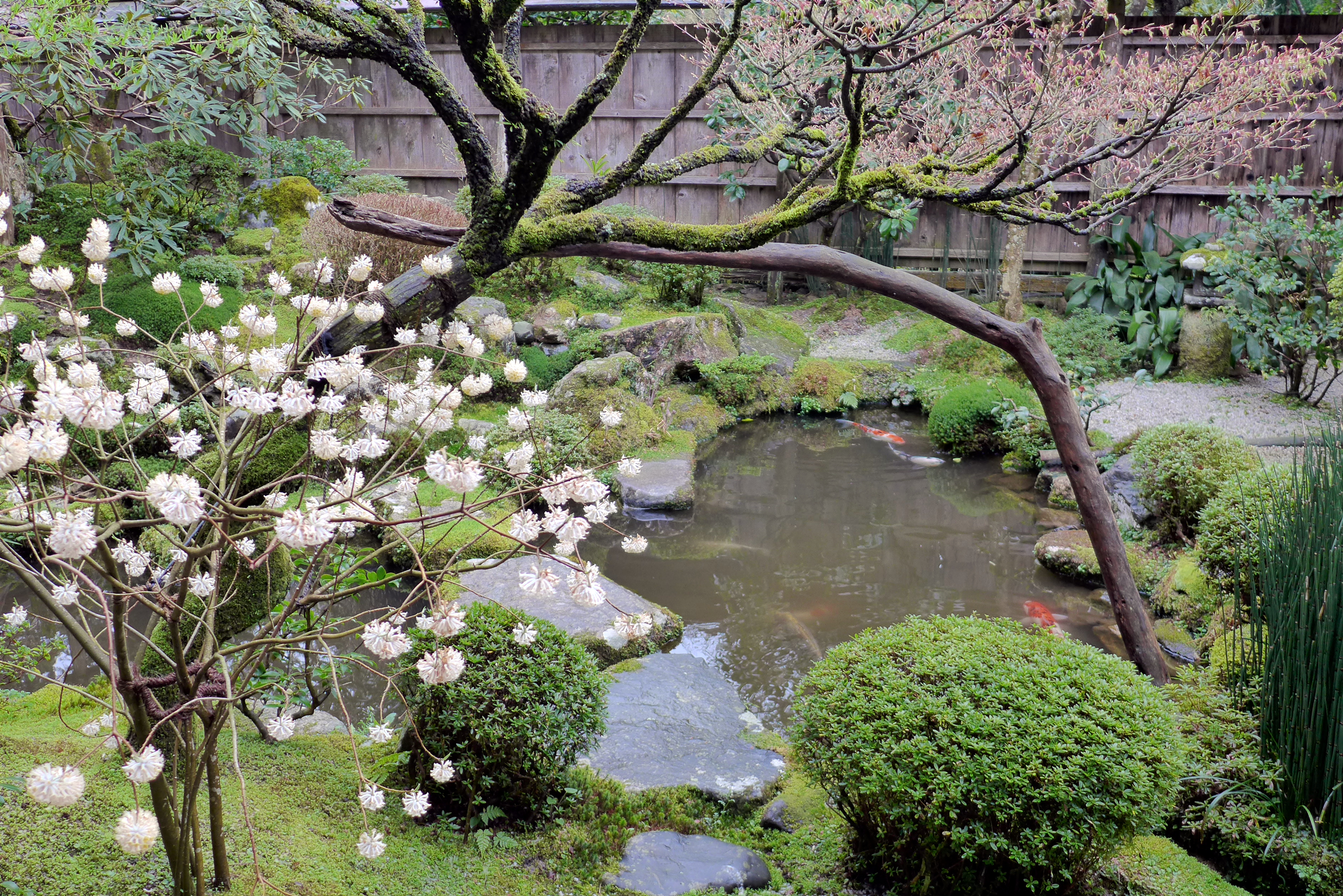
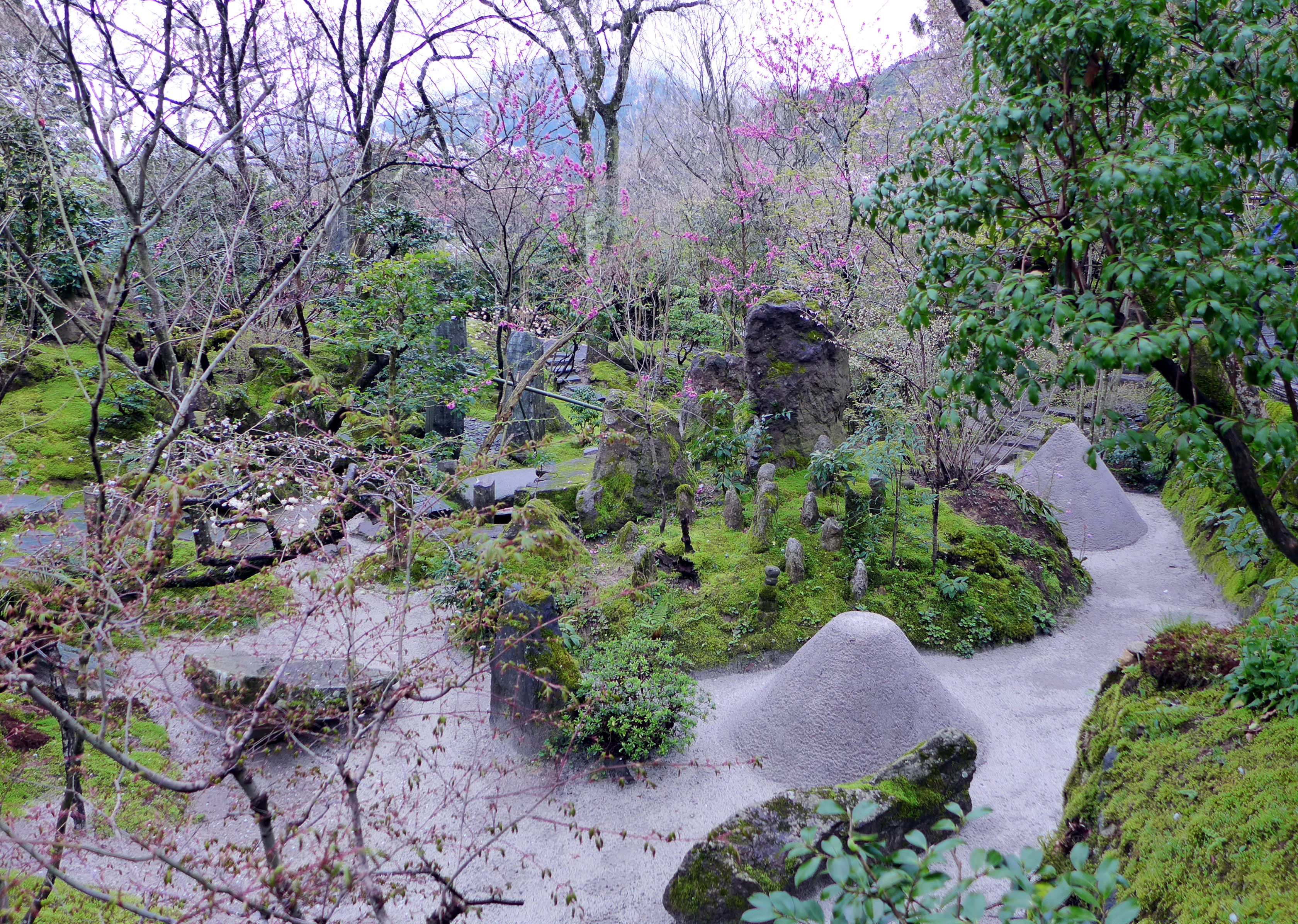
The gardens are famous for their ‘picture’ style – you can sit inside the temple looking out at the gardens and the surrounding wooden temple structure makes you feel like you are looking at a painting. There were many people sitting in the temple enjoying the grounds, as well as a nice monk who was explaining the features of the temple to visitors.
P1070649 P1070651 P1070655P1080920

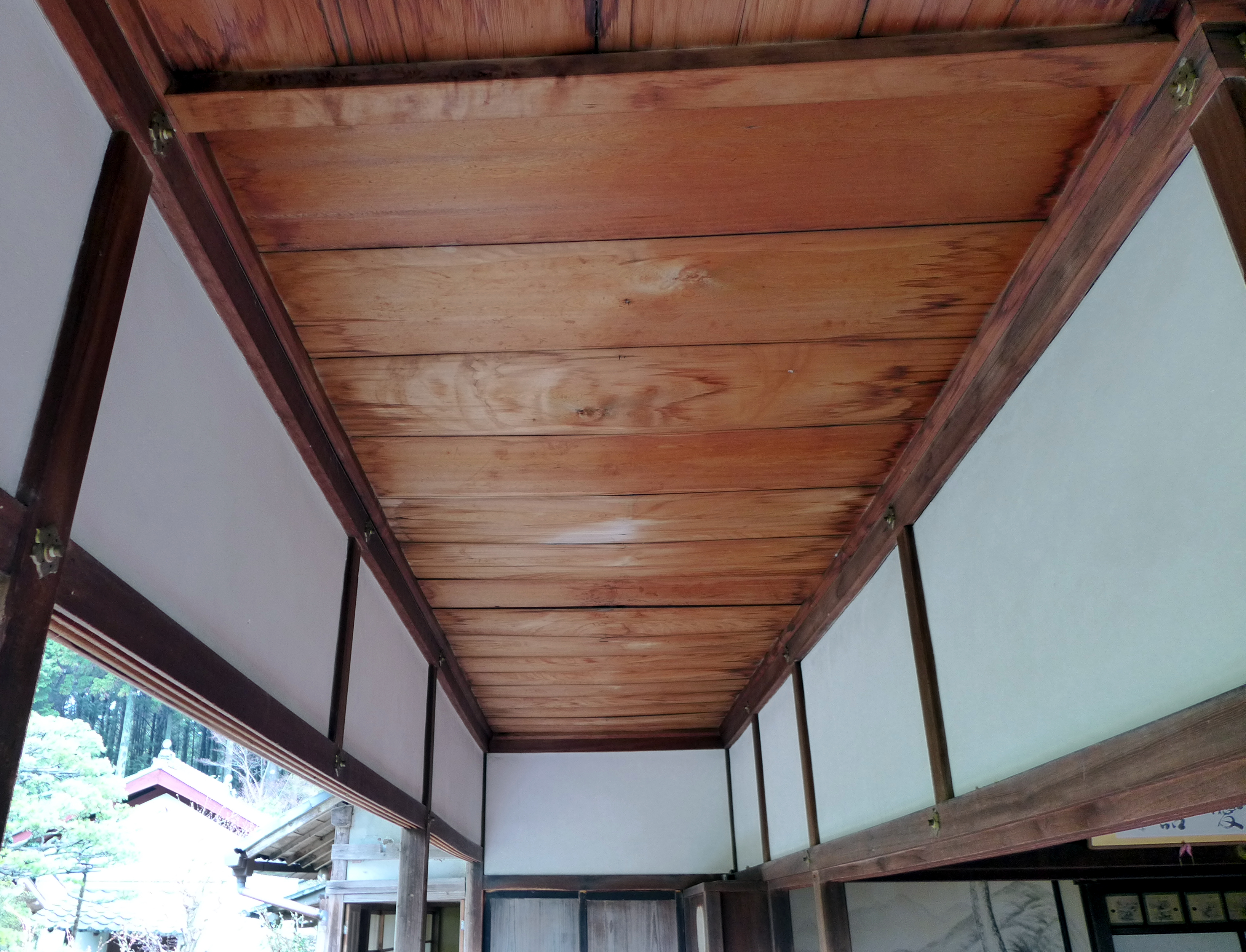
This temple is known for its feature of chi-tenjo 血天井, literally ‘bloody ceiling’. Above the area where people sit to look at the tranquil gardens is a ceiling with a much less peaceful history. The boards of the ceiling originally belonged to the floor of Fushimi castle. This castle was built in 1592 as a retirement palace for Toyotomi Hideyoshi, however, when his regime fell it was commandeered by Torii Mototada, a vassal of the rapidly rising Tokugawa clan. In order to secure the shogunate, it was vital that the Tokugawa clan defeat its rivals, and it was rumoured that a force of 40,000 would be descending on their castles near Kyoto, with Fushimi castle first in line for attack. Mototada promised to sacrifice himself for the good of the Tokugawa clan.
P1070662 P1070664 P1070678 P1070680

It is said that they held out the castle for ten days against the besieging forces, with a garrison of 2,000. During the siege an arrow with a message tied to it was fired into the castle. The message addressed one of the defenders, informing them that the attackers held his wife and child and that they would be crucified unless he betrayed his people. Soon after a fire was set within the castle, but the defenders fought on until there were only ten of them remaining. Seeing that they could not hold the castle much longer, Mototada and his men committed seppuku, ritual slitting of the belly, so as to die honourable deaths. In holding the castle for so long they had given the Tokugawa time to gather their troops, securing victories that led to the Tokugawa shogunate, which lasted over 150 years.

P1070667P1070669 P1070670 P1070673 P1070675

The ceilings of several temples in Kyoto used the bloodied planks from the castle in order to commemorate these men and their embodiment of samurai spirit. A grim story, but still very  interesting. The blood was not very visible on this particular ceiling but I think I could see some.

P1070682P1070681P1070658P1070668

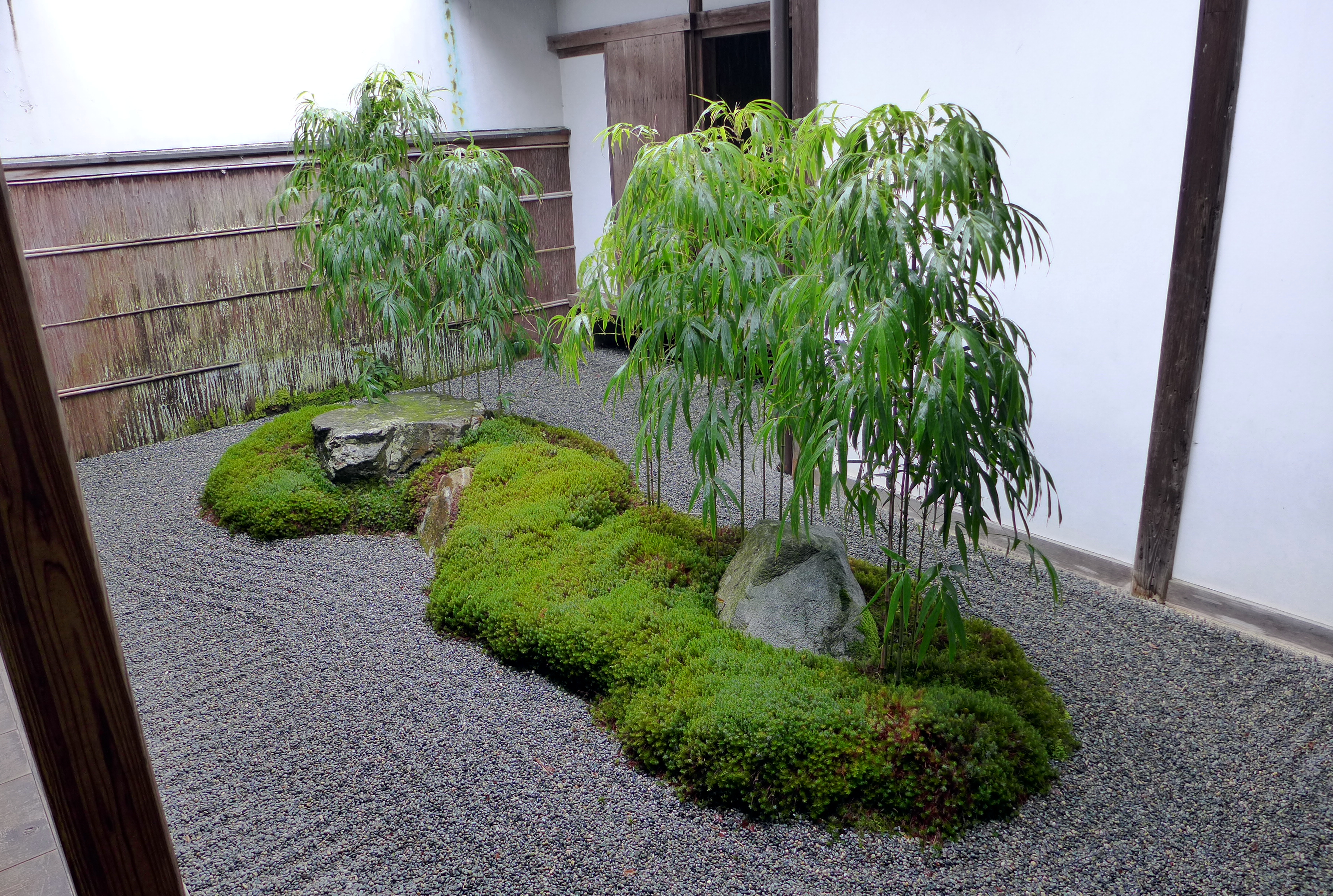
I would recommend visiting Hosen’in if you find yourself in Ohara – it has several really interesting features and is a tranquil, relaxing temple. The zen-style gardens around the side of the temple were also beautiful. Next time I will talk about the other three temples I visited in Ohara.

奈良 Deer of the Divine

It took me 6 months, but I eventually did the thing that everyone does in their one week of visiting Kyoto – I visited Nara. Nara is an ancient capital of Japan, preceding Kyoto as the imperial capital, and it gives its name to the Nara period (710 – 794). The Nara period can be characterised as the time of ‘Buddhism-fever’ among the elite in Japan, and both the rise and fall of Nara as a capital can be attributed to this ‘fever’. We visited a few different parts of Nara so this will be a multi-part post so that it doesn’t get too long. While the Buddhist aspect is interesting I actually want to start with the most obvious thing about Nara when you visit: the deer.
P1070414 P1070361 P1070377

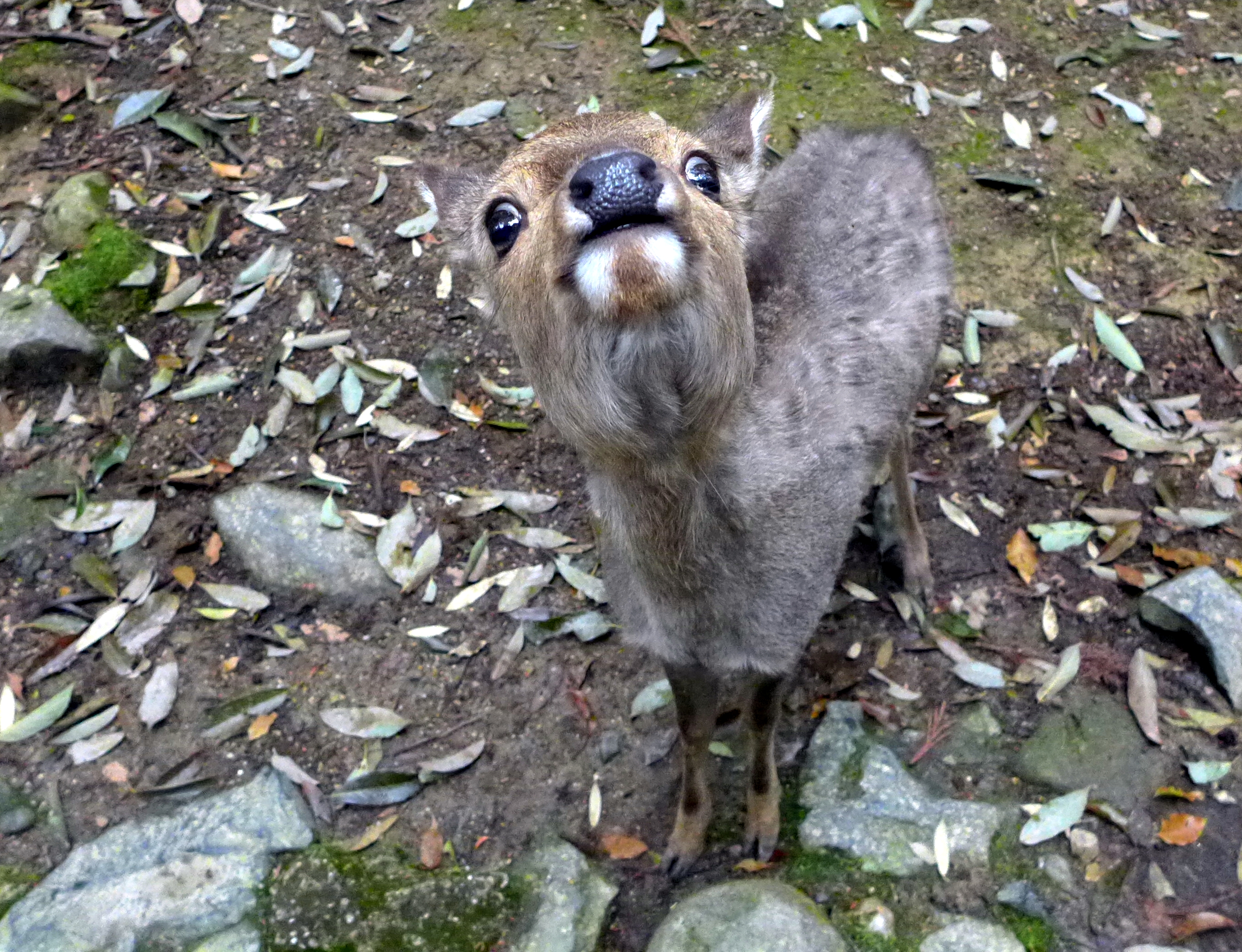
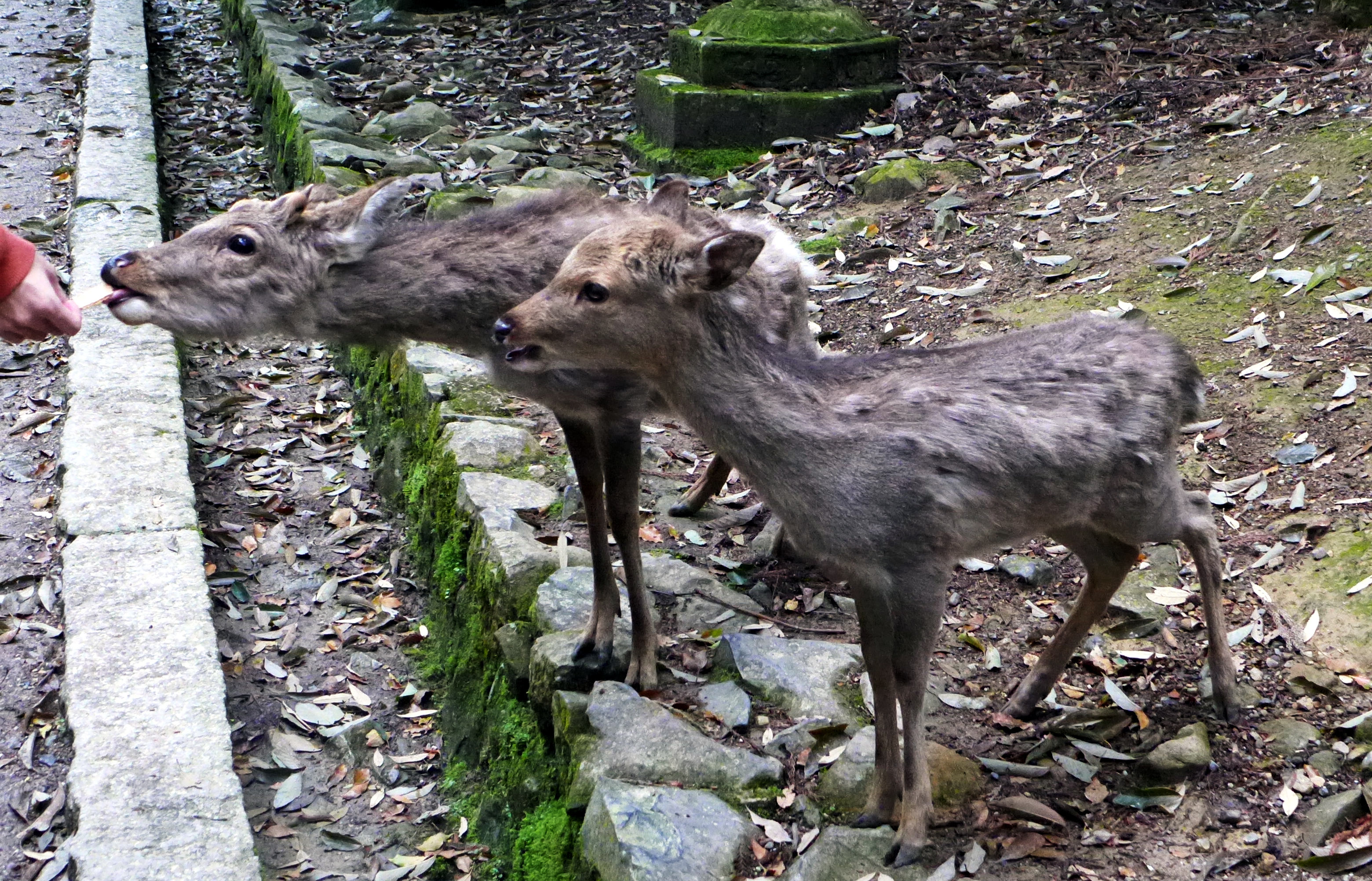
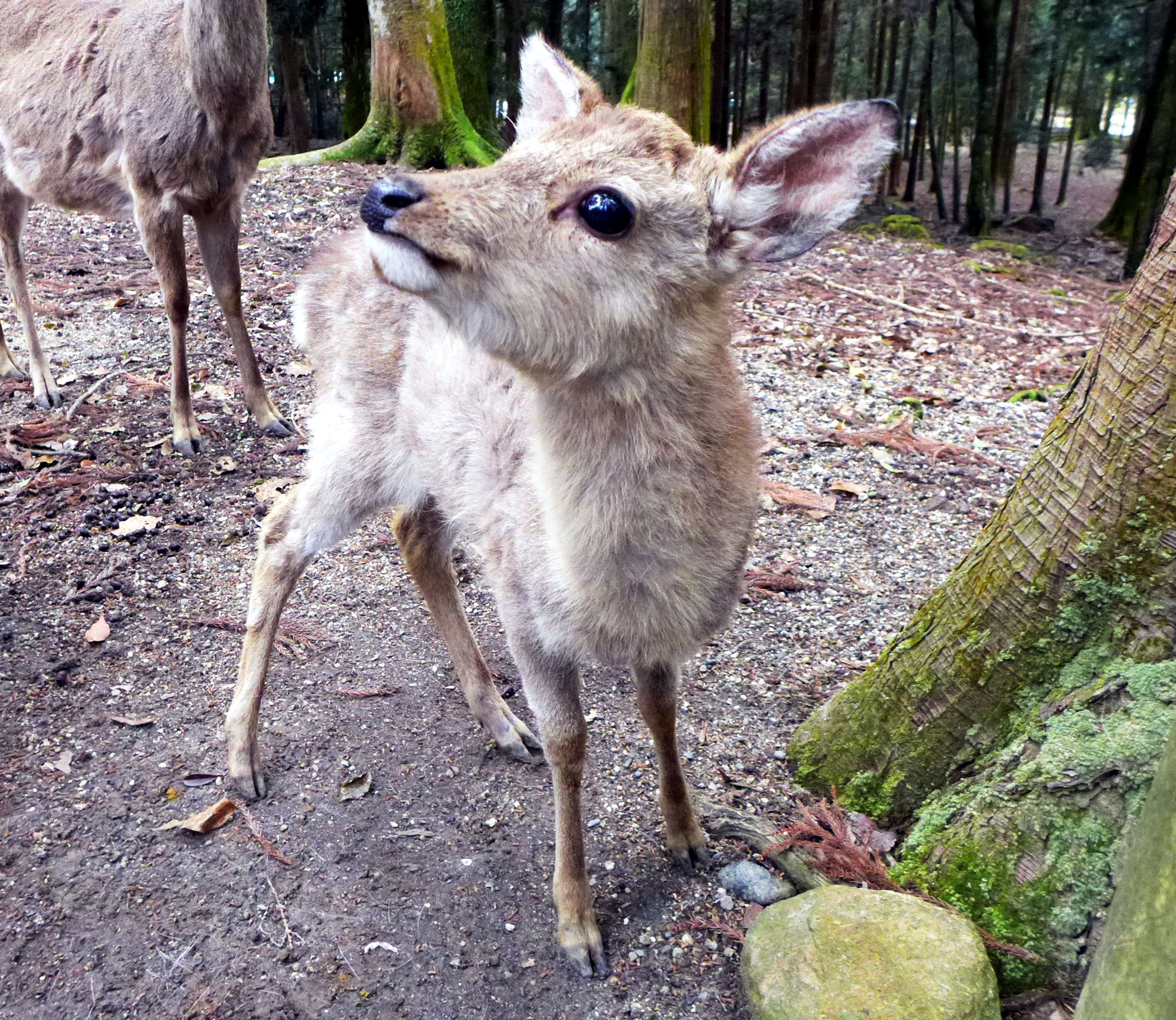
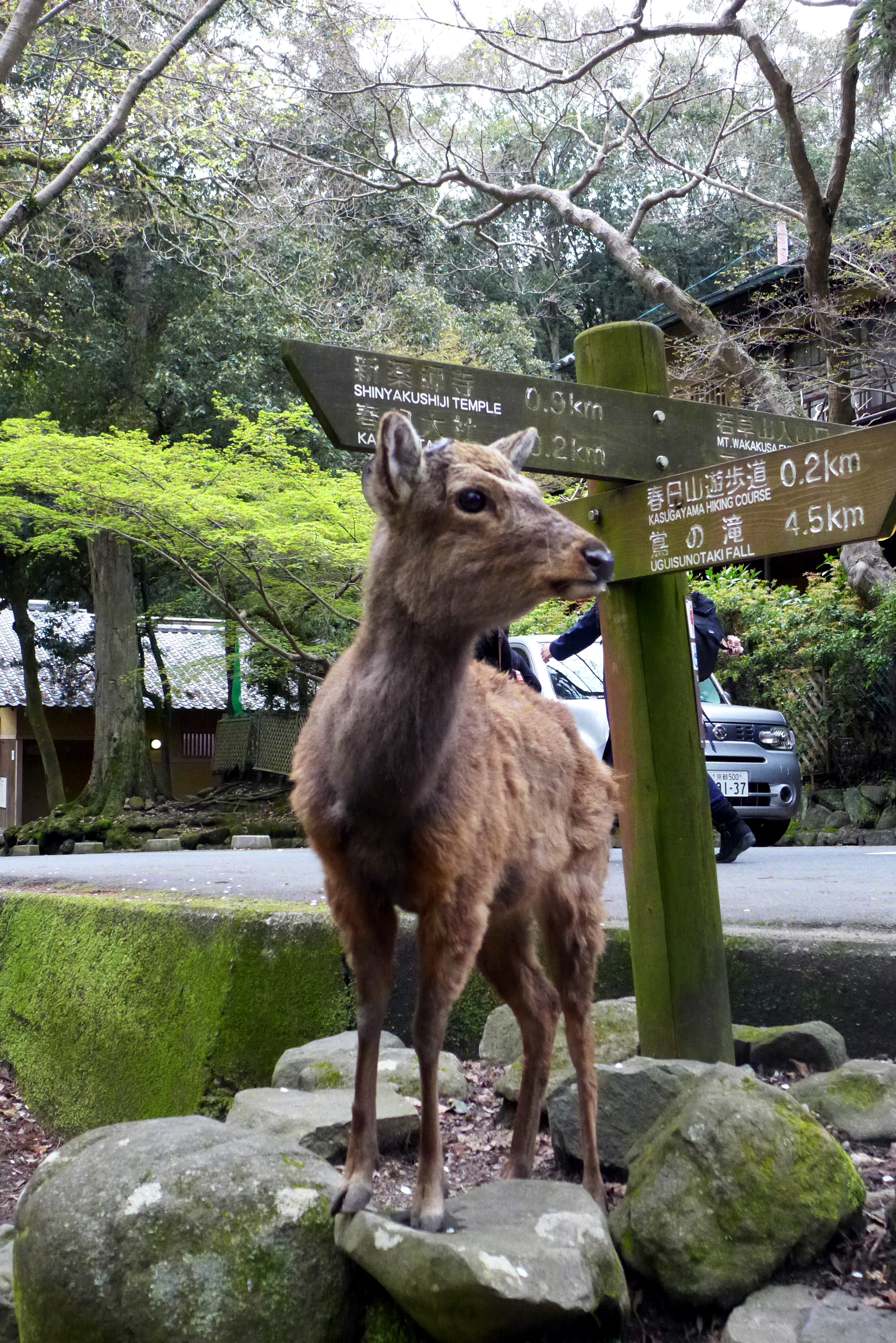
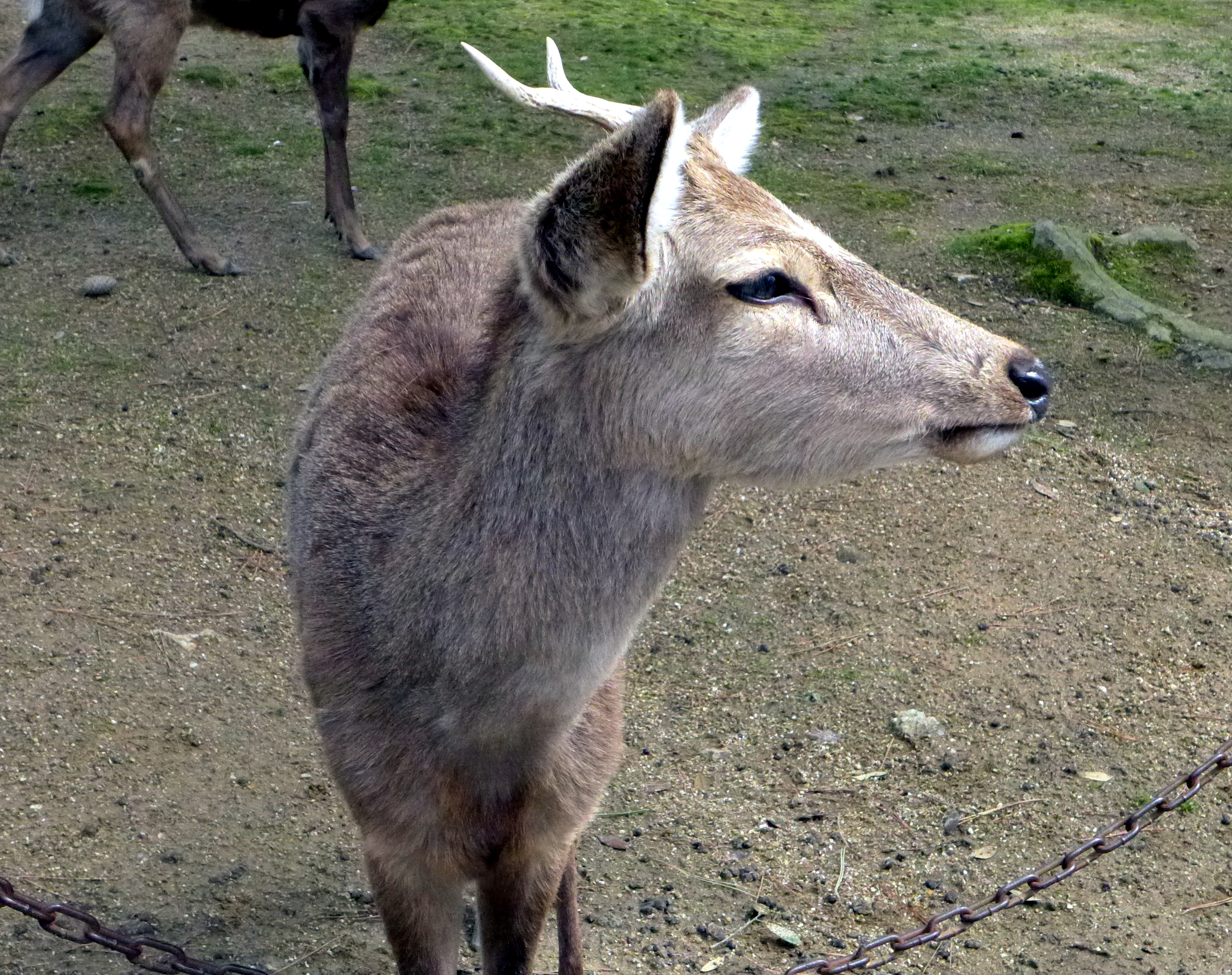
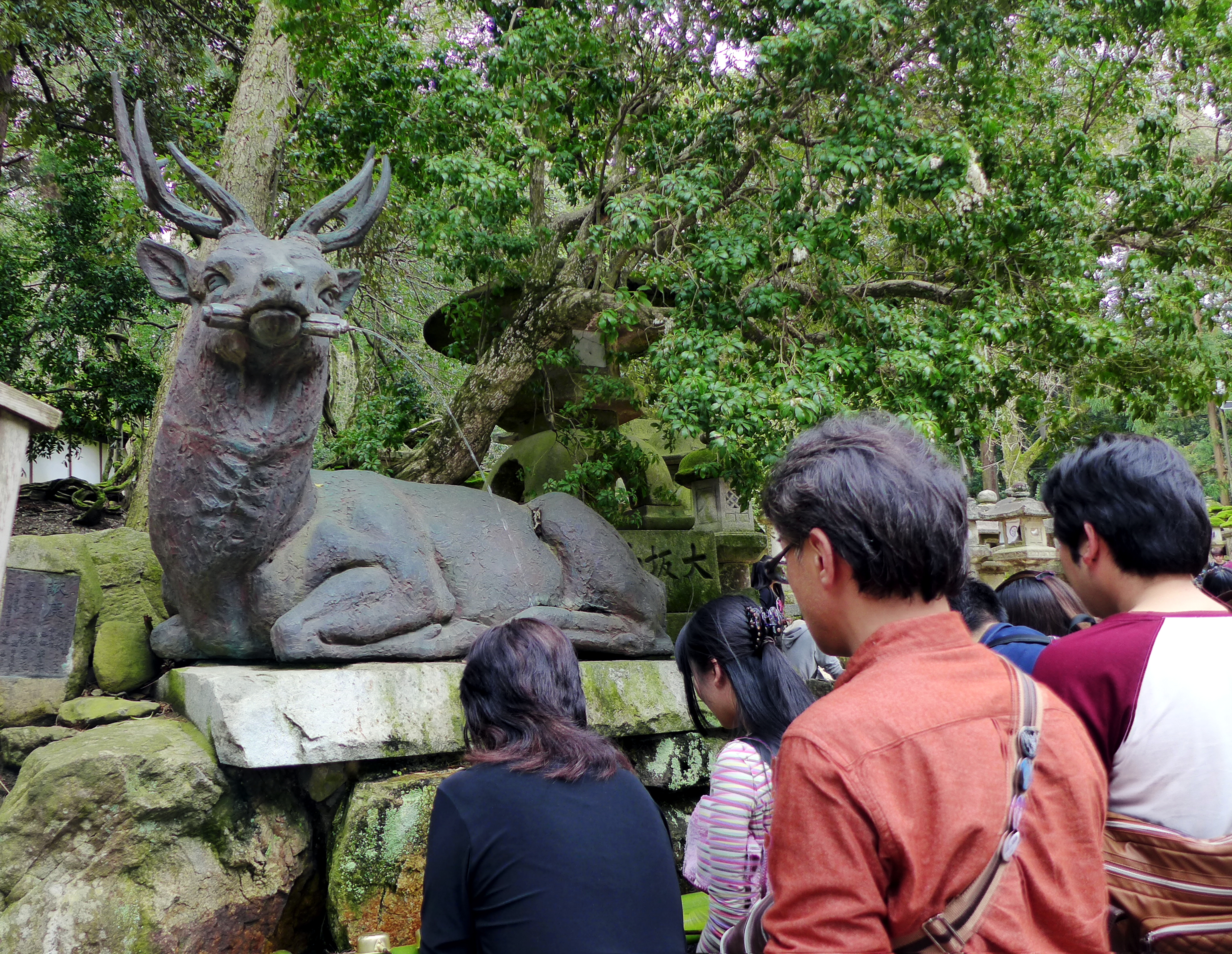
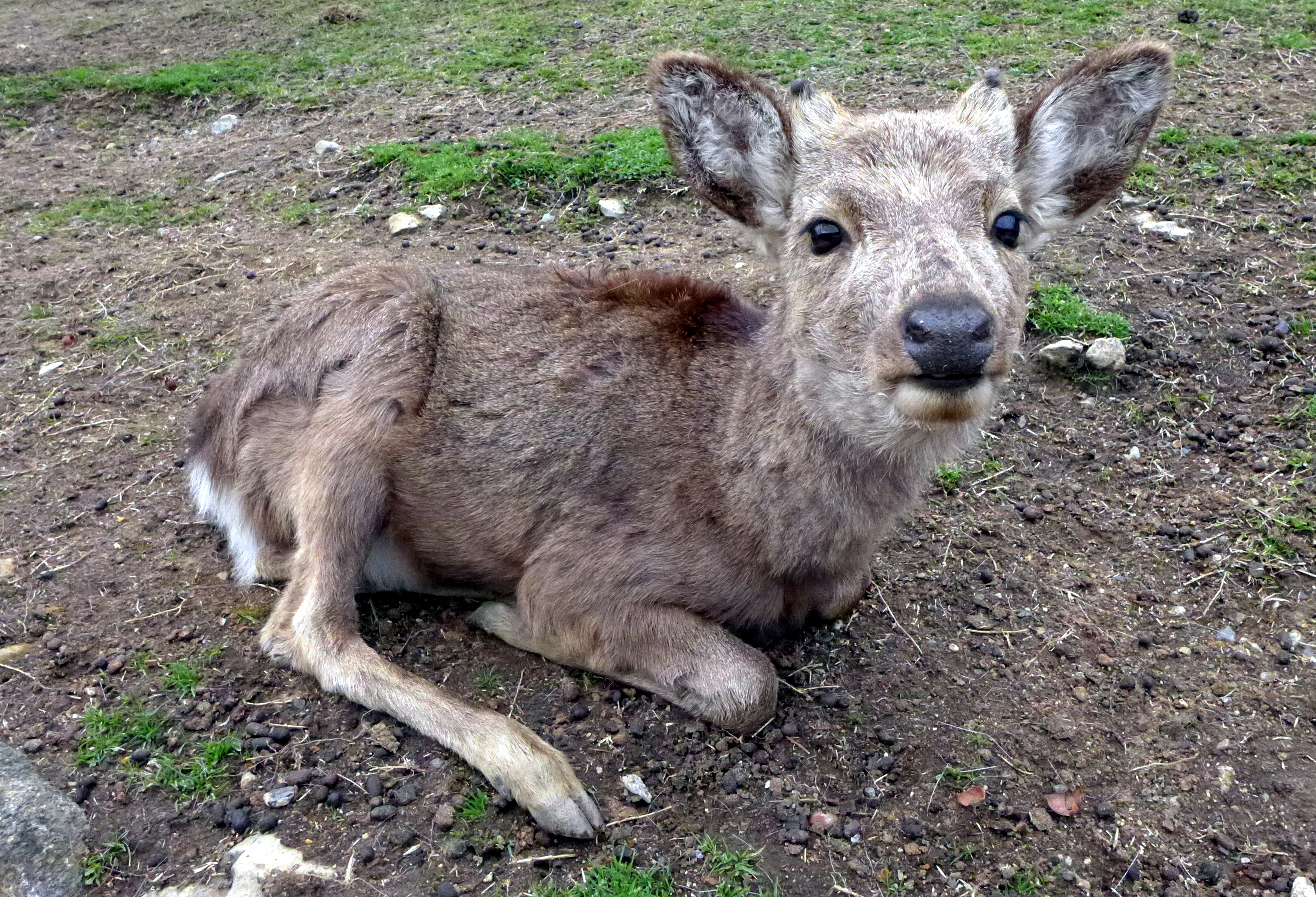
Leaving the train station and walking up a short way, you instantly come across the deer just wandering around. There is no fence to stop them from going on the road or any official ‘deer-limit’, they can do what they want. There were several small stalls run by old ladies selling ‘deer biscuits’ for around 200円 for 15 biscuits. The deer love the biscuits and don’t love you; if you don’t have biscuits then they won’t come near you. If they feel  you’re withholding biscuits that they know you have, they’ll pull at your clothes with their mouths. The best thing about the deer is that they have been taught to bow; if you hold your biscuit up and nod the deer will bow back at you, hoping you’ll then give him a biscuit and stop making him do stupid tricks.

P1070373P1070496P1070431 P1070438 P1070449

I was actually very allergic to the deer, which shouldn’t have been a surprise as I am allergic to horses, cats, and most things with fur. Even so, I stupidly forgot to bring allergy medicine so I had the joy of hunting down a 薬屋 Kusuri-ya (like a pharmacy but over the counter drugs only, prescription shops are separate). We eventually found one and I got given some really weak pills; normally piriton or piriteze from the UK would clear me up within 20 minutes whereas with this medicine, even though I took 4 tablets, did basically nothing. I ended up taking double the dose recommended (Japanese dosage seems to assume everyone is a small child) and eventually felt better and able to enjoy my day. If you are allergic to animals, bring allergy medicine to Japan, do not rely on Japanese medicine.

P1070442 P1070360P1070428

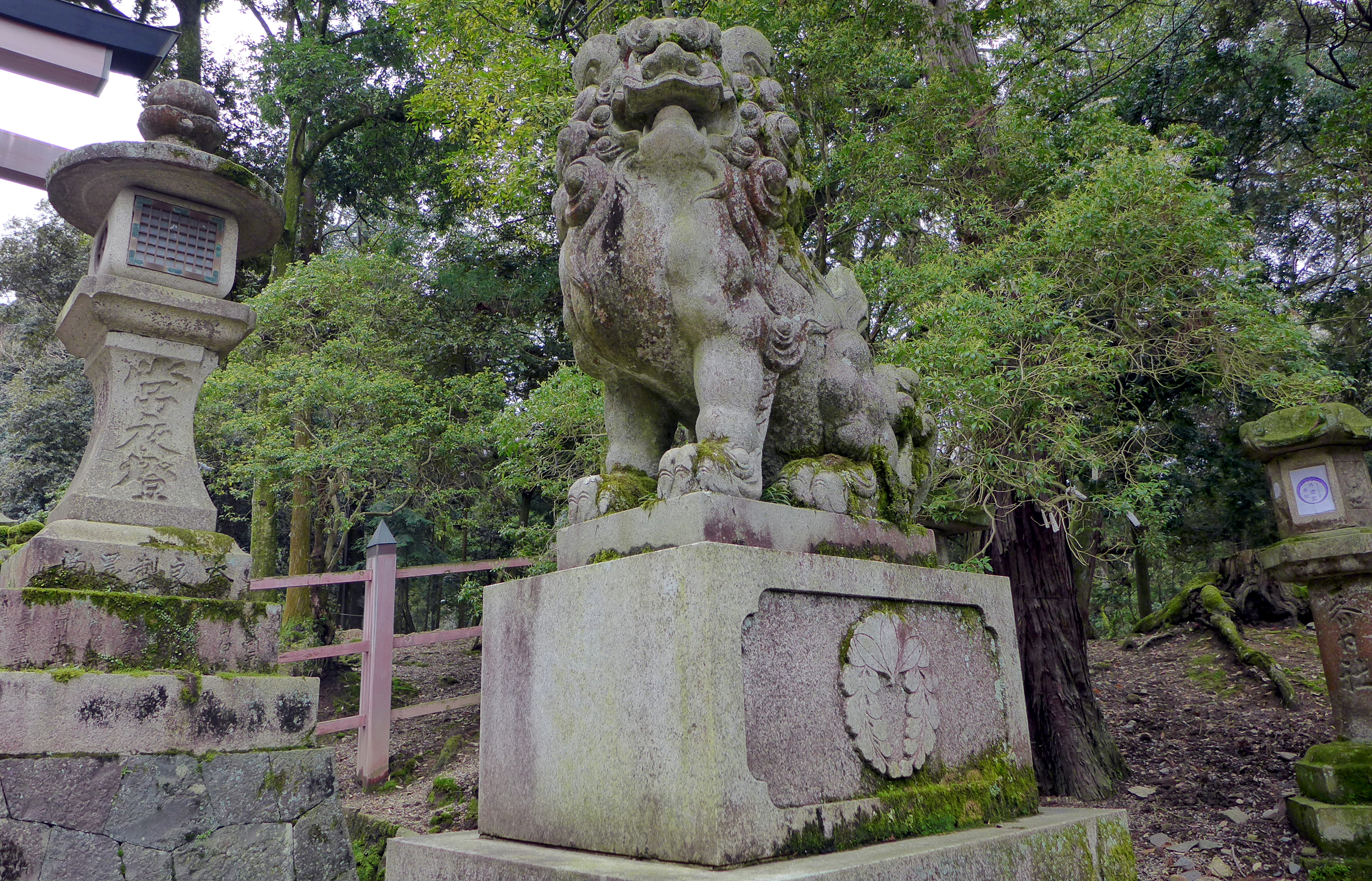
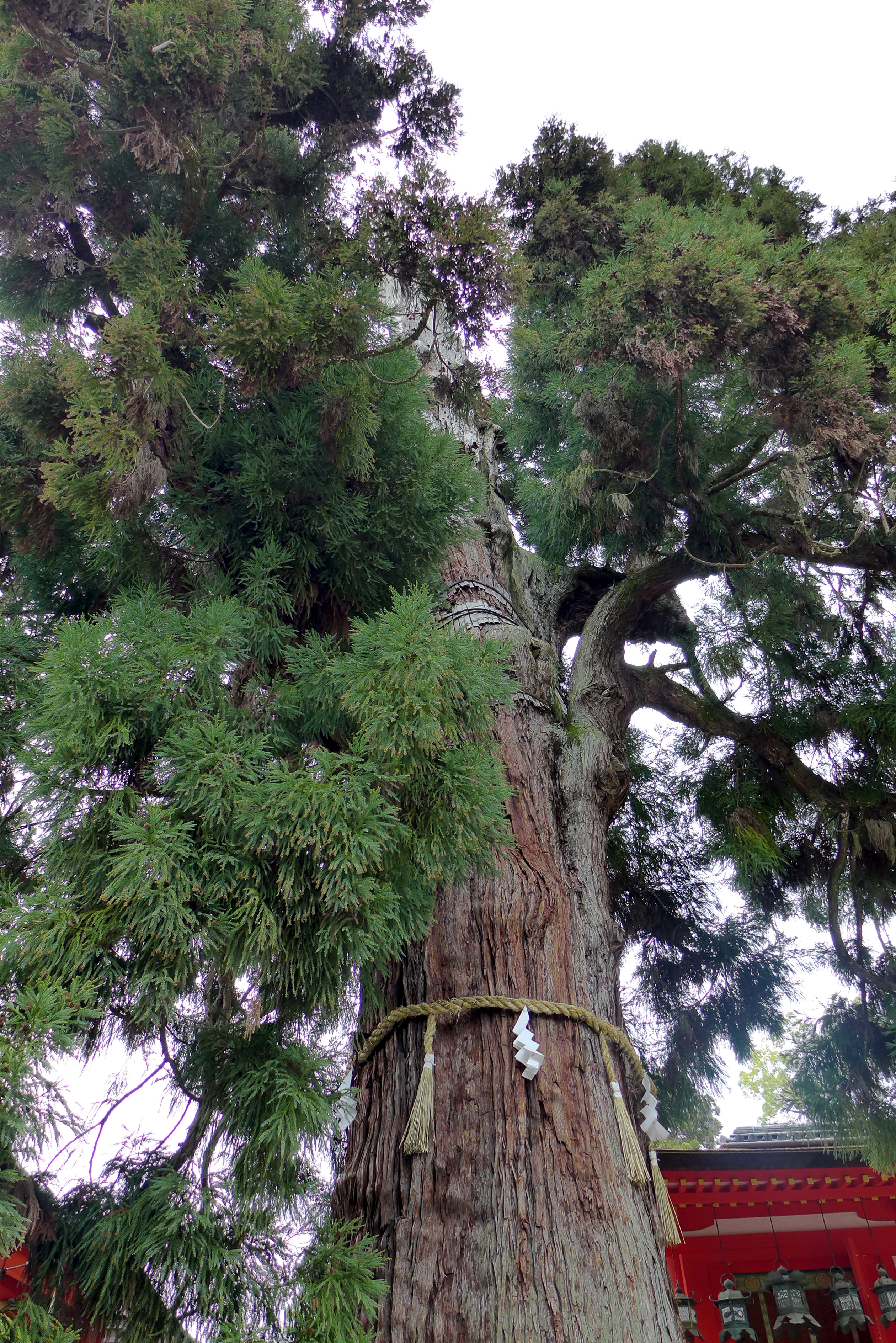
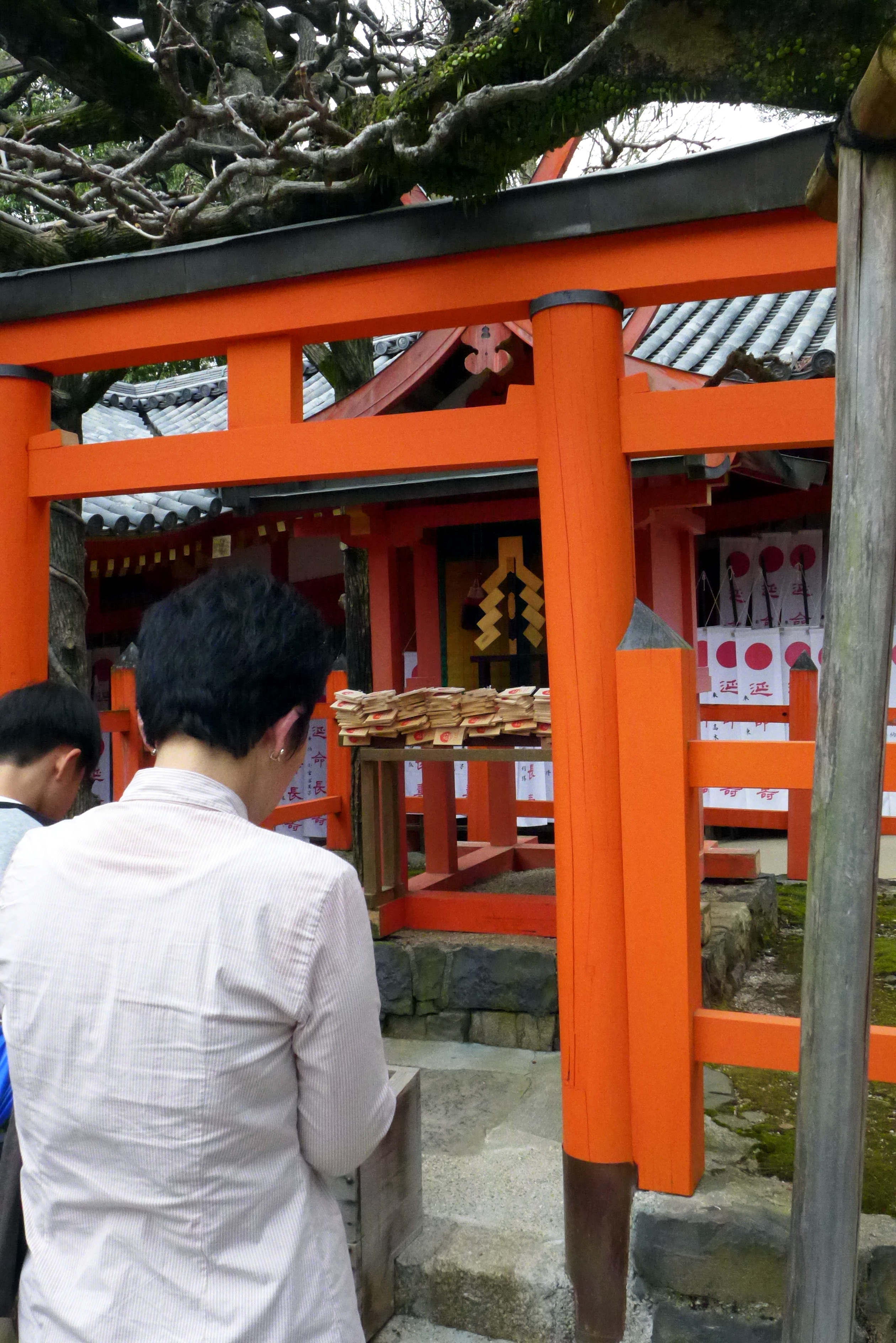
The deer of Nara have been worshipped as divine messengers of the gods for centuries, if not a millennium. The reason for this sacred nature ties into one of Nara’s main sites, Kasuga Shrine. The Kasuga Great Shrine, 春日大社 Kasuga-taisha, is the family temple of the powerful Fujiwara clan 藤原. Founded by the Fujiwara family in 768, it is said that one of the enshrined deities, Takemikazuchi-no-mikoto, appeared on Mikasa mountain riding a white deer. Since then the deer of Nara have been considered sacred servants of the gods, and until 1637 killing one of the deer was an offence punishable by death. Though they have lost their divine status post World War II, they remain a national treasure of Japan.

P1070364 P1070383 P1070385

The Fujiwara clan are well known for their influence and power in court throughout Japanese history. The Fujiwara had a tactic of marrying their daughters to the imperial family, producing crown prince grandchildren, which, upon ascending the Chrysanthemum Throne, would owe loyalty to their maternal grandfather. They made use of this system from the Nara period all they way through to the Meiji period, making the Fujiwara a more constant power than the Shogunates in Japanese history.

P1070378 P1070379 P1070381 P1070387

The deity that was seen riding the deer is an interesting character in himself. A god of thunder, he is credited with the first recorded sumo match in Japanese mythology; a hand to hand match against another god which he won. This god, Takemikazuchi-no-mikoto, is also credited with earthquakes, as his wrestling with a giant catfish causes tremors that shake the land. This was a theme in a lot of Edo period prints, such as the one below.

P1070389 P1070392 P1070393 P1070394

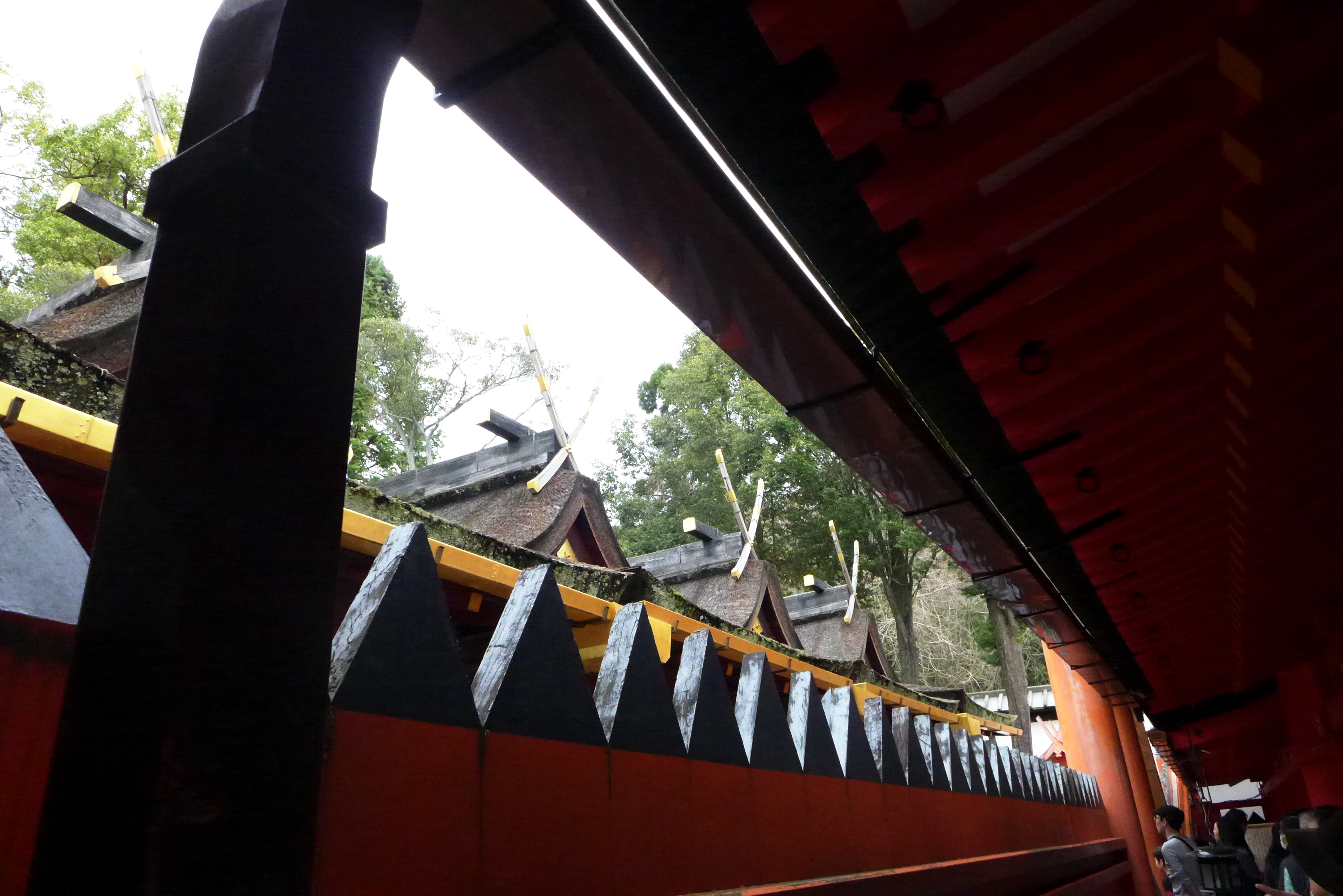
The shrine itself was busy as they had a special opening of the interior shrine for the public. They had relocated the gods to a different section of the shrine so that the public could walk around the inner enclosure without insulting the deities that live there. It would have been more interesting had we understood everything that was going on, but I still enjoyed it. We saw the large X shaped roofs of the inner shrine, indicating that male gods were enshrined there; male gods’ roofs have large upwards thrusting X shapes whereas female gods have flatter X’s with curved ends. The other three gods enshrined at the shrine are less interesting than the sumo-starting catfish-wrestler; two are ancestors of the Fujiwara clan, and the last is Futsunushi, god of swords and martial arts.

P1070396 P1070397 P1070398 P1070403 P1070404 P1070407P1070494

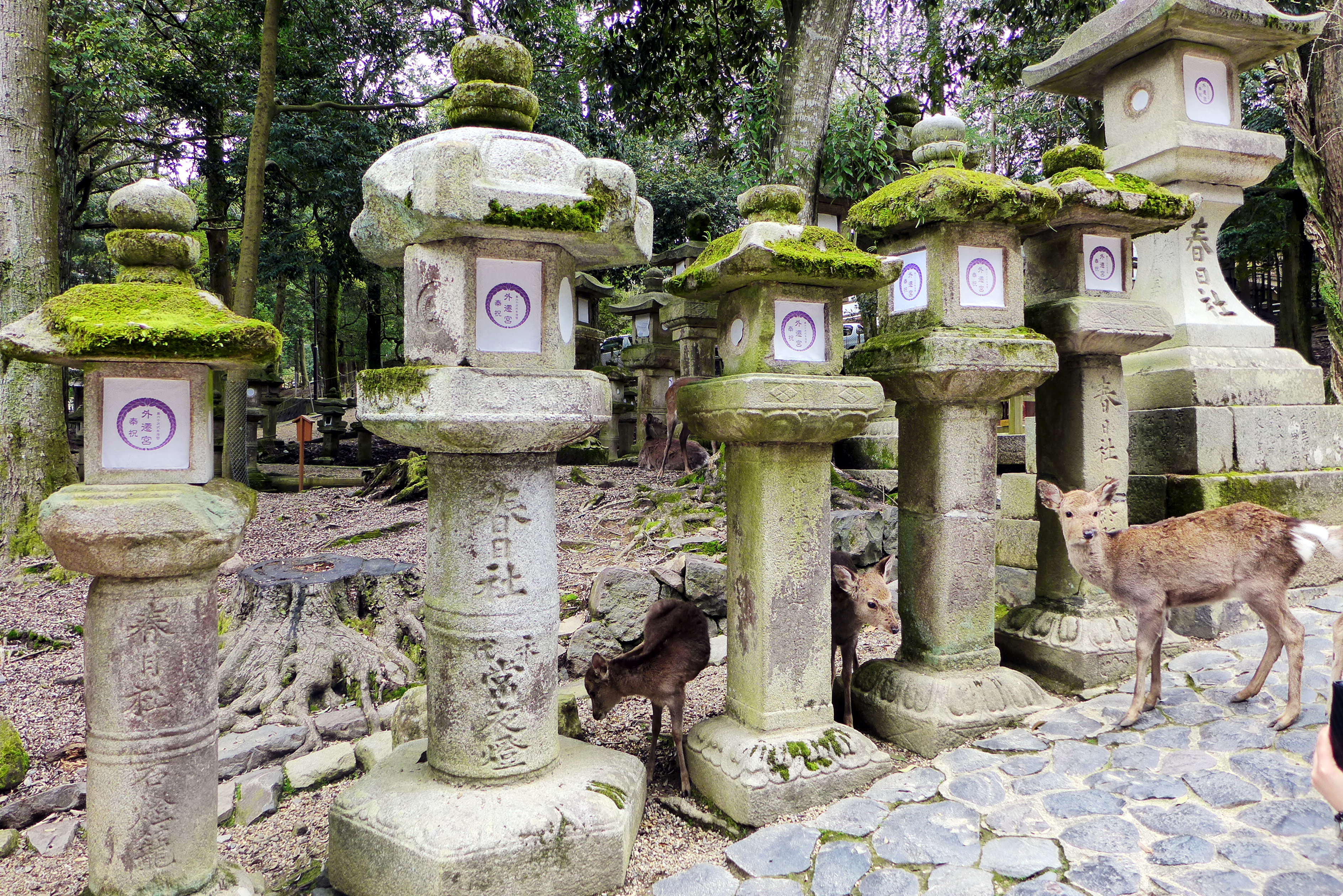
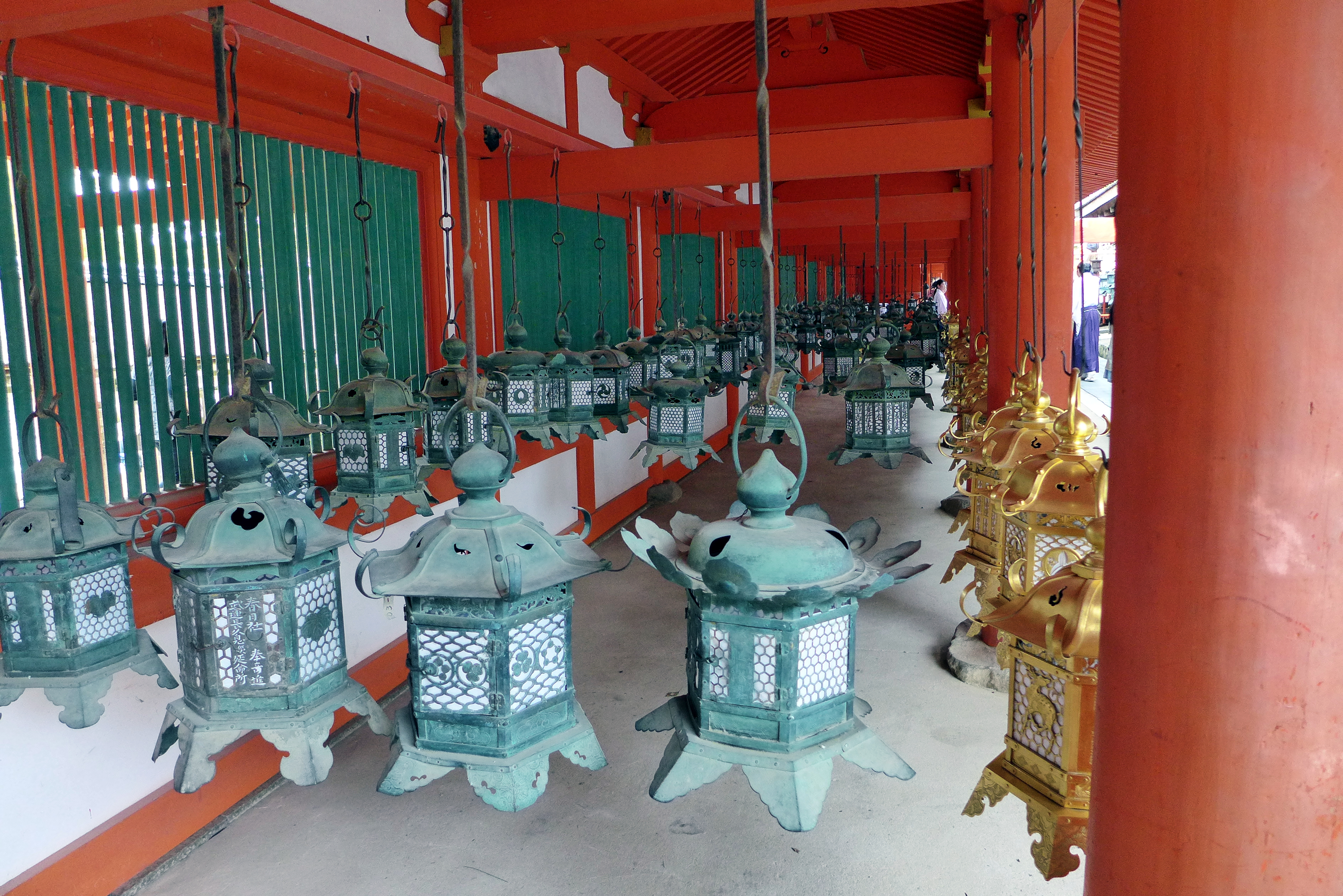
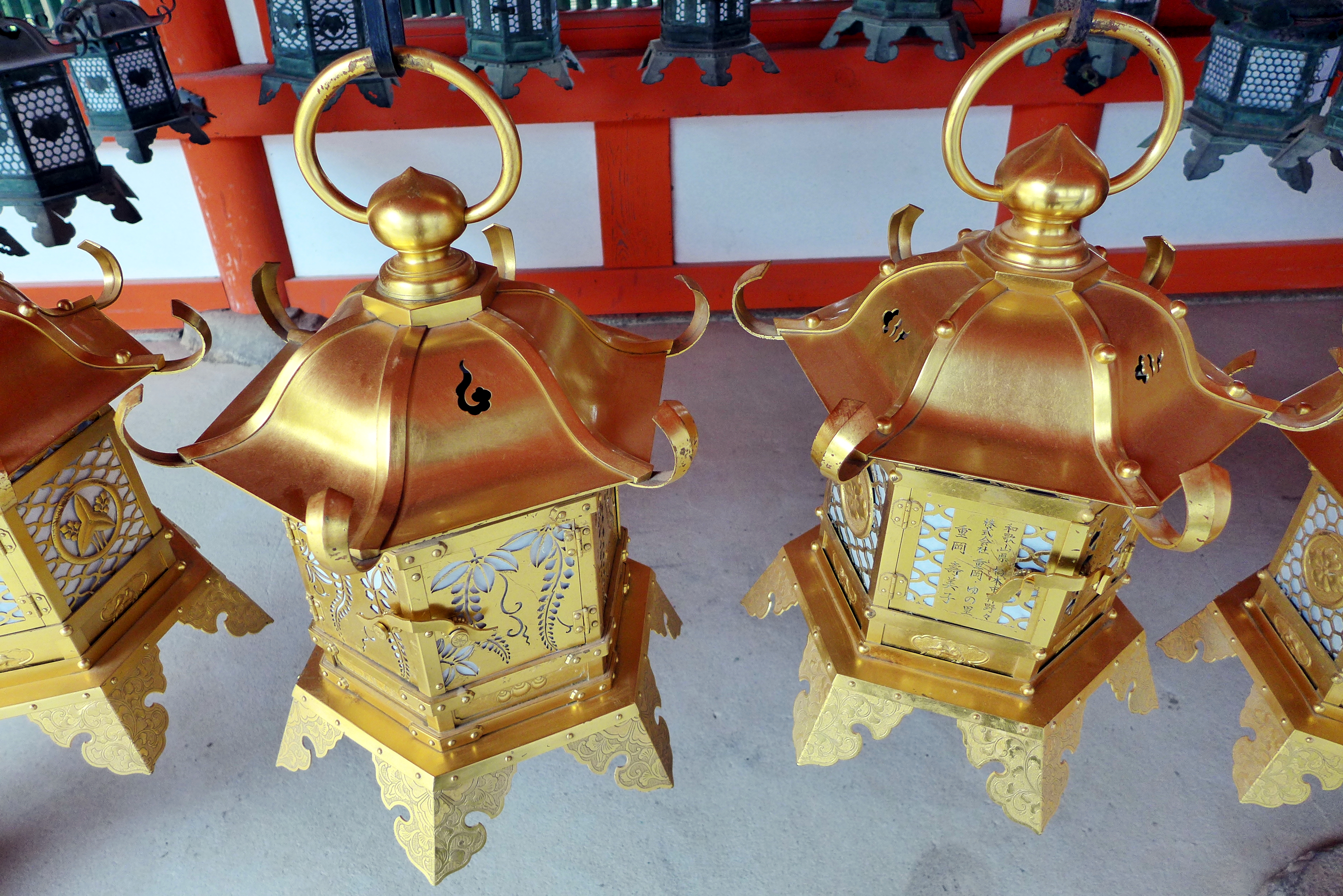
The shrine is also famous for the large number of stone and bronze lanterns surrounding and inside the shrine. During O-bon and a festival in February, they light all the lanterns at once. I would love to see it but I fear I will be home by O-bon.

P1070410P1080049 P1070411 P1070458 P1070460 P1070461P1070466

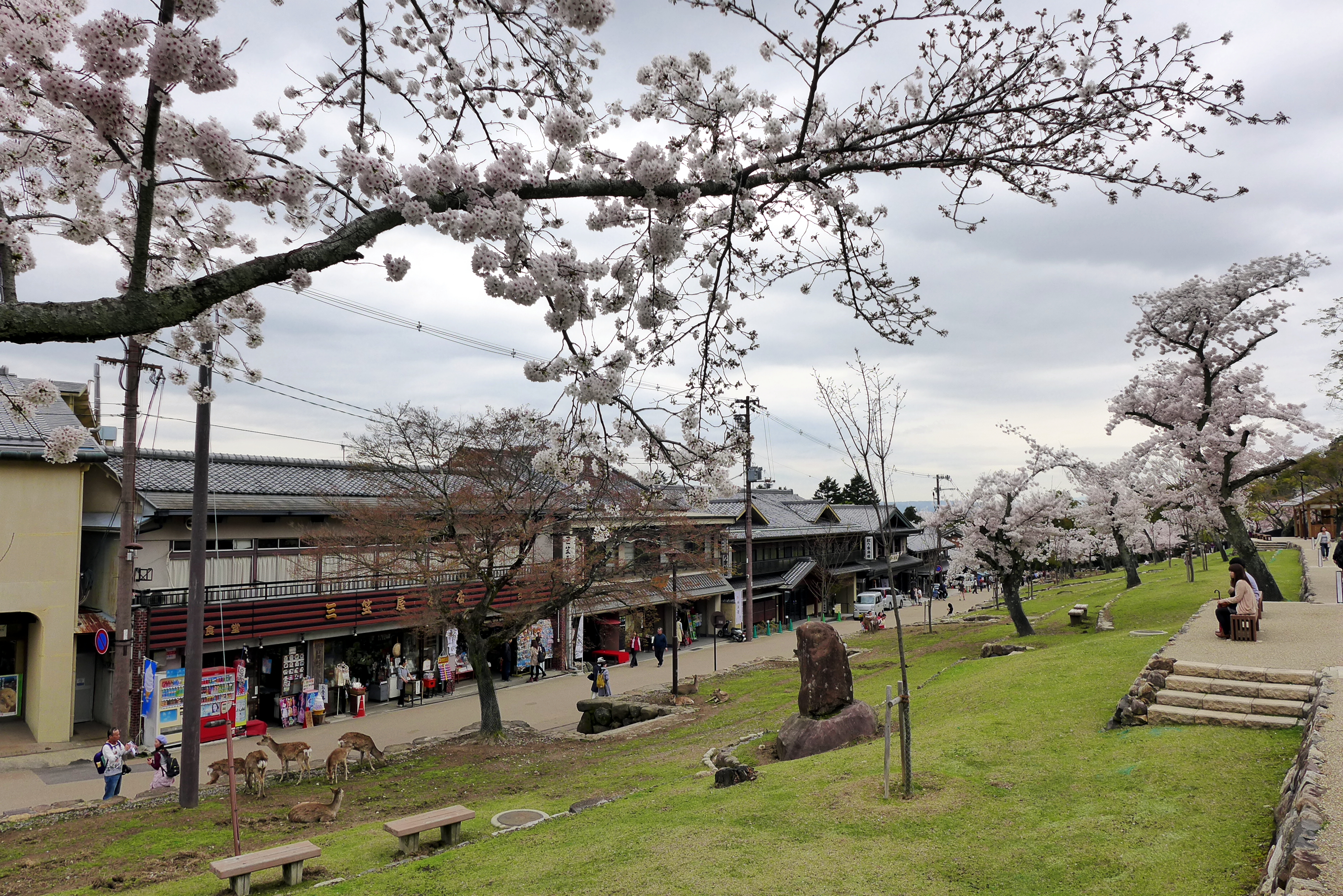
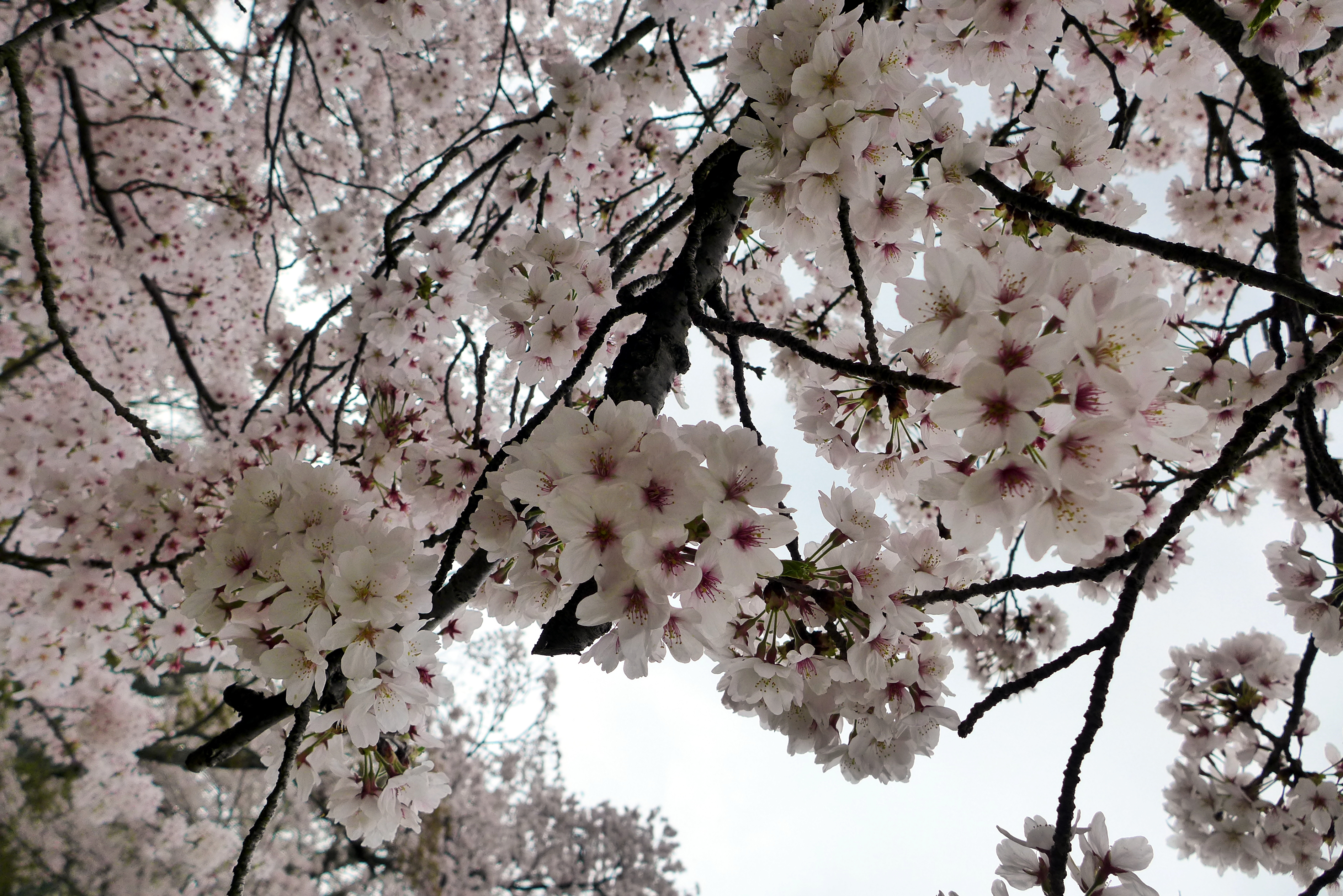
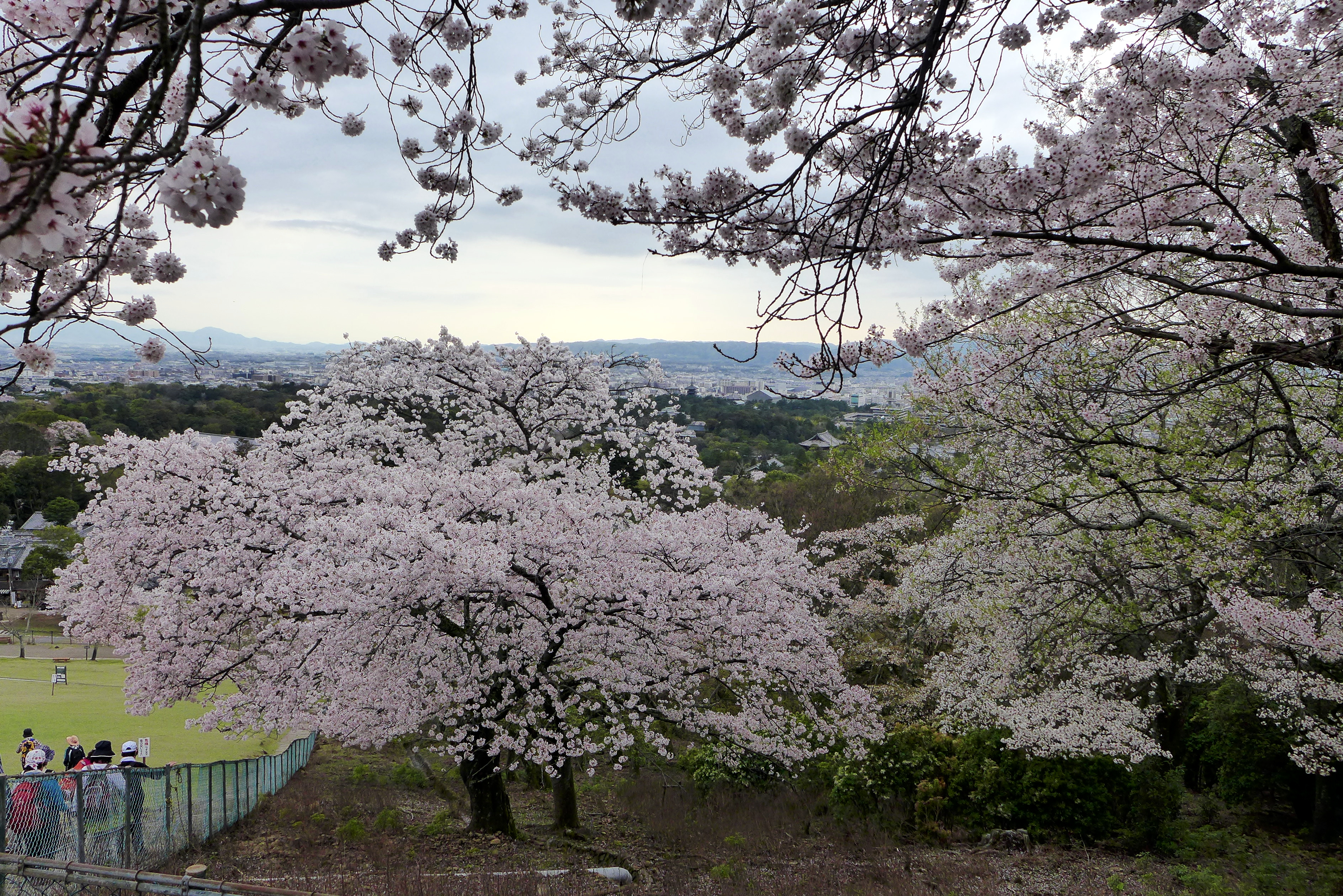
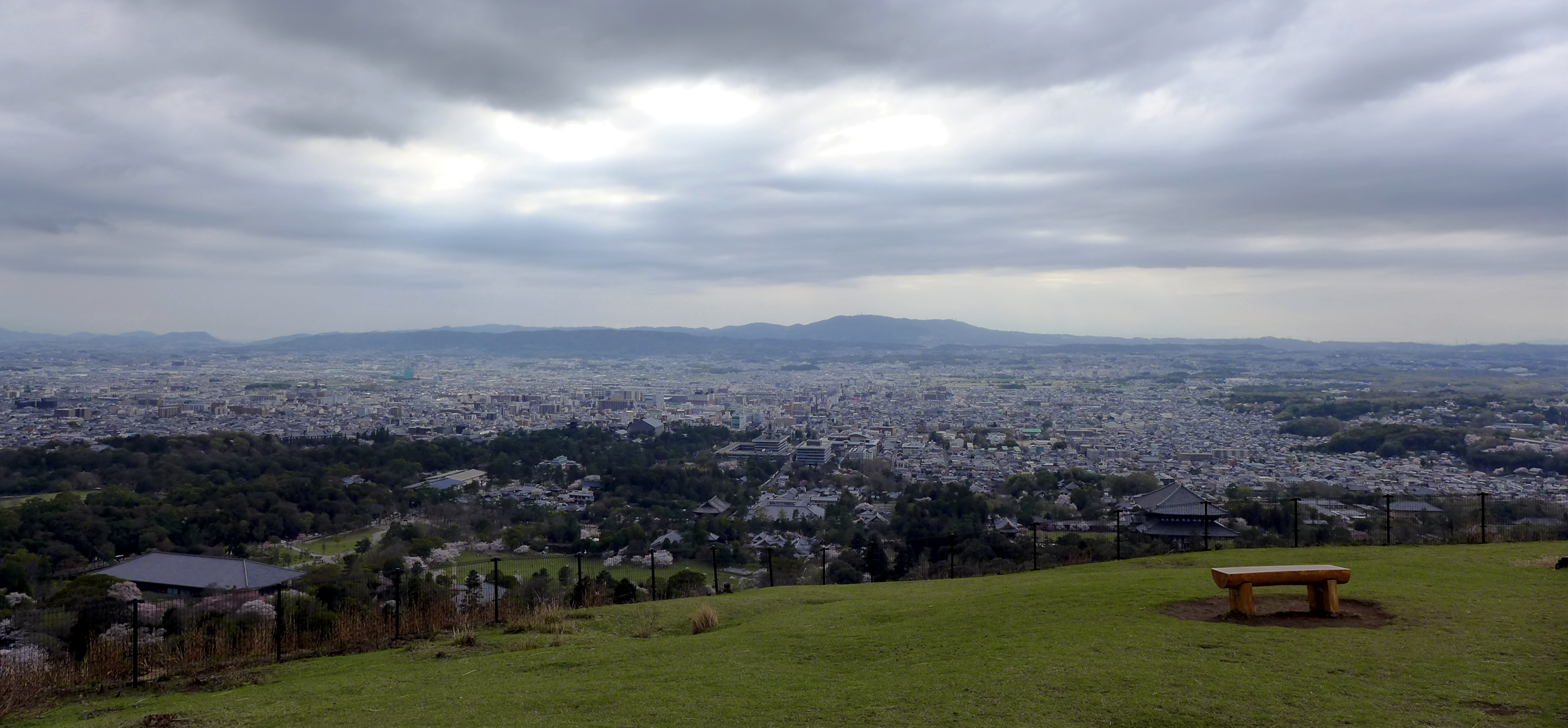
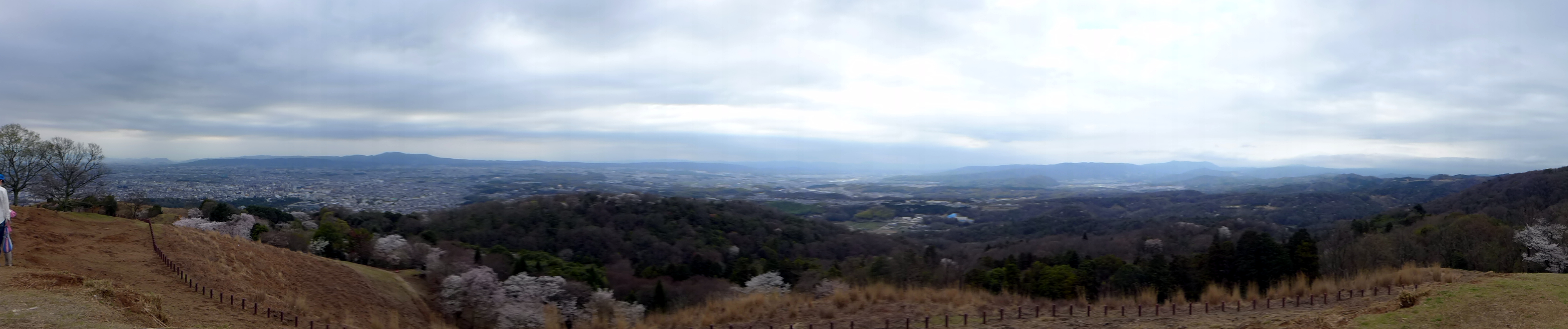
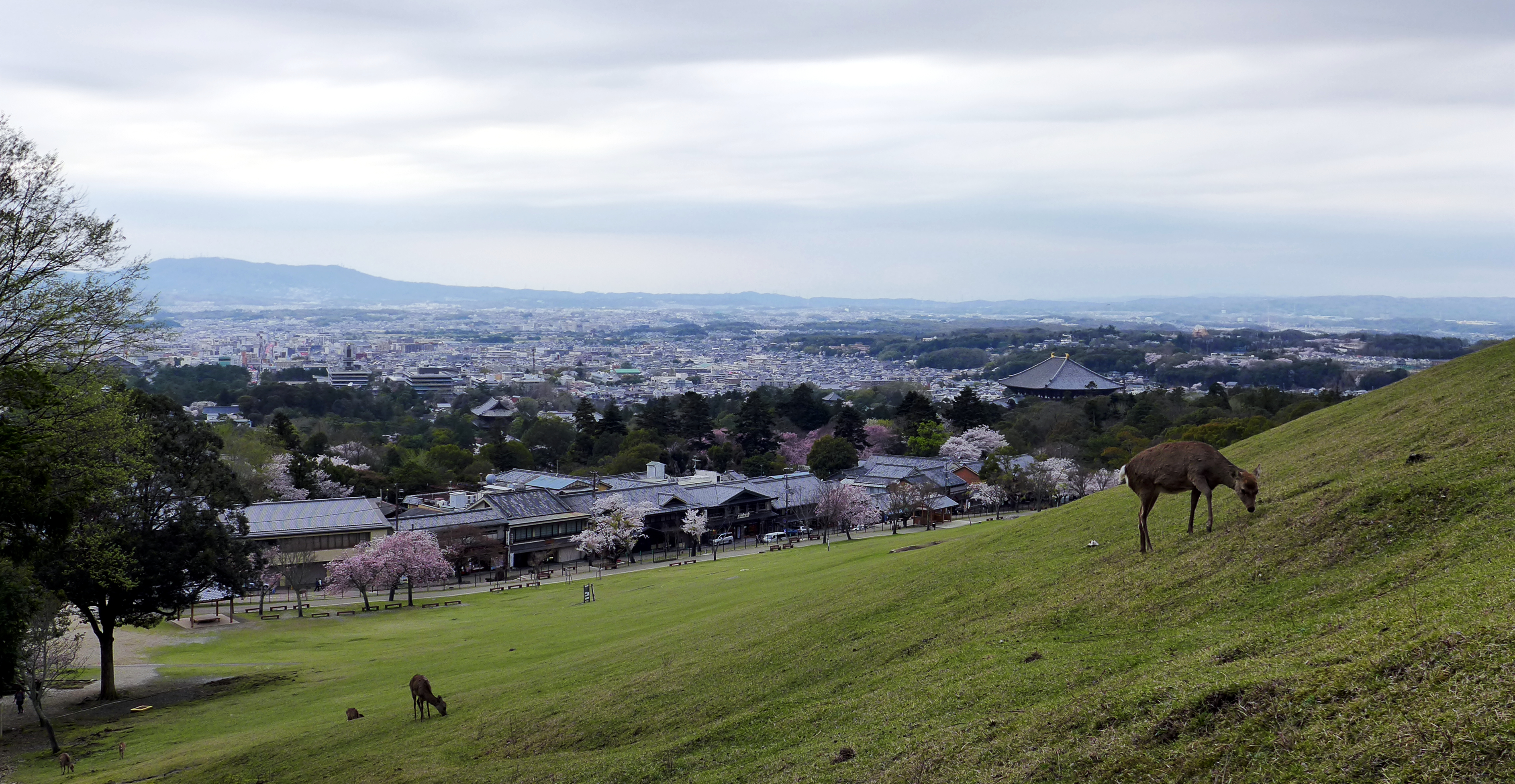
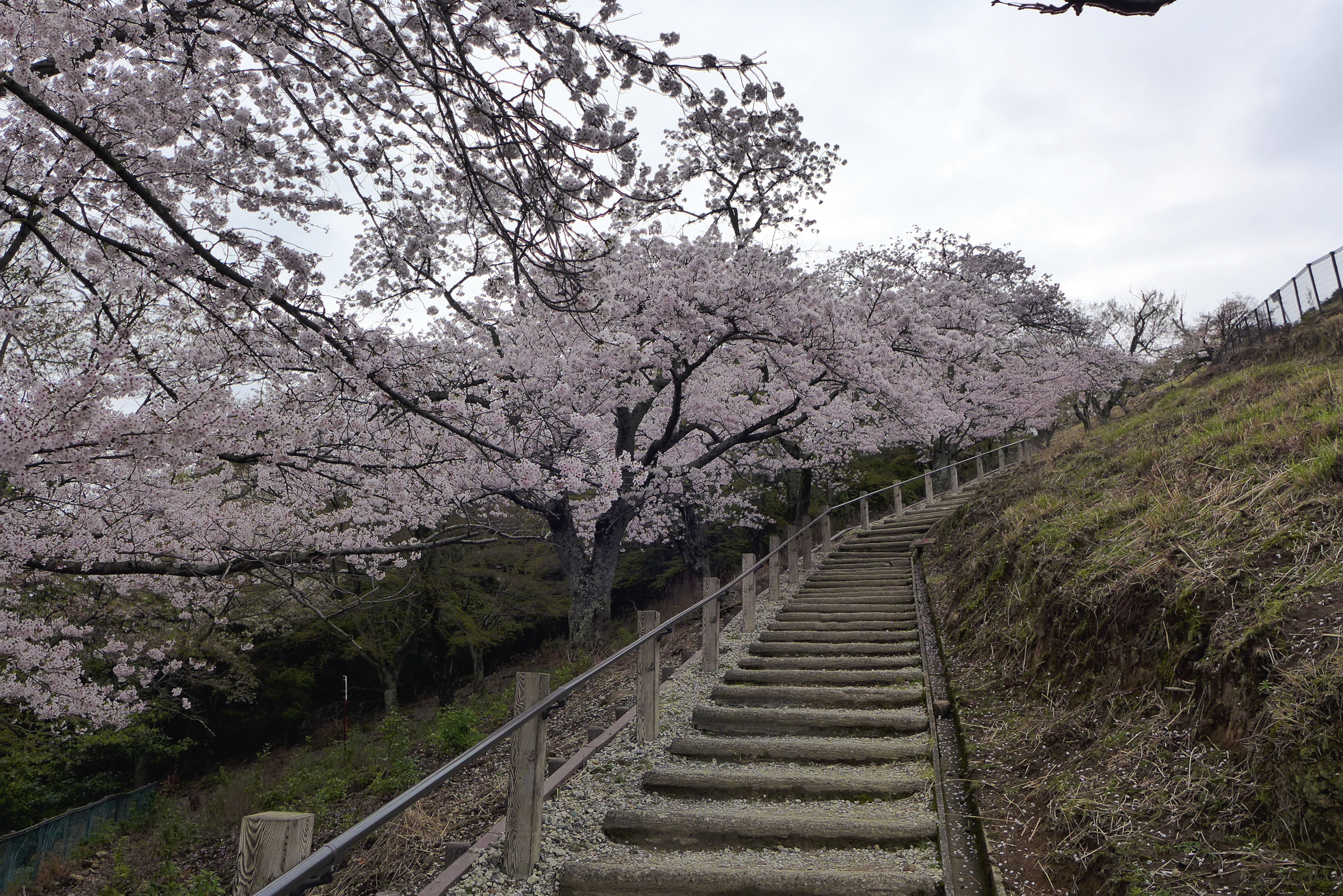
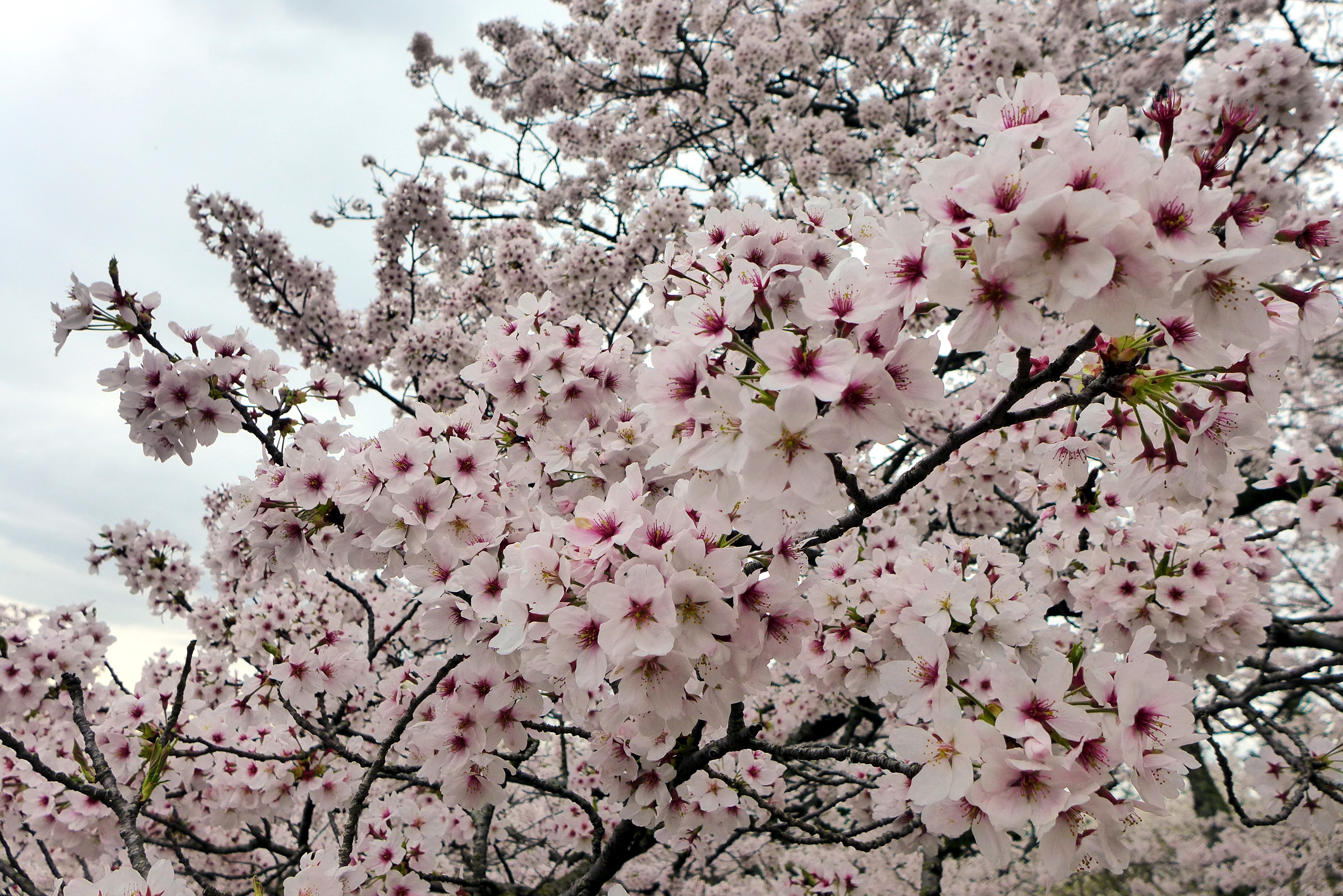
We also climbed the famed Mt Mikasa where the god was said to have appeared on his deer. I was pretty reluctant to climb but I did enjoy it once we got to the top. The view of Nara was spectacular and even up on the mountain we found deer eager for the deer biscuits we had bought at the bottom. There were also lots of beautiful cherry blossoms on the walk up, making the climb much nicer.

P1070467 P1070468 P1070469 P1070470 P1070472 P1070475 P1070479 P1070483

There was a snack shop at the top of the mountain which I hoped had Coke Zero, but alas I had to settle for calpis, that wonderfully named yoghurty soda. Sadly they only had flat calpis, which is even more questionable than the fizzy variety. It tastes a little like that watery liquid that forms when you keep plain yogurt in the fridge. Its okay I suppose. Neither of my parents were impressed. I can’t help but think the name doesn’t really give it the best first impression.
P1070486 P1070488 P1070490 P1070492

This covers the Shinto aspect of my trip to Nara; much like the Meiji government in 1868 I am dividing the two religions of Shinto and Buddhism in half for the sake of this blog, but there are elements of Shinto mixed into Buddhism and vice-versa. I hope to have part two of my trip up soon!