東京 Tokyo, Technology and Troubling Teachings

On Friday I packed my bags for the big (or bigger) city: Tokyo 東京! I have spent the last four days sight seeing in Tokyo, so expect much Tokyo-related content over the next few days – hopefully that will atone for my absence. I had a fantastic trip and already want to go back.

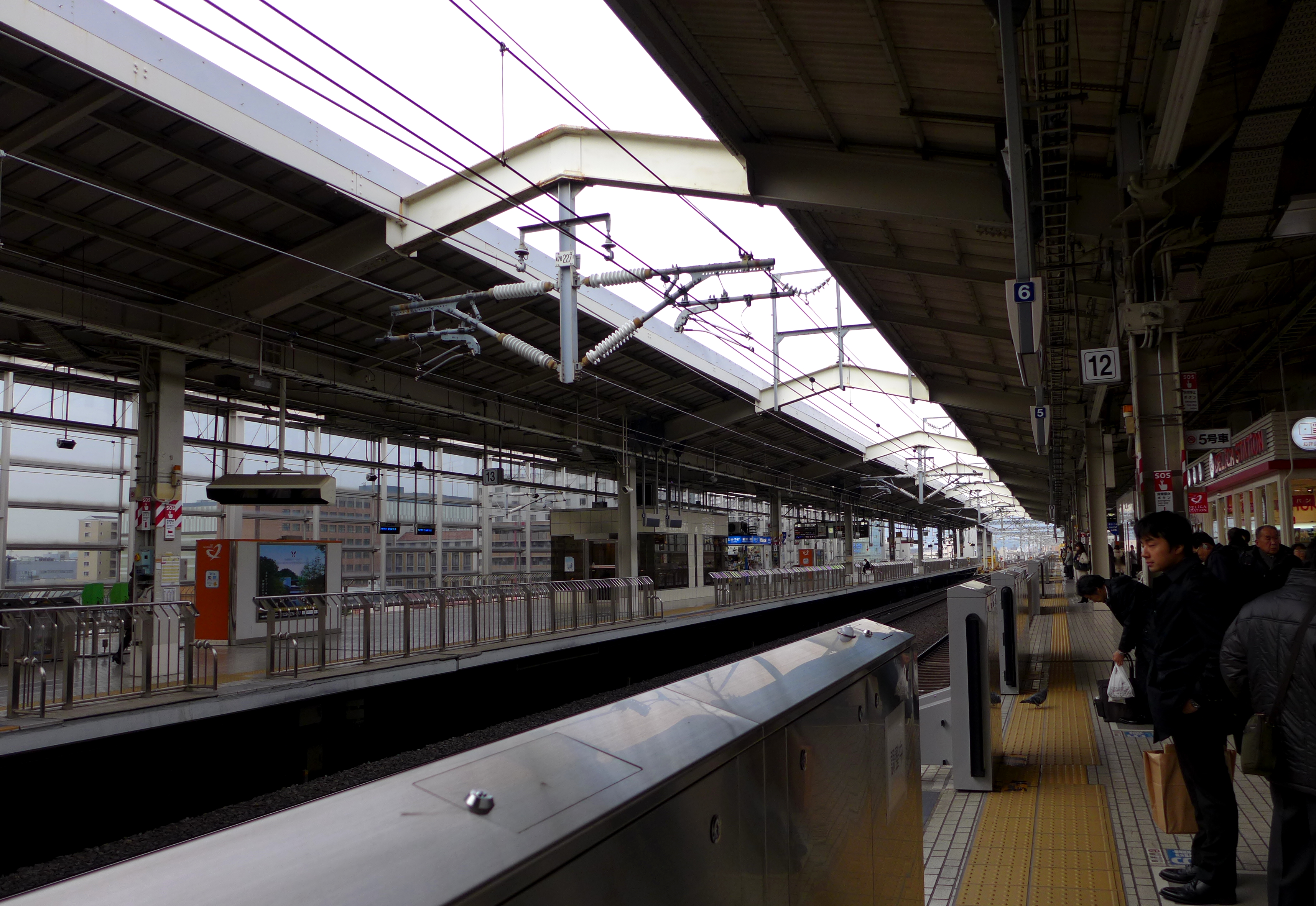
I took the Shinkansen (新幹線) to Tokyo, the fastest (and most expensive) way to get there. The Shinkansen is simply cool. With its tinted front cabin windows, streamlined figure and white space-age feel, it really shows the technological side of Japan. I took this feat of engineering from old, traditional Kyoto to the fast-paced, dazzling Tokyo. It cost me 16,000円 (£87) one way, but the over night bus takes 9 hours, and you have to do it once. Sadly I didn’t see Mt Fuji because I was on the wrong side of the train and it was a bit foggy.

P1030908P1030537 P1030540 P1030539

The Shinkansen was first planned in the 1940s but was put on hold by WWII and now it is the most heavily travelled high-speed rail in the world, with a cumulative ridership of 5.3bn, averaging 140m passengers a year. The first lines were completed in 1964, including the line I took – the Tokaido  route 東海道. In 1964 it took 4 hours to travel from Osaka to Tokyo, today it takes 2 hours 25 minutes. This will get even quicker next year, when they increase the fastest trains from 168mph to 175mph. By 2025 they are planning to use Maglev technology to levitate the trains above the track to make them reach 310mph. Its like something straight out of a sci-fi novel. Unequivocally cool.

They even look like they’re wearing sunglasses, so cool.

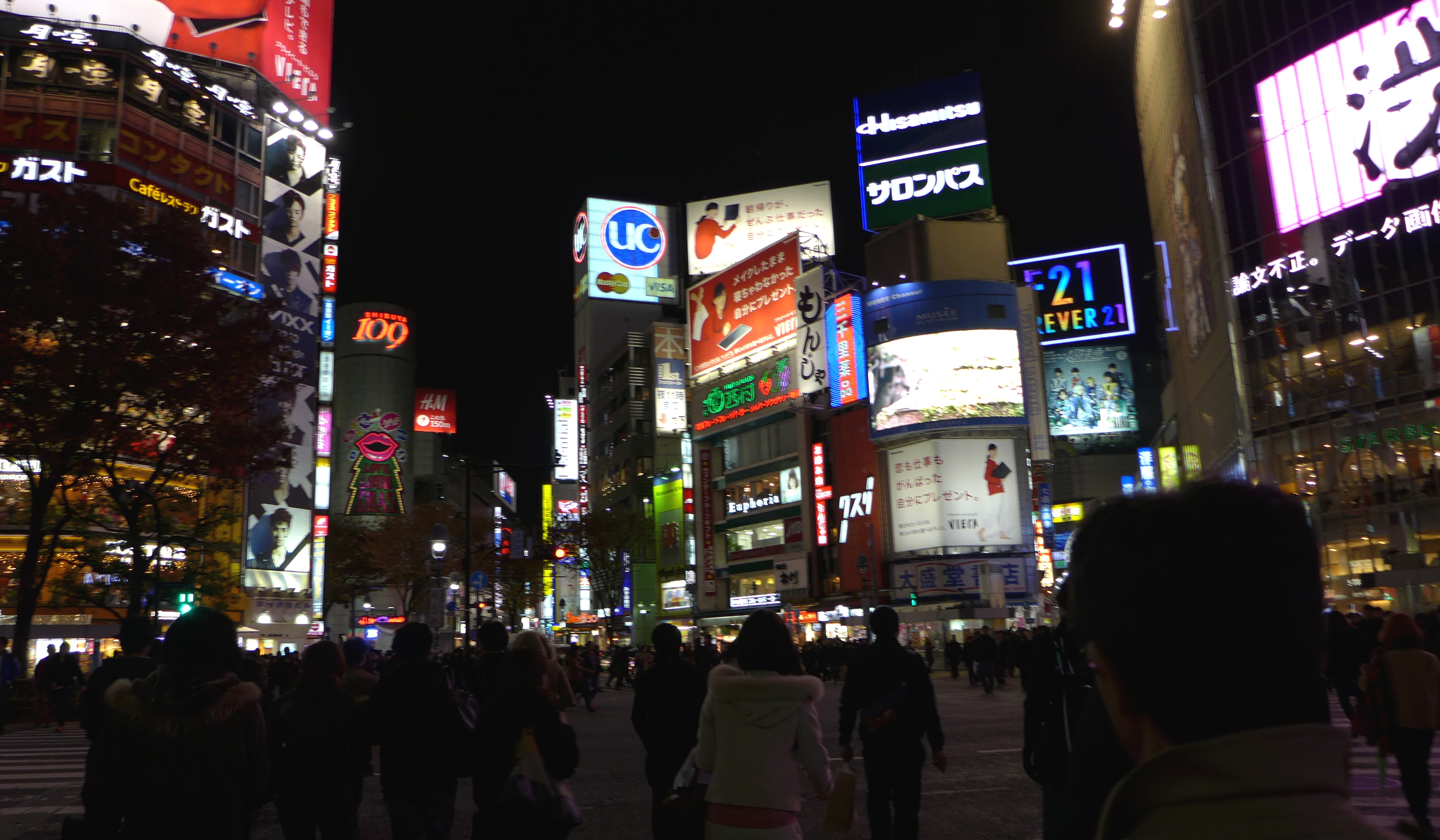
That day my friend and I visited Shibuya (渋谷), another icon of Japanese modernity. If you have seen almost any film featuring modern Japan (Tokyo Drift, Lost in Translation etc.) you’d recognise Shibuya junction where everyone walks at each other surrounded by skyscrapers covered in billboards. It is always packed with people and it was a great experience to actually walk on the crossing.

P1030548 P1030549

I was distracted from the crossing by the dulcet tones of politicians yelling at us through megaphones; the election was only 2 days away and in Shibuya you have a constant moving audience. The party in question was the 幸福実現党, the Happiness Realisation Party, which is part of the Happy Science religion. Yes, there is a Happy Science religion.

This religion appears to be an amalgamation of many other religions, such as Christianity and Buddhism, and is of Japanese creation. Interstingly they are quite politically oriented and their manifesto includes Japanese military expansion and denial of the Nanking massacre, among other things. Sounds very happy indeed.

P1030546

The leader, Okawa Ryuho (大川 隆法), also claims to be able to communicate with the spirits of politicians (even if they are alive) and he ‘interviews’ them and publishes the interviews in a book. Interviewees include candidate Mitt Romney and Margaret Thatcher. In fact, in 2013 it published a message from Margaret Thatcher’s spirit, calling her the “angel of light” and claiming she was urging Japan to attack China, Taiwan and North Korea. While one should probably respect religions, this one is plainly insane and possibly dangerous. Thankfully they got a negligible portion of the vote this time.

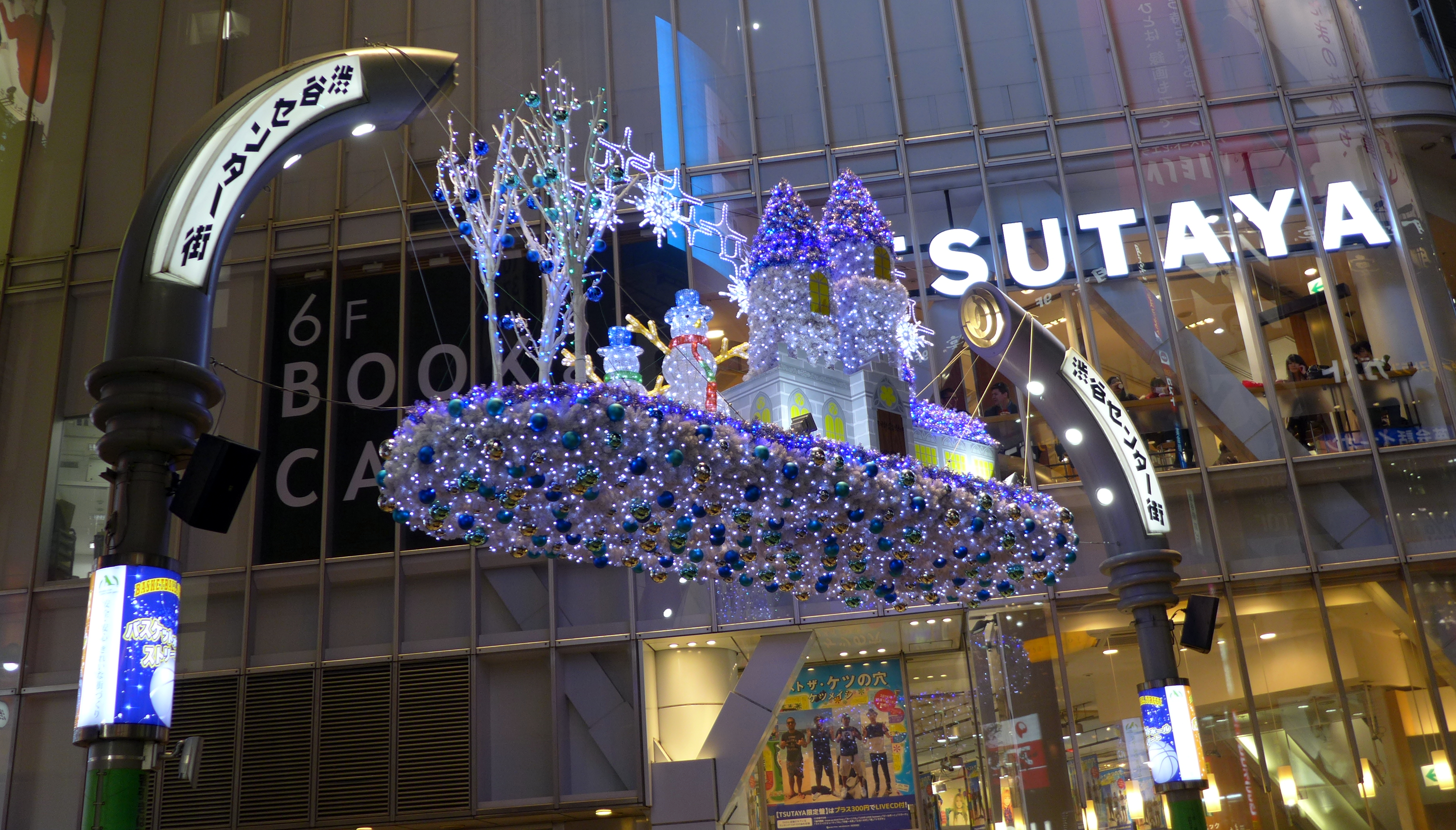
Shibuya is full of shops, and is perfect if you want to pick up some new clothes or just look at all the pretty neon lights. I enjoyed just wandering around and taking it all in – definitely worth a visit.

P1030551 P1030553P1030556

More Tokyo trip blog soon!

日本 Gods in Tiny Houses

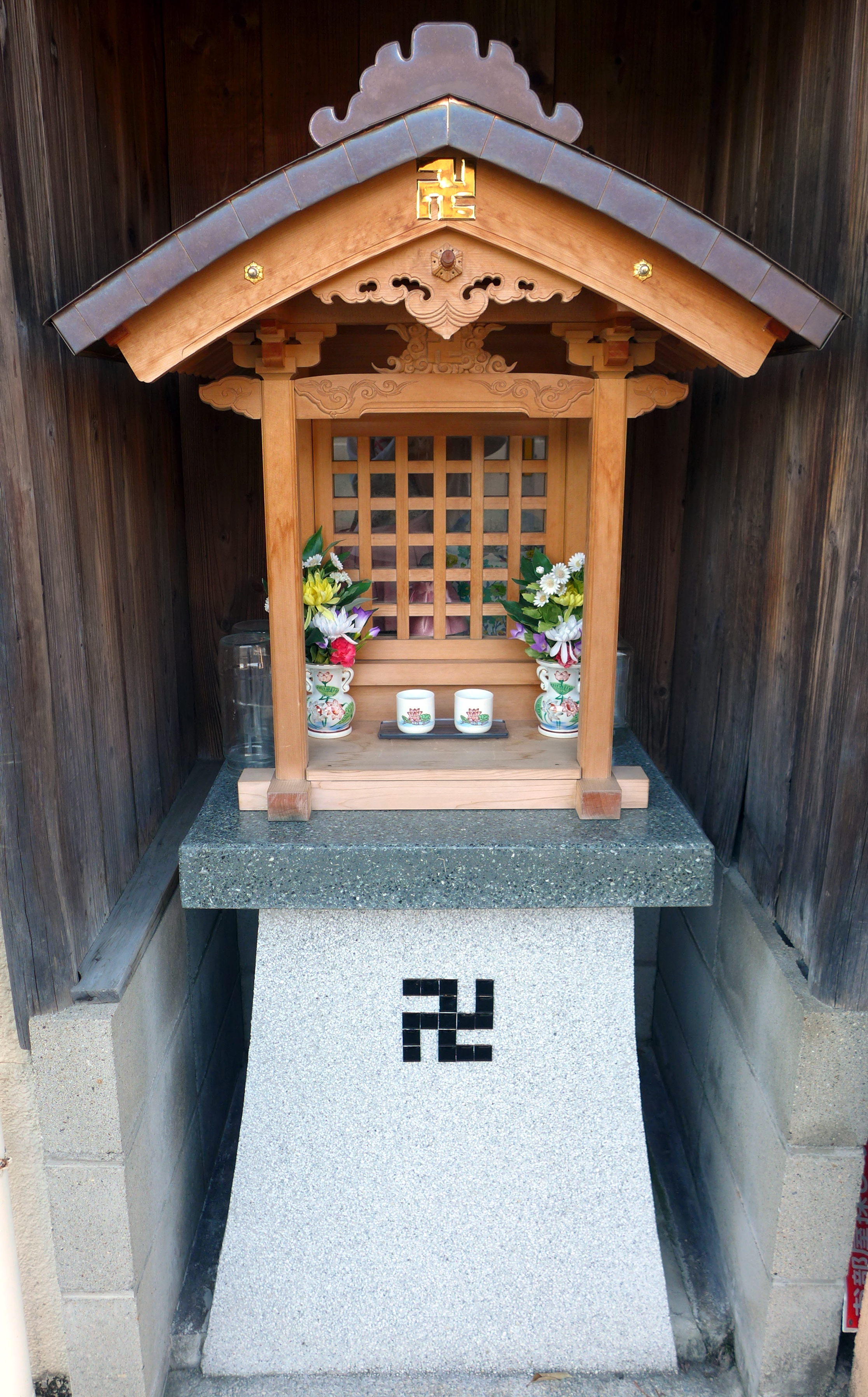
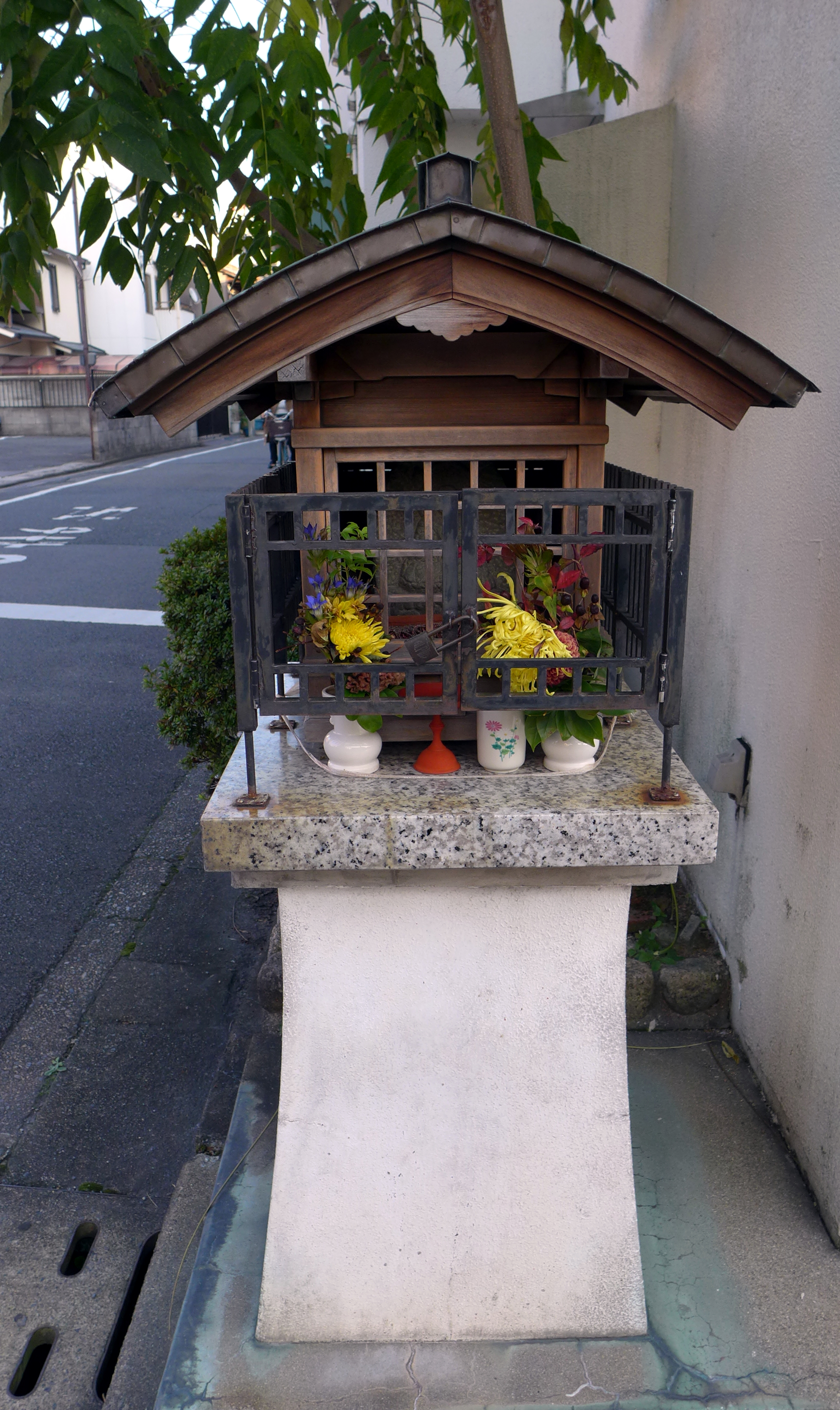
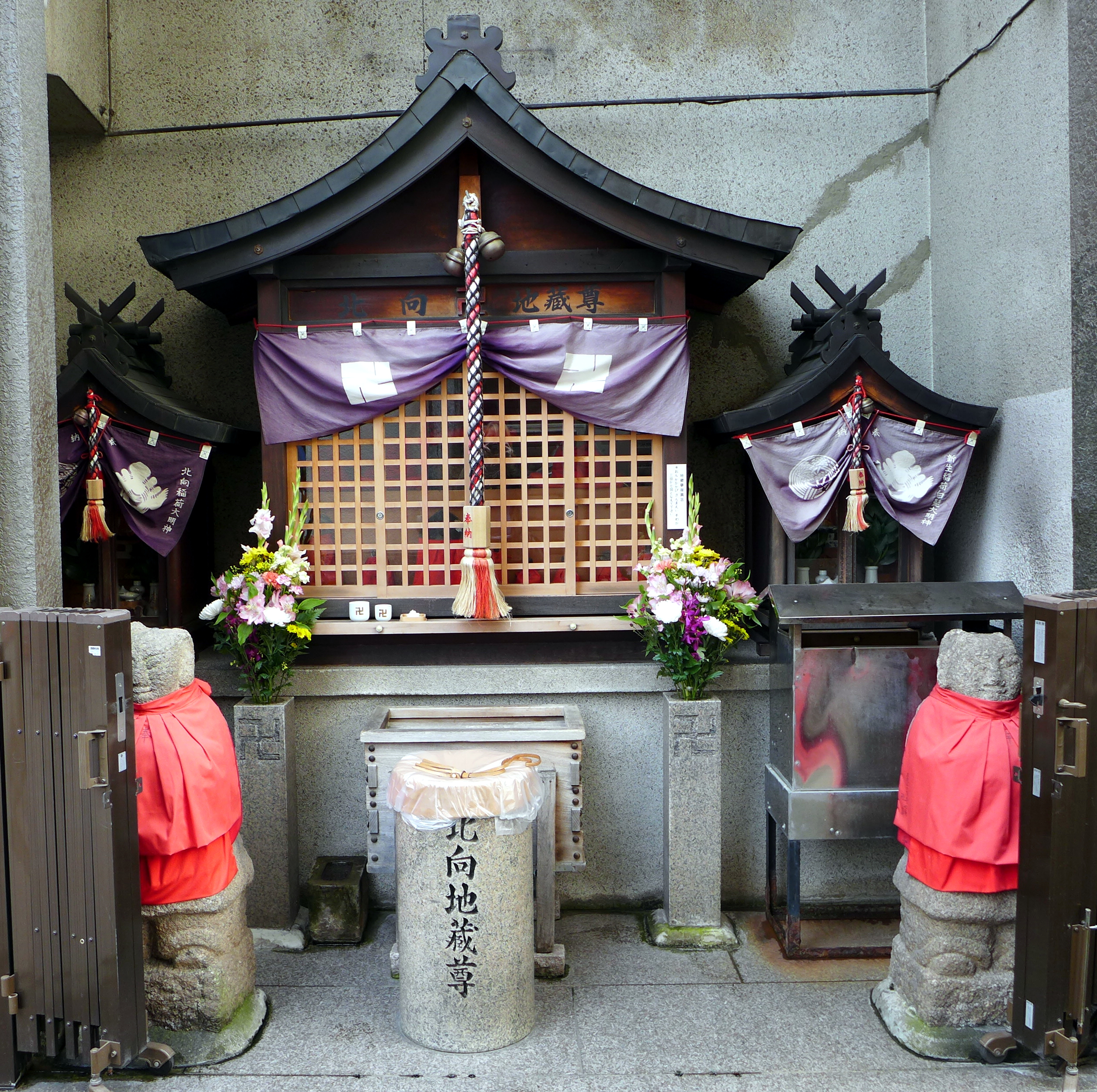
Walking around Kyoto, you come across a temple almost every 5 minutes. You would think that this would house all the kami (gods and spirits) and provide ample space for worshippers, but it seems the kami are facing some kind of housing crisis. Glance down an alleyway or turn a corner and you might just stumble upon a tiny shrine.

These shrines, usually known as hokora (祠) are dedicated to various lesser kami that aren’t attached to a nearby shrine. Though the hokora are Shinto in origin, they often bear the Buddhist swastika, marking them as a religious site. Also in Kyoto many of the hokora are dedicated to Kannon, a bodhisattva – Kannon is one of the links between Japanese buddhism and shinto that shows just how mixed the two religions are, the god is both a kami and a bodhisattva. Therefore its probably better to just call them ‘Japanese’ rather than attempting to assign them a specific religion; some even concern local gods or lore rather than gods part of the whole country’s religious discourse.

P1010645 P1010651

The hokora below has an inscription that reads “Commemorating 2600 years of the imperial era. Continued luck in the fortunes of war. Safety and wellbeing for one’s family“. Intrigued, especially by the reference to war, I looked up when 2600 years of the imperial era was – it was 1940, explaining the military inscription. February 11th 1940 was celebrated as 2600 years since Japan’s first Emperor, Emperor Jimmu, ascended the throne according to the Nihon Shoki.

P1010648

The very specific date of Feburary 11th for Japan’s founding is based on the old lunasolar calendar – according to the Nihon Shoki the Emperor ascended the throne at new year. This falls around the end of January, but the Meiji government, upon making it a national holiday, designated Feburary 11th to make sure people distinguished it from lunar new year.

The Meiji government made Foundation Day a national holiday in order to further legitimise the Emperor as the one sole ruler of Japan by celebrating the ‘unbroken’ bloodline. I say ‘unbroken’ because historians think that the first Emperor was actually usurped by the second or third Emperor rather than the Nihon Shoki’s assertion that the second Emperor was his son. Not to mention that the Nihon Shoki claims that the first Emperor lived to 126, making it even more historically dubious (it also says he was descended from a god…).

After World War II, Foundation Day was banned due to its connection to the cult of the Emperor and State Shinto. It was re-established in 1966, but without the same nationalistic ceremony or links to the Emperor it had before. It is now a day to reflect on what it means to be a Japanese citizen rather than an overt display of nationalistic pride.

P1020901P1020085

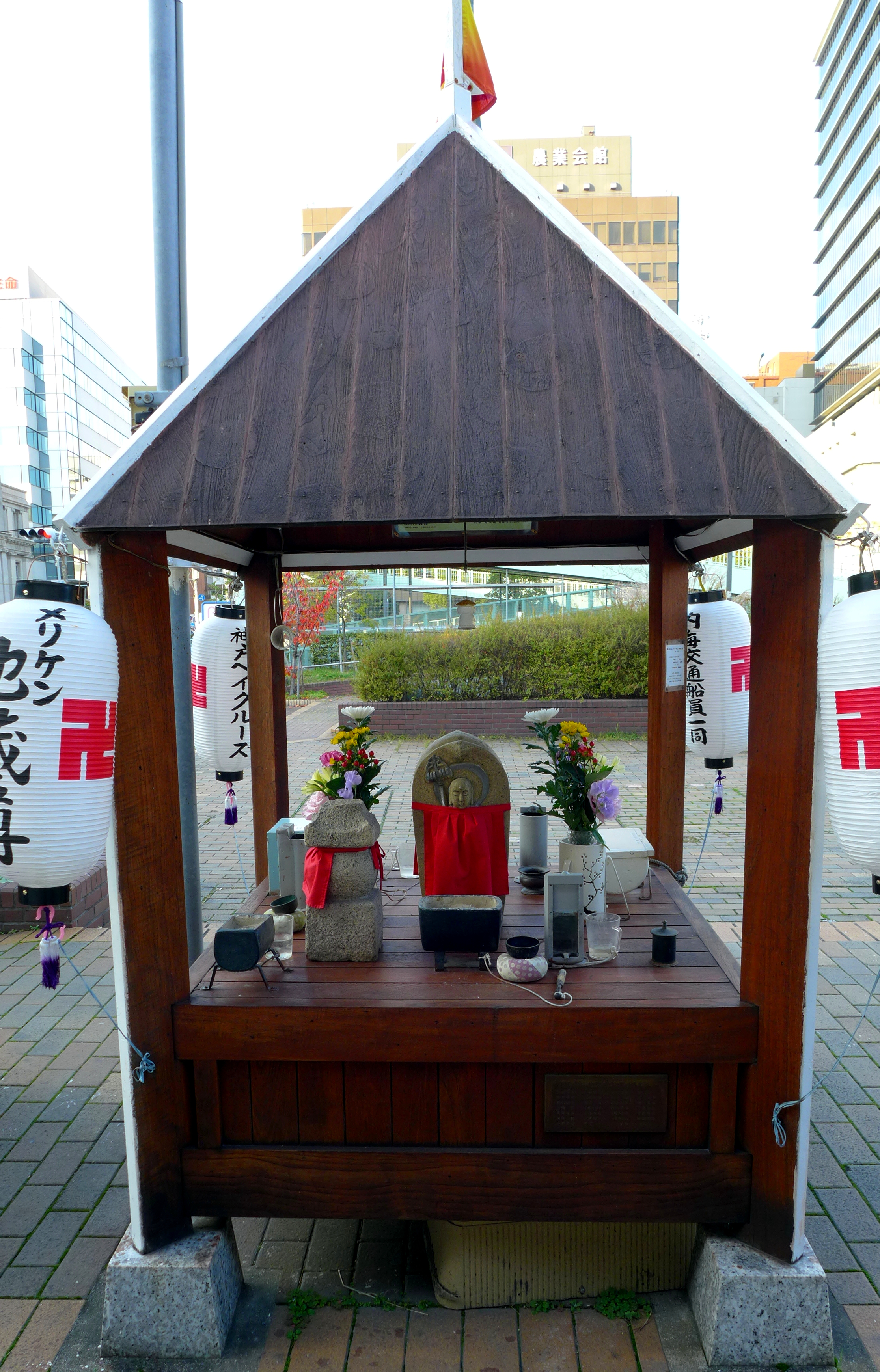
Hokora come in all shapes and sizes, some have lanterns, some have flowers, some have inscriptions explaining the temple they belong to, whereas others give no clue as to what god or temple they are linked with. The last two are hokora I saw in Kobe; the first in an alleyway to the side of a busy shopping street, and the second at the side of the harbour.

P1030221 - Copy P1030289Though small, these hokora are fun to spot and are always different. They often have fresh flowers, so it must be someone’s job to refresh them regularly. These tiny shrines are one more thread adding to the rich tapestry that is Japanese religion.