奈良 Buddha of Bankruptcy

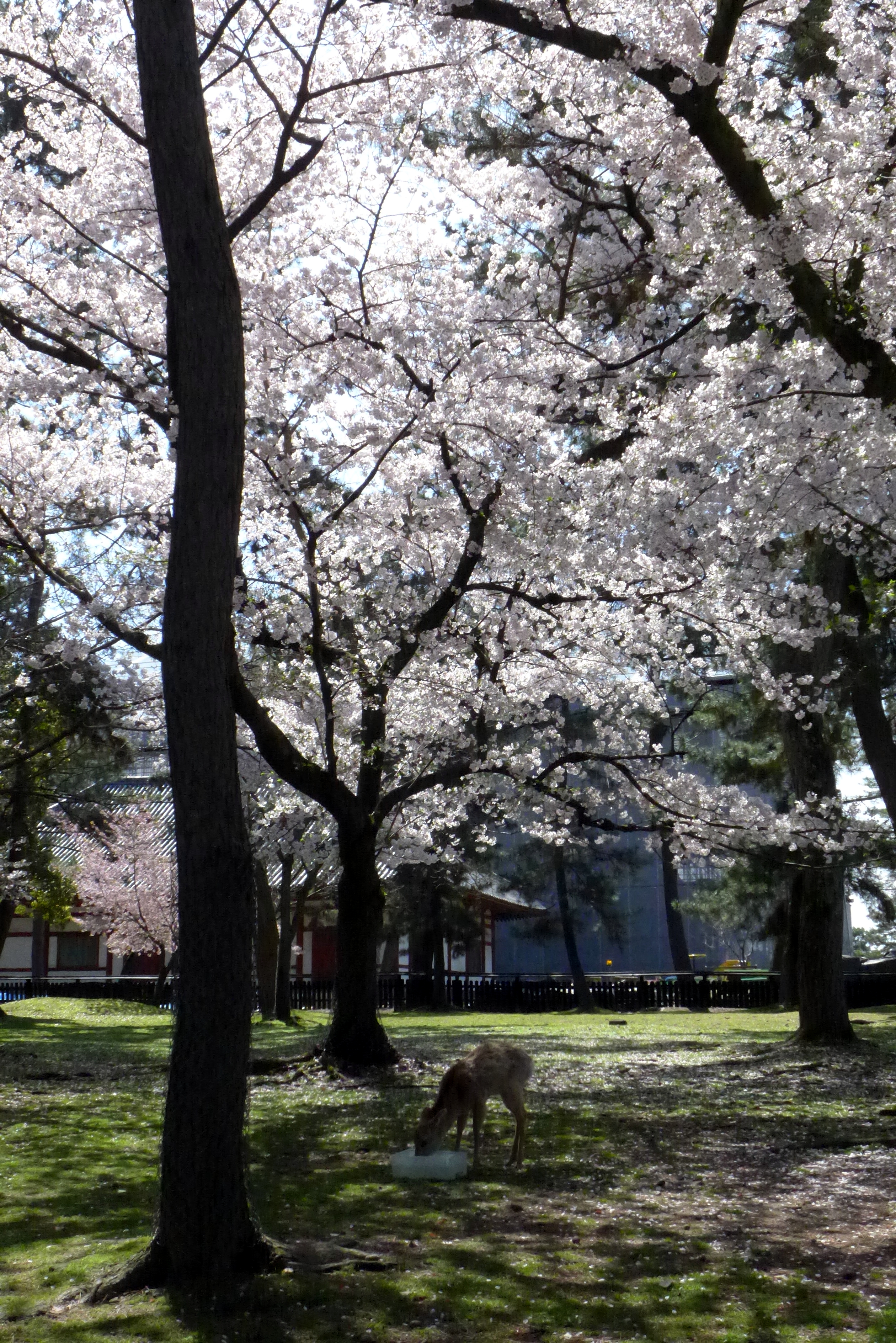
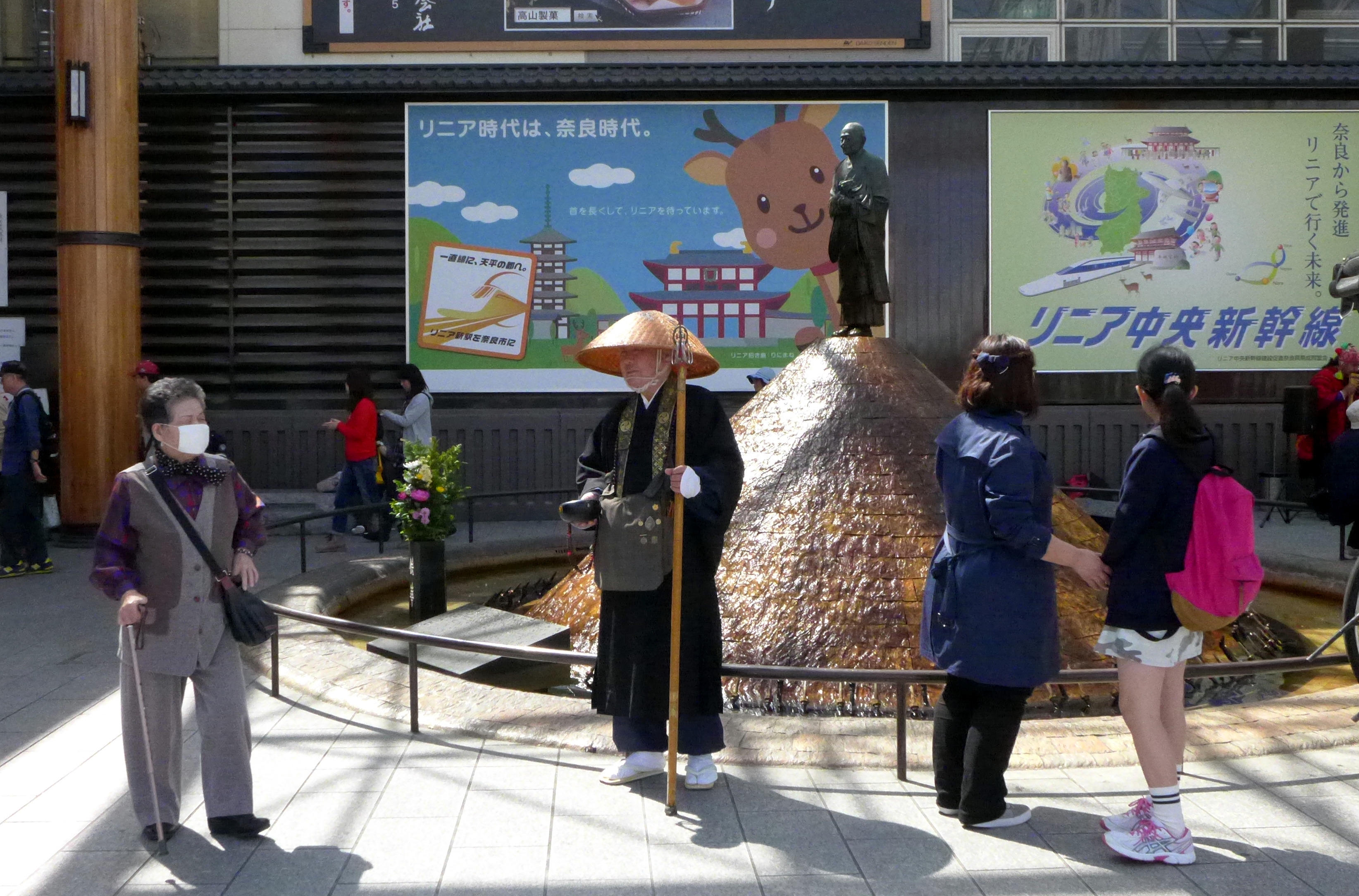
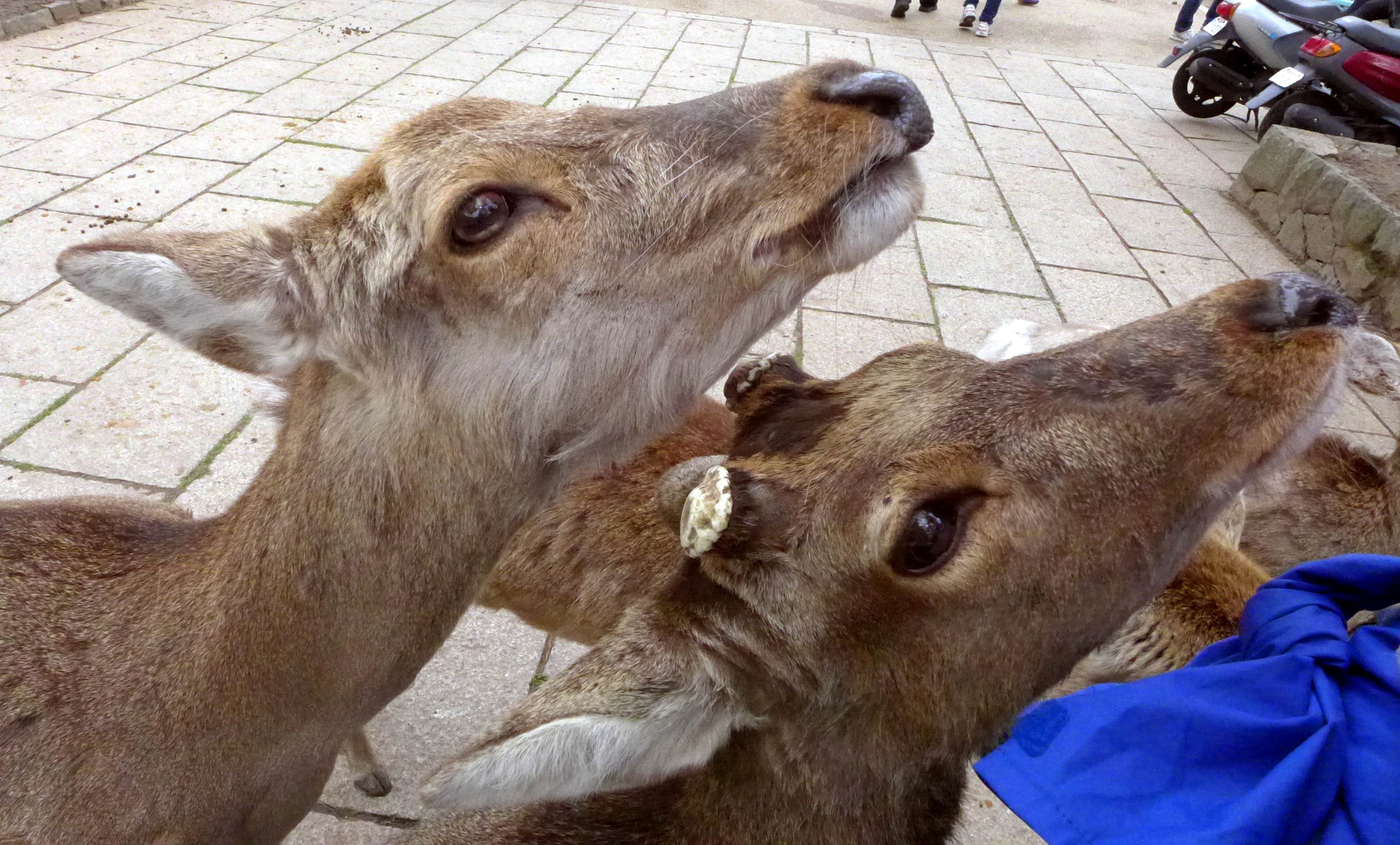
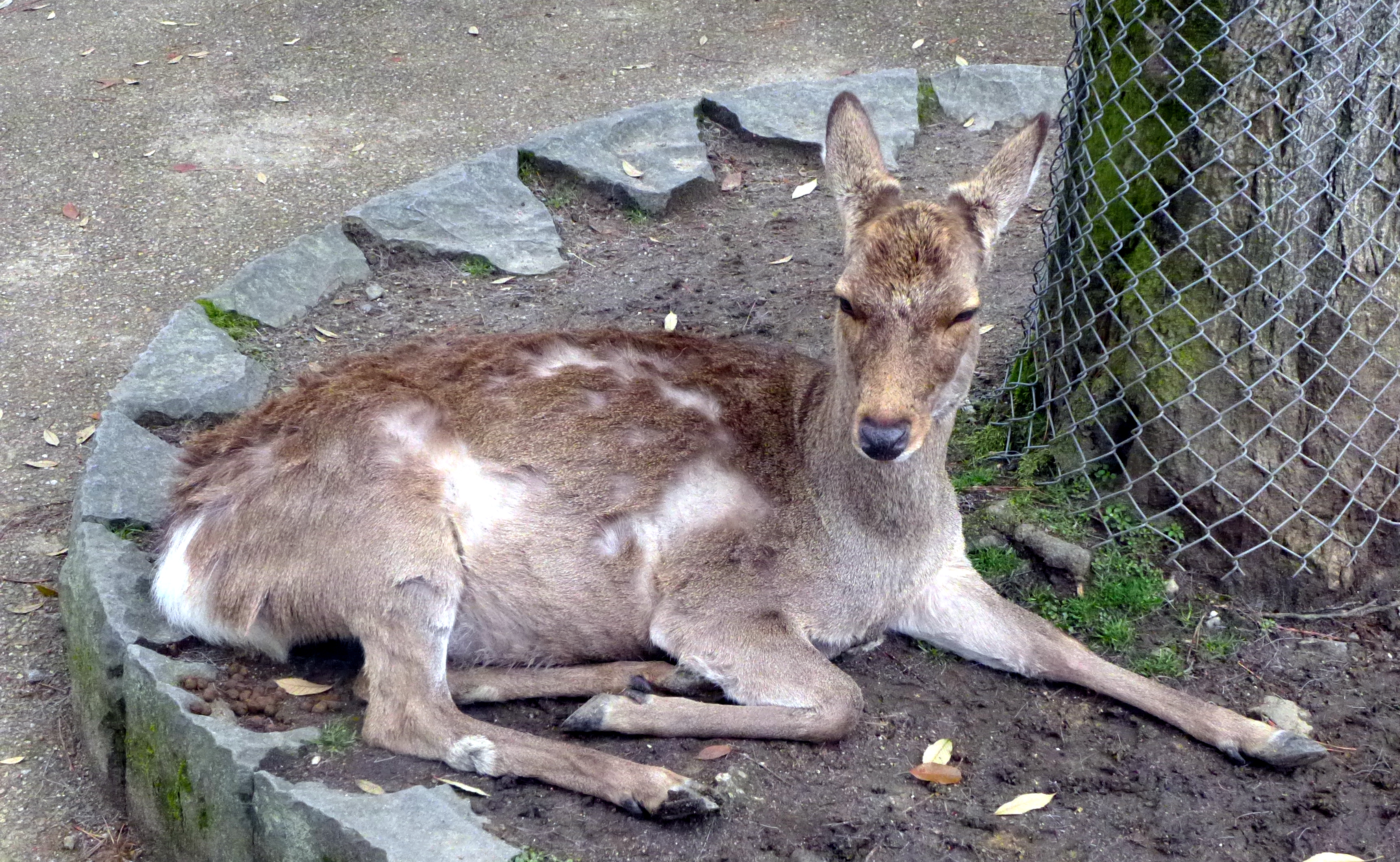
Let us begin our Buddhist side of my visit to Nara. If you were hoping for more cute deer, don’t worry, they were everywhere and I have countless deer pictures so I’ll include some more in this post too. The main Buddhist temple that we visited in Nara was Todai-ji, the temple that pretty much everyone who visits Nara goes to see.
P1070216 P1070220 P1070226 P1070232 P1070235

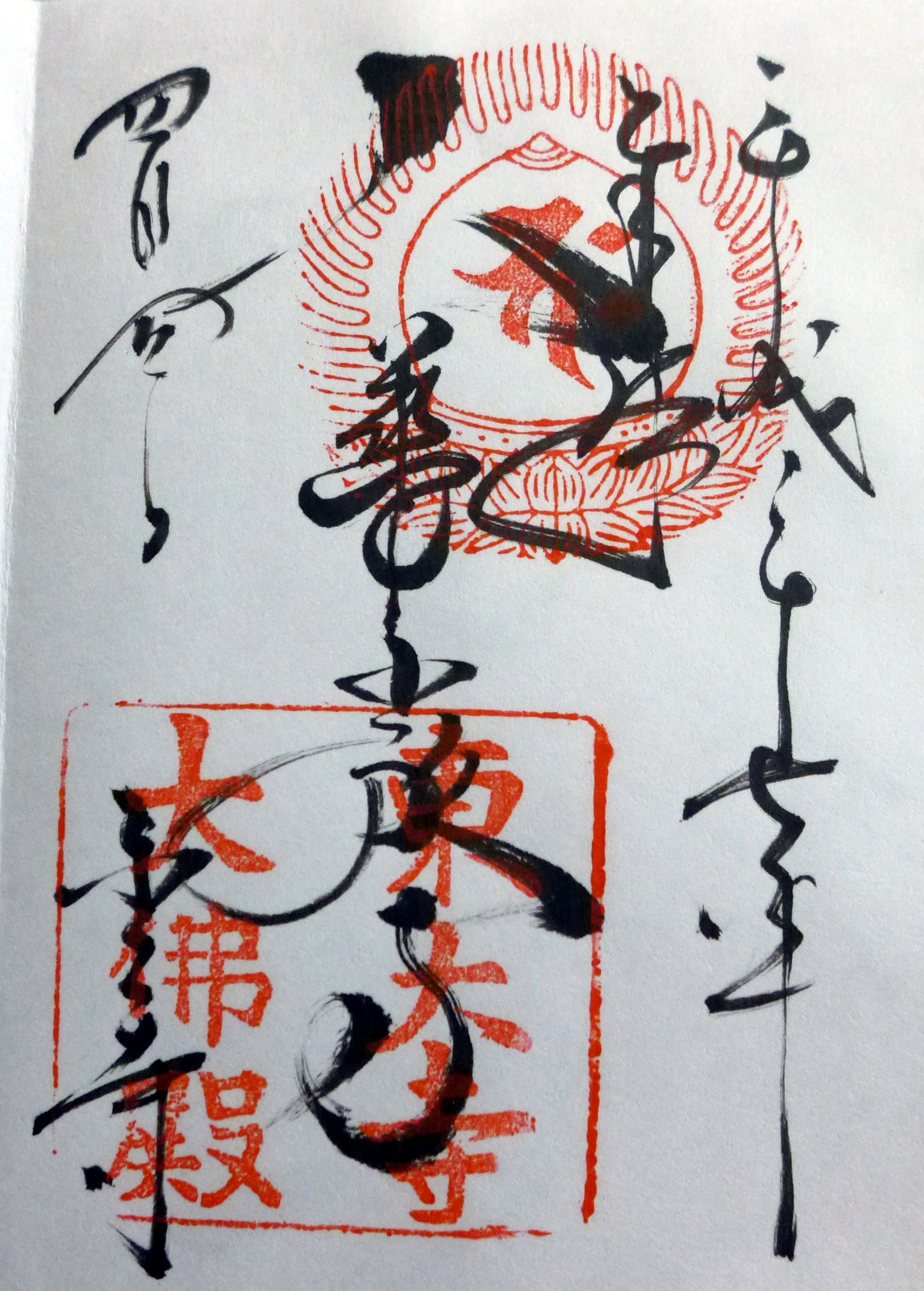
Todai-ji 東大寺, was once one of the seven great temples of Nara, a term that refers to the most powerful temples in Japan during the Nara period (710 – 794). The Nara period can be characterised by the flourishing of Buddhism and its influence upon the elite and the imperial family. Several members of the imperial family actually became monks, something that worried many people who saw Buddhism as a non-native invading religion. It was at Todai-ji that this imperial religious fervour reached a fever pitch.
P1070257 P1070266 P1070278 P1070282

Todai-ji was founded by Emperor Shomu in 728, quickly becoming a temple of influence and power. Emperor Shomu, worried by the large number of disasters during his reign, decided that in order to bring peace to the land he must ensure the spread of Buddhism. Therefore he issued an edict that promoted the construction of provincial temples throughout the land to counter the blight of rebellion, smallpox and poor harvests. I suppose when you’re in power and all of that happens you have to look like you’re doing something, even if realistically there’s not a lot you can do.P1070276 P1070288 P1070286 P1070294 P1070296
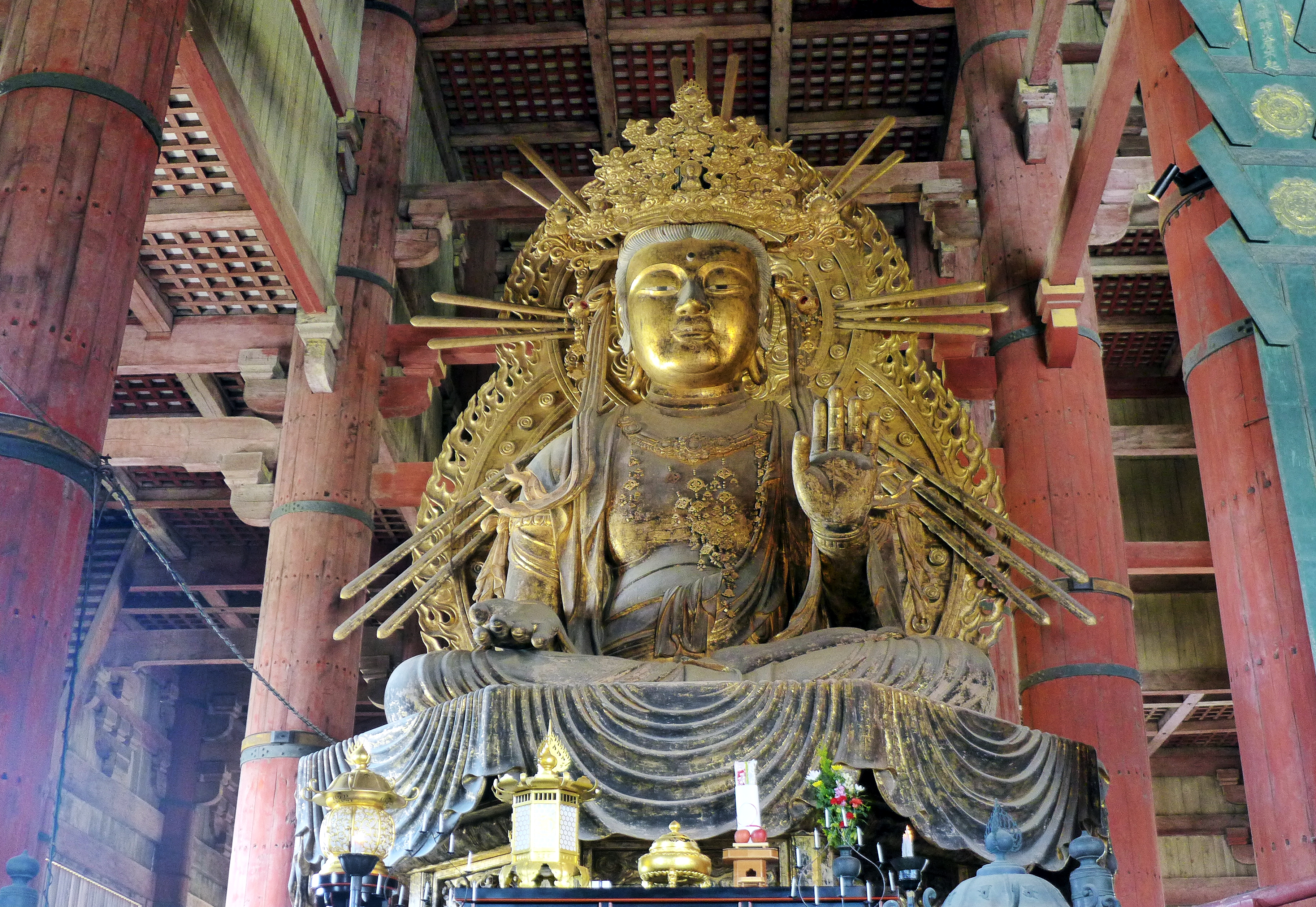
It was at Todai-ji that all Japanese monks of this period were ordained, making it one of the most important temples in Japanese history. In addition, this temple is where the Daibutsu 大仏, or great buddha can be found. This too was built by Emperor Shomu, who felt that he must construct a great Buddha to show the appreciation of the Buddha by the Japanese people. This is the largest bronze statue of the Buddha Vairocana, (there are other larger statues of different Buddha) in the world. Vairocana is the Buddha that represents the East Asian concept of ’emptiness’. The Buddha was constructed through donations of bronze and other materials that were persuaded out of the Japanese people, and it was gilded in imported gold. Many later accounts of the construction blame the construction of the Daibutsu for the subsequent near-bankruptcy of Japan and shortage of bronze. Rather amusing that the Buddha of emptiness also emptied Japan’s treasury…

P1070299 P1070302 P1070324 P1070318

The Daibutsu was finally completed in 745 and it is estimated 350,000 people worked on its construction. It weighs 500 tonnes and measures nearly 15m tall. Unfortunately around a century later, in 855, the head of the Daibutsu fell off and further donations had to be taken from the people in order to construct a more stable head. I am not sure if these were genuine donations or if they were ‘donations’ that were ‘requested’ by the Emperor. Shomu himself, in a final act of piety, became a monk upon his retirement.

P1070316 P1070308P1070327

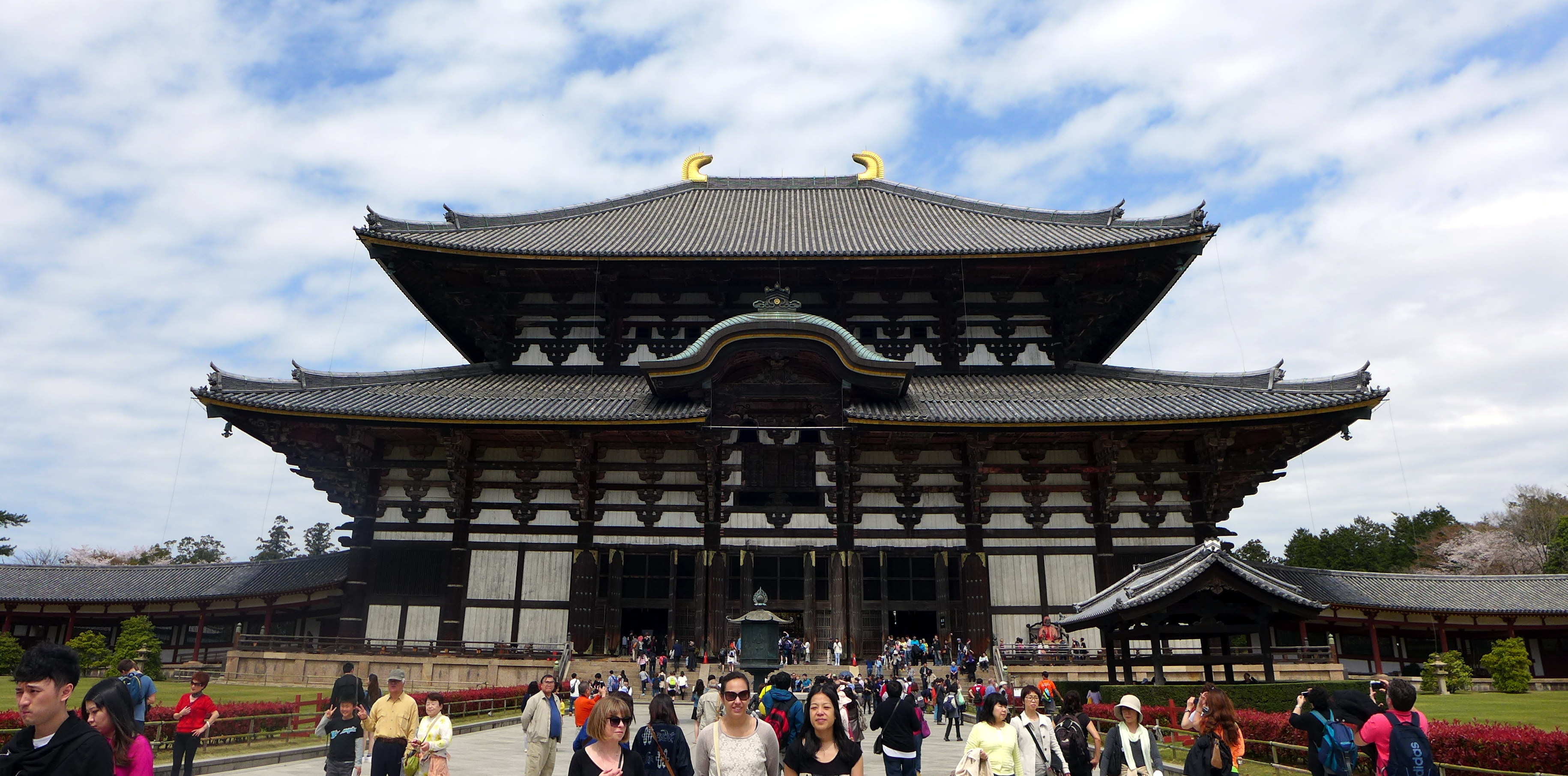
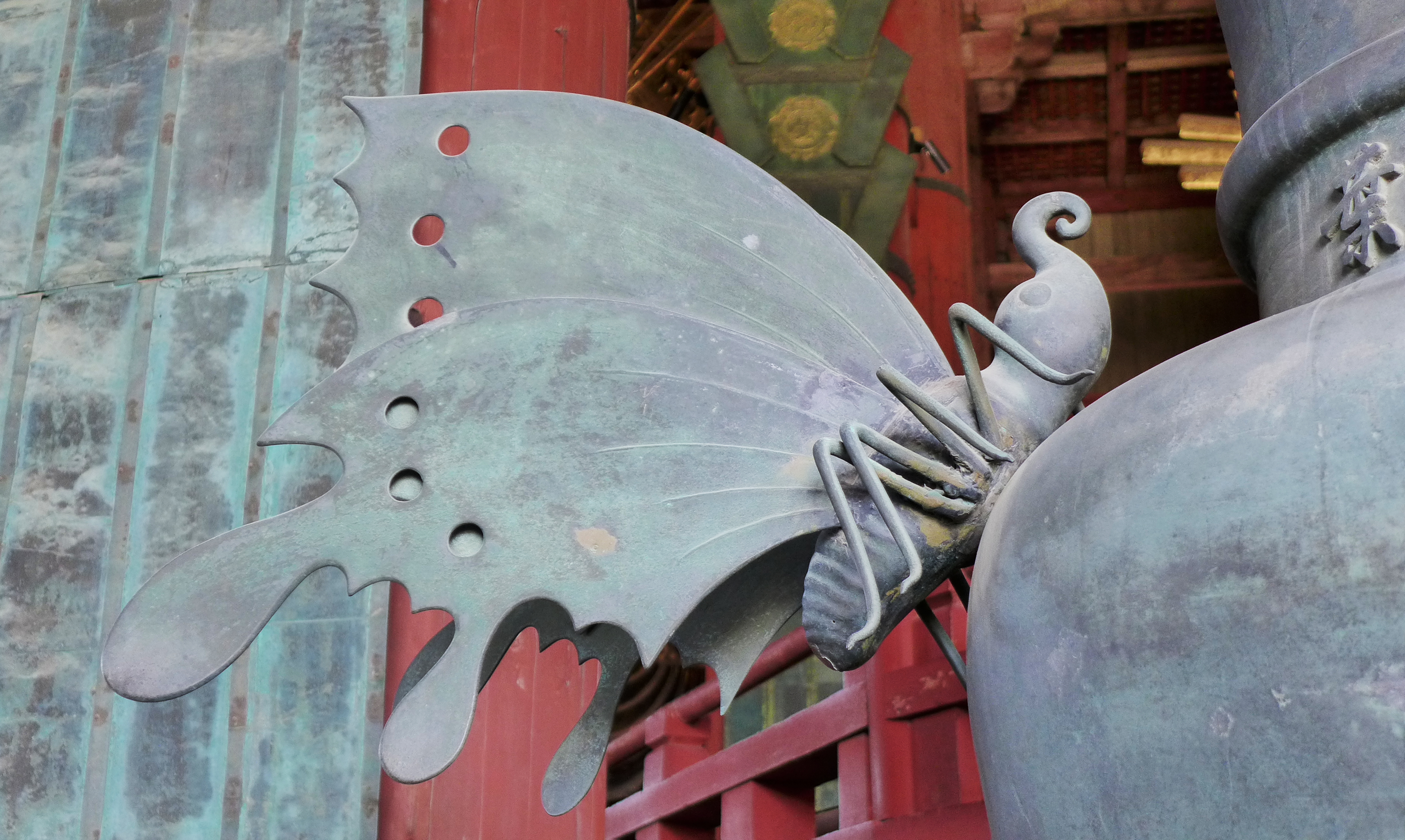
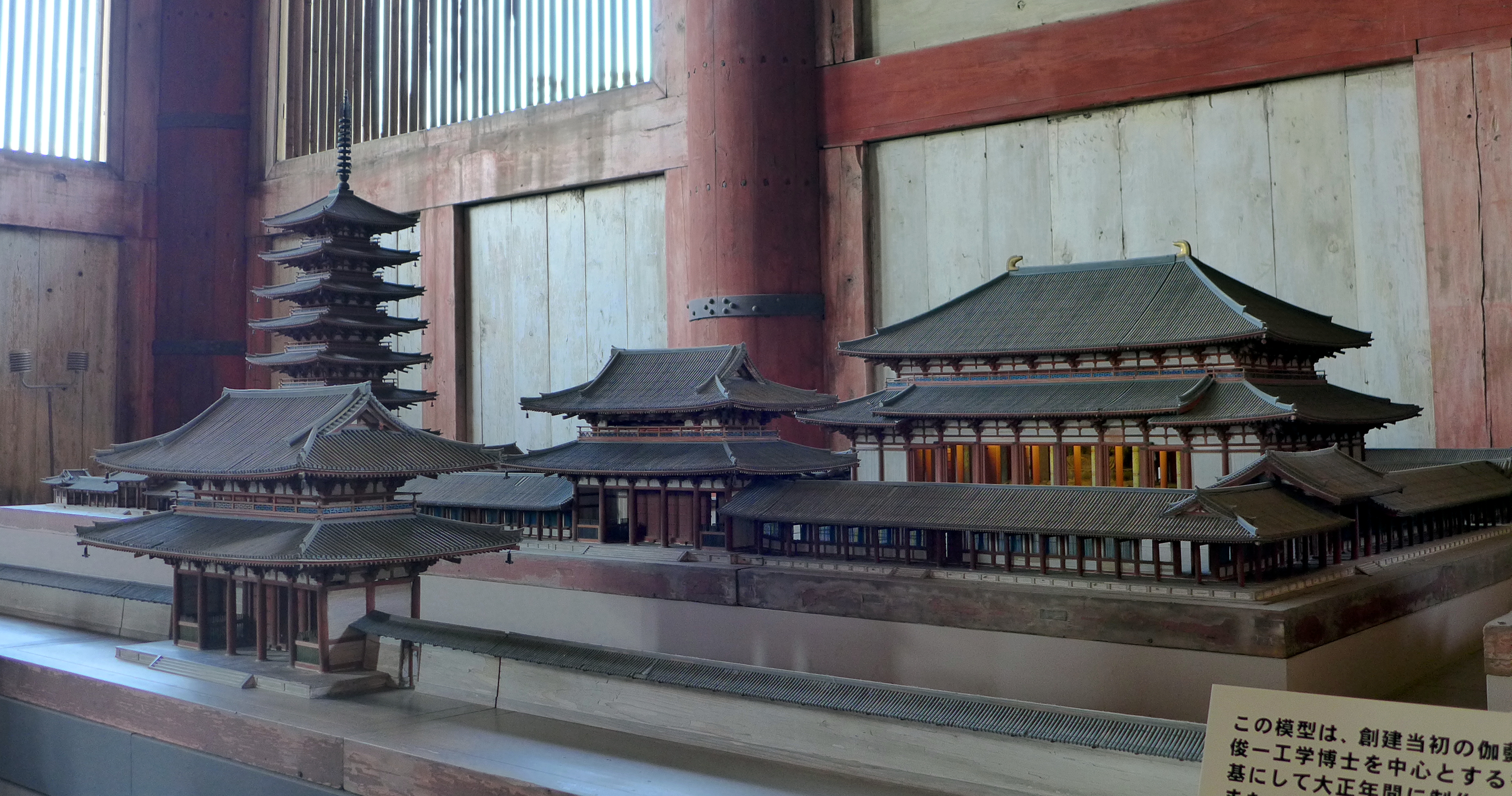
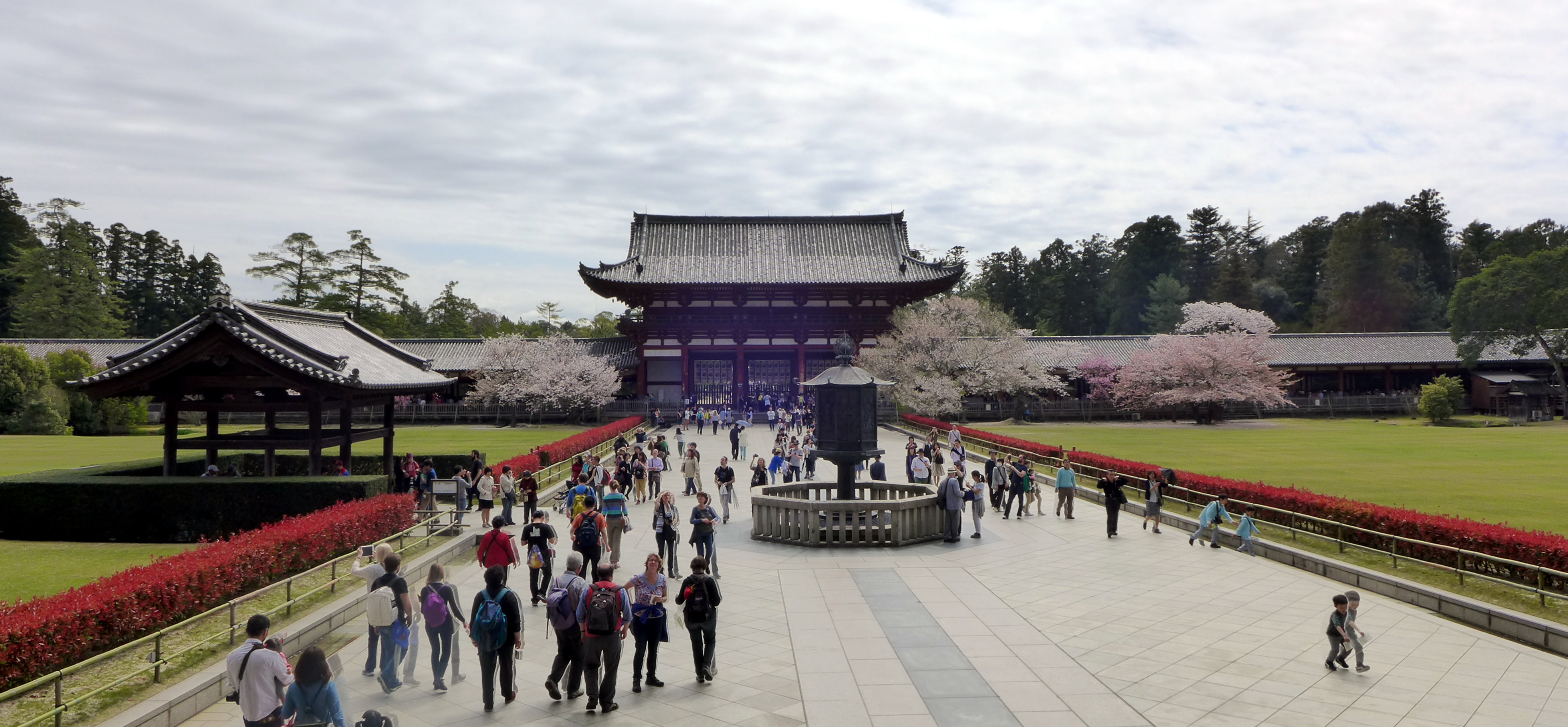
The current building of Todai-ji dates back to 1709; like most wooden temples in Japan the hall burned down several times. The current structure is actually 30% smaller than the original and lacks the two pagodas the original had. There was a small scale model of the original Todai-ji in the temple itself. The current structure was the worlds’ largest wooden building until 1998. It is now beaten by a Japanese baseball stadium among others. I really liked the gold horns on the top of the main building, they remind me of a samurai helmet. It’s certainly something different to other temples, something you start to appreciate when so many look similar.

P1070339P1070340P1070332 P1070334

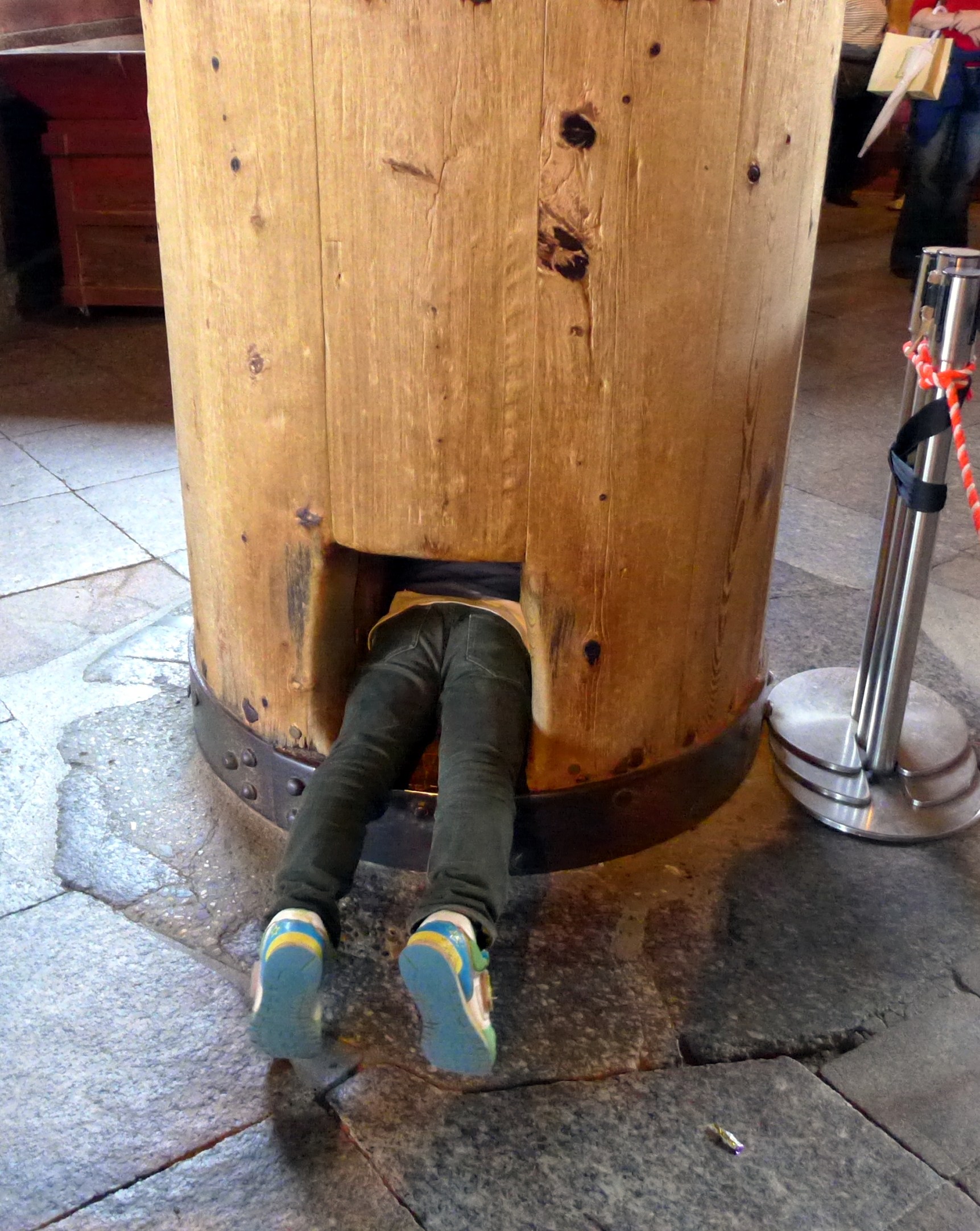
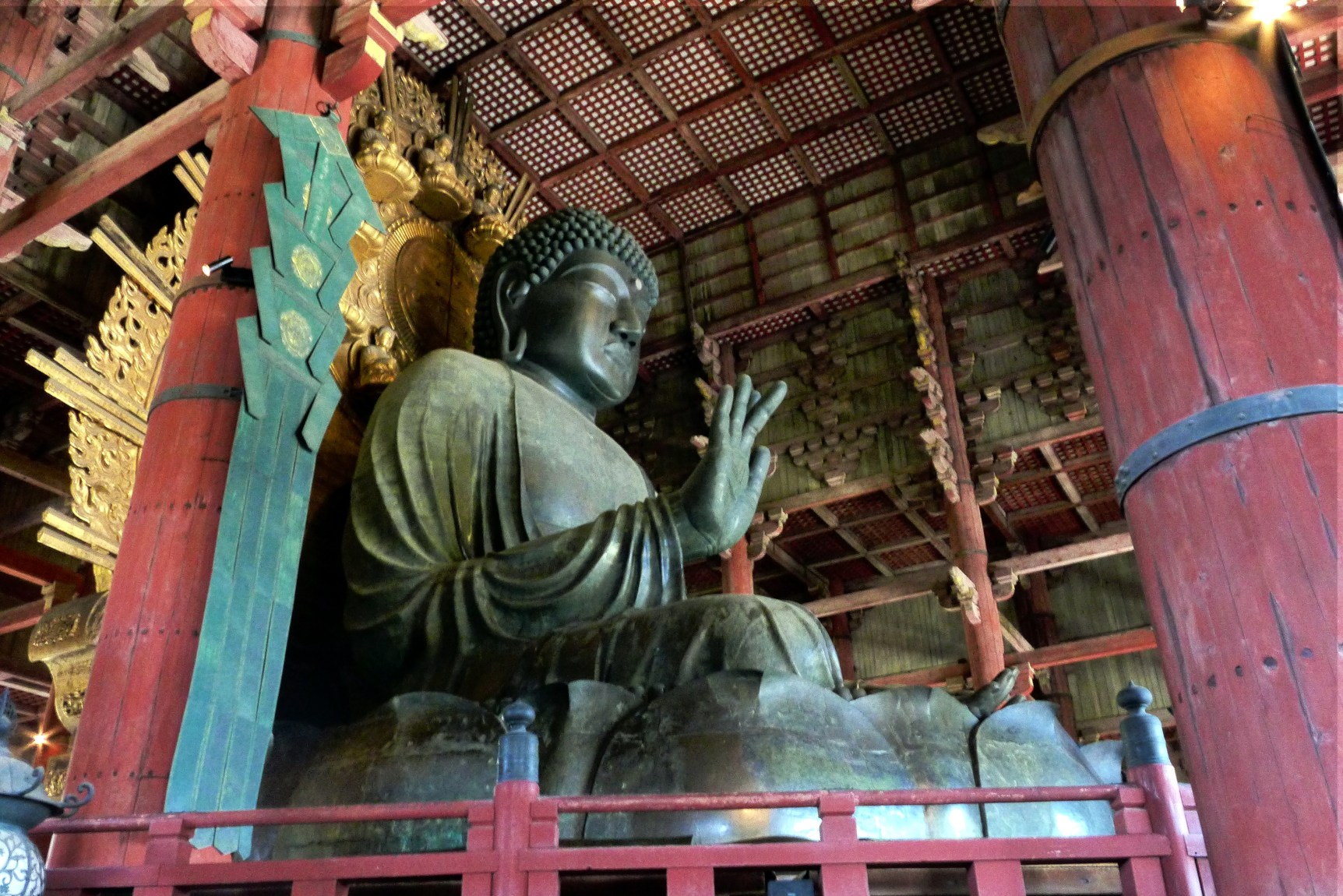
Inside the main hall was the main Buddha as well as a couple of rather large flanking Buddha. We saw a long queue of children with their parents waiting for apparently nothing, until I noticed that the children were taking it in turns to crawl through a small hole at the base of one of the wooden pillars and then have a photo taken stuck halfway through. This apparently ensures enlightenment later in life (the crawling, not the photo, one assumes). You can only do this as a child, unless you are very small, as most adults simply will not fit through the hole.
P1070344P1070335P1070338P1080061

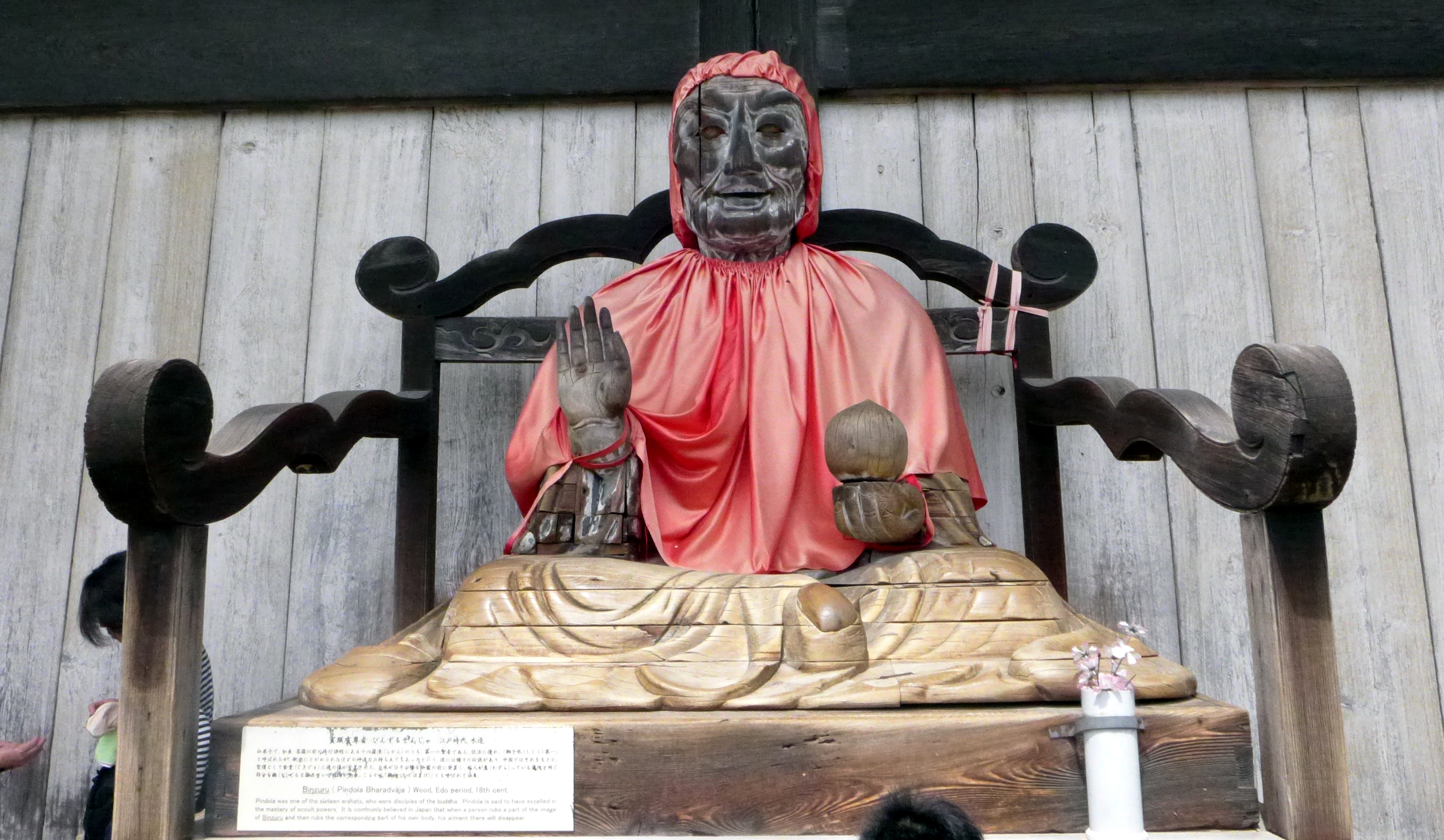
A small shrine outside was dedicated to what looked like a skeleton. The idea was that if you touched the figure where you were suffering from some kind of pain or disease, it would be cured if you prayed at this shrine. I had a go because I was very allergic at the time, though I feel that it was eventually the medicine that fixed me.
P1070347P1070353 P1070302P1070304

Todai-ji is an impressive structure and definitely worth seeing. It, along with Kasuga Shrine in my last post, is a designated World Heritage Site. Unlike the shrine, it did cost money to enter (around 500円 I think), but it’s definitely worth it.
横浜 Aquarium Island and A Reptilian Tea Party

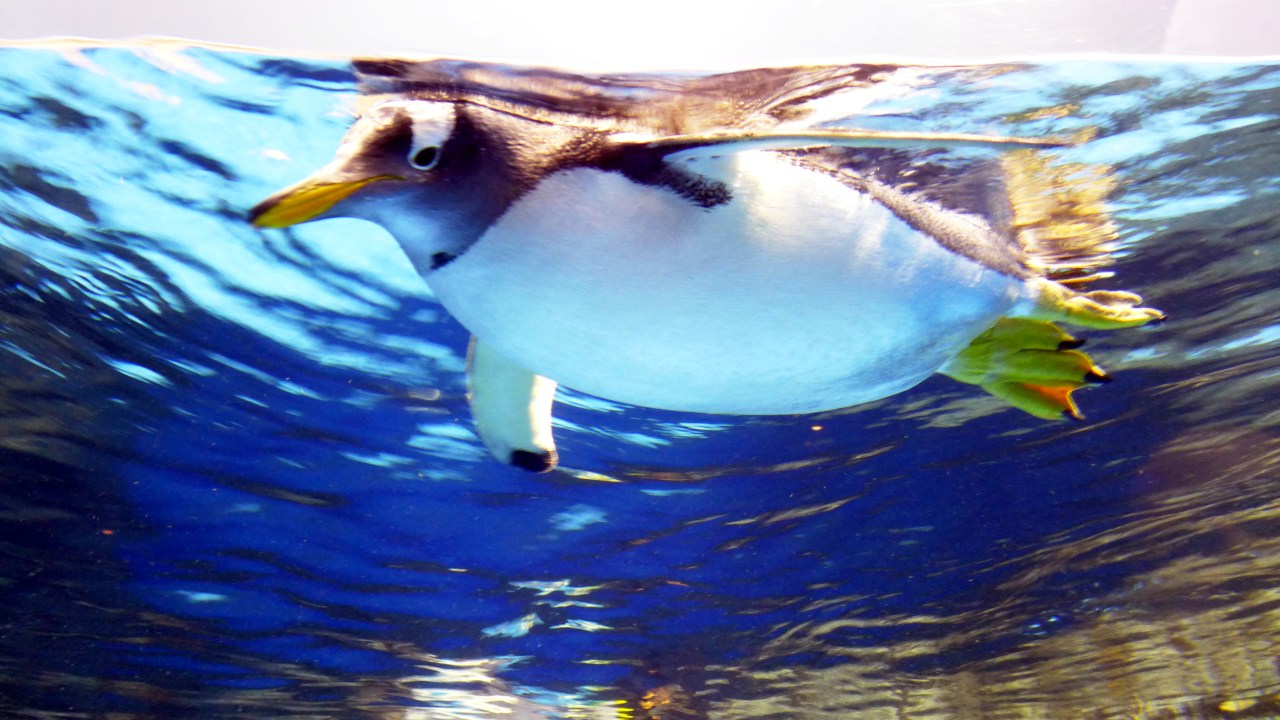
While in Yokosuka we decided to check out the nearby Aquarium near Yokohama on Hakkeijima (a small island just south of Yokohama). I really enjoy aquariums – I find the ambient music, dim lights and gently swimming fish to be very relaxing. Also in Yokohama was one of Japan’s many animal-themed cafés. Unlike the cat-cafe obsessives, I, being allergic to most fluffy cute things, found a reptile café for us to visit. This will be a post about the two animal adventures we had in Yokohama.

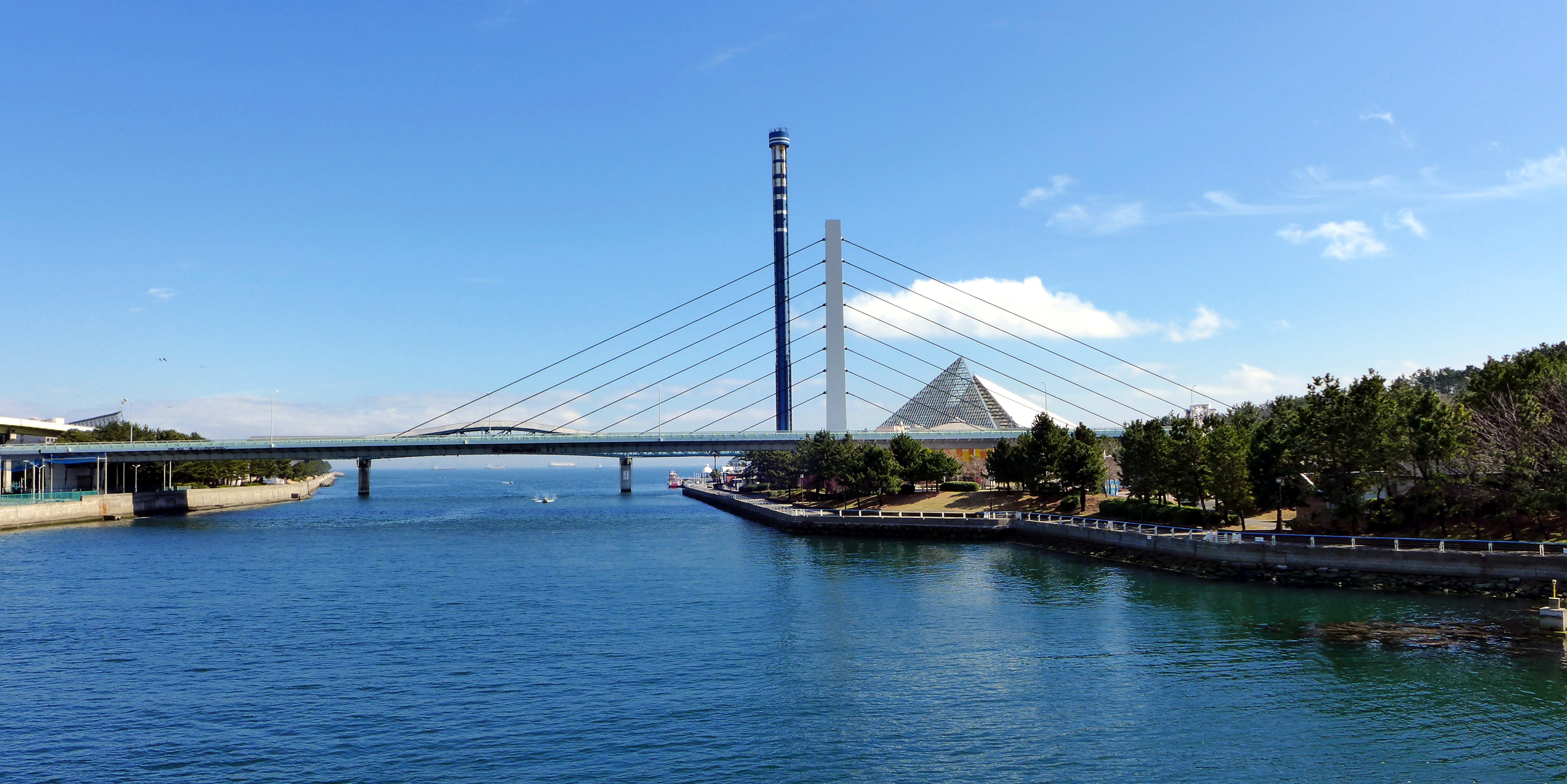
The aquarium we visited was Hakkeijima Sea Paradise, which can be accessed by train or car. It is an entire theme-park island, with roller coasters, an aquarium and several other sea-related attractions. It was a really beautiful day which made it even better.

P1060150 P1060151 P1060154

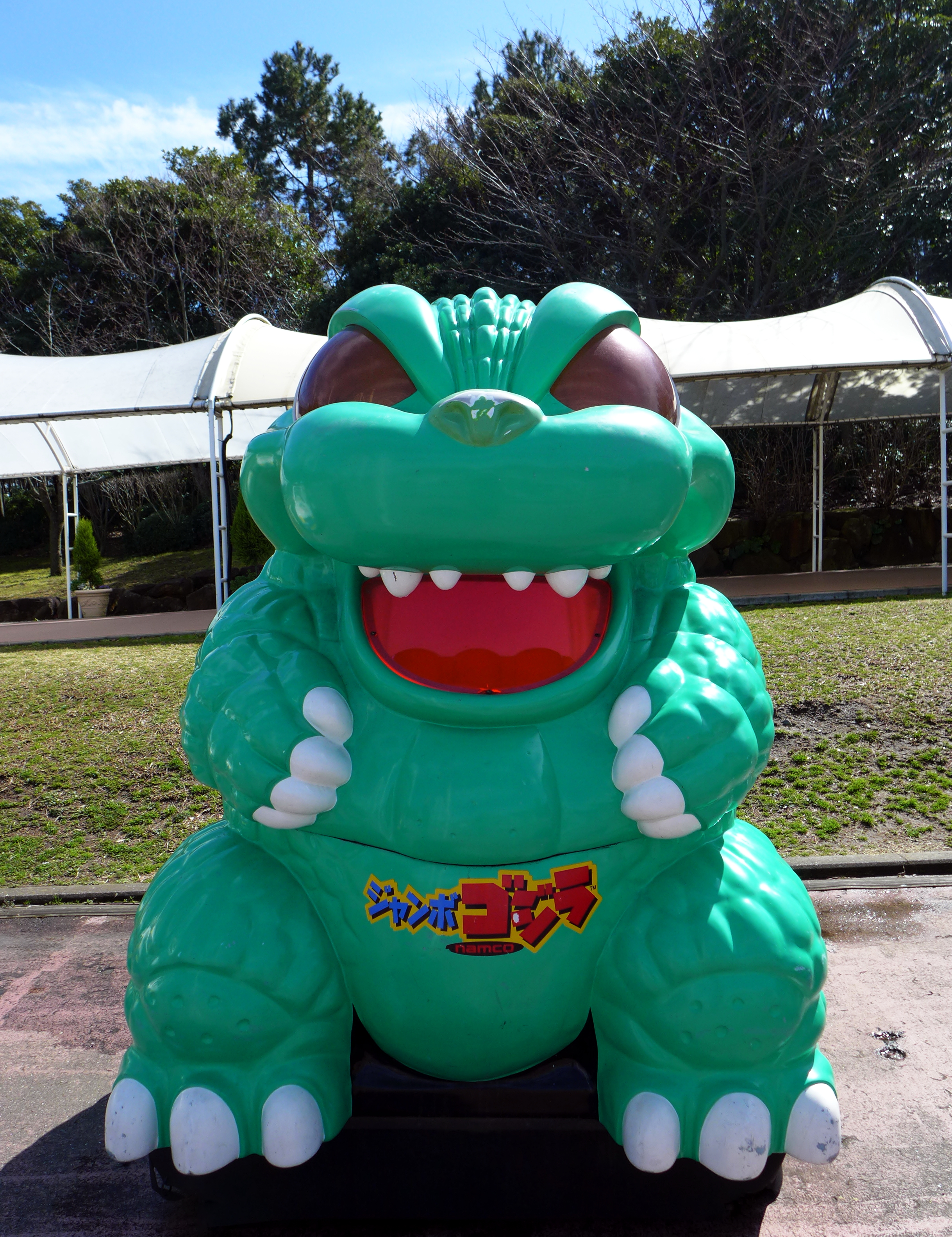
On the way into the island were some retro children’s’ rides – a pikachu pokemon game, several mini-rides, and a Gojira (Godzilla) game which we simply had to play. We squished inside Gojira and mashed the buttons as Gojira killed the evil hydra that was attacking Japan (at least we think that’s what was going on), the ride swayed from side-to-side as we played and we eventually won. It was a lot of fun.

P1060159 P1060156

We started with the aquarium, as that’s what I wanted to see the most. It cost around 3,000円 each (£17) and that granted us access to the main aquarium as well as the outdoor aquarium and two other aquarium-esque attractions. The main aquarium covered 3 floors, with a huge variety of animals. There was one rather sad looking polar bear which I wish I could have freed or something – his enclosure was far too small and he looked miserable. Aside from the polar bear the animals seemed to be in good sized enclosures and happy.

P1060160 P1060166 P1060184 P1060182 P1060176 P1060178

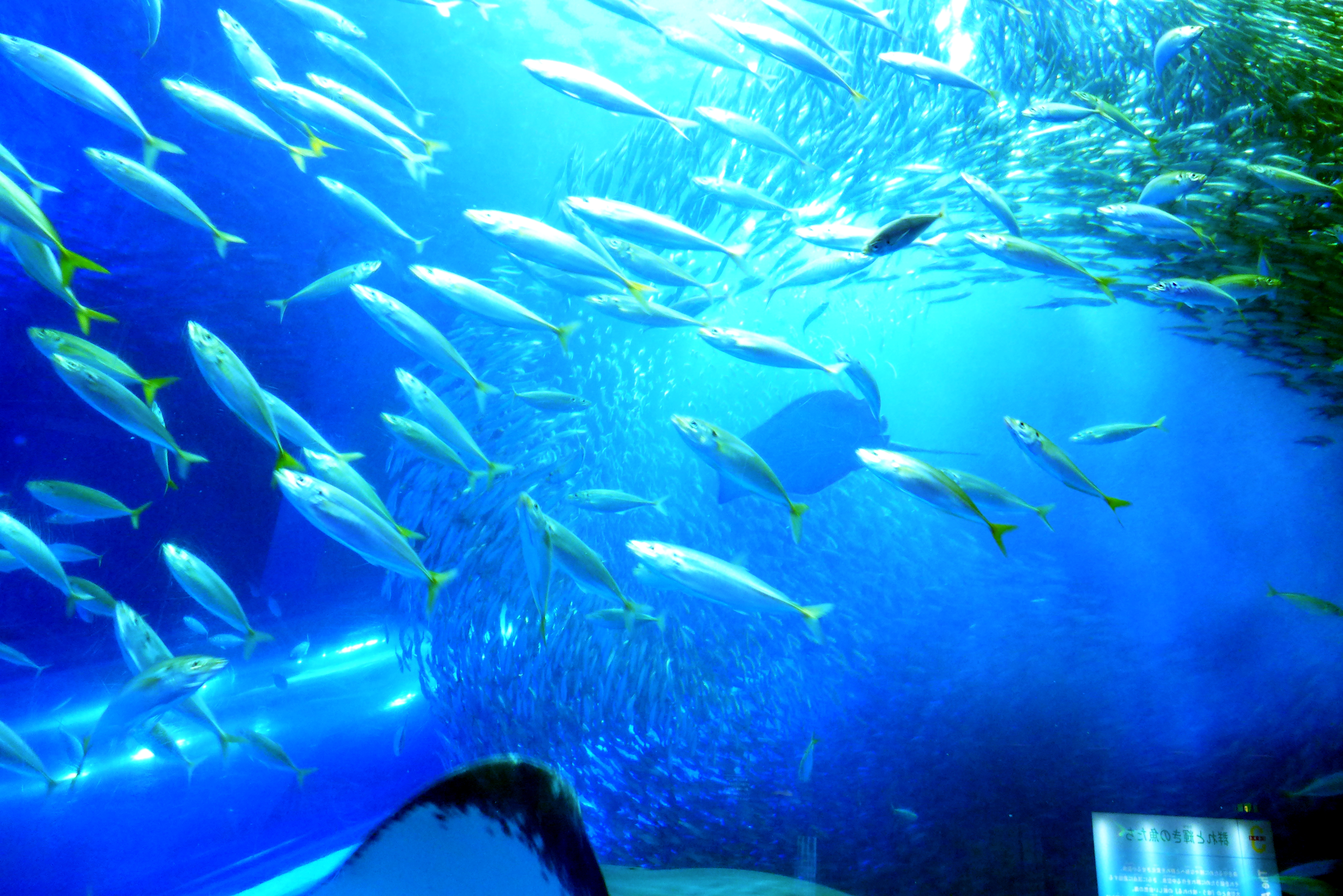
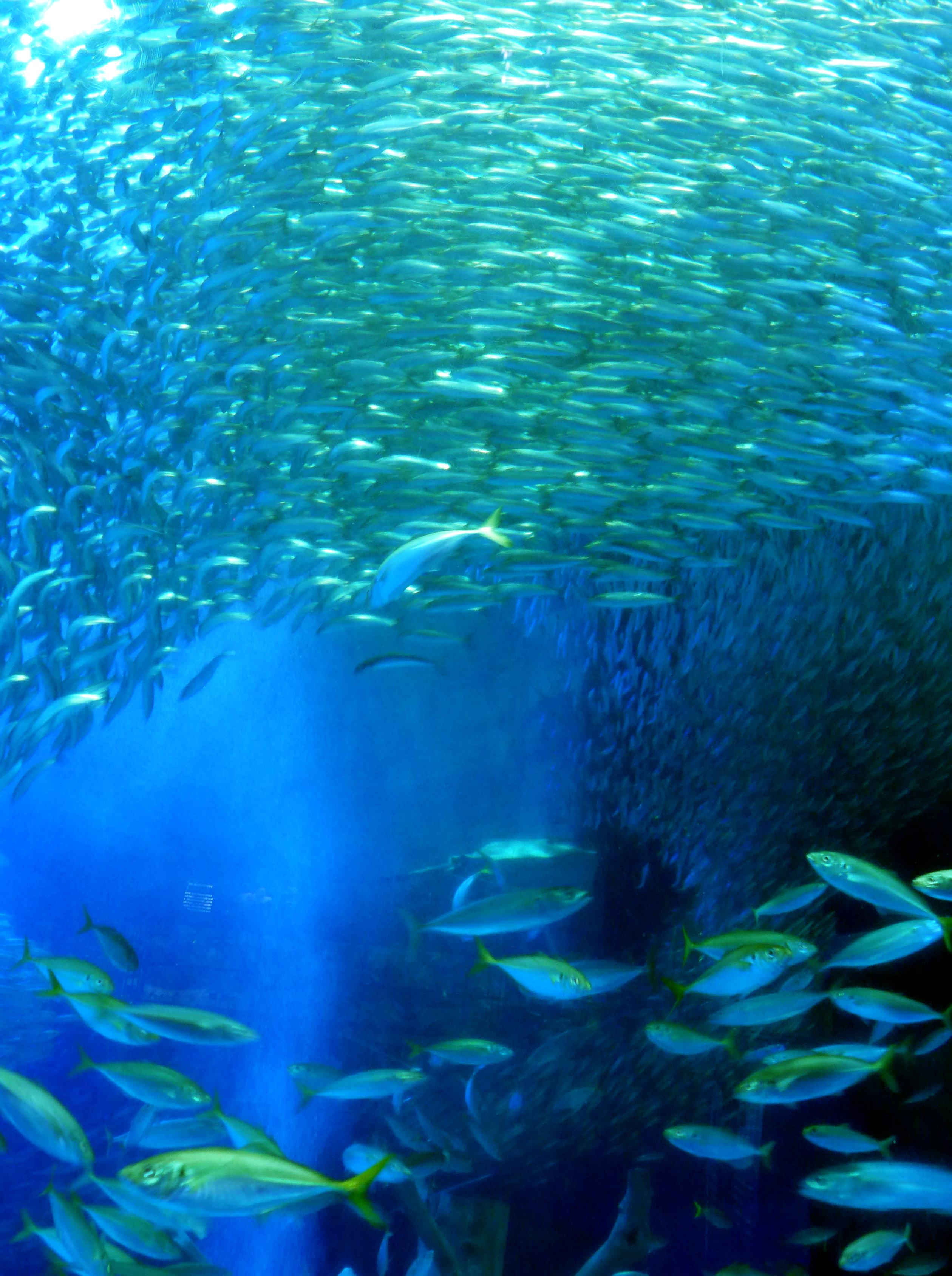
I saw walrus up close for the first time which was really cool. We were looking down on the tank from upstairs during feeding time and the attendant noticed us watching. He gave the walrus some ice and put a long tube in its mouth, the walrus blew out and the ice was fired at us! There was glass in the way so it bounced off, but it was a pretty amazing experience. I didn’t take pictures as I was too surprised and  generally enjoying myself too much to take lots of pictures. The aquarium had a cool escalator through a tunnel in one of the tanks which was surrounded by a hypnotic shoal of fish that acted as if they were one organism. The rays kept swimming through, dividing the shoal into spirals and circles.

P1060173 P1060175 P1060185 P1060186

Once we’d made our way through the inside of the aquarium we came out into an outside area which had various fish and ducks, including piranhas in an open tank. Though there were big ‘do not put hand in‘ signs, it seemed a little weird that it was left open in a place where so many children visited. We watched a kaleidoscope of Koi being fed by a kid and bought some feed ourselves to feed the ducks.

P1060190 P1060187

There was an announcement for the aquatic show, so we made our way to the large stands to check it out. There was a whale shark swimming around the big pool, but he didn’t seem bothered by the show going on around him. There were dolphins, sea-lions and a walrus in the show, and it was really spectacular. There were also some weird clowns but I didn’t really find them funny – I probably had to understand all of what they were saying to really get it.

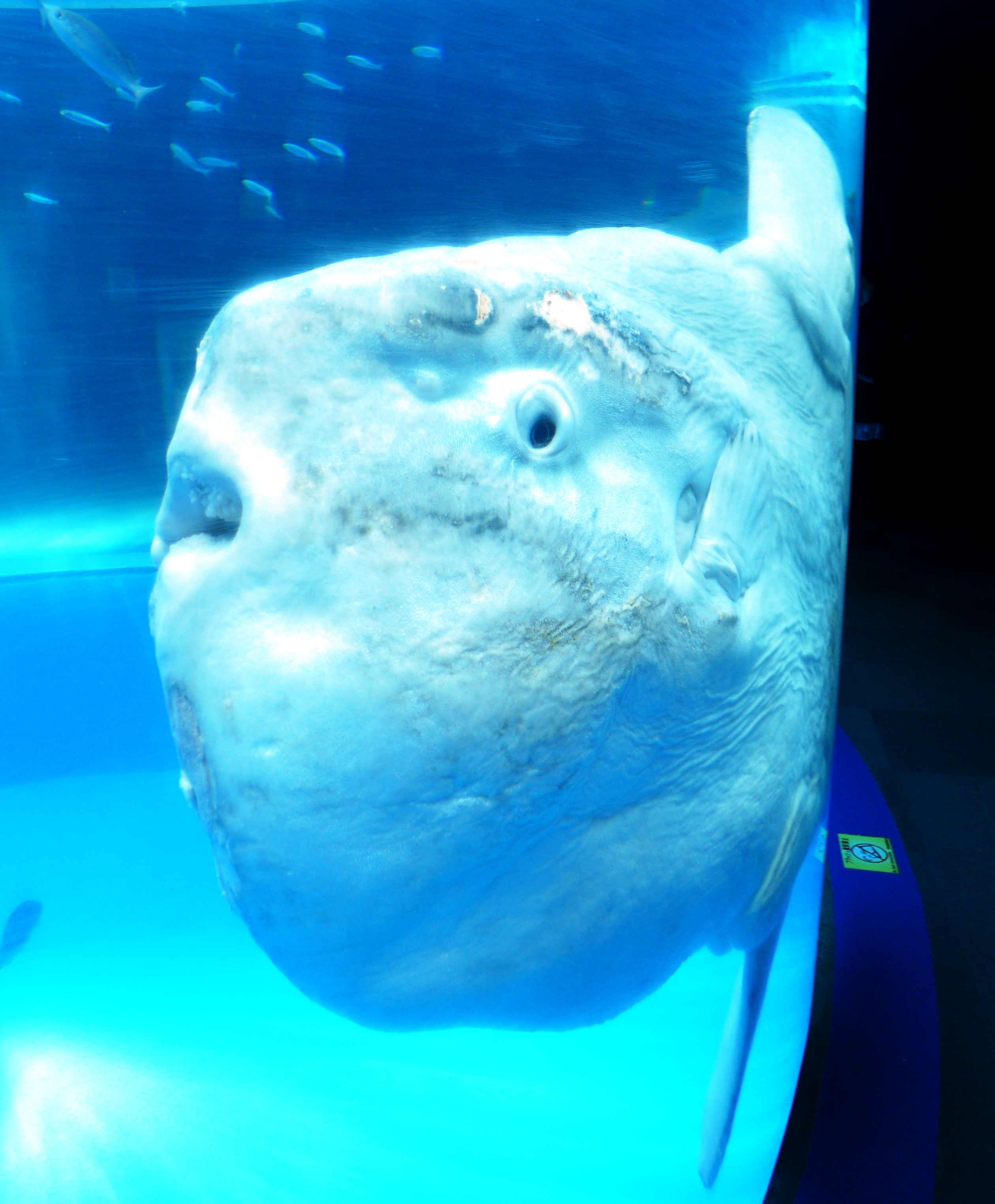
We then made our way to one of the sub-aquariums which was called ‘dolphin paradise’ or something. It had a few dolphins in a big tank with a tunnel through it, but the surprise was at the end of the tunnel. In a large circular floor-to-ceiling tank there was a huge, white, flat, ugly fish. This was a sun fish. I don’t know how I knew the name, I think I owe my knowledge to David Attenborough. It was amazing to see, not sure how ethical it is to keep it in an aquarium though. Apparently it is not safe to keep them in a square tank because they can’t manoeuvre very well and end up rubbing up against the walls, hence the circular tank.

P1060193

We also visited the outdoor aquarium which had a number of dolphins, beluga whales and seals. We got to stroke a dolphin and a beluga whale, which was really amazing. There was one seal which seemed to have a fascination with eating ice cubes and then spitting them out so that it could eat them again. It was pretty weird behaviour but it seemed to enjoy slurping up the ice. I couldn’t find any information on the internet as to why it would be doing that.

P1060197

There was also an outdoor area that looked like a series of pontoons connected together. This was a fishing area where you could catch your own fish and the shop in front would cook them for you. We elected not to do this as neither of us enjoy fishing or killing things.

Once we were finished with the aquarium we had a wander around the island and had a go on the roller-coaster, which was really fun if a little scary! The roller-coaster extended over the water and had really low bars over the tracks, so if you put your hands up at some points you’d break your arms. We quickly learned this and kept our arms down. The sun was setting when we rode it, making it even more fun.

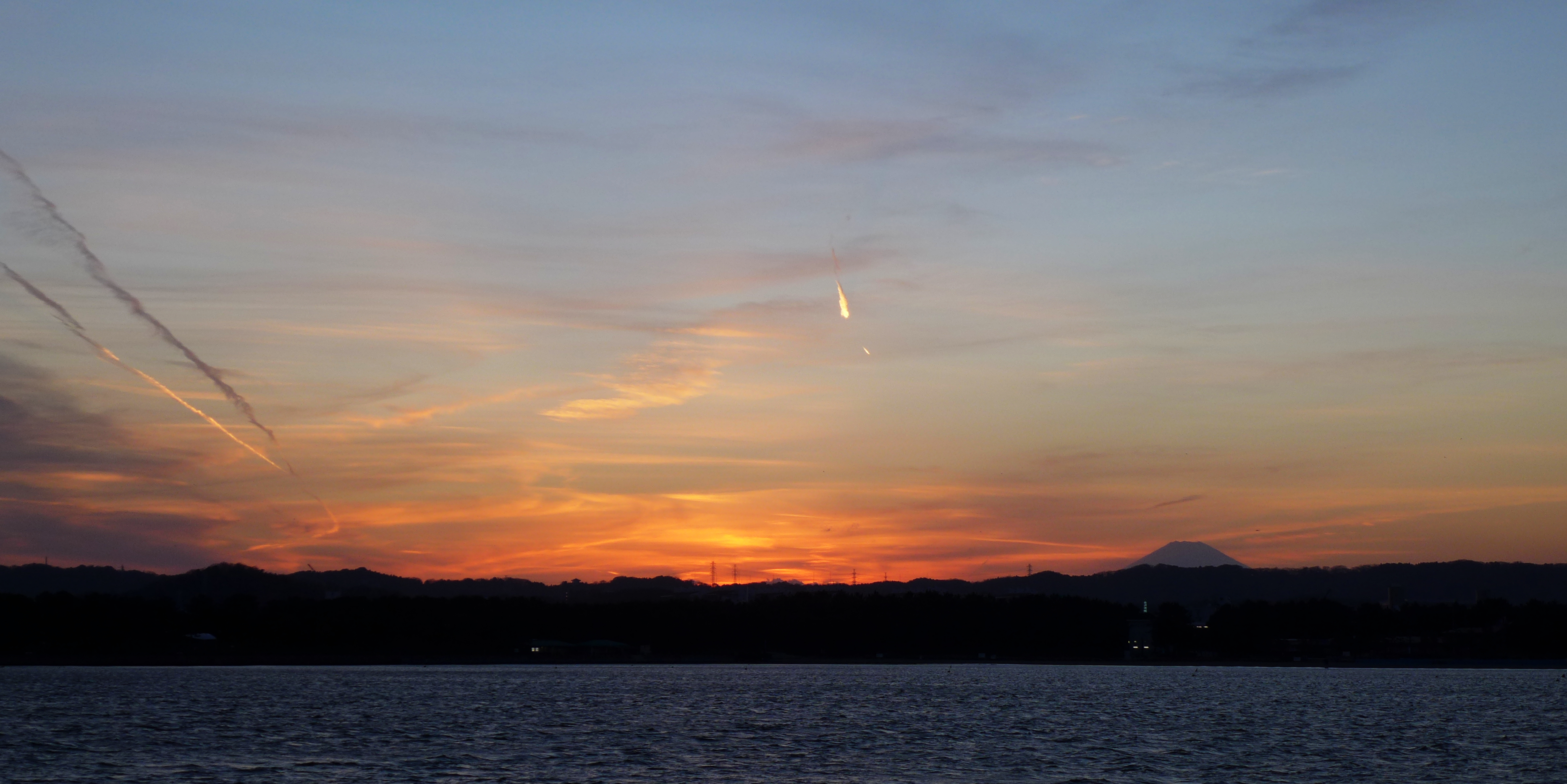
As we were leaving the island the sun was setting and we could see Mt Fuji in the distance. It was probably one of the best sunsets I’ve seen in Japan.

P1060202

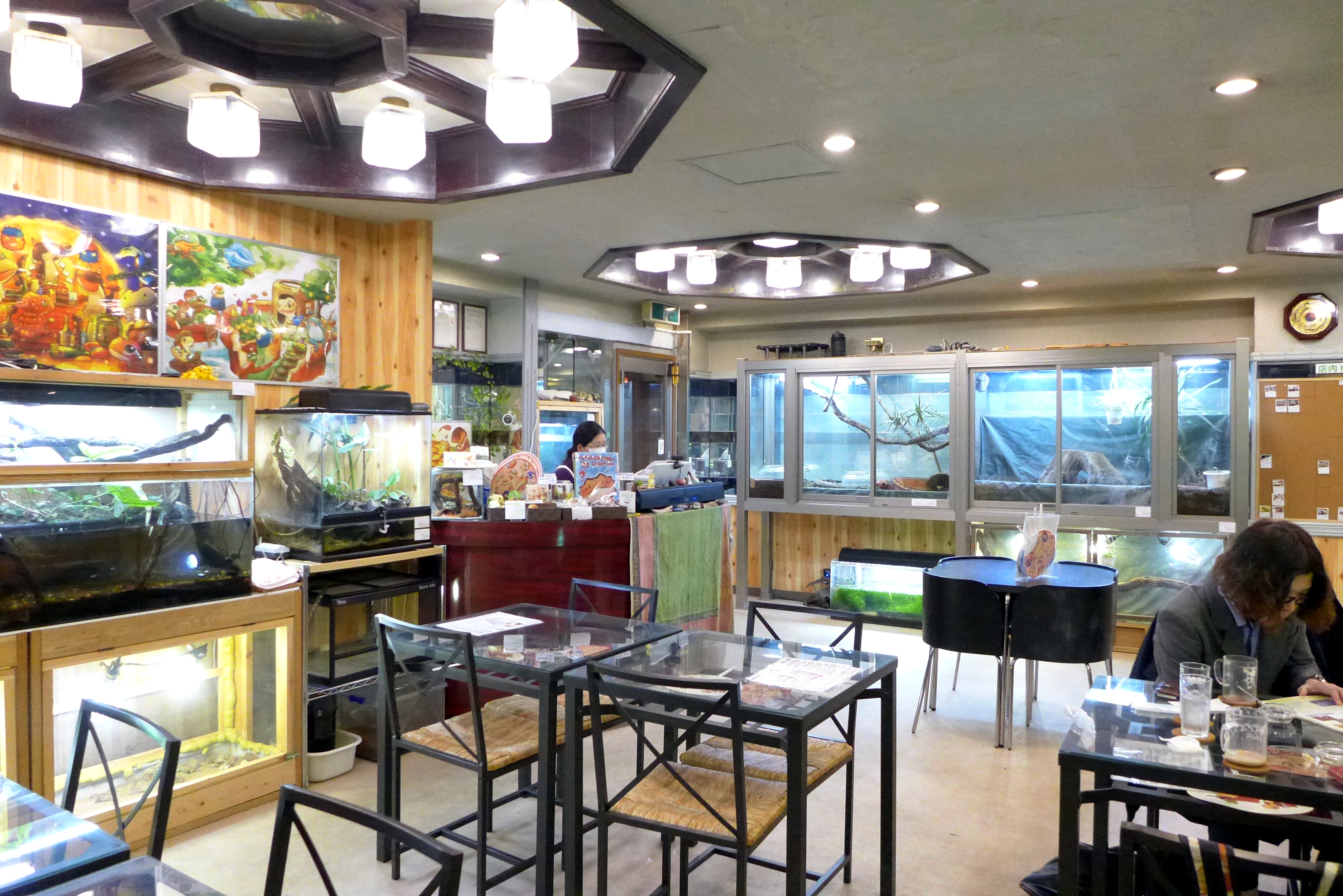
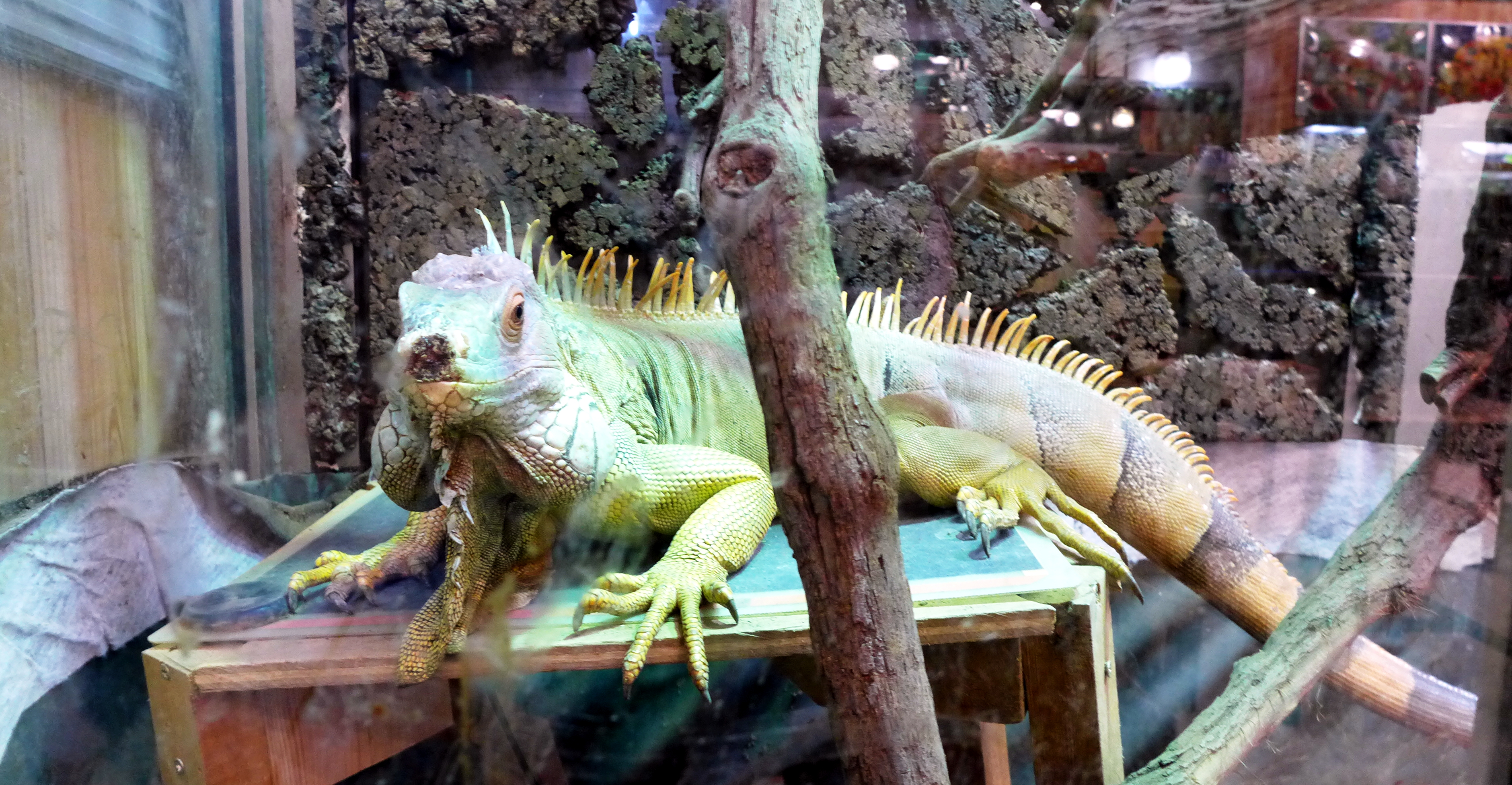
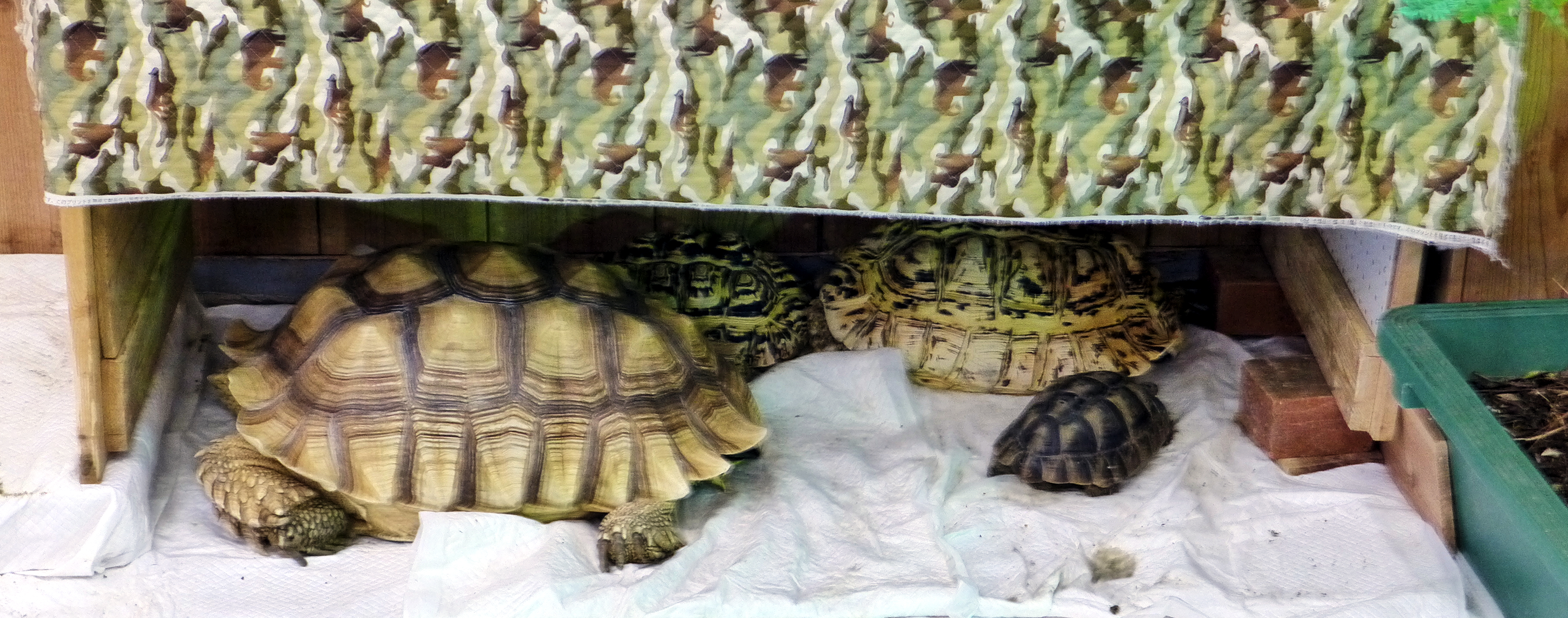
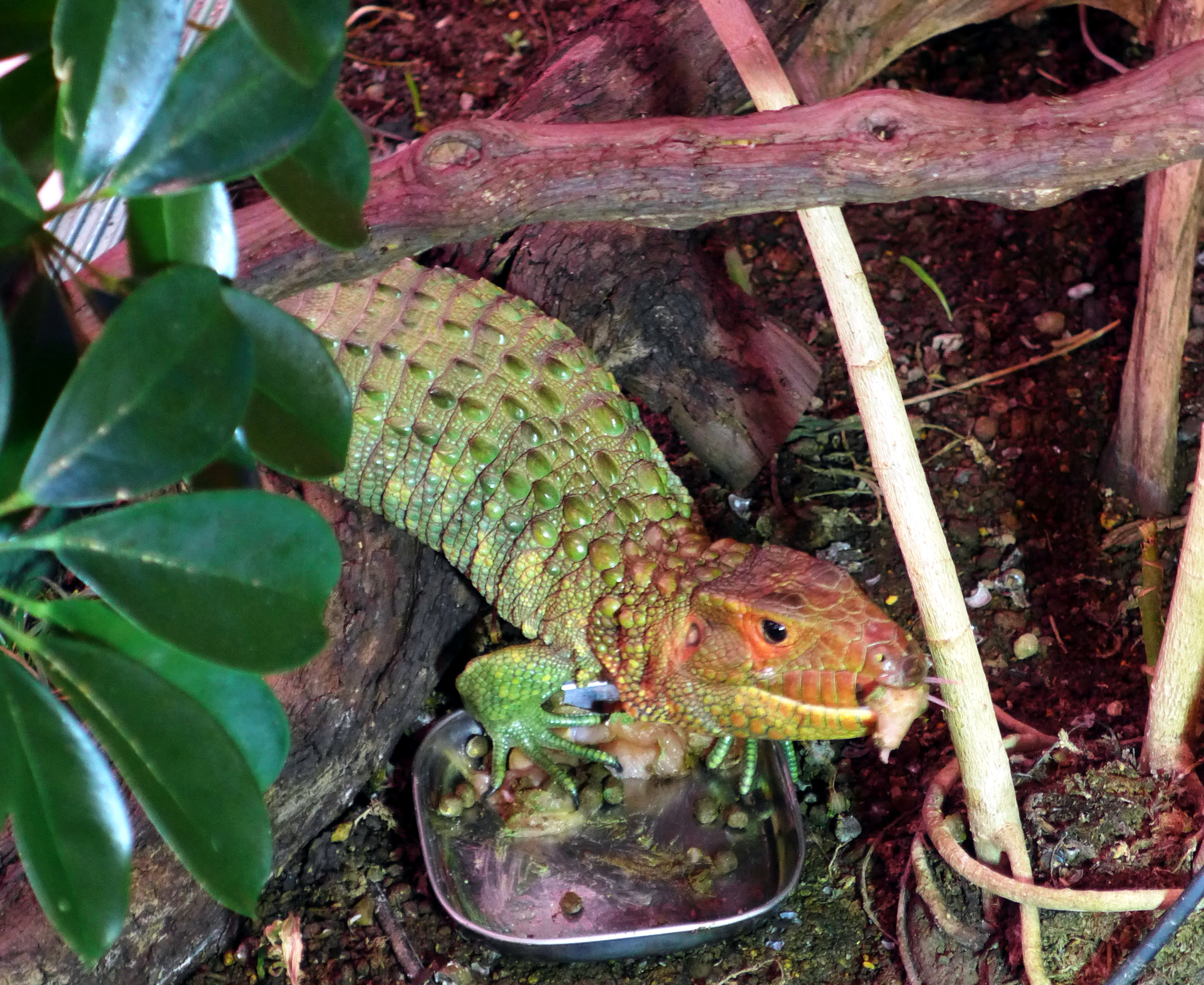
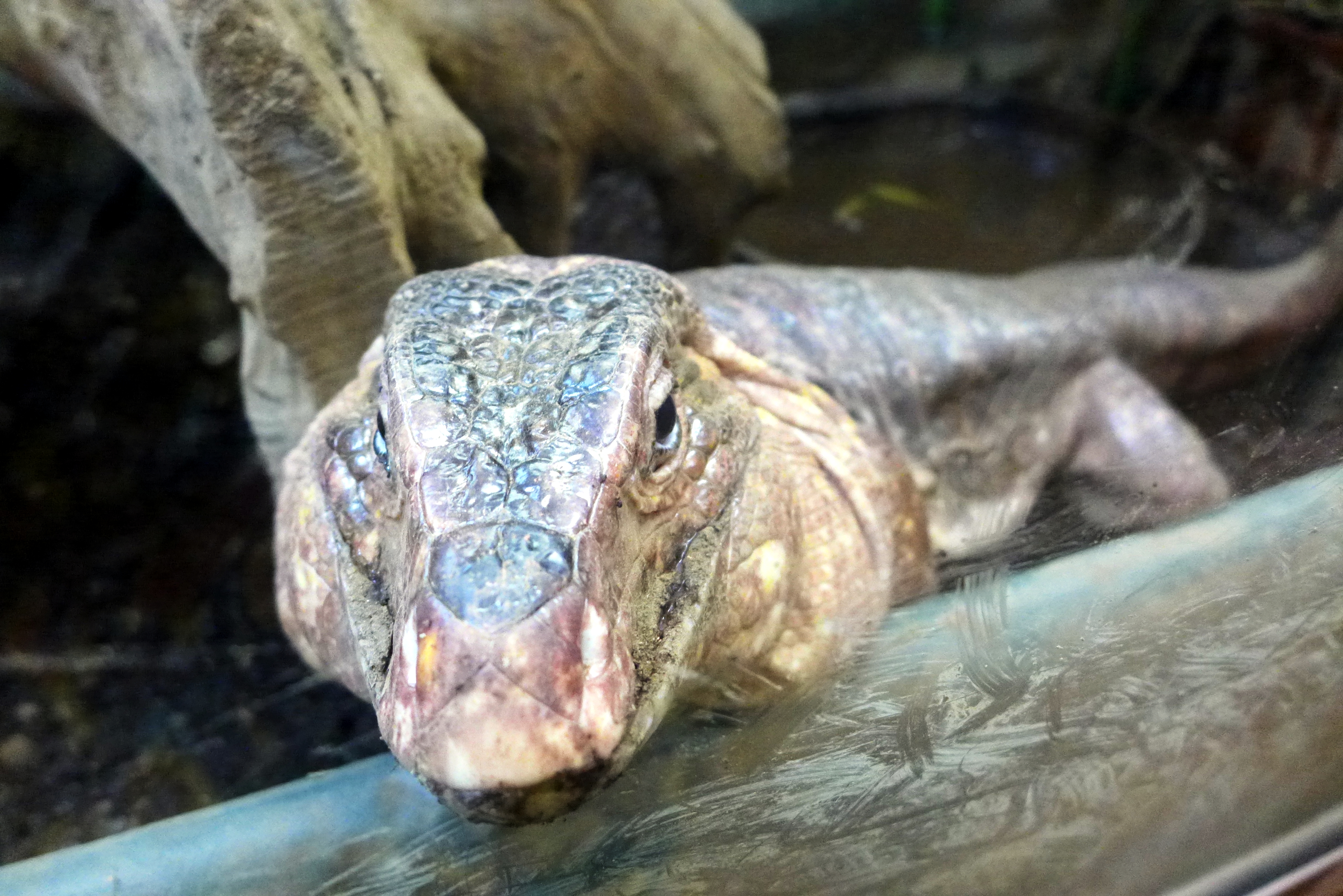
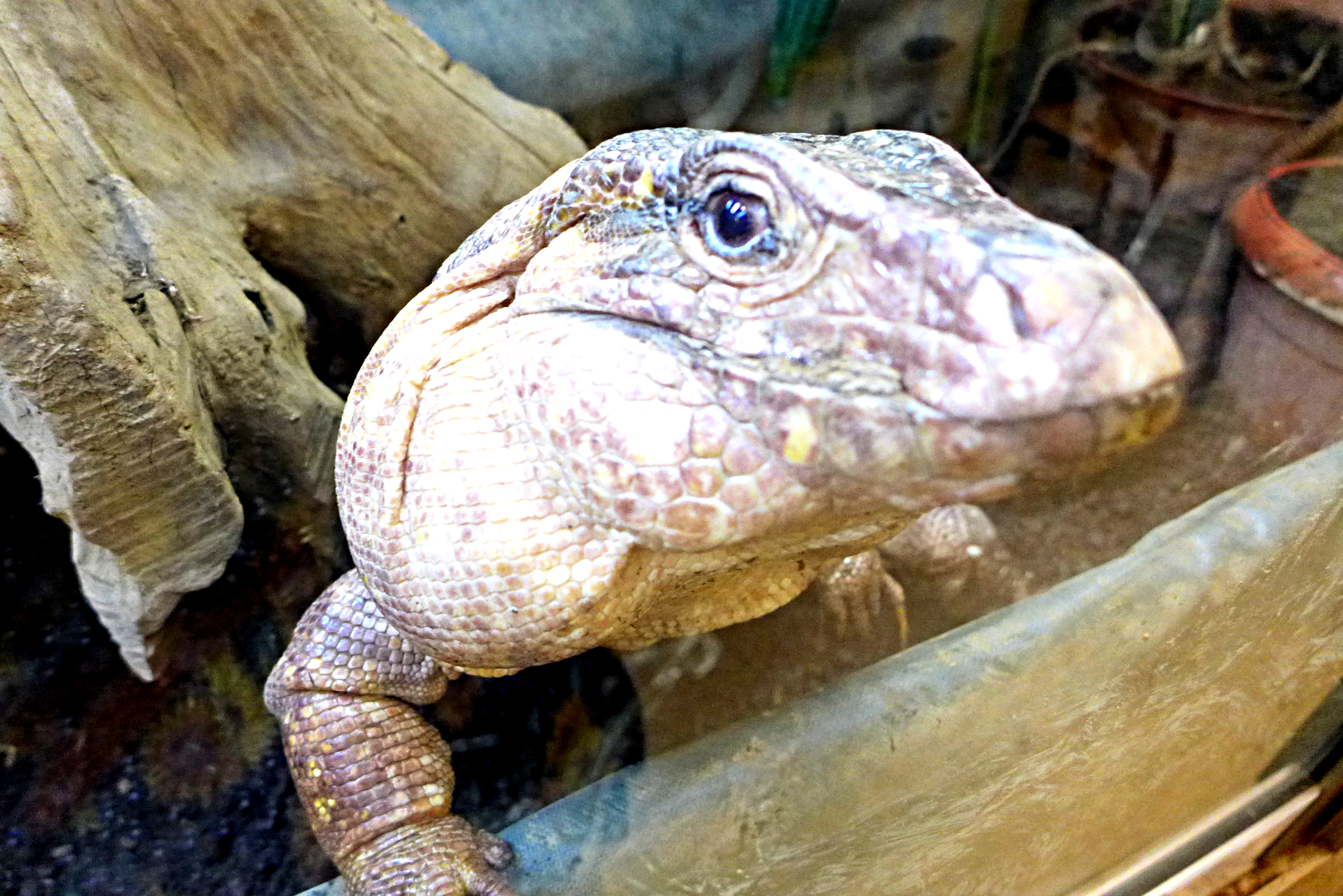
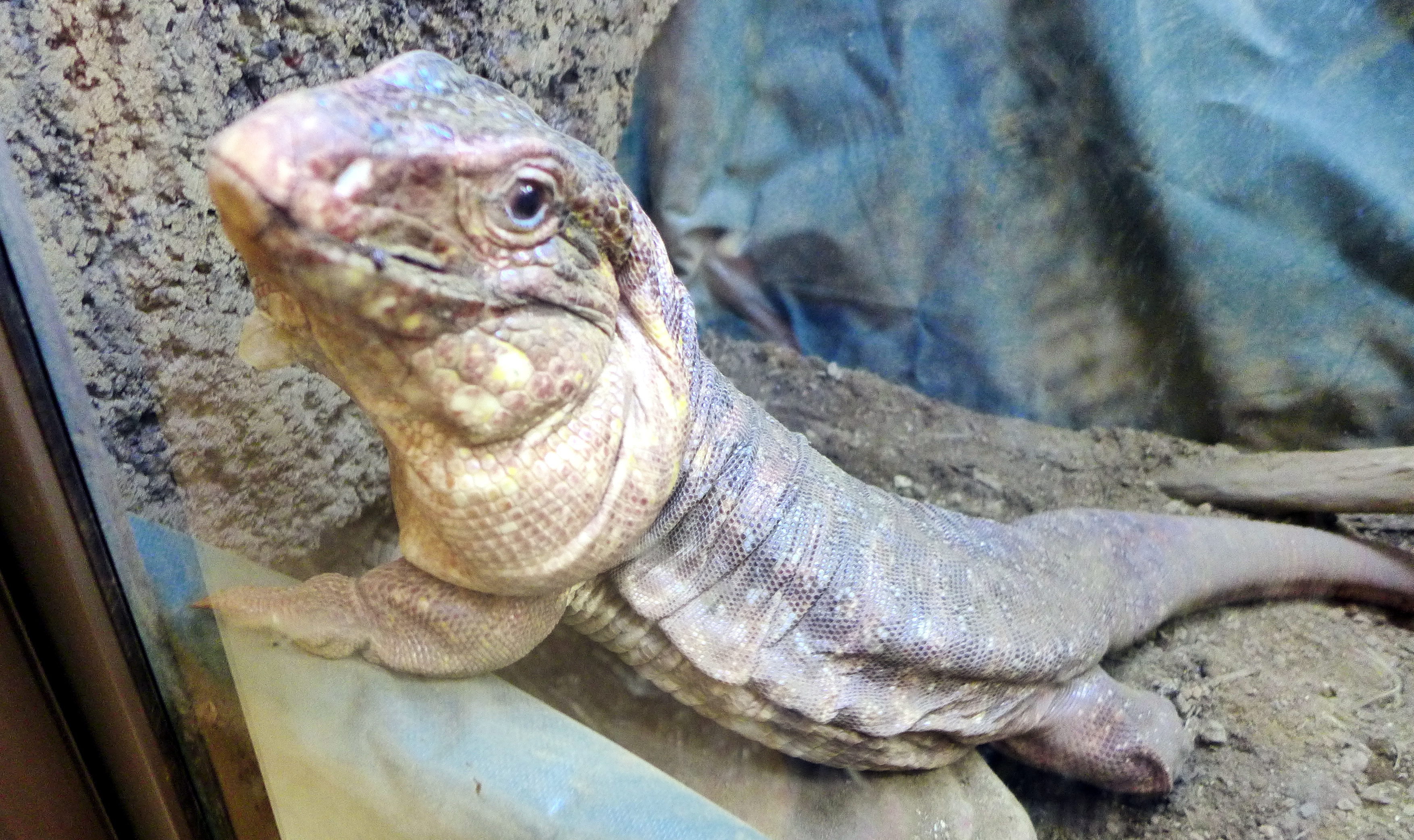
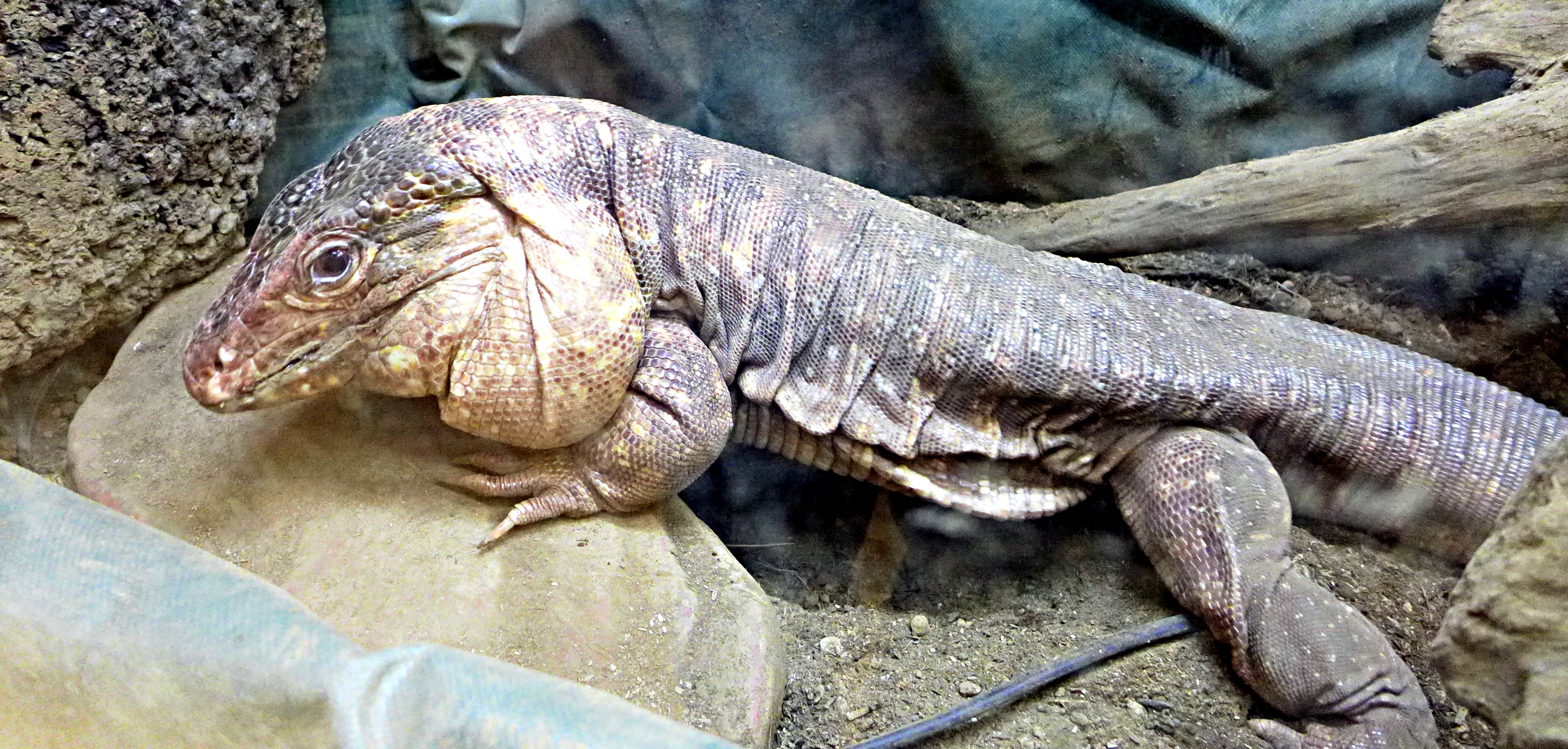
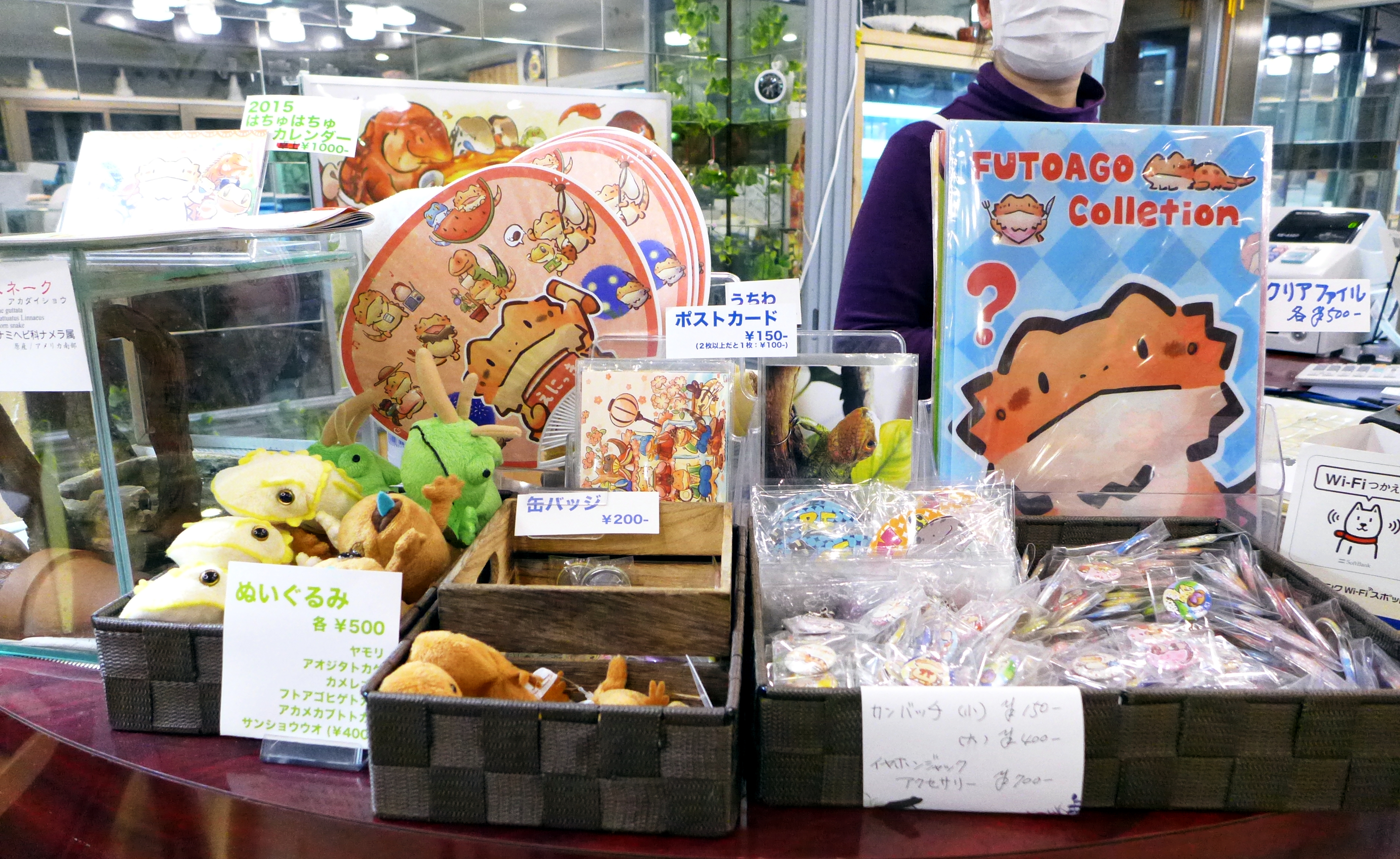
Our second animal adventure was a far more low-key affair. We visited Yokohama’s Subtropical Teahouse Reptile Café 横浜亜熱帯茶館. It was on the second floor of a normal building on a normal street and there wasn’t a big sign so we nearly missed it! The café consisted of a large room with tanks and cages around the room containing various reptilian life. There was also a low-walled ‘play area’ with a number of tortoises and some trees with lizards perching on them.

P1060291 P1060275 P1060204 P1060210 P1060218P1060312P1060324P1060270

We arrived at the café at 5, which meant the ‘play area’ was already closed (it shut at 5) but the café was open until 7 so we sat, drank Japanese tea, and watched the animals. The cafe policy was that you had to buy one drink but there was no hourly fee or entrance fee or anything, which was nice (most animal cafés do have a fee on top of the drinks). A lot of the lizards and snakes weren’t doing much, but a few came up to see us when we looked into their tanks. One even nodded his head at us when we nodded at him. The tea was really good, and had refills, so I had around 5 cups. The cafe was empty apart from us and one couple, so we could see all the animals easily. It was a really nice and relaxing way to spend the afternoon.

P1060208 P1060227 P1060233 P1060299P1060300P1060288P1060279P1060327

I would definitely recommend both the aquarium and the lizard café. The aquarium was impressive and the café fairly low-key, but both fulfilled my wish to see animals. I hope to go to more animal cafés in the future – there are goat, penguin and owl cafés too!